Dive slate · divesites.com.au · printed 9 Nov 2026
Colonist wreck (Sydney Harbour)
Sydney Harbour, New South Wales · near Mosman / Potts Point
| Depth | 18–20 m |
|---|---|
| Minimum level | Wreck specialty recommended |
| Difficulty | Advanced |
| Access | Boat |
| Entry | Not recommended – shipping channel |
| Current | Variable/Tidal |
| Visibility | 2–8 m m |
| Water | summer 21–24 °C °C, winter 15–18 °C °C |
| Suit | 7 mm wetsuit or semi-dry year round; 5 mm adequate Jan–Apr; hood and gloves in winter; drysuit optional Jul–Oct |
| Position | not published |
| Permit | Protected under the Underwater Cultural Heritage Act 2018; Port Authority of NSW approval required to dive in the shipping channel |
| Nearest chamber | Prince of Wales Hospital Hyperbaric Unit (Randwick, Sydney) |
| Emergency | 000 · DAN Asia-Pacific diving emergency 1800 088 200 |
Colonist wreck (Sydney Harbour)
Also known as Colonist, schooner Colonist
Relocated in 2013 in 20 m: the Muntz-metal outline and basalt cargo of an 1861 schooner sunk in an 1890 collision and later dynamited.
Near Mosman / Potts Point · Sydney Harbour, New South Wales
- Depth
- 18–20 m
- Minimum level
- Wreck specialty recommended
- Access
- Boat
- Boat ride
- —
- Water
- 21–24 °C
- Visibility
- 2–8 m
Colonist wreck (Sydney Harbour)18–20 m · Wreck specialty recommended
Dive factsDepths, conditions, location & safety
Season
In season nowBest months: year-round.
Dive facts
- Depth
- 18–20 m
- Typical depth
- 20 m
- Certification
- Wreck specialty recommended
- Difficulty
- Advanced
- Depth tier
- Advanced Open Water (18–30 m)
- Access
- Boat
- Dive centre needed
- Yes – permit/guide required
- Shore / independent
- No
- Current
- Variable/Tidal
- Visibility
- 2–8 m
- Water temp (summer)
- 21–24 °C
- Water temp (winter)
- 15–18 °C
- Water
- Temperate
- Dive traffic
- Remote/expedition only
- Night dive
- No
- Snorkel friendly
- No
Exposure suit
7 mm wetsuit or semi-dry year round; 5 mm adequate Jan–Apr; hood and gloves in winter; drysuit optional Jul–Oct
Location
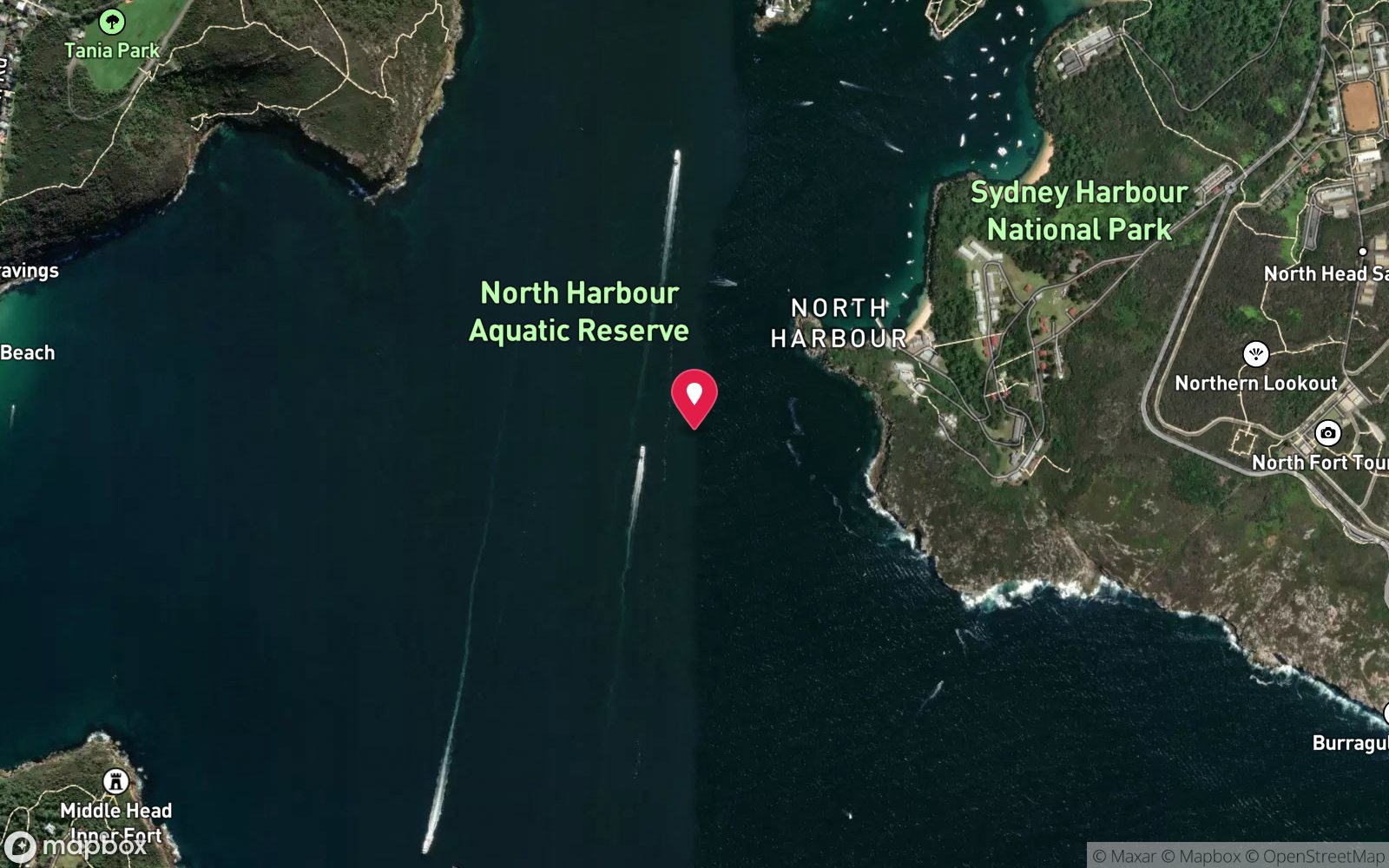
Sydney Harbour – Bradleys Head to Garden Island channel · Sydney – Harbour
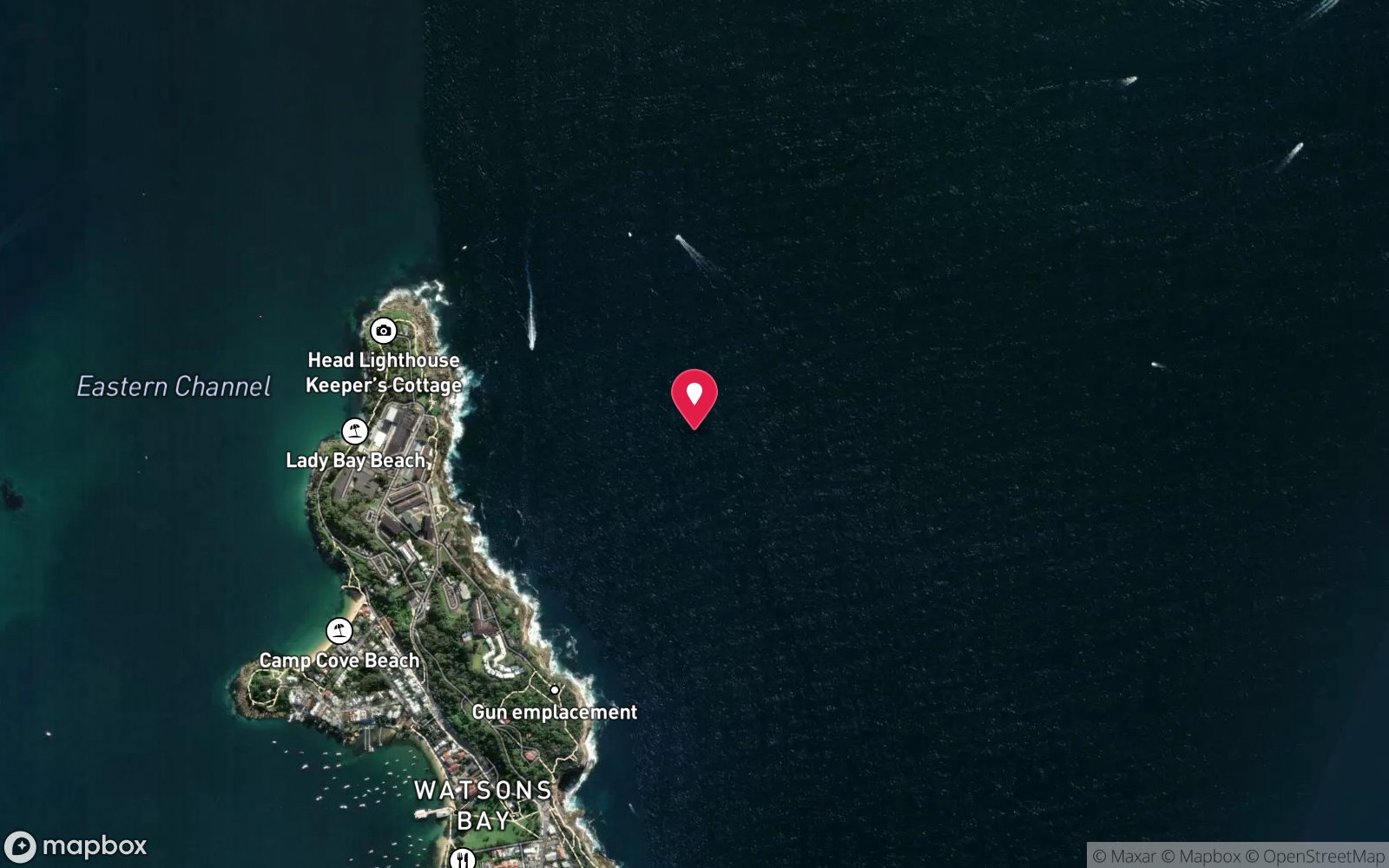
No published coordinates. The map above shows the general area, estimated from other documented sites near Mosman.
Primary source: en.wikipedia.orgMarine park & permits
Protected under the Underwater Cultural Heritage Act 2018; Port Authority of NSW approval required to dive in the shipping channel
Nearest recompression chamber
Prince of Wales Hospital Hyperbaric Unit (Randwick, Sydney)
Diving emergency: call 000, then DAN AP 1800 088 200.
Trip planner
Build a trip around Colonist wreck (Sydney Harbour) →
A day-by-day plan for Sydney Harbour with this site locked in.
This guide is a planning aid. Conditions change daily — confirm with a local dive centre and dive within your training. Data & safety notes.
Dive profile
How this site rates
Scores are computed from the recorded data, not opinions. How?
At a glance
Colonist wreck (Sydney Harbour) is a wreck boat dive in Sydney Harbour, NSW, 18–20 m, suited to Wreck specialty recommended divers, variable/tidal current.
Rated advanced because of depth beyond 18 m, tidal current that must be timed, boat traffic overhead, cold water.
Why dive here
- Relocated in 2013 in 20 m: the Muntz-metal outline and basalt cargo of an 1861 schooner sunk in an 1890 collision and later dynamited.
- Sunk in 1890 (Wooden schooner, c.23–24 m (76–78 ft), 105 tons); protected as underwater cultural heritage, so look but do not touch.
- Rarely dived: expect to have the site to yourself, and plan your own logistics.
Conditions to avoid
- Afternoon north-easterlies
- Outgoing tide or run-off after rain (poor visibility)
About Colonist wreck (Sydney Harbour)
The Colonist was a wooden schooner of about 105 tons, roughly 23–24 m (76–78 ft) long with a 6 m beam, built in 1861. She had an eventful career: on 22 May 1870 she struck Elizabeth Reef, about 550 km off the NSW coast, but was refloated and brought back to Sydney in March 1871. Her end came in Sydney Harbour on 1 March 1890, when she sank after a collision with the steamer Adelaide.
Because she lay in the harbour's main shipping channel, the wreck was blown apart with dynamite in April 1890 to clear the fairway, and for more than a century her exact position was lost. Maritime archaeologists relocated the site on 13 May 2013 in about 20 m between Bradleys Head and Garden Island. What remains is the outline of the hull traced by the Muntz metal sheathing that once protected the timber below the waterline, and a pile of basalt – part of her final cargo.
It is protected under the Underwater Cultural Heritage Act 2018. Divers interested in Sydney Harbour wrecks can instead visit sites such as the Centennial in Taylors Bay, which is diveable with care. The Colonist's value is historical: a well-documented example of a small colonial trading schooner whose loss and deliberate demolition reflect the harbour's working past.
Wreck details
Wooden schooner, c.23–24 m (76–78 ft), 105 tons · Sunk 1890 · Protected historic shipwreck
Era: colonial sail and steam. Oldest wrecks · Wartime wrecks · Scuttled warships
Other wrecks of the same era
- SS Royal Shepherd wreck · Max 30 m · Sydney Harbour
- SS Centennial wreck (Taylors Bay) · Max 15 m · Sydney Harbour
- SS Duckenfield wreck · Max 23 m · Sydney Northern Beaches
- SV Berbice wreck (Stockton Beach) · Max 5 m · Newcastle & Lake Macquarie
- Centurion wreck · Max 19 m · Sydney Harbour
- SS Hilda wreck (Cape Baily) · Max 27 m · Sydney South & Botany Bay
Getting there & entry
Remains of the 1861 wooden schooner Colonist, sunk after a collision in Sydney Harbour in 1890 and later blown up; lies in about 20 m in the main shipping channel between Bradleys Head and Garden Island.
The wreck lies in Sydney Harbour's main shipping channel between Bradleys Head and Garden Island in about 20 m, relocated by maritime archaeologists in May 2013. It is not a recreational dive site: diving in the channel requires Port Authority of NSW approval and a vessel exclusion arrangement, and the area carries ferries, cruise ships and naval traffic. The nearest launching points would be Rose Bay or Rushcutters Bay, but any visit should be organised through Heritage NSW or the Port Authority rather than attempted independently.
Entry: Not recommended – shipping channel
Weather, swell & tides
Inside Sydney Harbour and sheltered from ocean swell, but visibility in the main channel is often poor, especially after rain or on the ebb, and tidal flow runs along the channel. The overriding constraint is shipping: ferries, cruise ships and naval vessels use this stretch around the clock, so diving is only possible under a formal arrangement with the Port Authority during a controlled window. Wind is a secondary issue, although strong north-easterlies raise a chop across the open harbour.
How the dive is usually run
Not a recreational dive. Any archaeological or authorised dive would descend a shot line to the ballast pile and hull outline in about 20 m during an agreed shipping window, with surface support and a vessel exclusion zone.
Marine life
- Silt-tolerant harbour species; sparse growth on basalt ballast (not documented)
Linked species have their own page listing every site where they are recorded. All marine life →
Training required
Beyond 18 m an Advanced certification (which includes a deep dive to 30 m) is the accepted minimum. Anything past 25 m is a deep dive in practice.
Courses that help here
- Drysuit Diver – Cold water; locals dive dry for much of the year.
- Peak Performance Buoyancy – Silt and low visibility punish poor trim.
Depth tiers: 0–10 m easy · to 18 m Open Water · 18–30 m Advanced (25 m+ is a deep dive) · 30–40 m Deep specialty · 40 m+ technical. All courses
Hazards & warnings
Main Sydney Harbour shipping channel – ferries, cruise ships and naval vessels; diving requires Port Authority approval; poor visibility; tidal current; protected heritage site.
Technical notes
Archaeological site; no recreational access without approval.
Dive centres that go here
No operator – archaeological access only (Heritage NSW / Port Authority of NSW approval).
Other dive centres in Sydney Harbour
Abyss Scuba Diving
ProfiledRamsgate · Sydney South & Botany Bay · NSW
A Sydney operation associated with training across recreational and technical levels, boat diving and equipment services.
abyss.com.au · +61 2 9583 9662
Frog Dive Sydney
ProfiledGladesville · Sydney South & Botany Bay · NSW
A Willoughby PADI 5 Star IDC founded in 1985, teaching recreational through Trimix and rebreather courses with PADI, SDI and TDI, and testing cylinders in-store.
frogdive.com.au · (02) 9958 5699
Pro Dive Sydney
ProfiledSt Peters · Sydney South & Botany Bay · NSW
Pro Dive's inner-Sydney training centre at Alexandria, close to Camp Cove, Clovelly, Gordons Bay and Bare Island, with courses to Divemaster, hire and servicing.
prodive.com.au · (02) 9665 6333
Dive Centre Manly
ProfiledManly · Sydney South & Botany Bay · NSW
A Northern Beaches operation with a long-standing presence at Shelly Beach, offering recreational training, boat diving and technical pathways.
divesydney.com.au · (02) 9977 4355
Pro Dive Brookvale
ProfiledBrookvale · Sydney South & Botany Bay · NSW
Pro Dive's Northern Beaches centre at Brookvale, running the 43-foot dive boat Sea Life V alongside courses, hire, air fills and servicing.
prodive.com.au · (02) 9977 5966
Dive Centre Bondi
ProfiledBondi · Sydney South & Botany Bay · NSW
An Eastern Suburbs PADI 5 Star IDC on Bondi Road teaching through Instructor and technical levels, with air, Nitrox and Trimix fills and manufacturer-approved servicing.
divebondi.com.au · +61 2 9369 3855
General area
No position has been published for Colonist wreck (Sydney Harbour). The circle shows where it is likely to be, worked out from other documented sites near Mosman. Ask a local operator for the exact site.
Dashed circle: general area (about 3 km), from other documented sites near Mosman. 6 pinned sites. Pins marked approximate on their pages show the general area only; not for navigation.
Colonist wreck (Sydney Harbour): frequently asked questions
How deep is Colonist wreck (Sydney Harbour)?
Colonist wreck (Sydney Harbour) reaches a maximum depth of 20 m, with the shallowest part at about 18 m; most of the dive is spent around 20 m.
What certification do I need to dive Colonist wreck (Sydney Harbour)?
Wreck specialty recommended is the recommended minimum. Rated advanced because of depth beyond 18 m, tidal current that must be timed, boat traffic overhead, cold water.
Can I shore dive Colonist wreck (Sydney Harbour)?
No, it is reached by boat. A dive centre is required: permit/guide required.
What marine life will I see at Colonist wreck (Sydney Harbour)?
Regularly recorded: Silt-tolerant harbour species; sparse growth on basalt ballast (not documented).
What wetsuit do I need at Colonist wreck (Sydney Harbour)?
7 mm wetsuit or semi-dry year round; 5 mm adequate Jan–Apr; hood and gloves in winter; drysuit optional Jul–Oct.
How cold is the water at Colonist wreck (Sydney Harbour)?
Typically 21–24 °C in summer and 15–18 °C in winter.
What are the main hazards at Colonist wreck (Sydney Harbour)?
Main Sydney Harbour shipping channel – ferries, cruise ships and naval vessels; diving requires Port Authority approval; poor visibility; tidal current; protected heritage site. See the hazards section above for the full list.
Where is the nearest recompression chamber to Colonist wreck (Sydney Harbour)?
Prince of Wales Hospital Hyperbaric Unit (Randwick, Sydney). In an emergency call 000, then DAN Asia-Pacific on 1800 088 200.
Diving in Sydney Harbour
Sydney Harbour has more marine species than the entire Mediterranean, and most of its dive sites are gentle shore dives inside the heads. Clifton Gardens (Chowder Bay) is the city's night-dive institution, with seahorses, pygmy pipehorses, frogfish and octopus under the wharf; Camp Cove, Fairlight and the Fairy Bower reef are easy day dives, and North Head's outside reefs are for experienced divers on calm days.
Getting there: All sites are within the city with public transport, parking and easy entries. Boat dives to the Harbour reefs and wrecks leave from Rose Bay and Mosman.
Sources
Data confidence: Low · Being verified: Region is Sydney Harbour, not Sydney South; no published GPS; confirm access status with Heritage NSW. A different SS Colonist (1889) was wrecked at Newcastle's Oyster Bank in 1894.. Last updated September 2026. Know this site better? How to send a correction