Dive slate · divesites.com.au · printed 9 Nov 2026
TSS Currajong wreck
Sydney Harbour, New South Wales · near Mosman
| Depth | 18–27 m |
|---|---|
| Minimum level | Advanced Open Water |
| Difficulty | Advanced |
| Access | Shore or Boat |
| Entry | Boat: giant stride onto a shot line at slack high water after midnight (Port Authority conditions); shore: from the Bradleys Head steps on a 120° bearing for 220–230 m following the stakes |
| Current | Variable/Tidal |
| Visibility | 2-10 m |
| Water | summer 21-24 °C, winter 15-18 °C |
| Suit | 5 mm full suit in summer; 7 mm semi-dry or drysuit May–October |
| Best season | Slack high water at night; winter dry spells for best visibility |
| Bottom time | 30 min |
| Position | -33.85508, 151.24892 (GPS) |
| Permit | Port Authority of NSW conditions – charter arranges; protected historic shipwreck |
| Nearest chamber | Prince of Wales Hospital (Randwick, Sydney) |
| Emergency | 000 · DAN Asia-Pacific diving emergency 1800 088 200 |
TSS Currajong wreck
Also known as Currajong, The Clarence
An intact 1910 collier upright in the shipping channel under the ferry lanes, dived by a handful of people a year at slack water after midnight.
Near Mosman · Sydney Harbour, New South Wales
- Depth
- 18–27 m
- Minimum level
- Advanced Open Water
- Access
- Shore or Boat
- Boat ride
- ~20 min
- Water
- 21-24 °C
- Visibility
- 2-10 m
TSS Currajong wreck18–27 m · Advanced Open Water · Shore
Dive factsDepths, conditions, location & safety
Season
Off-peak nowBest months: May, June, July, August, September, October.
Slack high water at night; winter dry spells for best visibility
- Best months
- Now (November)
Dive facts
- Depth
- 18–27 m
- Typical depth
- 22 m
- Certification
- Advanced Open Water
- Difficulty
- Advanced
- Depth tier
- Advanced Open Water (18–30 m)
- Access
- Shore or Boat
- Offshore
- 0.23 km
- Dive centre needed
- Yes – permit/guide required
- Shore / independent
- No
- Boat ride
- ~20 min
- Current
- Variable/Tidal
- Visibility
- 2-10 m
- Water temp (summer)
- 21-24 °C
- Water temp (winter)
- 15-18 °C
- Water
- Temperate
- Bottom time
- 30 min
- Dive traffic
- Rarely dived (private boat/club only)
- Night dive
- Yes
- Snorkel friendly
- No
Exposure suit
5 mm full suit in summer; 7 mm semi-dry or drysuit May–October
Location
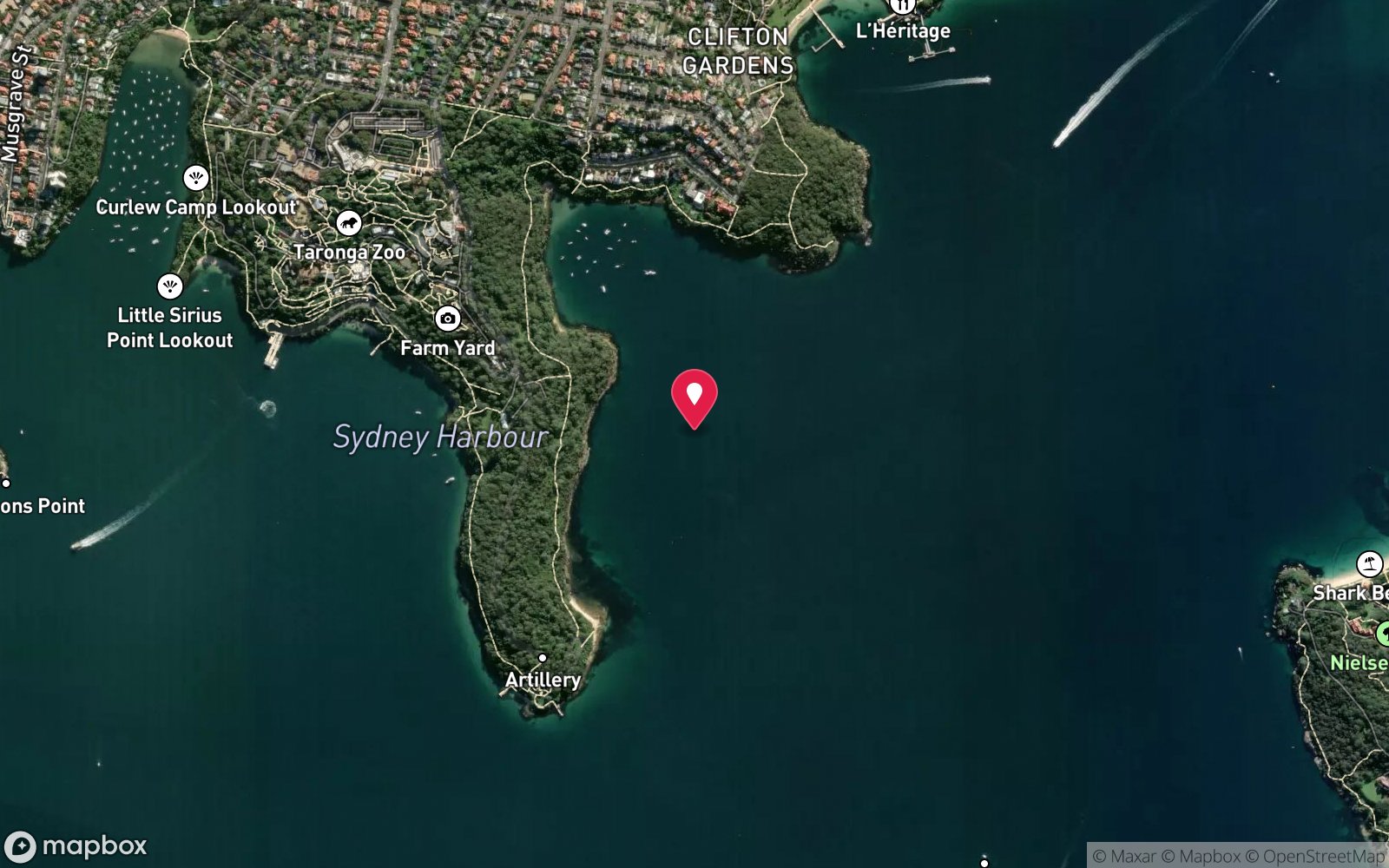
Bradleys Head · Sydney – Harbour
-33.85508, 151.24892
Published GPS position.
Open in Google MapsPrimary source: michaelmcfadyenscuba.infoMarine park & permits
Port Authority of NSW conditions – charter arranges; protected historic shipwreck
Nearest recompression chamber
Prince of Wales Hospital (Randwick, Sydney)
Diving emergency: call 000, then DAN AP 1800 088 200.
Trip planner
Build a trip around TSS Currajong wreck →
A day-by-day plan for Sydney Harbour with this site locked in.
This guide is a planning aid. Conditions change daily — confirm with a local dive centre and dive within your training. Data & safety notes.
Dive profile
How this site rates
Scores are computed from the recorded data, not opinions. How?
At a glance
TSS Currajong wreck is a wreck boat dive in Sydney Harbour, NSW, 18–27 m, suited to Advanced Open Water divers, variable/tidal current, about 20 minutes by boat.
Rated advanced because of depth beyond 18 m, tidal current that must be timed, an overhead environment, boat traffic overhead, cold water.
Why dive here
- An intact 1910 collier upright in the shipping channel under the ferry lanes, dived by a handful of people a year at slack water after midnight.
- Sunk in 1910 (Twin-screw iron steamer/collier, 68 m, 603 tons); protected as underwater cultural heritage, so look but do not touch.
- Commonly dived at night, when octopus, cuttlefish and crustaceans are out.
- Rarely dived: expect to have the site to yourself, and plan your own logistics.
About TSS Currajong wreck
The Currajong is the best wreck in Sydney Harbour and the hardest to dive legally. She was launched in Glasgow in 1875 as the TSS The Clarence, a 67.6 m, 603-ton twin-screw passenger and cargo steamer for the NSW north-coast trade, renamed Currajong in 1883 and later converted to a collier carrying coal from the Illawarra. On the night of 4 March 1910, outward bound in ballast, she crossed the path of the AUSN liner Wyreema off Bradleys Head and was struck on the port side; she sank in minutes in the main channel and one man died.
Too deep to be a hazard to shipping of the day and too expensive to raise, she was left, and she lies today exactly where she fell, in the busiest stretch of water in Australia. The hull is almost completely intact and upright with the bow pointing toward Bradleys Head, deck at 18 m at the bow and 22 m at the stern, sand at 23–27 m. Two open holds, the donkey boiler, winches, the poop deck and steering gear are all there, and on the port side the plating is folded in where the Wyreema's bow entered.
The interior is floored with a century of dead oyster shell; limited penetration is possible but rarely worth the silt. Schools of jewfish, bream, luderick, yellowtail and one-spot pullers crowd the stern and poop, and decorator crabs cover the rails, which is why the charter markets it as a photography dive. The restrictions are absolute: the wreck is in the shipping channel, so it is dived only at slack high water after midnight under Port Authority conditions, ascending on a line.
Shore divers have reached it from the Bradleys Head steps along a staked route, but ferries pass overhead at full speed and the practice is neither safe nor clearly lawful. It suits Advanced divers who join the monthly charter and accept a 1 am start for the privilege of seeing a 1910 collier that almost nobody has.
Wreck details
Twin-screw iron steamer/collier, 68 m, 603 tons · Sunk 1910 · Protected historic shipwreck
Era: early 20th century. Oldest wrecks · Wartime wrecks · Scuttled warships
Other wrecks of the same era
- SS Satara wreck · Max 44 m · Forster & Seal Rocks
- SS Macleay wreck · Max 42 m · Port Stephens
- SS New Guinea · Max 10 m · Eden & Green Cape
- SS Advance wreck (Catherine Hill Bay) · Max 49 m · Newcastle & Lake Macquarie
- Itata wreck (Salt Pan Creek) · Max 10 m · Sydney Harbour
- Swansea Coal Loader / SS Wallarah remains · Max 11 m · Newcastle & Lake Macquarie
Getting there & entry
Almost intact 68 m collier sunk in the main shipping channel 230 m off Bradleys Head after being run down by the liner Wyreema on 4 March 1910; upright with deck at 18–22 m and sand at 23–27 m.
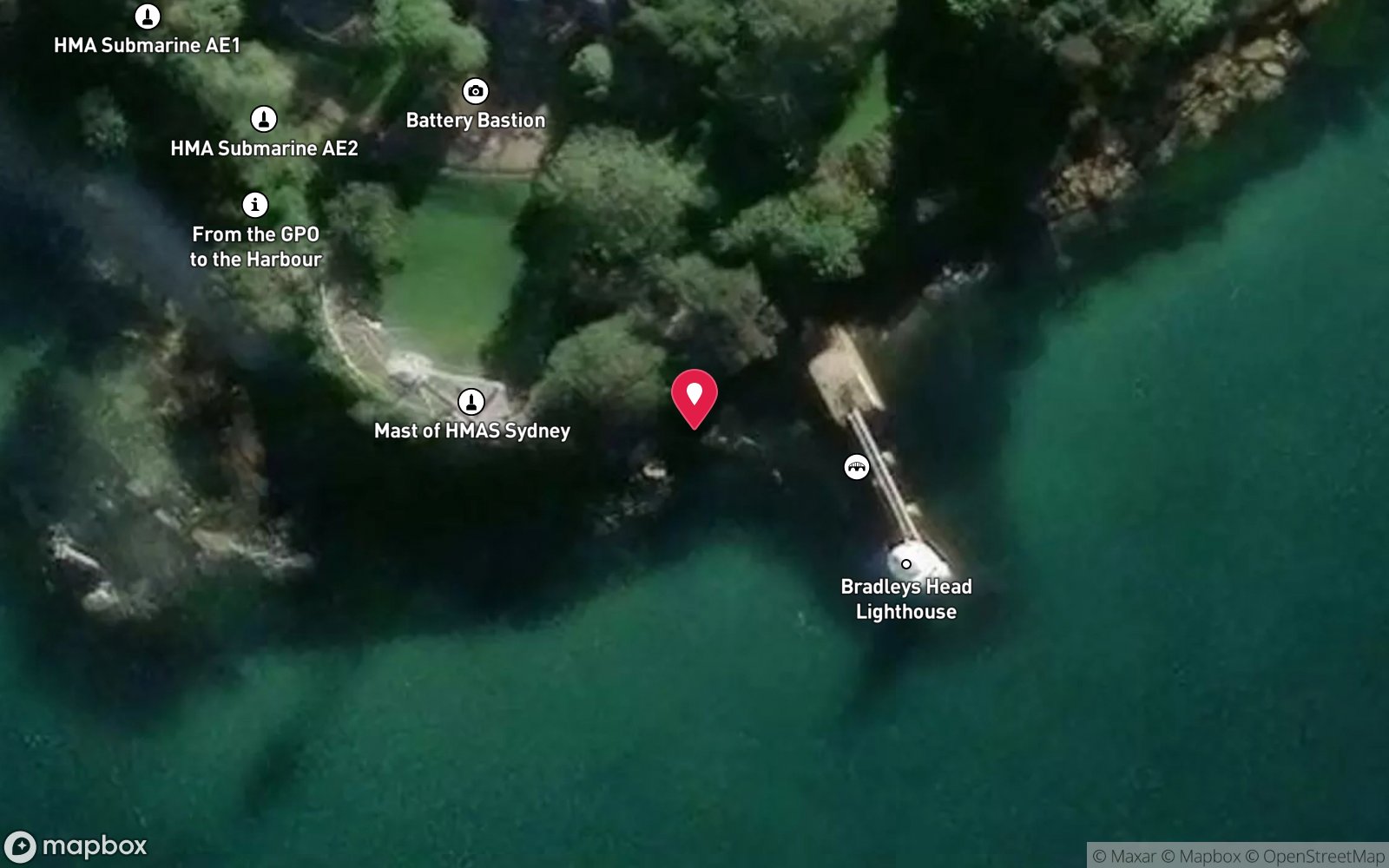
The wreck lies in the harbour's main shipping channel 230 m south-east of the Bradleys Head mast, GPS 33°51.31'S 151°14.94'E (WGS84). Sydney Dive Charters runs it as a monthly night dive (first Friday), departing Little Manly ramp or Rose Bay wharf at about 1 am so as to be on the wreck at slack high water when harbour traffic is minimal, under arrangements with the Port Authority; Advanced certification and 20 logged dives required. Shore divers have reached it from the steps below the Bradleys Head mast, swimming out at depth on a 120° bearing along a line of stakes (scooters help), but the legality of doing so in the channel is uncertain and the traffic hazard is severe.
Exit is back at the steps or the boat.
Entry: Boat: giant stride onto a shot line at slack high water after midnight (Port Authority conditions); shore: from the Bradleys Head steps on a 120° bearing for 220–230 m following the stakes
Weather, swell & tides
The Currajong is dived only at slack high water, when the flood has brought clean water up the harbour and the tidal stream in the channel has stopped, and only at night when ferries and shipping are at a minimum – the charter departs around 1 am. Visibility ranges from centimetres to 10 m and is destroyed by rain for days. Weather is irrelevant beyond wind chop; traffic is everything.
Daylight diving in the channel is effectively prohibited.
Best season: Slack high water at night; winter dry spells for best visibility
If it's blown out
Sheltered or shore sites within 25 km that often work when TSS Currajong wreck doesn't.
- Chowder Bay / Clifton Gardens · 2 km · Max 10 m
- Balmoral Baths · 3 km · Max 5 m
- Camp Cove · 3 km · Max 8 m
- Fairlight · 7 km · Max 12 m
How the dive is usually run
Descend the shot to the deck at 18–20 m near the bow, which points toward Bradleys Head. Swim aft along the deck past the two holds, the donkey boiler and winches to the poop deck and stern at 22 m, look at the great indentation on the port side where the Wyreema struck, peer into the holds (limited penetration only), and return to the shot. Ascend strictly on the line; no free ascents in the channel.
Marine life
- Jewfish (mulloway)
- bream
- luderick
- yellowtail
- one-spot pullers
- decorator crabs
- cuttlefish →
- moray eels
- sponges and oysters on the hull
Linked species have their own page listing every site where they are recorded. All marine life →
Training required
Beyond 18 m an Advanced certification (which includes a deep dive to 30 m) is the accepted minimum. Anything past 25 m is a deep dive in practice.
At more than 25 m this counts as a deep dive: watch no-decompression limits and gas.
Courses that help here
- Enriched Air Nitrox – Longer no-decompression time at 25 m and deeper.
- Wreck Diver – The wreck has penetration options.
- Night Diver – Commonly dived at night.
- Drysuit Diver – Cold water; locals dive dry for much of the year.
Depth tiers: 0–10 m easy · to 18 m Open Water · 18–30 m Advanced (25 m+ is a deep dive) · 30–40 m Deep specialty · 40 m+ technical. All courses
Hazards & warnings
Lies in the main shipping channel – ferries and ships overhead; Port Authority conditions and slack-water/night-only diving; near-zero visibility possible; depth to 27 m; disorientation; ascend on a line only; shore approach legality uncertain.
Technical notes
Night, low-visibility and navigation experience essential; strobe on the shot line; no free ascents.
Dive centres that go here
Sydney Dive Charters – monthly night boat dive (first Friday of the month, 1 am departure, 2 hours, Advanced + 20 dives, peak high tide only); no other operator. Independent shore dives have been done from Bradleys Head but are not recommended.
Operators recorded for TSS Currajong wreck
Other dive centres in Sydney Harbour
Abyss Scuba Diving
ProfiledRamsgate · Sydney South & Botany Bay · NSW
A Sydney operation associated with training across recreational and technical levels, boat diving and equipment services.
abyss.com.au · +61 2 9583 9662
Frog Dive Sydney
ProfiledGladesville · Sydney South & Botany Bay · NSW
A Willoughby PADI 5 Star IDC founded in 1985, teaching recreational through Trimix and rebreather courses with PADI, SDI and TDI, and testing cylinders in-store.
frogdive.com.au · (02) 9958 5699
Pro Dive Sydney
ProfiledSt Peters · Sydney South & Botany Bay · NSW
Pro Dive's inner-Sydney training centre at Alexandria, close to Camp Cove, Clovelly, Gordons Bay and Bare Island, with courses to Divemaster, hire and servicing.
prodive.com.au · (02) 9665 6333
Dive Centre Manly
ProfiledManly · Sydney South & Botany Bay · NSW
A Northern Beaches operation with a long-standing presence at Shelly Beach, offering recreational training, boat diving and technical pathways.
divesydney.com.au · (02) 9977 4355
Pro Dive Brookvale
ProfiledBrookvale · Sydney South & Botany Bay · NSW
Pro Dive's Northern Beaches centre at Brookvale, running the 43-foot dive boat Sea Life V alongside courses, hire, air fills and servicing.
prodive.com.au · (02) 9977 5966
Dive Centre Bondi
ProfiledBondi · Sydney South & Botany Bay · NSW
An Eastern Suburbs PADI 5 Star IDC on Bondi Road teaching through Instructor and technical levels, with air, Nitrox and Trimix fills and manufacturer-approved servicing.
divebondi.com.au · +61 2 9369 3855
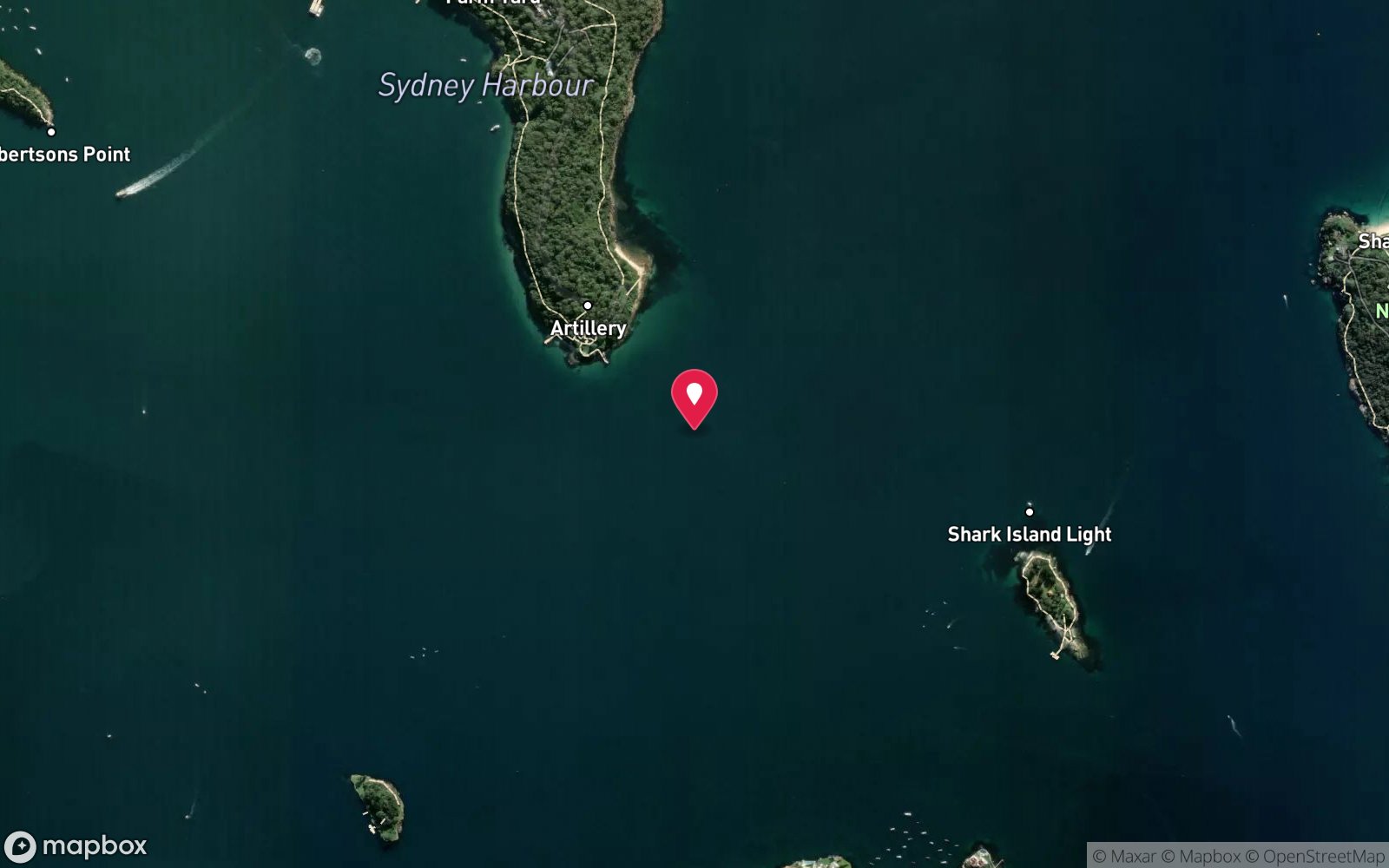
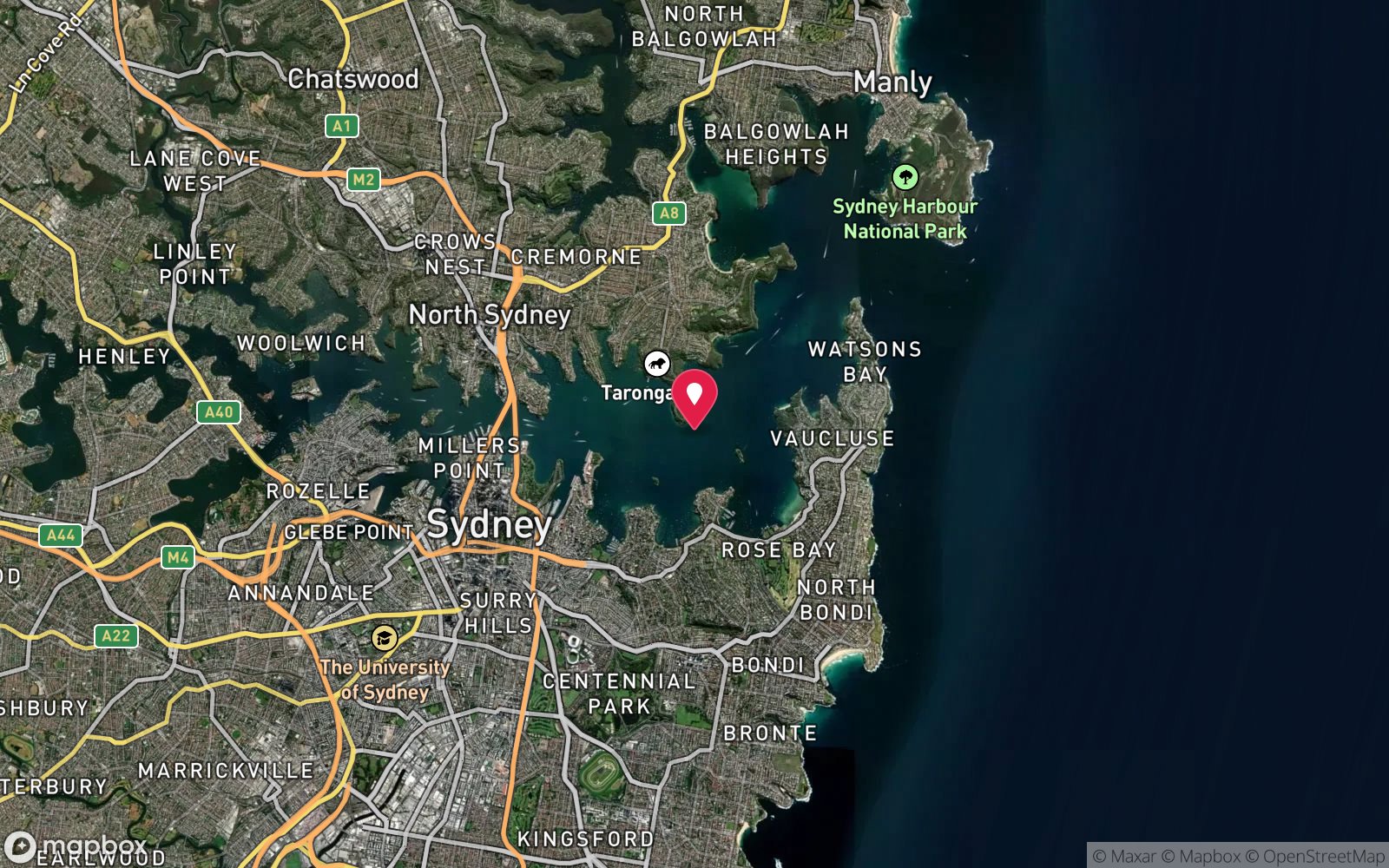
Map
7 pinned sites. Pins marked approximate on their pages show the general area only; not for navigation.
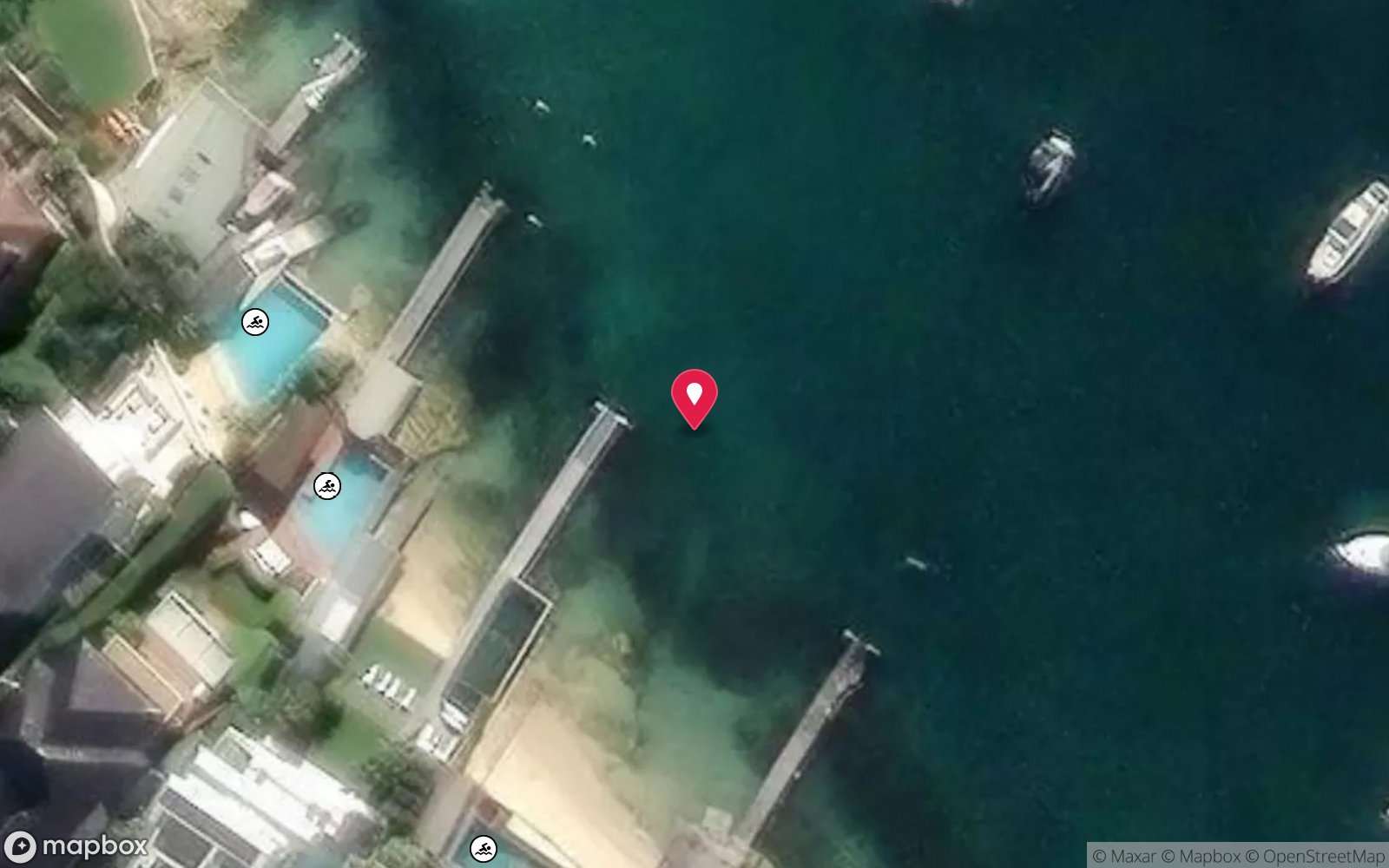
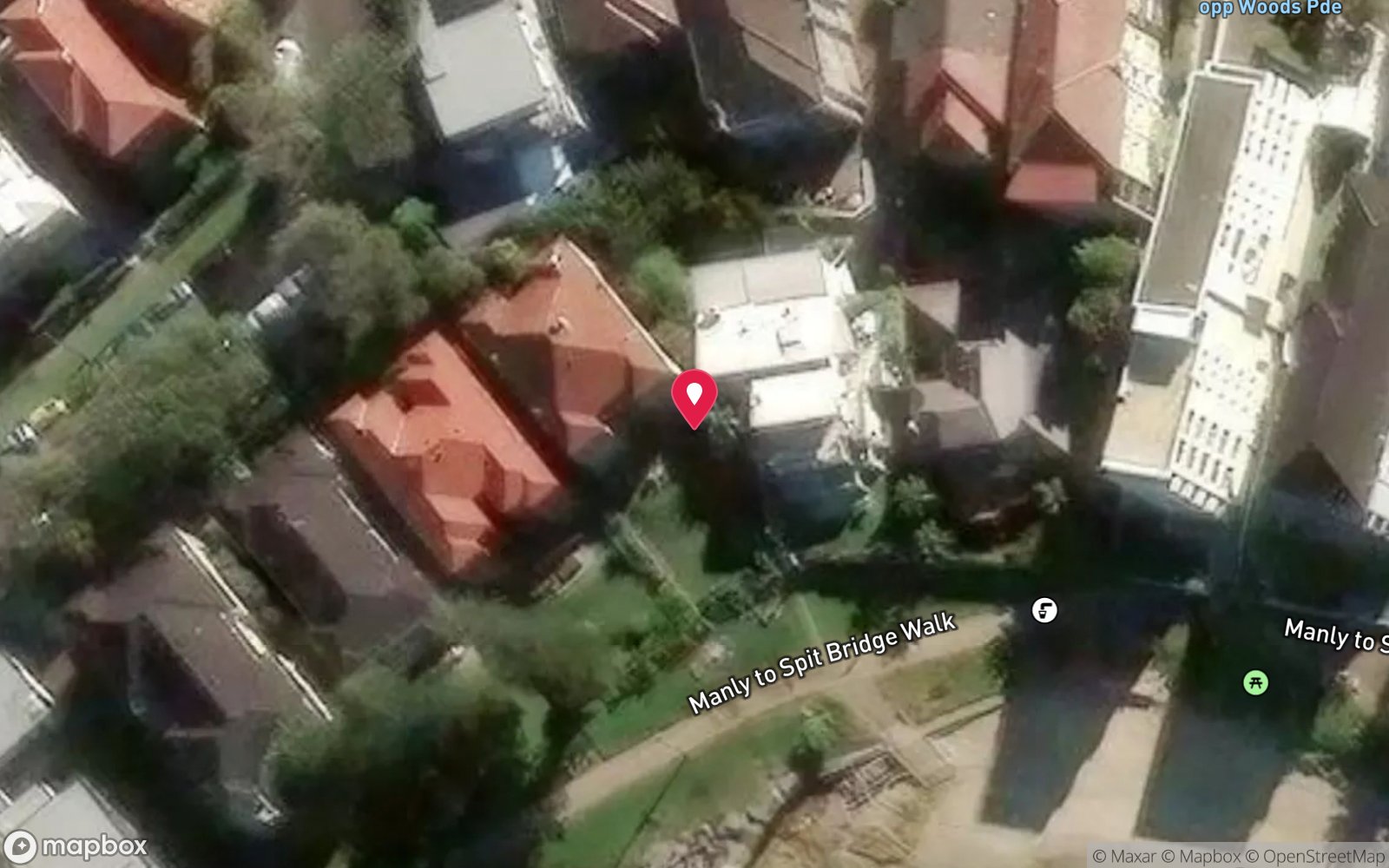
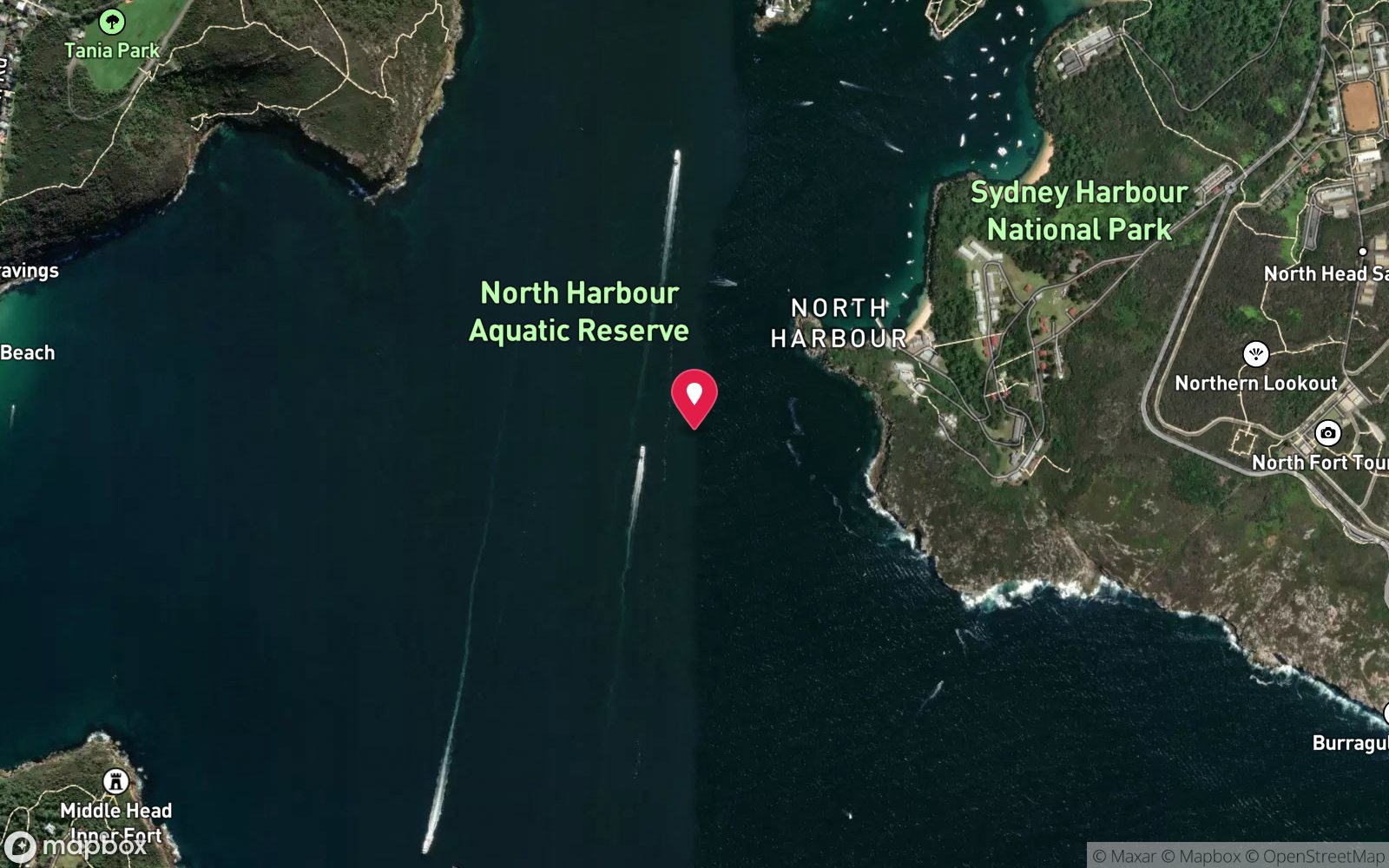
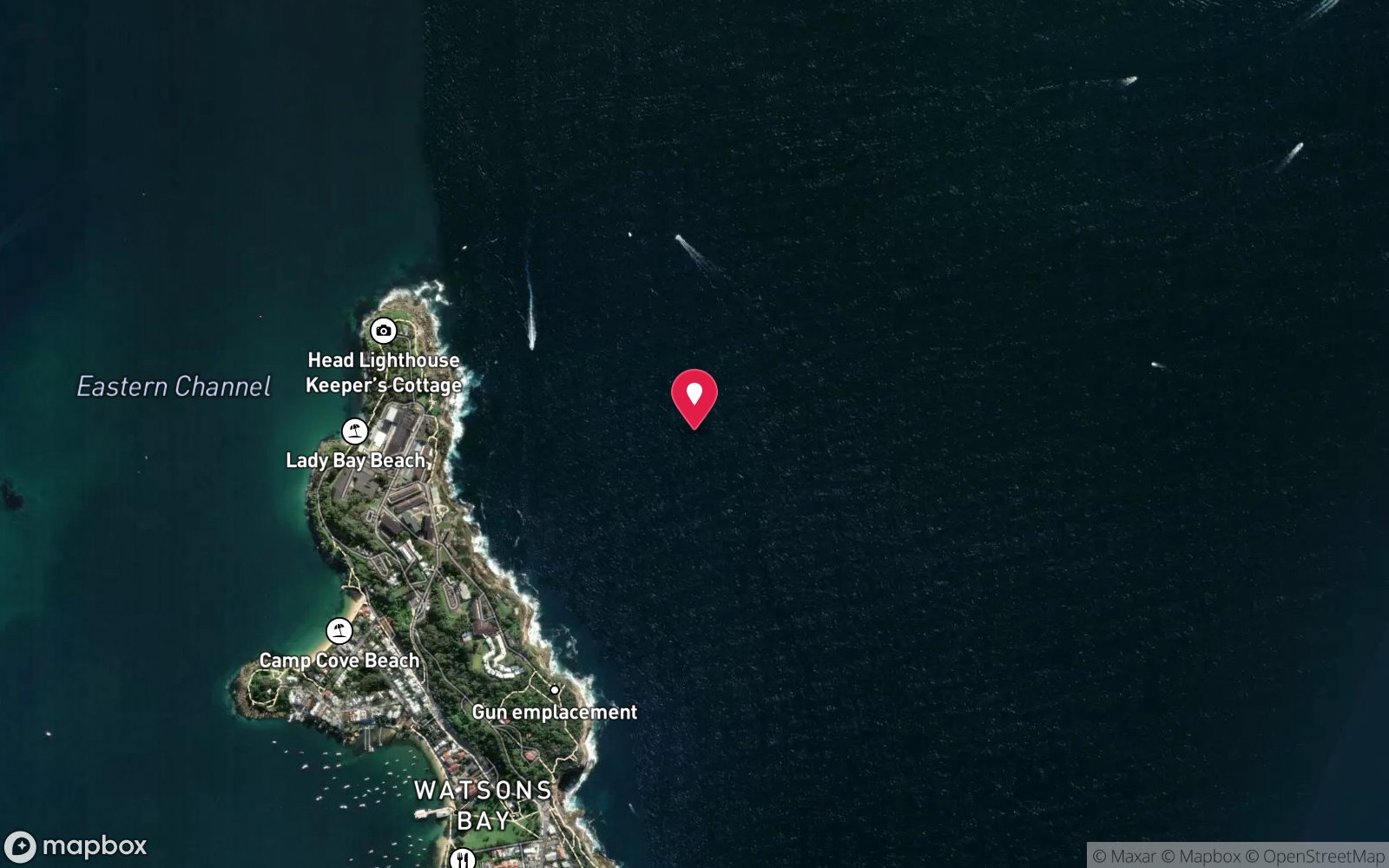
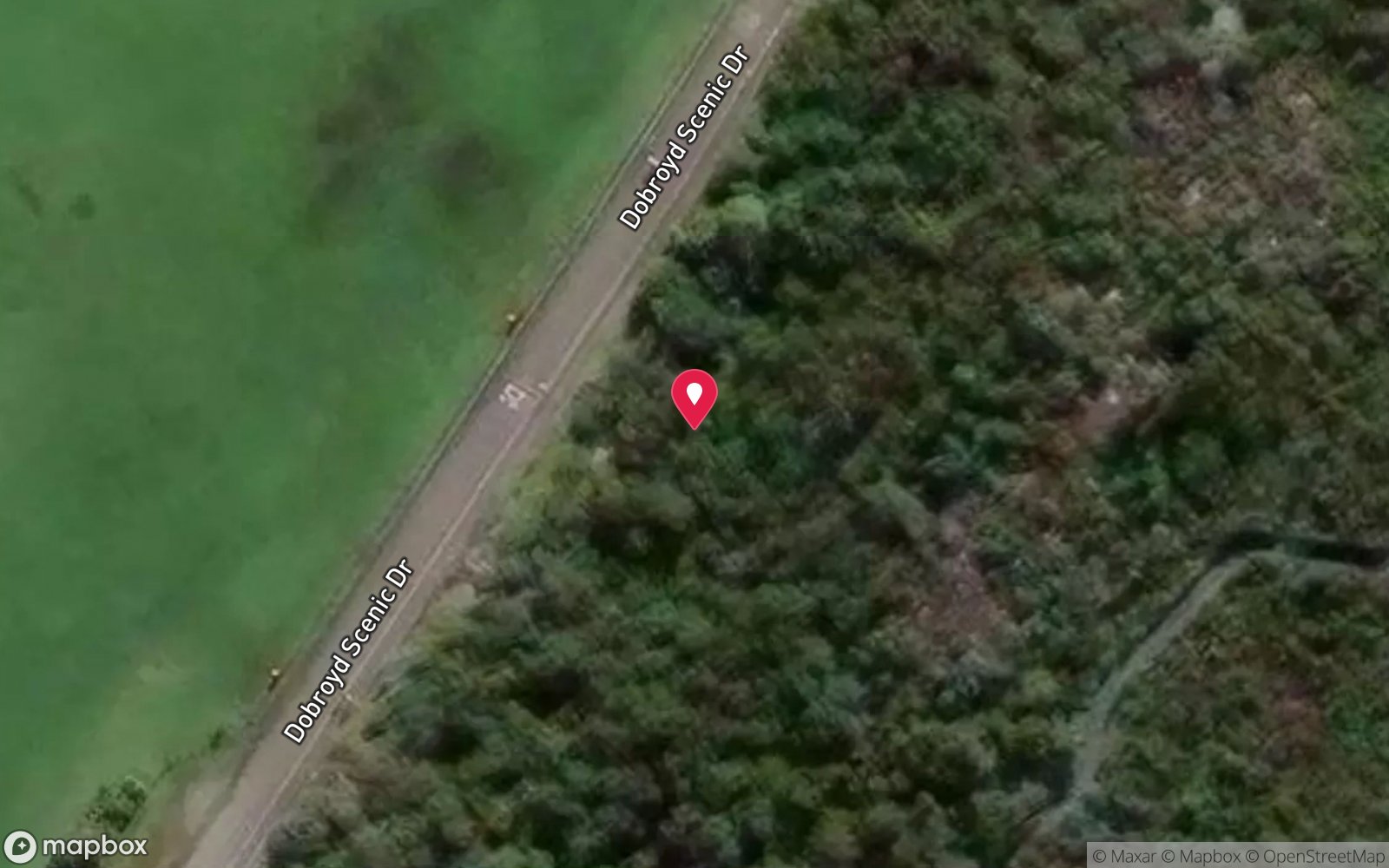
Satellite views
TSS Currajong wreck: frequently asked questions
How deep is TSS Currajong wreck?
TSS Currajong wreck reaches a maximum depth of 27 m, with the shallowest part at about 18 m; most of the dive is spent around 22 m.
What certification do I need to dive TSS Currajong wreck?
Advanced Open Water is the recommended minimum. At more than 25 m this counts as a deep dive: watch no-decompression limits and gas. Rated advanced because of depth beyond 18 m, tidal current that must be timed, an overhead environment, boat traffic overhead, cold water.
Can I shore dive TSS Currajong wreck?
No, it is reached by boat (about 20 minutes). A dive centre is required: permit/guide required.
When is the best time to dive TSS Currajong wreck?
Slack high water at night; winter dry spells for best visibility.
What marine life will I see at TSS Currajong wreck?
Regularly recorded: Jewfish (mulloway), bream, luderick, yellowtail, one-spot pullers, decorator crabs, cuttlefish, moray eels, sponges and oysters on the hull.
What wetsuit do I need at TSS Currajong wreck?
5 mm full suit in summer; 7 mm semi-dry or drysuit May–October.
How cold is the water at TSS Currajong wreck?
Typically 21-24 °C in summer and 15-18 °C in winter.
What are the main hazards at TSS Currajong wreck?
Lies in the main shipping channel – ferries and ships overhead; Port Authority conditions and slack-water/night-only diving; near-zero visibility possible; depth to 27 m; disorientation; ascend on a line only; shore approach legality uncertain. See the hazards section above for the full list.
Can you night dive TSS Currajong wreck?
Yes, TSS Currajong wreck is commonly dived at night.
Diving in Sydney Harbour
Sydney Harbour has more marine species than the entire Mediterranean, and most of its dive sites are gentle shore dives inside the heads. Clifton Gardens (Chowder Bay) is the city's night-dive institution, with seahorses, pygmy pipehorses, frogfish and octopus under the wharf; Camp Cove, Fairlight and the Fairy Bower reef are easy day dives, and North Head's outside reefs are for experienced divers on calm days.
Getting there: All sites are within the city with public transport, parking and easy entries. Boat dives to the Harbour reefs and wrecks leave from Rose Bay and Mosman.
Sources
- michaelmcfadyenscuba.info/viewpage.php?page_id=57
- sydneydivecharters.com.au/dives/night-boat-dives
- viz.net.au/maps-of-shore-dive-sites/tss-currajong-shipwreck
- sydneydivecharters.com.au/boat-dive-sites-sydney
Data confidence: High. Last updated September 2026. Know this site better? How to send a correction
Nearby dive sites
More wrecks in New South Wales
Explore more
This region