Dive slate · divesites.com.au · printed 9 Nov 2026
SS Macleay wreck
Port Stephens, New South Wales · near Nelson Bay
| Depth | 38–42 m |
|---|---|
| Minimum level | Technical (decompression) |
| Difficulty | Expert/Technical |
| Access | Boat |
| Entry | Giant stride from charter boat onto a shot line |
| Current | Moderate |
| Visibility | 5-20 m |
| Water | summer 22-25 °C, winter 17-20 °C |
| Suit | 3-5 mm steamer summer; 5-7 mm full suit or semi-dry winter |
| Best season | Calm, settled weather windows only, given the depth and variable visibility |
| Bottom time | 25 min |
| Position | not published |
| Permit | None required |
| Nearest chamber | Prince of Wales Hospital (Randwick, Sydney) — John Hunter Hospital Newcastle has no recompression chamber |
| Emergency | 000 · DAN Asia-Pacific diving emergency 1800 088 200 |
SS Macleay wreck
Also known as Macleay
A 1911 collier wreck at 42 m with an unusually well-preserved engine and boiler, and a strong resident mulloway and morwong population.
Near Nelson Bay · Port Stephens, New South Wales
- Depth
- 38–42 m
- Minimum level
- Technical (decompression)
- Access
- Boat
- Boat ride
- ~40 min
- Water
- 22-25 °C
- Visibility
- 5-20 m
SS Macleay wreck38–42 m · Technical (decompression)
Dive factsDepths, conditions, location & safety
Season
In season nowBest months: year-round.
Calm, settled weather windows only, given the depth and variable visibility
- Best months
- Now (November)
- Stinger suit Nov–May
Dive facts
- Depth
- 38–42 m
- Typical depth
- 40 m
- Certification
- Technical (decompression)
- Difficulty
- Expert/Technical
- Depth tier
- Technical (40 m +)
- Access
- Boat
- Offshore
- 14 km
- Dive centre needed
- Yes – boat access only
- Shore / independent
- No
- Boat ride
- ~40 min
- Current
- Moderate
- Visibility
- 5-20 m
- Water temp (summer)
- 22-25 °C
- Water temp (winter)
- 17-20 °C
- Water
- Subtropical
- Bottom time
- 25 min
- Dive traffic
- Rarely dived (private boat/club only)
- Night dive
- No
- Snorkel friendly
- No
Exposure suit
3-5 mm steamer summer; 5-7 mm full suit or semi-dry winter
Location
Port Stephens offshore wrecks · Hunter — Port Stephens/Nelson Bay
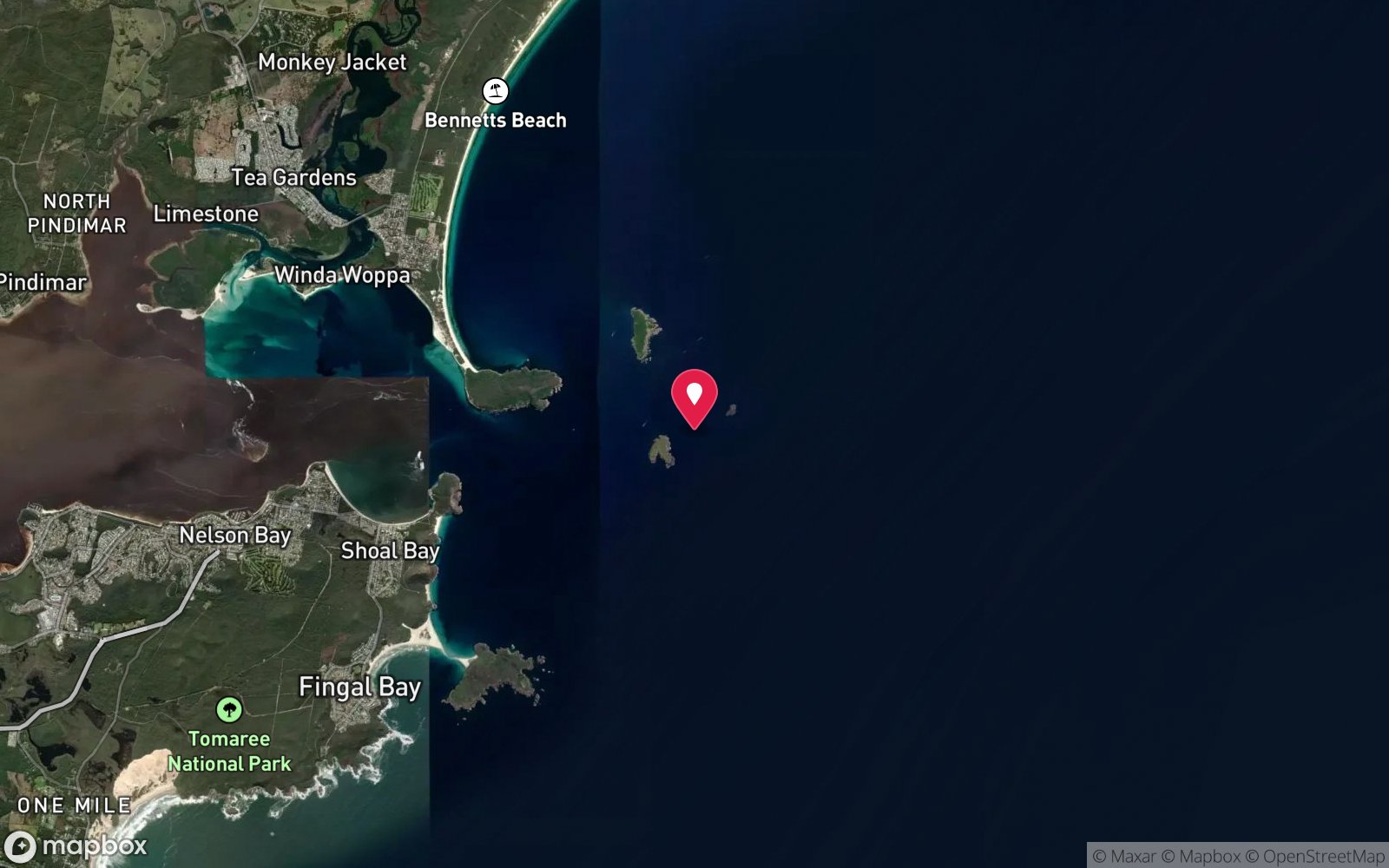
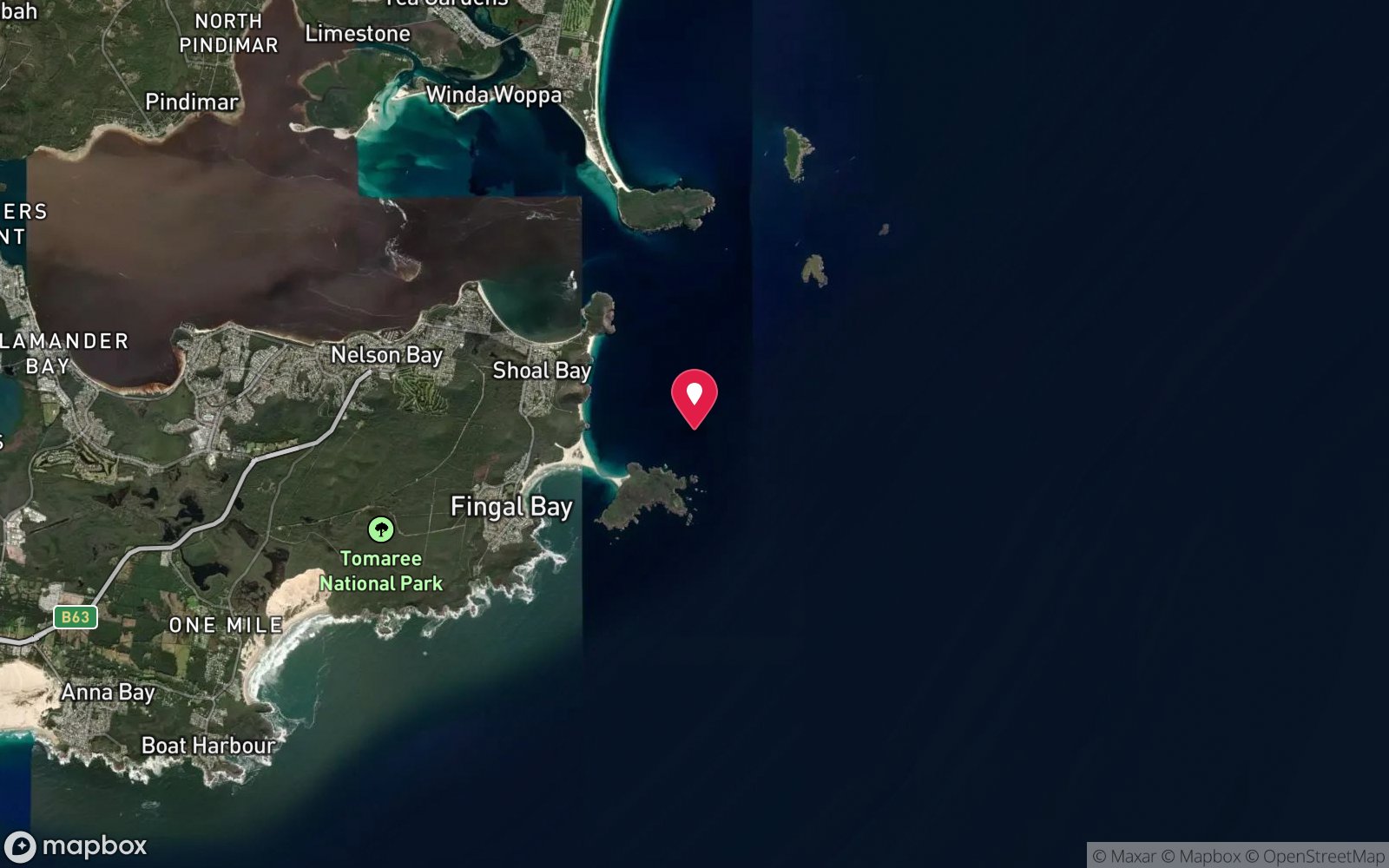
No published coordinates. The map above shows the general area, estimated from other documented sites near Nelson Bay.
Primary source: mudgeediveandtravel.comMarine park & permits
None required
Nearest recompression chamber
Prince of Wales Hospital (Randwick, Sydney) — John Hunter Hospital Newcastle has no recompression chamber
Diving emergency: call 000, then DAN AP 1800 088 200.
Trip planner
Build a trip around SS Macleay wreck →
A day-by-day plan for Port Stephens with this site locked in.
This guide is a planning aid. Conditions change daily — confirm with a local dive centre and dive within your training. Data & safety notes.
Dive profile
How this site rates
Scores are computed from the recorded data, not opinions. How?
At a glance
SS Macleay wreck is a wreck boat dive in Port Stephens, NSW, 38–42 m, suited to Technical (decompression) divers, moderate current, about 40 minutes by boat.
Rated expert/technical because of depth to 42 m.
Why dive here
- A 1911 collier wreck at 42 m with an unusually well-preserved engine and boiler, and a strong resident mulloway and morwong population.
- Sunk in 1911; protected as underwater cultural heritage, so look but do not touch.
- Rarely dived: expect to have the site to yourself, and plan your own logistics.
- Visibility often reaches 5-20 m.
Conditions to avoid
- Outgoing tide or run-off after rain (poor visibility)
About SS Macleay wreck
The SS Macleay was a collier similar in type and purpose to the nearby Oakland wreck, lost off Port Stephens in 1911 and today resting at a genuinely challenging 42 metres, a depth that places this firmly in advanced and near-technical diving territory rather than standard recreational range. Unlike the more thoroughly collapsed Oakland, the Macleay's engine and boiler have survived in relatively good condition, giving divers a clearer sense of the vessel's mechanical layout than is often possible on century-old, badly degraded colliers, and these substantial iron and steel components form the main structural highlight of the dive. Marine life here leans toward larger, deeper-water species that favour the wreck's scale and the surrounding open sand: mulloway and morwong are both present in good numbers, taking advantage of the shelter and the baitfish activity the structure attracts, similar in principle to the Oakland but at a depth that limits accessibility to a smaller pool of qualified divers.
Visibility here can be more variable than at the region's shallower sites, adding a further layer of challenge to what is already a depth-limited, short-bottom-time dive. Given the 42-metre depth, this is a dive for genuinely experienced, ideally nitrox or technically trained divers with a specific interest in Port Stephens' deeper wreck history, and it is offered only occasionally rather than as part of any standard charter schedule — anyone planning a visit specifically for this wreck should contact a Nelson Bay operator well in advance to confirm it can be arranged.
Wreck details
Collier, similar to the SS Oakland (exact length not published) · Sunk 1911 · Protected historic shipwreck
Era: early 20th century. Oldest wrecks · Wartime wrecks · Scuttled warships
Other wrecks of the same era
- SS New Guinea · Max 10 m · Eden & Green Cape
- SS Satara wreck · Max 44 m · Forster & Seal Rocks
- TSS Currajong wreck · Max 27 m · Sydney Harbour
- SS Advance wreck (Catherine Hill Bay) · Max 49 m · Newcastle & Lake Macquarie
- Swansea Coal Loader / SS Wallarah remains · Max 11 m · Newcastle & Lake Macquarie
- TSS Wandra · Max 28 m · Jervis Bay
Getting there & entry
A collier similar to the Oakland, sunk in 1911 off Port Stephens, sitting at 42 m with an engine and boiler in relatively good condition and a strong mulloway and morwong population.
Reached by dedicated technical/deep wreck-diving charter from Nelson Bay; given the depth, this is a specialist trip rather than a standard offering — book directly with Feet First Dive or Let's Go Adventures to confirm availability and diver qualification requirements.
Entry: Giant stride from charter boat onto a shot line
Weather, swell & tides
The Port Stephens islands sit on the open coast just outside the harbour and are exposed to ocean swell, though generally less so than Broughton Island given their closer, more sheltered position relative to Tomaree Head and the harbour entrance. Operators choose the specific island and side to dive based on the day's wind and swell direction. Visibility is typically 8-20 m and best in settled autumn/winter weather; it drops after rain and in a strong onshore blow.
Best season: Calm, settled weather windows only, given the depth and variable visibility
How the dive is usually run
Descend the shot line directly onto the engine and boiler, the best-preserved sections of the wreck, and work a short, planned circuit given the 42 m depth, watching for large mulloway and morwong using the structure, before a conservative ascent with a safety stop given the depth involved.
Marine life
- Mulloway
- morwong
- general deep-wreck-associated fish
Linked species have their own page listing every site where they are recorded. All marine life →
Training required
Beyond recreational limits: decompression, mixed gas or full cave/wreck training is required.
Operators often quote Deep/Advanced + experience, but the site reaches 42 m, which is beyond that level's depth limit; Technical (decompression) is the appropriate minimum for the full dive.
Operators' own listing: Deep/Advanced + experience.
Courses that help here
- Enriched Air Nitrox – Longer no-decompression time at 25 m and deeper.
Depth tiers: 0–10 m easy · to 18 m Open Water · 18–30 m Advanced (25 m+ is a deep dive) · 30–40 m Deep specialty · 40 m+ technical. All courses
Hazards & warnings
Significant depth (42 m) at the edge of or beyond standard recreational limits — requires advanced/technical training and careful gas planning; variable visibility; moderate current.
Technical notes
Effectively a deep/technical dive; nitrox or trimix strongly recommended depending on training and agency limits; plan conservative bottom time and a safety stop given the depth.
Dive centres that go here
Occasional dedicated deep wreck charters via Feet First Dive or Let's Go Adventures (Nelson Bay), or private technical dive groups; not a standard schedule item.
Operators recorded for SS Macleay wreck
Feet First Dive
ProfiledNelson Bay · Port Stephens · NSW
A Nelson Bay SSI centre running Broughton Island boat dives and Port Stephens shore dives, with rebreather and Extended Range training.
feetfirstdive.com.au · (02) 4984 2092
Let's Go Adventures
Reported closedNelson Bay · Port Stephens · NSW
letsgoadventures.com.au is now a parked domain listed for sale.
Other dive centres in Port Stephens
Dive Newcastle
ProfiledBeresfield · Port Stephens · NSW
A Beresfield dive superstore teaching RAID courses, with air fills, servicing, rental and a large scuba, freediving and spearfishing range.
neptunesports.com.au · (02) 4966 4900
Grey Nurse Charters
ProfiledNelson Bay · Port Stephens · NSW
A PADI-registered dive boat running charters around Port Stephens, Newcastle and Swansea, with PADI courses to Divemaster and TecRec.
greynurse.com.au · 0408 633 793
Dive Swansea
ProfiledSwansea · Port Stephens · NSW
An SSI Instructor Training Center 60 metres from the Swansea Bridge shore dive, with boat trips to Moon Island and rebreather and Extended Range training.
diveswansea.com.au · (02) 4972 0940
General area
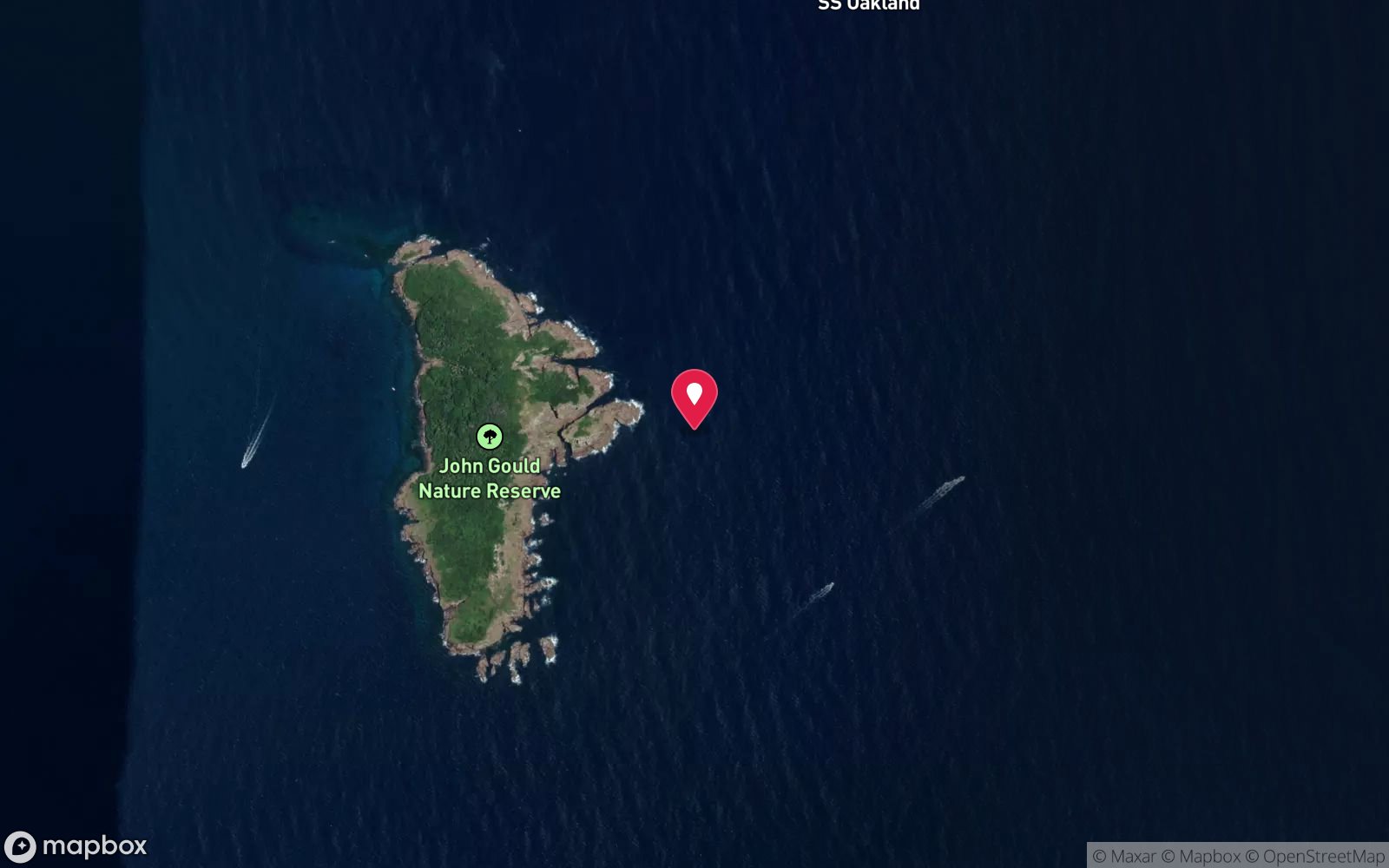
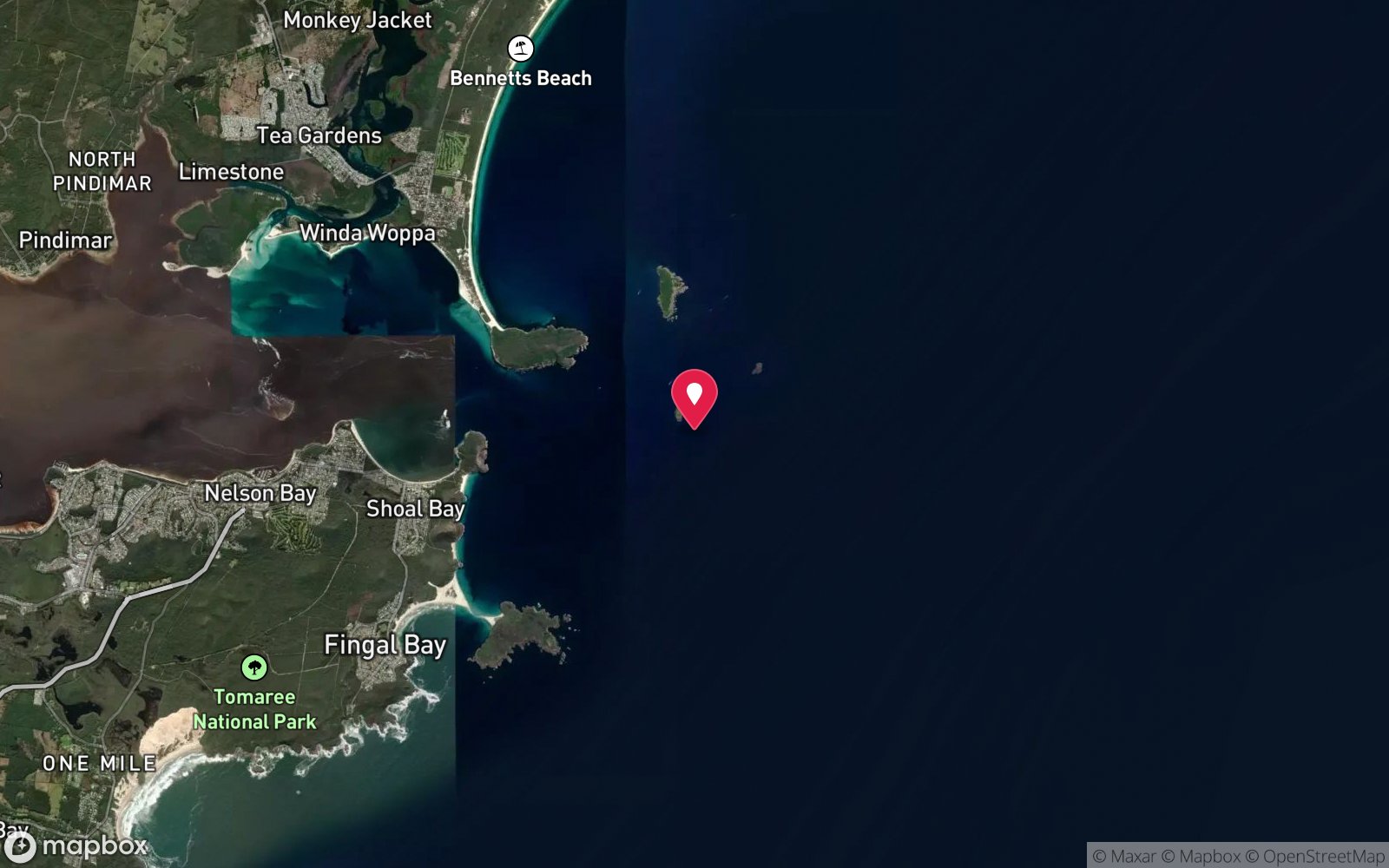
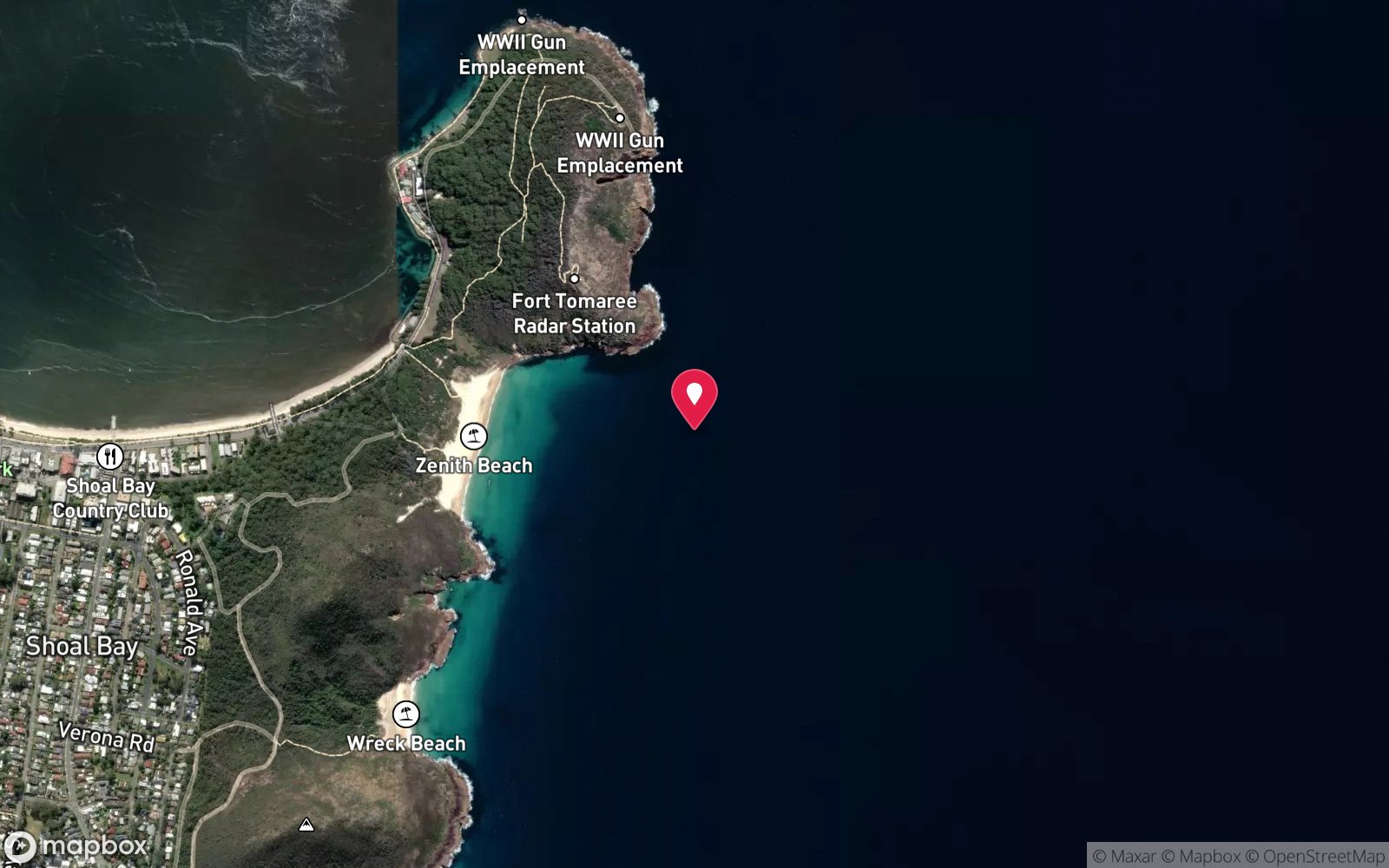
No position has been published for SS Macleay wreck. The circle shows where it is likely to be, worked out from other documented sites near Nelson Bay. Ask a local operator for the exact site.
Dashed circle: general area (about 12 km), from other documented sites near Nelson Bay. 6 pinned sites. Pins marked approximate on their pages show the general area only; not for navigation.
SS Macleay wreck: frequently asked questions
How deep is SS Macleay wreck?
SS Macleay wreck reaches a maximum depth of 42 m, with the shallowest part at about 38 m; most of the dive is spent around 40 m.
What certification do I need to dive SS Macleay wreck?
Technical (decompression) is the recommended minimum. Operators often quote Deep/Advanced + experience, but the site reaches 42 m, which is beyond that level's depth limit; Technical (decompression) is the appropriate minimum for the full dive. Rated expert/technical because of depth to 42 m.
Can I shore dive SS Macleay wreck?
No, it is reached by boat (about 40 minutes). A dive centre is required: boat access only.
When is the best time to dive SS Macleay wreck?
Calm, settled weather windows only, given the depth and variable visibility.
What marine life will I see at SS Macleay wreck?
Regularly recorded: Mulloway, morwong, general deep-wreck-associated fish.
What wetsuit do I need at SS Macleay wreck?
3-5 mm steamer summer; 5-7 mm full suit or semi-dry winter.
How cold is the water at SS Macleay wreck?
Typically 22-25 °C in summer and 17-20 °C in winter.
What are the main hazards at SS Macleay wreck?
Significant depth (42 m) at the edge of or beyond standard recreational limits — requires advanced/technical training and careful gas planning; variable visibility; moderate current. See the hazards section above for the full list.
Where is the nearest recompression chamber to SS Macleay wreck?
Prince of Wales Hospital (Randwick, Sydney) — John Hunter Hospital Newcastle has no recompression chamber. In an emergency call 000, then DAN Asia-Pacific on 1800 088 200.
Diving in Port Stephens
Port Stephens has two personalities. Inside the port, Fly Point and Halifax Park at Nelson Bay are world-class shore dives on the slack tide, with sponge gardens, frogfish, seahorses and huge schools of fish under a shipping channel. Outside, Broughton Island and Cabbage Tree Island have grey nurse shark gutters, caves and seals.
Getting there: Two and a half hours north of Sydney. Nelson Bay has several dive shops; Fly Point and Halifax have car parks and stair entries. Broughton Island is 40 minutes by boat.
Sources
Data confidence: Medium · Being verified: GPS and precise vessel dimensions not found in sources consulted — recommend cross-checking with the NSW shipwreck database.. Last updated September 2026. Know this site better? How to send a correction
Nearby dive sites
More wrecks in New South Wales
Explore more