Dive slate · divesites.com.au · printed 9 Nov 2026
SS New Guinea
Eden & Green Cape, New South Wales · near Eden
| Depth | 3–10 m |
|---|---|
| Minimum level | Open Water |
| Difficulty | Intermediate |
| Access | Boat |
| Entry | Giant stride from boat anchored on top of the western ridge |
| Current | Mild |
| Visibility | 10–20 m m |
| Water | summer 17–20 °C °C, winter 12–14 °C °C |
| Suit | 7 mm wetsuit with hood and gloves, or drysuit, for most of the year; 5 mm only in late summer |
| Best season | Settled periods; site is protected from north-easterly and easterly winds |
| Bottom time | 60 min |
| Position | -37.25872, 150.03900 (GPS) |
| Permit | None required – no marine park; Green Cape is in Beowa National Park (lighthouse precinct onshore); historic shipwreck protection applies |
| Nearest chamber | Prince of Wales Hospital Hyperbaric Unit (Randwick, Sydney) |
| Emergency | 000 · DAN Asia-Pacific diving emergency 1800 088 200 |
SS New Guinea
Also known as New Guinea wreck
Shallow wreck with keel, hull sections, cargo propeller blades and lead ingots below the Green Cape cliffs.
Near Eden · Eden & Green Cape, New South Wales
- Depth
- 3–10 m
- Minimum level
- Open Water
- Access
- Boat
- Boat ride
- ~70 min
- Water
- 17–20 °C
- Visibility
- 10–20 m
SS New Guinea3–10 m · Open Water
Dive factsDepths, conditions, location & safety
Season
In season nowBest months: year-round.
Settled periods; site is protected from north-easterly and easterly winds
- Best months
- Now (November)
Dive facts
- Depth
- 3–10 m
- Typical depth
- 7 m
- Certification
- Open Water
- Difficulty
- Intermediate
- Depth tier
- Easy (0–10 m)
- Access
- Boat
- Offshore
- 0.1 km
- Dive centre needed
- Yes – boat access only
- Shore / independent
- No
- Boat ride
- ~70 min
- Current
- Mild
- Visibility
- 10–20 m
- Water temp (summer)
- 17–20 °C
- Water temp (winter)
- 12–14 °C
- Water
- Temperate
- Bottom time
- 60 min
- Dive traffic
- Remote/expedition only
- Night dive
- No
- Snorkel friendly
- No
Exposure suit
7 mm wetsuit with hood and gloves, or drysuit, for most of the year; 5 mm only in late summer
Location
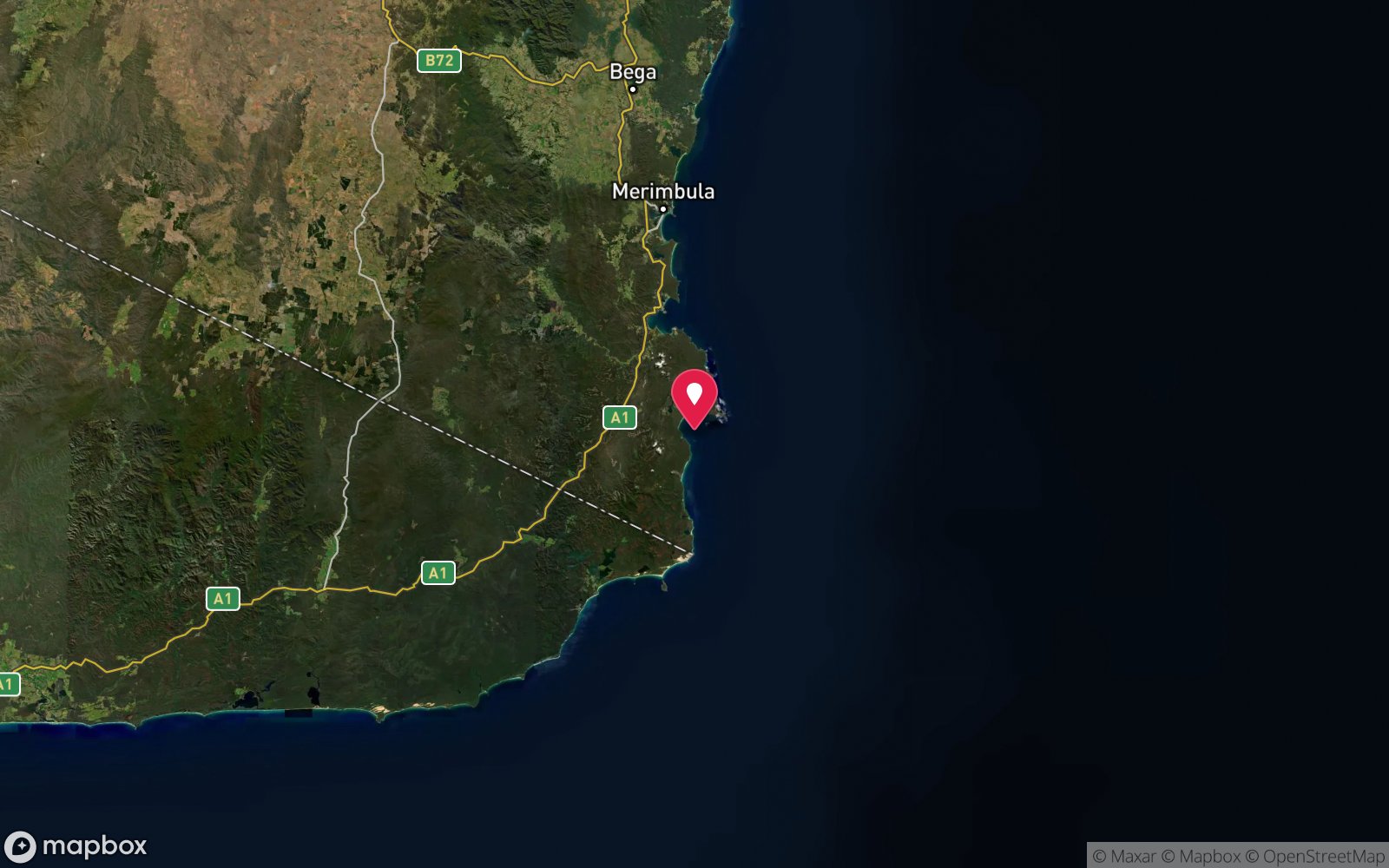
Green Cape · Eden – Twofold Bay & Green Cape
-37.25872, 150.03900
Published GPS position.
Open in Google MapsPrimary source: michaelmcfadyenscuba.infoMarine park & permits
None required – no marine park; Green Cape is in Beowa National Park (lighthouse precinct onshore); historic shipwreck protection applies
Nearest recompression chamber
Prince of Wales Hospital Hyperbaric Unit (Randwick, Sydney)
Diving emergency: call 000, then DAN AP 1800 088 200.
Trip planner
Build a trip around SS New Guinea →
A day-by-day plan for Eden & Green Cape with this site locked in.
This guide is a planning aid. Conditions change daily — confirm with a local dive centre and dive within your training. Data & safety notes.
Dive profile
How this site rates
Scores are computed from the recorded data, not opinions. How?
At a glance
SS New Guinea is a wreck boat dive in Eden & Green Cape, NSW, 3–10 m, suited to Open Water divers, about 70 minutes by boat.
Rated intermediate because of surge on the entry or in the shallows, cold water.
Why dive here
- Shallow wreck with keel, hull sections, cargo propeller blades and lead ingots below the Green Cape cliffs.
- Sunk in 1911; protected as underwater cultural heritage, so look but do not touch.
- Rarely dived: expect to have the site to yourself, and plan your own logistics.
- Visibility often reaches 10–20 m.
Conditions to avoid
- Strong southerly or south-east swell and wind
- Afternoon north-easterlies
About SS New Guinea
The SS New Guinea was built by W. Doxford and Sons at Sunderland and launched on 7 October 1884: an iron, single-screw steamer of 2,674 tons, 300 feet long and 40 feet wide, with a 260 hp compound engine and two masts. Built for McIlwraith, McEacharn and Company of Melbourne, she worked on the London–Australia run and later the Australian coast. On 13 February 1911, under charter to Huddart Parker on a voyage from Melbourne to Sydney, she ran into dense fog near Green Cape and at 11.50 am went aground exactly 1.25 km west of the lighthouse. The engine was put astern, but too late; the engine room and bow flooded, and the 28 crew took to the boats, eventually reaching Eden. Within two days she had broken up. A Marine Court of Inquiry found Captain Coleman at fault for being too close inshore at full speed in thick fog. In the 1960s salvors used explosives on the wreck, and it was also heavily 'ratted'.
Today the wreck lies in less than 10 m, mostly between two ridges that run from the cliff into the sea. McFadyen describes the keel and large sections of hull still intact with plating and supports everywhere. Among the most interesting items are two huge detachable propeller blades, carried as cargo and bolted together for storage, and dozens of square lead ingots with central holes. Boiler pieces are scattered through the area. The prop shaft runs west over the next ridge past three more cargo blades to a large bearing and on to the ship's own four-bladed propeller, all its blades snapped off at the stubs – consistent with the engine going astern as she struck. The Marine Life Network calls it a very interesting jumble of iron.
Wreck details
Iron single-screw steamer, 300 ft (91 m), 2,674 tons, 260 hp compound engine; built Sunderland 1884 · Sunk 1911 · Protected historic shipwreck
Era: early 20th century. Oldest wrecks · Wartime wrecks · Scuttled warships
Other wrecks of the same era
- SS Macleay wreck · Max 42 m · Port Stephens
- SS Satara wreck · Max 44 m · Forster & Seal Rocks
- TSS Currajong wreck · Max 27 m · Sydney Harbour
- SS Advance wreck (Catherine Hill Bay) · Max 49 m · Newcastle & Lake Macquarie
- Swansea Coal Loader / SS Wallarah remains · Max 11 m · Newcastle & Lake Macquarie
- TSS Wandra · Max 28 m · Jervis Bay
Getting there & entry
Iron steamer wrecked in fog on 13 February 1911 exactly 1.25 km west of Green Cape lighthouse; keel, hull sections, prop shaft, broken propeller and cargo propeller blades in under 10 m.
Boat access only and rarely dived. Green Cape is about 28 km by sea south of Eden, a long exposed run from the Quarantine Bay ramp that is only sensible on a settled forecast. Small boats more often launch at Wonboyn Lake, but the lake entrance and bar are shallow and can only be crossed within about two hours either side of a high tide of 1.8 m or more, so a trip needs a morning high tide and no southerly swell.
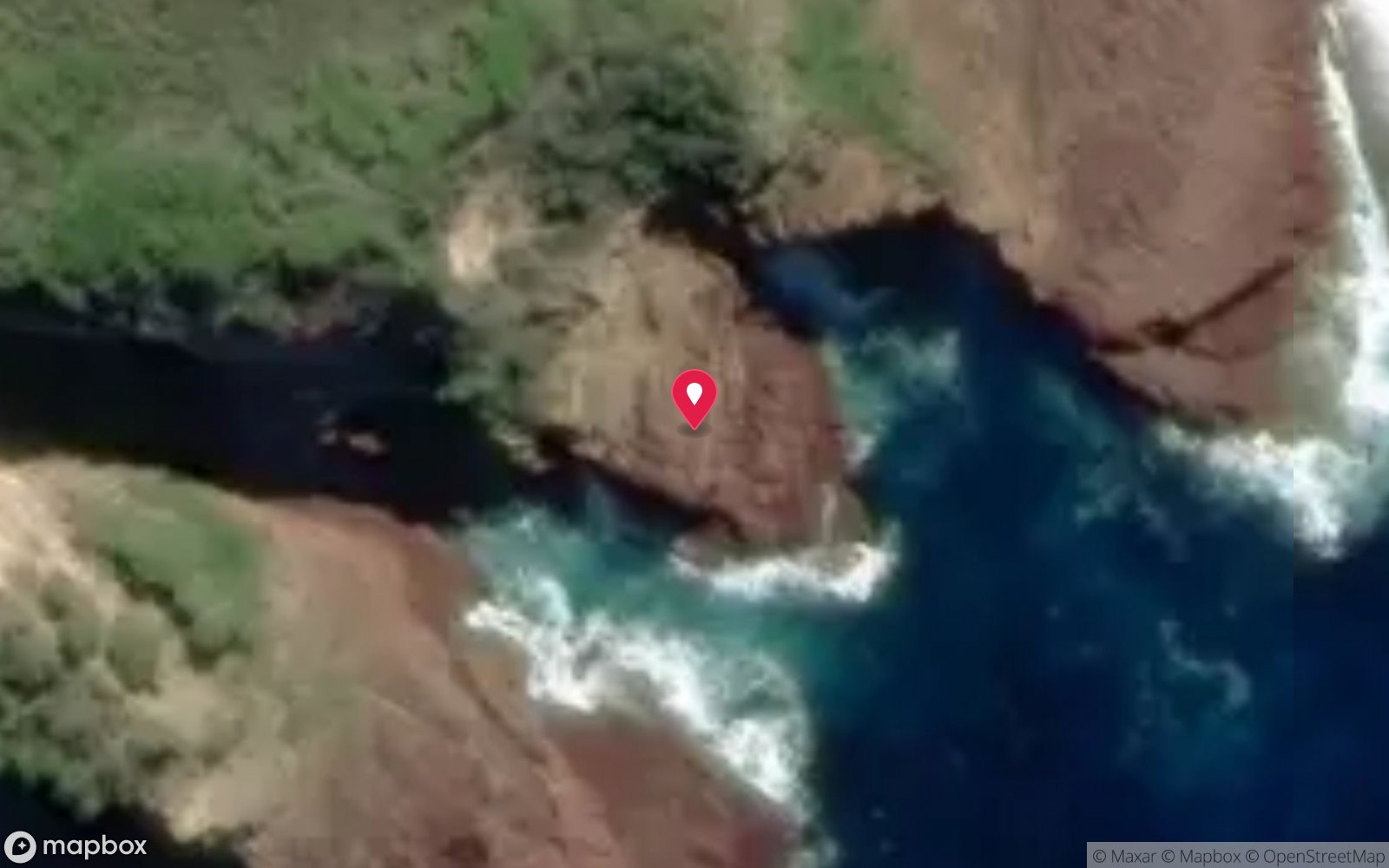
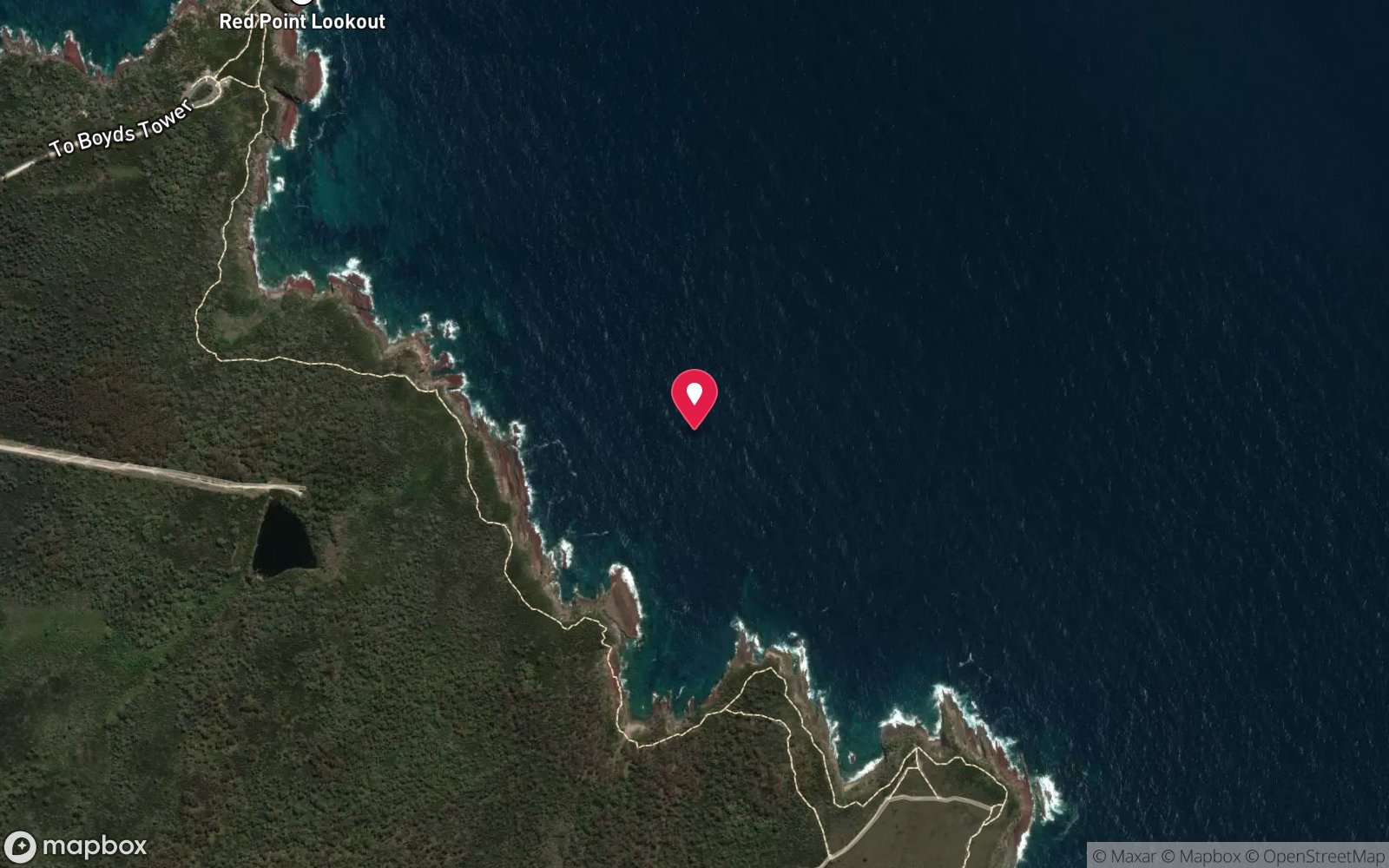
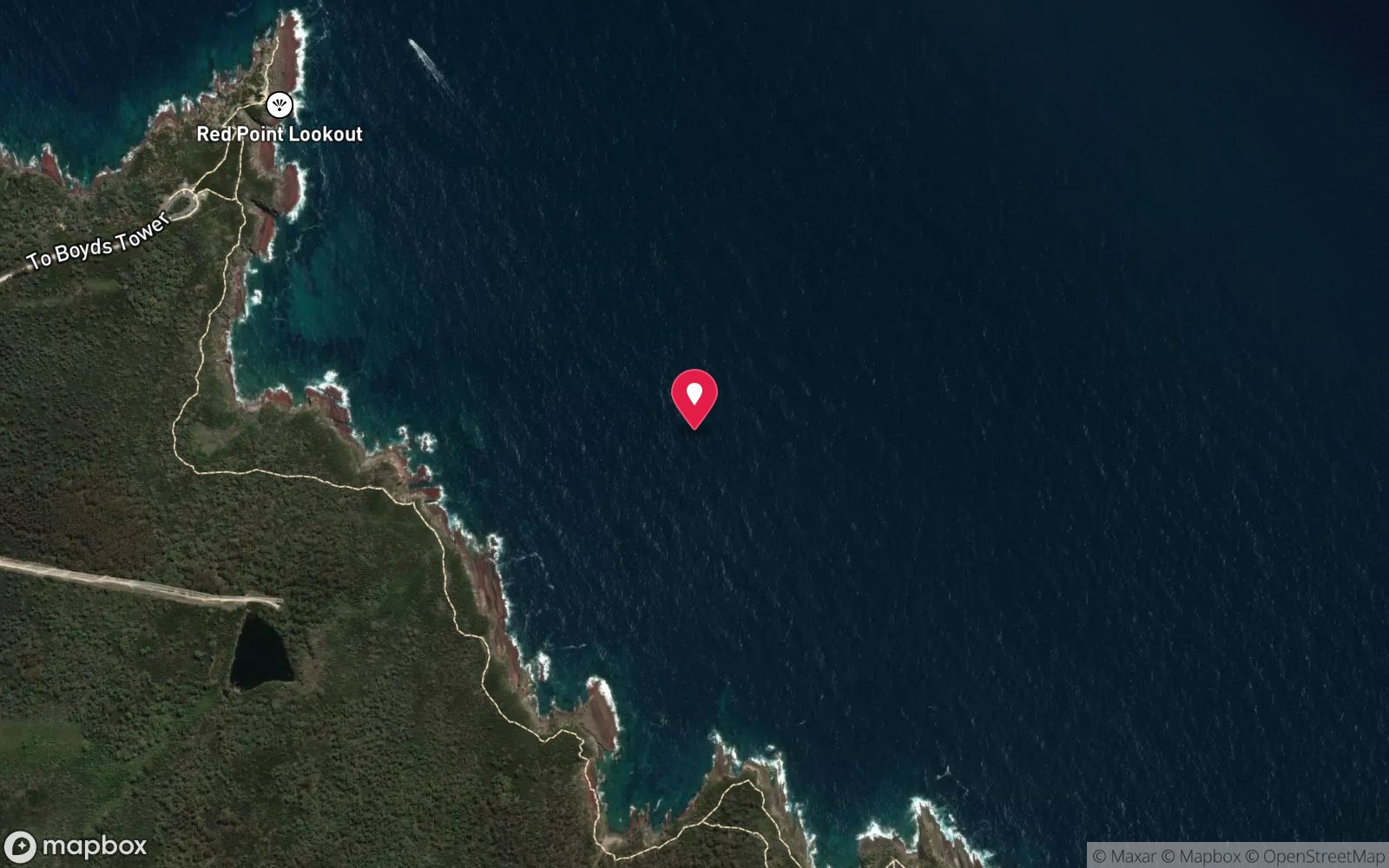
At the site, the cliff to the north has distinctive saucer-shaped rock layers whose ends run into the sea as ridges; wreckage, including an anchor, is visible on shore inside the western ridge. A small bombora lies to the east, and you should be on a line between the lighthouse to the east and a prominent cave to the west. Anchor on top of the western ridge.
Entry: Giant stride from boat anchored on top of the western ridge
Facilities: None at the site; nearest ramps Wonboyn Lake or Eden.
Weather, swell & tides
Being under 10 m deep, the wreck can only be dived in extremely calm seas (McFadyen); the Marine Life Network calls it unapproachable in all but perfectly calm weather. It is protected from some winds, especially north-easterly and easterly, but any southerly swell rules it out. Plan around the Wonboyn bar tide window (about two hours either side of a morning high tide of 1.8 m or more).
Best season: Settled periods; site is protected from north-easterly and easterly winds
If it's blown out
Sheltered or shore sites within 25 km that often work when SS New Guinea doesn't.
- Bittangabee Bay · 5 km · Max 10 m
- Wonboyn · 7 km · Max 5 m
- Olive Cam · 12 km · Max 9 m
- Quarantine Bay · 22 km · Max 8 m
How the dive is usually run
From the western ridge, work the area between the two ridges: keel, hull plating and supports, two large detachable propeller blades bolted together, dozens of lead ingots and boiler pieces. Follow the prop shaft west over the next ridge past three more blades to a large bearing and on to the ship's four-bladed propeller with its blades broken off.
Marine life
- Kelp
- blue groper →
- drummer
- sweep
- wrasse
- leatherjackets
- sponges
Linked species have their own page listing every site where they are recorded. All marine life →
Training required
Shallow enough for snorkellers and for a first dive under supervision. Any certified diver can dive it.
Courses that help here
- Drysuit Diver – Cold water; locals dive dry for much of the year.
Depth tiers: 0–10 m easy · to 18 m Open Water · 18–30 m Advanced (25 m+ is a deep dive) · 30–40 m Deep specialty · 40 m+ technical. All courses
Hazards & warnings
Very shallow and exposed – dive only in perfectly calm seas; surge. Remote; hazardous Wonboyn bar. Protected historic wreck – no removal.
Technical notes
Protected under the Underwater Cultural Heritage Act 2018.
Dive centres that go here
McFadyen notes local charter operators generally do not dive the Green Cape wrecks because of the distance (about 28 km from Eden); Merimbula Divers Lodge may organise group trips in suitable weather. Mostly private boats from Wonboyn.
Operators recorded for SS New Guinea
Dive Eden
ProfiledEden · Merimbula · NSW
An Eden operator running boat, wreck, wharf and cave dives around Twofold Bay, with Try Scuba to Advanced courses and studio accommodation near Cocora Beach.
diveeden.com.au · 0410 026 990
Merimbula Divers Lodge
Reported closedMerimbula · Merimbula · NSW
An SSI dive centre with its own accommodation, classroom, shop, air and Nitrox and a purpose-built boat, running small classes on the far south coast.
Other dive centres in Eden & Green Cape
Sapphire Coast Scuba
ProfiledEden · Merimbula · NSW
An Eden-based operation offering PADI Open Water training, guided dives for certified divers, equipment hire and air fills.
sapphirecoastscuba.com · 0488 519 316
Wilderness Sea n' Ski
ListedLiverpool · Sydney South & Botany Bay · NSW
A far south coast business providing equipment and dive services. Range and training availability require verification.
wilderness.net.au · (02) 9822 4112
Map
7 pinned sites. Pins marked approximate on their pages show the general area only; not for navigation.
Satellite views
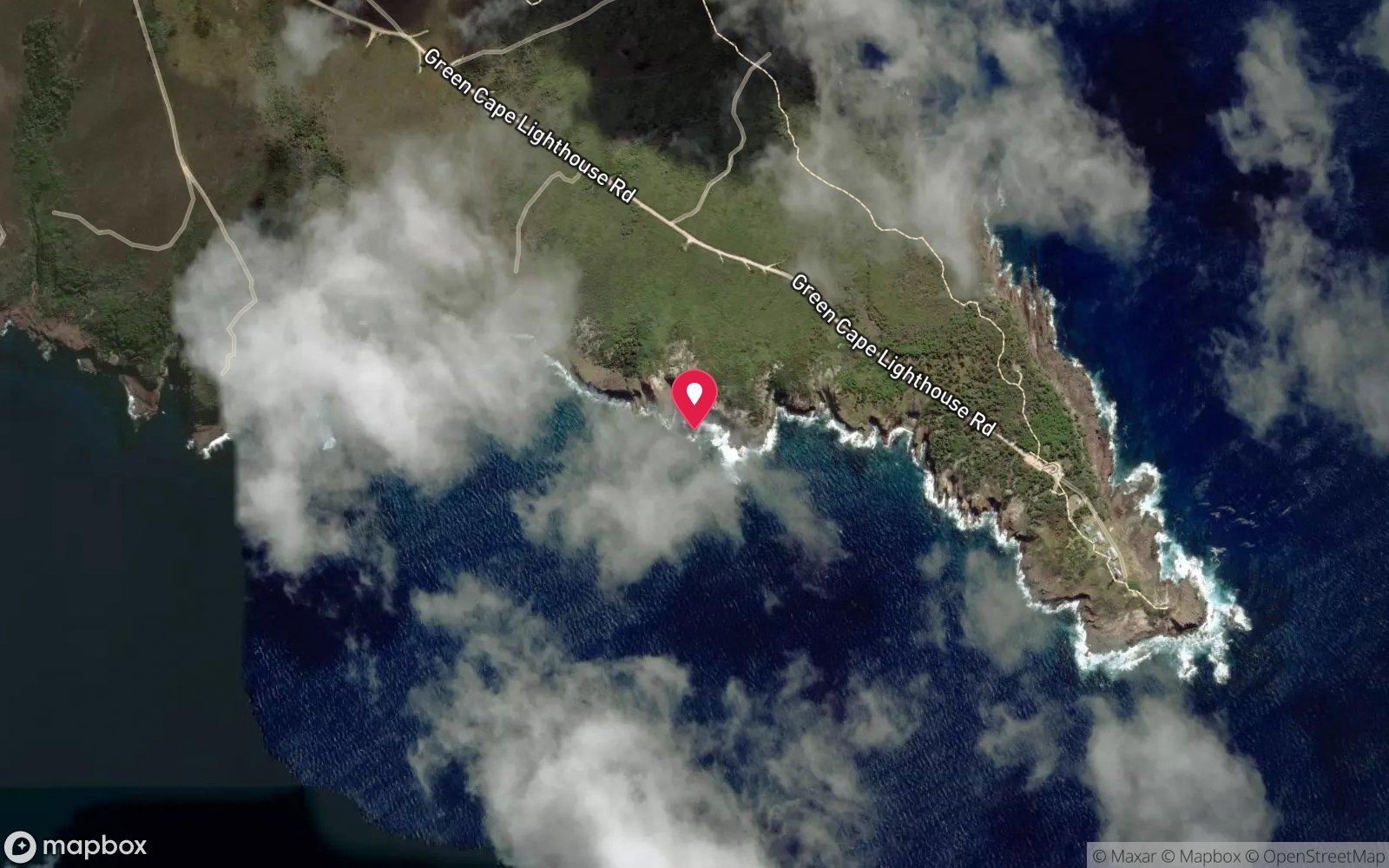
SS New Guinea: frequently asked questions
How deep is SS New Guinea?
SS New Guinea reaches a maximum depth of 10 m, with the shallowest part at about 3 m; most of the dive is spent around 7 m.
What certification do I need to dive SS New Guinea?
Open Water is the recommended minimum. Rated intermediate because of surge on the entry or in the shallows, cold water.
Can I shore dive SS New Guinea?
No, it is reached by boat (about 70 minutes). A dive centre is required: boat access only.
When is the best time to dive SS New Guinea?
Settled periods; site is protected from north-easterly and easterly winds.
What marine life will I see at SS New Guinea?
Regularly recorded: Kelp, blue groper, drummer, sweep, wrasse, leatherjackets, sponges.
What wetsuit do I need at SS New Guinea?
7 mm wetsuit with hood and gloves, or drysuit, for most of the year; 5 mm only in late summer.
How cold is the water at SS New Guinea?
Typically 17–20 °C in summer and 12–14 °C in winter.
What are the main hazards at SS New Guinea?
Very shallow and exposed – dive only in perfectly calm seas; surge. See the hazards section above for the full list.
Where is the nearest recompression chamber to SS New Guinea?
Prince of Wales Hospital Hyperbaric Unit (Randwick, Sydney). In an emergency call 000, then DAN Asia-Pacific on 1800 088 200.
Diving in Eden & Green Cape
The far south coast around Eden is cold, clear and rarely crowded. Twofold Bay has the SS Empire Gladstone and the Tasman Hauler wrecks in shallow water, the Pinnacles at Merimbula sit just to the north, and Green Cape, at the southern tip of the state, has the Ly-ee-Moon wreck, seals and some of the best visibility in NSW.
Getting there: Six hours from Sydney or Melbourne. Eden has a dive shop with a charter boat; several Twofold Bay sites are shore dives from the Quarantine Bay and Cocora Beach car parks.
All Eden & Green Cape dive sites and a suggested itinerary →
Sources
Data confidence: High. Last updated September 2026. Know this site better? How to send a correction
Nearby dive sites
More wrecks in New South Wales
Explore more
This region
Similar dives
Marine life