Dive slate · divesites.com.au · printed 9 Nov 2026
North Horn Wall (Osprey Reef)
Coral Sea, External Territories · near Lizard Island (fly-dive) / Cairns (liveaboard)
| Depth | 5–40 m |
|---|---|
| Minimum level | Deep/Advanced + experience |
| Difficulty | Advanced |
| Access | Boat (multi-day/liveaboard) |
| Entry | Giant stride from liveaboard dive deck; descend mooring or line |
| Current | Variable/Tidal |
| Visibility | 25-40 m |
| Water | summer 28-29 °C, winter 24-26 °C |
| Suit | 3 mm full wetsuit or lycra Nov–Apr (27–29°C); 5 mm full wetsuit Jun–Sep (23–25°C); full-length lycra or stinger suit recommended Nov–May |
| Best season | Year-round when weather allows; Sep–Dec usually calmest and clearest (visibility can exceed 40 m); Jun–Aug stronger SE trades make the open-ocean crossing rough; Dec–Apr cyclone season |
| Bottom time | 45 min |
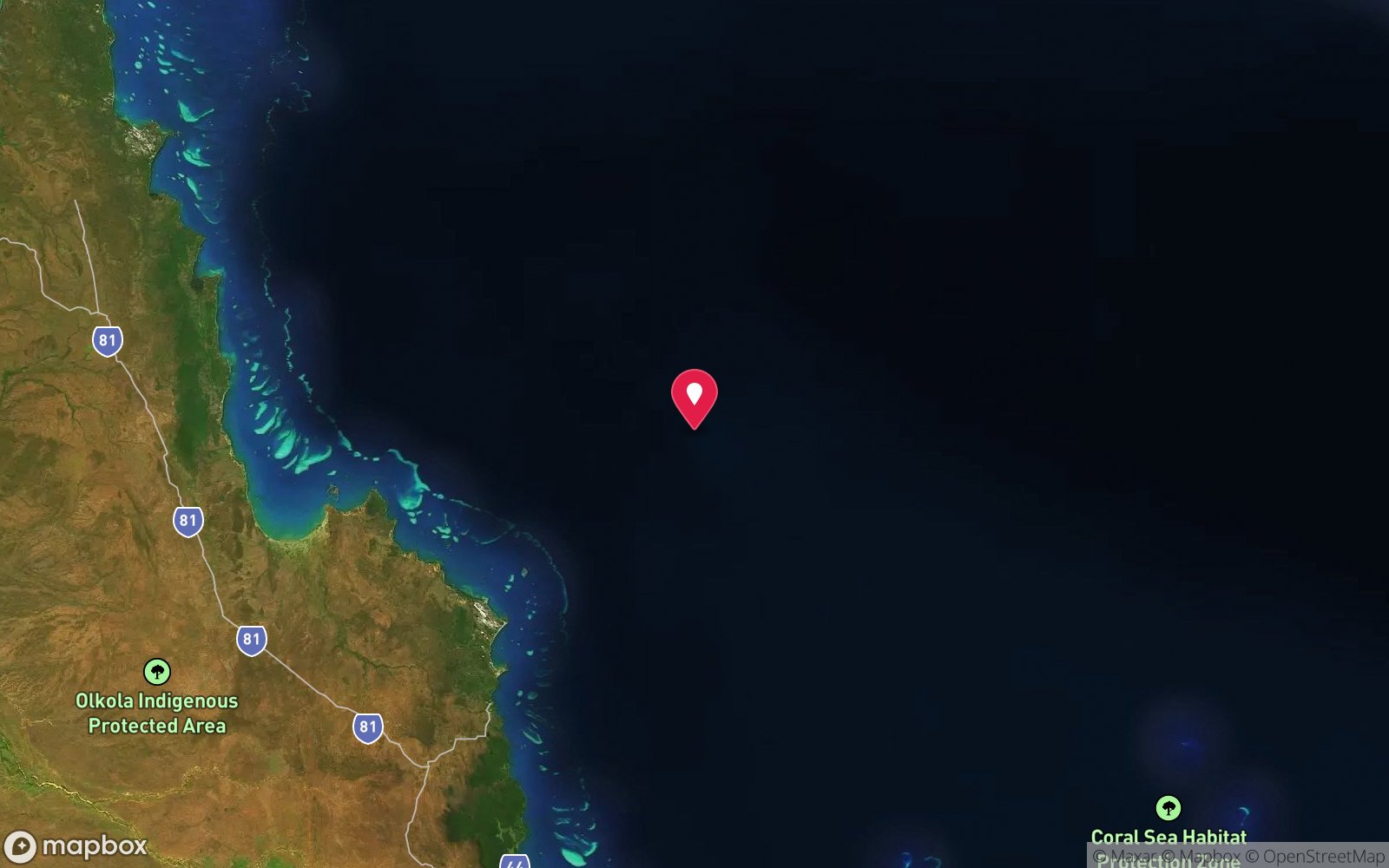
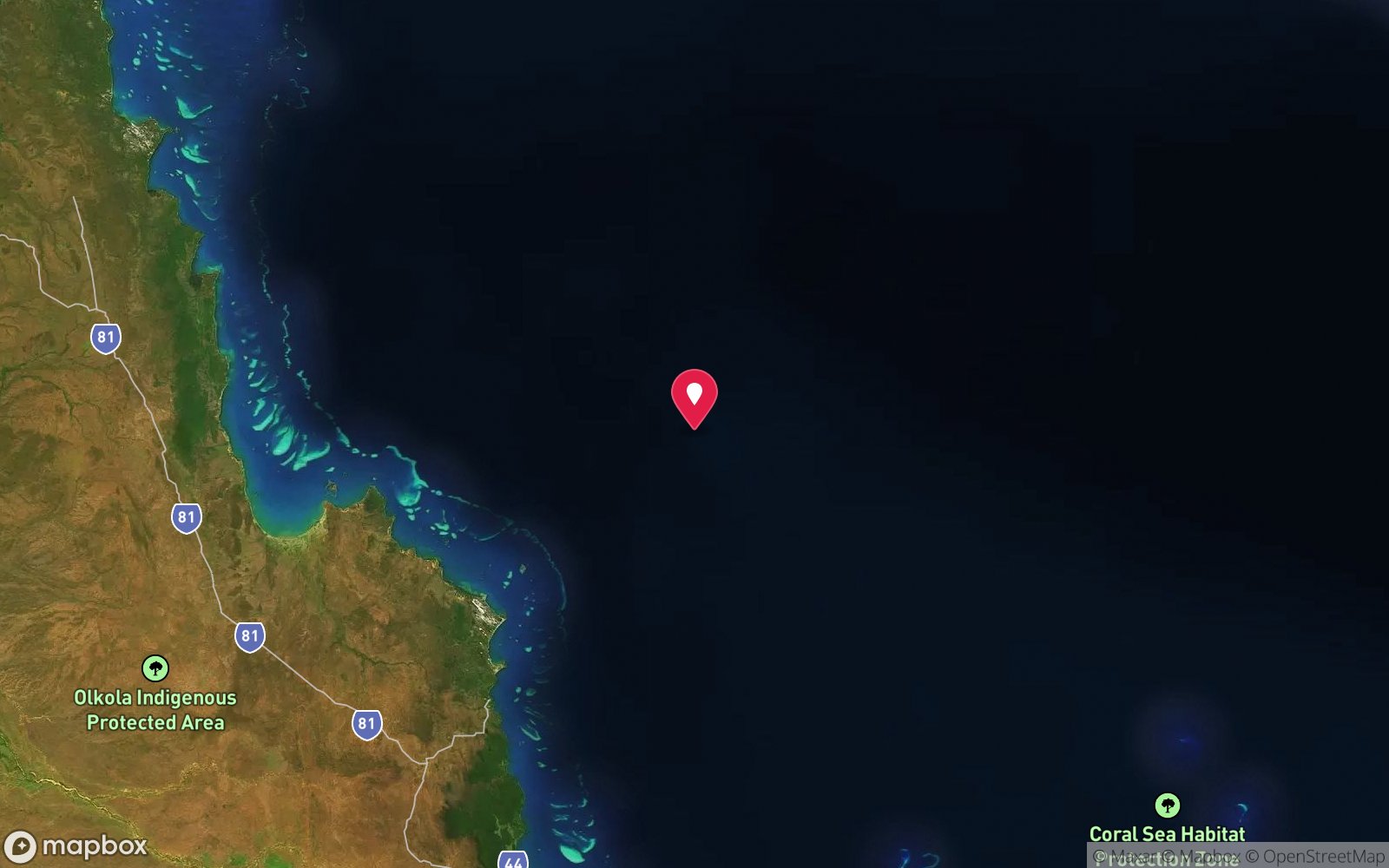
| Position | -13.83000, 146.54000 (approximate) |
| Permit | Coral Sea Marine Park (Parks Australia). Scuba/snorkel tourism in all zones requires Parks Australia authorisation (held by the operator); recreational fishing is prohibited in National Park Zones. Osprey Reef is zoned partly National Park Zone (IUCN II, no-take) and partly Habitat Protection Zone (Reefs) under the Coral Sea Marine Park Management Plan 2018. |
| Nearest chamber | Townsville University Hospital hyperbaric unit (Townsville) – aeromedical evacuation only after the vessel steams back toward the coast; several hours to more than a day away; liveaboards carry oxygen and satellite communications |
| Emergency | 000 · DAN Asia-Pacific diving emergency 1800 088 200 |
North Horn Wall (Osprey Reef)
Also known as Western Wall, West Wall
A sheer drift along a wall dropping more than 1,000 m, with caves, overhangs, mantas and tuna.
Near Lizard Island (fly-dive) / Cairns (liveaboard) · Coral Sea, External Territories
- Depth
- 5–40 m
- Minimum level
- Deep/Advanced + experience
- Access
- Boat (multi-day/liveaboard)
- Boat ride
- —
- Water
- 28-29 °C
- Visibility
- 25-40 m
North Horn Wall (Osprey Reef)5–40 m · Deep/Advanced + experience
Dive factsDepths, conditions, location & safety
Season
In season nowBest months: January, February, March, April, June, July, August, September, October, November, December.
Year-round when weather allows; Sep–Dec usually calmest and clearest (visibility can exceed 40 m); Jun–Aug stronger SE trades make the open-ocean crossing rough; Dec–Apr cyclone season
- Best months
- Now (November)
- Stinger suit Nov–May
Dive facts
- Depth
- 5–40 m
- Typical depth
- 22 m
- Certification
- Deep/Advanced + experience
- Difficulty
- Advanced
- Depth tier
- Deep / Advanced + experience (30–40 m)
- Access
- Boat (multi-day/liveaboard)
- Offshore
- 350 km
- Dive centre needed
- Yes – boat access only
- Shore / independent
- No
- Current
- Variable/Tidal
- Visibility
- 25-40 m
- Water temp (summer)
- 28-29 °C
- Water temp (winter)
- 24-26 °C
- Water
- Tropical
- Bottom time
- 45 min
- Dive traffic
- Popular (weekly charters)
- Night dive
- No
- Snorkel friendly
- No
Exposure suit
3 mm full wetsuit or lycra Nov–Apr (27–29°C); 5 mm full wetsuit Jun–Sep (23–25°C); full-length lycra or stinger suit recommended Nov–May
Location
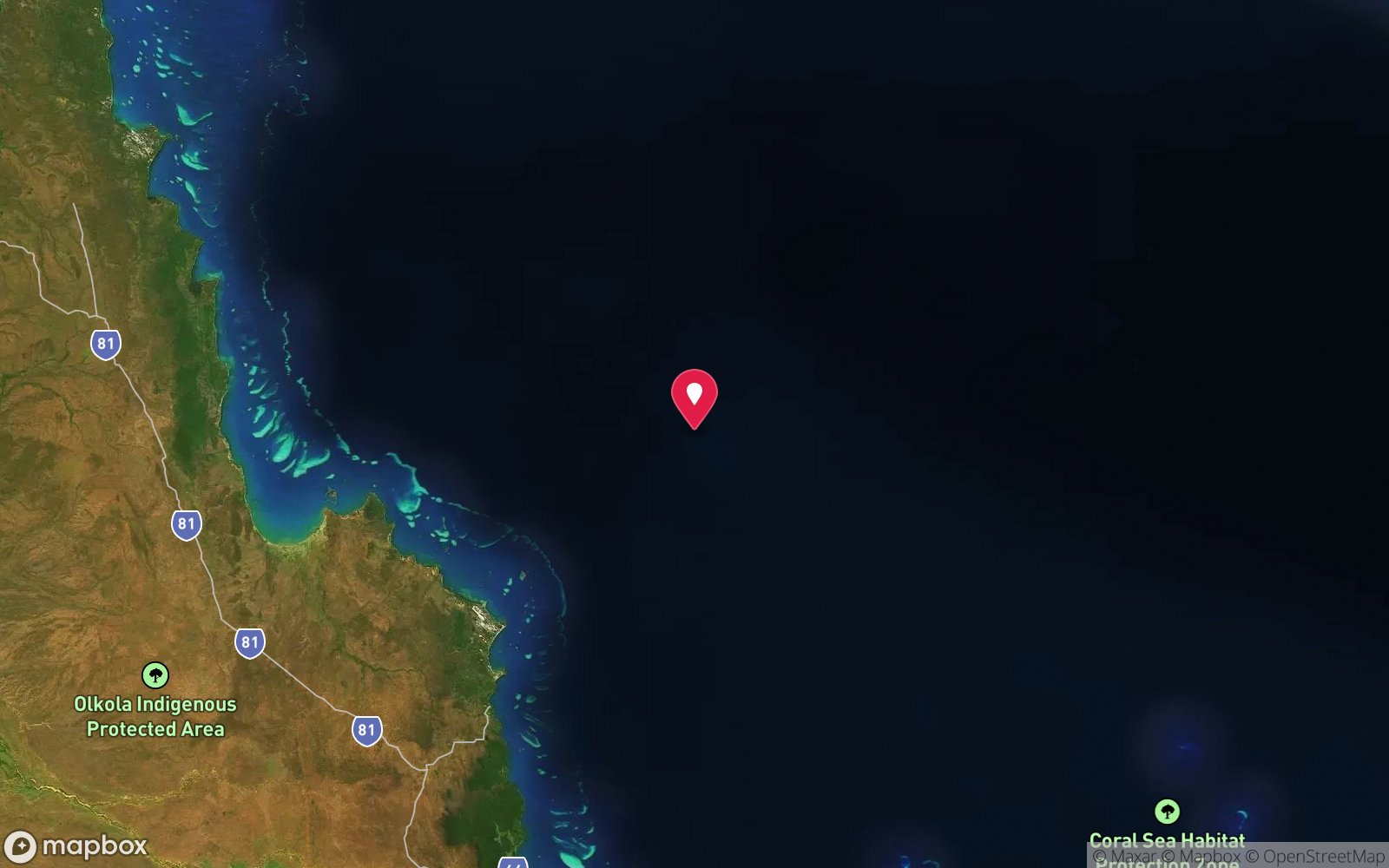
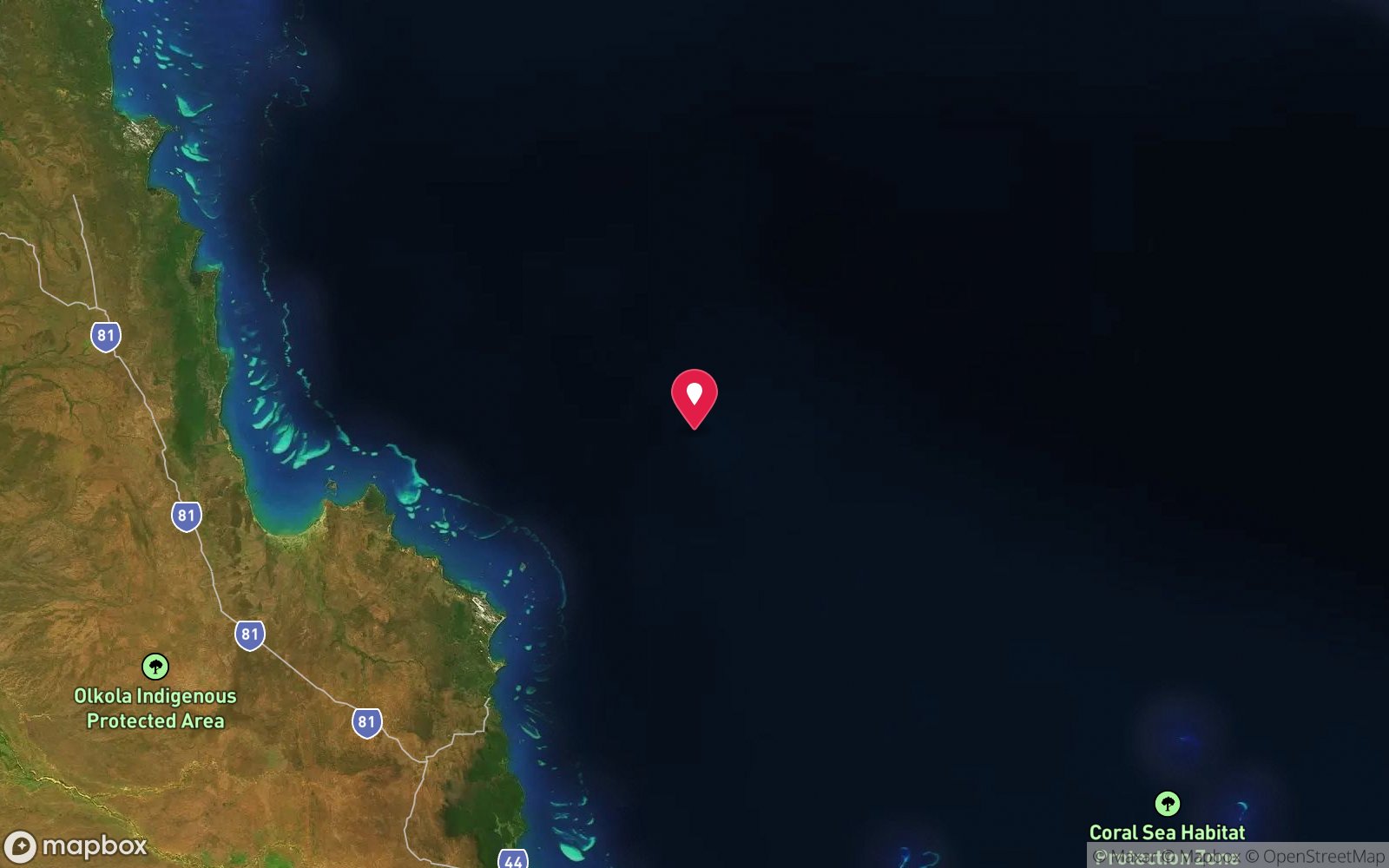
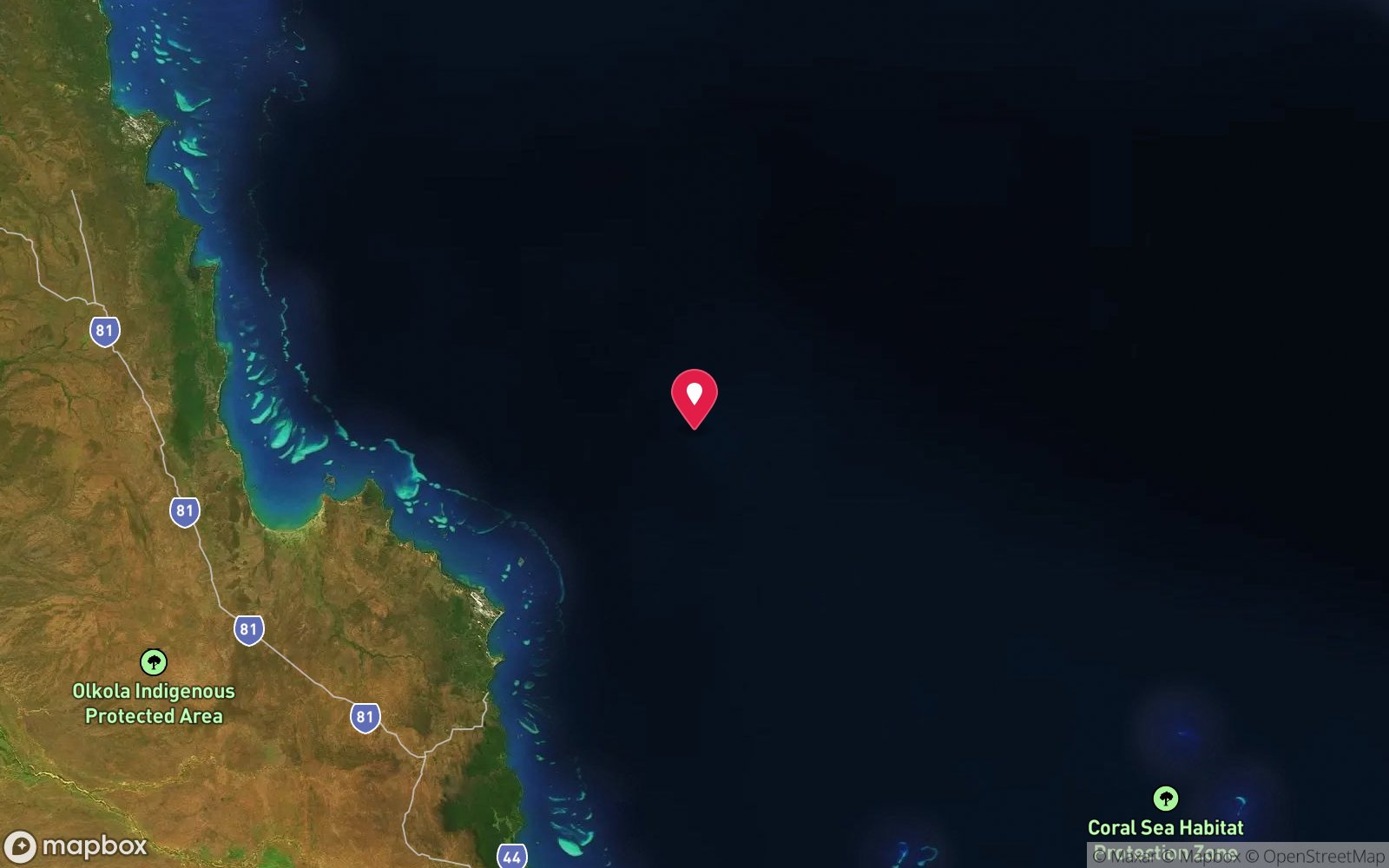
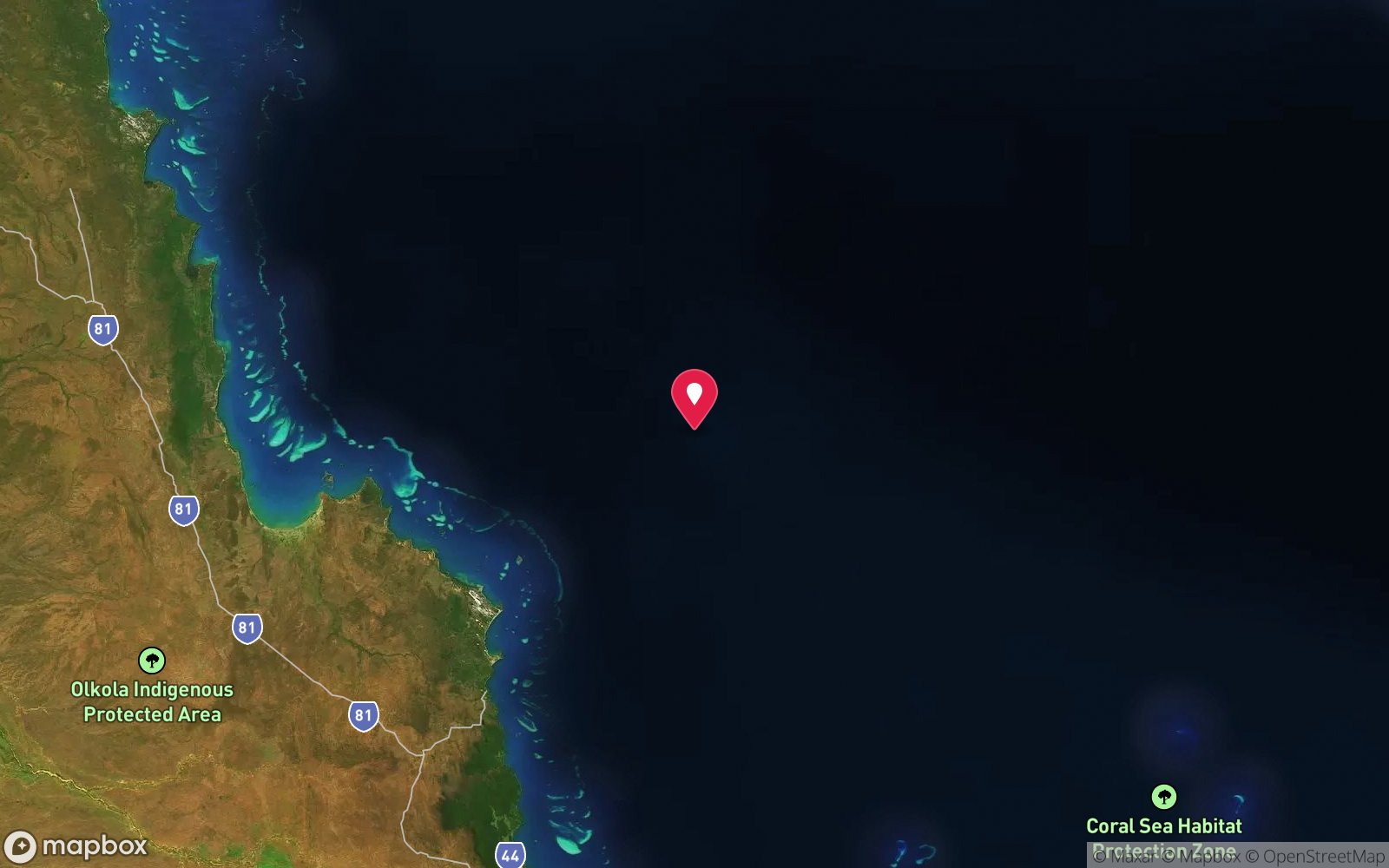
Osprey Reef – western wall · Coral Sea – Osprey Reef
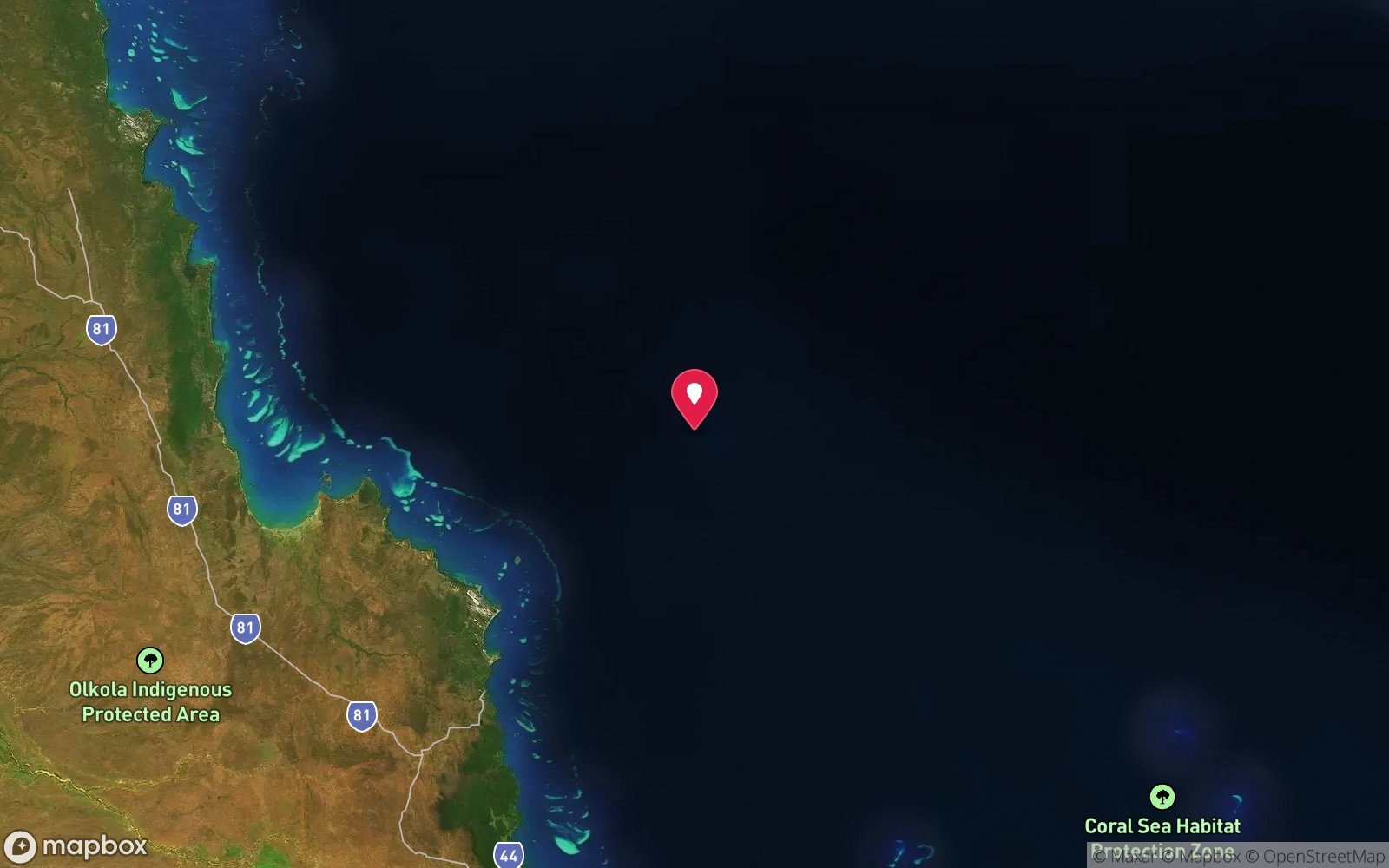
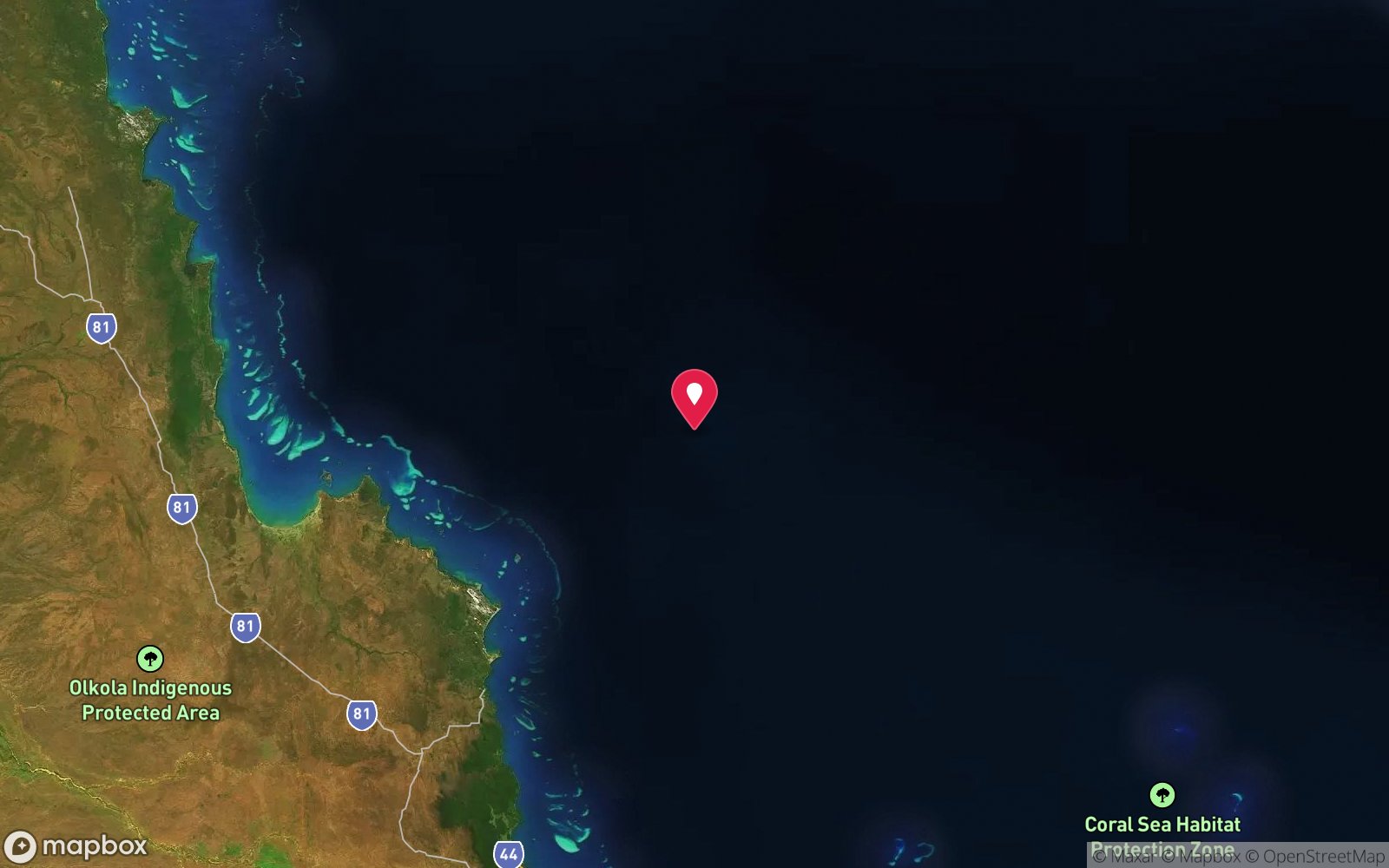
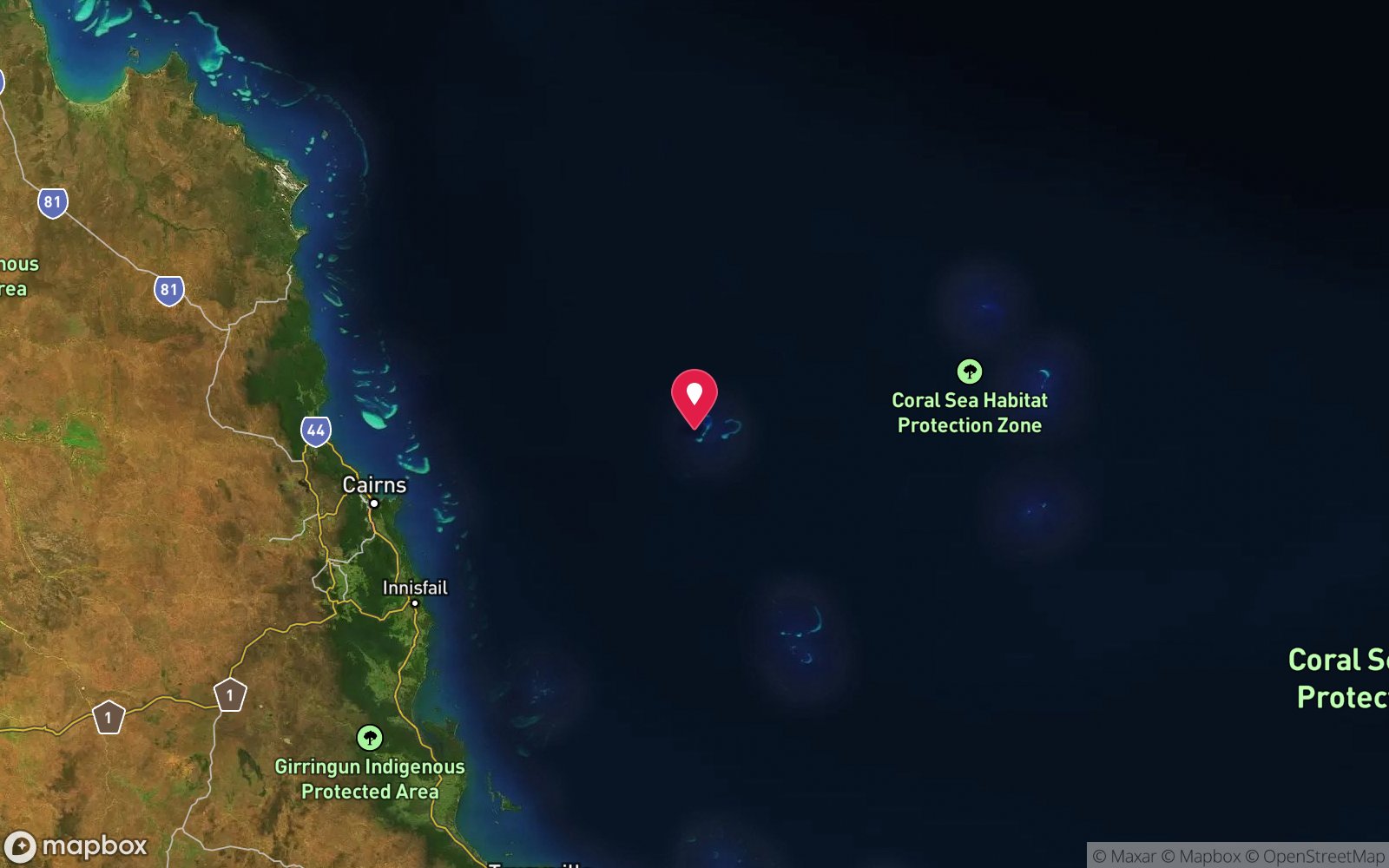
-13.83000, 146.54000
Approximate position — not for navigation.
Open in Google MapsDive site map (external) →Primary source: spiritoffreedom.com.auMarine park & permits
Coral Sea Marine Park (Parks Australia). Scuba/snorkel tourism in all zones requires Parks Australia authorisation (held by the operator); recreational fishing is prohibited in National Park Zones. Osprey Reef is zoned partly National Park Zone (IUCN II, no-take) and partly Habitat Protection Zone (Reefs) under the Coral Sea Marine Park Management Plan 2018.
Nearest recompression chamber
Townsville University Hospital hyperbaric unit (Townsville) – aeromedical evacuation only after the vessel steams back toward the coast; several hours to more than a day away; liveaboards carry oxygen and satellite communications
Diving emergency: call 000, then DAN AP 1800 088 200.
Trip planner
Build a trip around North Horn Wall (Osprey Reef) →
A day-by-day plan for Coral Sea with this site locked in.
This guide is a planning aid. Conditions change daily — confirm with a local dive centre and dive within your training. Data & safety notes.
Dive profile
How this site rates
Scores are computed from the recorded data, not opinions. How?
At a glance
North Horn Wall (Osprey Reef) is a wall liveaboard-only site in Coral Sea, Australia's external territories, 5–40 m, suited to Deep/Advanced + experience divers, variable/tidal current.
Rated advanced because of depth to 40 m, tidal current that must be timed.
Why dive here
- A sheer drift along a wall dropping more than 1,000 m, with caves, overhangs, mantas and tuna.
- Visibility often reaches 25-40 m.
Conditions to avoid
- Afternoon north-easterlies
- Cyclone season (roughly December–April)
About North Horn Wall (Osprey Reef)
The western wall of Osprey Reef, called North Horn Wall by Spirit of Freedom and Western Wall by Mike Ball, is a vertical face that runs south from North Horn and drops more than 1,000 m into the Coral Sea. Spirit of Freedom describes it as a 1,000 m vertical drift along the western wall with caves, overhangs and soft corals, and Mike Ball as a sheer wall with overhangs where dogtooth tuna, grey reef sharks and barracuda are visible. A ScubaBoard trip report divides North Horn into North Wall and West Wall sections.
The dive is typically run as a drift. The wall begins just below the reef edge at around 5 m and falls away beneath you into deep blue water. Shallow caves and ledges break the face near the top, while deeper overhangs are hung with soft corals and gorgonians. With no bottom in sight and visibility that often exceeds 30–40 m, the sensation is of flying along a cliff.
The open-ocean position brings in big animals. Manta rays, barracuda, dogtooth tuna and grey reef sharks are regular, and there is always a chance of silvertips or hammerheads out in the blue. Along the wall itself look for schooling anthias, butterflyfish, angelfish, triggerfish and the smaller life in the caves.
Because the western wall is the lee side of the atoll in the south-east trades, it is often the most reliable place to dive at Osprey when the wind is up. It demands good buoyancy and constant attention to depth, making it best for experienced divers comfortable in blue water.
Getting there & entry
The sheer western wall of Osprey Reef running south from North Horn, dropping more than 1,000 m.
Liveaboard only. Mike Ball's Spoilsport runs 4-night fly-dive trips (depart Cairns Thursday evening, cruise north overnight via the Ribbon Reefs, cross to Osprey, fly back from Lizard Island) and 5–7 night Coral Sea expeditions; Spirit of Freedom visits Osprey on its 4- and 7-night itineraries, with a Cairns–Lizard Island flight connection. The open-ocean crossing from the Ribbon Reefs to Osprey (about 100 km) is made overnight.
Allow 2–3 days at Osprey on a typical trip. The western wall is the lee side in the prevailing SE trades and is usually dived as a drift from a tender, starting near North Horn and drifting south.
Entry: Giant stride from liveaboard dive deck; descend mooring or line
Weather, swell & tides
Osprey is an isolated oceanic atoll about 350 km north-east of Cairns and roughly 100 km beyond the edge of the Great Barrier Reef, so every trip involves an overnight open-ocean crossing. Strong south-east trades (over about 25 knots, common June to August) make the crossing rough and can close the exposed eastern and southern walls; liveaboards then work the sheltered western wall and North Horn. Sep–Dec usually brings the lightest winds and visibility of 40 m or more.
Currents on the walls vary with tide and oceanic flow and can run strongly around the horns. Dec–Apr is cyclone season and trips can be cancelled or diverted to the Ribbon Reefs. As the lee side in SE trades, the western wall is usually the most diveable part of the atoll when it is windy.
Best season: Year-round when weather allows; Sep–Dec usually calmest and clearest (visibility can exceed 40 m); Jun–Aug stronger SE trades make the open-ocean crossing rough; Dec–Apr cyclone season
How the dive is usually run
Drop from the tender near North Horn, descend to 20–25 m on the wall and drift south with the wall on your left shoulder, checking caves and overhangs. Watch depth constantly as there is no bottom. Ascend gradually along the wall, deploy an SMB and complete the safety stop in the blue or over the reef edge.
Marine life
- Manta rays →
- grey reef sharks →
- silvertips →
- dogtooth tuna
- barracuda
- anthias
- butterflyfish
- angelfish
- triggerfish; soft corals and gorgonians on overhangs
Linked species have their own page listing every site where they are recorded. All marine life →
Training required
The recreational limit. Operators expect a Deep Diver specialty or Advanced plus a log of similar dives, and most recommend nitrox.
Operators often quote Advanced Open Water, but the site reaches 40 m, which is beyond that level's depth limit; Deep/Advanced + experience is the appropriate minimum for the full dive. This is a deep dive: plan gas, bottom time and a safety stop accordingly, and consider nitrox.
Operators' own listing: Advanced Open Water.
Courses that help here
- Enriched Air Nitrox – Longer no-decompression time at 25 m and deeper.
- Deep Diver – The site reaches 40 m.
- Drift Diver – Current is a feature of the dive.
Depth tiers: 0–10 m easy · to 18 m Open Water · 18–30 m Advanced (25 m+ is a deep dive) · 30–40 m Deep specialty · 40 m+ technical. All courses
Hazards & warnings
Bottomless wall – constant depth monitoring essential; current can be strong or change direction; SMB required for tender pick-up; remote – hours to days from medical help.
Dive centres that go here
Mike Ball Dive Expeditions (Spoilsport) – 4-night Osprey fly-dive, 5-night Coral Sea & Cod Hole and 7-night Coral Sea expeditions from Cairns, several a month; Spirit of Freedom – 4- and 7-night trips including Osprey, weekly. Mike Ball lists it as 'Western Wall'.
Operators recorded for North Horn Wall (Osprey Reef)
Mike Ball Dive Expeditions
ListedCairns · Cairns · QLD
A long-running expedition liveaboard operation associated with Ribbon Reefs and Coral Sea itineraries, including minke whale season trips.
mikeball.com · (07) 4053 0500
Spirit of Freedom
ListedCairns · Cairns · QLD
An expedition liveaboard associated with Ribbon Reefs, Osprey Reef and Coral Sea itineraries.
spiritoffreedom.com.au · (07) 4047 9150
Other dive centres in Coral Sea
Passions of Paradise
ListedCairns · Cairns · QLD
A Cairns sailing catamaran day trip combining reef diving and snorkelling.
passions.com.au · (07) 4041 1600
Divers Den
ListedCairns · Cairns · QLD
A Cairns operation running both day-boat and liveaboard products alongside a training business and retail presence.
diversden.com.au · (07) 4046 7333
Down Under Cruise & Dive
ListedCairns · Cairns · QLD
A Cairns day-boat operator offering reef diving, snorkelling and introductory diving.
downundercruiseanddive.com.au · (07) 4052 8300
Reef Encounter
ListedCairns · Cairns · QLD
A Cairns-based liveaboard vessel offering multi-day reef stays with day-boat transfers.
reefencounter.com.au · (07) 4037 2700
Pro Dive Cairns
ListedCairns · Cairns · QLD
A long-established Cairns operation best known for multi-day liveaboard certification trips that combine Open Water training with outer Great Barrier Reef diving.
prodivecairns.com · (07) 4031 5255
Ocean Free & Ocean Freedom
ListedCairns · Cairns · QLD
Small-vessel Cairns day trips, positioned around lower passenger numbers than the large reef catamarans.
oceanfree.com.au · (07) 4052 1111
Map
7 pinned sites. Pins marked approximate on their pages show the general area only; not for navigation.
Satellite views
North Horn Wall (Osprey Reef): frequently asked questions
How deep is North Horn Wall (Osprey Reef)?
North Horn Wall (Osprey Reef) reaches a maximum depth of 40 m, with the shallowest part at about 5 m; most of the dive is spent around 22 m.
What certification do I need to dive North Horn Wall (Osprey Reef)?
Deep/Advanced + experience is the recommended minimum. Operators often quote Advanced Open Water, but the site reaches 40 m, which is beyond that level's depth limit; Deep/Advanced + experience is the appropriate minimum for the full dive. This is a deep dive: plan gas, bottom time and a safety stop accordingly, and consider nitrox. Rated advanced because of depth to 40 m, tidal current that must be timed.
Can I shore dive North Horn Wall (Osprey Reef)?
No, it is reached by boat. A dive centre is required: boat access only.
When is the best time to dive North Horn Wall (Osprey Reef)?
Year-round when weather allows; Sep–Dec usually calmest and clearest (visibility can exceed 40 m); Jun–Aug stronger SE trades make the open-ocean crossing rough; Dec–Apr cyclone season.
What marine life will I see at North Horn Wall (Osprey Reef)?
Regularly recorded: Manta rays, grey reef sharks, silvertips, dogtooth tuna, barracuda, anthias, butterflyfish, angelfish, triggerfish; soft corals and gorgonians on overhangs.
What wetsuit do I need at North Horn Wall (Osprey Reef)?
3 mm full wetsuit or lycra Nov–Apr (27–29°C); 5 mm full wetsuit Jun–Sep (23–25°C); full-length lycra or stinger suit recommended Nov–May.
How cold is the water at North Horn Wall (Osprey Reef)?
Typically 28-29 °C in summer and 24-26 °C in winter.
What are the main hazards at North Horn Wall (Osprey Reef)?
Bottomless wall – constant depth monitoring essential; current can be strong or change direction; SMB required for tender pick-up; remote – hours to days from medical help. See the hazards section above for the full list.
Where is the nearest recompression chamber to North Horn Wall (Osprey Reef)?
Townsville University Hospital hyperbaric unit (Townsville) – aeromedical evacuation only after the vessel steams back toward the coast; several hours to more than a day away; liveaboards carry oxygen and satellite communications. In an emergency call 000, then DAN Asia-Pacific on 1800 088 200.
Diving in Coral Sea
Beyond the outer Great Barrier Reef the continental shelf drops away and a scatter of isolated oceanic reefs rises from 1,000 m or more of water. Osprey, Bougainville, Holmes, Flinders and Lihou reefs have vertical walls, 40 m-plus visibility, and shark populations that were never fished down. North Horn at Osprey is the best-known shark dive in Australia; the southern reefs are visited by a handful of boats a year.
Getting there: Liveaboard only, 4–7 nights from Cairns or Port Douglas for Osprey and the northern reefs; expedition trips from Cairns or Townsville for Flinders and Lihou. Overnight crossings of open sea are part of the deal.
Sources
- spiritoffreedom.com.au/diving-the-great-barrier-reef/coral-sea-australia
- mikeball.com/great-barrier-reef-liveaboard/osprey-reef-liveaboard
- scubaboard.com/community/threads/trip-report-great-barrier-reef-nimrod-explorer.213286
- australianmarineparks.gov.au/static/c458e5a976e69300a950a9a187474bc1/amp-document-fnl-mp-2018-cs-map-osprey-reef.pdf
Data confidence: High · Being verified: Coordinates approximate.. Last updated September 2026. Know this site better? How to send a correction
Nearby dive sites
More wall dives in External Territories
Explore more
This region