Dive slate · divesites.com.au · printed 8 Nov 2026
Quarantine Station / Quarantine Bay
Sydney Harbour, New South Wales · near Manly
| Depth | 3–16 m |
|---|---|
| Minimum level | Open Water |
| Difficulty | Beginner |
| Access | Shore or Boat |
| Entry | Walk-in from Quarantine Beach beside the Q Station wharf (shore), or giant stride from a boat anchored on the fringing reef |
| Current | Mild |
| Visibility | 5-12 m |
| Water | summer 21-24 °C, winter 15-18 °C |
| Suit | 5 mm full suit in summer; 7 mm semi-dry or drysuit May–October |
| Best season | Year-round; night dives; summer for tropical vagrants |
| Bottom time | 55 min |
| Position | -33.81518, 151.28606 (GPS) |
| Permit | North Harbour Aquatic Reserve – no spearfishing or collecting; Sydney Harbour National Park – check Q Station access conditions |
| Nearest chamber | Prince of Wales Hospital (Randwick, Sydney) |
| Emergency | 000 · DAN Asia-Pacific diving emergency 1800 088 200 |
Quarantine Station / Quarantine Bay
Also known as Q Station, Quarantine Beach, Spring Cove, Store Beach
Seagrass seahorses and old wharf piles inside the bay, sponge reef to 16 m around the point – a calm, historic dive behind North Head.
Near Manly · Sydney Harbour, New South Wales
- Depth
- 3–16 m
- Minimum level
- Open Water
- Access
- Shore or Boat
- Boat ride
- ~8 min
- Water
- 21-24 °C
- Visibility
- 5-12 m
Quarantine Station / Quarantine Bay3–16 m · Open Water · Shore
Dive factsDepths, conditions, location & safety
Season
In season nowBest months: year-round.
Year-round; night dives; summer for tropical vagrants
- Best months
- Now (November)
Dive facts
- Depth
- 3–16 m
- Typical depth
- 8 m
- Certification
- Open Water
- Difficulty
- Beginner
- Depth tier
- Open Water (10–18 m)
- Access
- Shore or Boat
- Offshore
- 0 km
- Dive centre needed
- Recommended
- Shore / independent
- Possible (experienced only)
- Boat ride
- ~8 min
- Current
- Mild
- Visibility
- 5-12 m
- Water temp (summer)
- 21-24 °C
- Water temp (winter)
- 15-18 °C
- Water
- Temperate
- Bottom time
- 55 min
- Dive traffic
- Moderate (occasional charters/club dives)
- Night dive
- Yes
- Snorkel friendly
- Yes
Exposure suit
5 mm full suit in summer; 7 mm semi-dry or drysuit May–October
Location
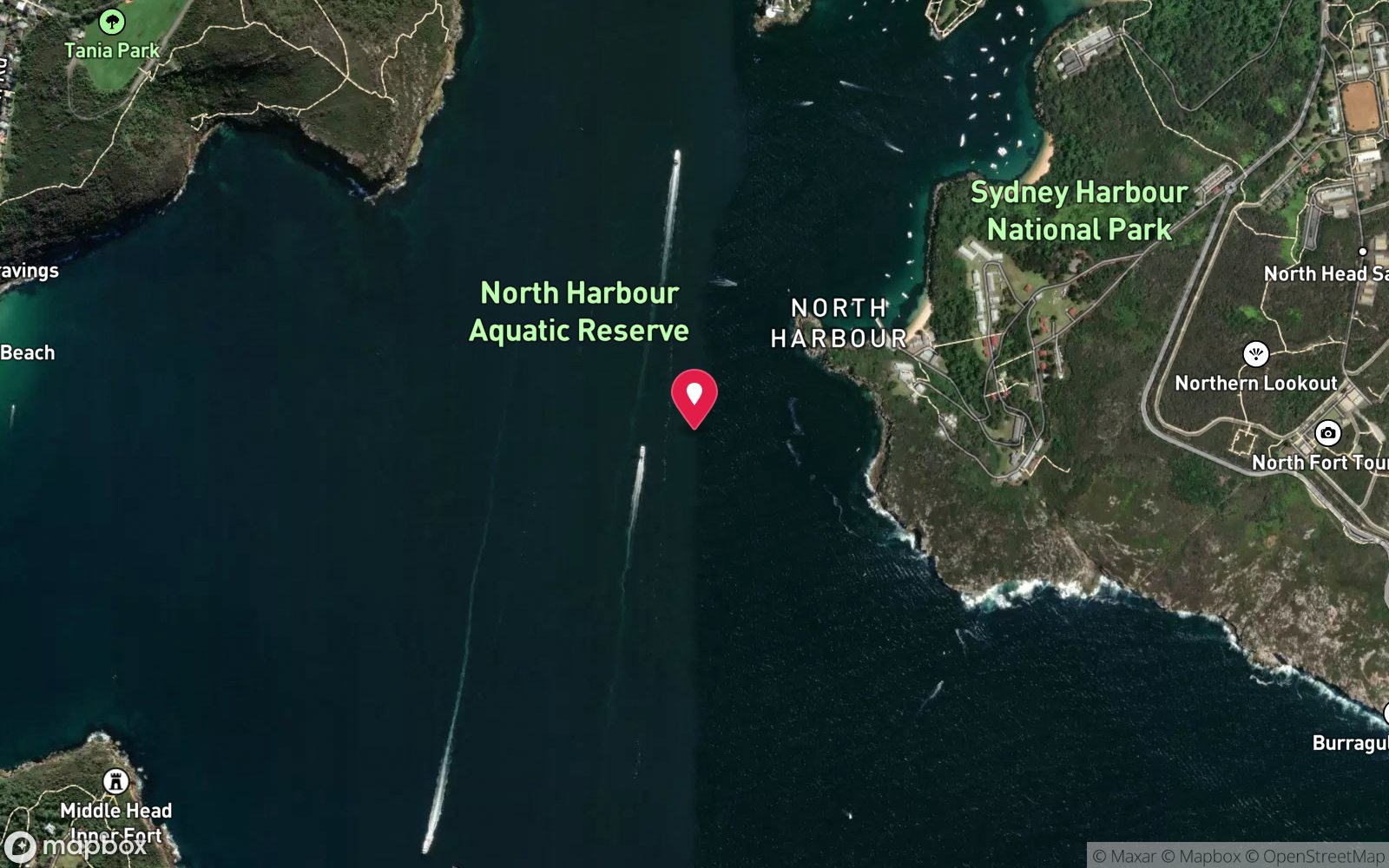
North Head (inner) – North Harbour Aquatic Reserve · Sydney – Harbour
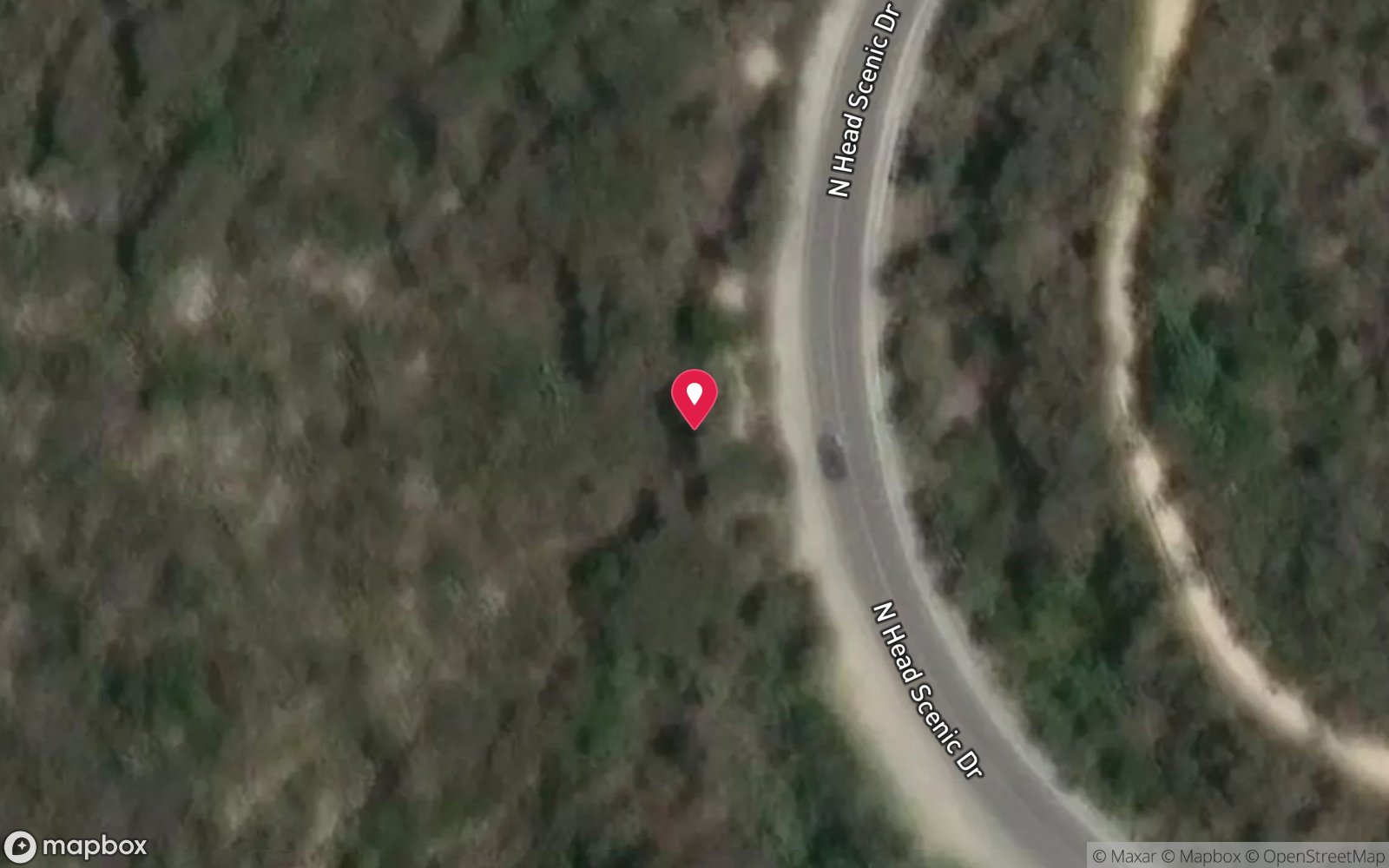
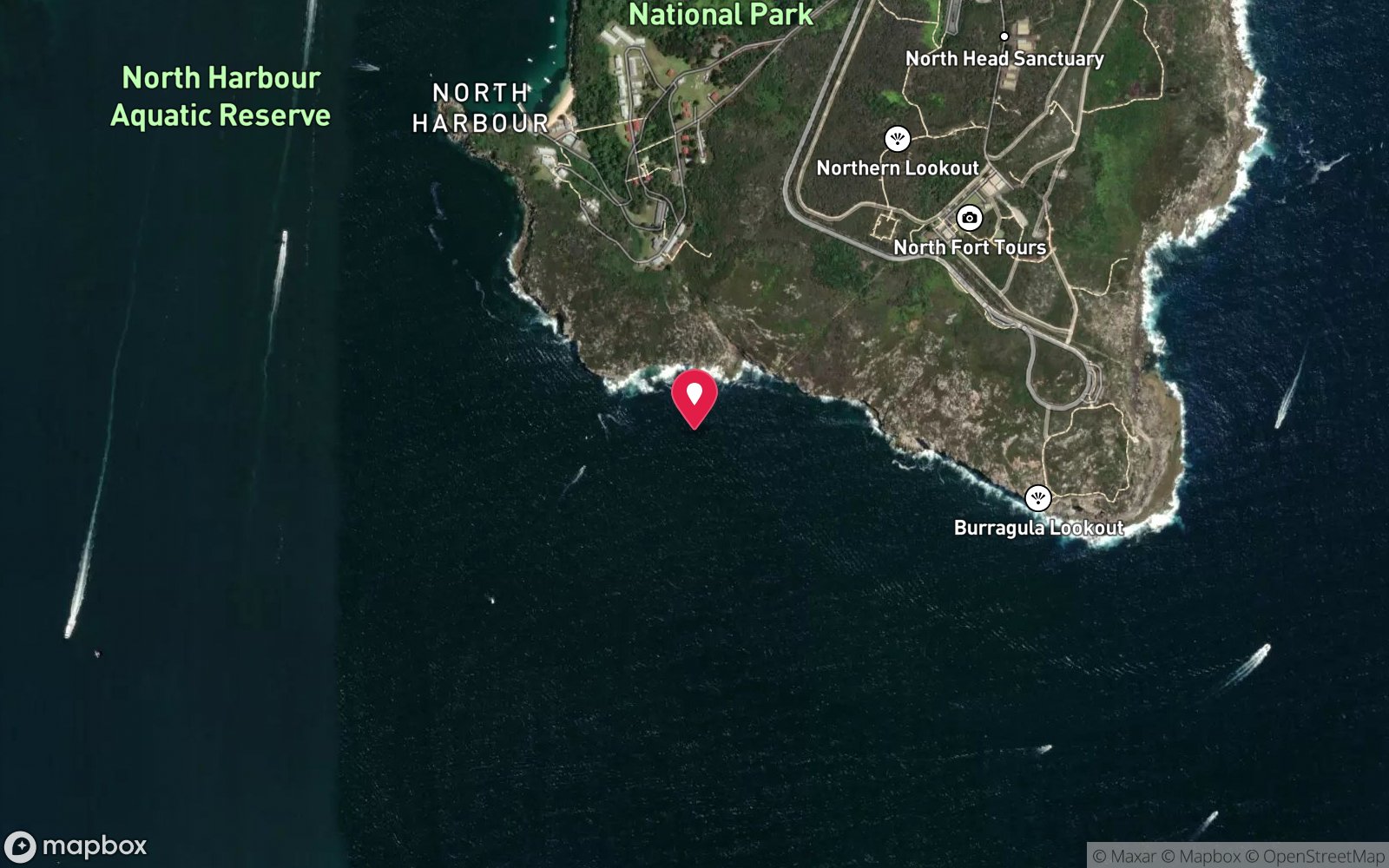
-33.81518, 151.28606
Published GPS position.
Open in Google MapsPrimary source: vizzbud.comMarine park & permits
North Harbour Aquatic Reserve – no spearfishing or collecting; Sydney Harbour National Park – check Q Station access conditions
Nearest recompression chamber
Prince of Wales Hospital (Randwick, Sydney)
Diving emergency: call 000, then DAN AP 1800 088 200.
Trip planner
Build a trip around Quarantine Station / Quarantine Bay →
A day-by-day plan for Sydney Harbour with this site locked in.
This guide is a planning aid. Conditions change daily — confirm with a local dive centre and dive within your training. Data & safety notes.
Dive profile
How this site rates
Scores are computed from the recorded data, not opinions. How?
At a glance
Quarantine Station / Quarantine Bay is a shore / rock platform shore dive for experienced divers in Sydney Harbour, NSW, 3–16 m, suited to Open Water divers, about 8 minutes by boat.
Rated beginner: sheltered, shallow and manageable for a newly certified diver on a normal day, though note boat traffic overhead and cold water.
Why dive here
- Seagrass seahorses and old wharf piles inside the bay, sponge reef to 16 m around the point – a calm, historic dive behind North Head.
- Commonly dived at night, when octopus, cuttlefish and crustaceans are out.
- Snorkel-friendly, so non-diving companions can join at the surface.
Conditions to avoid
- Strong southerly or south-east swell and wind
- Afternoon north-easterlies
- Outgoing tide or run-off after rain (poor visibility)
About Quarantine Station / Quarantine Bay
The Quarantine Station occupies the sheltered western slope of North Head, where from 1832 to 1984 ships suspected of carrying disease landed their passengers to wait out their isolation. The heritage precinct is now the Q Station hotel and museum within Sydney Harbour National Park, and its beach and wharf front one of the calmest bays on the harbour. The dive has two parts.
Inside the bay, sand and seagrass at 3–6 m stretch between the wharf piles and the old mooring blocks, and this is macro country: White's seahorses on the weed and net remnants, pipefish, stingarees, cuttlefish, octopus and, at night, a great deal more. Around the northern point the fringing reef of boulders and kelp drops to 10–16 m, and here the growth becomes recognisably North Head – sponges and sea tulips under the ledges, blue groper, old wives, leatherjackets, sea dragons on the sand line and, in late summer, the subtropical fish that Sydney Dive Charters notes as a feature of its 5–16 m boat dive here. The Centurion clipper, wrecked in 1887, lies in 18 m off Quarantine Point a little further round and is often combined with this site by boat.
Historic debris from a century and a half of quarantine shipping litters the bottom and is protected. Access is the complication. The precinct is managed and the beach is not a public road-end; divers arrive by shuttle from the Q Station car park or by boat, and arrangements for gear, parking and after-hours entry should be confirmed in advance rather than assumed.
Once in the water it is a beginner-level, current-free dive, excellent at night, and one of the very few Sydney sites that combines seagrass critters and sponge reef in one swim. It suits new divers, photographers and history-minded divers; it lies inside the North Harbour Aquatic Reserve.
Getting there & entry
Sheltered bay inside North Head at the heritage Quarantine Station (Q Station), with sand and seagrass, old wharf piles and a fringing boulder reef running out to 16 m; dived from the Q Station beach or by boat.
Shore access is through the Q Station precinct in Sydney Harbour National Park: from Manly follow Darley Road and North Head Scenic Drive to the Q Station gate (about 3 km), where visitor parking and a shuttle bus down to the wharf precinct are available; access, parking and gear-carrying arrangements change and must be checked with Q Station in advance, and after-hours or night access generally requires a booking. From the wharf it is a short walk to the beach for a sand entry, with a rock platform alternative at the northern end depending on tide. By boat it is 5–10 minutes from Manly Cove or Little Manly ramp; anchor on the reef off the northern point in 8–12 m.
Exit at the beach.
Entry: Walk-in from Quarantine Beach beside the Q Station wharf (shore), or giant stride from a boat anchored on the fringing reef
Facilities: Q Station: paid visitor parking at the top gate with shuttle to the wharf, toilets, cafe/restaurant and hotel; no dive facilities – air fills at Dive Centre Manly or Pro Dive Manly.
Weather, swell & tides
One of the most sheltered spots on the harbour, facing west-south-west behind North Head: diveable in north-easterly gales and in most southerlies, with only a very large southerly swell putting surge on the outer reef. Tidal movement is slight in the bay but picks up on the northern point. Visibility is 5–12 m and drops sharply after heavy rain when the harbour runs brown; the best water arrives on winter westerlies and on the top of a flood tide.
Ferry wash and small-boat traffic are the constant factor, especially on summer weekends when the bay fills with anchored boats.
Best season: Year-round; night dives; summer for tropical vagrants
If it's blown out
Sheltered or shore sites within 25 km that often work when Quarantine Station / Quarantine Bay doesn't.
- Fairy Bower · 2 km · Max 10 m
- Manly Cove (Oceanworld nets) · 2 km · Max 6 m
- Shelly Beach / Cabbage Tree Bay (Manly) · 2 km · Max 16 m
- Fairlight · 2 km · Max 12 m
How the dive is usually run
From the beach, swim out over the seagrass and sand at 3–6 m looking for seahorses and pipefish on the weed and the old wharf piles, then follow the fringing reef north-east around the point where boulders and kelp drop to 10–16 m with sponges and subtropical fish. Turn at half air, return along the reef and finish over the seagrass; surface only close to the beach. Night dives stay in the bay.
Marine life
- White's seahorses →
- pipefish →
- stingarees
- cuttlefish →
- octopus →
- blue groper →
- old wives
- leatherjackets
- weedy sea dragons →
- juvenile tropical fish (summer/autumn)
- sponges
- sea tulips
- nudibranchs →
Linked species have their own page listing every site where they are recorded. All marine life →
Training required
Within the 18 m limit of an entry-level certification.
Courses that help here
- Night Diver – Commonly dived at night.
- Drysuit Diver – Cold water; locals dive dry for much of the year.
Depth tiers: 0–10 m easy · to 18 m Open Water · 18–30 m Advanced (25 m+ is a deep dive) · 30–40 m Deep specialty · 40 m+ technical. All courses
Hazards & warnings
Access requires Q Station/NPWS arrangements; ferry wash and heavy small-boat traffic – tow a float and surface near shore; visibility poor after rain; historic artefacts protected.
Dive centres that go here
Sydney Dive Charters lists Quarantine Station (5–16 m fringing reef) among its boat sites and runs it from Little Manly; Dive Centre Manly and local clubs organise occasional shore and night dives through Q Station, including Northern Beaches Ocean Festival club events. Independent shore access depends on Q Station permission.
Operators recorded for Quarantine Station / Quarantine Bay
Dive Centre Manly
ProfiledManly · Sydney South & Botany Bay · NSW
A Northern Beaches operation with a long-standing presence at Shelly Beach, offering recreational training, boat diving and technical pathways.
divesydney.com.au · (02) 9977 4355
Pro Dive Brookvale
ProfiledBrookvale · Sydney South & Botany Bay · NSW
Pro Dive's Northern Beaches centre at Brookvale, running the 43-foot dive boat Sea Life V alongside courses, hire, air fills and servicing.
prodive.com.au · (02) 9977 5966
Sydney Dive Charters
Named by sitesRose Bay · Sydney Northern Beaches · NSW
Charter boat; departs Rose Bay, Little Manly, Careel Bay and Cronulla wharves.
sydneydivecharters.com.au · 0417 417 295
Other dive centres in Sydney Harbour
Abyss Scuba Diving
ProfiledRamsgate · Sydney South & Botany Bay · NSW
A Sydney operation associated with training across recreational and technical levels, boat diving and equipment services.
abyss.com.au · +61 2 9583 9662
Frog Dive Sydney
ProfiledGladesville · Sydney South & Botany Bay · NSW
A Willoughby PADI 5 Star IDC founded in 1985, teaching recreational through Trimix and rebreather courses with PADI, SDI and TDI, and testing cylinders in-store.
frogdive.com.au · (02) 9958 5699
Pro Dive Sydney
ProfiledSt Peters · Sydney South & Botany Bay · NSW
Pro Dive's inner-Sydney training centre at Alexandria, close to Camp Cove, Clovelly, Gordons Bay and Bare Island, with courses to Divemaster, hire and servicing.
prodive.com.au · (02) 9665 6333
Dive Centre Bondi
ProfiledBondi · Sydney South & Botany Bay · NSW
An Eastern Suburbs PADI 5 Star IDC on Bondi Road teaching through Instructor and technical levels, with air, Nitrox and Trimix fills and manufacturer-approved servicing.
divebondi.com.au · +61 2 9369 3855
ADRENO Sydney
ProfiledAlexandria · Sydney South & Botany Bay · NSW
The Sydney branch of Adreno, an 850-square-metre spearfishing, freediving and scuba store in Alexandria that also runs SSI scuba courses.
adreno.com.au · (02) 9669 6214
Geo Divers
ProfiledClyde · Sydney South & Botany Bay · NSW
A Sydney PADI 5 Star Instructor Development Centre running small-group courses with two PADI professionals, from Discover Scuba through Instructor training.
geodivers.com.au · (02) 9689 1389
Map
7 pinned sites. Pins marked approximate on their pages show the general area only; not for navigation.
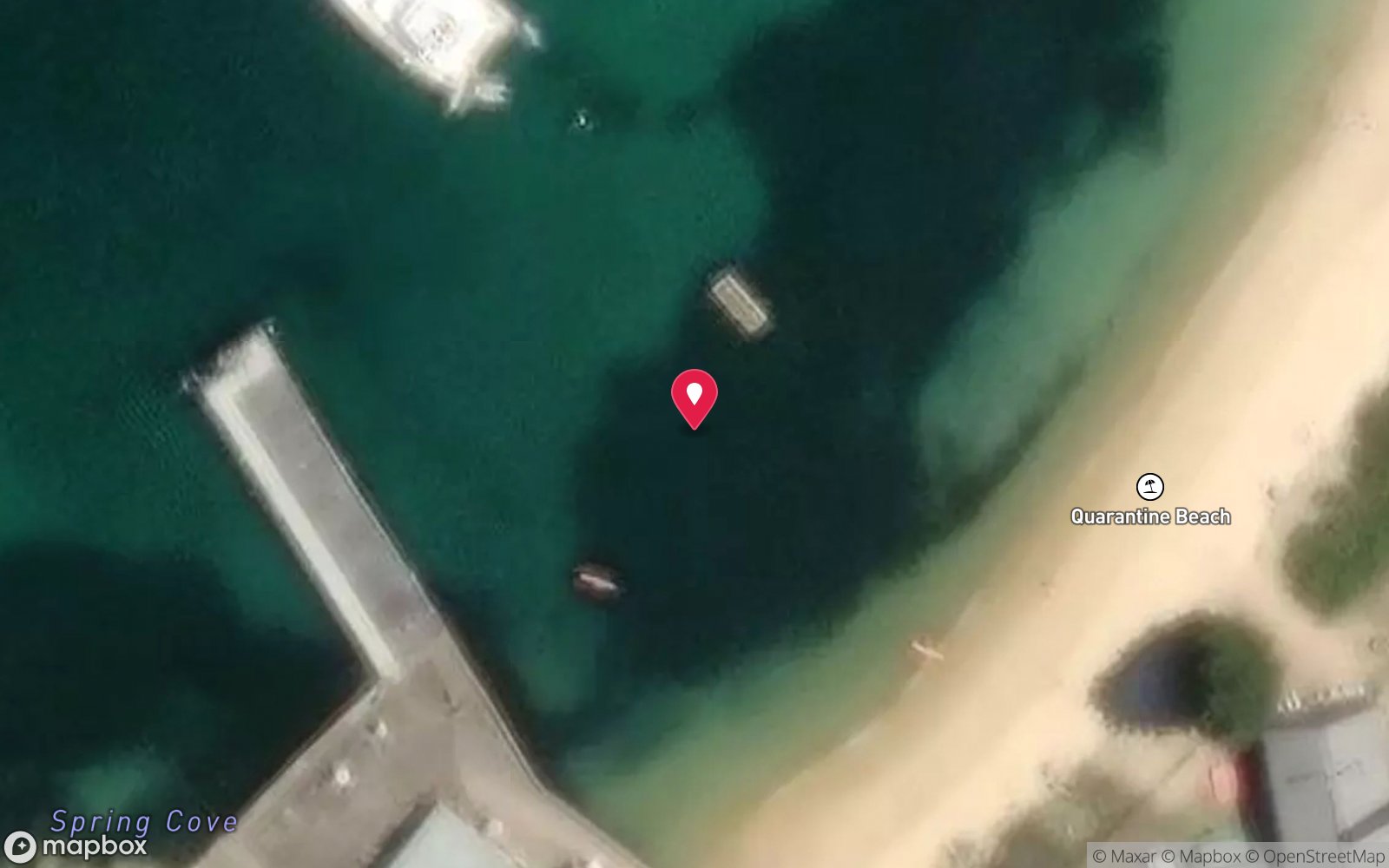
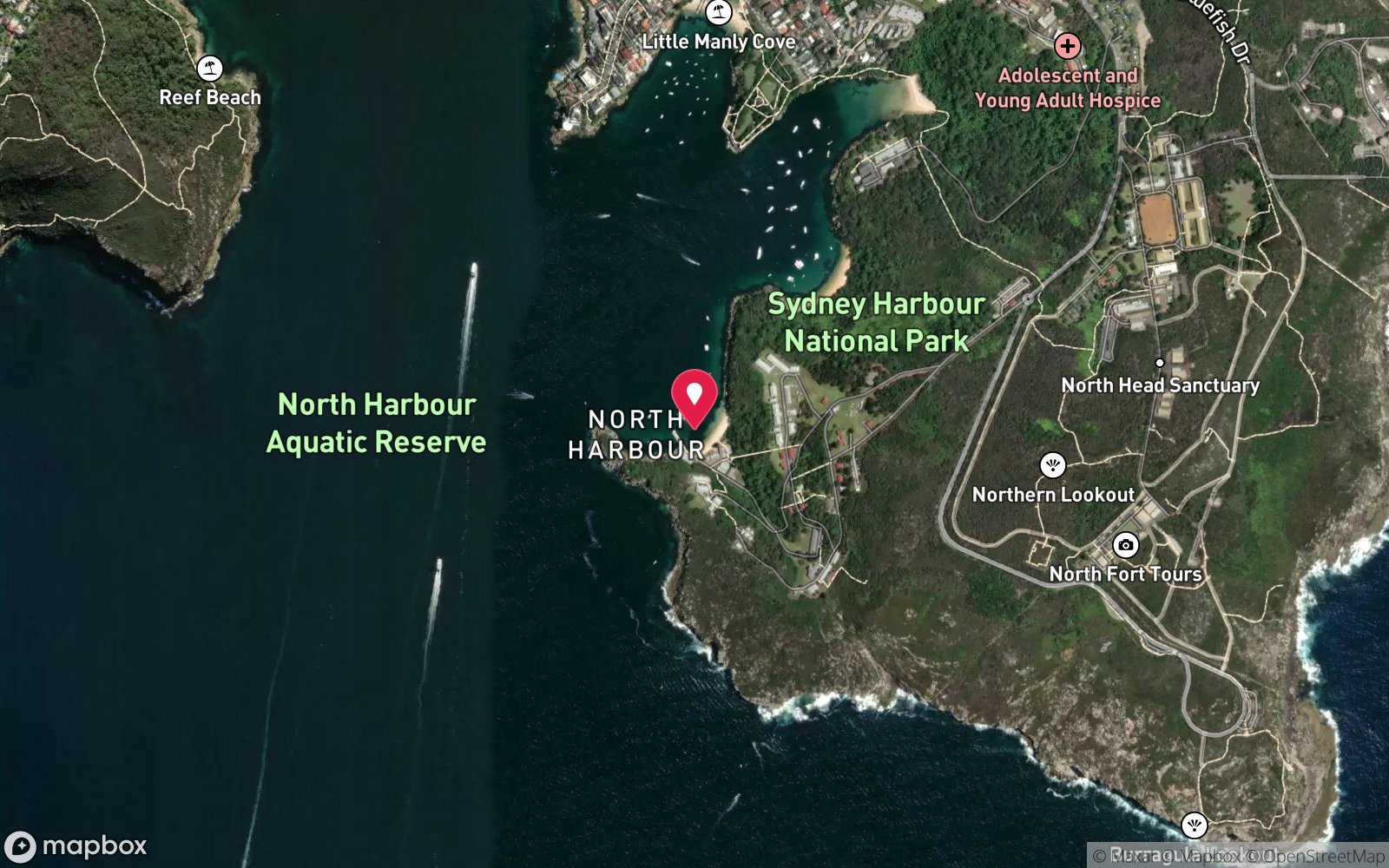
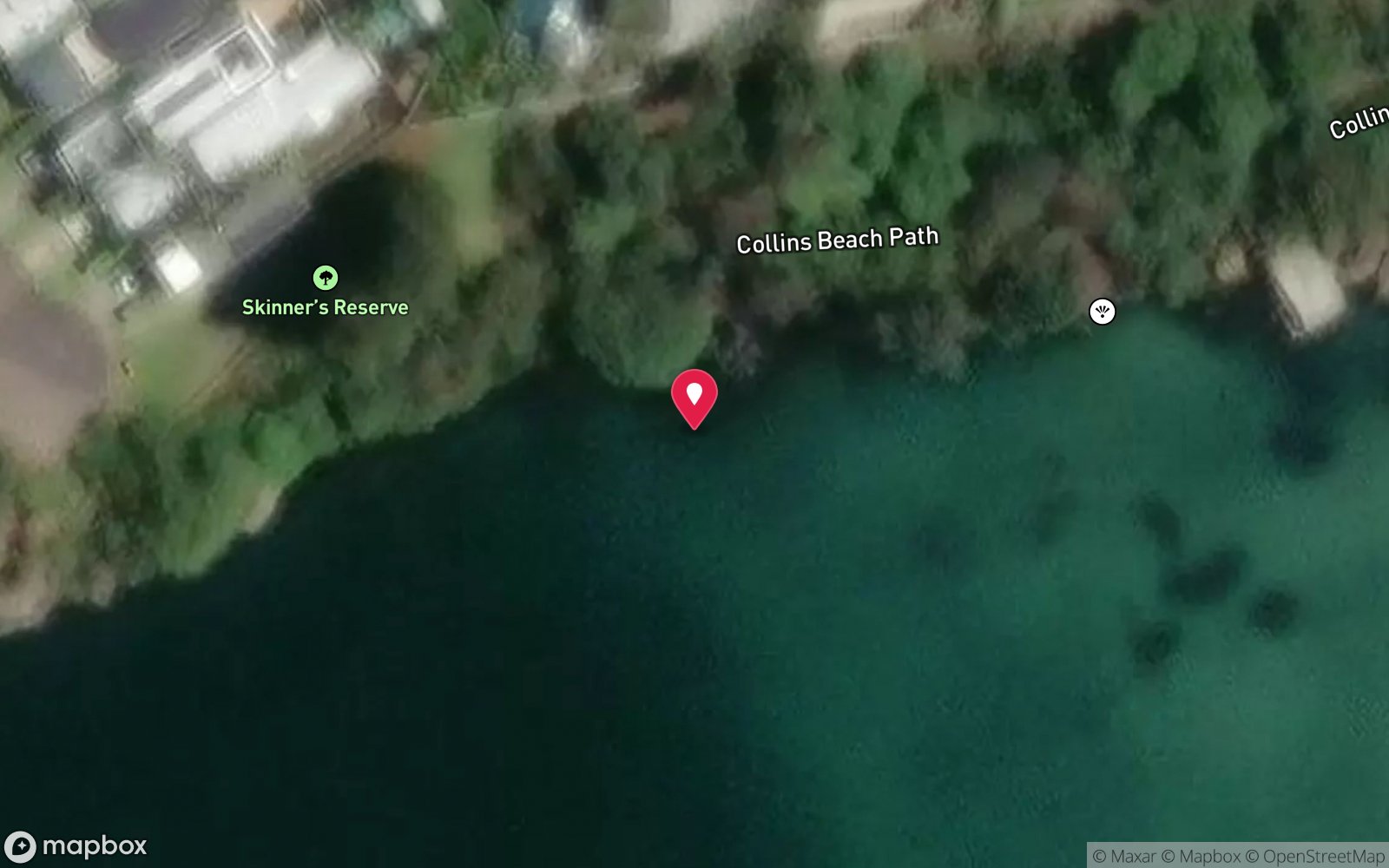
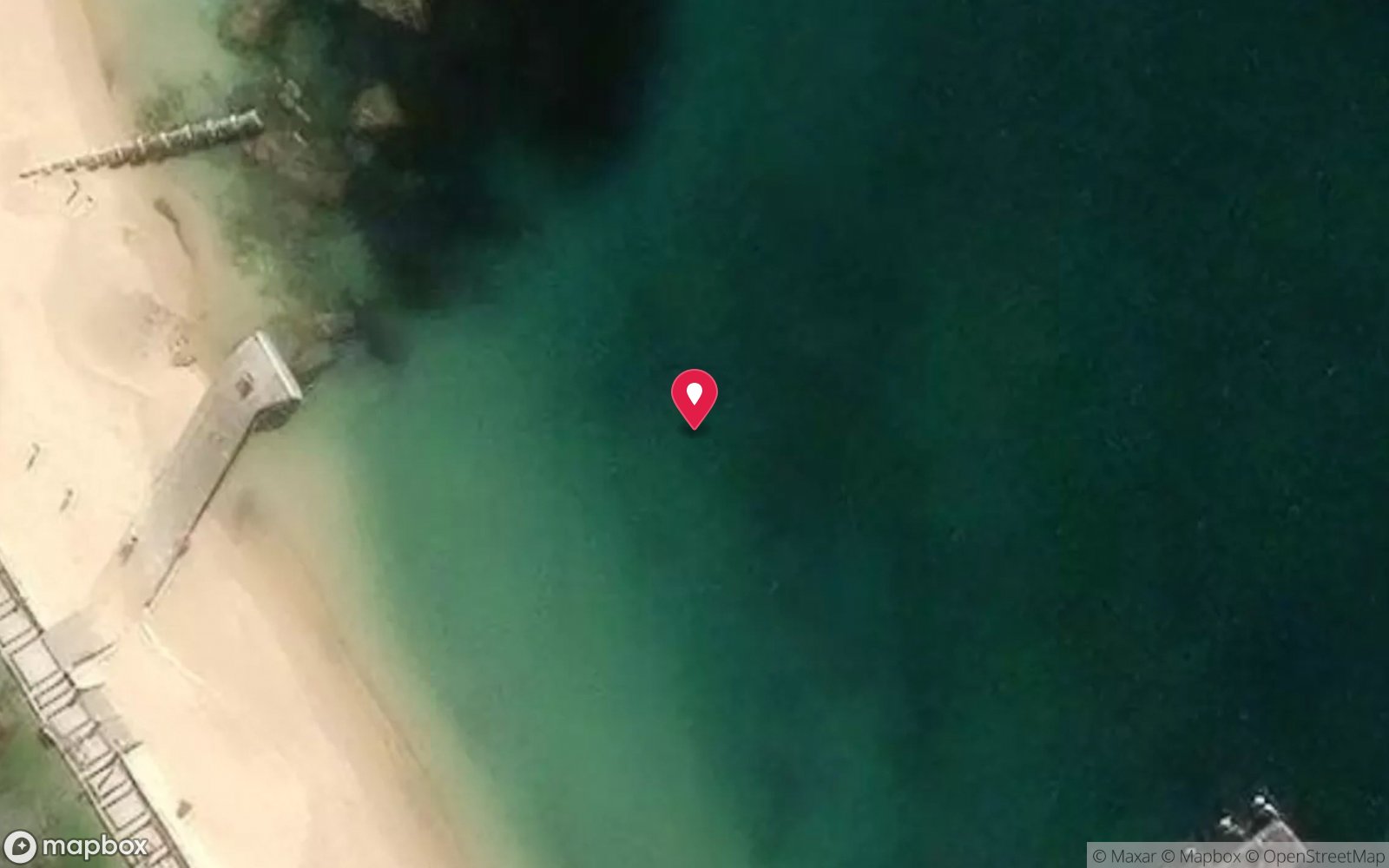
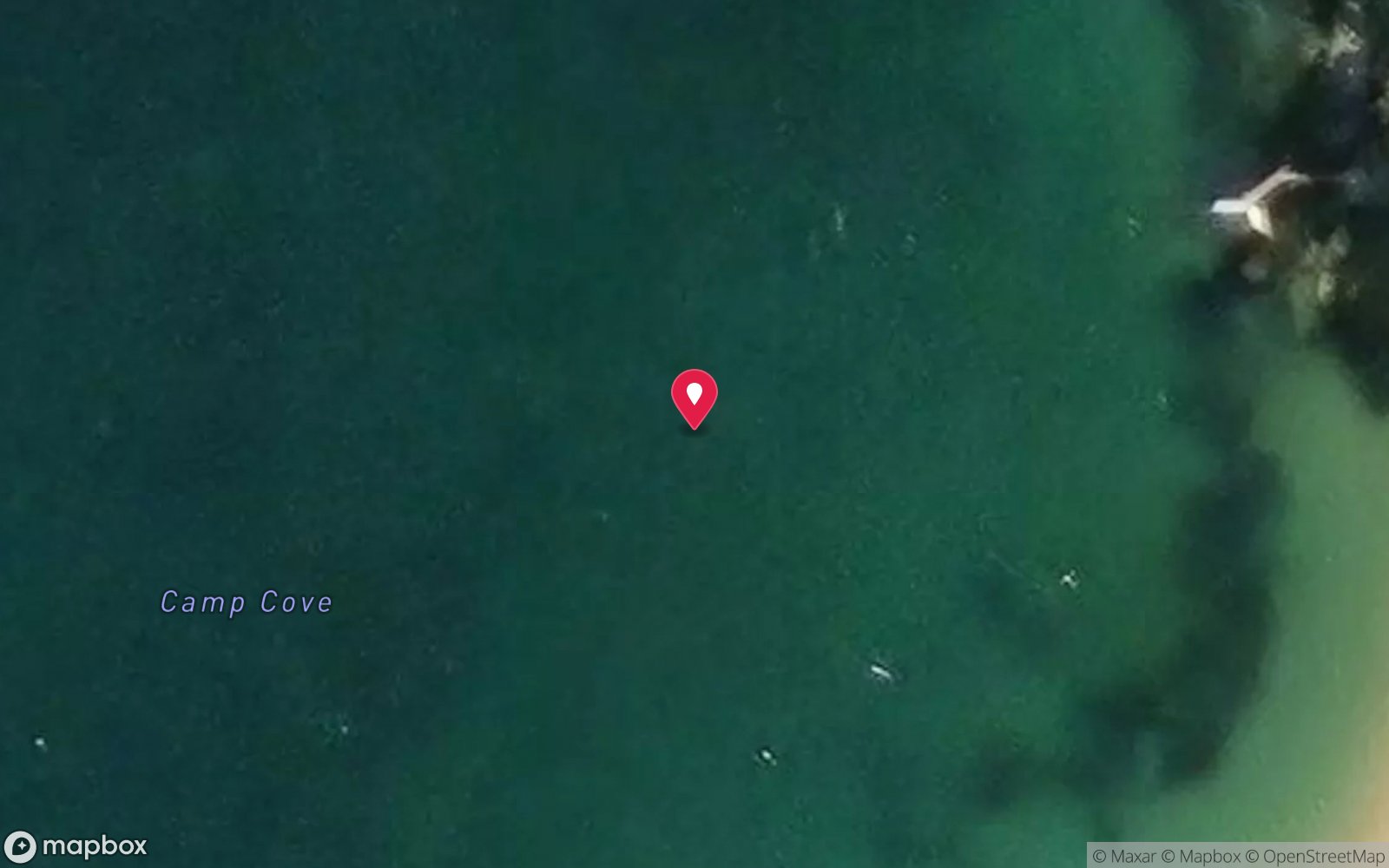
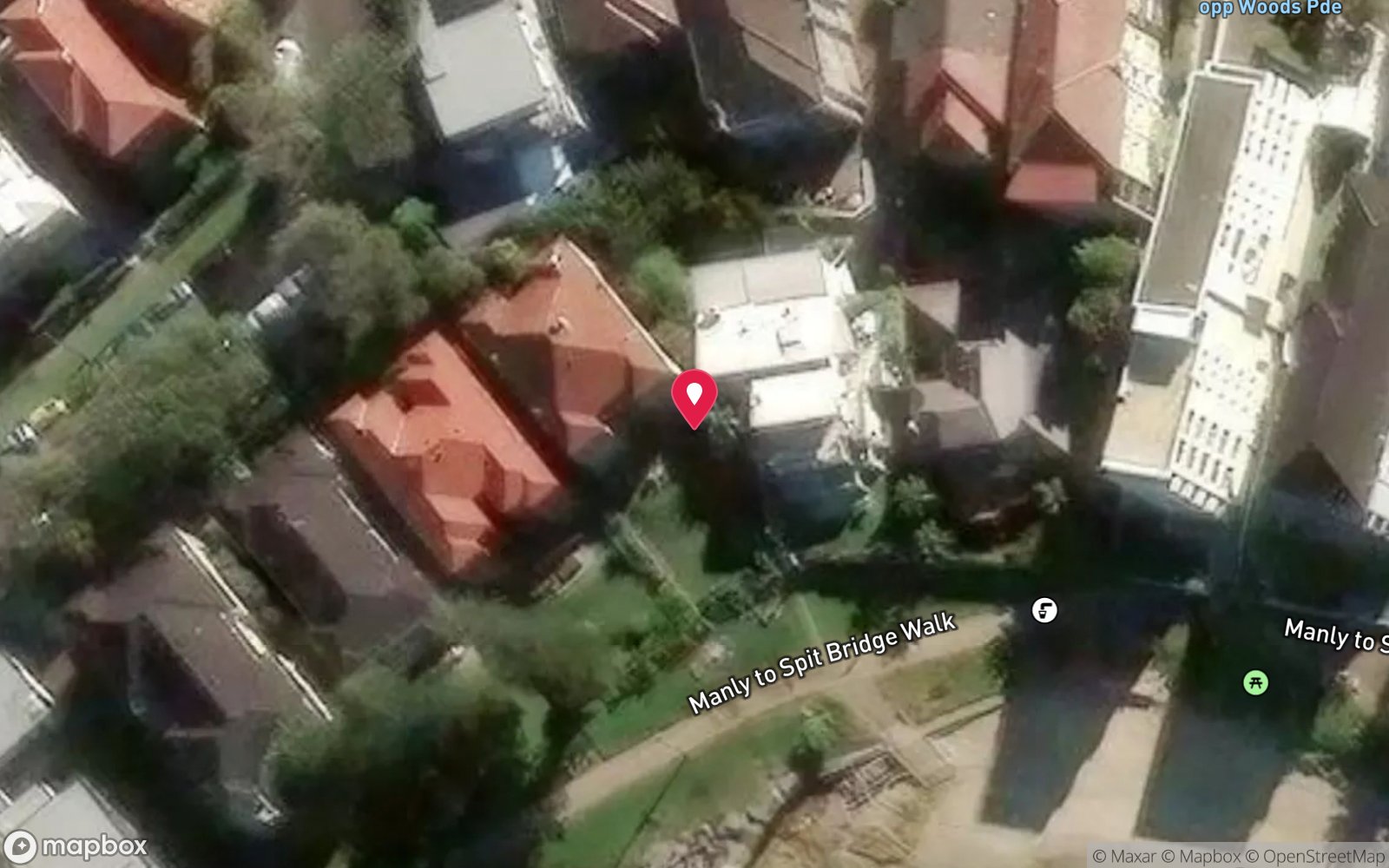
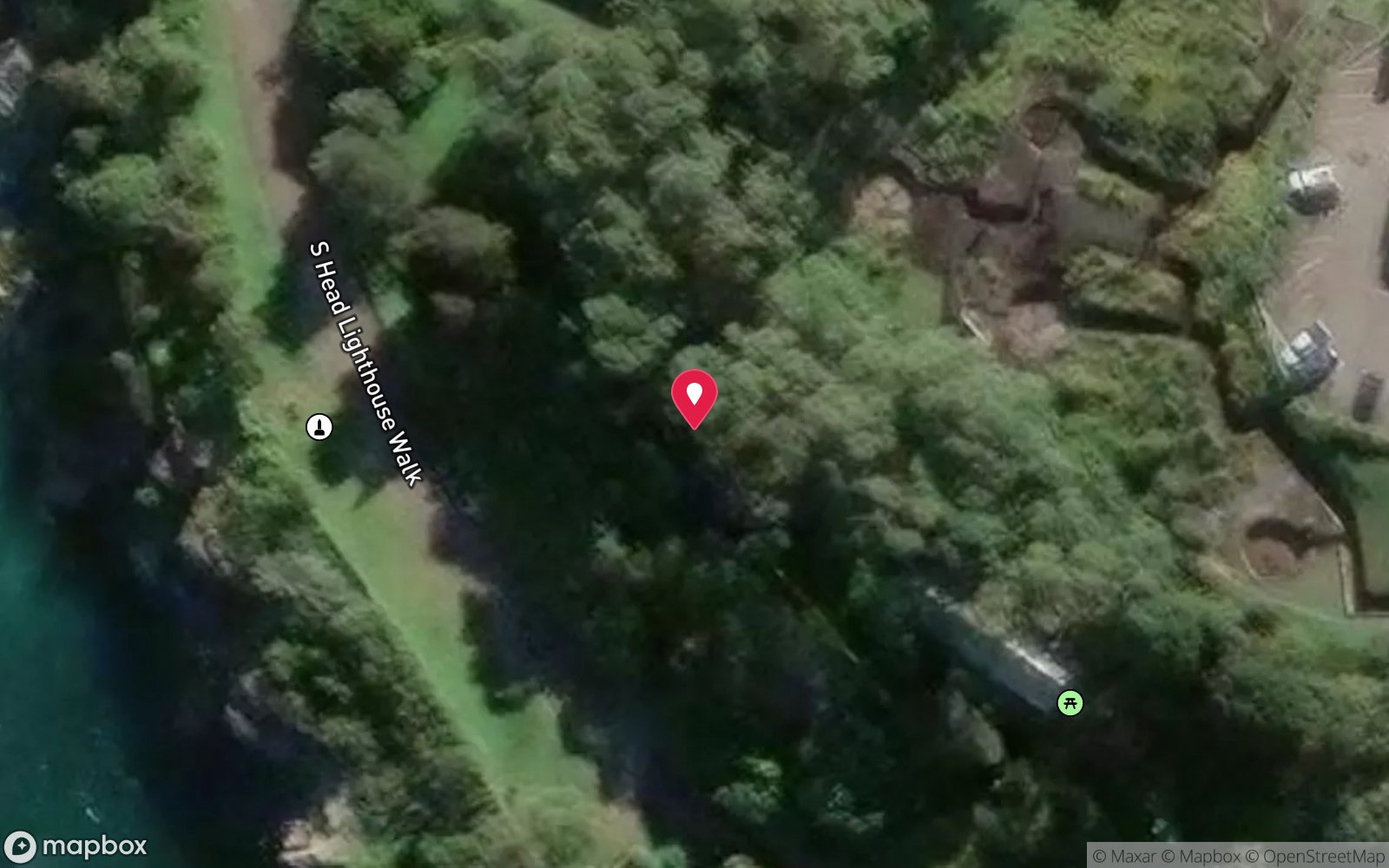
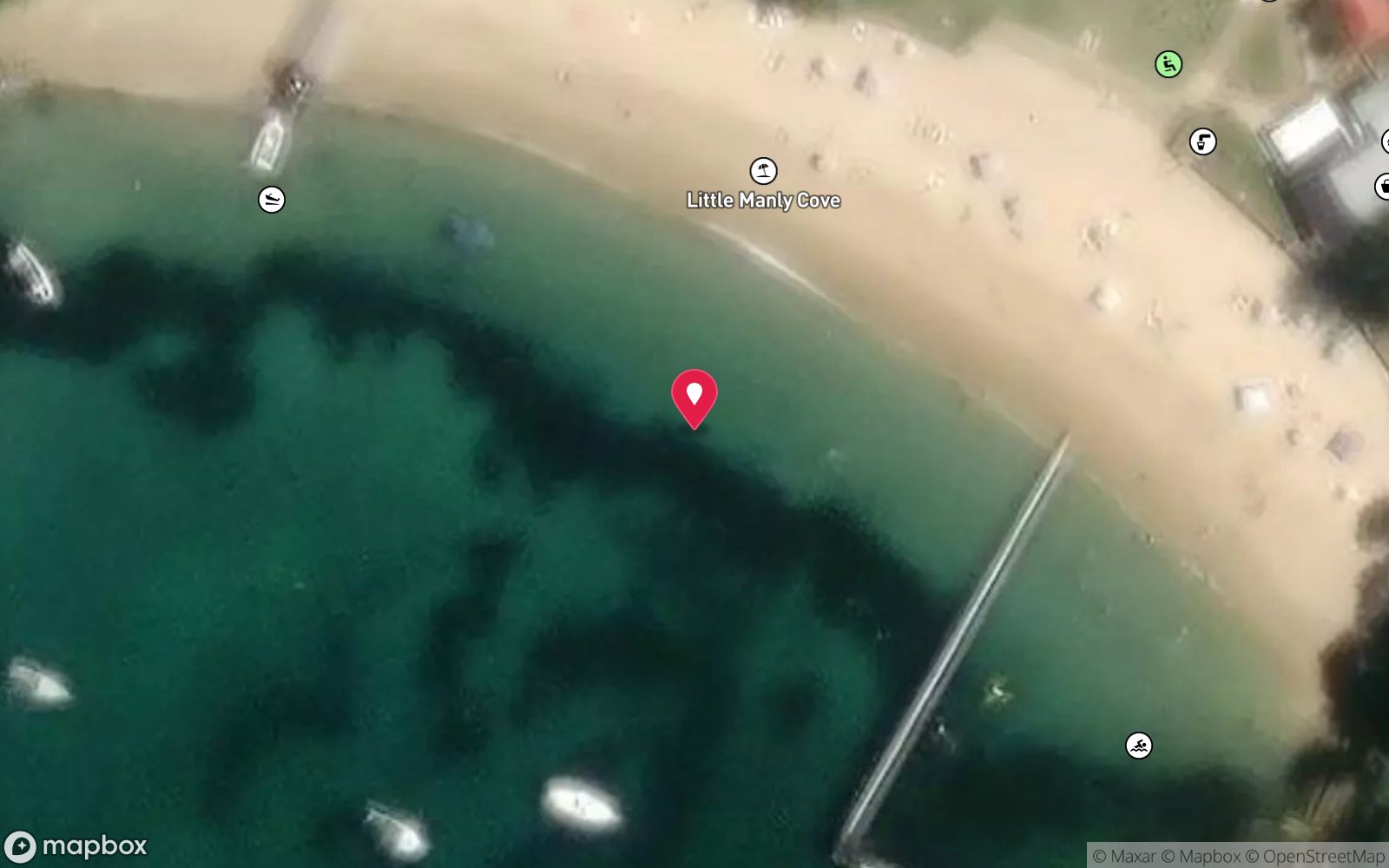
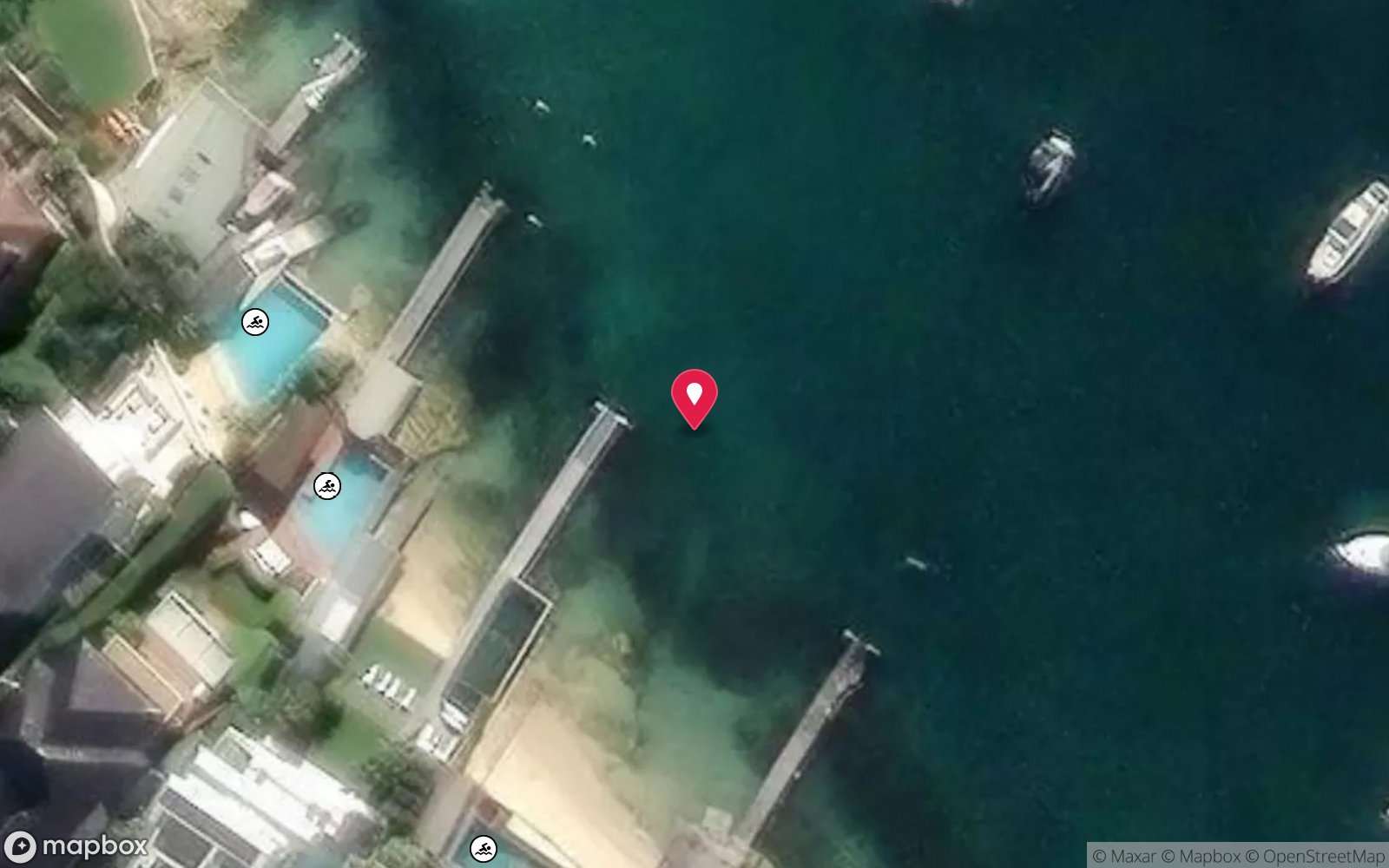
Satellite views
Quarantine Station / Quarantine Bay: frequently asked questions
How deep is Quarantine Station / Quarantine Bay?
Quarantine Station / Quarantine Bay reaches a maximum depth of 16 m, with the shallowest part at about 3 m; most of the dive is spent around 8 m.
What certification do I need to dive Quarantine Station / Quarantine Bay?
Open Water is the recommended minimum. Rated beginner: sheltered, shallow and manageable for a newly certified diver on a normal day, though note boat traffic overhead and cold water.
Can I shore dive Quarantine Station / Quarantine Bay?
Experienced divers do dive Quarantine Station / Quarantine Bay from the shore, but the entry or conditions make it unsuitable for newer divers without local guidance. Entry: Walk-in from Quarantine Beach beside the Q Station wharf (shore), or giant stride from a boat anchored on the fringing reef.
When is the best time to dive Quarantine Station / Quarantine Bay?
Year-round; night dives; summer for tropical vagrants.
What marine life will I see at Quarantine Station / Quarantine Bay?
Regularly recorded: White's seahorses, pipefish, stingarees, cuttlefish, octopus, blue groper, old wives, leatherjackets, weedy sea dragons, juvenile tropical fish (summer/autumn), sponges, sea tulips and more.
What wetsuit do I need at Quarantine Station / Quarantine Bay?
5 mm full suit in summer; 7 mm semi-dry or drysuit May–October.
How cold is the water at Quarantine Station / Quarantine Bay?
Typically 21-24 °C in summer and 15-18 °C in winter.
What are the main hazards at Quarantine Station / Quarantine Bay?
Access requires Q Station/NPWS arrangements; ferry wash and heavy small-boat traffic – tow a float and surface near shore; visibility poor after rain; historic artefacts protected. See the hazards section above for the full list.
Can you night dive Quarantine Station / Quarantine Bay?
Yes, Quarantine Station / Quarantine Bay is commonly dived at night.
Diving in Sydney Harbour
Sydney Harbour has more marine species than the entire Mediterranean, and most of its dive sites are gentle shore dives inside the heads. Clifton Gardens (Chowder Bay) is the city's night-dive institution, with seahorses, pygmy pipehorses, frogfish and octopus under the wharf; Camp Cove, Fairlight and the Fairy Bower reef are easy day dives, and North Head's outside reefs are for experienced divers on calm days.
Getting there: All sites are within the city with public transport, parking and easy entries. Boat dives to the Harbour reefs and wrecks leave from Rose Bay and Mosman.
Sources
- vizzbud.com/dive-sites/australia/new-south-wales/sydney/quarantine-station
- sydneydivecharters.com.au/boat-dive-sites-sydney
- dpird.nsw.gov.au/fishing/marine-protected-areas/aquatic-reserves/north-harbour-aquatic-reserve
- northernbeaches.nsw.gov.au/things-to-do/whats-on/q-station-northern-beaches-ocean-festival-dive-club-event
Data confidence: Medium · Being verified: Current shore-access arrangements with Q Station need confirming before publication.. Last updated September 2026. Know this site better? How to send a correction
Nearby dive sites
More shore/rock platform dives in New South Wales
Explore more
This region
Similar dives
Marine life