Dive slate · divesites.com.au · printed 7 Nov 2026
SS Ferret Wreck
Yorke Peninsula, South Australia · near Marion Bay
| Depth | 0–3 m |
|---|---|
| Minimum level | Snorkel/Any |
| Difficulty | Beginner |
| Access | Shore |
| Entry | Walk down the Ethel Beach stairs; the boiler and scattered remains are viewed on foot at low tide |
| Current | Strong |
| Visibility | 1-5 m |
| Water | summer 20-24 °C, winter 12-14 °C |
| Suit | 5-7 mm full wetsuit with hood in summer/autumn; 7 mm semi-dry or drysuit in winter |
| Best season | Low tide on calm days |
| Position | -35.26968, 136.84534 (GPS) |
| Permit | Innes National Park entry fee; protected historic shipwreck |
| Nearest chamber | Royal Adelaide Hospital hyperbaric medicine unit (Adelaide) |
| Emergency | 000 · DAN Asia-Pacific diving emergency 1800 088 200 |
SS Ferret Wreck
Also known as Ferret
The boiler of a once-stolen 'pirate' steamer lying beside the Ethel on a wild Innes beach.
Near Marion Bay · Yorke Peninsula, South Australia
- Depth
- 0–3 m
- Minimum level
- Snorkel/Any
- Access
- Shore
- Boat ride
- —
- Water
- 20-24 °C
- Visibility
- 1-5 m
SS Ferret Wreck0–3 m · Snorkel/Any · Shore
Dive factsDepths, conditions, location & safety
Season
In season nowBest months: year-round.
Dive facts
- Depth
- 0–3 m
- Typical depth
- 1 m
- Certification
- Snorkel/Any
- Difficulty
- Beginner
- Depth tier
- Easy (0–10 m)
- Access
- Shore
- Dive centre needed
- No – independently diveable
- Shore / independent
- No
- Current
- Strong
- Visibility
- 1-5 m
- Water temp (summer)
- 20-24 °C
- Water temp (winter)
- 12-14 °C
- Water
- Temperate
- Dive traffic
- Rarely dived (private boat/club only)
- Night dive
- No
- Snorkel friendly
- No
Exposure suit
5-7 mm full wetsuit with hood in summer/autumn; 7 mm semi-dry or drysuit in winter
Location
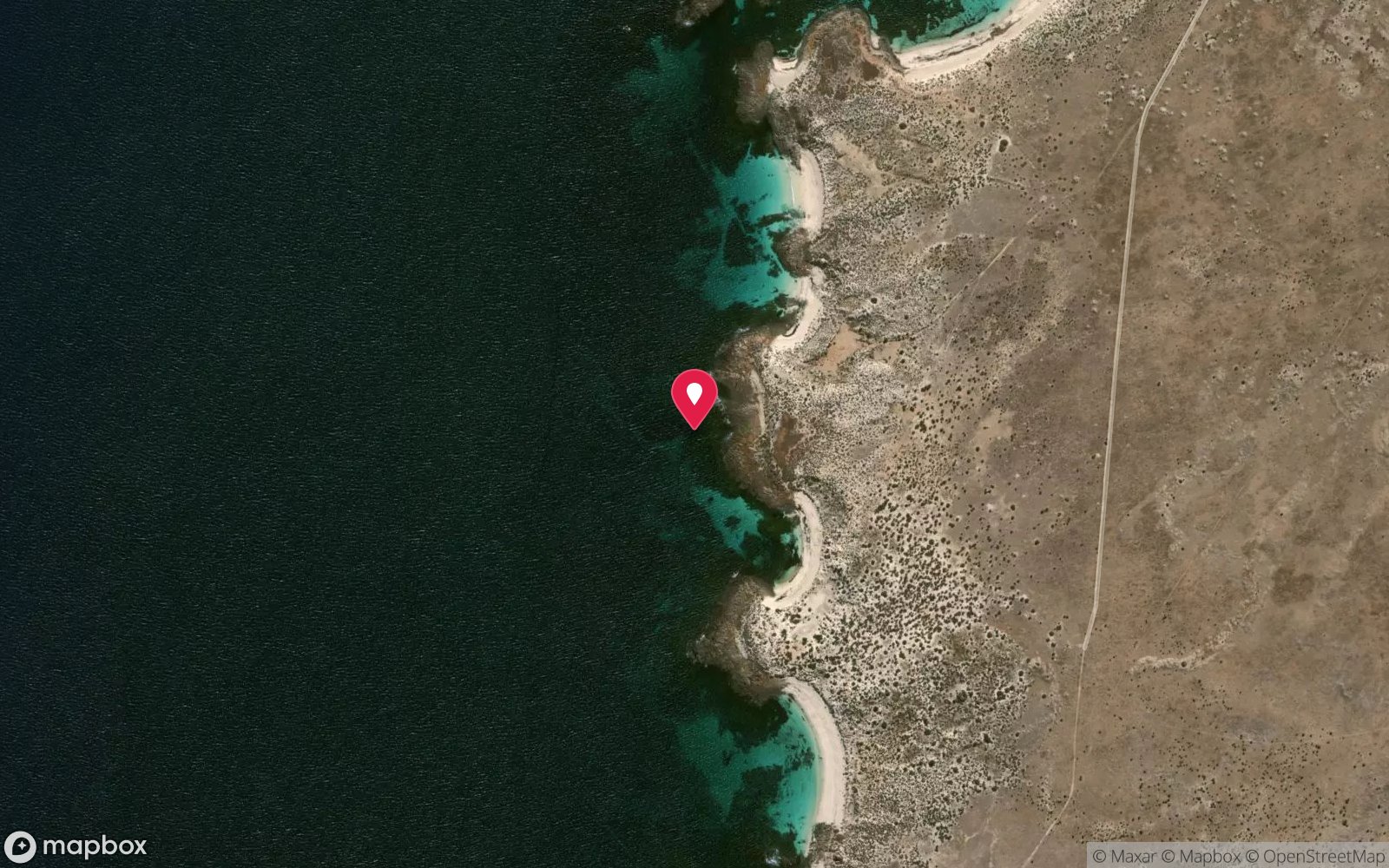
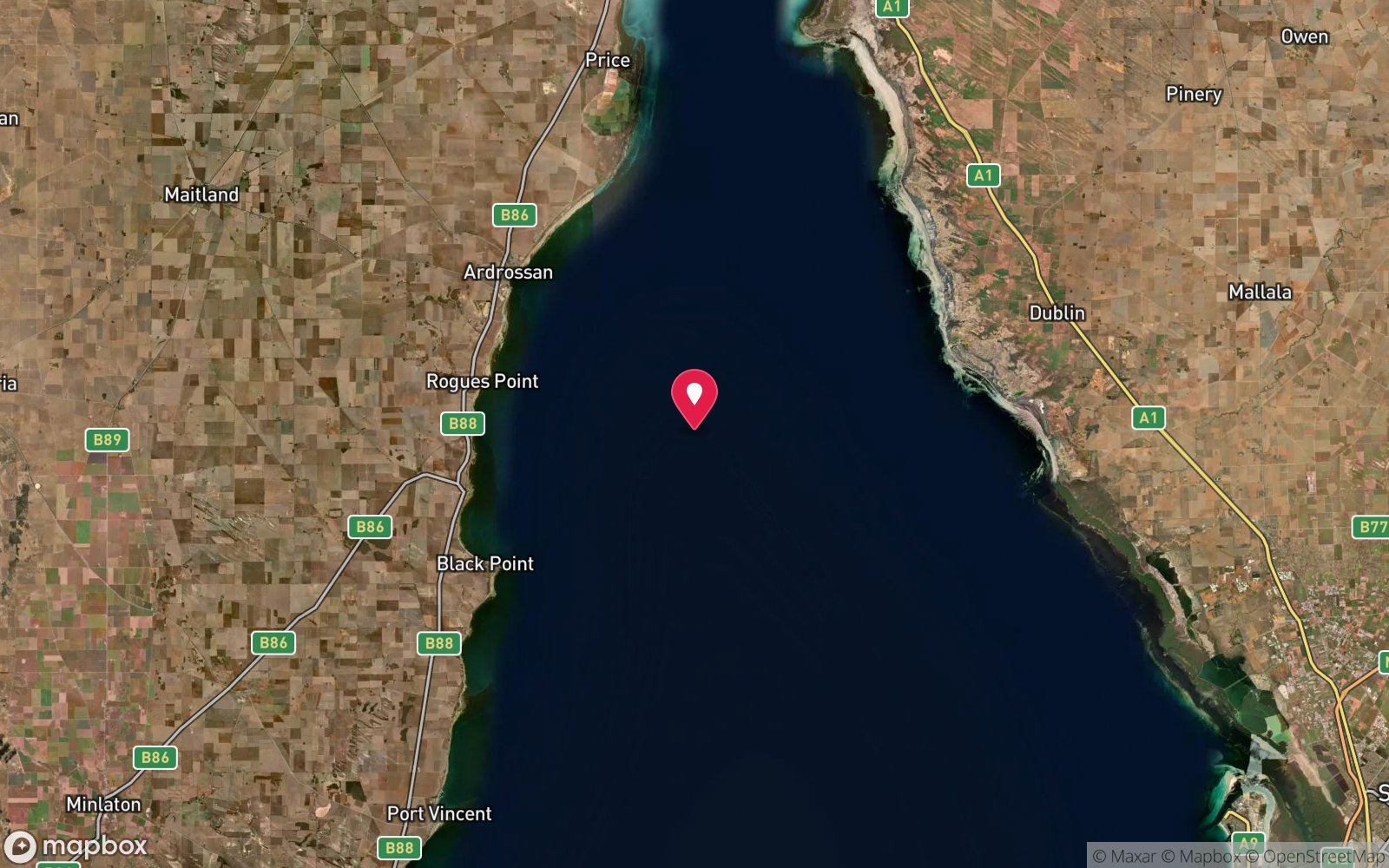
Ethel Beach – Innes NP · Yorke Peninsula – Innes National Park / Southern Tip
-35.26968, 136.84534
Published GPS position.
Open in Google MapsPrimary source: environment.sa.gov.auMarine park & permits
Innes National Park entry fee; protected historic shipwreck
Nearest recompression chamber
Royal Adelaide Hospital hyperbaric medicine unit (Adelaide)
Diving emergency: call 000, then DAN AP 1800 088 200.
Trip planner
Build a trip around SS Ferret Wreck →
A day-by-day plan for Yorke Peninsula with this site locked in.
This guide is a planning aid. Conditions change daily — confirm with a local dive centre and dive within your training. Data & safety notes.
Dive profile
How this site rates
Scores are computed from the recorded data, not opinions. How?
At a glance
SS Ferret Wreck is a wreck dive in Yorke Peninsula, SA, 0–3 m, suitable for snorkellers and first-time divers, strong current.
Rated beginner: sheltered, shallow and manageable for a newly certified diver on a normal day, though note strong current and cold water.
Why dive here
- The boiler of a once-stolen 'pirate' steamer lying beside the Ethel on a wild Innes beach.
- Sunk in 1920; protected as underwater cultural heritage, so look but do not touch.
- Rarely dived: expect to have the site to yourself, and plan your own logistics.
About SS Ferret Wreck
The SS Ferret had one of the most colourful careers of any vessel wrecked in South Australian waters. She was an iron-hulled, schooner-rigged screw steamer built in Glasgow in 1871, about 52 m long and 460 tons. In 1880 she was stolen from Glasgow by a gang of fraudsters, disguised under new names, and sailed halfway around the world on what the press called a piracy voyage before being seized in Melbourne in 1881.
She was later sold and spent decades as a coastal trader in Australian waters. On 14 November 1920, in dense fog near Althorpe Island, her master altered course and she ran ashore at the southern end of what is now Ethel Beach. All 22 crew survived.
The Department for Environment and Water notes that her boiler is now the most prominent feature, with other remains scattered and periodically covered by the shifting sand that also hides and reveals the neighbouring Ethel. Like the Ethel, the Ferret is a walk-in heritage site in the surf zone rather than a dive. The beach is dangerous for swimming, and the wreckage is best appreciated at low tide from the sand, together with the interpretive signs at the clifftop lookout that tell both ships' stories.
It is worth the visit on a day when swell closes the dive sites around Innes, and it gives context to the many wrecks divers explore elsewhere on the Investigator Strait Shipwreck Trail – the Willyama, Hougomont, Marion and Althorpe Island wrecks. Allow an hour for the round trip from the car park, including time on the stairs, and time the visit for low tide so the boiler can be approached safely on the sand.
Wreck details
Iron schooner-rigged screw steamer, approx. 52 m, 460 tons, built Glasgow 1871 · Sunk 1920 · Protected historic shipwreck
Era: early 20th century. Oldest wrecks · Wartime wrecks · Scuttled warships
Other wrecks of the same era
- Notre Dame d'Arvor Wreck · Max 6 m · Yorke Peninsula
- SS Pareora Wreck · Max 15 m · Yorke Peninsula
- SS Investigator Wreck · Max 4 m · Yorke Peninsula
- Kona Wreck (Antechamber Bay) · Max 3 m · Kangaroo Island
- SS MacIntyre Wreck · Max 10 m · Yorke Peninsula
- Songvaar Wreck · Max 10 m · Yorke Peninsula
Getting there & entry
Remains of the iron coastal steamer Ferret (wrecked 1920), chiefly her boiler, on Ethel Beach in Dhilba Guuranda-Innes National Park, a short walk from the Ethel wreck.
From Adelaide drive about 300 km (3.5 hours) via Port Wakefield, Minlaton and Warooka to Marion Bay; Dhilba Guuranda-Innes National Park begins just west of the township (vehicle entry fee, pay online or at the Stenhouse Bay visitor centre). Follow the main park road west from Stenhouse Bay about 11 km to the Ethel Wreck car park. Take the steep stairs down to Ethel Beach; the Ferret's boiler lies a short walk from the Ethel's ribs.
Visit at low tide on a calm day.
Entry: Walk down the Ethel Beach stairs; the boiler and scattered remains are viewed on foot at low tide
Facilities: Ethel Wreck car park and lookout; park campgrounds and Stenhouse Bay visitor centre nearby.
Weather, swell & tides
Ethel Beach is a high-energy, south-west-facing surf beach exposed to the full Southern Ocean swell, with rips and breaking waves at most tides. The Ferret remains are best seen on foot at low tide; entering the water is only conceivable on rare flat days with no swell, and even then there is little to see beyond what is visible from the beach. Sand cover changes seasonally.
Best season: Low tide on calm days
If it's blown out
Sheltered or shore sites within 25 km that often work when SS Ferret Wreck doesn't.
- Ethel Wreck · 0 km · Max 2 m
- Cape Spencer · 4 km · Max 12 m
- SS Marion Wreck · 7 km · Max 12 m
- Stenhouse Bay Jetty · 9 km · Max 10 m
How the dive is usually run
Not a dive. Walk to the boiler at low tide as part of an Ethel Beach visit.
Marine life
- Minimal – barnacles and algae on the boiler; seabirds offshore
Linked species have their own page listing every site where they are recorded. All marine life →
Training required
Shallow enough for snorkellers and for a first dive under supervision. Any certified diver can dive it.
Courses that help here
- Drift Diver – Current is a feature of the dive.
- Drysuit Diver – Cold water; locals dive dry for much of the year.
Depth tiers: 0–10 m easy · to 18 m Open Water · 18–30 m Advanced (25 m+ is a deep dive) · 30–40 m Deep specialty · 40 m+ technical. All courses
Hazards & warnings
Dangerous surf and rips; steep stairs; sharp rusted iron; protected historic shipwreck – do not disturb.
Dive centres that go here
Not a dive site – no operator. Visited on foot by park visitors.
Other dive centres in Yorke Peninsula
Adelaide Scuba
ListedGlenelg North · Adelaide Metro · SA
An Adelaide business providing training, equipment and local diving support, located near Glenelg.
adelaidescuba.com.au · (08) 8294 7744
Diving Adelaide
ListedMarleston · Adelaide Metro · SA
An Adelaide training and guided diving operation serving local sites and organised trips.
divingadelaide.com.au · (08) 8122 5003
The Dive Shack
ListedGlenelg · Adelaide Metro · SA
An Adelaide business combining retail, servicing and training for South Australian divers.
thediveshack.com.au
All dive centres in South Australia →
Operators mentioned: None
Map
7 pinned sites. Pins marked approximate on their pages show the general area only; not for navigation.
Satellite views
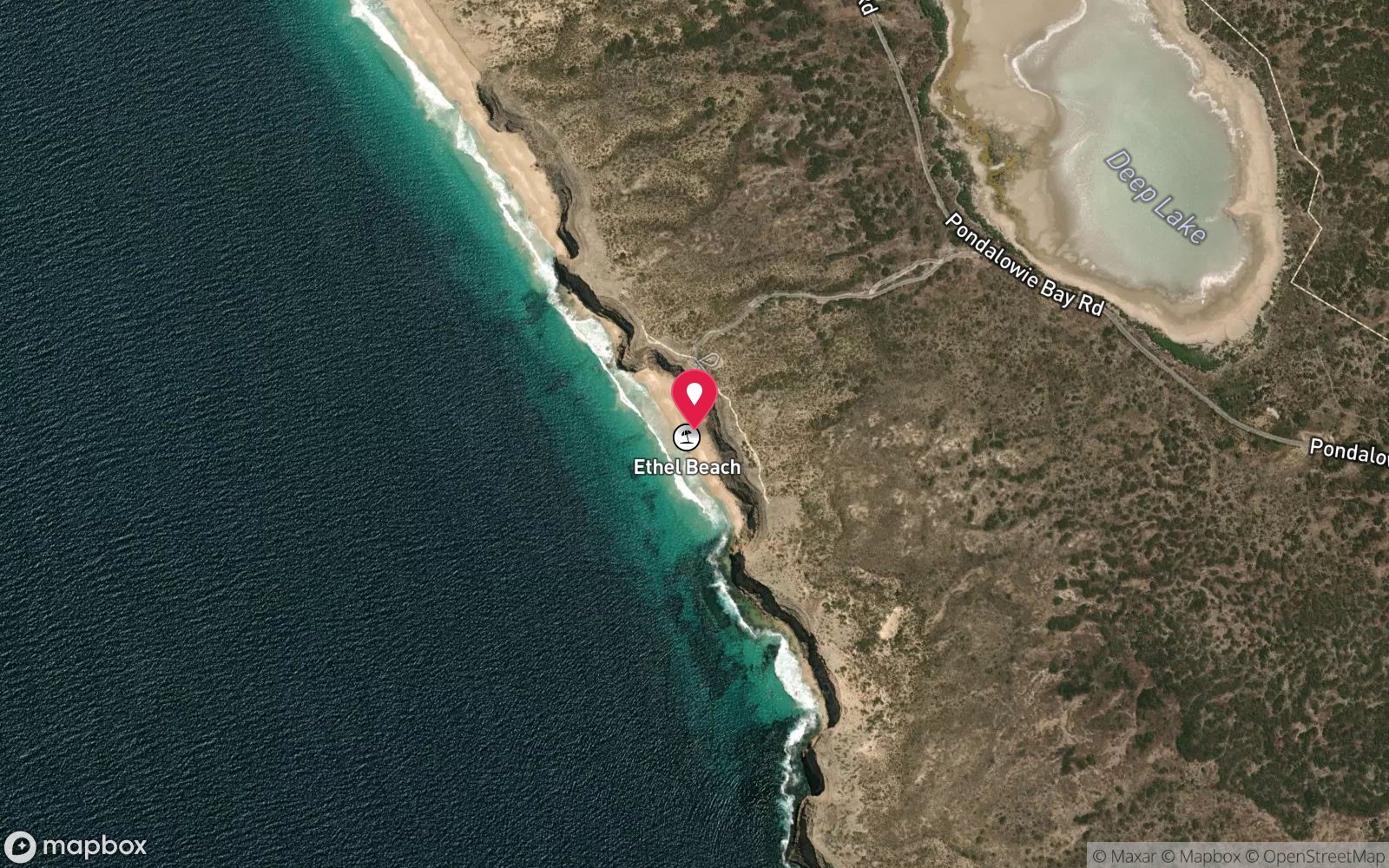
SS Ferret Wreck: frequently asked questions
How deep is SS Ferret Wreck?
SS Ferret Wreck reaches a maximum depth of 3 m, with the shallowest part at about 0 m; most of the dive is spent around 1 m.
What certification do I need to dive SS Ferret Wreck?
No certification is needed to snorkel it, and it suits introductory dives. Rated beginner: sheltered, shallow and manageable for a newly certified diver on a normal day, though note strong current and cold water.
Can I shore dive SS Ferret Wreck?
No, it is reached by boat.
When is the best time to dive SS Ferret Wreck?
Low tide on calm days.
What marine life will I see at SS Ferret Wreck?
Regularly recorded: Minimal – barnacles and algae on the boiler; seabirds offshore.
What wetsuit do I need at SS Ferret Wreck?
5-7 mm full wetsuit with hood in summer/autumn; 7 mm semi-dry or drysuit in winter.
How cold is the water at SS Ferret Wreck?
Typically 20-24 °C in summer and 12-14 °C in winter.
What are the main hazards at SS Ferret Wreck?
Dangerous surf and rips; steep stairs; sharp rusted iron; protected historic shipwreck – do not disturb. See the hazards section above for the full list.
Where is the nearest recompression chamber to SS Ferret Wreck?
Royal Adelaide Hospital hyperbaric medicine unit (Adelaide). In an emergency call 000, then DAN Asia-Pacific on 1800 088 200.
Diving in Yorke Peninsula
The Yorke Peninsula is jetty country. Edithburgh, Port Hughes, Wool Bay, Stenhouse Bay and Port Victoria have some of the richest macro diving in Australia under their pylons: blue devils, pyjama squid, seahorses, tasselled anglerfish, leafy seadragons and carpets of sponges in 5–12 m. Marion Bay and Innes National Park at the southern tip add wrecks, sea lions and clearer open-coast water.
Getting there: Two to four hours west of Adelaide. All the jetties are walk-in shore dives with ladders or beach entries; Innes National Park sites need a park pass.
Sources
Data confidence: High. Last updated September 2026. Know this site better? How to send a correction
Nearby dive sites
More wrecks in South Australia
Explore more