Dive slate · divesites.com.au · printed 8 Nov 2026
Kona Wreck (Antechamber Bay)
Kangaroo Island, South Australia · near Penneshaw
| Depth | 1–3 m |
|---|---|
| Minimum level | Snorkel/Any |
| Difficulty | Beginner |
| Access | Shore |
| Entry | Beach entry/snorkel from Antechamber Bay |
| Current | Mild |
| Visibility | 3-10 m |
| Water | summer 17-20 °C, winter 13-14 °C |
| Suit | 7 mm wetsuit with hood most of the year; 5 mm acceptable Feb-Apr; drysuit popular in winter |
| Best season | Summer-autumn calm days |
| Bottom time | 40 min |
| Position | -35.80000, 138.06000 (approximate) |
| Permit | Protected historic shipwreck |
| Nearest chamber | Royal Adelaide Hospital hyperbaric medicine unit (Adelaide) – aeromedical retrieval from Kingscote (Kangaroo Island Health Service) is required; ~45 min flight. DAN/Divers Emergency Service 1800 088 200. |
| Emergency | 000 · DAN Asia-Pacific diving emergency 1800 088 200 |
Kona Wreck (Antechamber Bay)
Also known as Kona (1917)
Forecastle and bows of a 1917 four-masted schooner in 2 m – a snorkelable piece of the shipwreck trail.
Near Penneshaw · Kangaroo Island, South Australia
- Depth
- 1–3 m
- Minimum level
- Snorkel/Any
- Access
- Shore
- Boat ride
- Shore entry
- Water
- 17-20 °C
- Visibility
- 3-10 m
Kona Wreck (Antechamber Bay)1–3 m · Snorkel/Any · Shore
Dive factsDepths, conditions, location & safety
Season
Off-peak nowBest months: January, February, March, April, May, December.
Dive facts
- Depth
- 1–3 m
- Typical depth
- 2 m
- Certification
- Snorkel/Any
- Difficulty
- Beginner
- Depth tier
- Easy (0–10 m)
- Access
- Shore
- Dive centre needed
- No – independently diveable
- Shore / independent
- Yes
- Current
- Mild
- Visibility
- 3-10 m
- Water temp (summer)
- 17-20 °C
- Water temp (winter)
- 13-14 °C
- Water
- Temperate
- Bottom time
- 40 min
- Dive traffic
- Rarely dived (private boat/club only)
- Night dive
- No
- Snorkel friendly
- Yes
Exposure suit
7 mm wetsuit with hood most of the year; 5 mm acceptable Feb-Apr; drysuit popular in winter
Location
Dudley Peninsula – Antechamber Bay
-35.80000, 138.06000
Approximate position — not for navigation.
Open in Google MapsPrimary source: environment.sa.gov.auMarine park & permits
Protected historic shipwreck
Nearest recompression chamber
Royal Adelaide Hospital hyperbaric medicine unit (Adelaide) – aeromedical retrieval from Kingscote (Kangaroo Island Health Service) is required; ~45 min flight. DAN/Divers Emergency Service 1800 088 200.
Diving emergency: call 000, then DAN AP 1800 088 200.
Trip planner
Build a trip around Kona Wreck (Antechamber Bay) →
A day-by-day plan for Kangaroo Island with this site locked in.
This guide is a planning aid. Conditions change daily — confirm with a local dive centre and dive within your training. Data & safety notes.
Dive profile
How this site rates
Scores are computed from the recorded data, not opinions. How?
At a glance
Kona Wreck (Antechamber Bay) is a wreck shore dive you can do independently in Kangaroo Island, SA, 1–3 m, suitable for snorkellers and first-time divers.
Rated beginner: sheltered, shallow and manageable for a newly certified diver on a normal day, though note surge on the entry or in the shallows and cold water.
Why dive here
- Forecastle and bows of a 1917 four-masted schooner in 2 m – a snorkelable piece of the shipwreck trail.
- Sunk in 1917; protected as underwater cultural heritage, so look but do not touch.
- Snorkel-friendly, so non-diving companions can join at the surface.
- Rarely dived: expect to have the site to yourself, and plan your own logistics.
Conditions to avoid
- Strong southerly or south-east swell and wind
- Afternoon north-easterlies
- Any time other than slack water
About Kona Wreck (Antechamber Bay)
The Kona was a four-masted wooden schooner of 679 tons and 184 ft, built in 1901, that was wrecked on a shoal in a gale in Antechamber Bay in 1917 after a 73-day voyage from San Francisco. DEW's Kangaroo Island Shipwreck Trail records that her remains lie in shallow water, with the forecastle and bows in about one fathom (roughly 2 m) near Sandy Point; another wreck register describes the wreck as in pieces.
This is a snorkel as much as a dive. The timbers and iron fastenings lie in the shallows among sand and weed, colonised by algae and small fish – leatherjackets, wrasse, juvenile salmon – with crabs and small rays around the wreckage. Visibility varies with wind and swell, and the shallow depth means surge is felt on anything but a calm day. The appeal is historical: standing in waist-to-chest-deep water on the timbers of a sailing ship from the last days of commercial sail.
Antechamber Bay is a quiet corner of the Dudley Peninsula with a campground, a river mouth and beaches, and Cape Willoughby lighthouse is nearby. The Kona's remains are a protected historic shipwreck: look, photograph and leave everything in place. It suits snorkellers, families and divers with an interest in maritime history on a calm day. The Chapman River mouth at Antechamber Bay is also a popular kayaking and camping spot, making the Kona an easy add-on to a relaxed day on the Dudley Peninsula. Low tide on a calm morning gives the best view of the remains.
Wreck details
Four-masted wooden schooner, 184 ft (56 m), 679 tons (built 1901) · Sunk 1917 · Protected historic shipwreck
Era: early 20th century. Oldest wrecks · Wartime wrecks · Scuttled warships
Other wrecks of the same era
- SS Investigator Wreck · Max 4 m · Yorke Peninsula
- SS Pareora Wreck · Max 15 m · Yorke Peninsula
- Notre Dame d'Arvor Wreck · Max 6 m · Yorke Peninsula
- SS Ferret Wreck · Max 3 m · Yorke Peninsula
- Songvaar Wreck · Max 10 m · Yorke Peninsula
- SS Australian Wreck · Max 12 m · Yorke Peninsula
Getting there & entry
Remains of the four-masted wooden schooner Kona in very shallow water near Sandy Point, Antechamber Bay, on the Dudley Peninsula facing Backstairs Passage.
Take the SeaLink ferry from Cape Jervis to Penneshaw (45 min). From Penneshaw drive about 20 km south-east towards Cape Willoughby and turn off to Antechamber Bay (partly unsealed). The remains lie near Sandy Point in about 2 m (1 fathom).
Park at the Antechamber Bay campground/beach area and walk along the beach to the site, then snorkel or dive from shore in calm conditions.
Entry: Beach entry/snorkel from Antechamber Bay
Facilities: Antechamber Bay campground (basic facilities); services in Penneshaw.
Weather, swell & tides
The Dudley Peninsula sites lie on Backstairs Passage and Eastern Cove, sheltered from the prevailing south-westerly swell but swept by strong tidal streams through the passage. Dive around slack water, particularly near headlands and islands; wind against tide creates steep chop. Easterly and north-easterly winds make Penneshaw and Hog Bay choppy, while south-easterlies affect Antechamber Bay and Cape Willoughby.
Summer and autumn bring the calmest days; winter westerlies are usually fine on this side of the island. Antechamber Bay is exposed to easterly and south-easterly winds; the shallow site is only worth visiting in calm weather.
Best season: Summer-autumn calm days
If it's blown out
Sheltered or shore sites within 25 km that often work when Kona Wreck (Antechamber Bay) doesn't.
- Hog Bay – Frenchmans Rock Reef · 14 km · Max 6 m
- Penneshaw Jetty · 14 km · Max 6 m
- Kangaroo Head · 19 km · Max 12 m
- Cape Jervis Barge (Hopper Barge No. 3) · 20 km · Max 7 m
How the dive is usually run
Snorkel or shallow-dive around the forecastle and bow remains near Sandy Point at 1-2 m, then explore the surrounding sand and weed.
Marine life
- Algae
- leatherjackets
- wrasse
- juvenile salmon
- crabs
- small rays
Linked species have their own page listing every site where they are recorded. All marine life →
Training required
Shallow enough for snorkellers and for a first dive under supervision. Any certified diver can dive it.
Courses that help here
- Drysuit Diver – Cold water; locals dive dry for much of the year.
Depth tiers: 0–10 m easy · to 18 m Open Water · 18–30 m Advanced (25 m+ is a deep dive) · 30–40 m Deep specialty · 40 m+ technical. All courses
Hazards & warnings
Very shallow – surge in any swell; exposed to easterlies; protected historic remains; remote from services.
Technical notes
Protected historic shipwreck – no souveniring.
Dive centres that go here
No regular operator – independent.
Other dive centres in Kangaroo Island
Diving Adelaide
ListedMarleston · Adelaide Metro · SA
An Adelaide training and guided diving operation serving local sites and organised trips.
divingadelaide.com.au · (08) 8122 5003
Kangaroo Island Dive & Adventures
ListedKingscote · Kangaroo Island · SA
A Kangaroo Island operation providing local diving and wildlife-oriented in-water experiences.
kangarooislanddiveandadventures.com.au · 0431 430 335
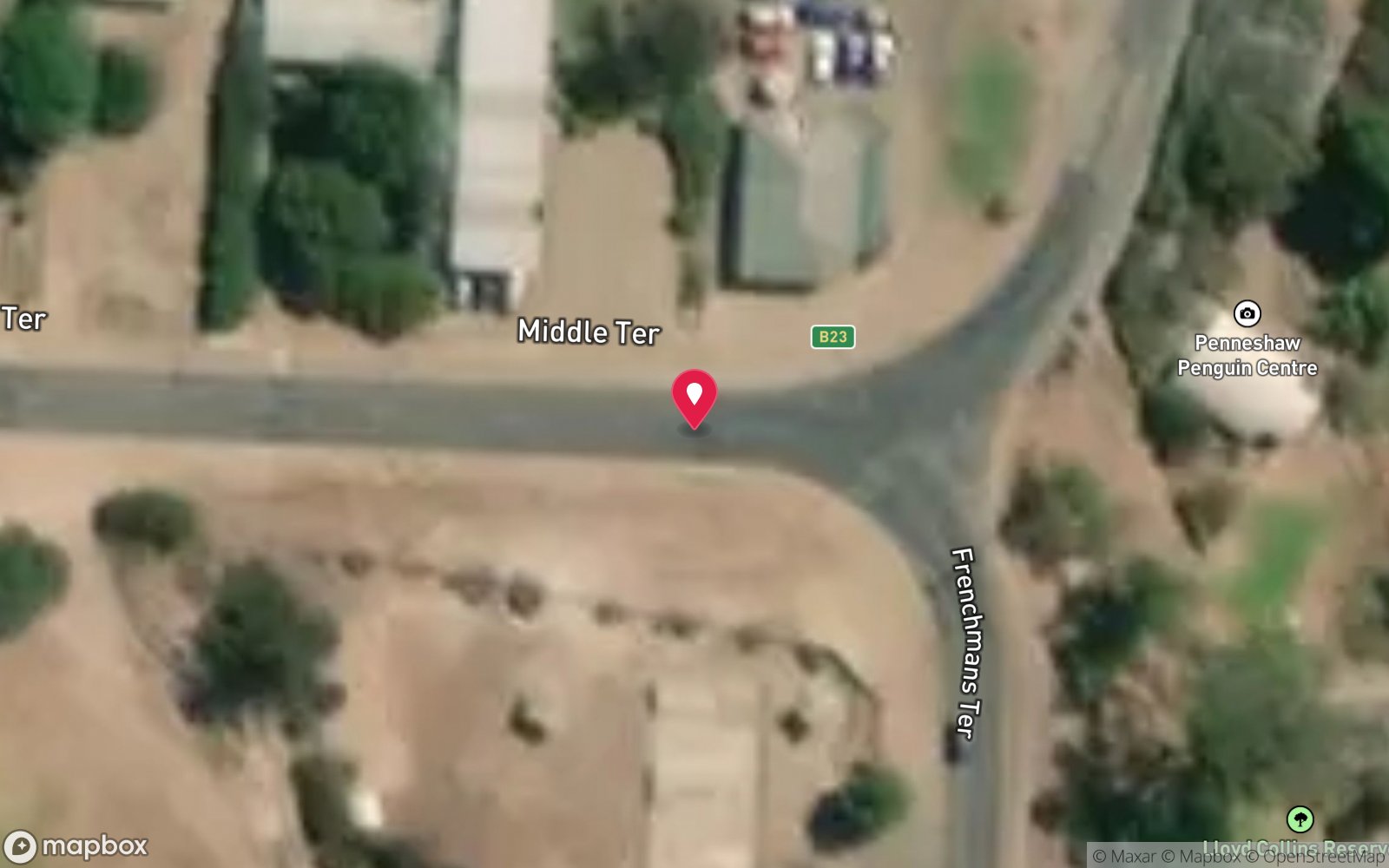
Map
7 pinned sites. Pins marked approximate on their pages show the general area only; not for navigation.
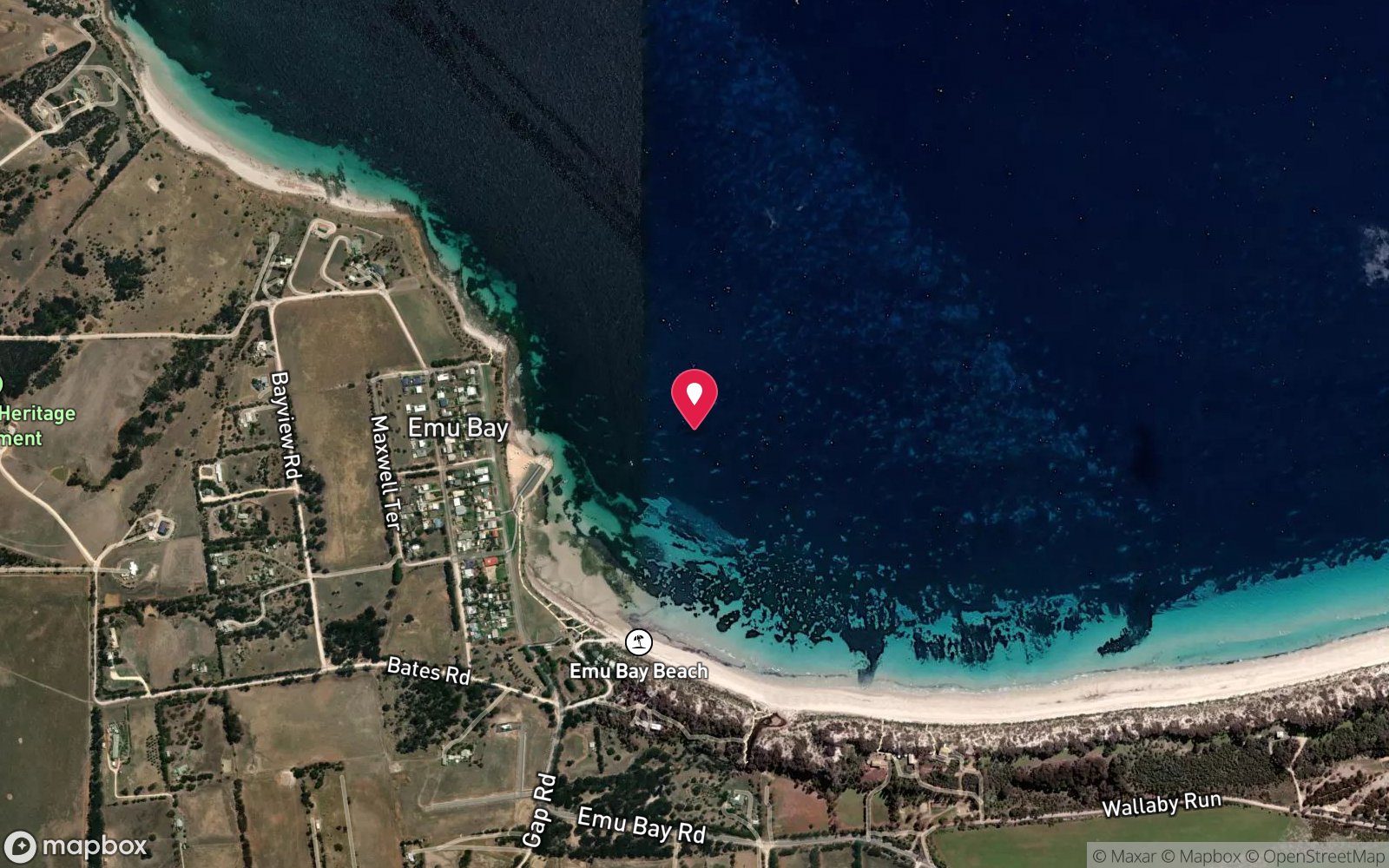
Satellite views
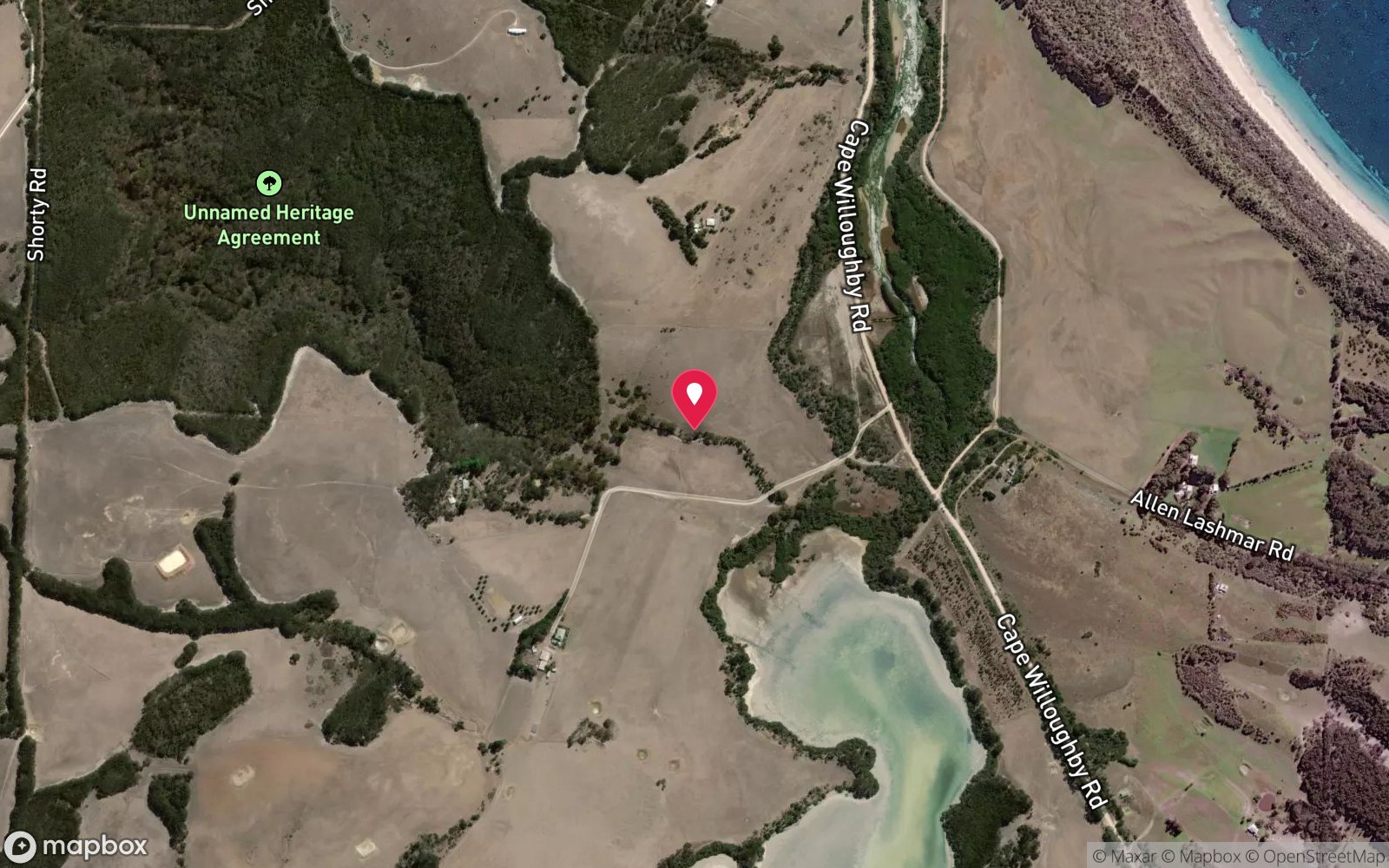
Kona Wreck (Antechamber Bay): frequently asked questions
How deep is Kona Wreck (Antechamber Bay)?
Kona Wreck (Antechamber Bay) reaches a maximum depth of 3 m, with the shallowest part at about 1 m; most of the dive is spent around 2 m.
What certification do I need to dive Kona Wreck (Antechamber Bay)?
No certification is needed to snorkel it, and it suits introductory dives. Rated beginner: sheltered, shallow and manageable for a newly certified diver on a normal day, though note surge on the entry or in the shallows and cold water.
Can I shore dive Kona Wreck (Antechamber Bay)?
Yes. Kona Wreck (Antechamber Bay) is a shore dive that can be done independently: beach entry/snorkel from Antechamber Bay.
When is the best time to dive Kona Wreck (Antechamber Bay)?
Summer-autumn calm days.
What marine life will I see at Kona Wreck (Antechamber Bay)?
Regularly recorded: Algae, leatherjackets, wrasse, juvenile salmon, crabs, small rays.
What wetsuit do I need at Kona Wreck (Antechamber Bay)?
7 mm wetsuit with hood most of the year; 5 mm acceptable Feb-Apr; drysuit popular in winter.
How cold is the water at Kona Wreck (Antechamber Bay)?
Typically 17-20 °C in summer and 13-14 °C in winter.
What are the main hazards at Kona Wreck (Antechamber Bay)?
Very shallow – surge in any swell; exposed to easterlies; protected historic remains; remote from services. See the hazards section above for the full list.
Where is the nearest recompression chamber to Kona Wreck (Antechamber Bay)?
Royal Adelaide Hospital hyperbaric medicine unit (Adelaide) – aeromedical retrieval from Kingscote (Kangaroo Island Health Service) is required; ~45 min flight. DAN/Divers Emergency Service 1800 088 200. In an emergency call 000, then DAN Asia-Pacific on 1800 088 200.
Diving in Kangaroo Island
Kangaroo Island has clear water, granite reefs, sea lions and leafy seadragons, and almost nobody dives it. The north coast around Kingscote, Emu Bay and Western River Cove is the sheltered side; the Kingscote jetty is a good easy dive, and the wrecks of the Loch Vennachar and Portland Maru sit on the wild south and west coasts.
Getting there: Ferry from Cape Jervis or a flight from Adelaide. Limited dive services on the island; bring gear and a compressor plan.
Sources
- environment.sa.gov.au/topics/heritage/maritime-heritage/visiting-maritime-heritage-places/shipwreck-trails/kangaroo-island
- oceans1.customer.netspace.net.au/kangaroo-wrecks.html
Data confidence: Medium · Being verified: Coordinates approximate.. Last updated September 2026. Know this site better? How to send a correction
Nearby dive sites
More wrecks in South Australia
Explore more
This region
Similar dives