Dive slate · divesites.com.au · printed 8 Nov 2026
Stokes Bay
Kangaroo Island, South Australia · near Kingscote
| Depth | 0.5–10 m |
|---|---|
| Minimum level | Snorkel/Any |
| Difficulty | Beginner |
| Access | Shore |
| Entry | Walk through the boulder tunnel to the rock pool; beach/rock entry for the outer reef |
| Current | Mild |
| Visibility | 5-15 m |
| Water | summer 17-20 °C, winter 13-14 °C |
| Suit | 7 mm wetsuit with hood most of the year; 5 mm acceptable Feb-Apr; drysuit popular in winter |
| Best season | Summer-autumn; rock pool on calm days year-round |
| Bottom time | 45 min |
| Position | -35.63000, 137.20000 (approximate) |
| Permit | Check Northern KI marine park zoning |
| Nearest chamber | Royal Adelaide Hospital hyperbaric medicine unit (Adelaide) – aeromedical retrieval from Kingscote (Kangaroo Island Health Service) is required; ~45 min flight. DAN/Divers Emergency Service 1800 088 200. |
| Emergency | 000 · DAN Asia-Pacific diving emergency 1800 088 200 |
Stokes Bay
Also known as Stokes Bay rock pool
A sheltered rock pool reached through a boulder tunnel – Kangaroo Island's best family snorkel, with seahorses in the weed.
Near Kingscote · Kangaroo Island, South Australia
- Depth
- 0.5–10 m
- Minimum level
- Snorkel/Any
- Access
- Shore
- Boat ride
- Shore entry
- Water
- 17-20 °C
- Visibility
- 5-15 m
Stokes Bay0.5–10 m · Snorkel/Any · Shore
Dive factsDepths, conditions, location & safety
Season
In season nowBest months: year-round.
Summer-autumn; rock pool on calm days year-round
- Best months
- Now (November)
Dive facts
- Depth
- 0.5–10 m
- Typical depth
- 3 m
- Certification
- Snorkel/Any
- Difficulty
- Beginner
- Depth tier
- Easy (0–10 m)
- Access
- Shore
- Dive centre needed
- No – independently diveable
- Shore / independent
- Yes
- Current
- Mild
- Visibility
- 5-15 m
- Water temp (summer)
- 17-20 °C
- Water temp (winter)
- 13-14 °C
- Water
- Temperate
- Bottom time
- 45 min
- Dive traffic
- Moderate (occasional charters/club dives)
- Night dive
- No
- Snorkel friendly
- Yes
Exposure suit
7 mm wetsuit with hood most of the year; 5 mm acceptable Feb-Apr; drysuit popular in winter
Location
North coast – central
-35.63000, 137.20000
Approximate position — not for navigation.
Open in Google MapsPrimary source: tourkangarooisland.com.auMarine park & permits
Check Northern KI marine park zoning
Nearest recompression chamber
Royal Adelaide Hospital hyperbaric medicine unit (Adelaide) – aeromedical retrieval from Kingscote (Kangaroo Island Health Service) is required; ~45 min flight. DAN/Divers Emergency Service 1800 088 200.
Diving emergency: call 000, then DAN AP 1800 088 200.
Trip planner
Build a trip around Stokes Bay →
A day-by-day plan for Kangaroo Island with this site locked in.
This guide is a planning aid. Conditions change daily — confirm with a local dive centre and dive within your training. Data & safety notes.
Dive profile
How this site rates
Scores are computed from the recorded data, not opinions. How?
At a glance
Stokes Bay is a shore / rock platform shore dive you can do independently in Kangaroo Island, SA, 0.5–10 m, suitable for snorkellers and first-time divers.
Rated beginner: sheltered, shallow and manageable for a newly certified diver on a normal day, though note surge on the entry or in the shallows and cold water.
Why dive here
- A sheltered rock pool reached through a boulder tunnel – Kangaroo Island's best family snorkel, with seahorses in the weed.
- Snorkel-friendly, so non-diving companions can join at the surface.
About Stokes Bay
Stokes Bay is one of Kangaroo Island's favourite beaches, and its rock pool is the most family-friendly snorkel on the island. From the car park you walk through a narrow tunnel between enormous boulders to emerge on a sandy beach where a natural reef wall encloses a large, calm pool. Tourism Kangaroo Island describes easy access to a sheltered rock pool with fish, sponges, crabs, seahorses, reefs and rays – a perfect introduction to snorkelling for children and adults.
Inside the pool the water is shallow and clear on sunny days, with seagrass, weed-covered rocks and sand patches. Seahorses hide in the weed, crabs scuttle among the rocks, small reef fish and juvenile wrasse dart around, and rays rest on the sand. Outside the reef wall, the open bay has rocky reef that divers can explore in calm, southerly conditions, with larger fish, sponges and the chance of seadragons.
Stokes Bay is also practical: the café and facilities make it a comfortable base, and the beach ramp is the most useful launching point for boat trips to the remote north-west sites such as the Portland Maru, Snug Cove and Cape Torrens. Wikivoyage lists Stokes Bay among Kangaroo Island's dive sites. The pool suits families, snorkellers and beginners; the outer reef suits Open Water divers on calm days. The café is seasonal, so check opening days outside summer. The tunnel walk is short but uneven, and snorkellers should wear booties for the rocks around the pool. On busy summer days arrive early, as the pool is popular with families.
Getting there & entry
A north-coast bay with a large natural rock pool reached through a tunnel in the boulders, plus reef outside; a boat-launching point for the north-west coast.
From Kingscote drive west on the Playford Highway and North Coast Road to Stokes Bay (about 50 km, 45-50 minutes; sealed to the turn-off). Park at the Stokes Bay car park beside the café, then walk through the narrow tunnel between huge boulders to the beach and rock pool – a short, easy walk. Divers can enter the outer reef from the beach in calm conditions.
Small boats launch from the beach ramp for trips to the north-west coast.
Entry: Walk through the boulder tunnel to the rock pool; beach/rock entry for the outer reef
Facilities: Car park, toilets and seasonal café at Stokes Bay; beach boat ramp; no fills – nearest Kingscote (50 km).
Weather, swell & tides
Kangaroo Island's north coast faces Investigator Strait and is sheltered from the prevailing south-westerly Southern Ocean swell, so it is the island's most reliable diving coast. It is exposed to northerly and north-westerly winds and swell, which bring surge, poor visibility and dangerous entries – dive on southerly to south-easterly winds or after a few days of southerlies. Summer and autumn have the most settled weather; winter fronts bring north-westerlies before they pass.
Visibility is often 10-20 m in good conditions. Mornings are calmer before sea breezes. The rock pool is sheltered by a natural reef wall and is safe in most conditions except large northerly swells, which can wash over the reef.
Best season: Summer-autumn; rock pool on calm days year-round
If it's blown out
Sheltered or shore sites within 25 km that often work when Stokes Bay doesn't.
- Western River Cove · 22 km · Max 18 m
How the dive is usually run
Snorkel the rock pool for seahorses and small fish; on calm days, dive the reef outside the pool from the beach in 3-10 m, following the reef edge and returning to the same entry.
Marine life
- Seahorses →
- crabs
- rays
- sponges
- wrasse
- small reef fish
- seagrass; seadragons possible on the outer reef
Linked species have their own page listing every site where they are recorded. All marine life →
Training required
Shallow enough for snorkellers and for a first dive under supervision. Any certified diver can dive it.
Courses that help here
- Drysuit Diver – Cold water; locals dive dry for much of the year.
- Peak Performance Buoyancy – Silt and low visibility punish poor trim.
Depth tiers: 0–10 m easy · to 18 m Open Water · 18–30 m Advanced (25 m+ is a deep dive) · 30–40 m Deep specialty · 40 m+ technical. All courses
Hazards & warnings
Large northerly swells wash into the pool and create surge on the outer reef; slippery rocks; boats launching at the ramp; cold outside summer.
Dive centres that go here
No regular operator; Kangaroo Island Dive & Adventures (Kingscote) – guided north-coast boat and shore dives (confirm current trading) can advise.
Operators recorded for Stokes Bay
Other dive centres in Kangaroo Island
Map
7 pinned sites. Pins marked approximate on their pages show the general area only; not for navigation.
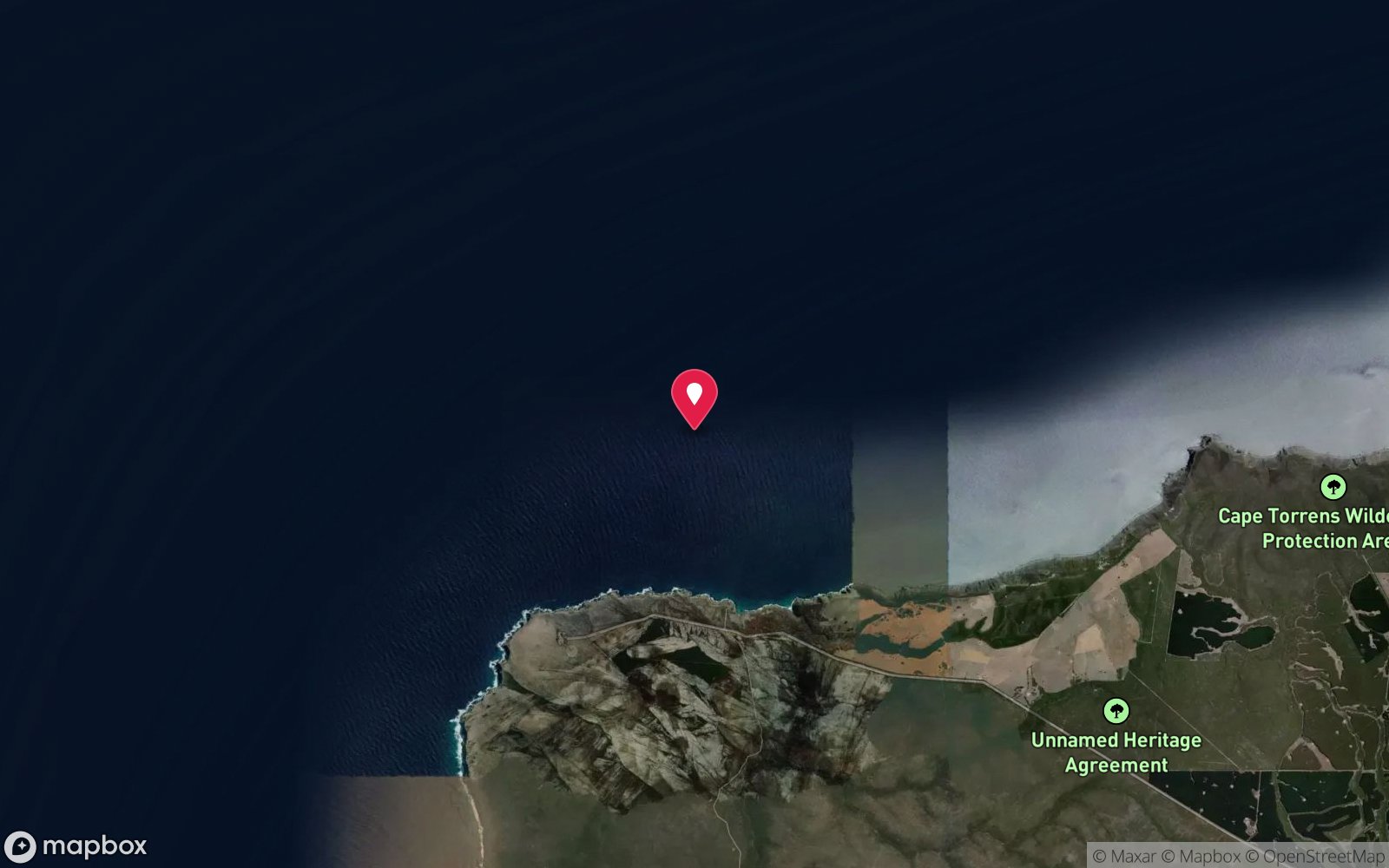
Satellite views
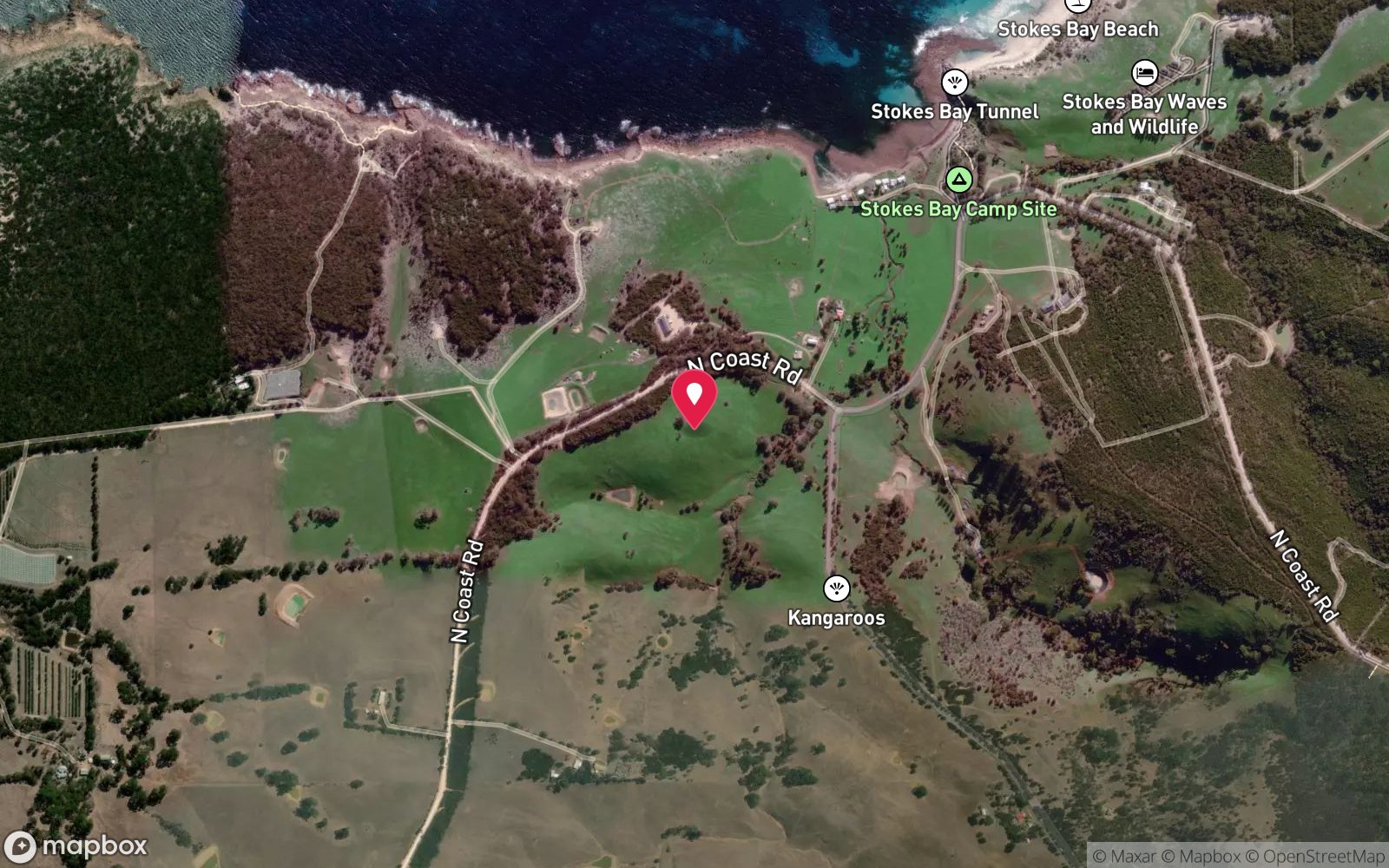
Stokes Bay: frequently asked questions
How deep is Stokes Bay?
Stokes Bay reaches a maximum depth of 10 m, with the shallowest part at about 0.5 m; most of the dive is spent around 3 m.
What certification do I need to dive Stokes Bay?
No certification is needed to snorkel it, and it suits introductory dives. Rated beginner: sheltered, shallow and manageable for a newly certified diver on a normal day, though note surge on the entry or in the shallows and cold water.
Can I shore dive Stokes Bay?
Yes. Stokes Bay is a shore dive that can be done independently: walk through the boulder tunnel to the rock pool; beach/rock entry for the outer reef.
When is the best time to dive Stokes Bay?
Summer-autumn; rock pool on calm days year-round.
What marine life will I see at Stokes Bay?
Regularly recorded: Seahorses, crabs, rays, sponges, wrasse, small reef fish, seagrass; seadragons possible on the outer reef.
What wetsuit do I need at Stokes Bay?
7 mm wetsuit with hood most of the year; 5 mm acceptable Feb-Apr; drysuit popular in winter.
How cold is the water at Stokes Bay?
Typically 17-20 °C in summer and 13-14 °C in winter.
What are the main hazards at Stokes Bay?
Large northerly swells wash into the pool and create surge on the outer reef; slippery rocks; boats launching at the ramp; cold outside summer. See the hazards section above for the full list.
Where is the nearest recompression chamber to Stokes Bay?
Royal Adelaide Hospital hyperbaric medicine unit (Adelaide) – aeromedical retrieval from Kingscote (Kangaroo Island Health Service) is required; ~45 min flight. DAN/Divers Emergency Service 1800 088 200. In an emergency call 000, then DAN Asia-Pacific on 1800 088 200.
Diving in Kangaroo Island
Kangaroo Island has clear water, granite reefs, sea lions and leafy seadragons, and almost nobody dives it. The north coast around Kingscote, Emu Bay and Western River Cove is the sheltered side; the Kingscote jetty is a good easy dive, and the wrecks of the Loch Vennachar and Portland Maru sit on the wild south and west coasts.
Getting there: Ferry from Cape Jervis or a flight from Adelaide. Limited dive services on the island; bring gear and a compressor plan.
Sources
- tourkangarooisland.com.au/stories/snorkeling-on-kangaroo-island
- en.wikivoyage.org/wiki/Diving_in_South_Australia
Data confidence: Medium · Being verified: Outer-reef depths estimated; coordinates approximate.. Last updated September 2026. Know this site better? How to send a correction
Nearby dive sites
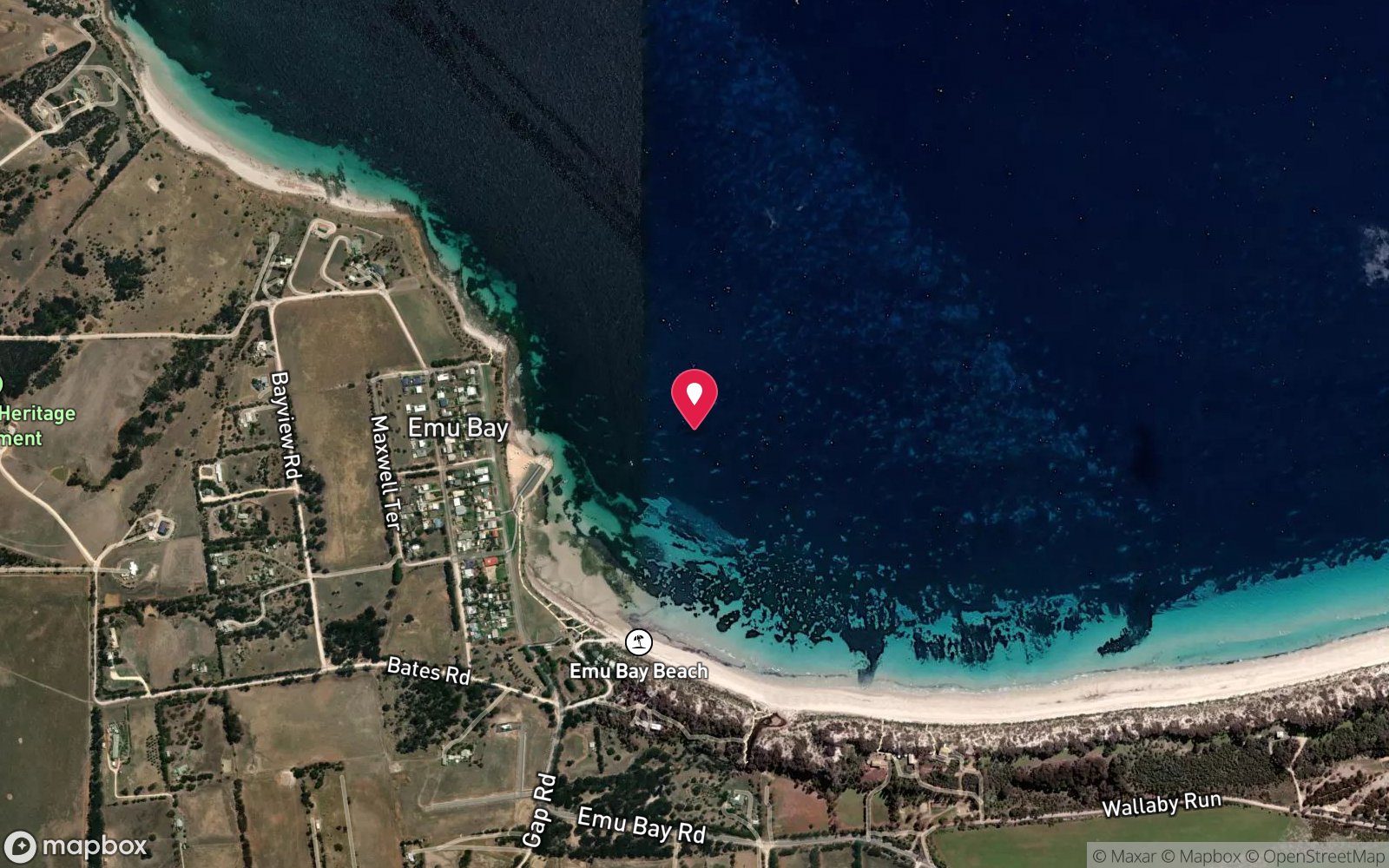
More shore dives in South Australia
Explore more
This region
Similar dives