Dive slate · divesites.com.au · printed 8 Nov 2026
Harveys Return
Kangaroo Island, South Australia · near Kingscote
| Depth | 1–10 m |
|---|---|
| Minimum level | Open Water |
| Difficulty | Advanced |
| Access | Shore |
| Entry | Beach/rock entry at the bottom of a steep track |
| Current | Mild |
| Visibility | 10-20 m |
| Water | summer 17-20 °C, winter 13-14 °C |
| Suit | 7 mm wetsuit with hood most of the year; 5 mm acceptable Feb-Apr; drysuit popular in winter |
| Best season | Summer-autumn on southerly winds |
| Bottom time | 45 min |
| Position | -35.72000, 136.62000 (approximate) |
| Permit | National park area – park fees may apply; check marine park zoning |
| Nearest chamber | Royal Adelaide Hospital hyperbaric medicine unit (Adelaide) – aeromedical retrieval from Kingscote (Kangaroo Island Health Service) is required; ~45 min flight. DAN/Divers Emergency Service 1800 088 200. |
| Emergency | 000 · DAN Asia-Pacific diving emergency 1800 088 200 |
Harveys Return
Also known as Harvey's Return
Harlequin fish and giant blue groper at a historic lighthouse landing, reached by a steep 750 m track.
Near Kingscote · Kangaroo Island, South Australia
- Depth
- 1–10 m
- Minimum level
- Open Water
- Access
- Shore
- Boat ride
- —
- Water
- 17-20 °C
- Visibility
- 10-20 m
Harveys Return1–10 m · Open Water · Shore
Dive factsDepths, conditions, location & safety
Season
Off-peak nowBest months: January, February, March, April, May, December.
Dive facts
- Depth
- 1–10 m
- Typical depth
- 5 m
- Certification
- Open Water
- Difficulty
- Advanced
- Depth tier
- Easy (0–10 m)
- Access
- Shore
- Dive centre needed
- No – independently diveable
- Shore / independent
- Possible (experienced only)
- Current
- Mild
- Visibility
- 10-20 m
- Water temp (summer)
- 17-20 °C
- Water temp (winter)
- 13-14 °C
- Water
- Temperate
- Bottom time
- 45 min
- Dive traffic
- Rarely dived (private boat/club only)
- Night dive
- No
- Snorkel friendly
- Yes
Exposure suit
7 mm wetsuit with hood most of the year; 5 mm acceptable Feb-Apr; drysuit popular in winter
Location
North-west coast – Flinders Chase
-35.72000, 136.62000
Approximate position — not for navigation.
Open in Google MapsPrimary source: tourkangarooisland.com.auMarine park & permits
National park area – park fees may apply; check marine park zoning
Nearest recompression chamber
Royal Adelaide Hospital hyperbaric medicine unit (Adelaide) – aeromedical retrieval from Kingscote (Kangaroo Island Health Service) is required; ~45 min flight. DAN/Divers Emergency Service 1800 088 200.
Diving emergency: call 000, then DAN AP 1800 088 200.
Trip planner
Build a trip around Harveys Return →
A day-by-day plan for Kangaroo Island with this site locked in.
This guide is a planning aid. Conditions change daily — confirm with a local dive centre and dive within your training. Data & safety notes.
Dive profile
How this site rates
Scores are computed from the recorded data, not opinions. How?
At a glance
Harveys Return is a shore / rock platform shore dive for experienced divers in Kangaroo Island, SA, 1–10 m, suited to Open Water divers.
Rated advanced because of surge on the entry or in the shallows, cold water.
Why dive here
- Harlequin fish and giant blue groper at a historic lighthouse landing, reached by a steep 750 m track.
- Snorkel-friendly, so non-diving companions can join at the surface.
- Rarely dived: expect to have the site to yourself, and plan your own logistics.
- Visibility often reaches 10-20 m.
About Harveys Return
Harveys Return is a small cove on Kangaroo Island's rugged north-west coast, near Cape Borda, that once served as the landing place for supplies to the Cape Borda lighthouse. Tourism Kangaroo Island recommends it for dedicated, fit snorkellers: from the campground a very steep 750 m track leads down to the water, and 'very steep so please take care' is the key advice.
Those who make the descent find a reef community with giant blue groper, harlequin fish and rainbow cale, according to both Tourism Kangaroo Island and Wander's guide. Harlequin fish, with their orange-and-blue-spotted bodies, are a prize sighting for southern Australian divers. The cove also has striking rock formations described as showing the earth's story over thousands of years. The reef is rocky and weed-covered, with sponges in shaded areas and the typical north-coast fish – wrasse, sweep, leatherjackets, magpie perch.
The logistics make scuba a serious undertaking: carrying cylinders and weights down and especially back up the steep track is exhausting, so many visitors snorkel. Northerly swells make the cove dangerous. There are no facilities at the water, and the nearest help is a long way off. For the fit and self-sufficient, though, it is one of the island's most atmospheric and least disturbed sites, and a camping stay at the top makes an early-morning dive possible. Bring plenty of drinking water, food and a first-aid kit, and allow plenty of time for the climb out; many visitors combine the snorkel with a visit to the Cape Borda lighthouse nearby.
Getting there & entry
A historic landing cove on KI's far north-west coast near Cape Borda, reached by a steep 750 m track from the campground; blue groper, harlequin fish and rainbow cale.
Take the SeaLink ferry from Cape Jervis to Penneshaw (45 min), then drive west via Kingscote and the North Coast Road; the western north-coast sites are 1-1.5 hours from Kingscote on partly unsealed roads (red dirt, corrugations). Drive to the Harveys Return campground near Cape Borda (Flinders Chase area), leave the car at the campground and hike the very steep 750 m track down to the cove carrying gear – and back up afterwards. Check that the beach access track is open before visiting.
Park entry fees may apply.
Entry: Beach/rock entry at the bottom of a steep track
Facilities: Harveys Return campground (basic facilities); no fills – nearest Kingscote.
Weather, swell & tides
Kangaroo Island's north coast faces Investigator Strait and is sheltered from the prevailing south-westerly Southern Ocean swell, so it is the island's most reliable diving coast. It is exposed to northerly and north-westerly winds and swell, which bring surge, poor visibility and dangerous entries – dive on southerly to south-easterly winds or after a few days of southerlies. Summer and autumn have the most settled weather; winter fronts bring north-westerlies before they pass.
Visibility is often 10-20 m in good conditions. Mornings are calmer before sea breezes.
Best season: Summer-autumn on southerly winds
If it's blown out
Sheltered or shore sites within 25 km that often work when Harveys Return doesn't.
- Fides Wreck · 20 km · Max 10 m
How the dive is usually run
Enter from the cove at the bottom of the track, follow the rocky reef along the cove edges in 3-8 m looking for groper and harlequin fish, and conserve energy for the climb back up.
Marine life
- Western blue groper →
- harlequin fish
- rainbow cale
- wrasse
- sweep
- leatherjackets
- magpie perch
- sponges
Linked species have their own page listing every site where they are recorded. All marine life →
Training required
Shallow enough for snorkellers and for a first dive under supervision. Any certified diver can dive it.
Courses that help here
- Drysuit Diver – Cold water; locals dive dry for much of the year.
- Peak Performance Buoyancy – Silt and low visibility punish poor trim.
Depth tiers: 0–10 m easy · to 18 m Open Water · 18–30 m Advanced (25 m+ is a deep dive) · 30–40 m Deep specialty · 40 m+ technical. All courses
Hazards & warnings
Very steep 750 m track – exhausting with scuba gear; remote; northerly swell and surge; no facilities at the water; cold.
Dive centres that go here
No regular operator – independent snorkellers and divers only.
Other dive centres in Kangaroo Island
Diving Adelaide
ListedMarleston · Adelaide Metro · SA
An Adelaide training and guided diving operation serving local sites and organised trips.
divingadelaide.com.au · (08) 8122 5003
Kangaroo Island Dive & Adventures
ListedKingscote · Kangaroo Island · SA
A Kangaroo Island operation providing local diving and wildlife-oriented in-water experiences.
kangarooislanddiveandadventures.com.au · 0431 430 335
Map
7 pinned sites. Pins marked approximate on their pages show the general area only; not for navigation.
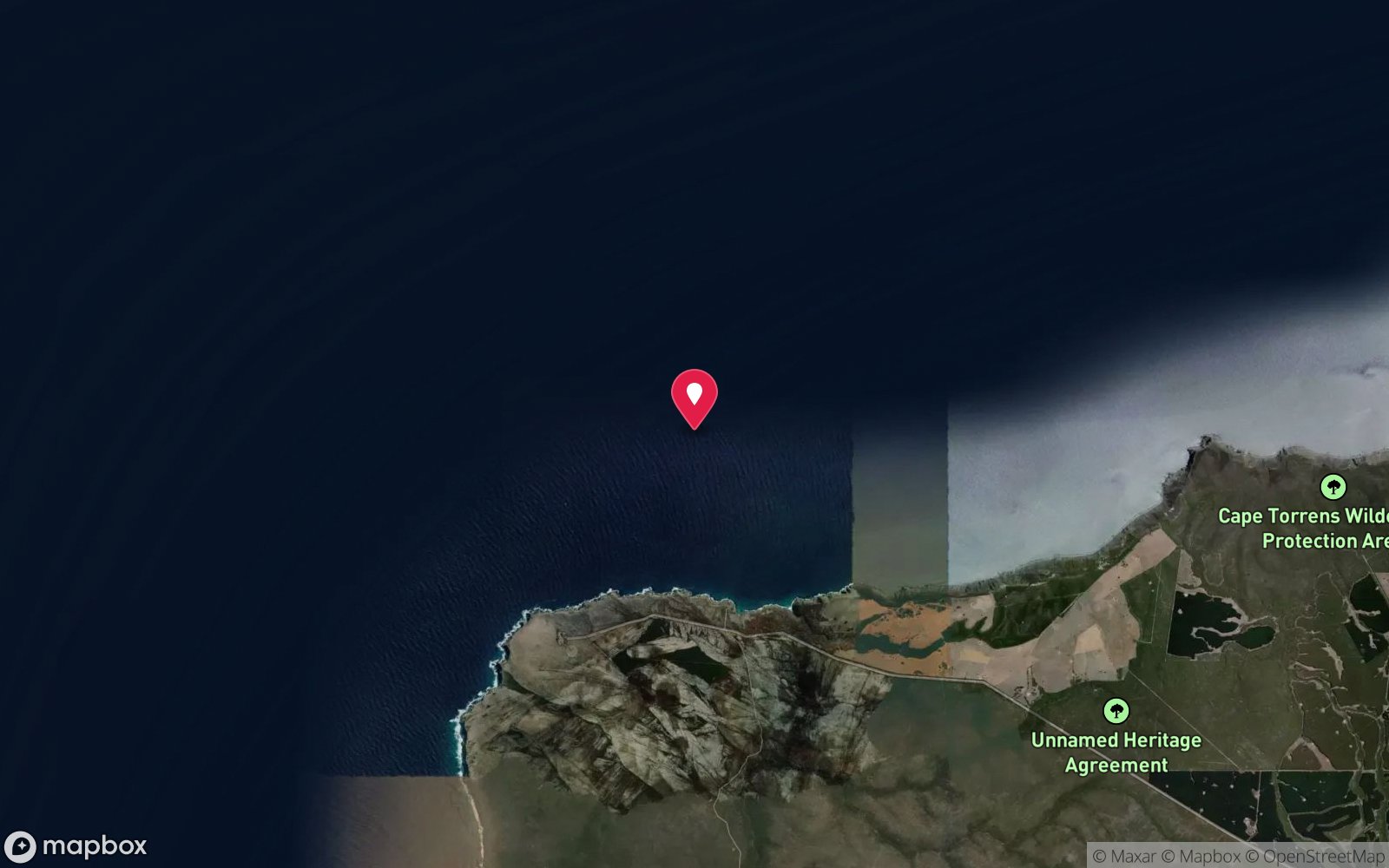
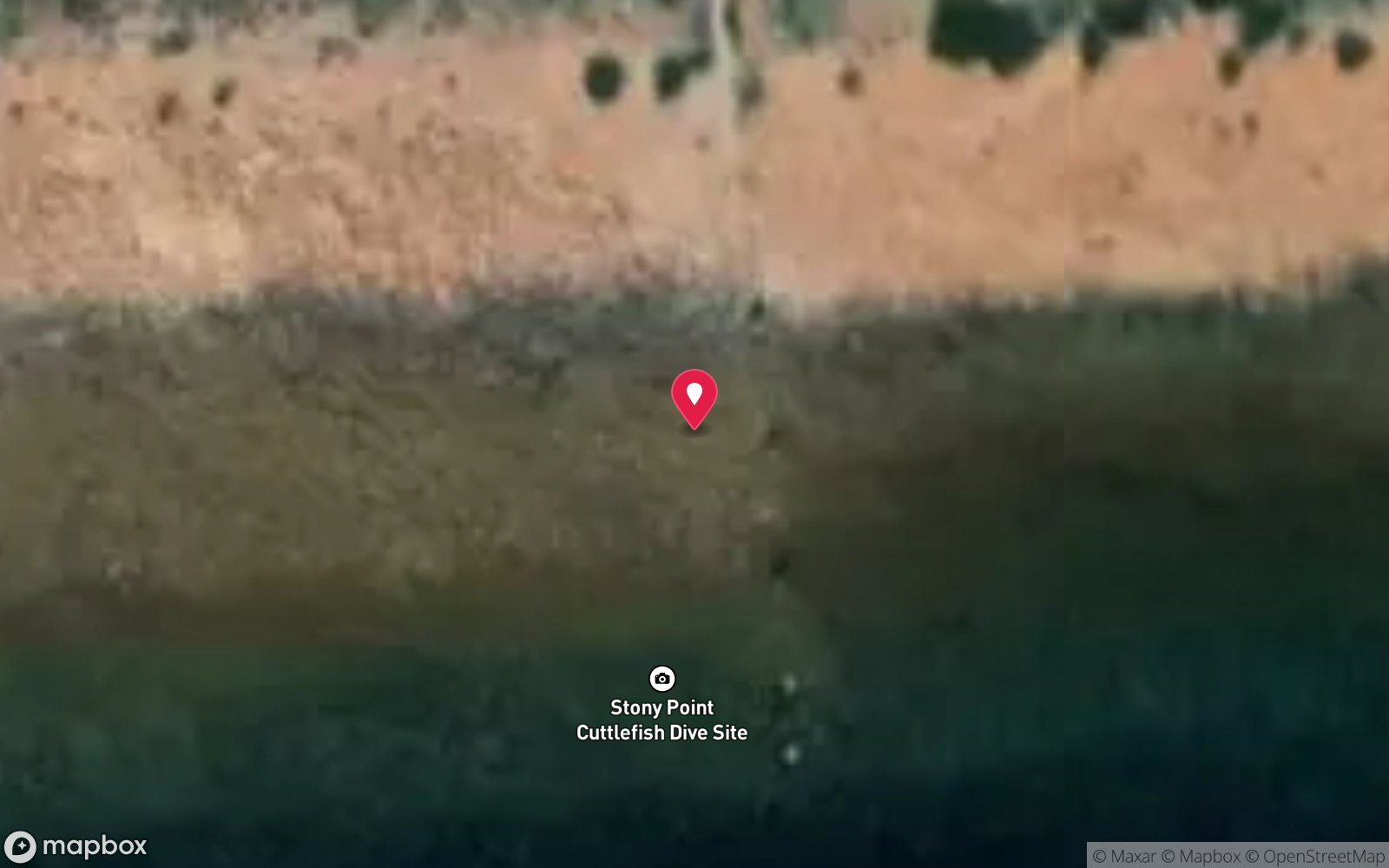
Satellite views
Harveys Return: frequently asked questions
How deep is Harveys Return?
Harveys Return reaches a maximum depth of 10 m, with the shallowest part at about 1 m; most of the dive is spent around 5 m.
What certification do I need to dive Harveys Return?
Open Water is the recommended minimum. Rated advanced because of surge on the entry or in the shallows, cold water.
Can I shore dive Harveys Return?
Experienced divers do dive Harveys Return from the shore, but the entry or conditions make it unsuitable for newer divers without local guidance. Entry: Beach/rock entry at the bottom of a steep track.
When is the best time to dive Harveys Return?
Summer-autumn on southerly winds.
What marine life will I see at Harveys Return?
Regularly recorded: Western blue groper, harlequin fish, rainbow cale, wrasse, sweep, leatherjackets, magpie perch, sponges.
What wetsuit do I need at Harveys Return?
7 mm wetsuit with hood most of the year; 5 mm acceptable Feb-Apr; drysuit popular in winter.
How cold is the water at Harveys Return?
Typically 17-20 °C in summer and 13-14 °C in winter.
What are the main hazards at Harveys Return?
Very steep 750 m track – exhausting with scuba gear; remote; northerly swell and surge; no facilities at the water; cold. See the hazards section above for the full list.
Where is the nearest recompression chamber to Harveys Return?
Royal Adelaide Hospital hyperbaric medicine unit (Adelaide) – aeromedical retrieval from Kingscote (Kangaroo Island Health Service) is required; ~45 min flight. DAN/Divers Emergency Service 1800 088 200. In an emergency call 000, then DAN Asia-Pacific on 1800 088 200.
Diving in Kangaroo Island
Kangaroo Island has clear water, granite reefs, sea lions and leafy seadragons, and almost nobody dives it. The north coast around Kingscote, Emu Bay and Western River Cove is the sheltered side; the Kingscote jetty is a good easy dive, and the wrecks of the Loch Vennachar and Portland Maru sit on the wild south and west coasts.
Getting there: Ferry from Cape Jervis or a flight from Adelaide. Limited dive services on the island; bring gear and a compressor plan.
Sources
- tourkangarooisland.com.au/stories/snorkeling-on-kangaroo-island
- wander.com.au/journals/kangaroo-island/going-under
Data confidence: Low · Being verified: Coordinates approximate; depths estimated; lighthouse landing history from general knowledge.. Last updated September 2026. Know this site better? How to send a correction
Nearby dive sites
More shore/rock platform dives in South Australia
Explore more
This region
Similar dives
Marine life