Dive slate · divesites.com.au · printed 9 Nov 2026
Portland Maru Wreck
Kangaroo Island, South Australia · near Kingscote
| Depth | 8–16 m |
|---|---|
| Minimum level | Open Water |
| Difficulty | Intermediate |
| Access | Boat |
| Entry | Back-roll from boat |
| Current | Mild |
| Visibility | 10-20 m |
| Water | summer 17-20 °C, winter 13-14 °C |
| Suit | 7 mm wetsuit with hood most of the year; 5 mm acceptable Feb-Apr; drysuit popular in winter |
| Best season | Summer-autumn on southerly winds |
| Bottom time | 45 min |
| Position | -35.72919, 136.70834 (approximate) |
| Permit | Protected historic shipwreck (DEW) |
| Nearest chamber | Royal Adelaide Hospital hyperbaric medicine unit (Adelaide) – aeromedical retrieval from Kingscote (Kangaroo Island Health Service) is required; ~45 min flight. DAN/Divers Emergency Service 1800 088 200. |
| Emergency | 000 · DAN Asia-Pacific diving emergency 1800 088 200 |
Portland Maru Wreck
Also known as Portland Maru (1935)
Boilers, engine and propeller shaft of a 117 m Japanese steamer in 15 m – Kangaroo Island's biggest wreck.
Near Kingscote · Kangaroo Island, South Australia
- Depth
- 8–16 m
- Minimum level
- Open Water
- Access
- Boat
- Boat ride
- —
- Water
- 17-20 °C
- Visibility
- 10-20 m
Portland Maru Wreck8–16 m · Open Water
Dive factsDepths, conditions, location & safety
Season
Off-peak nowBest months: January, February, March, April, May, December.
Dive facts
- Depth
- 8–16 m
- Typical depth
- 15 m
- Certification
- Open Water
- Difficulty
- Intermediate
- Depth tier
- Open Water (10–18 m)
- Access
- Boat
- Offshore
- 0.3 km
- Dive centre needed
- Yes – boat access only
- Shore / independent
- No
- Current
- Mild
- Visibility
- 10-20 m
- Water temp (summer)
- 17-20 °C
- Water temp (winter)
- 13-14 °C
- Water
- Temperate
- Bottom time
- 45 min
- Dive traffic
- Rarely dived (private boat/club only)
- Night dive
- No
- Snorkel friendly
- Partial
Exposure suit
7 mm wetsuit with hood most of the year; 5 mm acceptable Feb-Apr; drysuit popular in winter
Location
North coast – Cape Torrens
-35.72919, 136.70834
Approximate position — not for navigation.
Open in Google MapsPrimary source: environment.sa.gov.auMarine park & permits
Protected historic shipwreck (DEW)
Nearest recompression chamber
Royal Adelaide Hospital hyperbaric medicine unit (Adelaide) – aeromedical retrieval from Kingscote (Kangaroo Island Health Service) is required; ~45 min flight. DAN/Divers Emergency Service 1800 088 200.
Diving emergency: call 000, then DAN AP 1800 088 200.
Trip planner
Build a trip around Portland Maru Wreck →
A day-by-day plan for Kangaroo Island with this site locked in.
This guide is a planning aid. Conditions change daily — confirm with a local dive centre and dive within your training. Data & safety notes.
Dive profile
How this site rates
Scores are computed from the recorded data, not opinions. How?
At a glance
Portland Maru Wreck is a wreck boat dive in Kangaroo Island, SA, 8–16 m, suited to Open Water divers.
Rated intermediate because of surge on the entry or in the shallows, cold water.
Why dive here
- Boilers, engine and propeller shaft of a 117 m Japanese steamer in 15 m – Kangaroo Island's biggest wreck.
- Sunk in 1935; protected as underwater cultural heritage, so look but do not touch.
- Rarely dived: expect to have the site to yourself, and plan your own logistics.
- Visibility often reaches 10-20 m.
About Portland Maru Wreck
The Portland Maru is the largest wreck on Kangaroo Island and the island's best wreck dive. A 5,865-ton, 385 ft Japanese steel steamer built in 1919, she struck an unidentified object in 1935 and began to settle by the bow; her master beached her near Cape Torrens on the north-west coast, about 11 km east of Cape Borda, to save the ship. She could not be saved and was broken up by the sea over the following decades.
DEW's shipwreck trail notes that the site offers rewarding experiences for divers, with the remains lying in about 15 m, 200 m offshore, including visible boilers, engine, propeller shaft and winches. The Marine Life Network puts it about 500 m offshore at 16 m, with visible hull remains, two boilers and the steam engine, and heavy fish concentrations. The machinery stands proud of the reef and is encrusted with sponges and algae, and the wreckage has become an artificial reef for snapper, old wives, boarfish, blue devils and schools of bullseyes and sweep.
Cape Torrens, just east, has the highest coastal cliffs in South Australia (263 m), and the setting beneath them is spectacular. Access is only by boat along the remote north coast, and the site depends on calm southerly weather. As a protected historic shipwreck, nothing may be removed. The dive suits Open Water divers comfortable with boat diving; the moderate depth allows a relaxed exploration of the whole debris field in one dive. Bring cylinders from Kingscote and plan a full day.
Wreck details
Steel-hulled screw steamer, 385 ft (117 m), 5,865 tons (built 1919) · Sunk 1935 · Protected historic shipwreck
Era: early 20th century. Oldest wrecks · Wartime wrecks · Scuttled warships
Other wrecks of the same era
- Hougomont Wreck · Max 10 m · Yorke Peninsula
- SS MacIntyre Wreck · Max 10 m · Yorke Peninsula
- Batman · Max 46 m · Port Phillip Heads
- Burke · Max 50 m · Port Phillip Heads
- Fawkner · Max 46 m · Port Phillip Heads
- H.C. Piggot · Max 48 m · Port Phillip Heads
Getting there & entry
The remains of the 5,865-ton Japanese steamer Portland Maru, beached in 1935 near Cape Torrens, 11 km east of Cape Borda; boilers, engine, shaft and winches in about 15 m, 200-500 m offshore.
Take the SeaLink ferry from Cape Jervis to Penneshaw (45 min), then drive west via Kingscote and the North Coast Road; the western north-coast sites are 1-1.5 hours from Kingscote on partly unsealed roads (red dirt, corrugations). The wreck lies off the cliffs near Cape Torrens (11 km east of Cape Borda) and is reached by boat along the north coast – the closest launching is at Stokes Bay or via a Kingscote operator on longer trips. Anchor in sand beside the wreckage in calm southerly weather.
Entry: Back-roll from boat
Facilities: None – remote.
Weather, swell & tides
Kangaroo Island's north coast faces Investigator Strait and is sheltered from the prevailing south-westerly Southern Ocean swell, so it is the island's most reliable diving coast. It is exposed to northerly and north-westerly winds and swell, which bring surge, poor visibility and dangerous entries – dive on southerly to south-easterly winds or after a few days of southerlies. Summer and autumn have the most settled weather; winter fronts bring north-westerlies before they pass.
Visibility is often 10-20 m in good conditions. Mornings are calmer before sea breezes.
Best season: Summer-autumn on southerly winds
If it's blown out
Sheltered or shore sites within 25 km that often work when Portland Maru Wreck doesn't.
- Harveys Return · 8 km · Max 10 m
- Fides Wreck · 12 km · Max 10 m
- Western River Cove · 23 km · Max 18 m
How the dive is usually run
Descend to the boilers, then follow the line of machinery – engine, propeller shaft and winches – and scattered hull plates across the reef at about 15 m, circling back to the anchor.
Marine life
- Snapper
- old wives
- boarfish
- blue devilfish →
- bullseyes
- sweep
- leatherjackets
- sponges and algae on machinery
Linked species have their own page listing every site where they are recorded. All marine life →
Training required
Within the 18 m limit of an entry-level certification.
Courses that help here
- Wreck Diver – The wreck has penetration options.
- Drysuit Diver – Cold water; locals dive dry for much of the year.
- Peak Performance Buoyancy – Silt and low visibility punish poor trim.
Depth tiers: 0–10 m easy · to 18 m Open Water · 18–30 m Advanced (25 m+ is a deep dive) · 30–40 m Deep specialty · 40 m+ technical. All courses
Hazards & warnings
Sharp, corroded steel; remote with no nearby help; surge in northerly weather; protected site – no disturbance.
Technical notes
Protected historic shipwreck – no souveniring; no penetration possible (broken up).
Dive centres that go here
Kangaroo Island Dive & Adventures (Kingscote) – guided north-coast boat and shore dives (confirm current trading); otherwise private boats. Part of the DEW Kangaroo Island Shipwreck Trail.
Operators recorded for Portland Maru Wreck
Other dive centres in Kangaroo Island
Map
7 pinned sites. Pins marked approximate on their pages show the general area only; not for navigation.
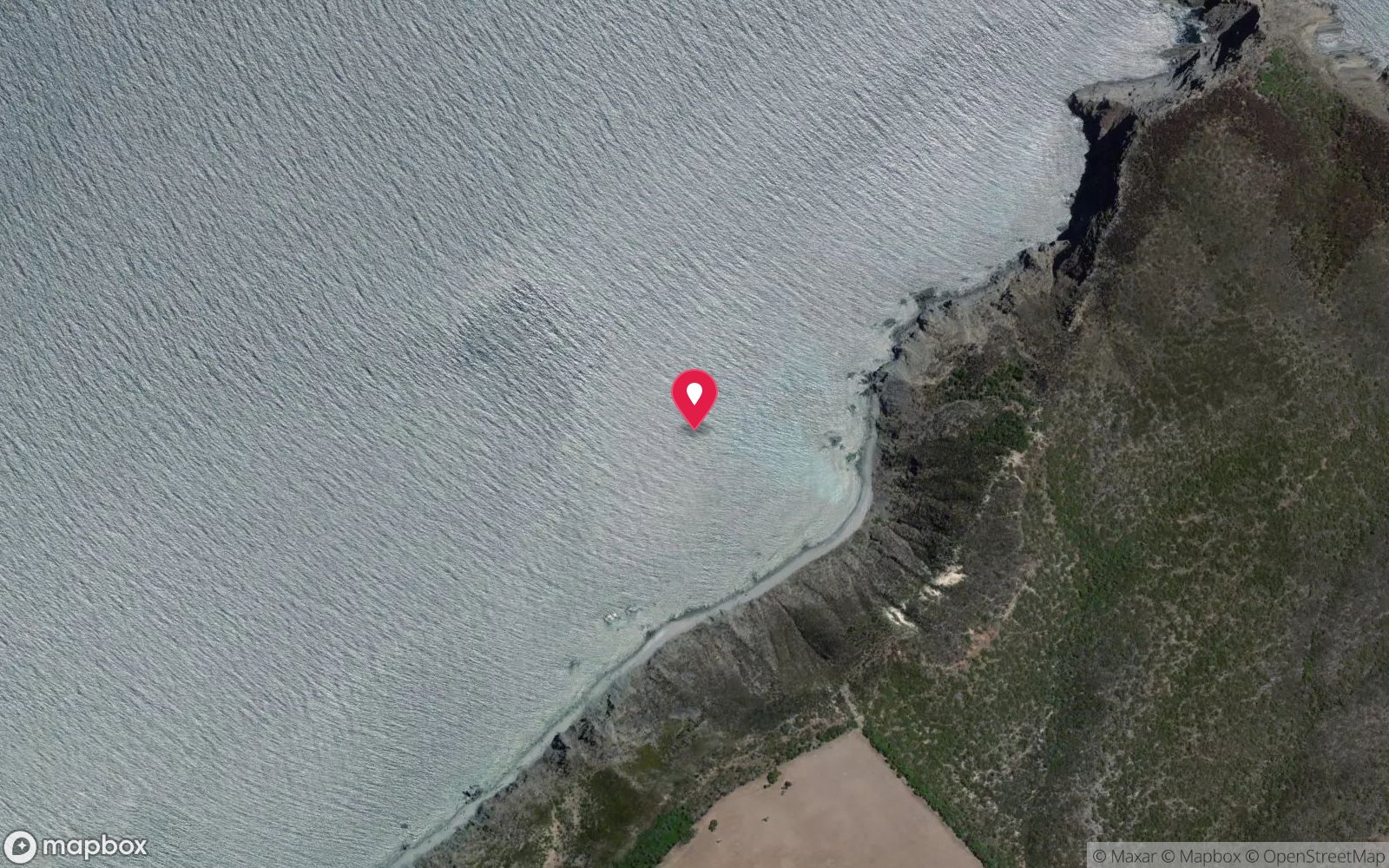
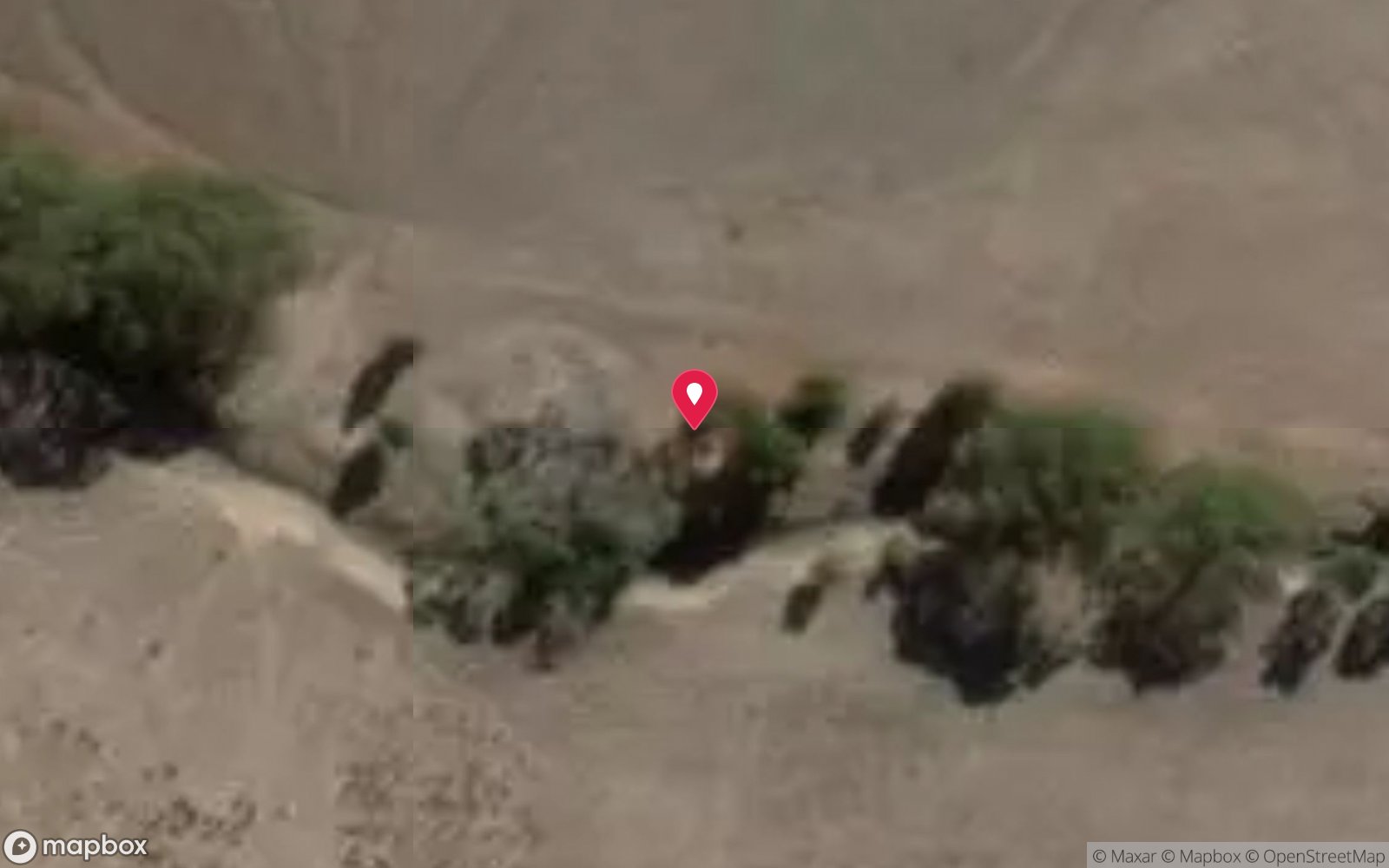
Satellite views
Portland Maru Wreck: frequently asked questions
How deep is Portland Maru Wreck?
Portland Maru Wreck reaches a maximum depth of 16 m, with the shallowest part at about 8 m; most of the dive is spent around 15 m.
What certification do I need to dive Portland Maru Wreck?
Open Water is the recommended minimum. Rated intermediate because of surge on the entry or in the shallows, cold water.
Can I shore dive Portland Maru Wreck?
No, it is reached by boat. A dive centre is required: boat access only.
When is the best time to dive Portland Maru Wreck?
Summer-autumn on southerly winds.
What marine life will I see at Portland Maru Wreck?
Regularly recorded: Snapper, old wives, boarfish, blue devilfish, bullseyes, sweep, leatherjackets, sponges and algae on machinery.
What wetsuit do I need at Portland Maru Wreck?
7 mm wetsuit with hood most of the year; 5 mm acceptable Feb-Apr; drysuit popular in winter.
How cold is the water at Portland Maru Wreck?
Typically 17-20 °C in summer and 13-14 °C in winter.
What are the main hazards at Portland Maru Wreck?
Sharp, corroded steel; remote with no nearby help; surge in northerly weather; protected site – no disturbance. See the hazards section above for the full list.
Where is the nearest recompression chamber to Portland Maru Wreck?
Royal Adelaide Hospital hyperbaric medicine unit (Adelaide) – aeromedical retrieval from Kingscote (Kangaroo Island Health Service) is required; ~45 min flight. DAN/Divers Emergency Service 1800 088 200. In an emergency call 000, then DAN Asia-Pacific on 1800 088 200.
Diving in Kangaroo Island
Kangaroo Island has clear water, granite reefs, sea lions and leafy seadragons, and almost nobody dives it. The north coast around Kingscote, Emu Bay and Western River Cove is the sheltered side; the Kingscote jetty is a good easy dive, and the wrecks of the Loch Vennachar and Portland Maru sit on the wild south and west coasts.
Getting there: Ferry from Cape Jervis or a flight from Adelaide. Limited dive services on the island; bring gear and a compressor plan.
Sources
- environment.sa.gov.au/topics/heritage/maritime-heritage/visiting-maritime-heritage-places/shipwreck-trails/kangaroo-island
- marinelife.org.au/?page_id=133
- oceans1.customer.netspace.net.au/kangaroo-wrecks.html
Data confidence: High · Being verified: Distance offshore 200 m (DEW) vs 500 m (Marine Life Network); depth 15-25 m quoted variously.. Last updated September 2026. Know this site better? How to send a correction
Nearby dive sites
More wrecks in South Australia
Explore more
This region
Similar dives
Marine life