Dive slate · divesites.com.au · printed 7 Nov 2026
The Wash (Coffs Harbour)
Coffs Harbour & Solitary Islands, New South Wales · near Coffs Harbour
| Depth | 15–30 m |
|---|---|
| Minimum level | Advanced Open Water |
| Difficulty | Intermediate |
| Access | Boat |
| Entry | Giant stride from boat |
| Current | Moderate |
| Visibility | 6-15 m |
| Water | summer 24-26 °C, winter 18-19 °C |
| Suit | 3-5 mm full suit summer, 5-7 mm winter |
| Best season | Calm days |
| Bottom time | 30 min |
| Position | not published |
| Permit | Solitary Islands Marine Park (check current zoning) |
| Nearest chamber | Prince of Wales Hospital (Randwick, Sydney) |
| Emergency | 000 · DAN Asia-Pacific diving emergency 1800 088 200 |
The Wash (Coffs Harbour)
A deeper, current-swept reef used as an occasional Jetty Dive Centre backup, good for kingfish and mulloway.
Near Coffs Harbour · Coffs Harbour & Solitary Islands, New South Wales
- Depth
- 15–30 m
- Minimum level
- Advanced Open Water
- Access
- Boat
- Boat ride
- —
- Water
- 24-26 °C
- Visibility
- 6-15 m
The Wash (Coffs Harbour)15–30 m · Advanced Open Water
Dive factsDepths, conditions, location & safety
Season
In season nowBest months: year-round.
Dive facts
- Depth
- 15–30 m
- Typical depth
- 22 m
- Certification
- Advanced Open Water
- Difficulty
- Intermediate
- Depth tier
- Advanced Open Water (18–30 m)
- Access
- Boat
- Dive centre needed
- Yes – boat access only
- Shore / independent
- No
- Current
- Moderate
- Visibility
- 6-15 m
- Water temp (summer)
- 24-26 °C
- Water temp (winter)
- 18-19 °C
- Water
- Subtropical
- Bottom time
- 30 min
- Dive traffic
- Rarely dived (private boat/club only)
- Night dive
- Possible
- Snorkel friendly
- No
Exposure suit
3-5 mm full suit summer, 5-7 mm winter
Location
Coffs Harbour local reefs · NSW Mid North Coast – Coffs Harbour / Solitary Islands
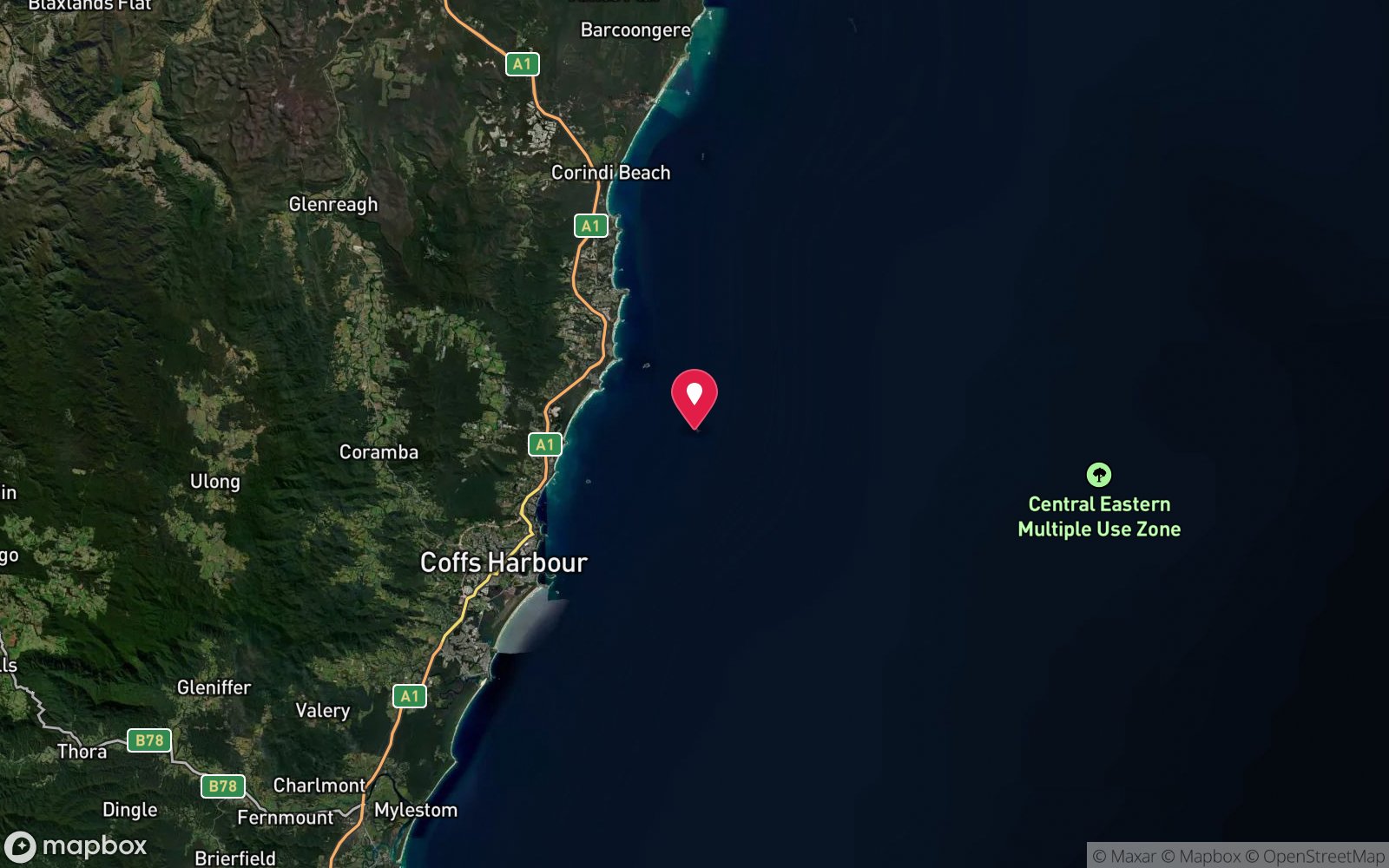
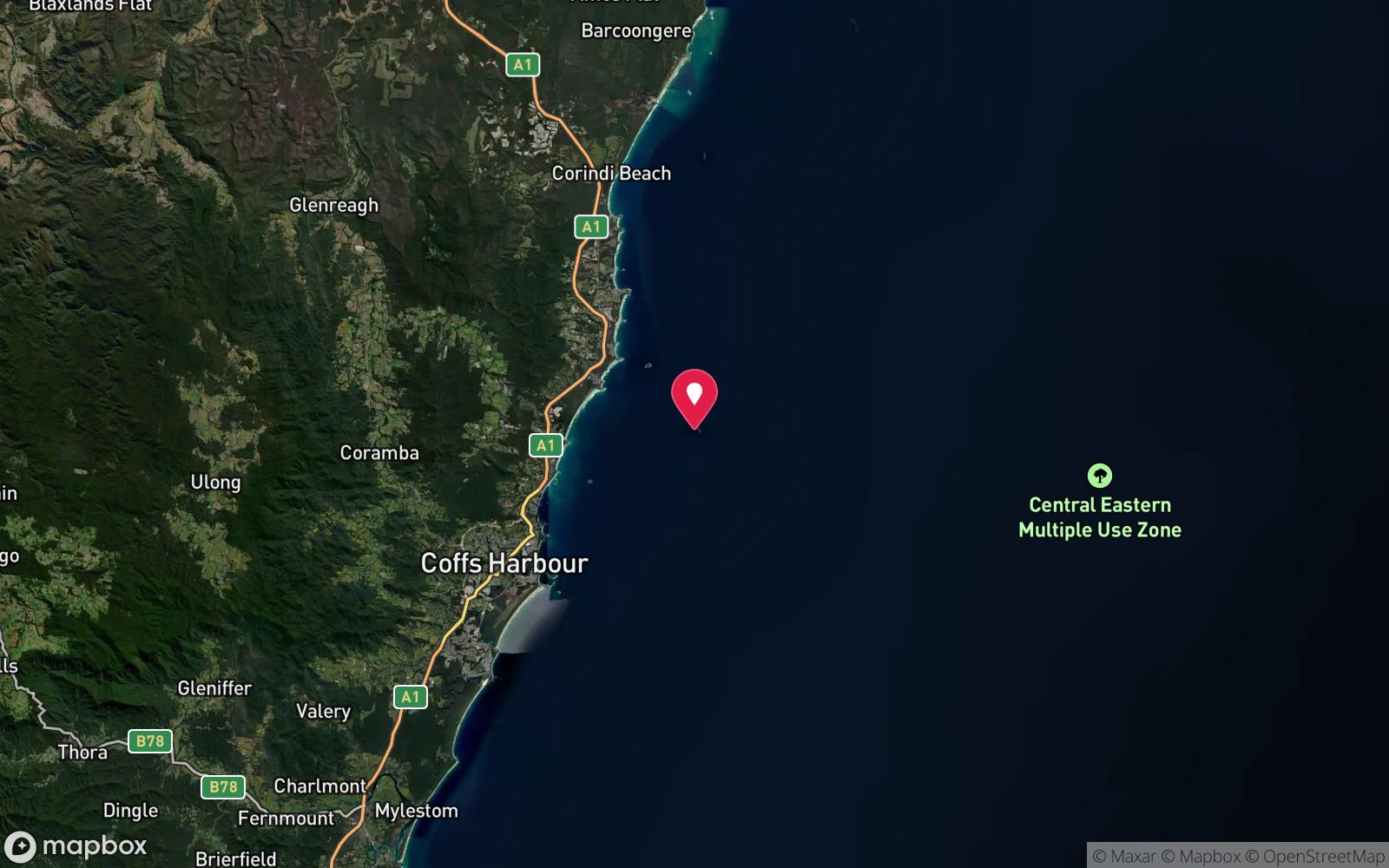
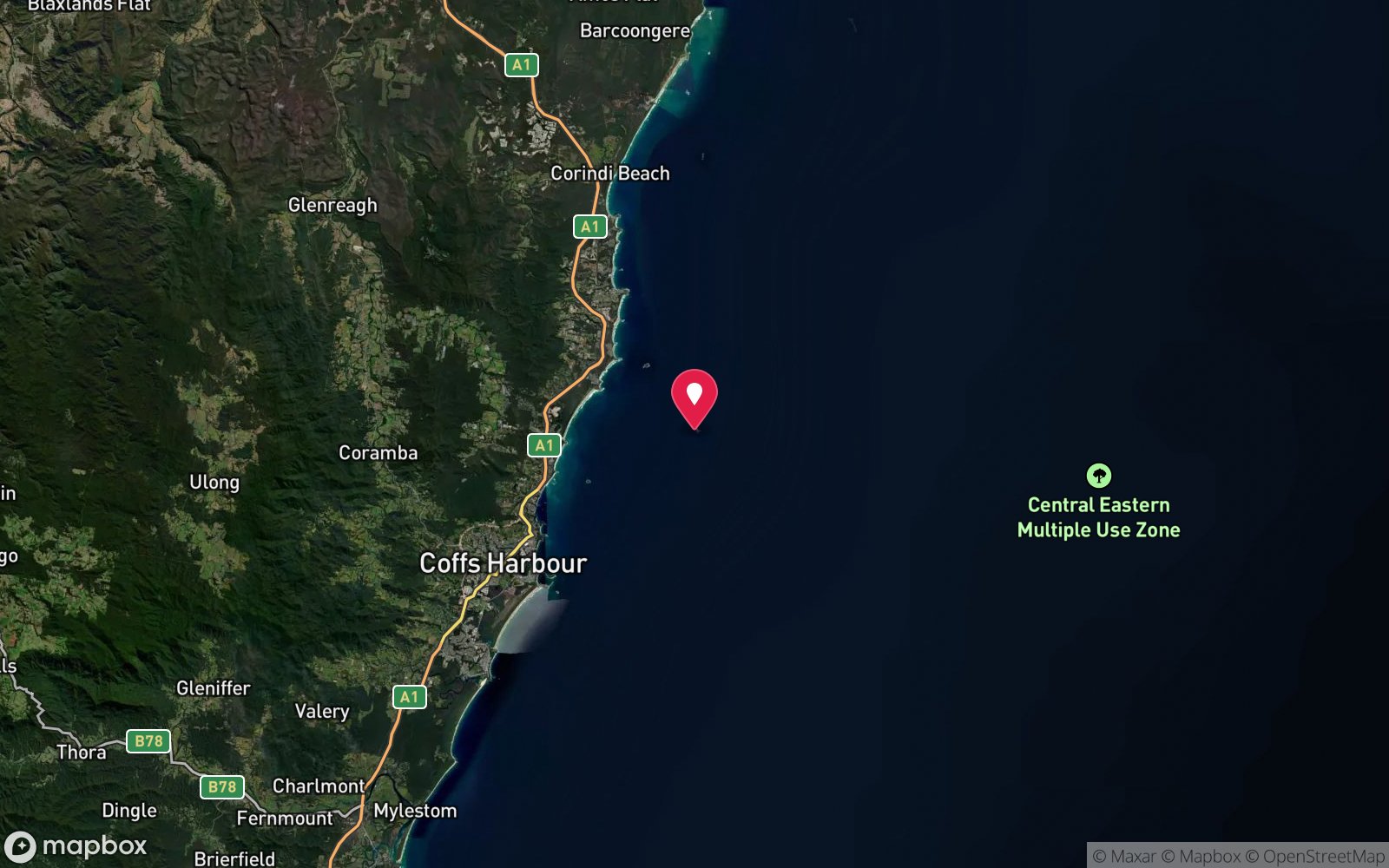
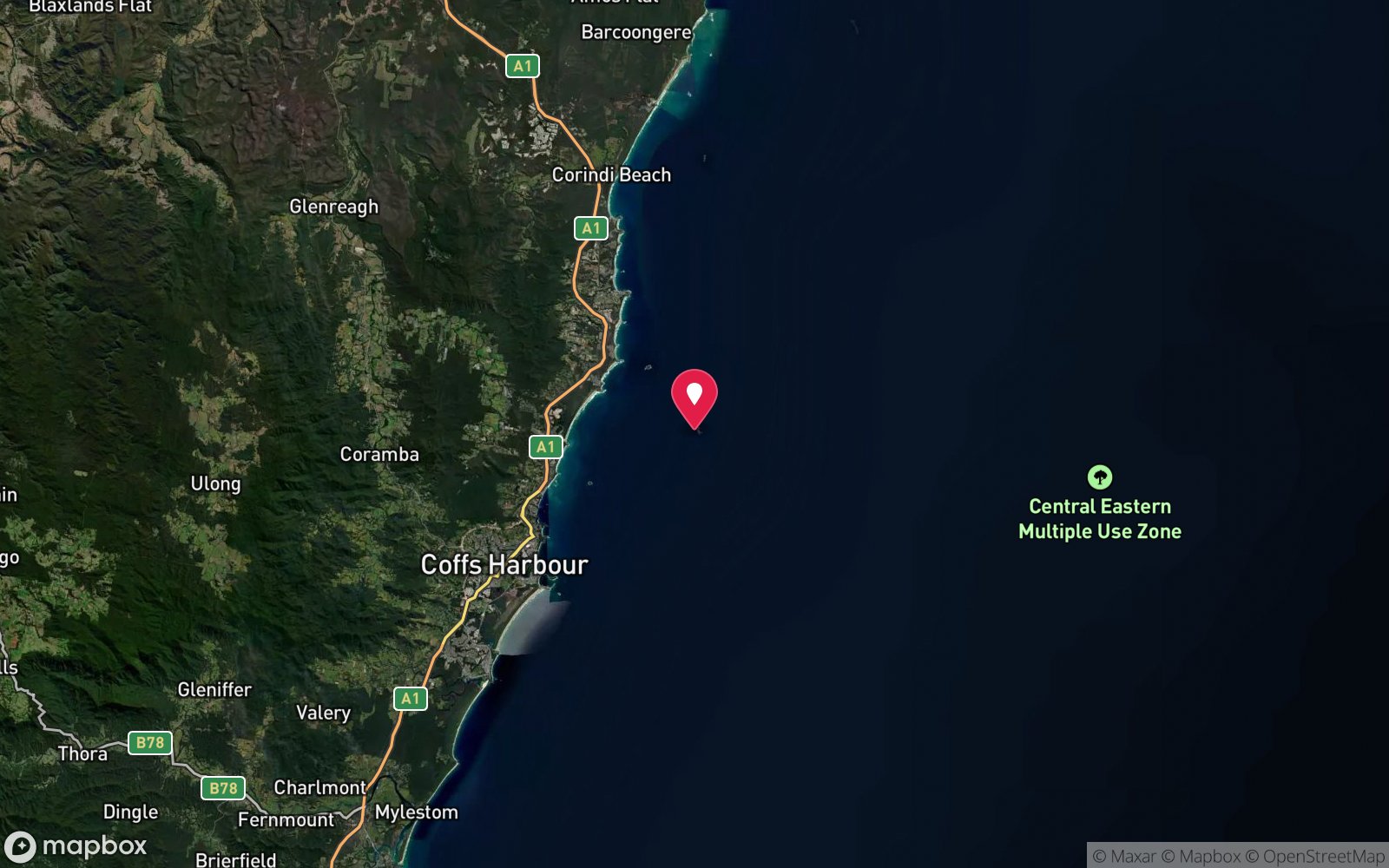
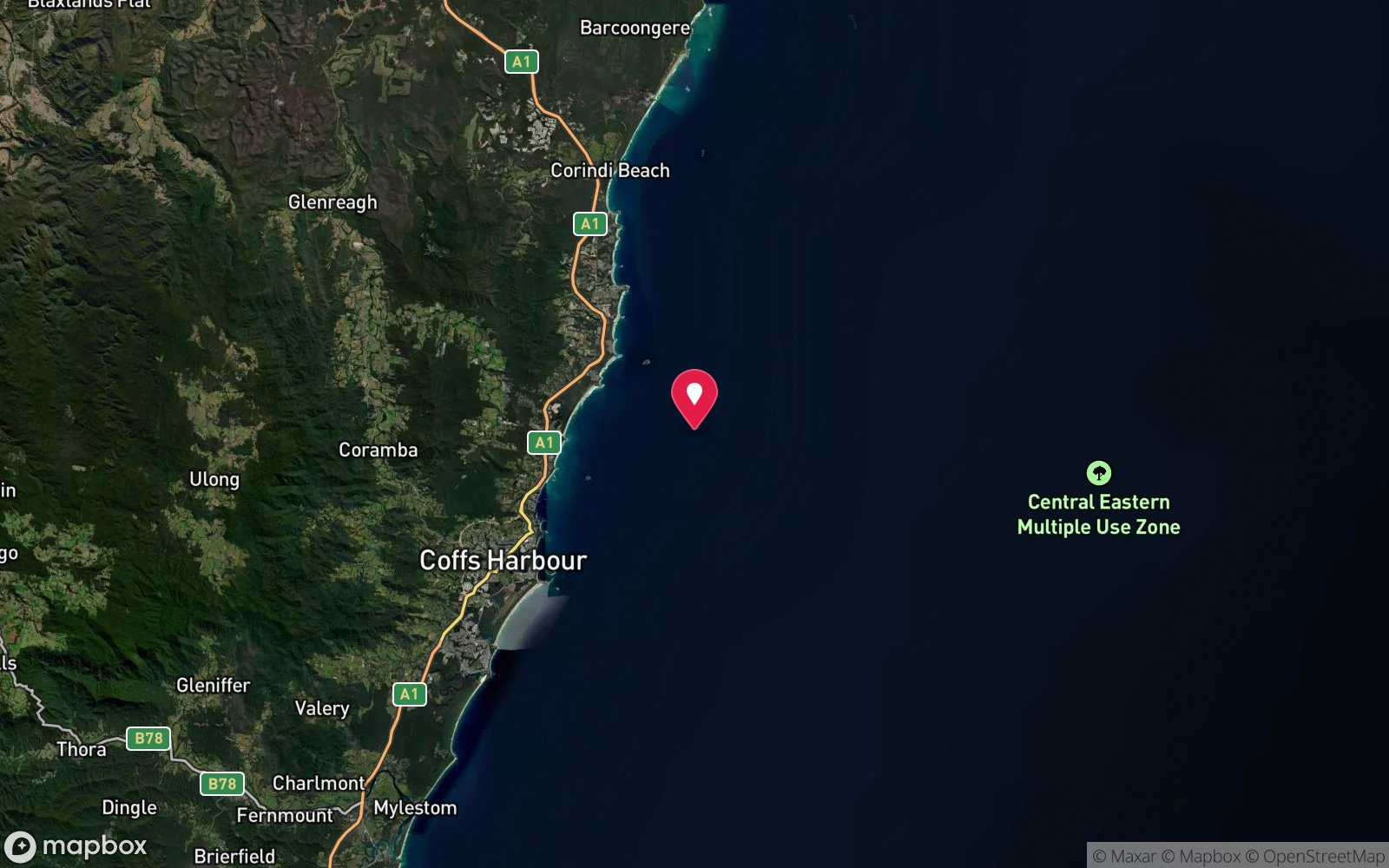
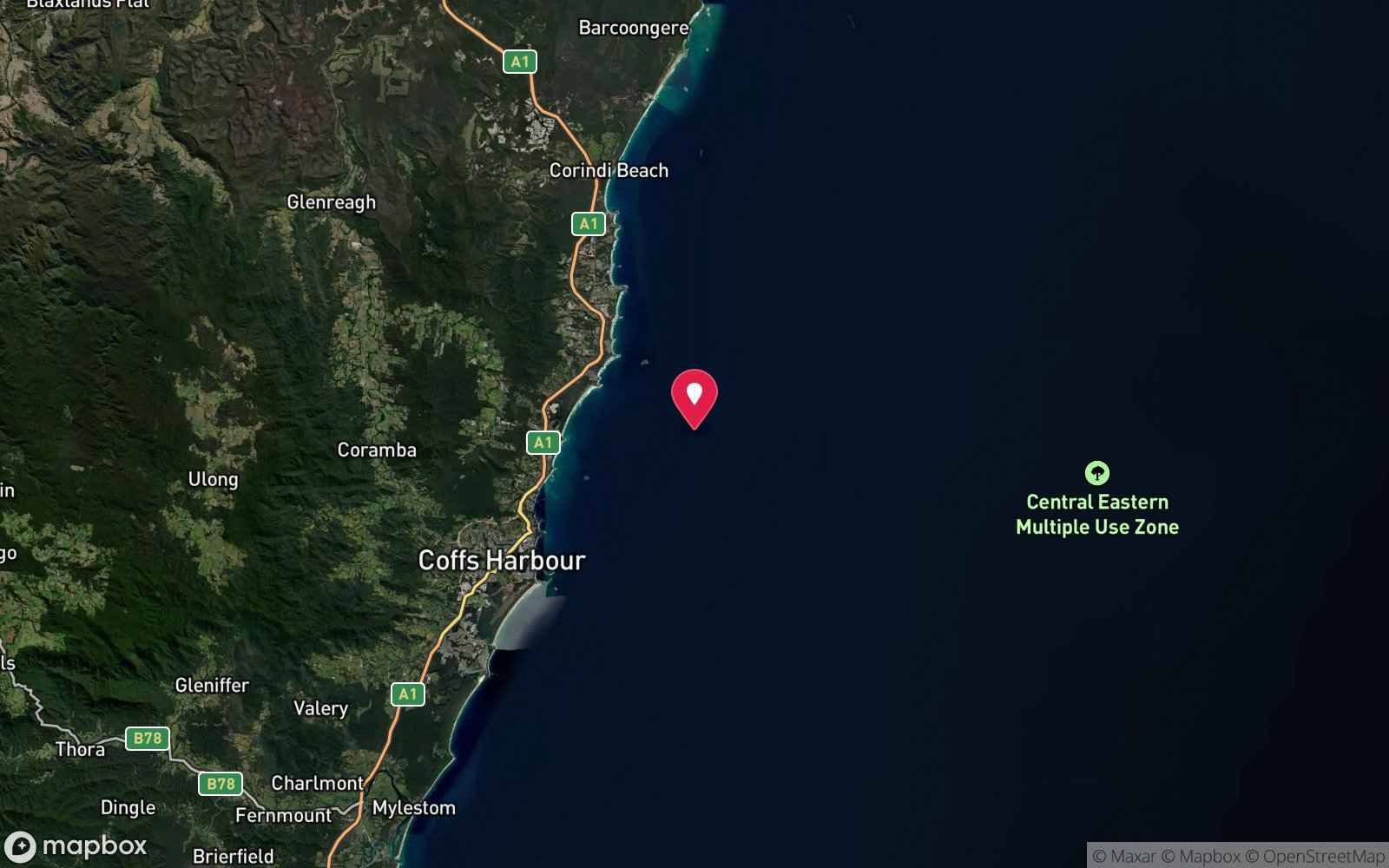
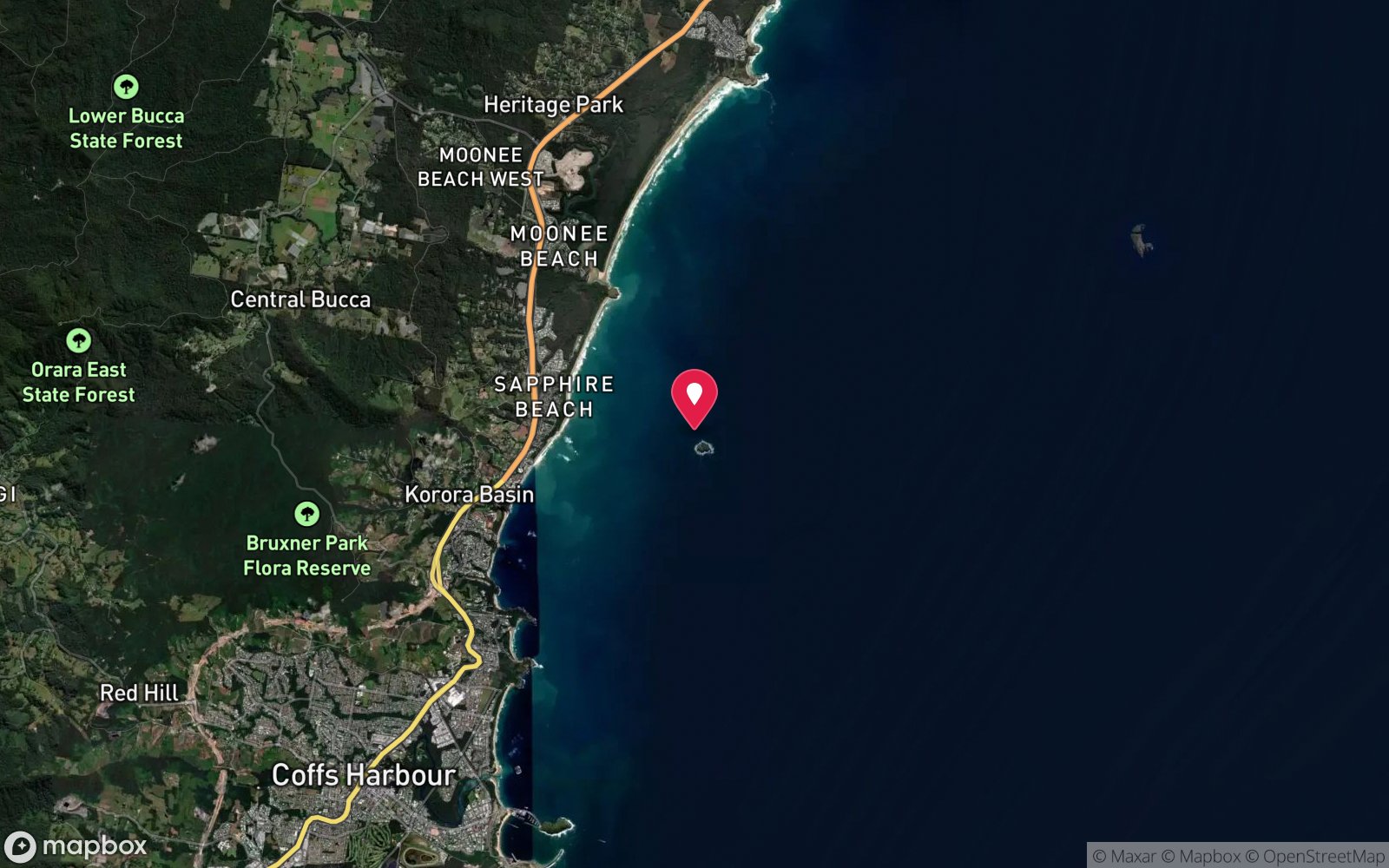
No published coordinates. The map above shows the general area, estimated from other documented sites near Coffs Harbour.
Dive site map (external) →Primary source: jettydive.com.auMarine park & permits
Solitary Islands Marine Park (check current zoning)
Nearest recompression chamber
Prince of Wales Hospital (Randwick, Sydney)
Diving emergency: call 000, then DAN AP 1800 088 200.
Trip planner
Build a trip around The Wash (Coffs Harbour) →
A day-by-day plan for Coffs Harbour & Solitary Islands with this site locked in.
This guide is a planning aid. Conditions change daily — confirm with a local dive centre and dive within your training. Data & safety notes.
Dive profile
How this site rates
Scores are computed from the recorded data, not opinions. How?
At a glance
The Wash (Coffs Harbour) is a reef boat dive in Coffs Harbour & Solitary Islands, NSW, 15–30 m, suited to Advanced Open Water divers, moderate current.
Rated intermediate because of depth beyond 18 m.
Why dive here
- A deeper, current-swept reef used as an occasional Jetty Dive Centre backup, good for kingfish and mulloway.
- Rarely dived: expect to have the site to yourself, and plan your own logistics.
Conditions to avoid
- Outgoing tide or run-off after rain (poor visibility)
About The Wash (Coffs Harbour)
The Wash is one of the less publicised reefs Jetty Dive Centre calls on as a backup option when the main Solitary Islands sites are unreachable, sitting in deeper water than most of the group's shallower boulder and coral sites at 15-30 m. As the name might suggest of a site washed by current and swell, it tends to hold fish that prefer a bit of water movement over the more sheltered coral gardens found at the islands themselves. Kingfish and mulloway are the headline species reported here, using the reef structure to hold position in the current while feeding, alongside wobbegong sharks tucked into the ledges and a general covering of sponges and encrusting invertebrates typical of deeper NSW Mid North Coast reef.
Because it functions mainly as a fallback rather than a destination site, detailed published description is limited, and much of what is known comes from operator experience rather than a dedicated site guide. Given its greater depth and the current it is named for, The Wash suits Advanced Open Water divers more comfortably than the shallower training-friendly sites at Split Solitary Island, and it is generally only run on days when swell allows a deeper site to be dived safely. For divers who have already covered the main island sites and want to see a different, current-swept style of reef, The Wash is a reasonable if lightly documented option, best requested directly with the dive centre rather than assumed to be on the day's schedule, since it competes for boat time with the far better documented South Solitary Island grounds whenever those are runnable.
Getting there & entry
An offshore reef near the Solitary Islands dived by Jetty Dive Centre as an occasional backup, in 15-30 m.
Jetty Dive Centre departs from the public floating pontoon wharf in Coffs Harbour boat harbour, opposite the Attitude Burgers building (check in at 398 Harbour Drive). Private boats use the public ramp inside the harbour breakwall. These local reefs are all within a short run of the harbour and are used as backup sites when weather rules out a trip to the islands proper.
Entry: Giant stride from boat
Weather, swell & tides
Conditions off Coffs Harbour depend heavily on which island is being run: North West Solitary and Split Solitary sit closer inshore and are usable in more marginal weather, while South Solitary and any northern sites need a bigger settled window. Visibility across the group is generally 8-25 m and best away from river influence; the Coffs, Bellinger, Nambucca and Clarence systems all periodically dirty inshore water for a few days after heavy rain. Summer (Nov-Apr) is warmest with tropical vagrants and mantas; winter (May-Oct) is cooler with grey nurse sharks and giant cuttlefish.
Humpback whales pass April-November. These inshore reefs are the fallback when even Split Solitary Island is unworkable, so they are typically dived only a handful of times a year.
Best season: Calm days
How the dive is usually run
Descend to the reef top around 15 m, work the ledges checking for kingfish and mulloway holding on the structure, and ascend by the reef edge.
Marine life
- Kingfish
- mulloway
- wobbegongs →
- sponges
- encrusting invertebrates
Linked species have their own page listing every site where they are recorded. All marine life →
Training required
Beyond 18 m an Advanced certification (which includes a deep dive to 30 m) is the accepted minimum. Anything past 25 m is a deep dive in practice.
At more than 25 m this counts as a deep dive: watch no-decompression limits and gas.
Courses that help here
- Enriched Air Nitrox – Longer no-decompression time at 25 m and deeper.
Depth tiers: 0–10 m easy · to 18 m Open Water · 18–30 m Advanced (25 m+ is a deep dive) · 30–40 m Deep specialty · 40 m+ technical. All courses
Hazards & warnings
Depth to 30 m; current; limited published detail on exact position.
Dive centres that go here
Jetty Dive Centre uses these reefs as close-in backup sites on days too rough to reach the Solitary Islands.
Operators recorded for The Wash (Coffs Harbour)
Other dive centres in Coffs Harbour & Solitary Islands
General area
No position has been published for The Wash (Coffs Harbour). The circle shows where it is likely to be, worked out from other documented sites near Coffs Harbour. Ask a local operator for the exact site.
Dashed circle: general area (about 9 km), from other documented sites near Coffs Harbour. 6 pinned sites. Pins marked approximate on their pages show the general area only; not for navigation.
The Wash (Coffs Harbour): frequently asked questions
How deep is The Wash (Coffs Harbour)?
The Wash (Coffs Harbour) reaches a maximum depth of 30 m, with the shallowest part at about 15 m; most of the dive is spent around 22 m.
What certification do I need to dive The Wash (Coffs Harbour)?
Advanced Open Water is the recommended minimum. At more than 25 m this counts as a deep dive: watch no-decompression limits and gas. Rated intermediate because of depth beyond 18 m.
Can I shore dive The Wash (Coffs Harbour)?
No, it is reached by boat. A dive centre is required: boat access only.
When is the best time to dive The Wash (Coffs Harbour)?
Calm days.
What marine life will I see at The Wash (Coffs Harbour)?
Regularly recorded: Kingfish, mulloway, wobbegongs, sponges, encrusting invertebrates.
What wetsuit do I need at The Wash (Coffs Harbour)?
3-5 mm full suit summer, 5-7 mm winter.
How cold is the water at The Wash (Coffs Harbour)?
Typically 24-26 °C in summer and 18-19 °C in winter.
What are the main hazards at The Wash (Coffs Harbour)?
Depth to 30 m; current; limited published detail on exact position. See the hazards section above for the full list.
Where is the nearest recompression chamber to The Wash (Coffs Harbour)?
Prince of Wales Hospital (Randwick, Sydney). In an emergency call 000, then DAN Asia-Pacific on 1800 088 200.
Diving in Coffs Harbour & Solitary Islands
The Solitary Islands Marine Park is where the tropics meet the temperate zone: hard corals grow alongside kelp, anemonefish share ledges with blue gropers, and grey nurse sharks, turtles, mantas and leopard sharks all pass through. North Solitary's Anemone Bay has the densest carpet of anemones and clownfish in the country; South Solitary has the lighthouse, Manta Arch and Buchanan's Wall. Split Solitary and North West Solitary are closer in and quieter.
Getting there: Coffs Harbour is a six-hour drive or a one-hour flight from Sydney. Charters leave from Coffs Harbour marina; North Solitary trips run from Wooli or Coffs and take 40–60 minutes each way.
All Coffs Harbour & Solitary Islands dive sites and a suggested itinerary →
Sources
- jettydive.com.au/dive-sites-solitary-islands-marine-park
- divernet.com/world-dives/coffs-harbour-the-south-solitary-islands
- jettydive.com.au/diving-the-solitary-islands
Data confidence: Low · Being verified: Exact location and depth need verification with Jetty Dive Centre; name suggests a current-exposed site.. Last updated September 2026. Know this site better? How to send a correction
Nearby dive sites
More reef dives in New South Wales
Explore more
This region
Marine life