Dive slate · divesites.com.au · printed 8 Nov 2026
Whale Rock (Spectacle Head)
Hobart & Derwent, Tasmania · near Dodges Ferry
| Depth | 4–12 m |
|---|---|
| Minimum level | Open Water |
| Difficulty | Intermediate |
| Access | Boat (day trip) |
| Entry | Back roll or giant stride from charter boat |
| Current | Mild |
| Visibility | 4-10 m |
| Water | summer 14-18 °C, winter 10-13 °C |
| Suit | Drysuit strongly recommended year-round; 7 mm semi-dry or two-piece 7 mm wetsuit with hood and gloves is the minimum in summer |
| Best season | Late summer to autumn (February-May) for settled weather and best visibility; diveable year-round between fronts |
| Bottom time | 45 min |
| Position | -42.88000, 147.59000 (approximate) |
| Permit | No permit required |
| Nearest chamber | Royal Hobart Hospital Hyperbaric Medicine Unit (Hobart CBD); DAN emergency hotline 1800 088 200 |
| Emergency | 000 · DAN Asia-Pacific diving emergency 1800 088 200 |
Whale Rock (Spectacle Head)
Also known as Whale Rock
A quiet boat dive off Spectacle Head, close to Hobart's eastern shore.
Near Dodges Ferry · Hobart & Derwent, Tasmania
- Depth
- 4–12 m
- Minimum level
- Open Water
- Access
- Boat (day trip)
- Boat ride
- ~12 min
- Water
- 14-18 °C
- Visibility
- 4-10 m
Whale Rock (Spectacle Head)4–12 m · Open Water
Dive factsDepths, conditions, location & safety
Season
Off-peak nowBest months: January, February, March, April, May, December.
Late summer to autumn (February-May) for settled weather and best visibility; diveable year-round between fronts
- Best months
- Now (November)
Dive facts
- Depth
- 4–12 m
- Typical depth
- 10 m
- Certification
- Open Water
- Difficulty
- Intermediate
- Depth tier
- Open Water (10–18 m)
- Access
- Boat (day trip)
- Offshore
- 1 km
- Dive centre needed
- Yes – boat access only
- Shore / independent
- No
- Boat ride
- ~12 min
- Current
- Mild
- Visibility
- 4-10 m
- Water temp (summer)
- 14-18 °C
- Water temp (winter)
- 10-13 °C
- Water
- Cold Temperate
- Bottom time
- 45 min
- Dive traffic
- Rarely dived (private boat/club only)
- Night dive
- No
- Snorkel friendly
- No
Exposure suit
Drysuit strongly recommended year-round; 7 mm semi-dry or two-piece 7 mm wetsuit with hood and gloves is the minimum in summer
Location
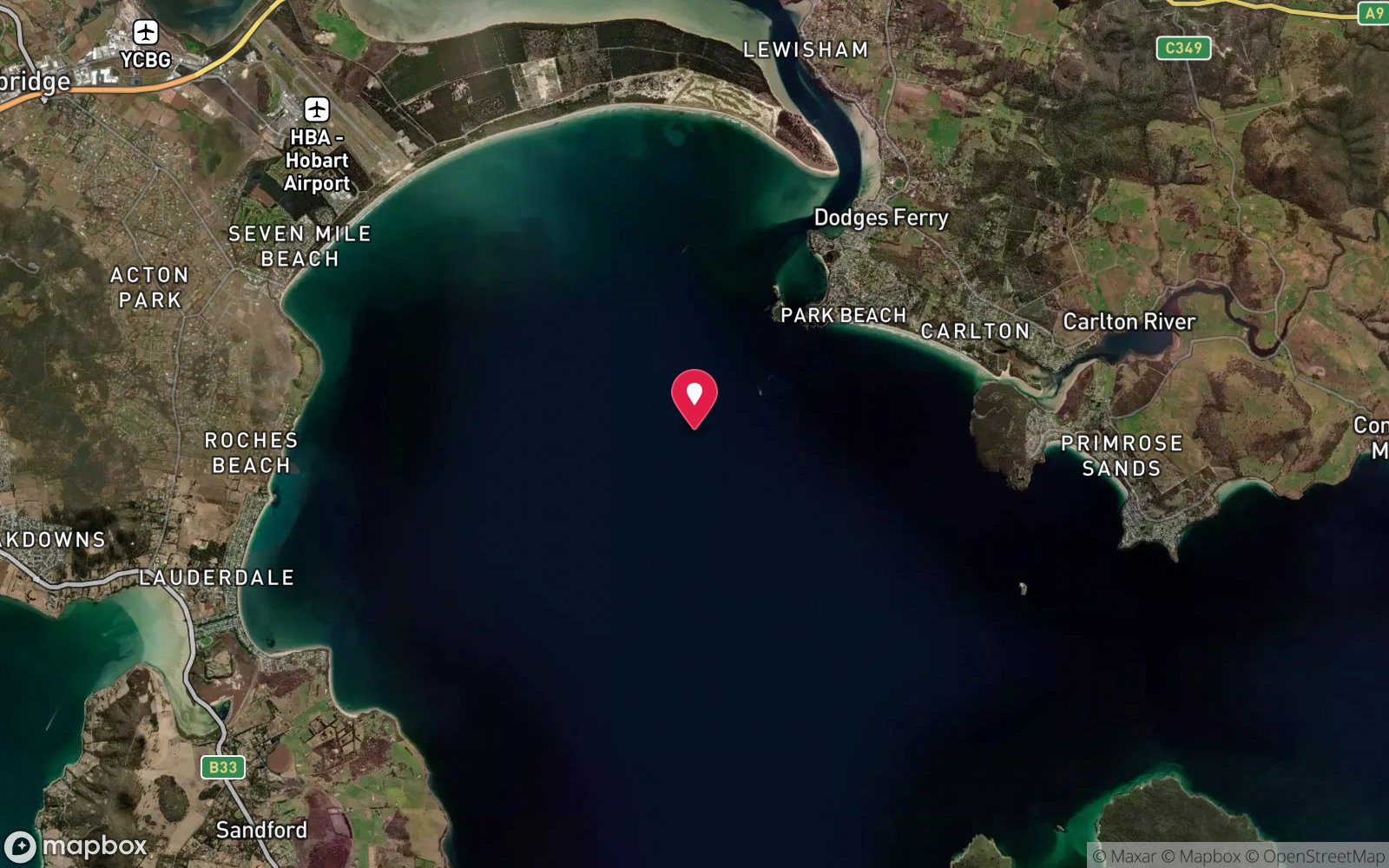
Frederick Henry Bay – Carlton · Hobart & Derwent Estuary
-42.88000, 147.59000
Approximate position — not for navigation.
Open in Google MapsPrimary source: marinelife.org.auMarine park & permits
No permit required
Nearest recompression chamber
Royal Hobart Hospital Hyperbaric Medicine Unit (Hobart CBD); DAN emergency hotline 1800 088 200
Diving emergency: call 000, then DAN AP 1800 088 200.
Trip planner
Build a trip around Whale Rock (Spectacle Head) →
A day-by-day plan for Hobart & Derwent with this site locked in.
This guide is a planning aid. Conditions change daily — confirm with a local dive centre and dive within your training. Data & safety notes.
Dive profile
How this site rates
Scores are computed from the recorded data, not opinions. How?
At a glance
Whale Rock (Spectacle Head) is a pinnacle / bommie boat dive in Hobart & Derwent, TAS, 4–12 m, suited to Open Water divers, about 12 minutes by boat.
Rated intermediate because of surge on the entry or in the shallows, boat traffic overhead, cold water.
Why dive here
- A quiet boat dive off Spectacle Head, close to Hobart's eastern shore.
- Rarely dived: expect to have the site to yourself, and plan your own logistics.
About Whale Rock (Spectacle Head)
Whale Rock is a small, wave-swept rock about a kilometre off Spectacle Head in Frederick Henry Bay, named because it looks like a diving whale from the shore. The Marine Life Network guide lists it at 4-12 m and suggests it as a half-day boat dive from Dodges Ferry. The shallows around the rock are uncomfortable in any swell, but the deeper water is more pleasant and sheltered, with a few large rocks at about 12 m where fish numbers increase.
The reef is covered in brown algae, and typical Frederick Henry Bay species – wrasse, leatherjackets, bastard trumpeter, magpie morwong and small reef fish – are found around the rocks. It is an unassuming site that suits divers with a small boat looking for something close to Hobart's eastern shore. The main limitation is the bay's exposure to southerly weather, which quickly reduces visibility.
Combine it with a look at Spectacle Head, a nearby shore site that can be reached with a walk from Red Ochre Beach. Documentation is limited to an older guide; expect to explore. Dodges Ferry and Carlton are popular holiday areas with a boat ramp, shops and accommodation, and the rock can easily be combined with a snorkel at Spectacle Head or on the reefs along Carlton's beaches.
For divers based on Hobart's eastern shore, it is a practical short trip when the Derwent's visibility is poor after rain. Bring a sounder to locate the large rocks at 12 m, which hold most of the fish, and plan to anchor on sand rather than reef. Because the site is small, a single dive covers it comfortably.
Getting there & entry
Small wave-swept rock about 1 km off Spectacle Head in Frederick Henry Bay, shaped like a diving whale.
Boat access. Dodges Ferry is about 40 km (40 minutes) east of Hobart via the Tasman Highway, Sorell and Carlton Beach Road. Launch at the Dodges Ferry boat ramp and run south-east to Whale Rock, about 1 km off Spectacle Head, roughly 10-15 minutes.
Anchor in the deeper, more sheltered water away from the rock. The ramp has trailer parking; fuel and supplies are available at Dodges Ferry and Sorell.
Entry: Back roll or giant stride from charter boat
Facilities: Dodges Ferry boat ramp; shops at Dodges Ferry; fills in Hobart.
Weather, swell & tides
Frederick Henry Bay is exposed to southerly weather; the Marine Life Network notes that even moderate conditions reduce visibility at Whale Rock and bring surge to the shallows. Dive on calm days with northerly or light westerly winds. The deeper water around the rock is more pleasant and sheltered than the shallows.
Best season: Late summer to autumn (February-May) for settled weather and best visibility; diveable year-round between fronts
If it's blown out
Sheltered or shore sites within 25 km that often work when Whale Rock (Spectacle Head) doesn't.
- Sloping Island Kelp Forest · 9 km · Max 12 m
- Kingston Beach (Handfish site) · 24 km · Max 8 m
- Spectacle Head · 1 km · Max 8 m
- Droughty Point · 16 km · Max 10 m
How the dive is usually run
Descend in the deeper water beside the rock to about 12 m, explore the large rocks, and circle the base of Whale Rock at 8-10 m, staying out of the surge in the shallows.
Marine life
- Wrasse
- leatherjackets
- bastard trumpeter
- magpie morwong
- small reef fish
- brown algae
Linked species have their own page listing every site where they are recorded. All marine life →
Training required
Within the 18 m limit of an entry-level certification.
Courses that help here
- Drysuit Diver – Cold water; locals dive dry for much of the year.
Depth tiers: 0–10 m easy · to 18 m Open Water · 18–30 m Advanced (25 m+ is a deep dive) · 30–40 m Deep specialty · 40 m+ technical. All courses
Hazards & warnings
Surge in the shallows; exposed to southerlies; boat traffic.
Dive centres that go here
No regular operator; private boats from Dodges Ferry.
Operators recorded for Whale Rock (Spectacle Head)
Other dive centres in Hobart & Derwent
Tasmania Tech and Dive Centre
ProfiledHobart & Derwent · TAS
The Tasmanian operation most clearly associated with technical diving services, spanning recreational and technical training with technical gas support.
Tasmanian Divers North
ListedLaunceston · Tasmania North & North-West · TAS
A northern Tasmanian operation serving the Bass Strait coastline and local diving community.
tasdivers.com.au · (03) 6229 1020
Tasmanian Divers South
ListedKingston · Hobart & Derwent · TAS
A southern Tasmanian operation serving the Hobart region and surrounding diving.
tasdivers.com.au · (03) 6229 1020
The Dive Shop Hobart
ListedHobart · Hobart & Derwent · TAS
A Hobart equipment and service business supporting local cold-water divers.
thediveshophobart.com.au · (03) 6234 3428
Underwater Adventures Tasmania
Reported closedBattery Point · Bruny Island & D'Entrecasteaux Channel · TAS
Reported permanently closed on Tripadvisor; last reviews 2013; formerly ran from Battery Point jetty (underwateradventures.com.au).
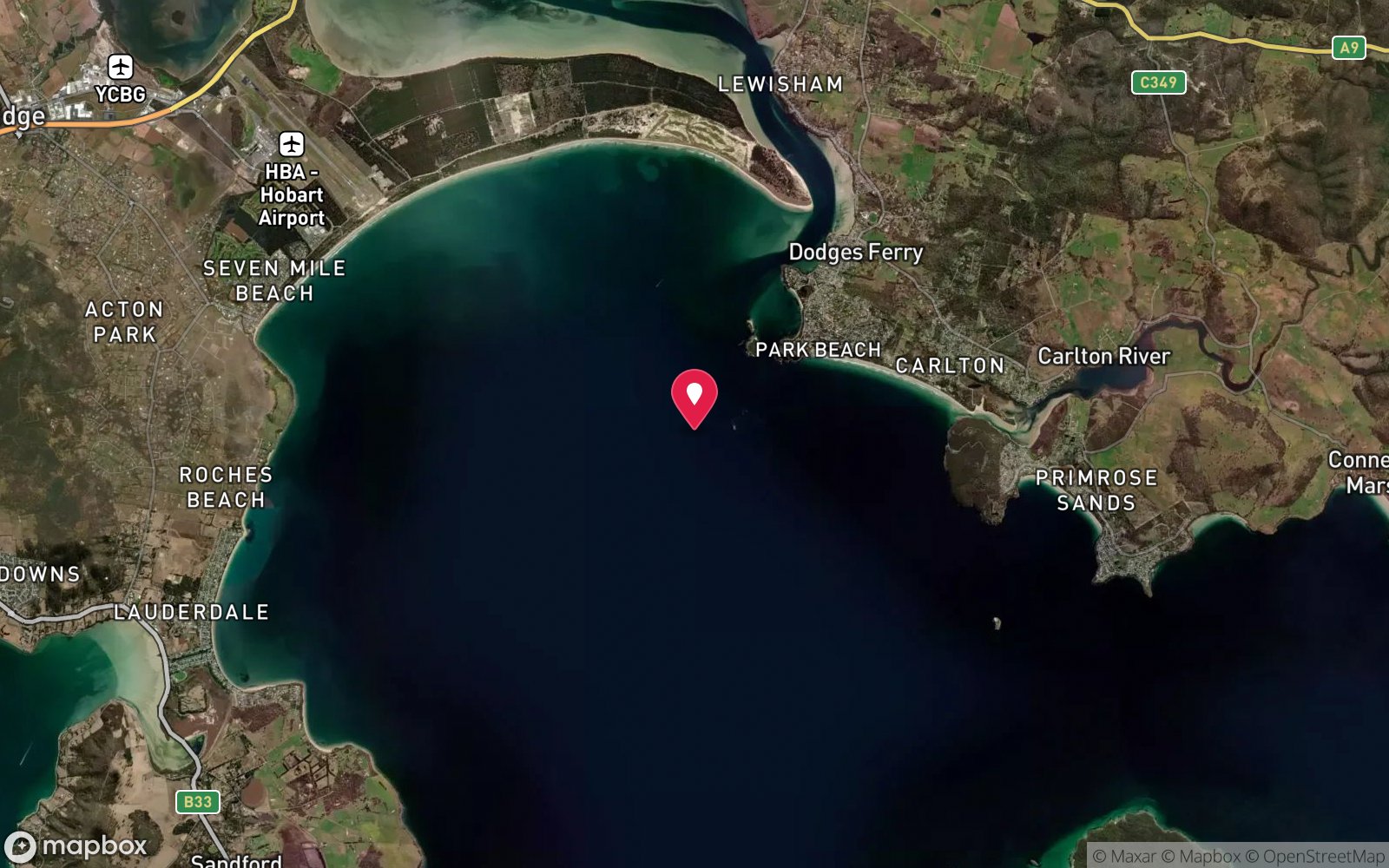
Map
7 pinned sites. Pins marked approximate on their pages show the general area only; not for navigation.
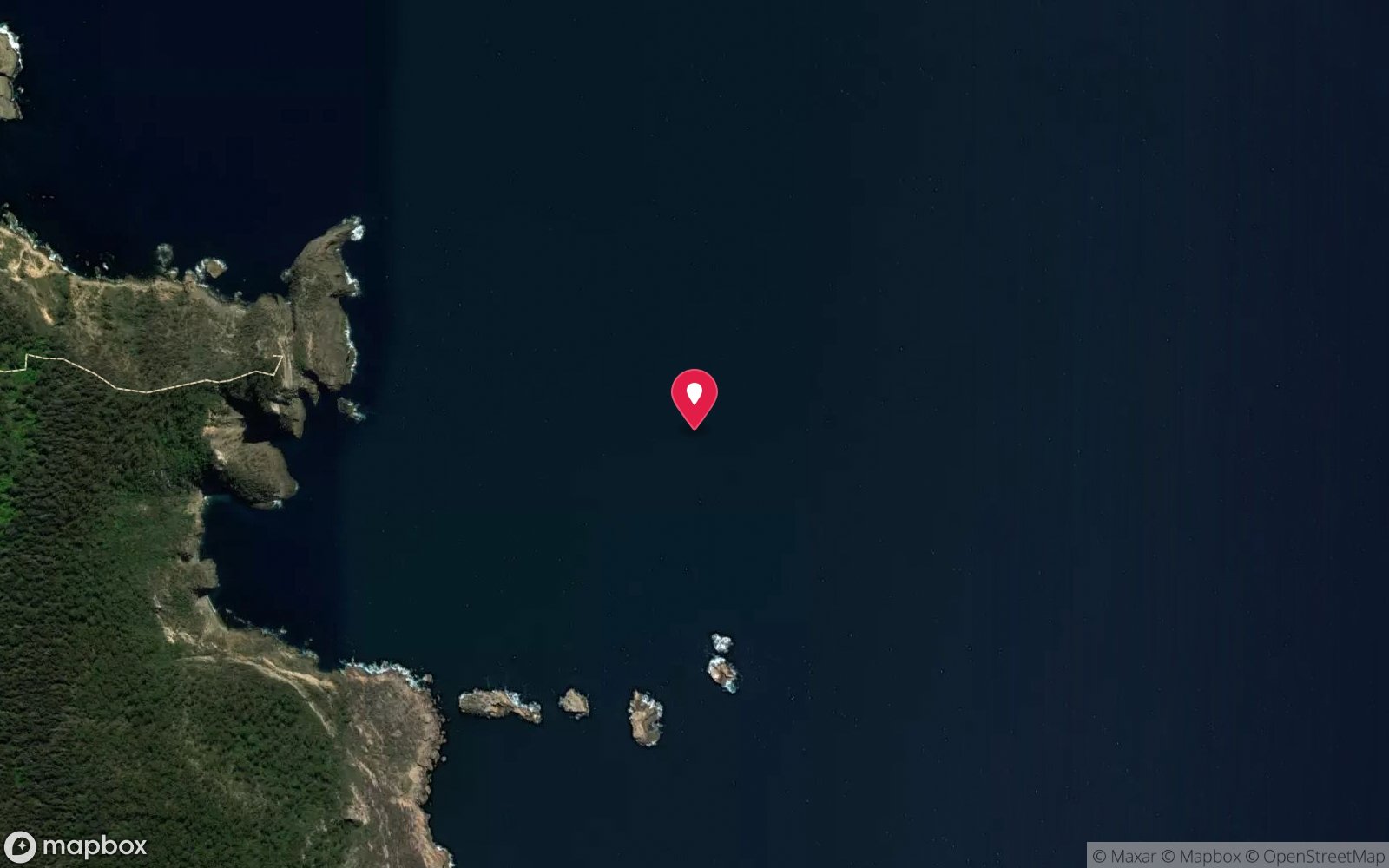
Satellite views
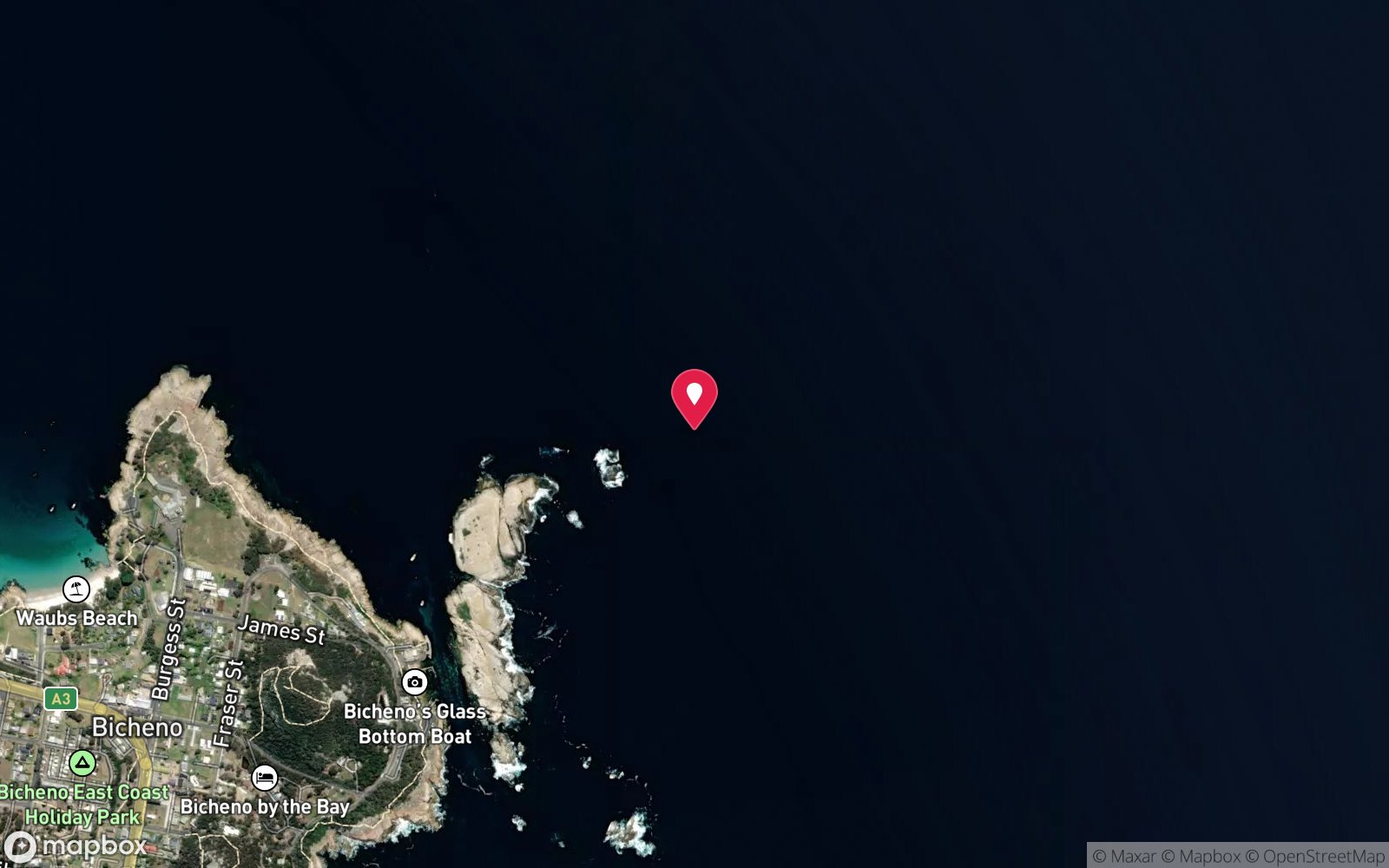
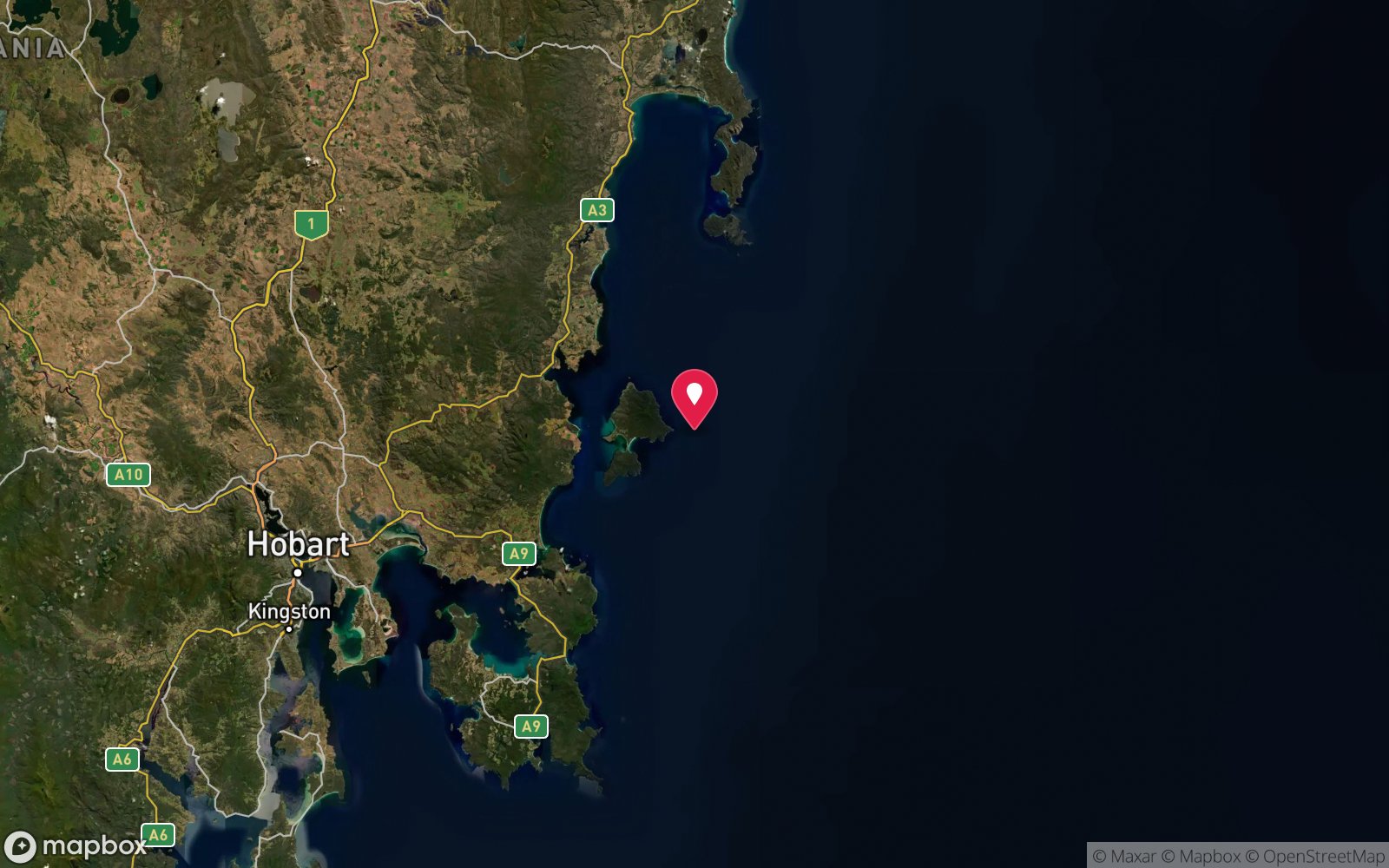
Whale Rock (Spectacle Head): frequently asked questions
How deep is Whale Rock (Spectacle Head)?
Whale Rock (Spectacle Head) reaches a maximum depth of 12 m, with the shallowest part at about 4 m; most of the dive is spent around 10 m.
What certification do I need to dive Whale Rock (Spectacle Head)?
Open Water is the recommended minimum. Rated intermediate because of surge on the entry or in the shallows, boat traffic overhead, cold water.
Can I shore dive Whale Rock (Spectacle Head)?
No, it is reached by boat (about 12 minutes). A dive centre is required: boat access only.
When is the best time to dive Whale Rock (Spectacle Head)?
Late summer to autumn (February-May) for settled weather and best visibility; diveable year-round between fronts.
What marine life will I see at Whale Rock (Spectacle Head)?
Regularly recorded: Wrasse, leatherjackets, bastard trumpeter, magpie morwong, small reef fish, brown algae.
What wetsuit do I need at Whale Rock (Spectacle Head)?
Drysuit strongly recommended year-round; 7 mm semi-dry or two-piece 7 mm wetsuit with hood and gloves is the minimum in summer.
How cold is the water at Whale Rock (Spectacle Head)?
Typically 14-18 °C in summer and 10-13 °C in winter.
What are the main hazards at Whale Rock (Spectacle Head)?
Surge in the shallows; exposed to southerlies; boat traffic. See the hazards section above for the full list.
Where is the nearest recompression chamber to Whale Rock (Spectacle Head)?
Royal Hobart Hospital Hyperbaric Medicine Unit (Hobart CBD); DAN emergency hotline 1800 088 200. In an emergency call 000, then DAN Asia-Pacific on 1800 088 200.
Diving in Hobart & Derwent
Hobart has the Tinderbox Marine Reserve, with its snorkel trail, weedy seadragons and easy shore access, the Derwent's wrecks and the Alma dredge, the Blackmans Bay and Kingston reefs, and the Iron Pot at the river mouth. Water is 11–17 °C and visibility improves quickly downstream of the city.
Getting there: All within 30–40 minutes of the city with shore entries; Hobart dive shops run charters and hire drysuits.
Sources
Data confidence: Low · Being verified: Coordinates approximate; single older source.. Last updated September 2026. Know this site better? How to send a correction