State top ten
The Top 10 Dive Sites in Queensland
Editorial picks from the Queensland guide first, then the most regularly dived and best-documented sites in the state.
The Great Barrier Reef, the SS Yongala and warm water twelve months a year.
Our picks come first, in the order we would send a visiting diver to them, followed by the most regularly dived, best-documented sites in Queensland to round out the ten. Every entry links to a full site page with depths, conditions, training required and the operators that run it.
Updated daily from the directory. 10 sites listed.
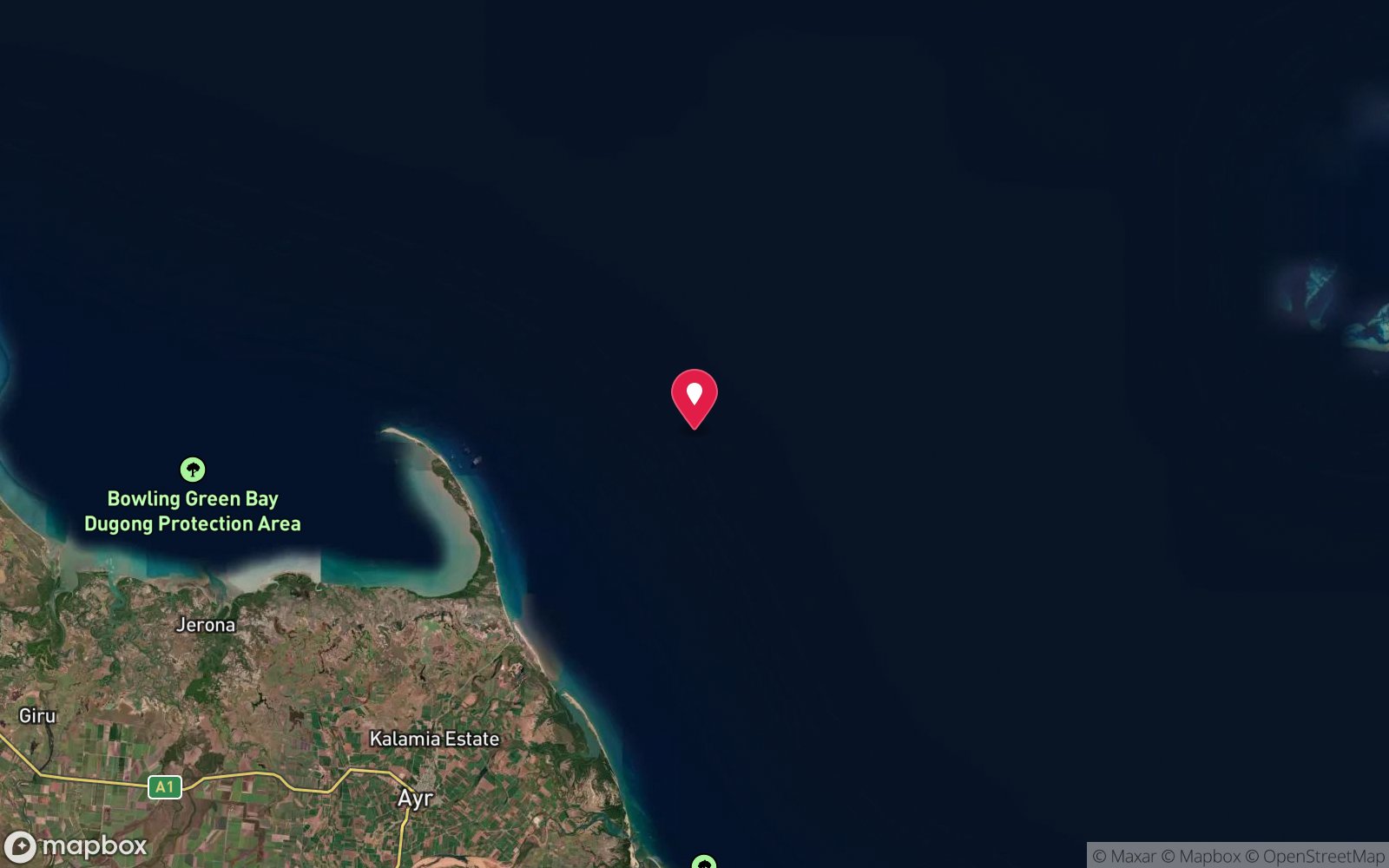
1. Townsville & Magnetic Island · QLD
SS Yongala
Australia's greatest wreck dive by consensus: a 1911 steamer that has become a fish-covered reef in open water off Townsville.
Our takeThe best wreck dive in Australia and, by most reckonings, one of the best in the world. A 109 m passenger steamer lost with all 122 aboard in 1911, lying on her side in 14 to 30 m of open water off Townsville, and so covered in life that the ship is sometimes hard to see: giant groupers, bull rays, sea snakes, turtles, schooling trevally and barracuda. Advanced, with current, and worth planning a trip around.
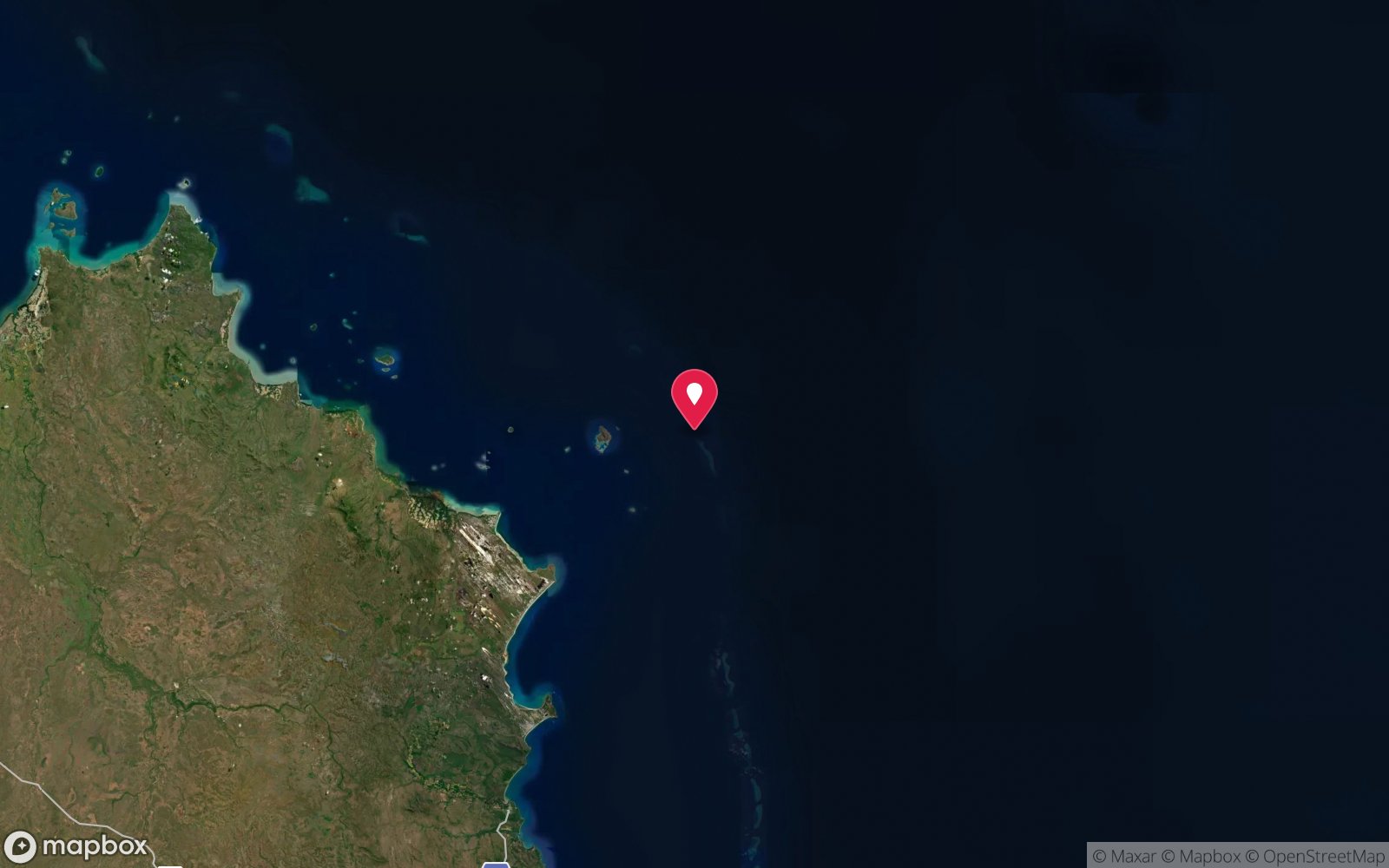
2. Ribbon Reefs & Lizard Island · QLD
Cod Hole
The Ribbon Reefs' famous potato cod site, where 1 m cod approach to within touching distance.
Our takePotato cod the size of a diver, at a Ribbon Reef site where they have been fed and photographed for forty years. Beyond the cod: coral ridges, a sand arena and deep fans with pygmy seahorses.
3. Sunshine Coast · QLD
Ex-HMAS Brisbane
A 133 m destroyer scuttled off Mooloolaba in 2005, with cut-outs that make it one of the best penetration wrecks for recreational divers.
Our takeQueensland's prepared destroyer, upright off Mooloolaba with the funnels 3 m below the surface, more than a thousand species recorded, and penetration routes through the bridge and engine room for Advanced divers.
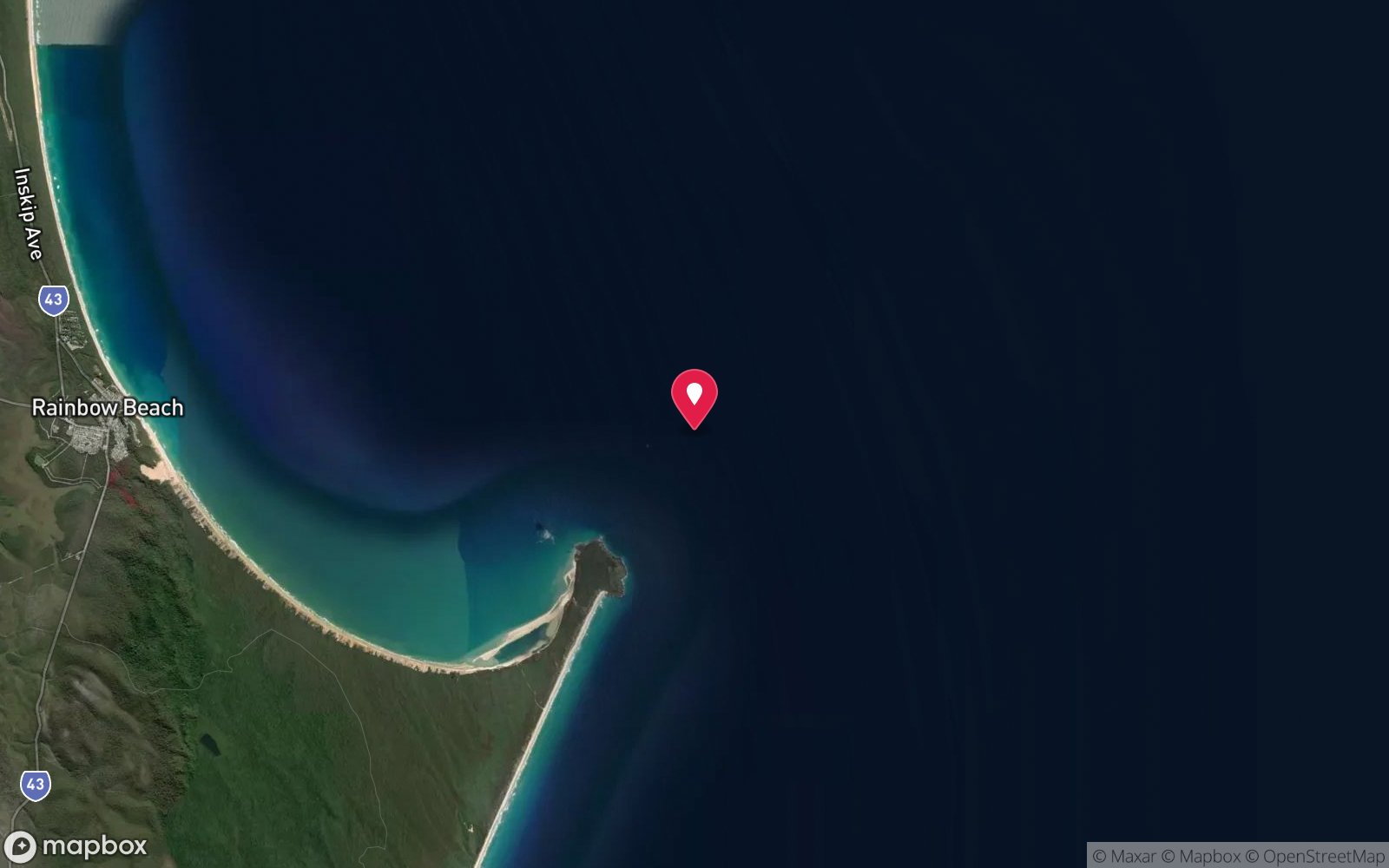
4. Rainbow Beach · QLD
Wolf Rock
Four pinnacles off Double Island Point with resident pregnant grey nurse sharks and ripping current.
Our takeThe most important grey nurse shark site on the east coast, where the pregnant females gather from June to November in the gutters between four pinnacles off Rainbow Beach. Advanced, currents, and a dive that leaves an impression.
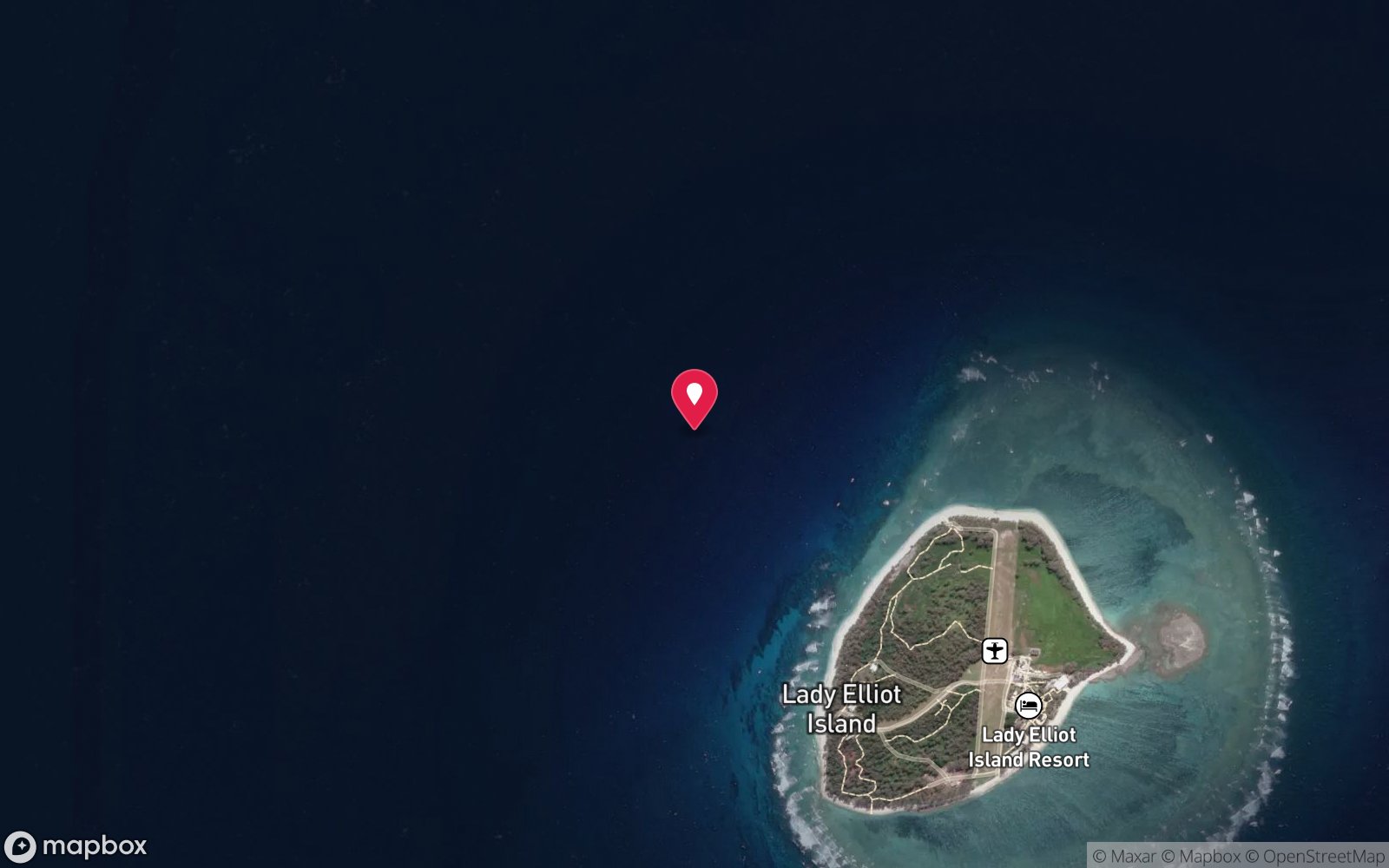
5. Lady Elliot Island · QLD
Lighthouse Bommies (Lady Elliot Island)
The manta cleaning station on the southern Great Barrier Reef, May to August.
Our takeThe manta 'truck stop': small bommies at 14 m off Lady Elliot Island where reef mantas queue for cleaning, sometimes a dozen at a time, from May to August especially. Open Water, from the island's own dive centre.
6. Ribbon Reefs & Lizard Island · QLD
Steve's Bommie
A single pinnacle from 30 m to 3 m on the Ribbon Reefs covered in fish; often called the best single dive on the reef.
Our takeA pinnacle on the Ribbon Reefs that rises from 35 m to 3 m and holds more fish per cubic metre than anywhere else on the reef: schooling trevally and barracuda, stonefish, leaf scorpionfish, pipefish. A memorial plaque to a diver who loved it gives the site its name.
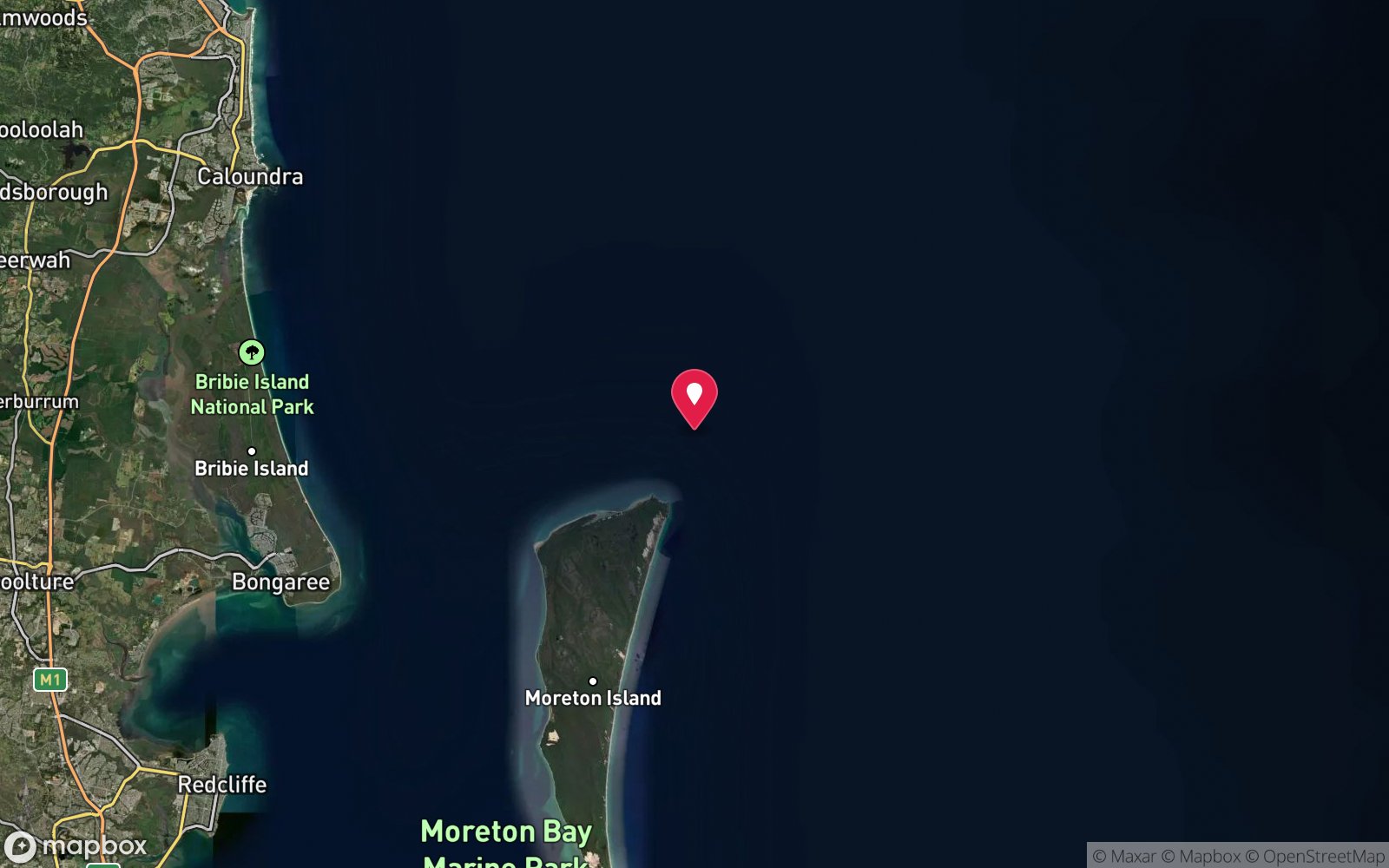
7. Brisbane & Moreton Bay · QLD
Flinders Reef
The most diverse coral reef in Moreton Bay, an hour from Brisbane.
Our takeThe most diverse coral community of any subtropical reef on the east coast, 90 minutes from Brisbane off Moreton Island, with turtles at the cleaning station and grey nurse sharks in winter. Brisbane's best day dive.
8. North Stradbroke Island · QLD
Manta Bommie
Stradbroke Island's summer manta and leopard shark site.
Our takeNorth Stradbroke Island's summer manta cleaning station, with leopard sharks on the sand and turtles everywhere, in 18 m off Point Lookout. November to April.
9. Brisbane & Moreton Bay · QLD
Tangalooma Wrecks
Fifteen scuttled vessels off Moreton Island, snorkel-able from the beach.
Our takeFifteen dredges and barges scuttled off Moreton Island between 1963 and 1984, many breaking the surface, in 1 to 12 m with more than a hundred fish species. The snorkel and first-dive site for Brisbane.
10. Port Douglas · QLD
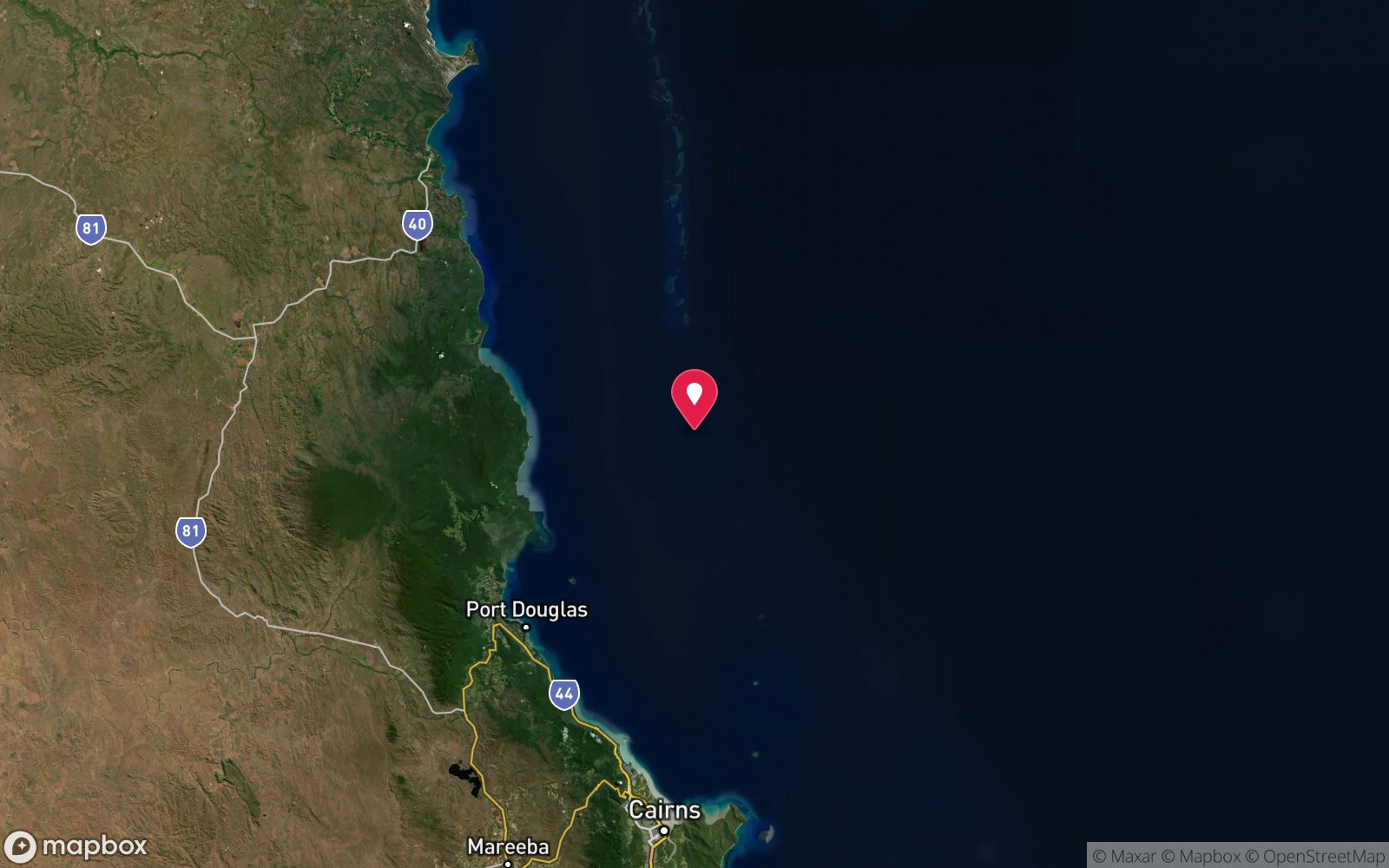
Whaler Point (Agincourt Reef 1)
Coral-rich southern point of Agincourt 1 with sharks, rays and barracuda passing along the edge; easy out-and-back layout.
The guide
Three Queenslands
Queensland is the Great Barrier Reef, the Coral Sea beyond it, and a subtropical coast from the Gold Coast to Bundaberg that most reef visitors never dive. The reef is best from Cairns and Port Douglas on day boats, or on Ribbon Reef and Coral Sea liveaboards; the Yongala is its own destination from Townsville or Ayr; and the southern coast has the Brisbane, Wolf Rock, Flinders Reef, the Stradbroke and Moreton sites, and Lady Elliot's mantas within reach of Brisbane.
Our ten are weighted to sites that a diver could not see anywhere else: the Yongala, the Cod Hole, Wolf Rock's gestating sharks, Lady Elliot's manta station. The famous outer-reef day sites are on the region pages for Cairns and Port Douglas.
Seasons
The dry season, June to November, is the reef's best: clear water, light winds from September, whales passing in July and August, and minke whales on the Ribbon Reefs in June and July. The wet season, December to March, brings rain, stinger suits and the occasional cyclone, but also the best manta and leopard shark diving in the south. Grey nurse sharks are a winter animal at Wolf Rock and Flinders; mantas a winter animal at Lady Elliot and a summer one at Stradbroke.
Editorial last reviewed September 2026. The list itself is regenerated from the directory daily.
Frequently asked questions
What is the best dive site in Queensland?
Our first pick is at the top of the list, with the reasons. The state guide explains the seasons, water temperatures and training each site needs.
When is the best time to dive Queensland?
June – October: Dry season. Coolest (23–25 °C), clearest, calmest weather between trade-wind blows. Mantas at Lady Elliot, minke whales on the Ribbons in June–July. October – December: Best of both: settled weather, warming water, coral spawning after the November full moon, Far Northern expeditions. January – April: Wet season and cyclone risk. Warm (28–30 °C) and green inshore, stinger suits required; the outer reef is still good on calm days.
More rankings
- The Top 10 Dive Sites in New South Wales
- The Top 10 Dive Sites in Victoria
- The Top 10 Dive Sites in Western Australia
- The Top 10 Dive Sites in South Australia
- The Top 10 Dive Sites in Tasmania
- The Top 10 Dive Sites in the Northern Territory
- The Top 10 Dive Sites in Australia's External Territories
- All rankings →