State top ten
The Top 10 Dive Sites in South Australia
Editorial picks from the South Australia guide first, then the most regularly dived and best-documented sites in the state.
Leafy seadragons, giant cuttlefish, the Mount Gambier sinkholes and great white cage diving.
Our picks come first, in the order we would send a visiting diver to them, followed by the most regularly dived, best-documented sites in South Australia to round out the ten. Every entry links to a full site page with depths, conditions, training required and the operators that run it.
Updated daily from the directory. 10 sites listed.
1. Fleurieu Peninsula & Victor Harbor · SA
Rapid Bay Jetty
The most reliable leafy seadragon dive in the world, on the pylons of the old and new jetties.
2. Yorke Peninsula · SA
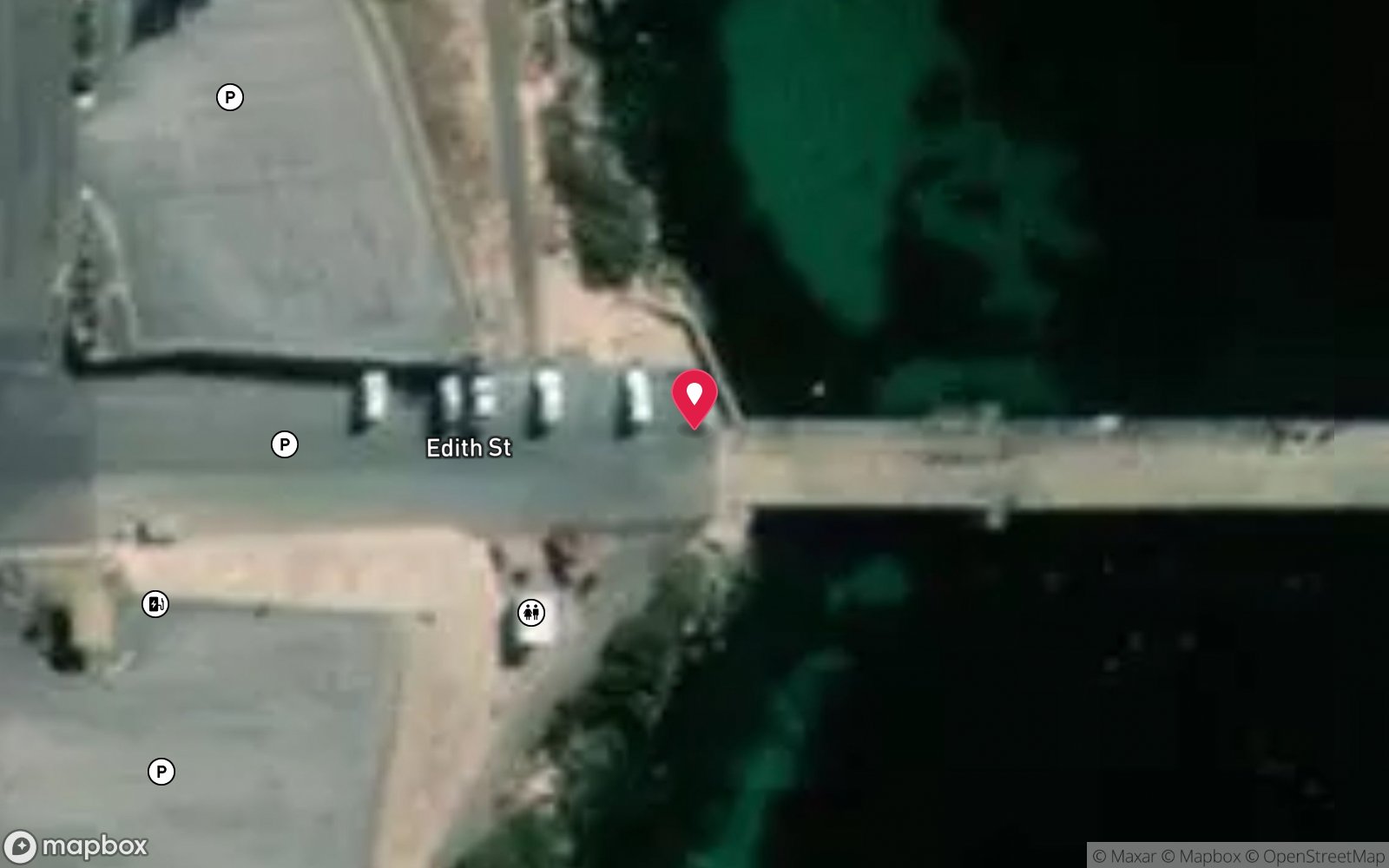
Edithburgh Jetty
A macro photographer's jetty: blue devils, pyjama squid, seahorses, tasselled anglerfish and nudibranchs in 6–9 m.
3. Fleurieu Peninsula & Victor Harbor · SA
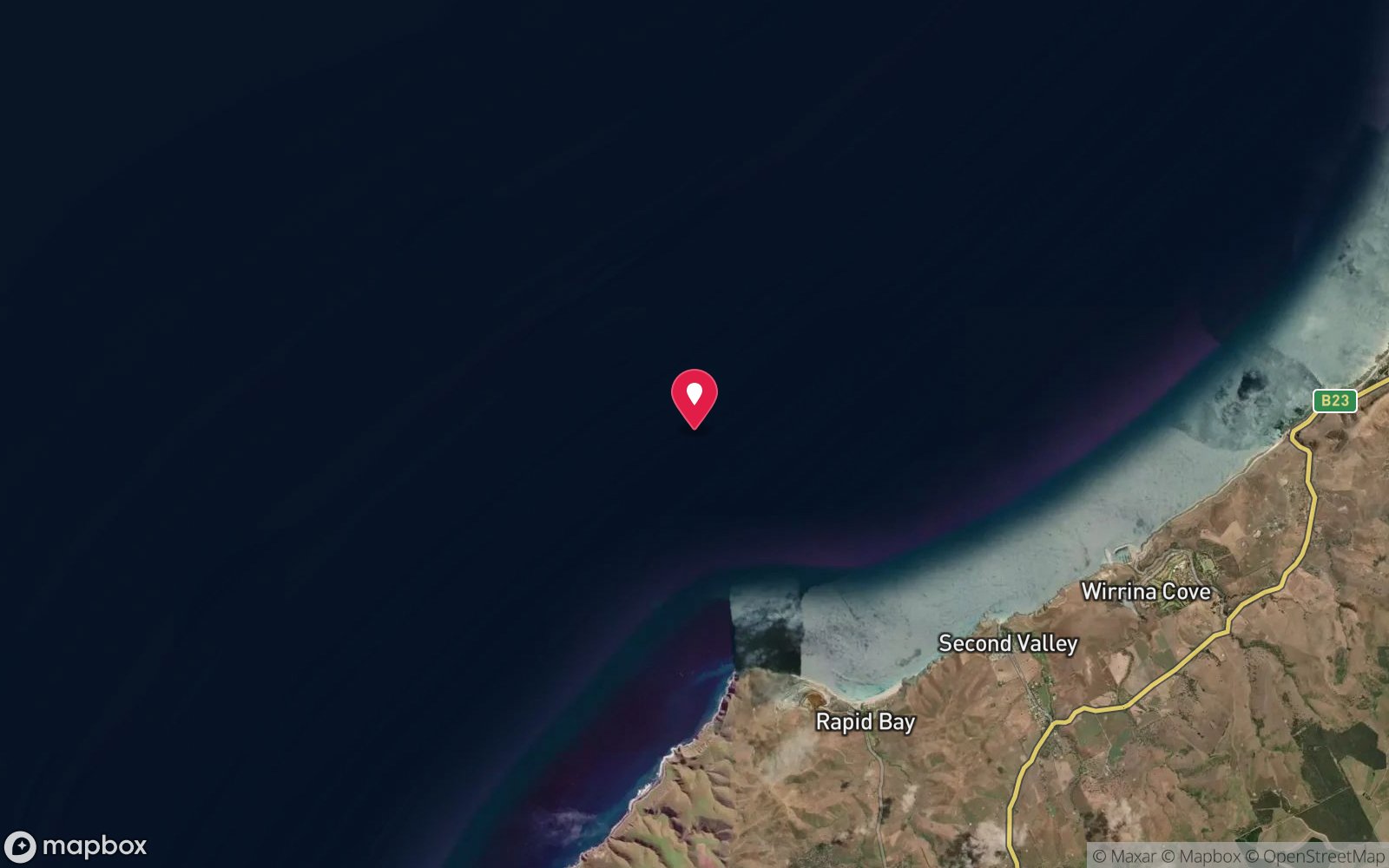
Ex-HMAS Hobart
A 133 m Adams-class destroyer off Yankalilla with wide-open penetration routes and a resident school of bullseyes.
4. Mount Gambier Sinkholes & Caves · SA
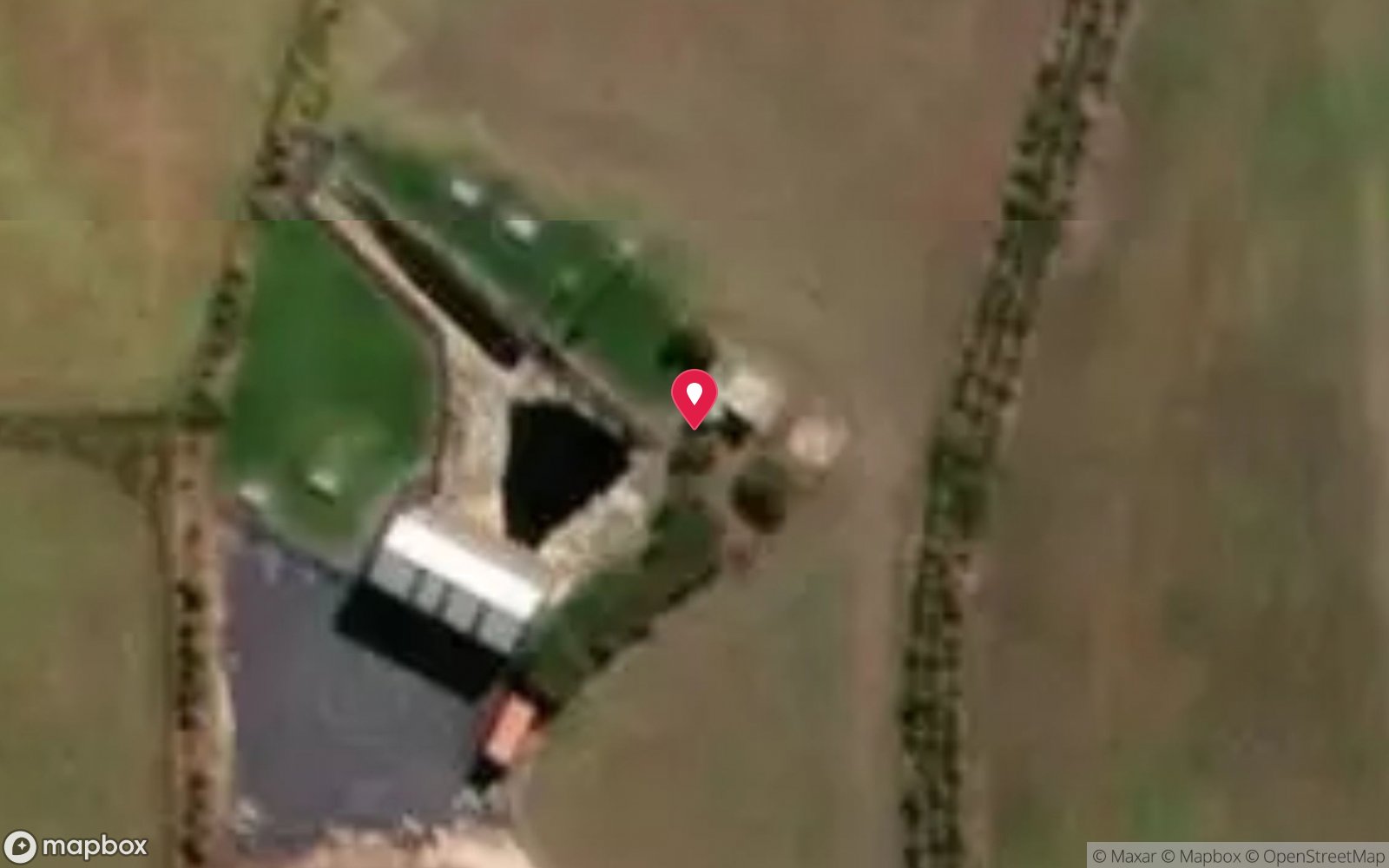
Kilsby Sinkhole
The open-access showpiece of the Mount Gambier sinkholes: 65 m deep, clear as air, recreational depth on the upper platforms.
Sinkhole/CenoteMax 65 mIntermediateTechnical (decompression)Shore accessMore in Mount Gambier Sinkholes & Caves →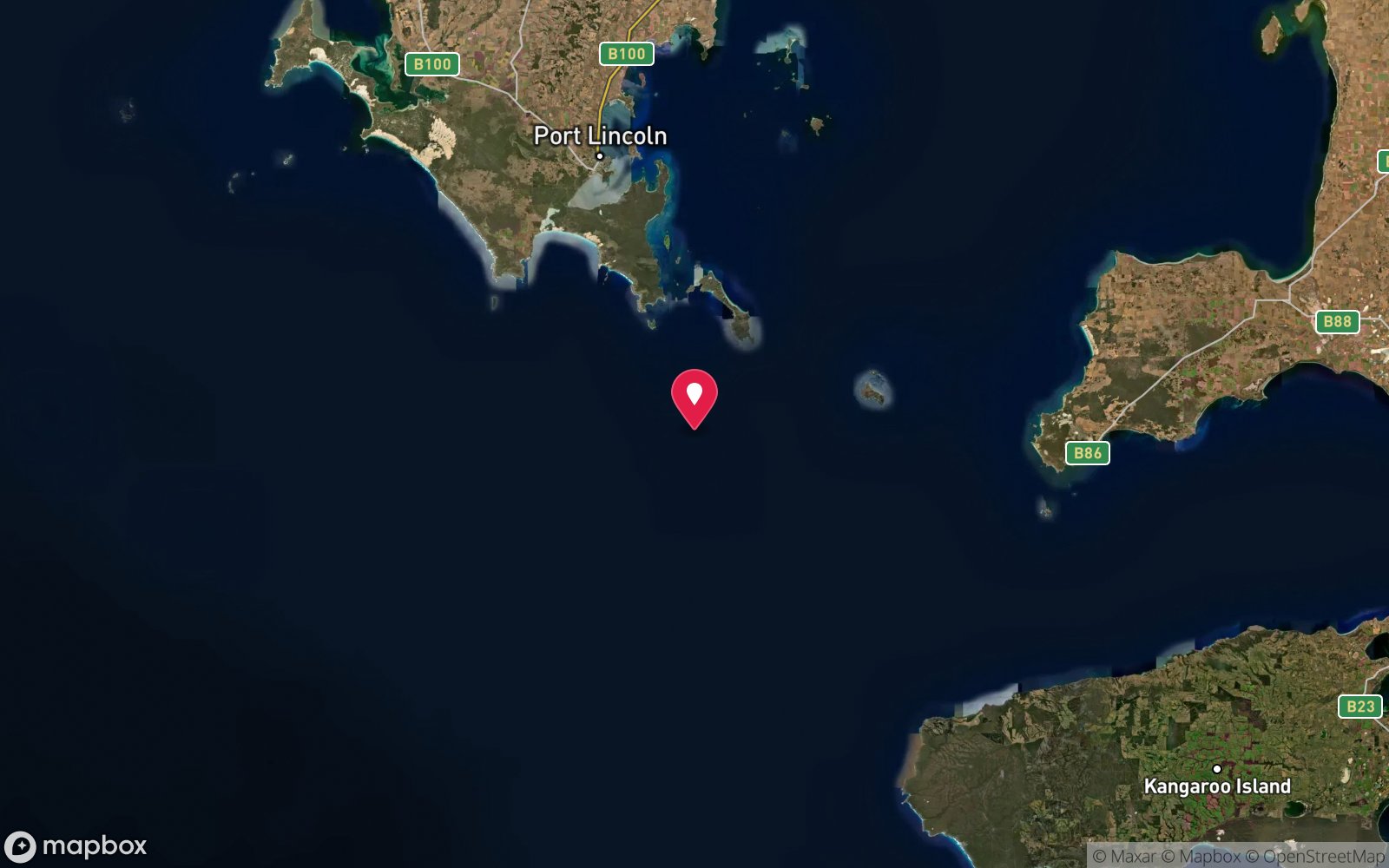
5. Eyre Peninsula · SA
Neptune Islands – Great White Shark Cage Diving
The only great white cage diving in Australia, from Port Lincoln.
6. Whyalla & Upper Spencer Gulf · SA
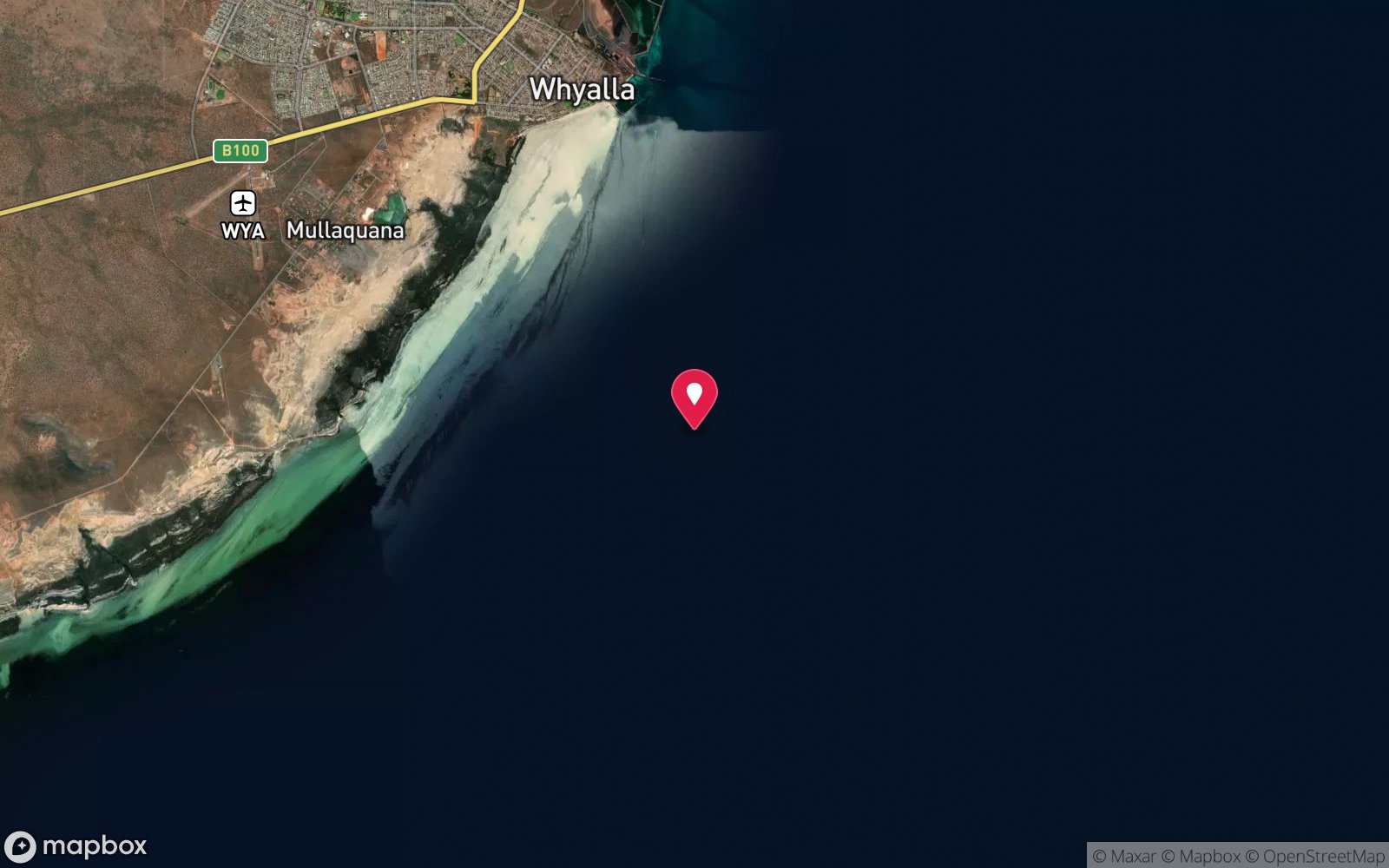
Marek's Reef (Whyalla)
Point Lowly's giant cuttlefish breeding ground, May to August.
7. Mount Gambier Sinkholes & Caves · SA
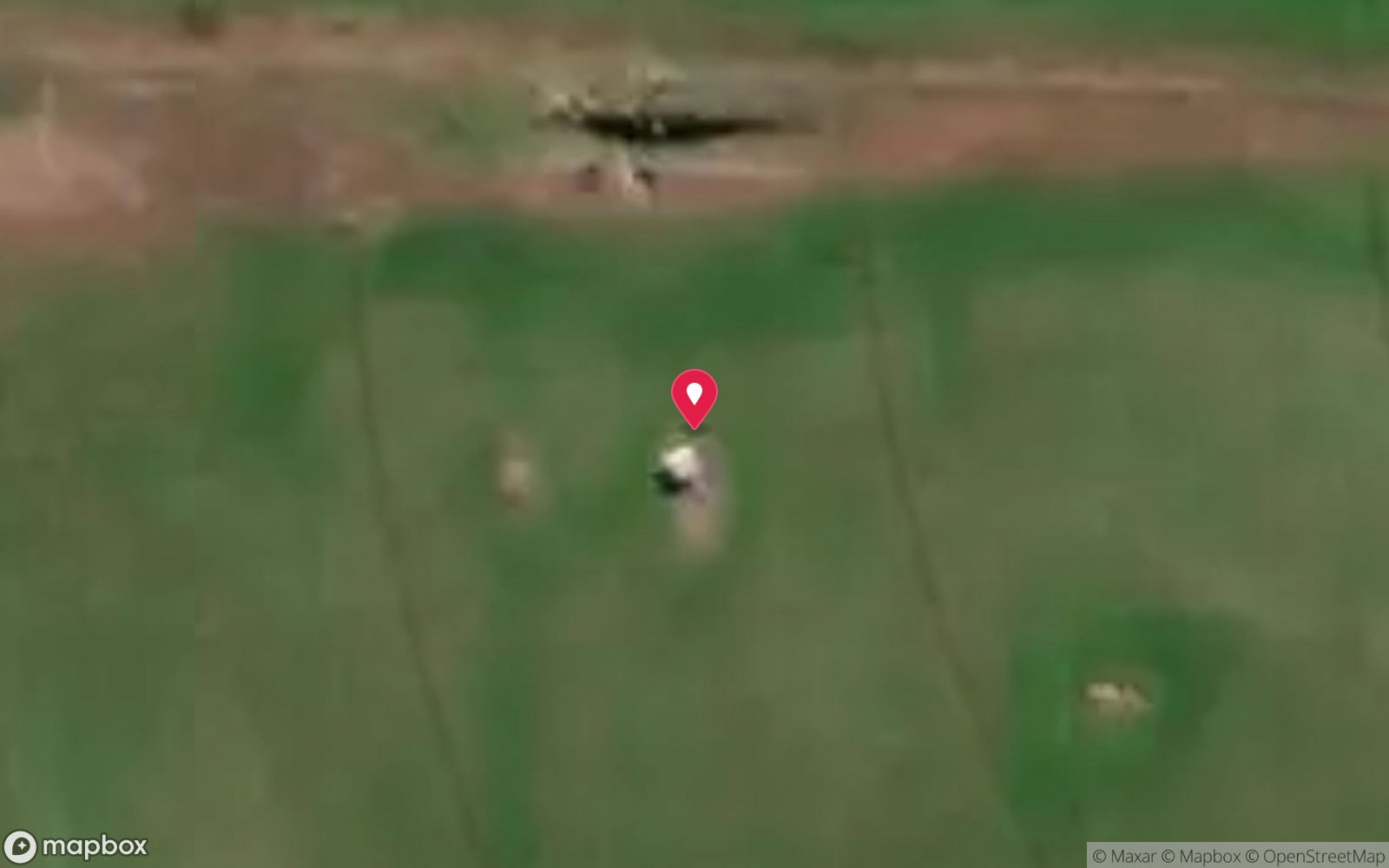
The Shaft
A 124 m deep sinkhole entered through a hole in a paddock. Advanced cave rating only.
Sinkhole/CenoteMax 124 mExpert/TechnicalCave/Cavern certificationShore accessMore in Mount Gambier Sinkholes & Caves →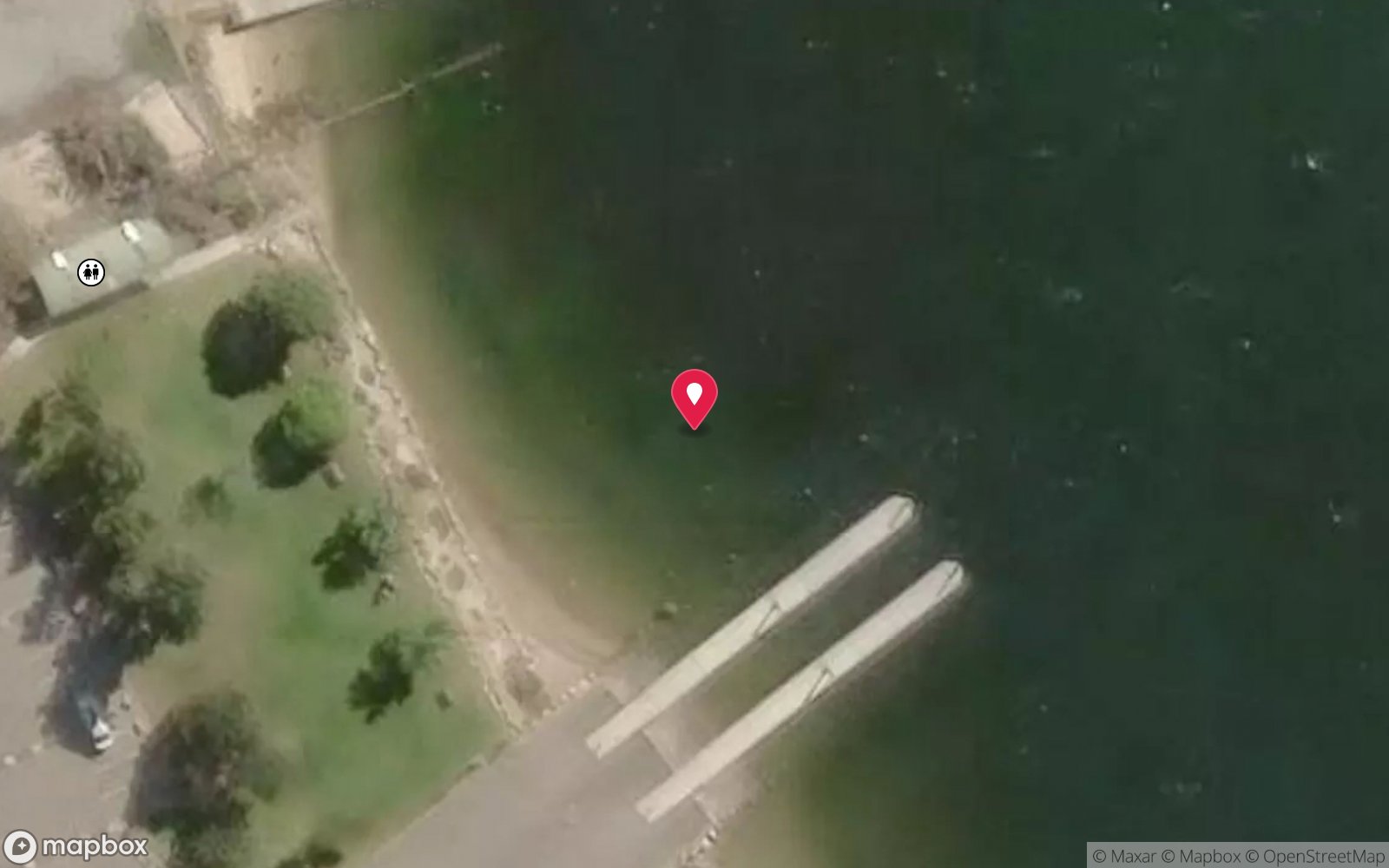
8. Adelaide Metro · SA
Garden Island Ships' Graveyard
Twenty-five hulks in the Port River, an easy shore dive with history.
9. Mount Gambier Sinkholes & Caves · SA
Ewens Ponds
Three spring-fed limestone ponds joined by a creek, with 60 m visibility and no permit needed.
Freshwater Lake/RiverMax 10 mBeginnerOpen WaterShore accessMore in Mount Gambier Sinkholes & Caves →
10. Adelaide Metro · SA
Port Noarlunga Reef & Jetty
South Australia's most popular shore dive: a sheltered reef lagoon reached by jetty stairs, with an underwater trail, nudibranchs galore and Port Jackson shark aggregations in early summer.
Frequently asked questions
What is the best dive site in South Australia?
Our first pick is at the top of the list, with the reasons. The state guide explains the seasons, water temperatures and training each site needs.
When is the best time to dive South Australia?
February – May: Warmest water (19–23 °C in the gulfs), calmest mornings, best visibility at the jetties and the Hobart. May – August: Giant cuttlefish aggregation at Whyalla (Point Lowly and Stony Point). Cold (12–14 °C) but unmissable. Year-round: Sinkholes and caves at a constant 14–16 °C; summer weekends need early bookings.
More rankings
- The Top 10 Dive Sites in New South Wales
- The Top 10 Dive Sites in Queensland
- The Top 10 Dive Sites in Victoria
- The Top 10 Dive Sites in Western Australia
- The Top 10 Dive Sites in Tasmania
- The Top 10 Dive Sites in the Northern Territory
- The Top 10 Dive Sites in Australia's External Territories
- All rankings →