State top ten
The Top 10 Dive Sites in Victoria
Editorial picks from the Victoria guide first, then the most regularly dived and best-documented sites in the state.
Pier macro life, Port Phillip Heads walls and the biggest concentration of wrecks in the country.
Our picks come first, in the order we would send a visiting diver to them, followed by the most regularly dived, best-documented sites in Victoria to round out the ten. Every entry links to a full site page with depths, conditions, training required and the operators that run it.
Updated daily from the directory. 10 sites listed.
1. Mornington Peninsula · VIC
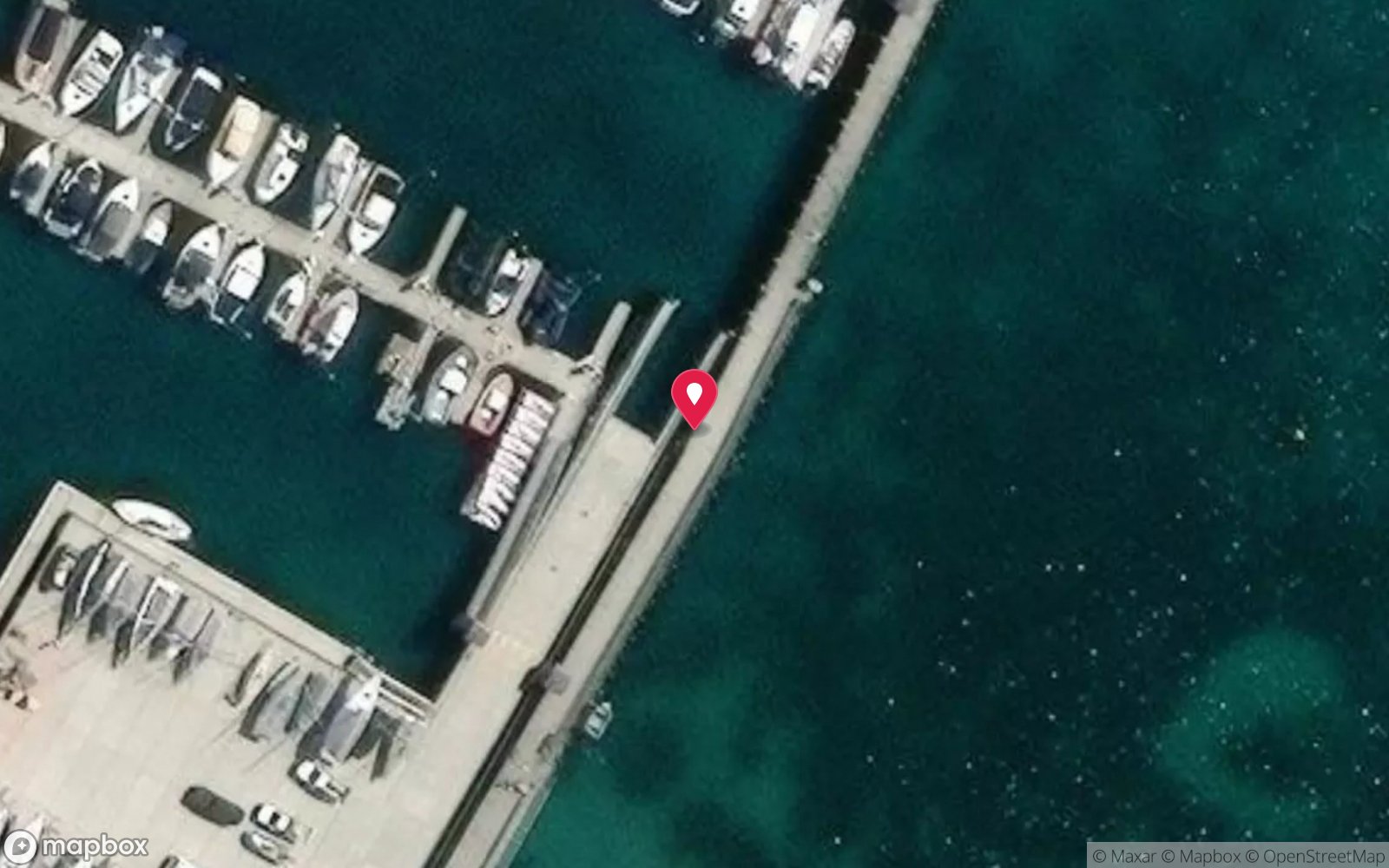
Blairgowrie Pier
The best pier dive in Australia: seadragons, cuttlefish, frogfish, seahorses and the spider crab aggregation in May.
Our takeThe best pier dive in Australia and the best macro dive in the south: sponge-covered pylons in 7 m with more than a hundred nudibranch species, seahorses, octopus and cuttlefish. Dive it at night. Open Water, from a marina car park.
2. Port Phillip Heads · VIC
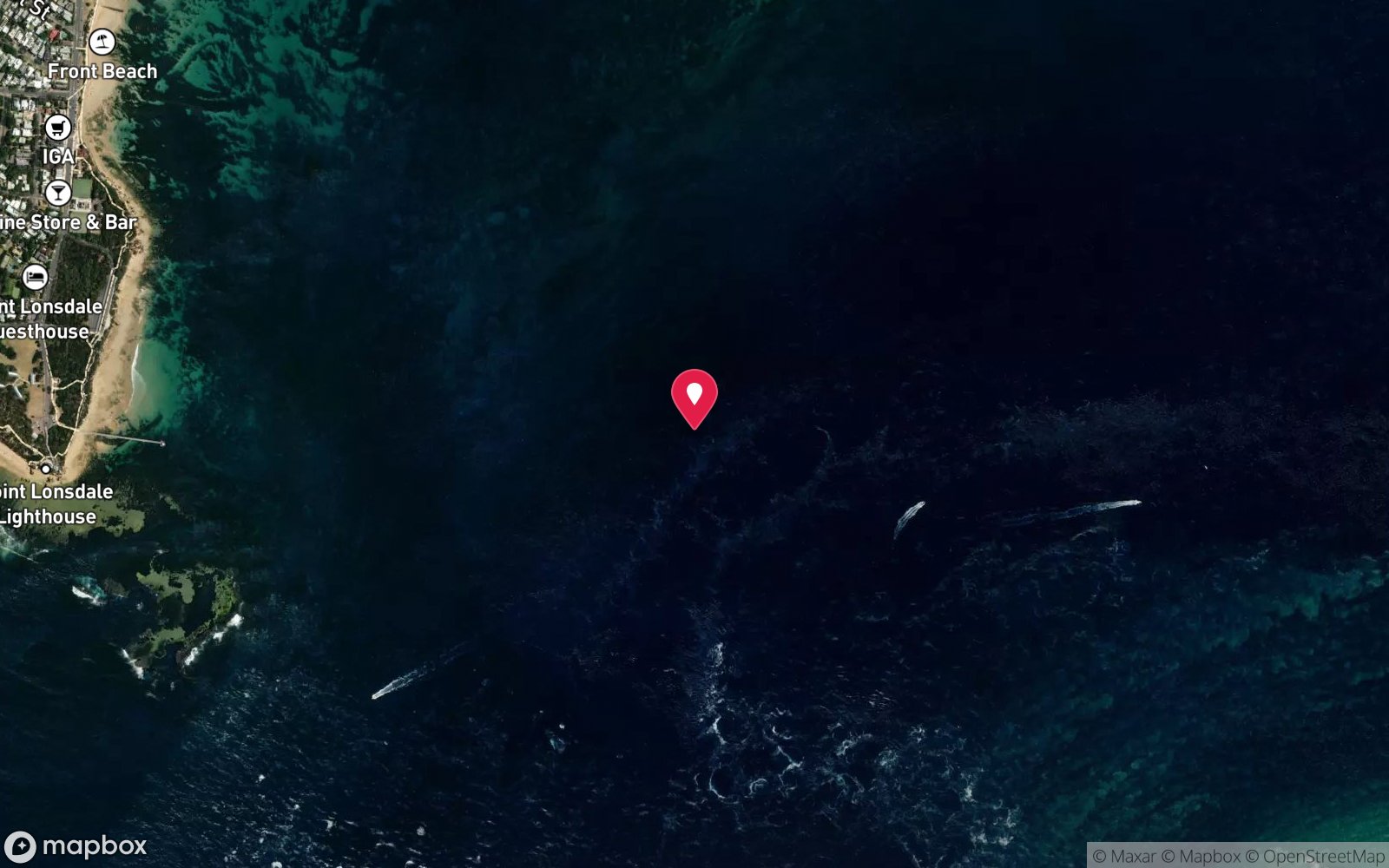
Lonsdale Wall
The signature Heads wall, dropping past 40 m under sponge gardens, dived on a 20-minute slack.
Our takeVictoria's signature dive, a stepped limestone wall inside Port Phillip Heads dropping from 12 m past 38 m, covered in zoanthids, sponges and gorgonians and dived on the twenty minutes of slack water. Advanced, with an operator who knows the tides.
3. Port Phillip Heads · VIC
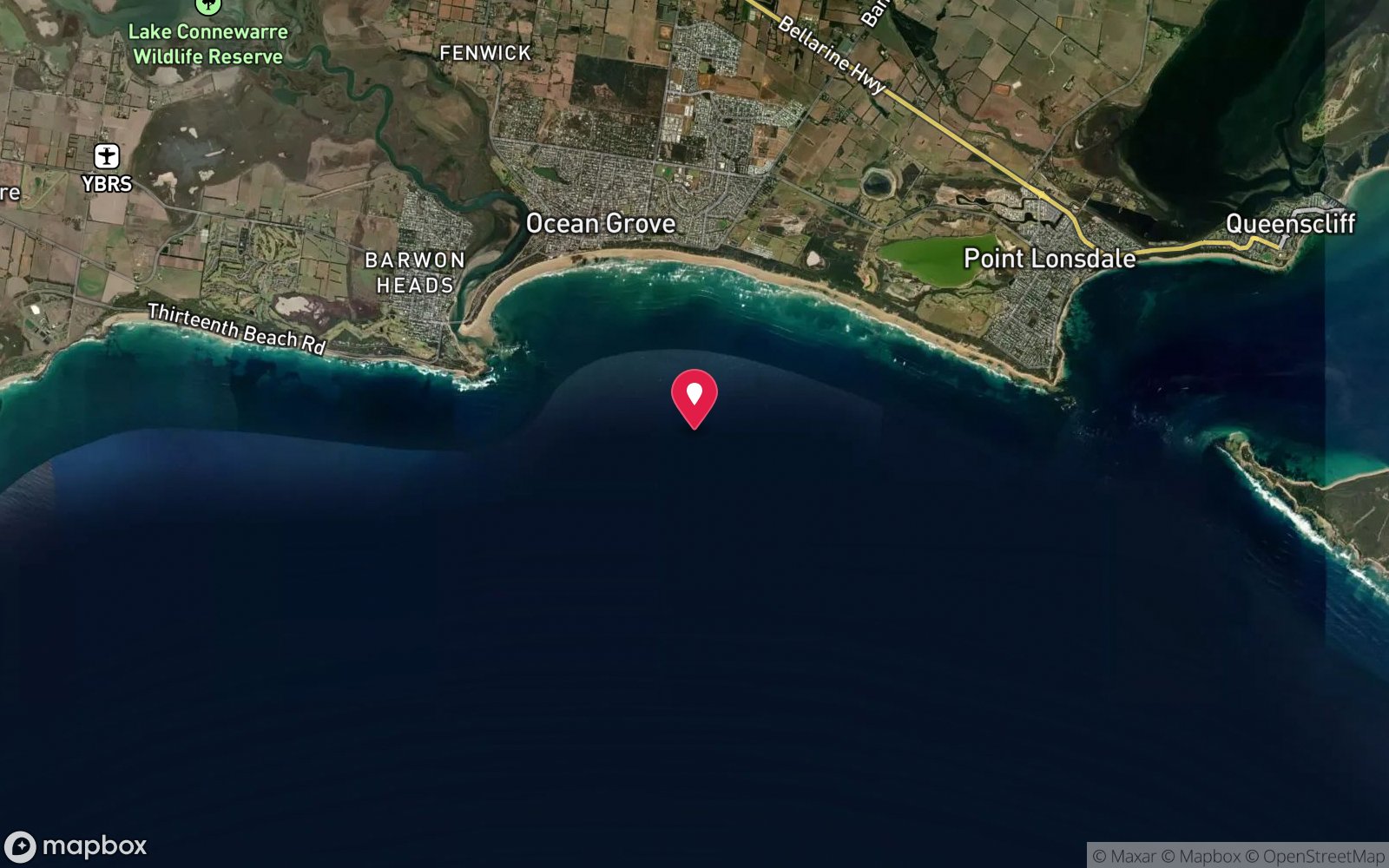
ex-HMAS Canberra
A 138 m frigate scuttled off Ocean Grove with cut access points at every deck, dived daily in season.
Our takeThe prepared frigate off Ocean Grove, almost upright in 28 to 32 m with the bridge at 8 m and a hangar full of bullseyes. Currents; slack water; 20 m visibility on the good days.
4. Mornington Peninsula · VIC
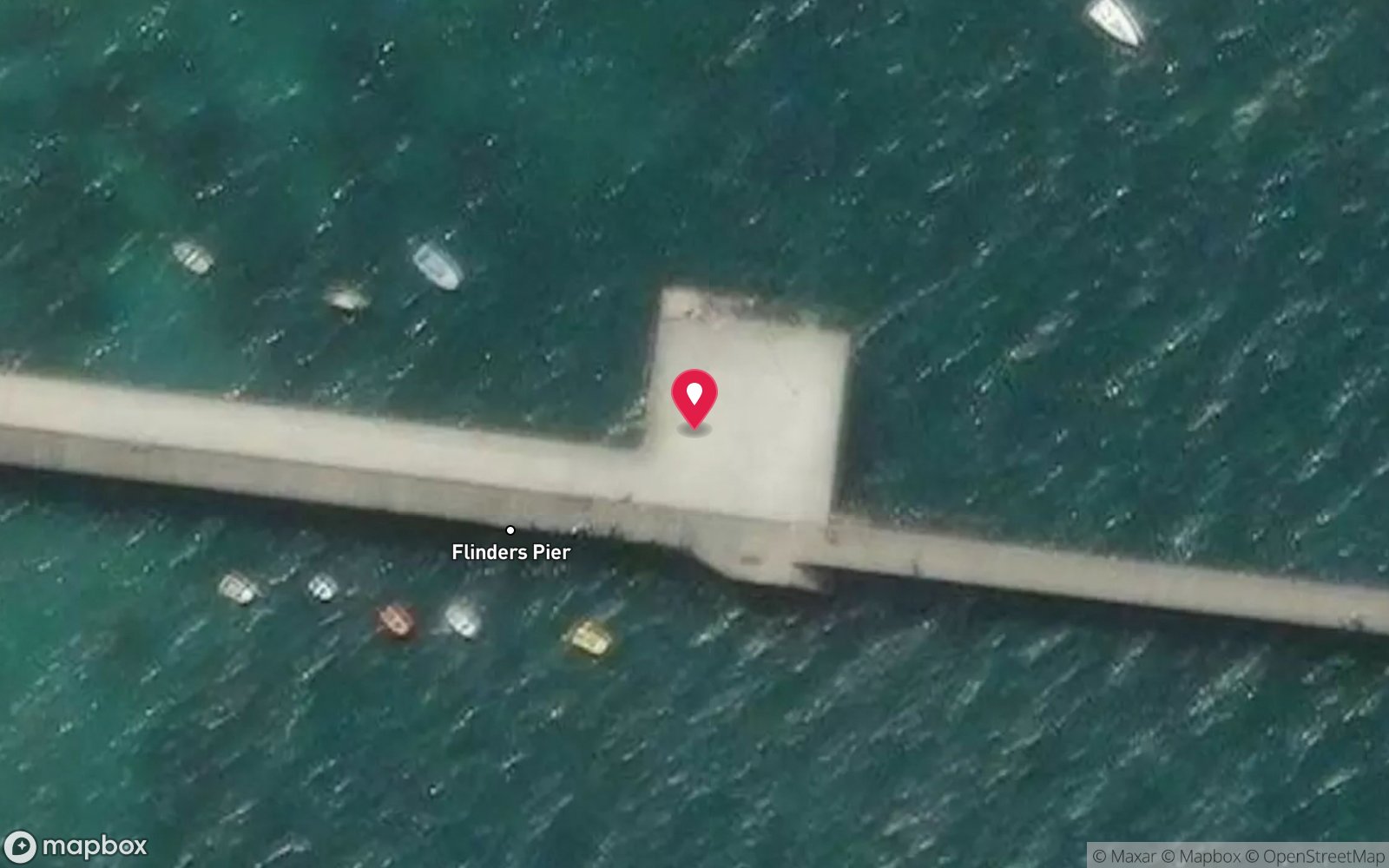
Flinders Pier
Weedy seadragons almost guaranteed in 5 m of water on Western Port.
Our takeThe weedy seadragon capital of the world: dozens of residents in seagrass at 3 to 4 m under a heritage pier on Western Port. Open Water, snorkellers, and the animal that visiting divers come to Victoria for.
5. Port Phillip Heads · VIC
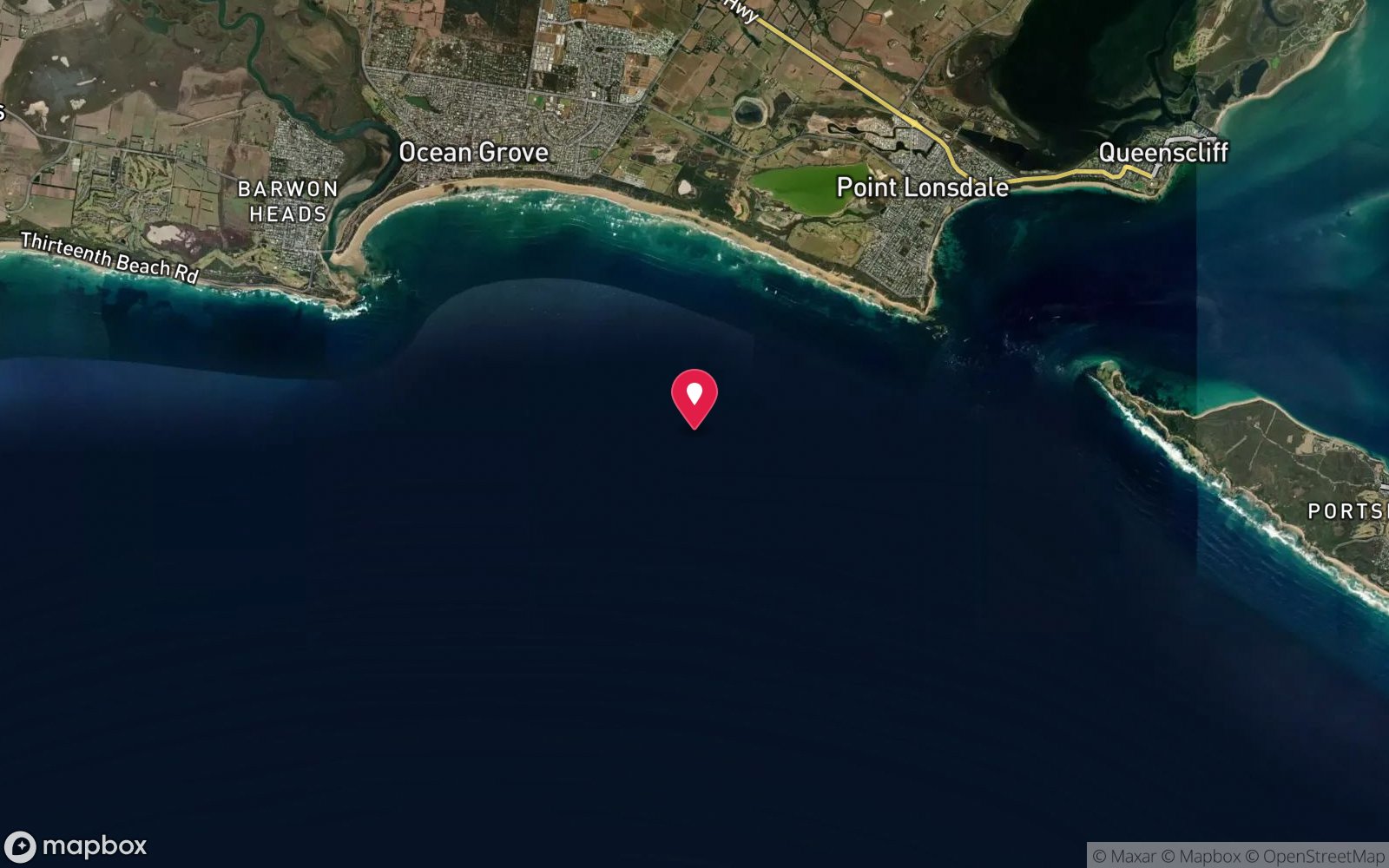
J5 Submarine
A WWI J-class submarine in 36 m in the Ships' Graveyard, the most intact of the four.
Our takeA WWI J-class submarine standing upright in 36 m in the Ships' Graveyard outside the Heads, glowing yellow with zoanthids and open for penetration through the deck hatches. The pick of the Graveyard's forty wrecks.
6. Phillip Island & Western Port · VIC
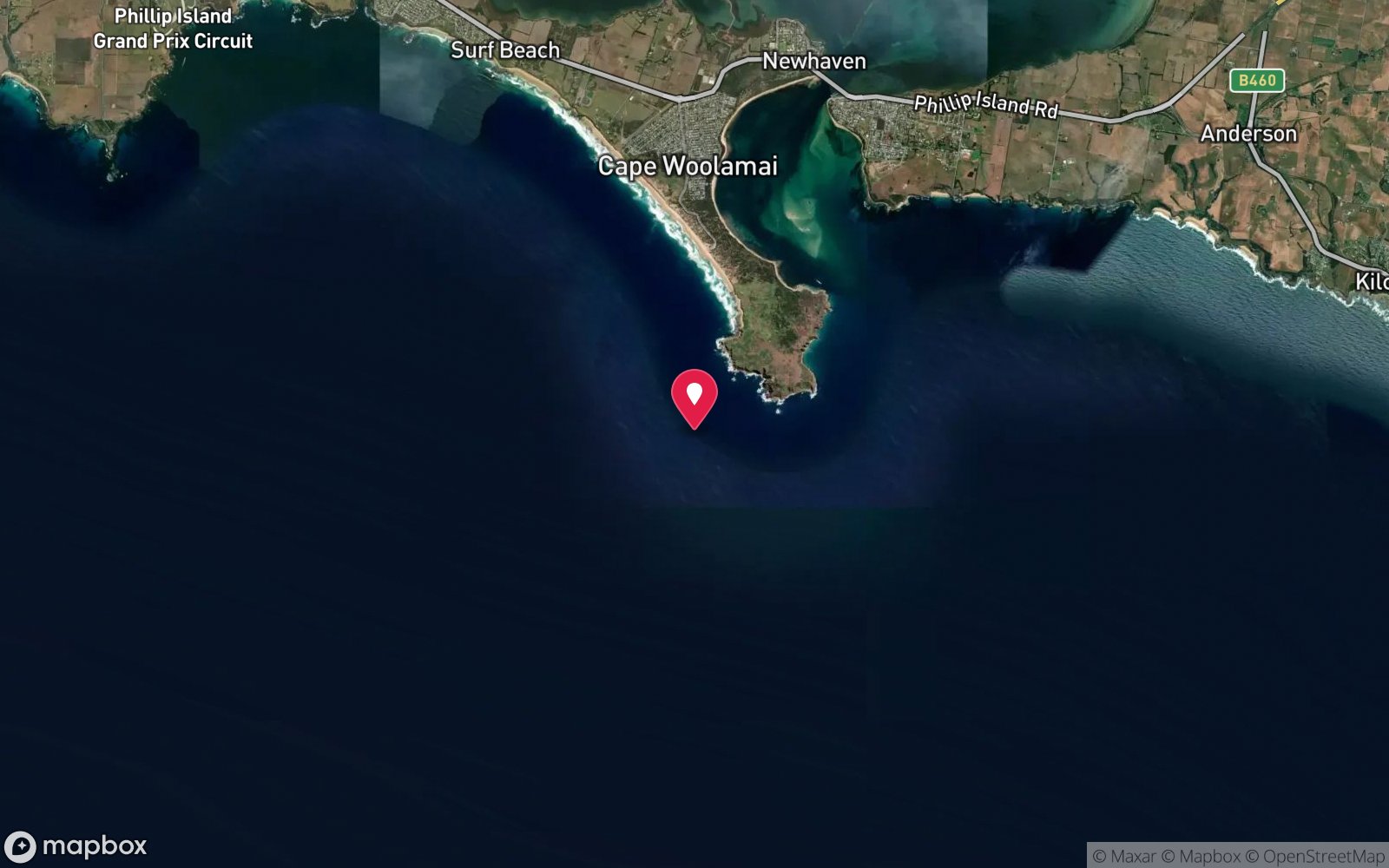
The Pinnacles (Cape Woolamai)
Phillip Island's granite pinnacles with fur seals and bull rays.
Our takeGranite spires rising from 38 m to 9 m off Phillip Island, coated in sponge and soft coral, thick with schooling fish and visited by seals from the colony nearby. Advanced, boat access, and the best of Western Port's outer coast.
7. Mornington Peninsula · VIC
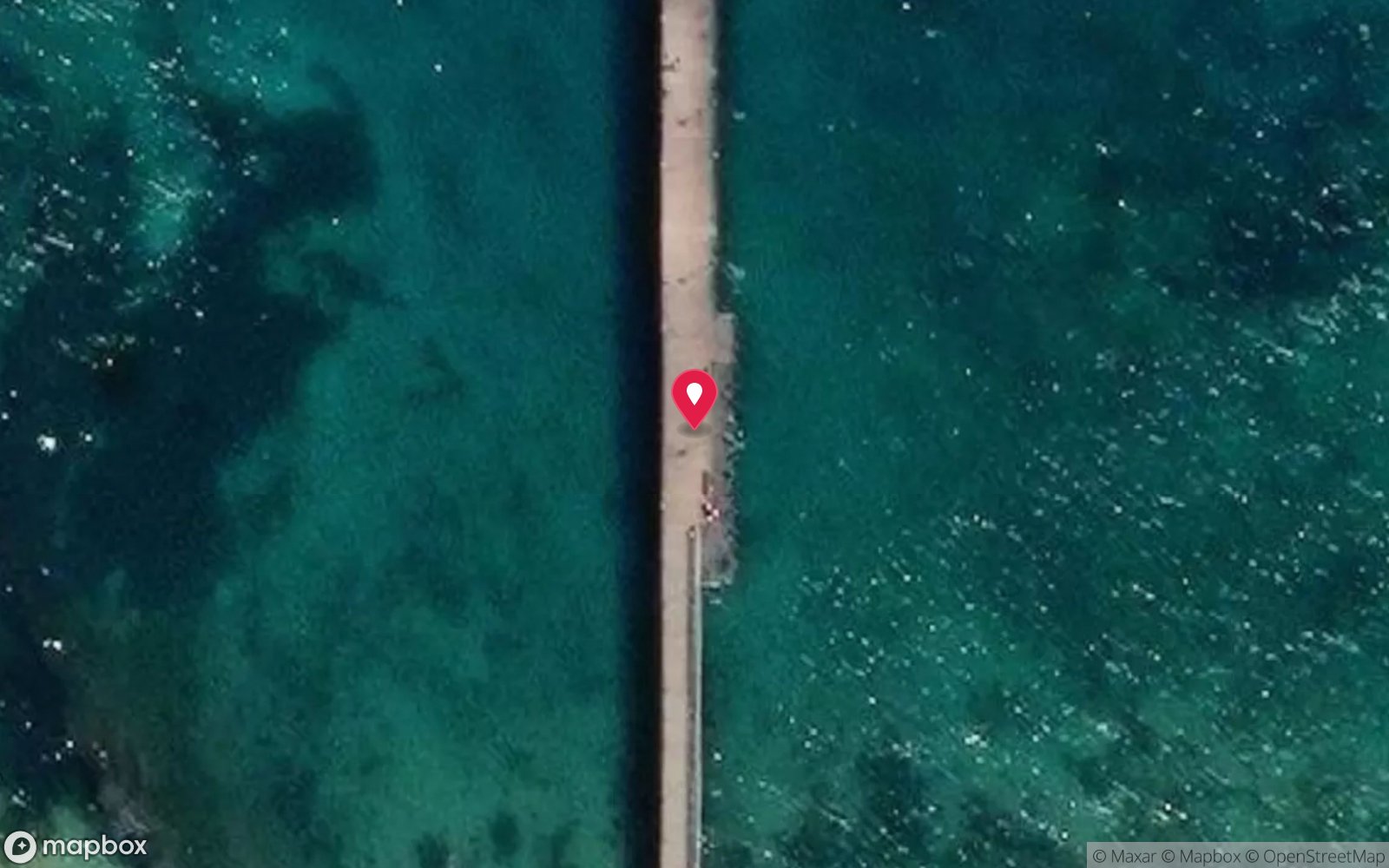
Portsea Pier
Port Phillip's oldest dive pier, with sea dragons and night-dive octopus.
Our takeThe bay-side pier with the most reliable weedy seadragons and the cleanest water, flushed by the tide through the Heads. Kelp at the head, seadragons at the sand edge, and a walk from the pub.
8. Port Phillip Heads · VIC
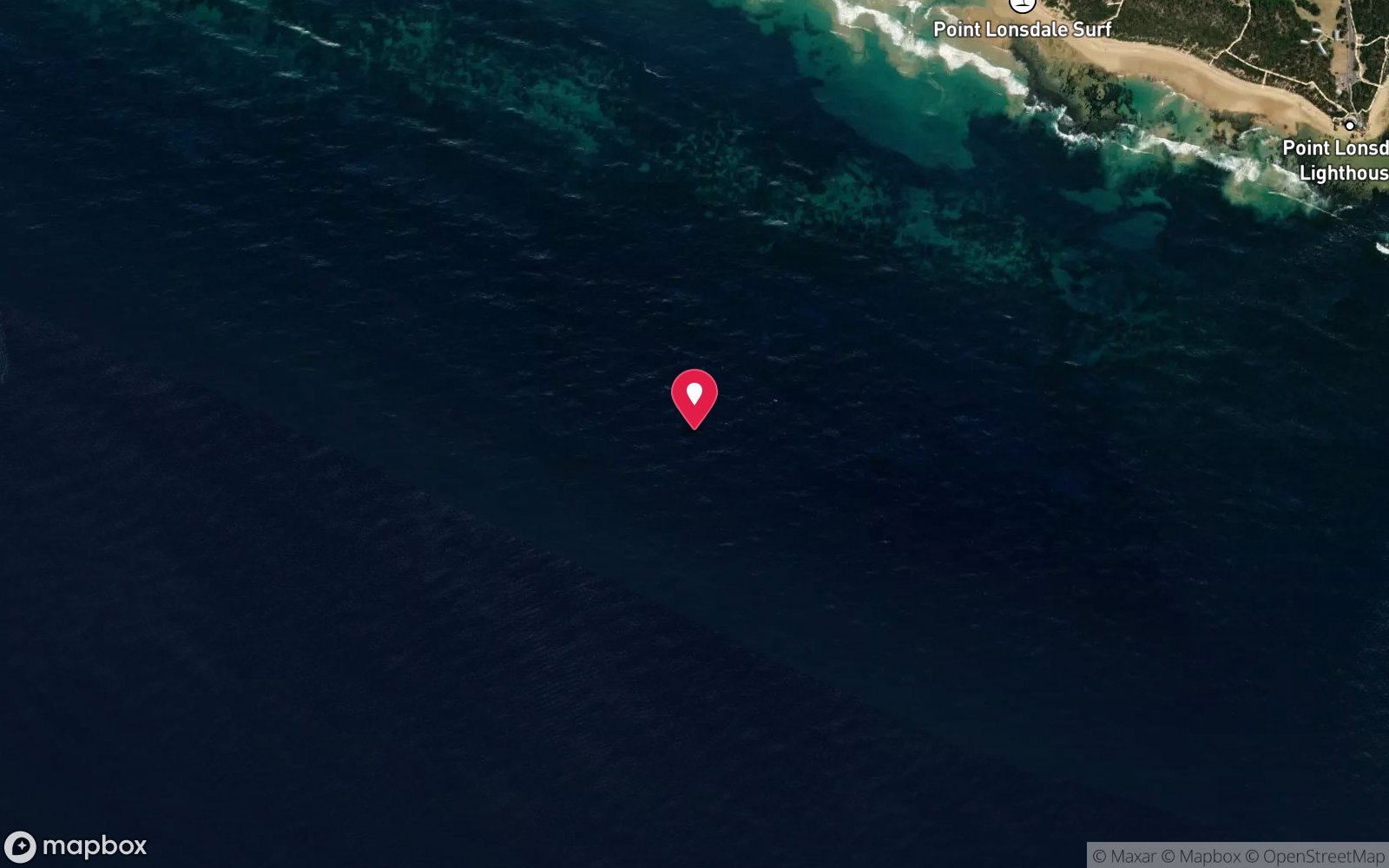
Castle Rock
A Portsea back-beach reef dived only on flat days, with caves and swim-throughs.
Our takeA turreted bommie in open water off Point Lonsdale, 12 to 20 m, with undercuts full of bullseyes and crayfish. The best of the Heads dives for an Open Water diver.
9. Mornington Peninsula · VIC
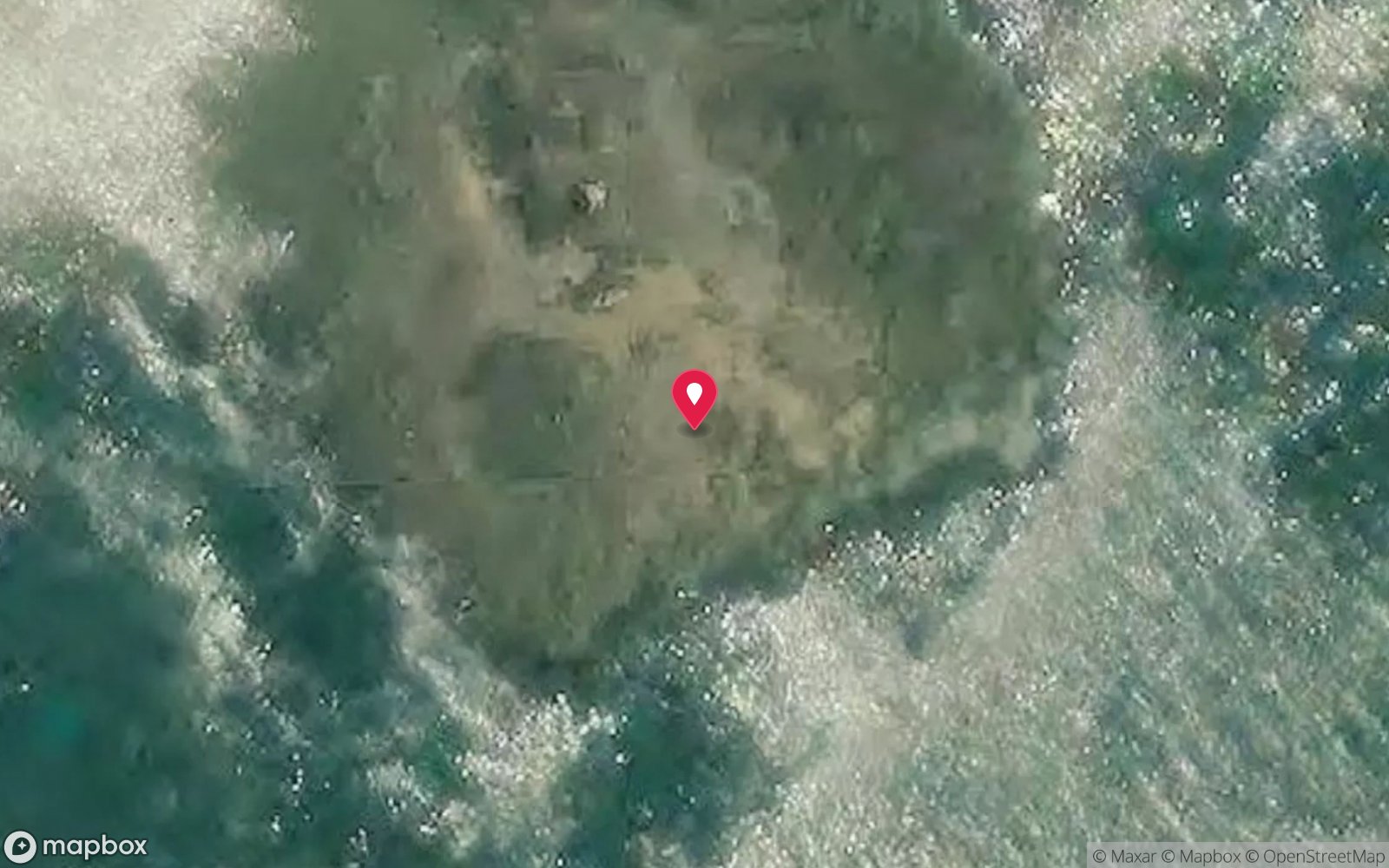
Crawfish Rock
Western Port's tidal pinnacle, one of the most colourful sponge gardens in the state.
10. Melbourne & Port Phillip Bay · VIC
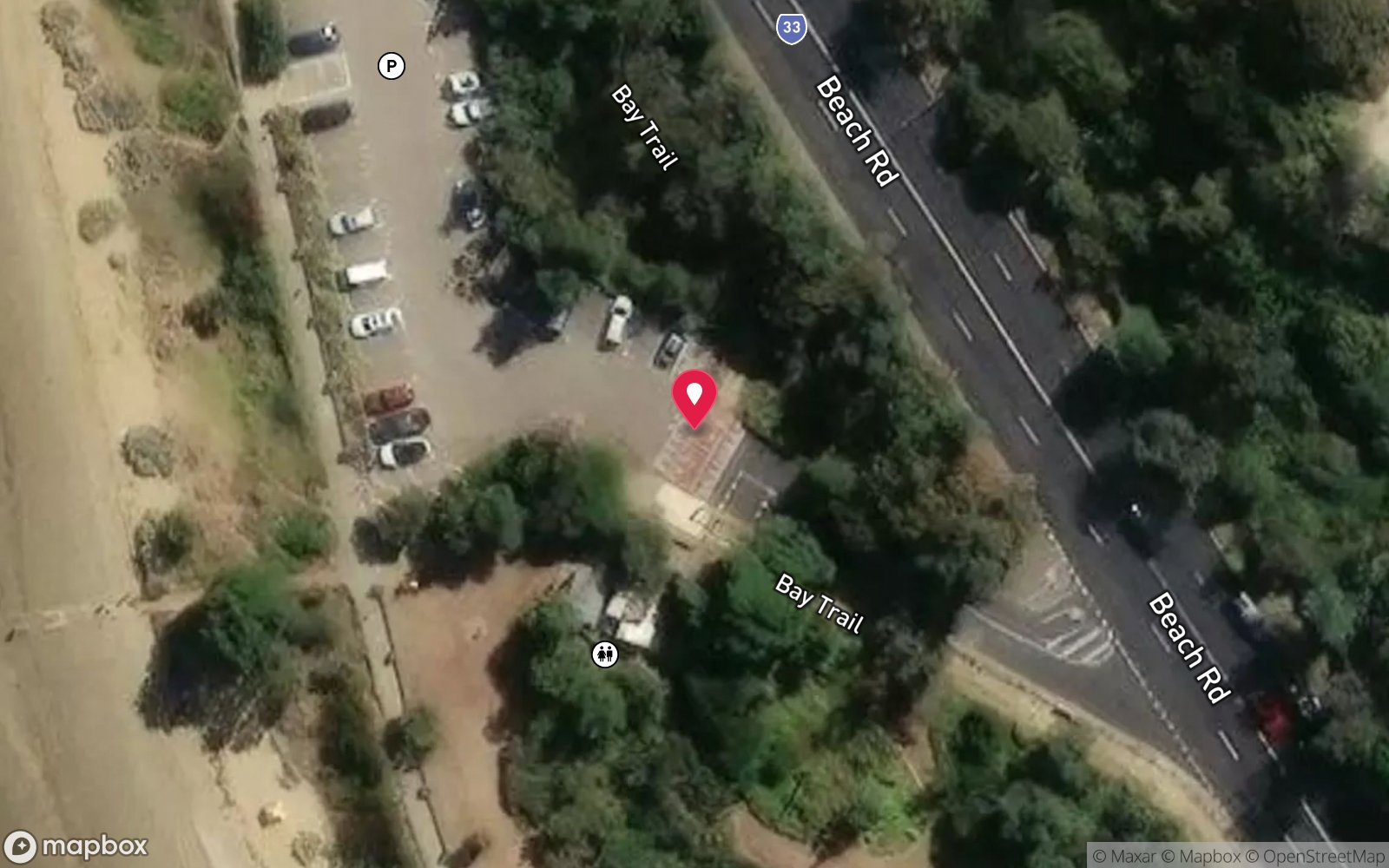
Ricketts Point Marine Sanctuary
Melbourne's flagship marine sanctuary: eight shallow reef entries, tame fish, sea caves and seagrass twenty minutes from the CBD, perfect for beginners, snorkellers and night dives.
The guide
Cold, tidal, extraordinary
Victoria is the state most visiting divers underestimate. Port Phillip Bay's entrance, the Heads, is one of the great tidal dive areas of the world: walls and drop-offs covered in colour, forty wrecks in the Ships' Graveyard outside, all dived on the slack of a tide that runs at eight knots in between. The Mornington Peninsula piers hold the world's densest population of weedy seadragons and a macro fauna that fills photographers' hard drives. Phillip Island, Wilsons Promontory and the Surf Coast add granite pinnacles, seals and kelp.
The price is temperature (11 to 20 °C) and planning around the tides. A 7 mm semi-dry with a hood is the minimum; most locals dive dry from May to November.
When and how
February to May is the settled season, with the warmest water and the best visibility outside the Heads. The piers work year-round on the right wind (northerlies for the bay-side piers, southerlies for Flinders). Everything at the Heads and in the Graveyard is dived with an operator from Queenscliff or Portsea who times the slack; do not attempt it independently. The state guide has the tide explanation and the wetsuit guide the temperatures month by month.
Editorial last reviewed September 2026. The list itself is regenerated from the directory daily.
Frequently asked questions
What is the best dive site in Victoria?
Our first pick is at the top of the list, with the reasons. The state guide explains the seasons, water temperatures and training each site needs.
When is the best time to dive Victoria?
February – May: Warmest water (17–20 °C), settled weather, best Heads visibility. Peak charter season. May – June: Giant spider crab aggregation at Blairgowrie and Rye piers; cold but calm. August – October: Giant cuttlefish and dragon breeding season on the piers; drysuit weather.
More rankings
- The Top 10 Dive Sites in New South Wales
- The Top 10 Dive Sites in Queensland
- The Top 10 Dive Sites in Western Australia
- The Top 10 Dive Sites in South Australia
- The Top 10 Dive Sites in Tasmania
- The Top 10 Dive Sites in the Northern Territory
- The Top 10 Dive Sites in Australia's External Territories
- All rankings →