The Japanese air raids on Darwin left the harbour's war graves; Sydney Harbour has the remains of the 1942 midget submarine attack; flying boats lie in Roebuck Bay; and merchant ships torpedoed along the east coast rest in deep water. This list covers every wreck in the directory recorded as lost between 1939 and 1945.
Updated daily from the directory. 5 sites listed.
1. Rottnest Island · WA
Shark Hopper Barge (Henrietta Rocks)
Lost 1939 · A 1939 hopper barge sitting partly out of the water a few strokes from the beach - an easy and photogenic wreck snorkel.
2. Broome & Kimberley · WA
Roebuck Bay Flying Boat Wrecks (deep-water Catalinas)
Lost 1942 · WWII Catalina flying boats sunk in the 1942 Broome raid, with engines and turret still recognisable.
3. Broome & Kimberley · WA
Town Beach Flying Boat Wrecks (low-tide walk)
Lost 1942 · Walk among WWII flying-boat wrecks on the mudflats at extreme low tide.
4. Rottnest Island · WA
Uribes Wreck
Lost 1942 · A 1942 schooner filled with sand in 2.5-4 m just metres from the beach - Rottnest's easiest wreck snorkel.
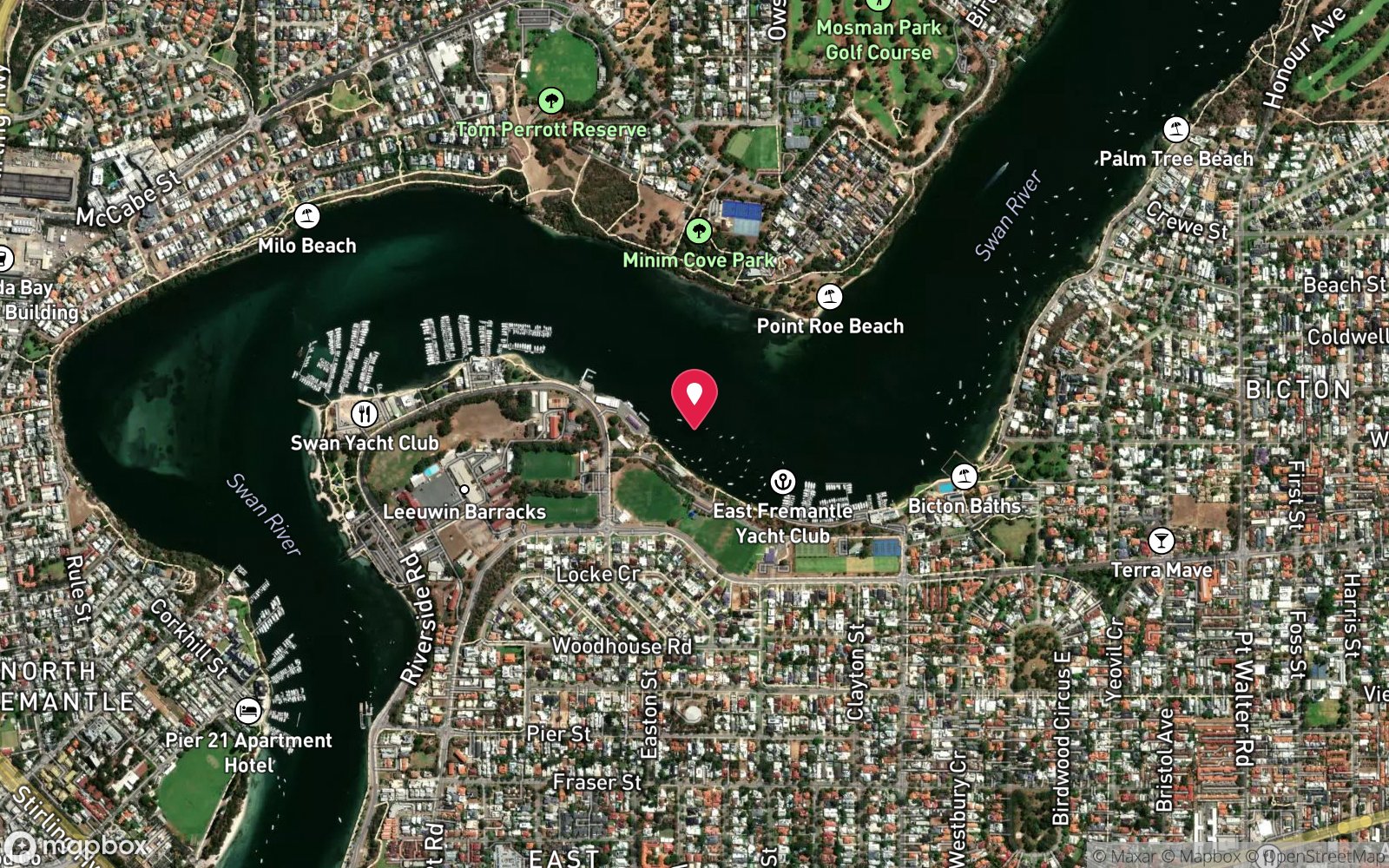
5. Perth · WA
ALC40 & Gay Dragon Wrecks (Bicton)
Lost 1943 · A WWII landing craft and a sunken junk-style pleasure boat that together are the Swan River's most reliable seahorse site.
The guide
Australia's war at sea, underwater
The Second World War reached Australian waters in three ways: German raiders and mines off the south-east coast in 1940 and 1941, the Japanese air raids on Darwin from February 1942, and Japanese submarines along the east coast in 1942 and 1943. Each left wrecks. The mines took the City of Rayville and the Cambridge off Victoria; the Darwin raids sank eight ships in the harbour in a morning; the submarines torpedoed freighters from Cairns to Gabo Island and put a midget submarine into Sydney Harbour.
This list is ordered by the year the wreck was lost among wrecks from 1939 to 1945, which is why the pre-war-loss Belbowrie at Maroubra opens it; from there it runs through the 1940 minings, the 1942 raids and the late-war reef strandings.
Darwin Harbour is the centre
Nowhere else in Australia has a cluster of Second World War wrecks that a recreational diver can visit in a weekend. The Meigs, Mauna Loa, Zealandia, British Motorist and Peary all lie in 18 to 30 m within the harbour, dived on the neap-tide slack when the current stops and the visibility rises to 5 to 10 m. Darwin's operators run them from April to October; the Peary is a US war grave and is dived under permit conditions. The wrecks are protected under the Underwater Cultural Heritage Act, as is everything else on this list older than 75 years.
The ones you cannot dive
Some of the most important wartime wrecks are closed. The M24 midget submarine off Sydney's northern beaches and the Japanese submarine I-124 off Darwin are protected war graves inside no-entry zones. HMAS Sydney and HSK Kormoran lie in 2,500 m off Shark Bay. AHS Centaur is in 2,000 m off Moreton Island. They appear in the directory for their history, marked as no-dive sites, and the I-124 has a virtual-reality tour produced by the Northern Territory government.
Editorial last reviewed September 2026. The list itself is regenerated from the directory daily.
Frequently asked questions
Can I dive the Darwin Harbour war wrecks?
Yes, with a charter on neap tides in the dry season. The Meigs, Mauna Loa, British Motorist, Zealandia and Kelat are war graves: no entry where remains may be present, no touching.
More rankings
- The 25 Deepest Dive Sites in Australia
- Australia's Most Remote Dive Sites
- The Longest Boat Rides to a Day Dive
- The Warmest Dive Sites in Australia
- The Coldest Dive Sites in Australia
- Australia's Clearest-Water Dive Sites
- The Most Biodiverse Dive Sites in Australia
- The Oldest Shipwrecks You Can Dive in Australia
- All rankings →