Dive slate · divesites.com.au · printed 7 Nov 2026
Brothers and Sisters Rocks (Wedge Bay)
Tasman Peninsula, Tasmania · near White Beach
| Depth | 3–17 m |
|---|---|
| Minimum level | Open Water |
| Difficulty | Beginner |
| Access | Shore |
| Entry | Walk-in from a pebbly beach |
| Current | None |
| Visibility | 4-12 m |
| Water | summer 14-18 °C, winter 10-13 °C |
| Suit | Drysuit strongly recommended year-round; 7 mm semi-dry or two-piece 7 mm wetsuit with hood and gloves is the minimum in summer |
| Best season | Late summer to autumn (February-May) for settled weather and best visibility; diveable year-round between fronts |
| Bottom time | 50 min |
| Position | not published |
| Permit | No permit required |
| Nearest chamber | Royal Hobart Hospital Hyperbaric Medicine Unit (Hobart CBD); DAN emergency hotline 1800 088 200 |
| Emergency | 000 · DAN Asia-Pacific diving emergency 1800 088 200 |
Brothers and Sisters Rocks (Wedge Bay)
Also known as Brothers & Sisters Rocks, Wedge Bay head
Easy, sheltered shore dive from a pebbly beach at the head of Wedge Bay.
Near White Beach · Tasman Peninsula, Tasmania
- Depth
- 3–17 m
- Minimum level
- Open Water
- Access
- Shore
- Boat ride
- Shore entry
- Water
- 14-18 °C
- Visibility
- 4-12 m
Brothers and Sisters Rocks (Wedge Bay)3–17 m · Open Water · Shore
Dive factsDepths, conditions, location & safety
Season
Off-peak nowBest months: January, February, March, April, May, December.
Late summer to autumn (February-May) for settled weather and best visibility; diveable year-round between fronts
- Best months
- Now (November)
Dive facts
- Depth
- 3–17 m
- Typical depth
- 10 m
- Certification
- Open Water
- Difficulty
- Beginner
- Depth tier
- Open Water (10–18 m)
- Access
- Shore
- Dive centre needed
- No – independently diveable
- Shore / independent
- Yes
- Current
- None
- Visibility
- 4-12 m
- Water temp (summer)
- 14-18 °C
- Water temp (winter)
- 10-13 °C
- Water
- Cold Temperate
- Bottom time
- 50 min
- Dive traffic
- Rarely dived (private boat/club only)
- Night dive
- Possible
- Snorkel friendly
- Yes
Exposure suit
Drysuit strongly recommended year-round; 7 mm semi-dry or two-piece 7 mm wetsuit with hood and gloves is the minimum in summer
Location
Wedge Bay – Nubeena
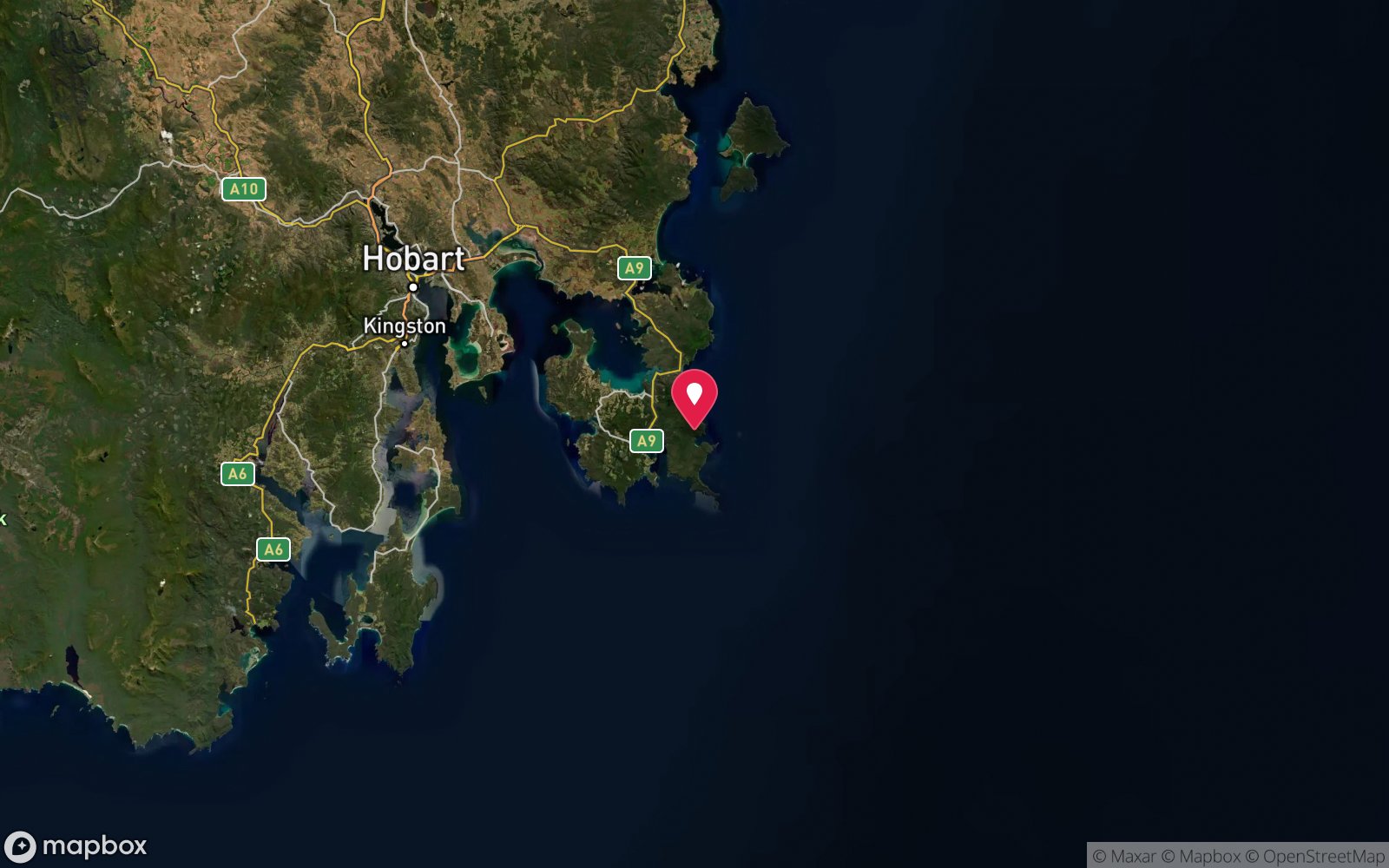
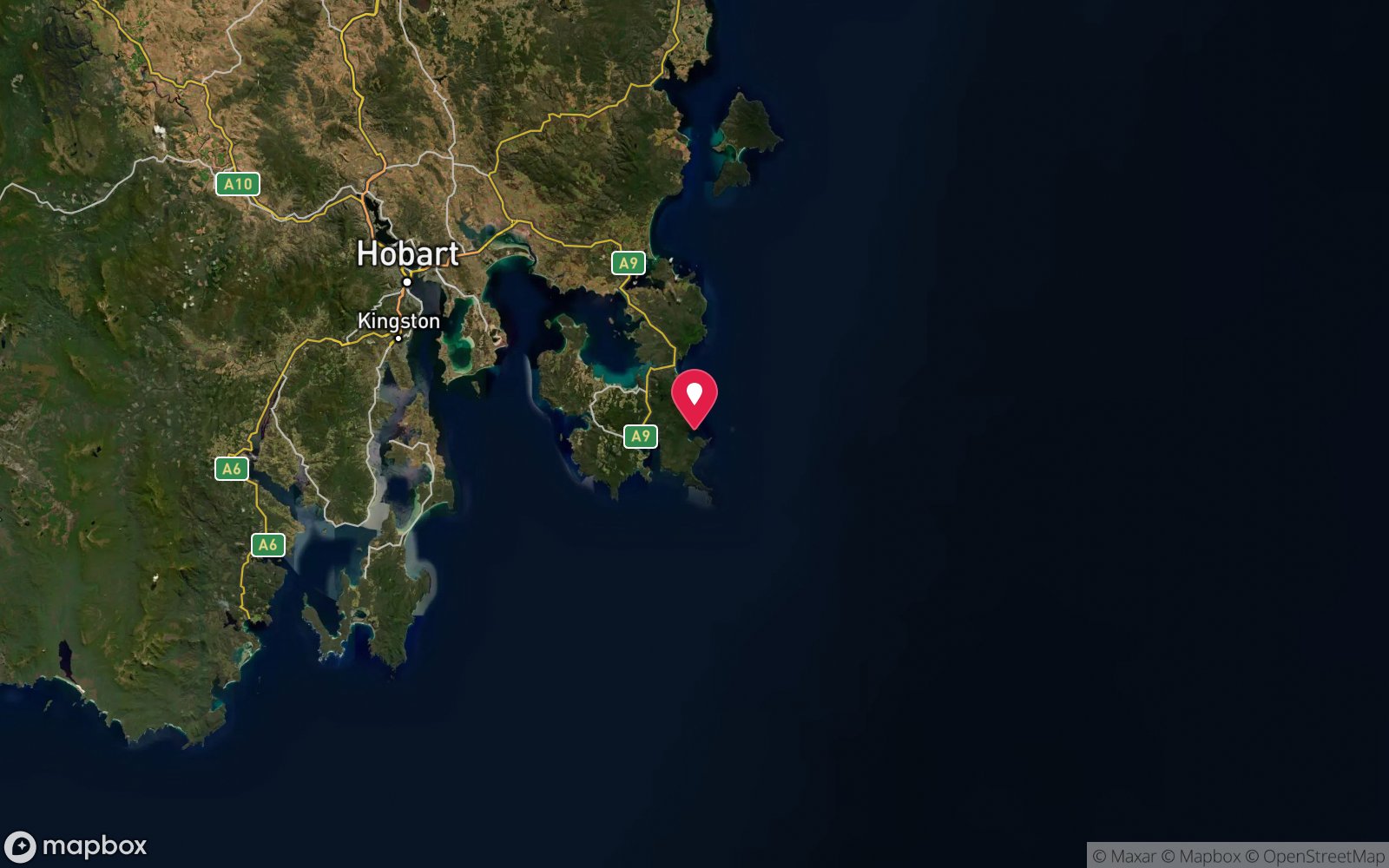
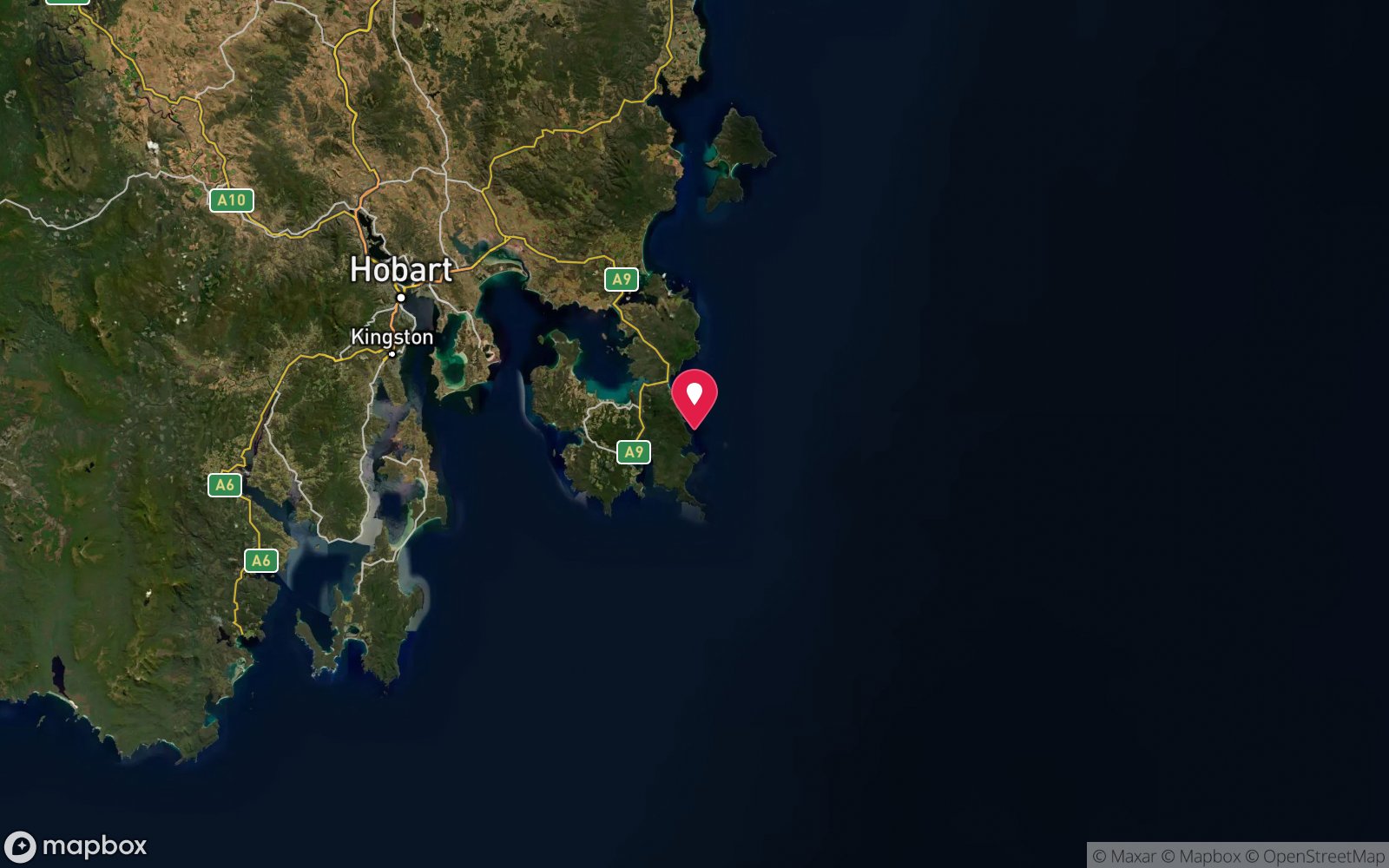
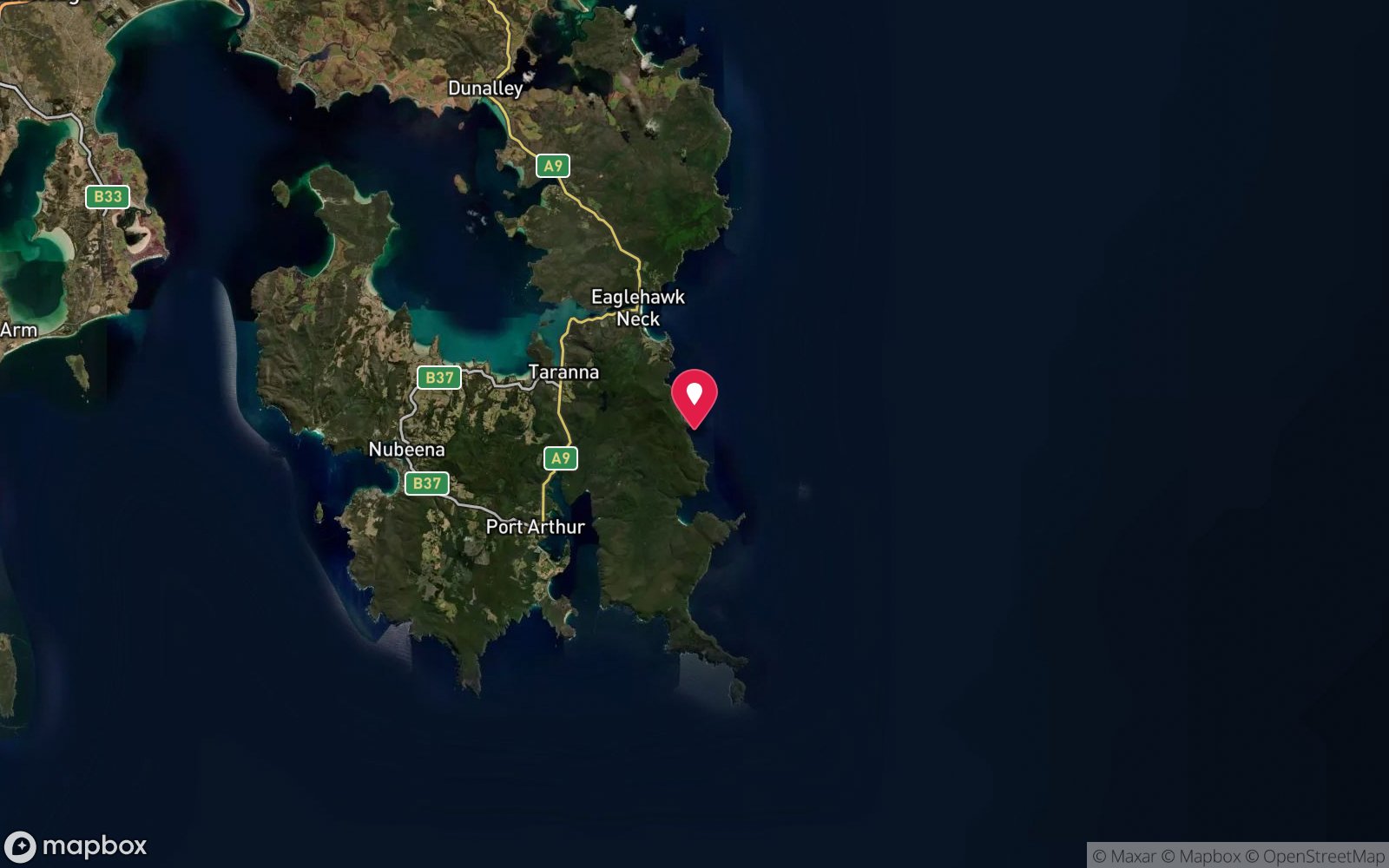
No published coordinates. The map above shows the general area, estimated from documented sites across the Tasman Peninsula region.
Primary source: marinelife.org.auMarine park & permits
No permit required
Nearest recompression chamber
Royal Hobart Hospital Hyperbaric Medicine Unit (Hobart CBD); DAN emergency hotline 1800 088 200
Diving emergency: call 000, then DAN AP 1800 088 200.
Trip planner
Build a trip around Brothers and Sisters Rocks (Wedge Bay) →
A day-by-day plan for Tasman Peninsula with this site locked in.
This guide is a planning aid. Conditions change daily — confirm with a local dive centre and dive within your training. Data & safety notes.
Dive profile
How this site rates
Scores are computed from the recorded data, not opinions. How?
At a glance
Brothers and Sisters Rocks (Wedge Bay) is a shore / rock platform shore dive you can do independently in Tasman Peninsula, TAS, 3–17 m, suited to Open Water divers.
Rated beginner: sheltered, shallow and manageable for a newly certified diver on a normal day, though note boat traffic overhead and cold water.
Why dive here
- Easy, sheltered shore dive from a pebbly beach at the head of Wedge Bay.
- Snorkel-friendly, so non-diving companions can join at the surface.
- Rarely dived: expect to have the site to yourself, and plan your own logistics.
Conditions to avoid
- Strong southerly or south-east swell and wind
- Afternoon north-easterlies
- Strong westerlies
About Brothers and Sisters Rocks (Wedge Bay)
The Brothers and Sisters Rocks – not to be confused with the Sisters Rocks off the Forestier Peninsula – are a group of rocks at the head of Wedge Bay on the western side of the Tasman Peninsula. The Marine Life Network guide describes an easy shore dive in 8-17 m from a pebbly beach, over a gently sloping reef with a seaweed garden, and records octopus, hermit crabs and reef fish. It is the most accessible of the Wedge Bay sites for divers without a boat.
The reef slopes gradually away from the beach and is covered in brown and red algae, with sand channels and scattered boulders. Octopus hide in holes in the reef, hermit crabs and sea stars cover the sand, and wrasse, leatherjackets and small schools of fish feed along the reef edge. It is a sheltered site: the head of Wedge Bay is protected from the southerly swell that affects Storm Bay, making it a reliable option for training, easy dives and night dives.
Visibility is modest, as is typical for Storm Bay, and drops after westerly blows. The site is quiet and seldom documented, so ask locally about the best entry and parking. Combine it with a boat dive at Wedge Island or Fosters Rock, or use it as an easy shore dive during a stay at White Beach or Nubeena.
Because it can be dived without a boat or an operator, it is a good choice for independent divers who have filled cylinders in Hobart and want an easy dive on the way to or from the peninsula's southern attractions.
Getting there & entry
Shore dive from a pebbly beach at the head of Wedge Bay onto a gently sloping reef with a seaweed garden.
Nubeena is on the western side of the Tasman Peninsula, about 1 hour 30 minutes from Hobart: take the Arthur Highway to Port Arthur's turn-off near Taranna and follow the B37 (Nubeena Road) west. There are boat ramps at Nubeena and White Beach. The Marine Life Network guide places the Brothers and Sisters Rocks at the head of Wedge Bay with shore entry from a pebbly beach; follow the coastal road around the bay between Nubeena and White Beach and look for roadside parking near the rocks.
The walk to the water is short. Local residents can point out the rocks.
Entry: Walk-in from a pebbly beach
Facilities: Roadside parking; toilets and store at Nubeena and White Beach; no fills on the western side.
Weather, swell & tides
Wedge Bay and the White Beach–Nubeena coast face west and south-west into Storm Bay and the mouth of the Derwent. North-westerly to south-westerly winds and southerly groundswell make the outer sites rough and stir up the sand; easterly and north-easterly winds, which blow out the Tasman Sea coast, leave this side of the peninsula calm, so it complements Eaglehawk Neck. Visibility is generally lower than on the east coast (5-15 m) and drops after westerly blows.
Best in the calm mornings of late summer and autumn. The head of Wedge Bay is sheltered from southerly swell and only westerly winds put chop on the beach.
Best season: Late summer to autumn (February-May) for settled weather and best visibility; diveable year-round between fronts
How the dive is usually run
Enter from the pebble beach, swim out over the seaweed garden and follow the reef down the slope to 12-15 m, then turn and return along a shallower contour.
Marine life
- Octopus →
- hermit crabs
- sea stars
- blue-throated wrasse
- leatherjackets
- small reef fish
- brown and red algae
Linked species have their own page listing every site where they are recorded. All marine life →
Training required
Within the 18 m limit of an entry-level certification.
Courses that help here
- Drysuit Diver – Cold water; locals dive dry for much of the year.
- Peak Performance Buoyancy – Silt and low visibility punish poor trim.
Depth tiers: 0–10 m easy · to 18 m Open Water · 18–30 m Advanced (25 m+ is a deep dive) · 30–40 m Deep specialty · 40 m+ technical. All courses
Hazards & warnings
Slippery pebbles and rocks on entry; minor boat traffic; low visibility after westerlies.
Dive centres that go here
No operator trips; independent shore divers and snorkellers.
Operators recorded for Brothers and Sisters Rocks (Wedge Bay)
Eaglehawk Dive Centre
ProfiledEaglehawk Neck · Tasman Peninsula · TAS
The principal operation at Eaglehawk Neck, servicing the Tasman Peninsula's sea caves, walls and deeper wrecks.
eaglehawkdive.com.au · 0417 013 518
Go Dive Tasmania
ListedHobart · Hobart & Derwent · TAS
A Tasmanian business providing training, equipment and service support for cold-water diving.
godivetas.com.au · (03) 6231 9749
General area
No position has been published for Brothers and Sisters Rocks (Wedge Bay). The circle shows where it is likely to be, worked out from documented sites across the Tasman Peninsula region. Ask a local operator for the exact site.
Dashed circle: general area (about 14 km), from documented sites across the Tasman Peninsula region. 6 pinned sites. Pins marked approximate on their pages show the general area only; not for navigation.
Brothers and Sisters Rocks (Wedge Bay): frequently asked questions
How deep is Brothers and Sisters Rocks (Wedge Bay)?
Brothers and Sisters Rocks (Wedge Bay) reaches a maximum depth of 17 m, with the shallowest part at about 3 m; most of the dive is spent around 10 m.
What certification do I need to dive Brothers and Sisters Rocks (Wedge Bay)?
Open Water is the recommended minimum. Rated beginner: sheltered, shallow and manageable for a newly certified diver on a normal day, though note boat traffic overhead and cold water.
Can I shore dive Brothers and Sisters Rocks (Wedge Bay)?
Yes. Brothers and Sisters Rocks (Wedge Bay) is a shore dive that can be done independently: walk-in from a pebbly beach.
When is the best time to dive Brothers and Sisters Rocks (Wedge Bay)?
Late summer to autumn (February-May) for settled weather and best visibility; diveable year-round between fronts.
What marine life will I see at Brothers and Sisters Rocks (Wedge Bay)?
Regularly recorded: Octopus, hermit crabs, sea stars, blue-throated wrasse, leatherjackets, small reef fish, brown and red algae.
What wetsuit do I need at Brothers and Sisters Rocks (Wedge Bay)?
Drysuit strongly recommended year-round; 7 mm semi-dry or two-piece 7 mm wetsuit with hood and gloves is the minimum in summer.
How cold is the water at Brothers and Sisters Rocks (Wedge Bay)?
Typically 14-18 °C in summer and 10-13 °C in winter.
What are the main hazards at Brothers and Sisters Rocks (Wedge Bay)?
Slippery pebbles and rocks on entry; minor boat traffic; low visibility after westerlies. See the hazards section above for the full list.
Where is the nearest recompression chamber to Brothers and Sisters Rocks (Wedge Bay)?
Royal Hobart Hospital Hyperbaric Medicine Unit (Hobart CBD); DAN emergency hotline 1800 088 200. In an emergency call 000, then DAN Asia-Pacific on 1800 088 200.
Diving in Tasman Peninsula
The Tasman Peninsula has the tallest sea cliffs in the southern hemisphere, and beneath them some of Australia's most dramatic diving: the Cathedral Cave system and Waterfall Bay's caves and wall, the Sisters and Hippolyte Rocks with their fur seals, the Thumbs, and the remnant giant kelp at Fortescue Bay and Munro Bight. Deep sites like the Patersons Arch and the Nord wreck (40 m) reward experienced divers.
Getting there: Ninety minutes from Hobart. A dedicated dive operator at Eaglehawk Neck runs boat dives; Fortescue Bay and Pirates Bay have shore access.
Sources
Data confidence: Low · Being verified: Exact location and parking not confirmed.. Last updated September 2026. Know this site better? How to send a correction
Nearby dive sites
More shore dives in Tasmania
Explore more
This region
Marine life