Dive slate · divesites.com.au · printed 8 Nov 2026
Dunbar wreck (South Head)
Sydney South & Botany Bay, New South Wales · near Watsons Bay
| Depth | 3–7 m |
|---|---|
| Minimum level | Open Water |
| Difficulty | Intermediate |
| Access | Boat |
| Entry | Giant stride from a boat anchored offshore, then swim in to the inlet |
| Current | Mild |
| Visibility | 5–15 m m |
| Water | summer 21–24 °C °C, winter 15–18 °C °C |
| Suit | 7 mm wetsuit or semi-dry year round; 5 mm adequate Jan–Apr; hood and gloves in winter; drysuit optional Jul–Oct |
| Best season | Winter (Jun–Aug) with westerly winds and flat seas |
| Bottom time | 50 min |
| Position | -33.84831, 151.28802 (GPS) |
| Permit | Protected historic shipwreck under the NSW Heritage Act / Underwater Cultural Heritage Act 2018 – look but do not disturb or remove anything |
| Nearest chamber | Prince of Wales Hospital Hyperbaric Unit (Randwick, Sydney) |
| Emergency | 000 · DAN Asia-Pacific diving emergency 1800 088 200 |
Dunbar wreck (South Head)
Also known as Dunbar, Dunbar anchor site
The resting place of Sydney's worst shipwreck (121 lives, 1857): ballast blocks, copper sheathing, anchors and fragments of china and bottles in a cliff-foot inlet.
Near Watsons Bay · Sydney South & Botany Bay, New South Wales
- Depth
- 3–7 m
- Minimum level
- Open Water
- Access
- Boat
- Boat ride
- ~15 min
- Water
- 21–24 °C
- Visibility
- 5–15 m
Dunbar wreck (South Head)3–7 m · Open Water
Dive factsDepths, conditions, location & safety
Season
Off-peak nowBest months: June, July, August.
Winter (Jun–Aug) with westerly winds and flat seas
- Best months
- Now (November)
Dive facts
- Depth
- 3–7 m
- Typical depth
- 5 m
- Certification
- Open Water
- Difficulty
- Intermediate
- Depth tier
- Easy (0–10 m)
- Access
- Boat
- Offshore
- 0.05 km
- Dive centre needed
- Recommended
- Shore / independent
- No
- Boat ride
- ~15 min
- Current
- Mild
- Visibility
- 5–15 m
- Water temp (summer)
- 21–24 °C
- Water temp (winter)
- 15–18 °C
- Water
- Temperate
- Bottom time
- 50 min
- Dive traffic
- Moderate (occasional charters/club dives)
- Night dive
- No
- Snorkel friendly
- Partial
Exposure suit
7 mm wetsuit or semi-dry year round; 5 mm adequate Jan–Apr; hood and gloves in winter; drysuit optional Jul–Oct
Location
Eastern Suburbs (South Head to Bondi) · Sydney South
-33.84831, 151.28802
Published GPS position.
Open in Google MapsPrimary source: michaelmcfadyenscuba.infoMarine park & permits
Protected historic shipwreck under the NSW Heritage Act / Underwater Cultural Heritage Act 2018 – look but do not disturb or remove anything
Nearest recompression chamber
Prince of Wales Hospital Hyperbaric Unit (Randwick, Sydney)
Diving emergency: call 000, then DAN AP 1800 088 200.
Trip planner
Build a trip around Dunbar wreck (South Head) →
A day-by-day plan for Sydney South & Botany Bay with this site locked in.
This guide is a planning aid. Conditions change daily — confirm with a local dive centre and dive within your training. Data & safety notes.
Dive profile
How this site rates
Scores are computed from the recorded data, not opinions. How?
At a glance
Dunbar wreck (South Head) is a wreck boat dive in Sydney South & Botany Bay, NSW, 3–7 m, suited to Open Water divers, about 15 minutes by boat.
Rated intermediate because of surge on the entry or in the shallows, boat traffic overhead, cold water.
Why dive here
- The resting place of Sydney's worst shipwreck (121 lives, 1857): ballast blocks, copper sheathing, anchors and fragments of china and bottles in a cliff-foot inlet.
- Sunk in 1857 (Three-masted wooden clipper, 61 m, c.1,321 tons); protected as underwater cultural heritage, so look but do not touch.
Conditions to avoid
- Strong southerly or south-east swell and wind
- Afternoon north-easterlies
- Outgoing tide or run-off after rain (poor visibility)
About Dunbar wreck (South Head)
The Dunbar is the most famous shipwreck in Sydney and one of the worst maritime disasters in Australian history. The three-masted clipper was built of British oak and East India teak by James Laing and Sons of Sunderland in 1853 for the shipowner Duncan Dunbar; at 61 m and about 1,300 tons she was the largest ship ever built in Sunderland and carried a copper rampant-lion figurehead. After service as a Crimean War troopship she began the London–Sydney run in 1856.
On the night of 20–21 August 1857, arriving from London with 63 passengers and 59 crew in a gale and driving rain, Captain James Green mistook the gap in the cliffs for the harbour entrance and drove the ship onto the rocks just south of The Gap. She broke up almost immediately. Of 122 aboard, 121 died; the sole survivor, able seaman James Johnson, was washed onto a ledge and hauled up the cliff 36 hours later.
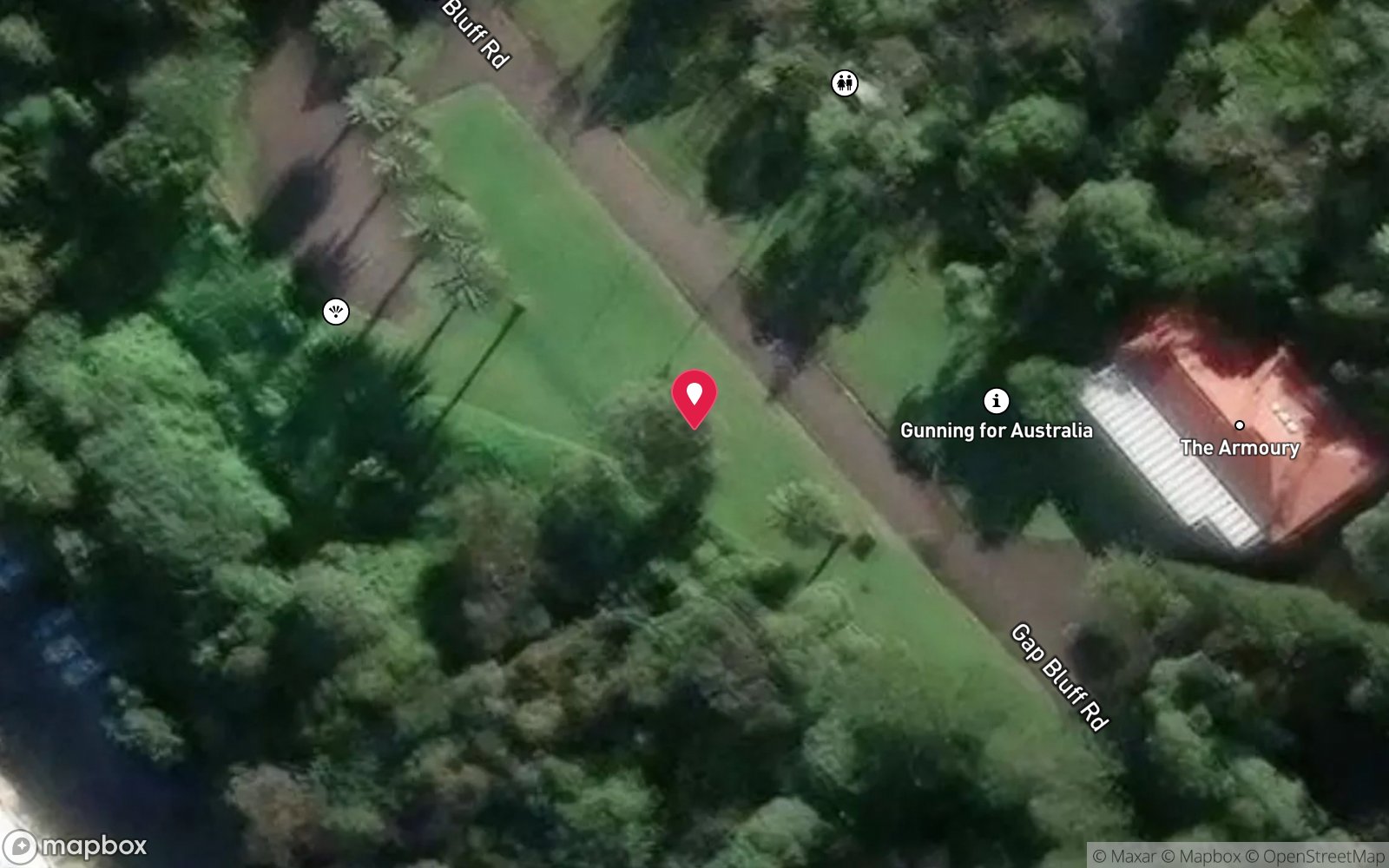
The disaster led directly to the building of the Hornby Lighthouse on South Head. Scuba divers first worked the site in 1955 and much was taken in the 1950s and 1960s, including gold coins, pennies and trade tokens, before it was protected. What remains is a scatter of wreckage in a small inlet at the foot of the cliffs in 4–7 m.
The most obvious features are dozens of iron ballast blocks, sheets of copper sheathing from the hull, lengths of chain, pieces of mast and swing anchors, with two larger anchors lying north of the ballast field. In the crevices divers still see fragments of green, black, blue and clear bottle glass and pieces of decorated china. Kelp covers the site in many years and makes it hard to see the bottom, so the experience varies with the season.
Fish life is typical of the eastern cliffs – luderick, silver sweep, mado, eastern blue gropers and schools of yellowtail – and the cliff face towering above adds atmosphere. It is a shallow, contemplative heritage dive rather than a spectacular one, suited to divers interested in Sydney's history who are comfortable with some surge. It pairs naturally with The Gap reef dive nearby.
Wreck details
Three-masted wooden clipper, 61 m, c.1,321 tons · Sunk 1857 · Protected historic shipwreck
Era: colonial sail and steam. Oldest wrecks · Wartime wrecks · Scuttled warships
Other wrecks of the same era
- Adamson Sponge Gardens · Max 24 m · Sydney Northern Beaches
- SS City of Sydney · Max 21 m · Eden & Green Cape
- Joanna · Max 7 m · Melbourne & Port Phillip Bay
- John Scott · Max 3 m · Shipwreck Coast & Warrnambool
- Admella Wreck (Carpenter Reef) · Max 8 m · Limestone Coast
- Katherine Sharer Wreck · Max 15 m · Huon & Far South
Getting there & entry
Scattered remains of the 1857 clipper Dunbar in a small inlet just south of The Gap on South Head, in 4–7 m at the foot of the cliffs.
Boat only – the cliffs at The Gap are sheer and there is no safe shore access. Launch at Rose Bay (public ramp off New South Head Road) or leave from Watsons Bay/Rushcutters Bay, run out through the Heads and turn south; the inlet is just past The Gap lookout and before the next small point, 10–20 minutes from Rose Bay. Anchor well offshore in 10–15 m clear of the wash off the cliff and swim in on the surface or along the bottom to the ballast field in 4–7 m.
McFadyen's GPS is 33° 50.8988' S 151° 17.2812' E. Most divers do it as a second dive after The Gap or The Colours.
Entry: Giant stride from a boat anchored offshore, then swim in to the inlet
Facilities: Departure only: Rose Bay public ramp (parking, toilets), Watsons Bay wharf and cafés.
Weather, swell & tides
Needs absolutely flat seas. The site sits in 4–7 m right against the base of the South Head cliffs, so any easterly, north-easterly or southerly swell produces heavy surge and backwash that makes it undiveable and dangerous for the boat. Winter westerlies, which flatten the sea against the cliffs, give the best conditions; aim for swell under 1 m and a long period.
Visibility is best after several calm days and on the incoming tide, when clean ocean water replaces harbour runoff. Summer north-easterly sea breezes make the anchorage uncomfortable after midday. Kelp cover varies seasonally and hides much of the wreckage in some years.
Best season: Winter (Jun–Aug) with westerly winds and flat seas
If it's blown out
Sheltered or shore sites within 25 km that often work when Dunbar wreck (South Head) doesn't.
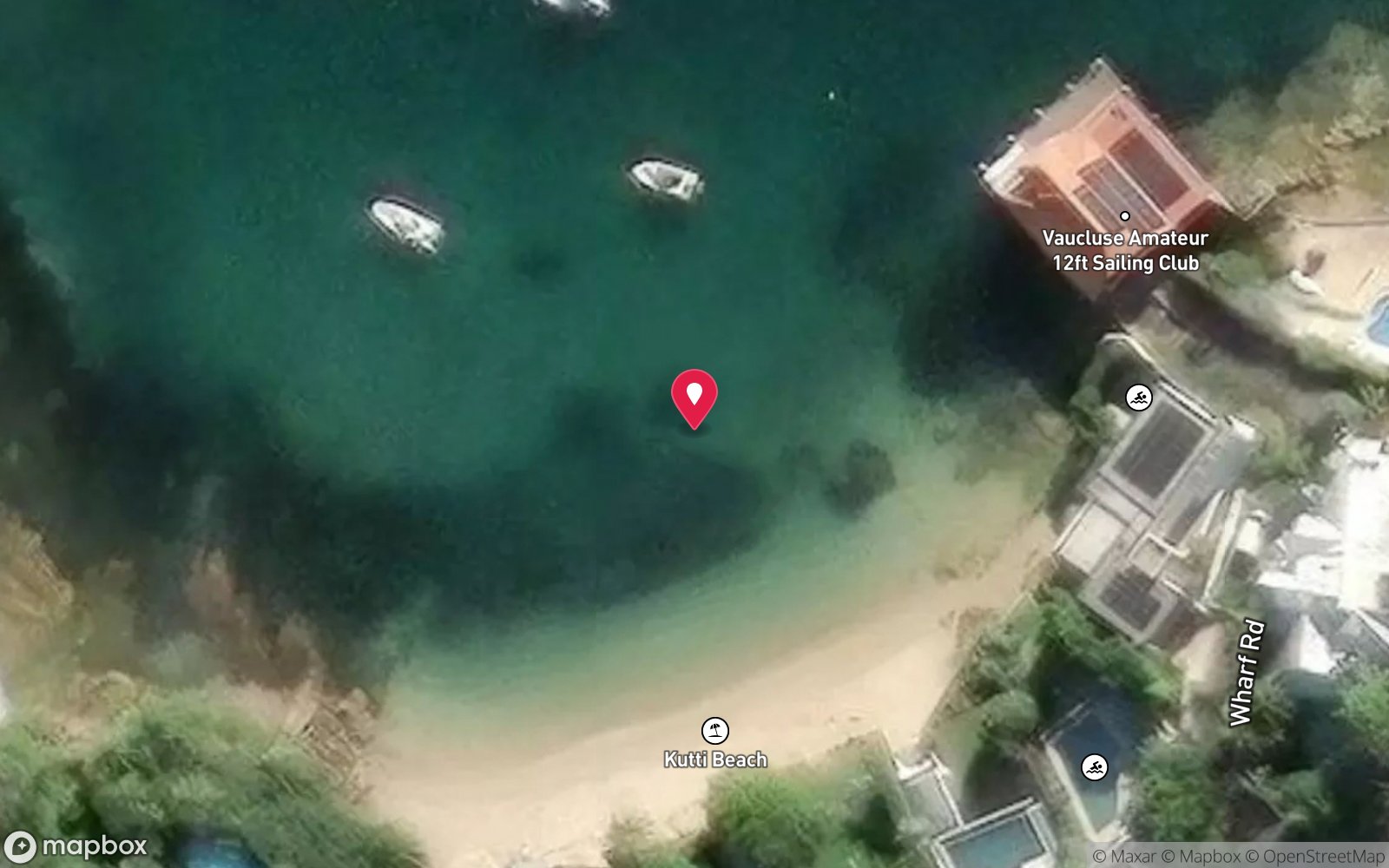
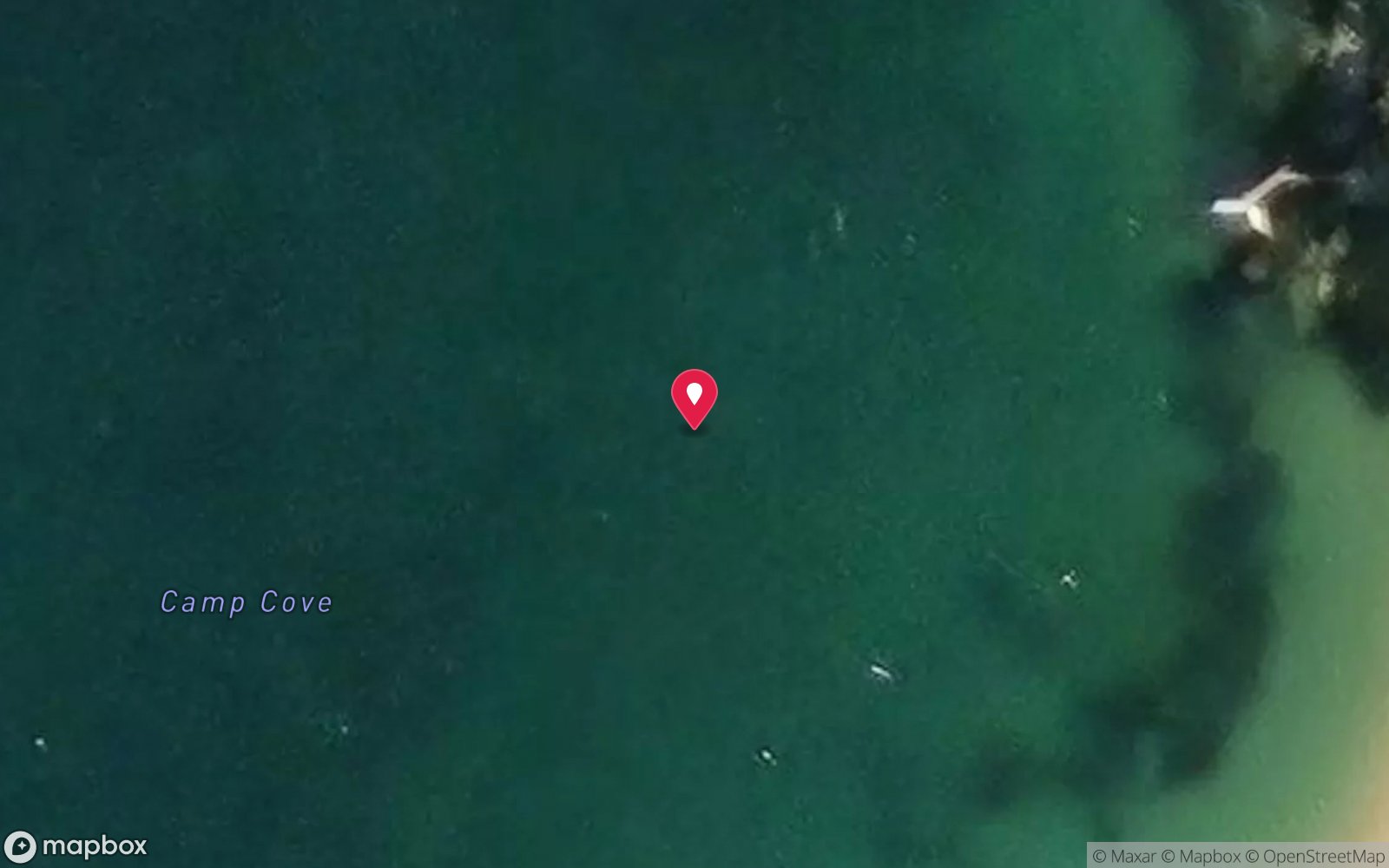
- Camp Cove · 1 km · Max 8 m
- Chowder Bay / Clifton Gardens · 3 km · Max 10 m
- Balmoral Baths · 4 km · Max 5 m
- Fairy Bower · 5 km · Max 10 m
How the dive is usually run
Anchor offshore in 10–15 m, swim in to the inlet and search the bottom in 4–7 m for the iron ballast blocks and copper sheathing, then work north along the base of the cliff to the two anchors lying north of the ballast field. Move slowly and fan kelp aside gently to see small artefacts. Swim back out to the anchor for the ascent; keep well clear of the breaking wash line.
Marine life
- Luderick
- silver sweep
- mado
- eastern blue groper →
- yellowtail
- rock cale
- kelp (Ecklonia) beds
- sea urchins
- cunjevoi
- small wrasse
Linked species have their own page listing every site where they are recorded. All marine life →
Training required
Shallow enough for snorkellers and for a first dive under supervision. Any certified diver can dive it.
Courses that help here
- Drysuit Diver – Cold water; locals dive dry for much of the year.
Depth tiers: 0–10 m easy · to 18 m Open Water · 18–30 m Advanced (25 m+ is a deep dive) · 30–40 m Deep specialty · 40 m+ technical. All courses
Hazards & warnings
Heavy surge and backwash against the cliffs in any swell; no shore exit – cliffs are sheer; boat traffic at the Heads; kelp entanglement; protected heritage site – removing anything is illegal.
Technical notes
Protected historic shipwreck – no disturbance or removal of relics.
Dive centres that go here
Dive Centre Bondi, Pro Dive Coogee and Frog Dive occasionally visit on dead-flat days as a shallow second dive after The Gap; otherwise private boats and clubs.
Operators recorded for Dunbar wreck (South Head)
Frog Dive Sydney
ProfiledGladesville · Sydney South & Botany Bay · NSW
A Willoughby PADI 5 Star IDC founded in 1985, teaching recreational through Trimix and rebreather courses with PADI, SDI and TDI, and testing cylinders in-store.
frogdive.com.au · (02) 9958 5699
Pro Dive Sydney
ProfiledSt Peters · Sydney South & Botany Bay · NSW
Pro Dive's inner-Sydney training centre at Alexandria, close to Camp Cove, Clovelly, Gordons Bay and Bare Island, with courses to Divemaster, hire and servicing.
prodive.com.au · (02) 9665 6333
Dive Centre Bondi
ProfiledBondi · Sydney South & Botany Bay · NSW
An Eastern Suburbs PADI 5 Star IDC on Bondi Road teaching through Instructor and technical levels, with air, Nitrox and Trimix fills and manufacturer-approved servicing.
divebondi.com.au · +61 2 9369 3855
Southern Cross Divers
Named by sitesMosman · Sydney South & Botany Bay · NSW
Main site has an SSL error; a Google Sites page gives Unit 3, 235 Spit Rd Mosman and shop hours, but the last review is January 2023 and no 2025–26 activity was found.
sites.google.com/view/southern-cross-divers/useful-stuff · +61 2 9969 5072
Other dive centres in Sydney South & Botany Bay
Abyss Scuba Diving
ProfiledRamsgate · Sydney South & Botany Bay · NSW
A Sydney operation associated with training across recreational and technical levels, boat diving and equipment services.
abyss.com.au · +61 2 9583 9662
Dive Centre Manly
ProfiledManly · Sydney South & Botany Bay · NSW
A Northern Beaches operation with a long-standing presence at Shelly Beach, offering recreational training, boat diving and technical pathways.
divesydney.com.au · (02) 9977 4355
Pro Dive Brookvale
ProfiledBrookvale · Sydney South & Botany Bay · NSW
Pro Dive's Northern Beaches centre at Brookvale, running the 43-foot dive boat Sea Life V alongside courses, hire, air fills and servicing.
prodive.com.au · (02) 9977 5966
ADRENO Sydney
ProfiledAlexandria · Sydney South & Botany Bay · NSW
The Sydney branch of Adreno, an 850-square-metre spearfishing, freediving and scuba store in Alexandria that also runs SSI scuba courses.
adreno.com.au · (02) 9669 6214
Geo Divers
ProfiledClyde · Sydney South & Botany Bay · NSW
A Sydney PADI 5 Star Instructor Development Centre running small-group courses with two PADI professionals, from Discover Scuba through Instructor training.
geodivers.com.au · (02) 9689 1389
Scuba Warehouse
ListedClyde · Sydney South & Botany Bay · NSW
A Sydney equipment retailer. Whether training and in-house servicing are offered requires verification.
scubawarehouse.com.au · (02) 9689 1389
Map
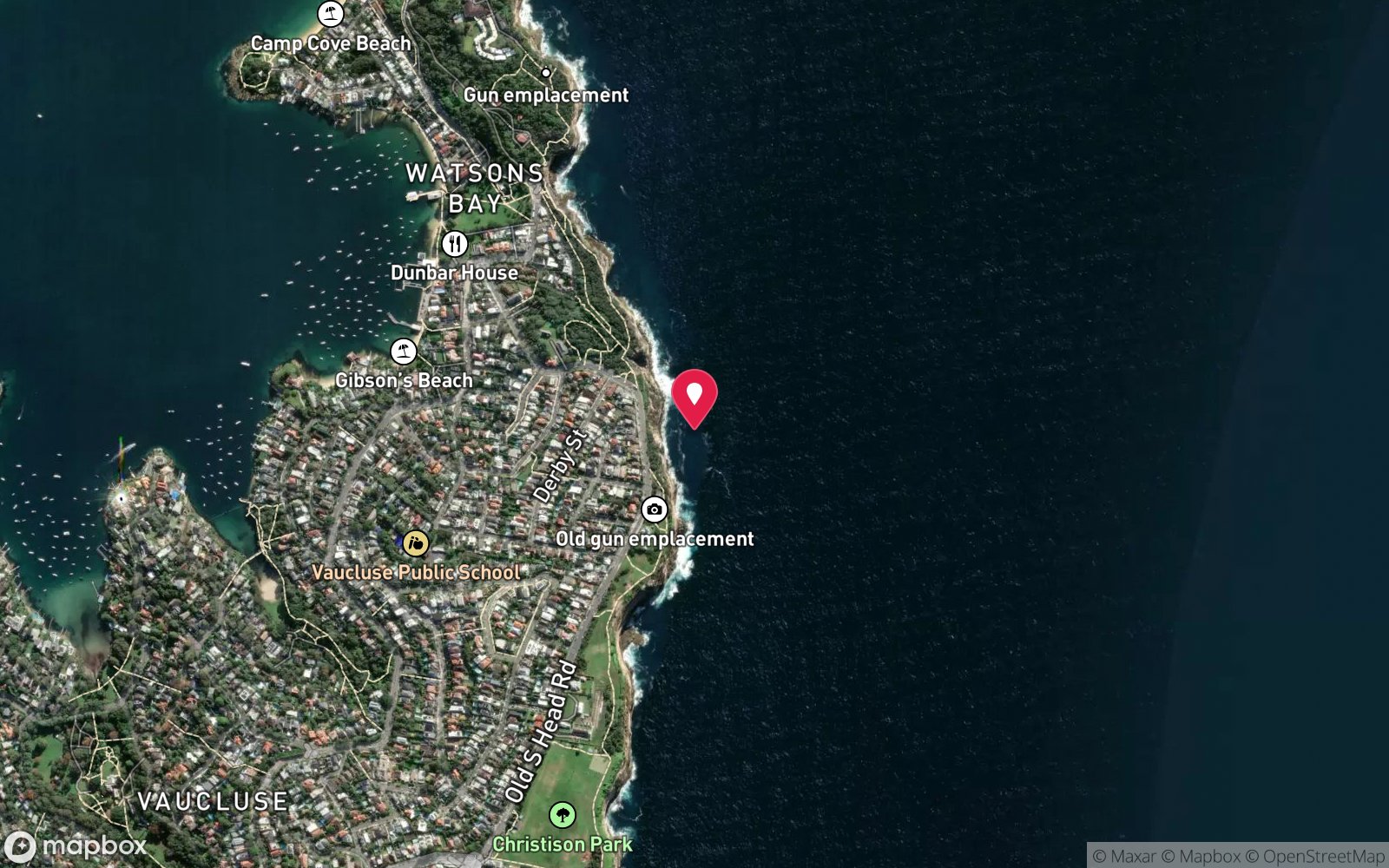
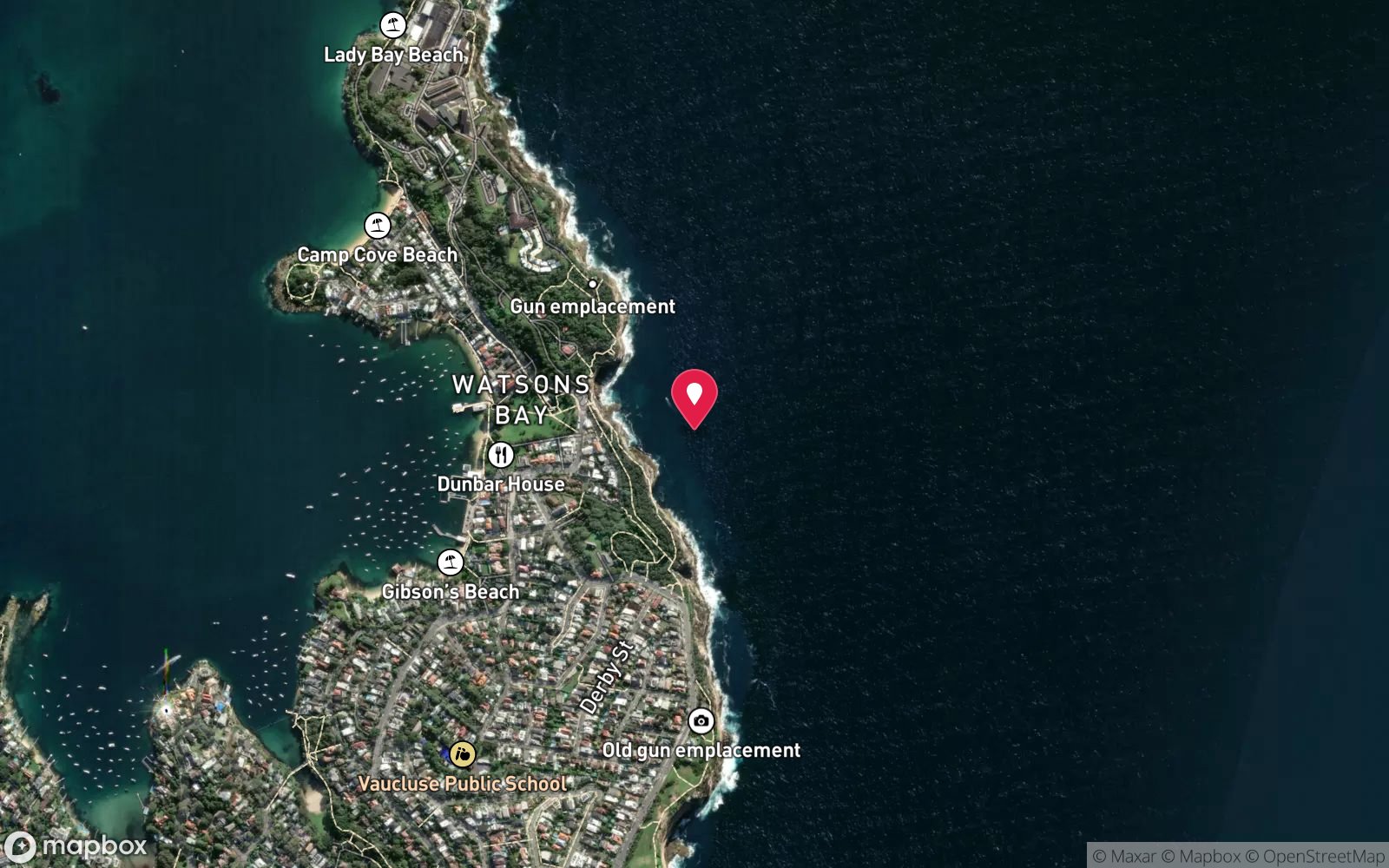
7 pinned sites. Pins marked approximate on their pages show the general area only; not for navigation.
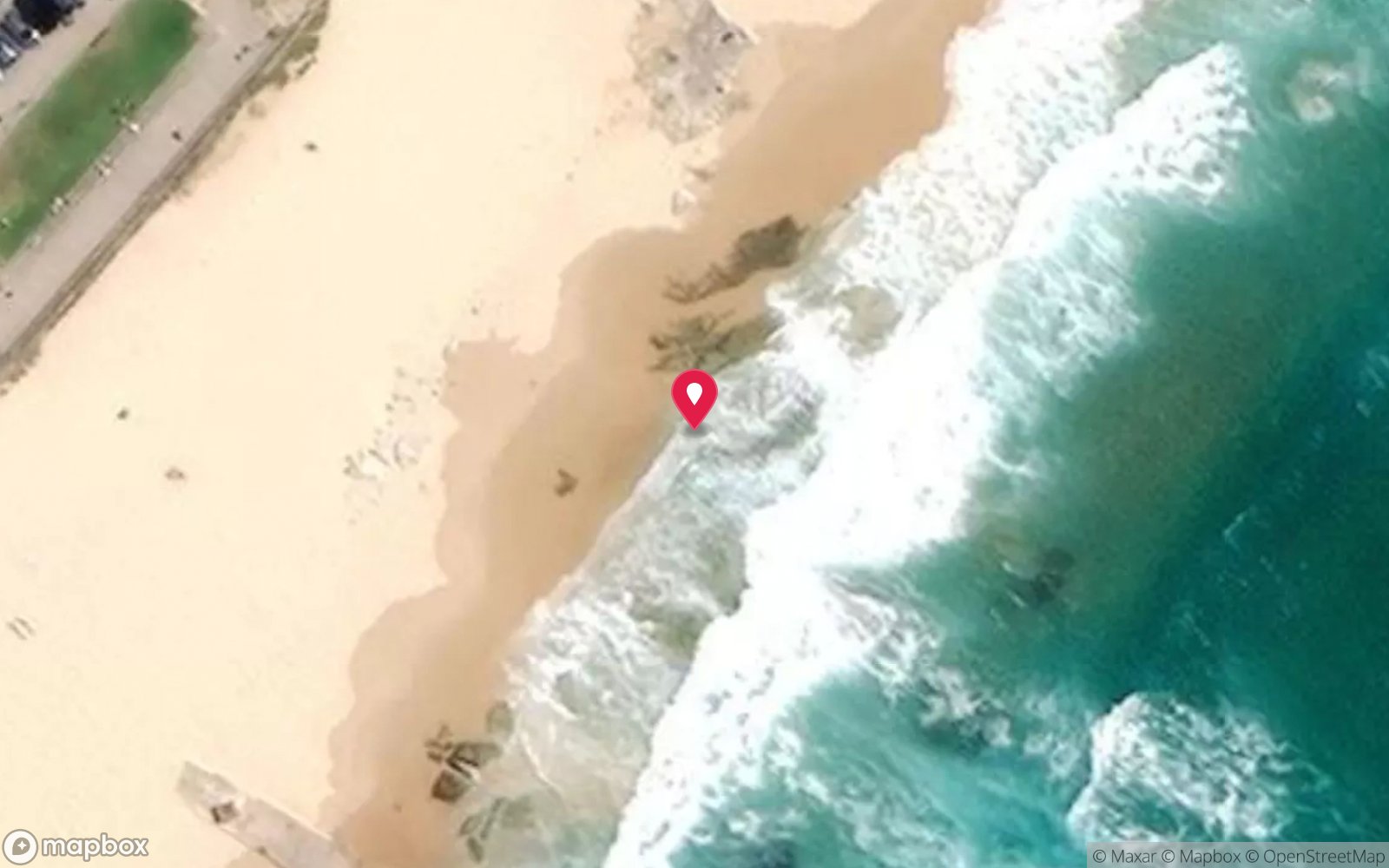
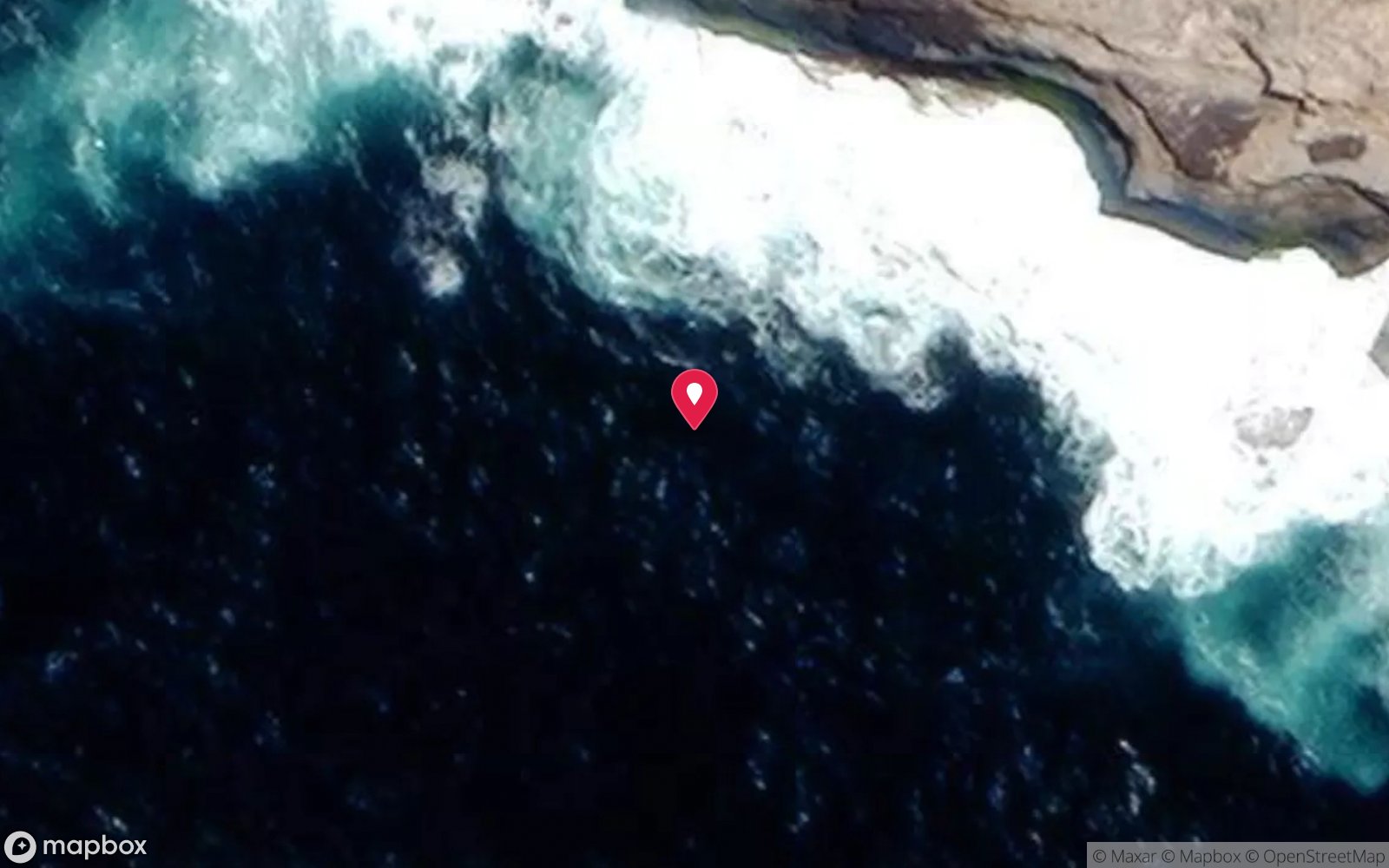
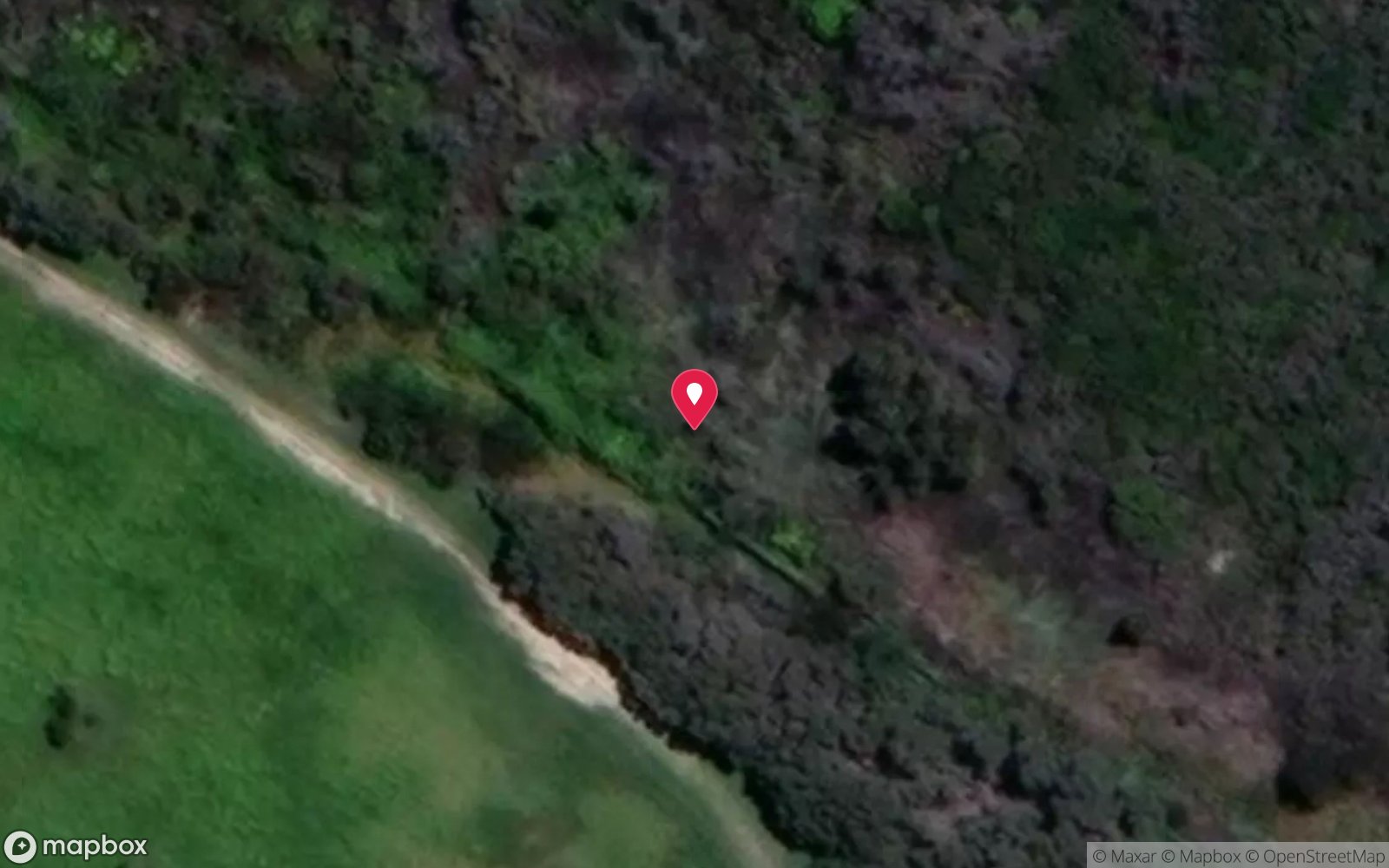
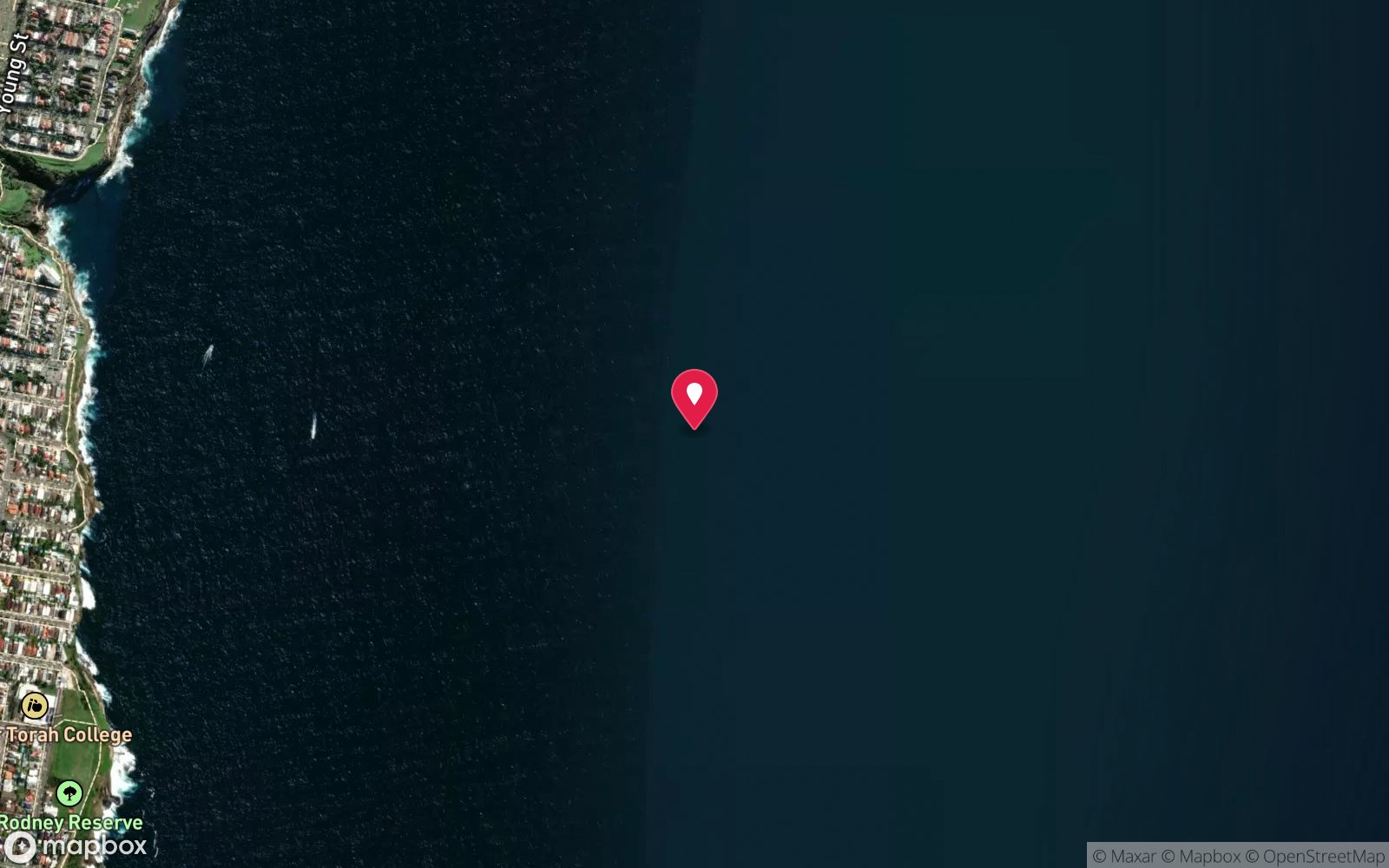
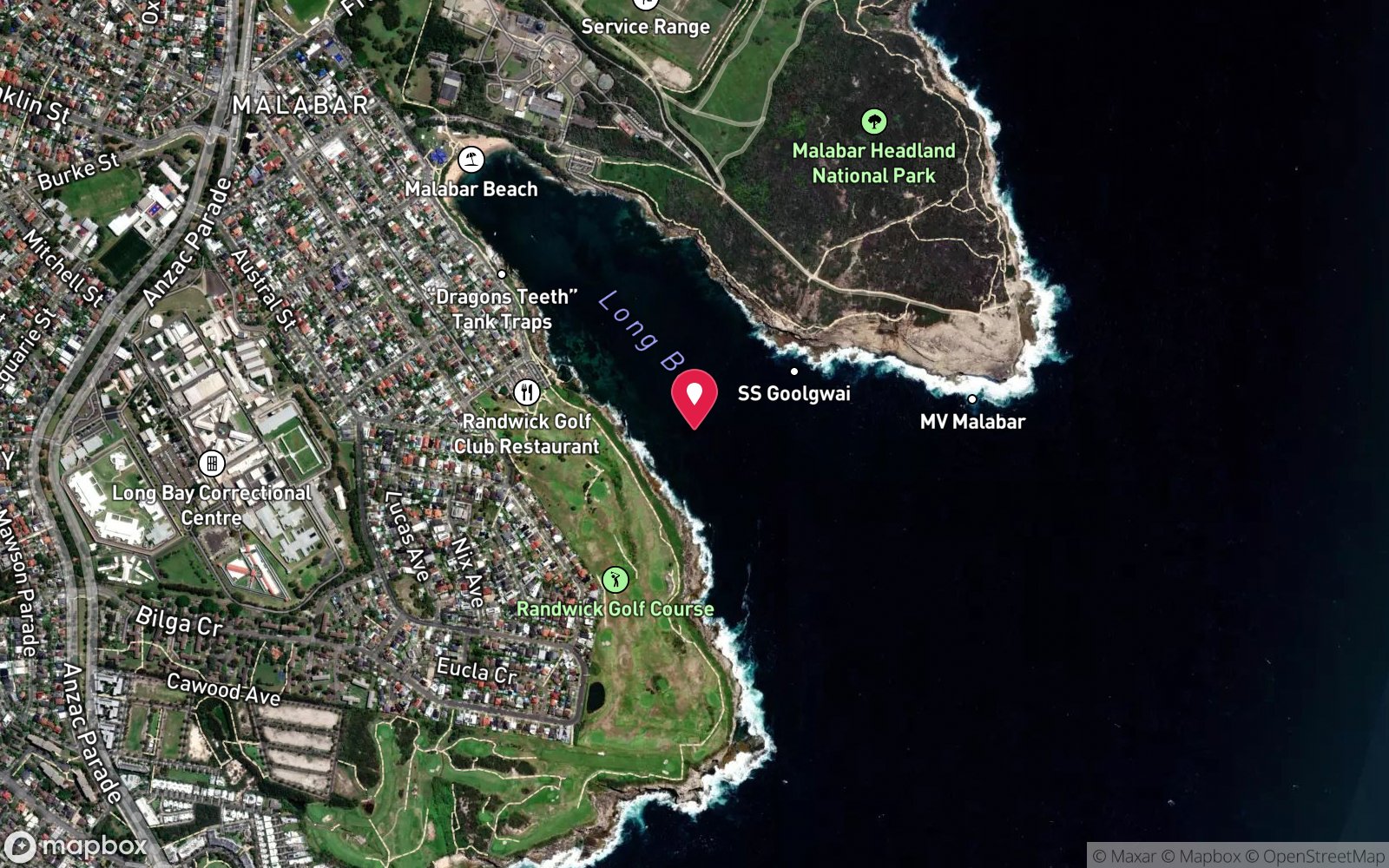
Satellite views
Dunbar wreck (South Head): frequently asked questions
How deep is Dunbar wreck (South Head)?
Dunbar wreck (South Head) reaches a maximum depth of 7 m, with the shallowest part at about 3 m; most of the dive is spent around 5 m.
What certification do I need to dive Dunbar wreck (South Head)?
Open Water is the recommended minimum. Rated intermediate because of surge on the entry or in the shallows, boat traffic overhead, cold water.
Can I shore dive Dunbar wreck (South Head)?
No, it is reached by boat (about 15 minutes).
When is the best time to dive Dunbar wreck (South Head)?
Winter (Jun–Aug) with westerly winds and flat seas.
What marine life will I see at Dunbar wreck (South Head)?
Regularly recorded: Luderick, silver sweep, mado, eastern blue groper, yellowtail, rock cale, kelp (Ecklonia) beds, sea urchins, cunjevoi, small wrasse.
What wetsuit do I need at Dunbar wreck (South Head)?
7 mm wetsuit or semi-dry year round; 5 mm adequate Jan–Apr; hood and gloves in winter; drysuit optional Jul–Oct.
How cold is the water at Dunbar wreck (South Head)?
Typically 21–24 °C in summer and 15–18 °C in winter.
What are the main hazards at Dunbar wreck (South Head)?
Heavy surge and backwash against the cliffs in any swell; no shore exit – cliffs are sheer; boat traffic at the Heads; kelp entanglement; protected heritage site – removing anything is illegal. See the hazards section above for the full list.
Where is the nearest recompression chamber to Dunbar wreck (South Head)?
Prince of Wales Hospital Hyperbaric Unit (Randwick, Sydney). In an emergency call 000, then DAN Asia-Pacific on 1800 088 200.
Diving in Sydney South & Botany Bay
Sydney's southern beaches and Botany Bay hold the city's biggest cluster of dive sites, and most of them are shore dives. Bare Island, on the northern side of Botany Bay, is the most-dived site in the state, with a dozen named reefs around one small island; Kurnell's Steps and Monument on the southern side are famous for weedy seadragons and sea horses. Magic Point at Maroubra has resident grey nurse sharks, and the offshore reefs off Coogee and Cronulla have wrecks and sponge gardens in 20–40 m.
Getting there: All the shore sites are within 30 minutes of the CBD with car parks and beach or rock entries. Boat charters leave from Botany Bay, Rose Bay and Cronulla for the offshore reefs and Magic Point.
All Sydney South & Botany Bay dive sites and a suggested itinerary →
Sources
Data confidence: High · Being verified: McFadyen gives 1857 in history and '1858' elsewhere; 21 Aug 1857 is the accepted date.. Last updated September 2026. Know this site better? How to send a correction
Nearby dive sites
More wrecks in New South Wales
Explore more
This region
Similar dives
Marine life