Dive slate · divesites.com.au · printed 7 Nov 2026
Fairey Firefly VX381
Jervis Bay, New South Wales · near Callala Bay / Huskisson
| Depth | 12–13 m |
|---|---|
| Minimum level | Open Water |
| Difficulty | Beginner |
| Access | Boat |
| Entry | Back roll from boat; use a weighted buoy rather than anchoring on the aircraft |
| Current | None |
| Visibility | 5-15 m |
| Water | summer 19-23 °C, winter 14-17 °C |
| Suit | 5–7 mm wetsuit with hood in summer–autumn; 7 mm semi-dry or drysuit June–October |
| Best season | Year-round; calm days |
| Bottom time | 50 min |
| Position | -35.01481, 150.73864 (GPS) |
| Permit | Jervis Bay Marine Park (NSW) – check the zoning map: sanctuary zones (no take of any kind) cover much of the Beecroft Peninsula coast including Drum and Drumsticks, The Docks area and Bowen Island; special grey nurse shark rules apply. No permit needed for recreational diving. Aircraft wreck protected – no disturbance. |
| Nearest chamber | Prince of Wales Hospital (Randwick, Sydney) – approx. 3 h by road from Jervis Bay; call 000 and DAN Asia-Pacific hotline (evacuation usually by air) |
| Emergency | 000 · DAN Asia-Pacific diving emergency 1800 088 200 |
Fairey Firefly VX381
Also known as Firefly aircraft wreck, The Firefly, Fairey Firefly plane
An intact 1950s naval fighter on sand at 13 m, with open cockpit, seat and harness and an X-configured propeller.
Near Callala Bay / Huskisson · Jervis Bay, New South Wales
- Depth
- 12–13 m
- Minimum level
- Open Water
- Access
- Boat
- Boat ride
- ~15 min
- Water
- 19-23 °C
- Visibility
- 5-15 m
Fairey Firefly VX38112–13 m · Open Water
Dive factsDepths, conditions, location & safety
Season
In season nowBest months: year-round.
Dive facts
- Depth
- 12–13 m
- Typical depth
- 13 m
- Certification
- Open Water
- Difficulty
- Beginner
- Depth tier
- Open Water (10–18 m)
- Access
- Boat
- Offshore
- 2 km
- Dive centre needed
- Recommended
- Shore / independent
- No
- Boat ride
- ~15 min
- Current
- None
- Visibility
- 5-15 m
- Water temp (summer)
- 19-23 °C
- Water temp (winter)
- 14-17 °C
- Water
- Temperate
- Bottom time
- 50 min
- Dive traffic
- Moderate (occasional charters/club dives)
- Night dive
- Possible
- Snorkel friendly
- No
Exposure suit
5–7 mm wetsuit with hood in summer–autumn; 7 mm semi-dry or drysuit June–October
Location
Jervis Bay – inner bay (north-west) · Shoalhaven – Jervis Bay
-35.01481, 150.73864
Published GPS position.
Open in Google MapsPrimary source: michaelmcfadyenscuba.infoMarine park & permits
Jervis Bay Marine Park (NSW) – check the zoning map: sanctuary zones (no take of any kind) cover much of the Beecroft Peninsula coast including Drum and Drumsticks, The Docks area and Bowen Island; special grey nurse shark rules apply. No permit needed for recreational diving. Aircraft wreck protected – no disturbance.
Nearest recompression chamber
Prince of Wales Hospital (Randwick, Sydney) – approx. 3 h by road from Jervis Bay; call 000 and DAN Asia-Pacific hotline (evacuation usually by air)
Diving emergency: call 000, then DAN AP 1800 088 200.
Trip planner
Build a trip around Fairey Firefly VX381 →
A day-by-day plan for Jervis Bay with this site locked in.
This guide is a planning aid. Conditions change daily — confirm with a local dive centre and dive within your training. Data & safety notes.
Dive profile
How this site rates
Scores are computed from the recorded data, not opinions. How?
At a glance
Fairey Firefly VX381 is a aircraft wreck boat dive in Jervis Bay, NSW, 12–13 m, suited to Open Water divers, about 15 minutes by boat.
Rated beginner: sheltered, shallow and manageable for a newly certified diver on a normal day, though note boat traffic overhead and cold water.
Why dive here
- An intact 1950s naval fighter on sand at 13 m, with open cockpit, seat and harness and an X-configured propeller.
- Sunk in 1956.
Conditions to avoid
- Strong southerly or south-east swell and wind
- Afternoon north-easterlies
- Outgoing tide or run-off after rain (poor visibility)
About Fairey Firefly VX381
The Fairey Firefly VX381 is one of the best-preserved aircraft wrecks in Australian waters. Delivered to the Royal Navy on 6 December 1948 and transferred to the Royal Australian Navy on 7 April 1949, the AS.5 anti-submarine and reconnaissance aircraft flew with 816 Squadron from HMAS Albatross at Nowra and may have served aboard the carrier HMAS Sydney during the Korean War period.
On 27 November 1956, during a training exercise over Jervis Bay in which aircraft were flying circles in opposite directions, the starboard wingtip of VX381 struck Firefly WD887. WD887 crashed and its crew, Sub Lieutenant Arundel and Midshipman Fogarty, were never recovered. The pilot of VX381, Sub Lieutenant Eagles, ditched the damaged aircraft, and he and his observer-pupil, Midshipman Debus, were rescued by a Sycamore helicopter. The wreck was found in 1983 by local diver Charlie Pickering.
VX381 rests flat on sand in 13 m, facing east, and is largely intact. The four-bladed propeller sits in an X configuration with straight blades, showing the engine was not running when she hit the water. The cockpit is open on the right with the canopy pulled back and the seat and harness still visible; behind it the observer's cabin is open. The starboard wing is buried in sand, the port wing is clear and largely undamaged, and the tail is intact though the tailplane is deteriorating. Some gauges were stolen after discovery. At 13 m with a 13 m wingspan and 12 m length, it is a one-tank dive suitable for all levels. Treat it as a war-era memorial and a protected relic. Afterwards, the Fleet Air Arm Museum at HMAS Albatross displays an airworthy Firefly.
Wreck details
Fairey Firefly AS.5 naval aircraft (serial VX381), 12 m long, 13 m wingspan · Sunk 1956
Era: post-war. Oldest wrecks · Wartime wrecks · Scuttled warships
Other wrecks of the same era
- SS Birchgrove Park wreck · Max 51 m · Sydney Northern Beaches
- SS Goolgwai wreck (Long Bay) · Max 10 m · Sydney South & Botany Bay
- LVT-4A amphibious tank (Stockton Beach) · Max 33 m · Newcastle & Lake Macquarie
- Olive Cam · Max 9 m · Eden & Green Cape
- Runic wreck (Middleton Reef) · Depth not published · Lord Howe Island
- SS Kiama wreck · Max 47 m · Central Coast
Getting there & entry
Intact Royal Australian Navy Fairey Firefly AS.5 lying flat on sand in 13 m in the north-western part of Jervis Bay after a 1956 mid-air collision.
Launch at Callala Bay or Huskisson (Currambene Creek) and head to 35° 00.889' S 150° 44.319' E in the north-western corner of the bay (about 10–15 minutes). The aircraft and schooling fish show on the sounder. Drop a weighted buoy or anchor well off on the sand to avoid damaging the wreck.
Local operators know the site but marks are not widely publicised.
Entry: Back roll from boat; use a weighted buoy rather than anchoring on the aircraft
Facilities: Callala Bay and Huskisson ramps; Fleet Air Arm Museum at HMAS Albatross (Nowra) nearby.
Weather, swell & tides
Inside Jervis Bay the water is sheltered from ocean swell, but the bay is big enough for wind chop: strong north-easterlies (summer afternoons) make the western and southern shores choppy, and southerly or westerly winds affect the northern shore less. Diving is possible on most days of the year at one shore or another. Visibility is usually 8–15 m, better in winter, and drops after heavy rain when Currambene Creek and Moona Moona Creek flush tannin water into the bay.
Tides are small but high tide gives better visibility at the beach entries. The Firefly lies in open water in the bay and can be windy on the surface; strong southerlies and north-easterlies both create a chop over the site.
Best season: Year-round; calm days
If it's blown out
Sheltered or shore sites within 25 km that often work when Fairey Firefly VX381 doesn't.
- Murrays Beach · 12 km · Max 12 m
- Hyams Beach · 11 km · Max 10 m
- Scottish Rocks · 13 km · Depth not published
- Callala Bay · 2 km · Depth not published
How the dive is usually run
Descend the buoy line to the sand, approach the propeller and examine its unbent four-blade X configuration, then the open cockpit with seat and harness, the observer's cabin behind, the exposed port wing, and the tail. One tank is plenty; do slow laps and avoid contact with the fragile tail and wings.
Marine life
- Schooling baitfish and bream around the fuselage
- flathead
- stingrays
- small reef fish sheltering in the cockpit
- encrusting growth
Linked species have their own page listing every site where they are recorded. All marine life →
Training required
Within the 18 m limit of an entry-level certification.
Courses that help here
- Drysuit Diver – Cold water; locals dive dry for much of the year.
Depth tiers: 0–10 m easy · to 18 m Open Water · 18–30 m Advanced (25 m+ is a deep dive) · 30–40 m Deep specialty · 40 m+ technical. All courses
Hazards & warnings
Fragile wreck – do not touch, sit on or enter; anchor off the aircraft (weighted buoy preferred); boat traffic; surface chop in strong winds.
Technical notes
Protected under historic/underwater cultural heritage provisions (aircraft wreck) – no removal or disturbance.
Dive centres that go here
Dive Jervis Bay (Huskisson; boats Avalon and Genesis) runs double boat dives most days, and Deep 6 Diving Jervis Bay / other Huskisson operators also visit; site chosen on the day according to swell and wind. Visited occasionally on request; also a club and private-boat favourite.
Operators recorded for Fairey Firefly VX381
Dive Jervis Bay
ProfiledHuskisson · Jervis Bay · NSW
A Huskisson operation with two dive boats and on-site accommodation, diving the walls, sponge gardens and seal sites of Jervis Bay Marine Park.
(02) 4441 5255
Deep 6 Diving Jervis Bay
Reported closedHuskisson · Jervis Bay · NSW
Former domain deep6divingjervisbay.com.au now serves unrelated SEO content; only stale directory listings remain.
Other dive centres in Jervis Bay
Indepth Scuba
ProfiledBelconnen · Jervis Bay · NSW
A Canberra operation that functions as both a training school and a life-support service facility, with cylinder testing and a full range of gas fills.
indepthscuba.com.au · (02) 6251 1070
Lady of the Sea Diving Academy
ProfiledTuggeranong (Canberra, ACT) · Jervis Bay · NSW
A Canberra operation with an unusually complete set of facilities for an inland centre, including an onsite pool, classroom, retail shop and dive boat.
ladyofthesea.com.au · +61 407 487 735
Crest Diving
Named by sitesJervis Bay · Jervis Bay · NSW
Escorted shore dive tours; no shopfront address published.
crestdiving.com.au · 0414 787 281
Woebegone Freedive
Named by sitesHuskisson · Jervis Bay · NSW
Freediving school; official site live (Unit 3/1 Erina Rd Huskisson) with online bookings and a TripAdvisor Travellers' Choice 2026 award.
woebegone.com.au
Map
7 pinned sites. Pins marked approximate on their pages show the general area only; not for navigation.
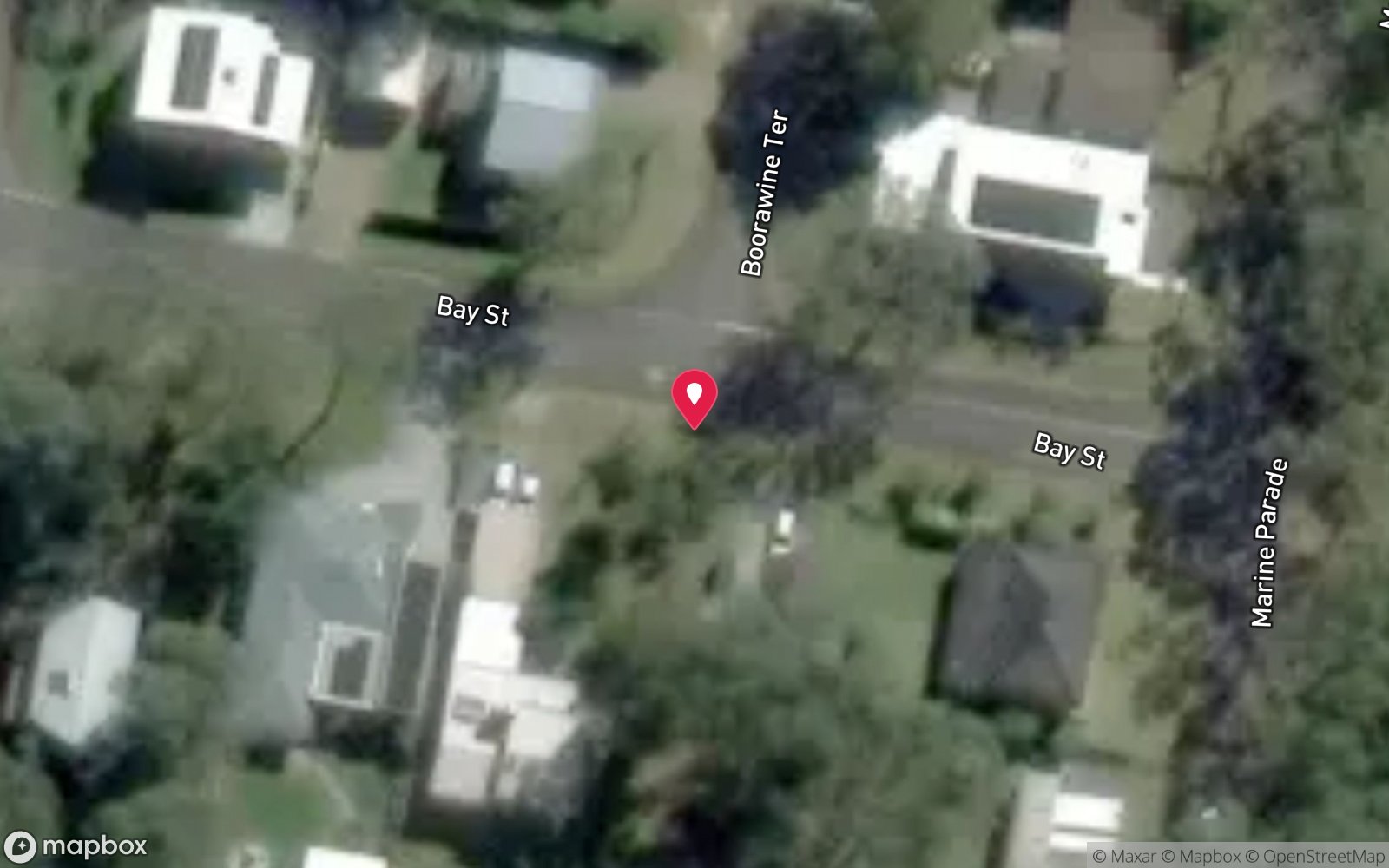
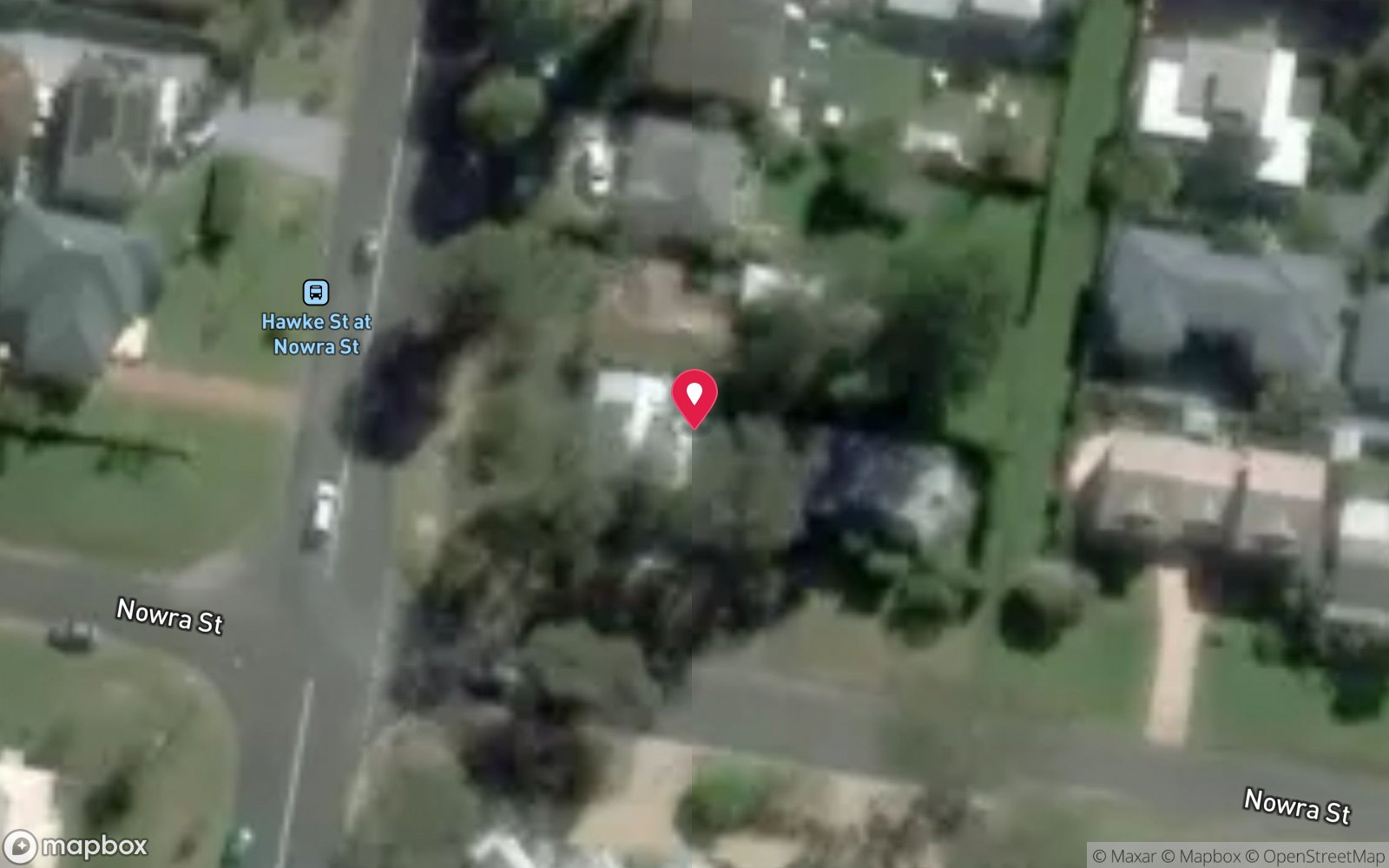
Satellite views
Fairey Firefly VX381: frequently asked questions
How deep is Fairey Firefly VX381?
Fairey Firefly VX381 reaches a maximum depth of 13 m, with the shallowest part at about 12 m; most of the dive is spent around 13 m.
What certification do I need to dive Fairey Firefly VX381?
Open Water is the recommended minimum. Rated beginner: sheltered, shallow and manageable for a newly certified diver on a normal day, though note boat traffic overhead and cold water.
Can I shore dive Fairey Firefly VX381?
No, it is reached by boat (about 15 minutes).
When is the best time to dive Fairey Firefly VX381?
Year-round; calm days.
What marine life will I see at Fairey Firefly VX381?
Regularly recorded: Schooling baitfish and bream around the fuselage, flathead, stingrays, small reef fish sheltering in the cockpit, encrusting growth.
What wetsuit do I need at Fairey Firefly VX381?
5–7 mm wetsuit with hood in summer–autumn; 7 mm semi-dry or drysuit June–October.
How cold is the water at Fairey Firefly VX381?
Typically 19-23 °C in summer and 14-17 °C in winter.
What are the main hazards at Fairey Firefly VX381?
Fragile wreck – do not touch, sit on or enter; anchor off the aircraft (weighted buoy preferred); boat traffic; surface chop in strong winds. See the hazards section above for the full list.
Where is the nearest recompression chamber to Fairey Firefly VX381?
Prince of Wales Hospital (Randwick, Sydney) – approx. 3 h by road from Jervis Bay; call 000 and DAN Asia-Pacific hotline (evacuation usually by air). In an emergency call 000, then DAN Asia-Pacific on 1800 088 200.
Diving in Jervis Bay
Jervis Bay's white sand and clear water make it the best-known dive destination on the NSW south coast. The Docks, Stoney Creek and the Arch on the northern headland, and Cabbage Tree Point on the south, are boat dives with sponge gardens, grey nurse sharks in season and fur seals from Drum and Drumsticks. Inside the bay, Hyams Beach, Murrays Beach and the Green Patch reefs are gentle shore dives with seadragons and octopus.
Getting there: Two and a half hours south of Sydney. Dive shops in Huskisson run daily charters; shore dives inside the bay have car parks at Hyams, Murrays and Green Patch (Booderee National Park entry fee applies).
Sources
Data confidence: High. Last updated September 2026. Know this site better? How to send a correction