Dive slate · divesites.com.au · printed 8 Nov 2026
SS Tasman
Tasman Peninsula, Tasmania · near Fortescue Bay
| Depth | 65–72 m |
|---|---|
| Minimum level | Technical (decompression) |
| Difficulty | Expert/Technical |
| Access | Boat (day trip) |
| Entry | Back roll or giant stride from charter boat |
| Current | Strong |
| Visibility | 10-25 m |
| Water | summer 14-18 °C, winter 10-13 °C |
| Suit | Drysuit strongly recommended year-round; 7 mm semi-dry or two-piece 7 mm wetsuit with hood and gloves is the minimum in summer |
| Best season | Late summer to autumn (February-May) for settled weather and best visibility; diveable year-round between fronts |
| Bottom time | 15 min |
| Position | not published |
| Permit | Historic shipwreck – protected; do not disturb or remove artefacts. |
| Nearest chamber | Royal Hobart Hospital Hyperbaric Medicine Unit (Hobart CBD); DAN emergency hotline 1800 088 200 |
| Emergency | 000 · DAN Asia-Pacific diving emergency 1800 088 200 |
SS Tasman
Also known as Tasman wreck
Rarely seen 1883 steamer at 70 m beneath the Hippolyte Needle – a serious technical expedition target.
Near Fortescue Bay · Tasman Peninsula, Tasmania
- Depth
- 65–72 m
- Minimum level
- Technical (decompression)
- Access
- Boat (day trip)
- Boat ride
- ~20 min
- Water
- 14-18 °C
- Visibility
- 10-25 m
SS Tasman65–72 m · Technical (decompression)
Dive factsDepths, conditions, location & safety
Season
Off-peak nowBest months: January, February, March, April, May, December.
Late summer to autumn (February-May) for settled weather and best visibility; diveable year-round between fronts
- Best months
- Now (November)
Dive facts
- Depth
- 65–72 m
- Typical depth
- 70 m
- Certification
- Technical (decompression)
- Difficulty
- Expert/Technical
- Depth tier
- Technical (40 m +)
- Access
- Boat (day trip)
- Offshore
- 4 km
- Dive centre needed
- Yes – boat access only
- Shore / independent
- No
- Boat ride
- ~20 min
- Current
- Strong
- Visibility
- 10-25 m
- Water temp (summer)
- 14-18 °C
- Water temp (winter)
- 10-13 °C
- Water
- Cold Temperate
- Bottom time
- 15 min
- Dive traffic
- Remote/expedition only
- Night dive
- No
- Snorkel friendly
- No
Exposure suit
Drysuit strongly recommended year-round; 7 mm semi-dry or two-piece 7 mm wetsuit with hood and gloves is the minimum in summer
Location
Hippolyte Rocks
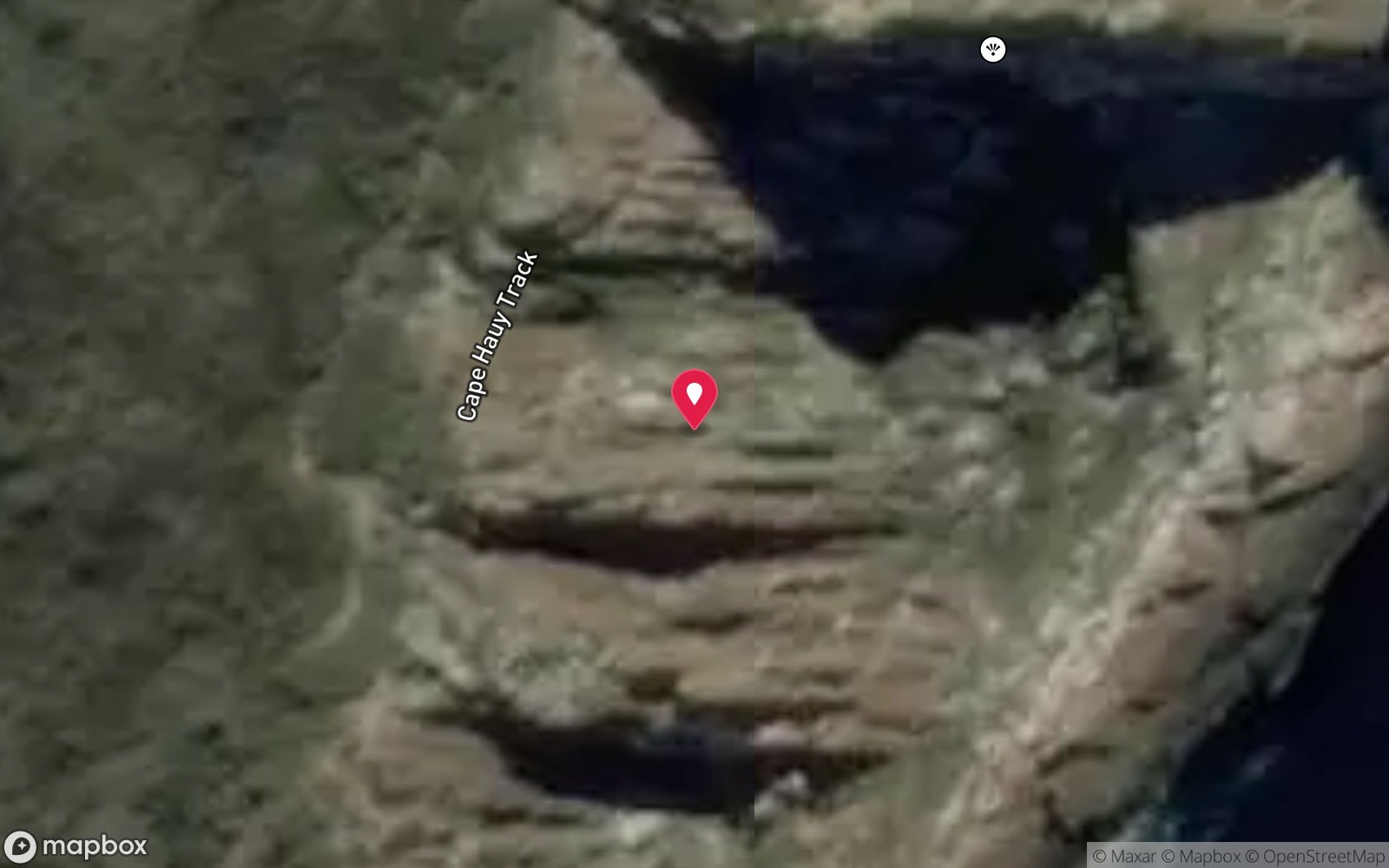
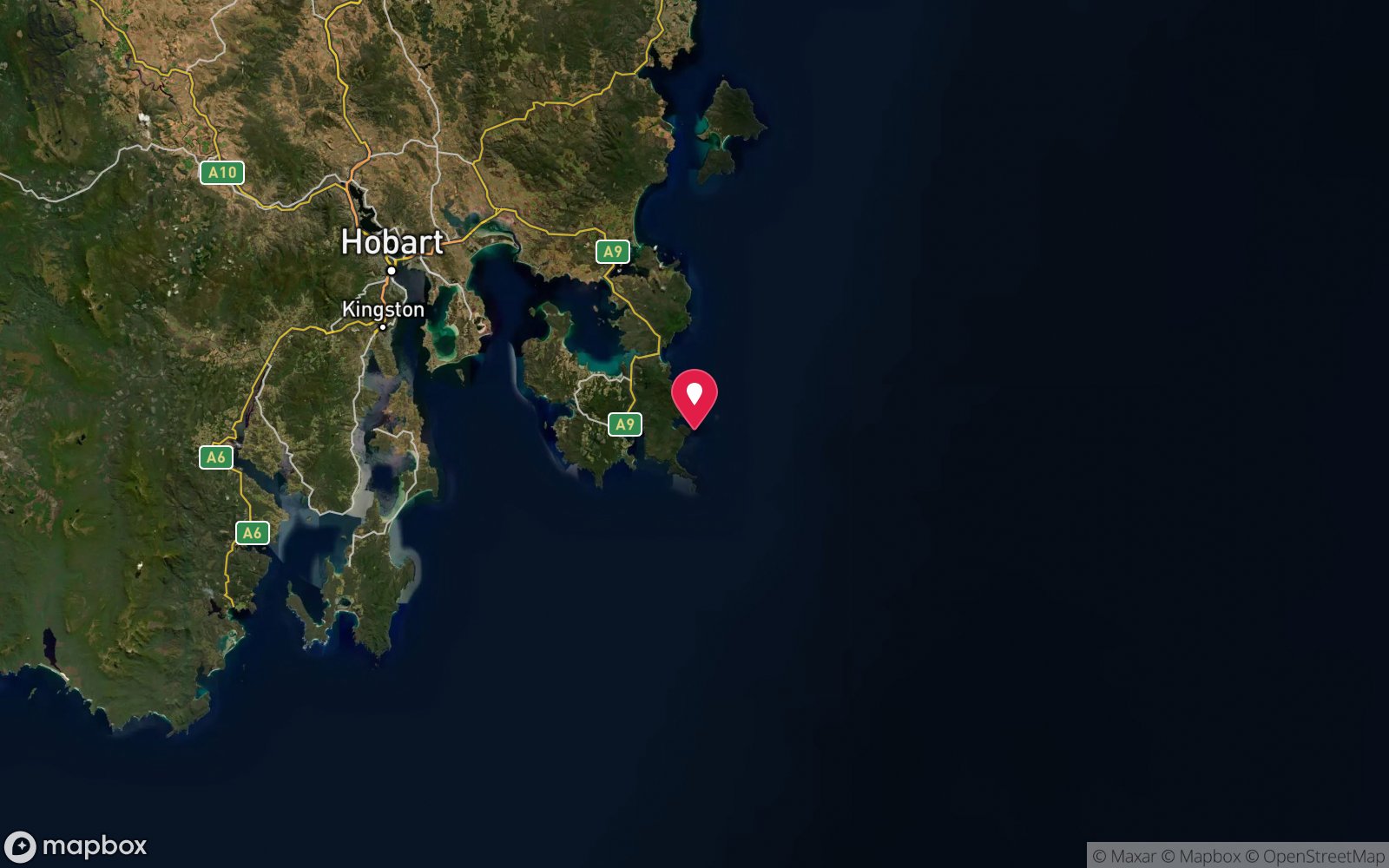
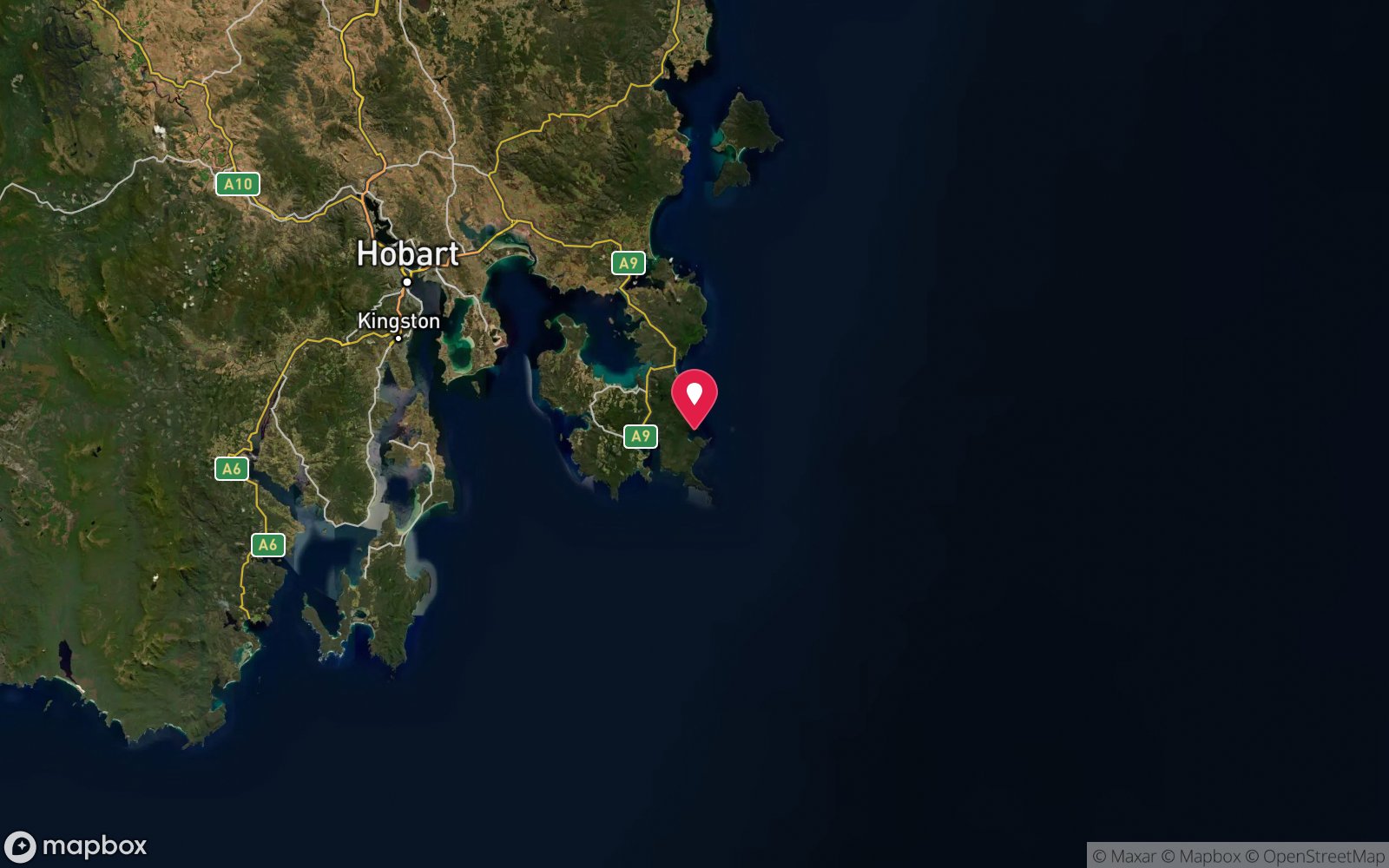
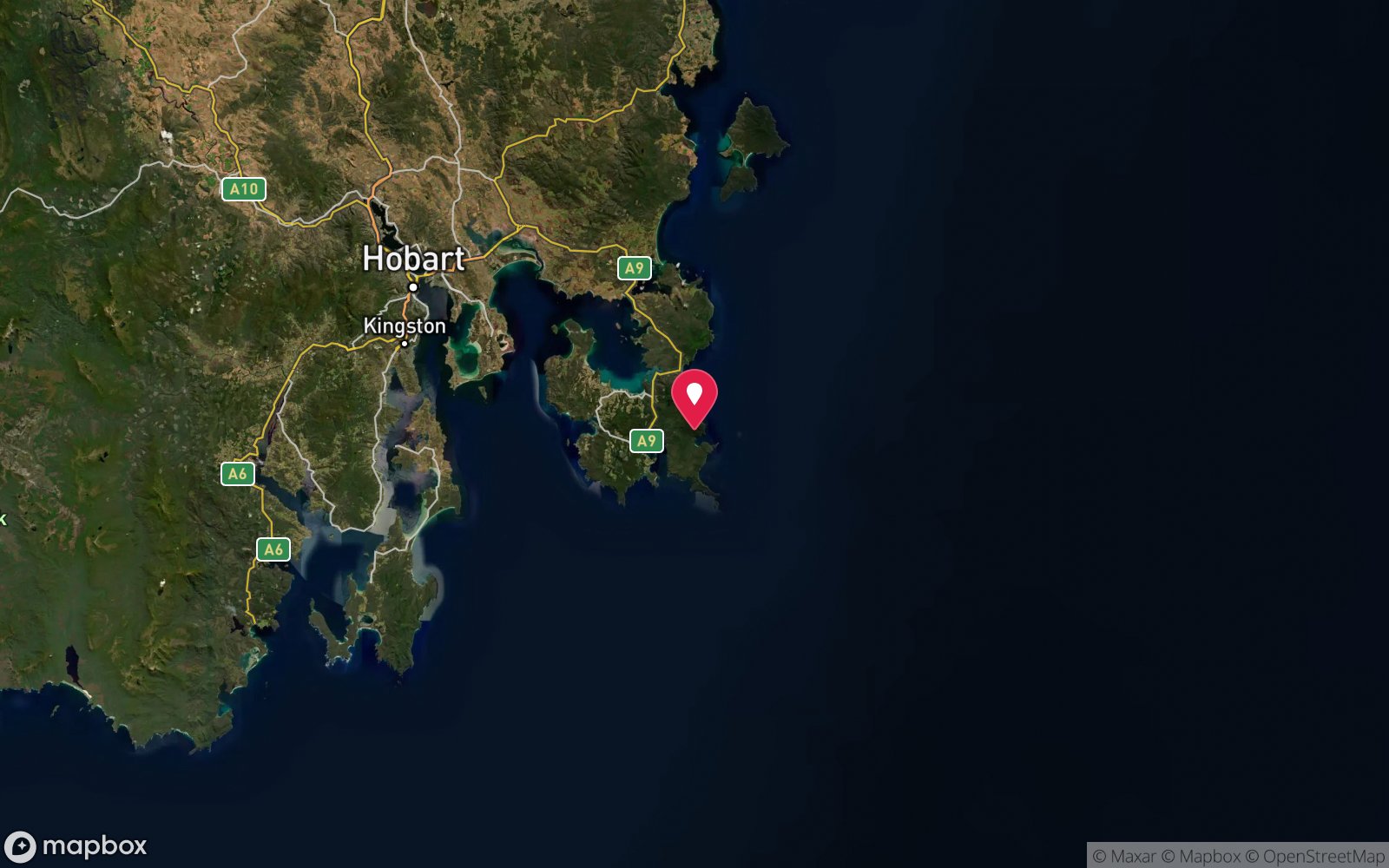
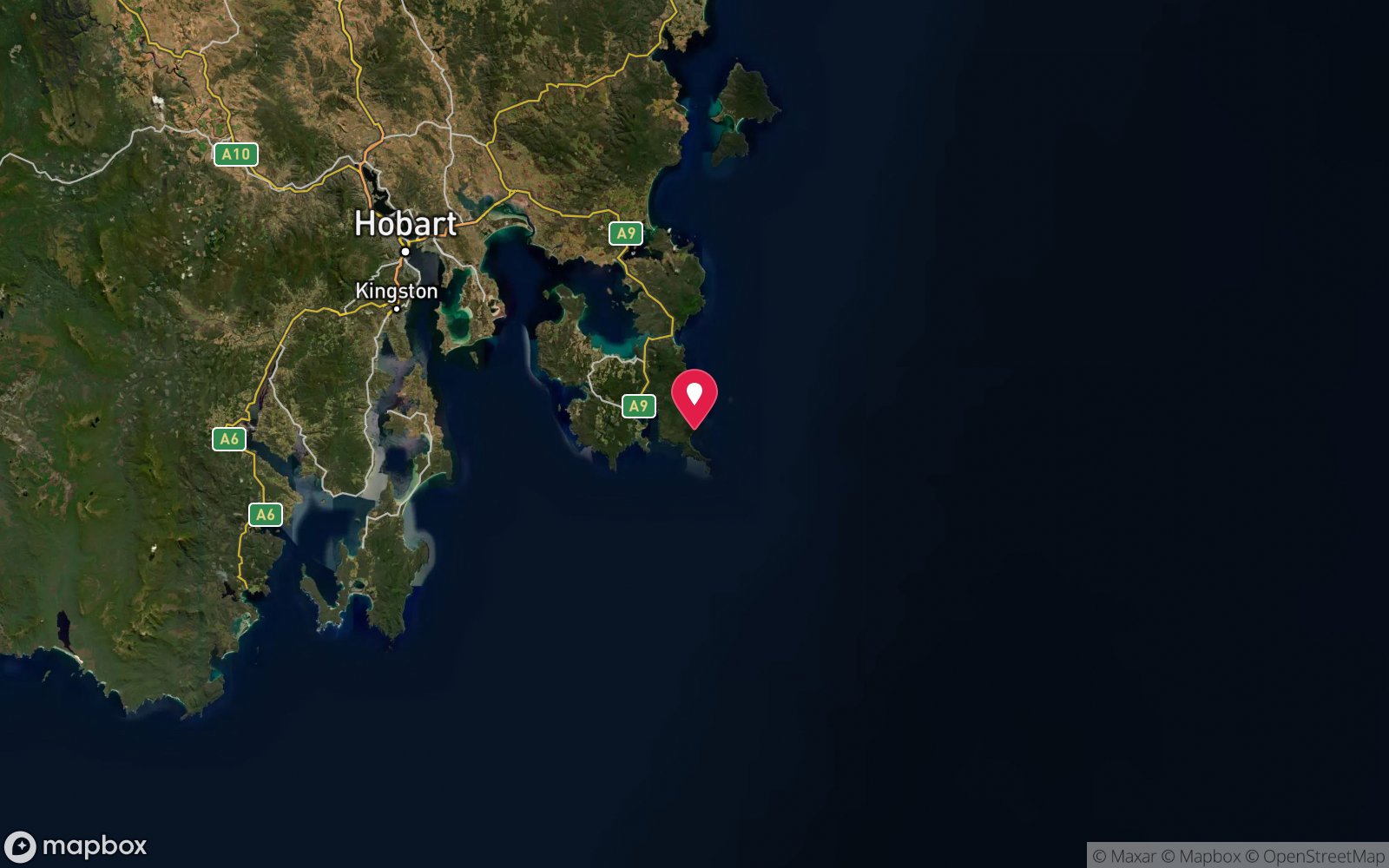
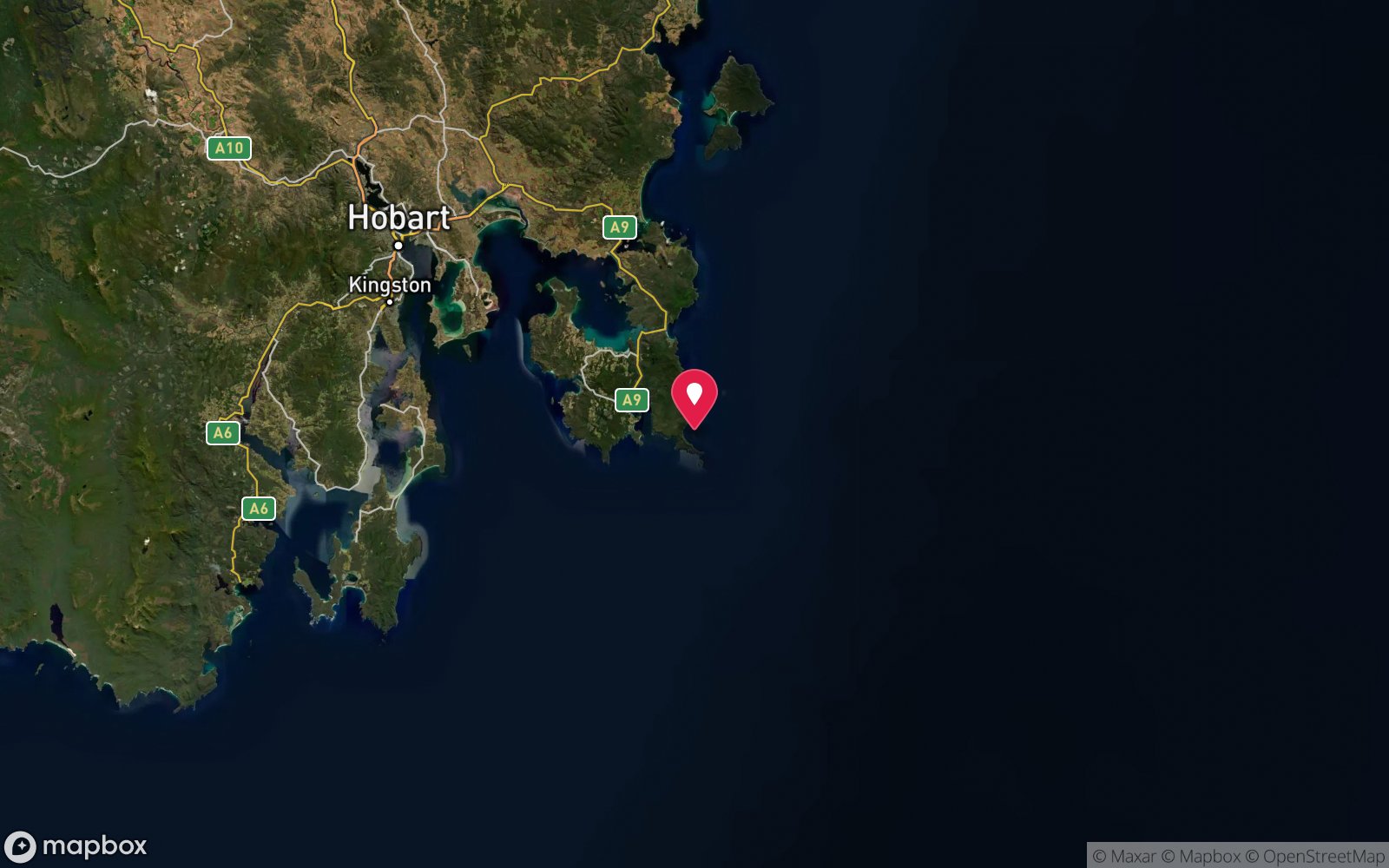
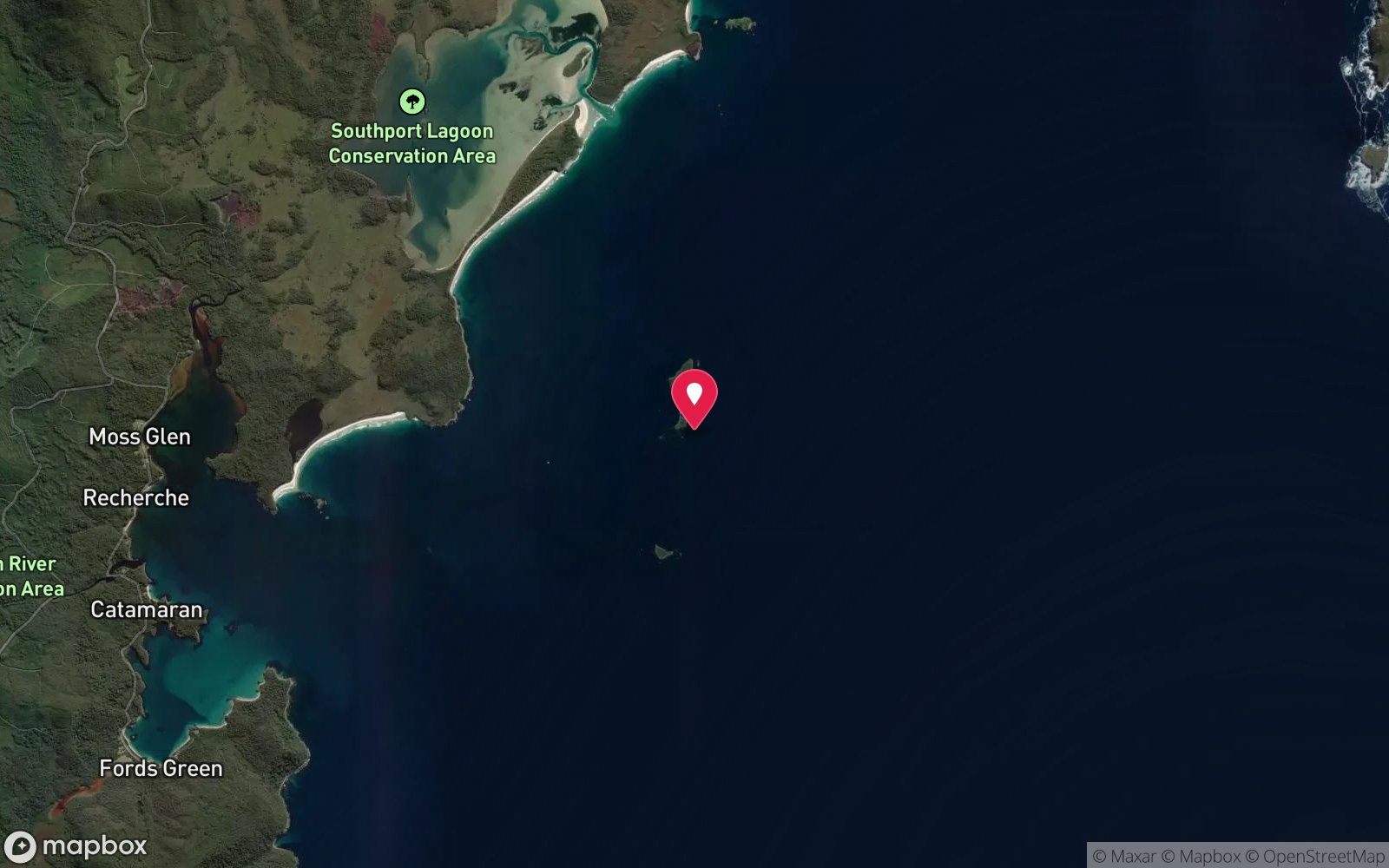
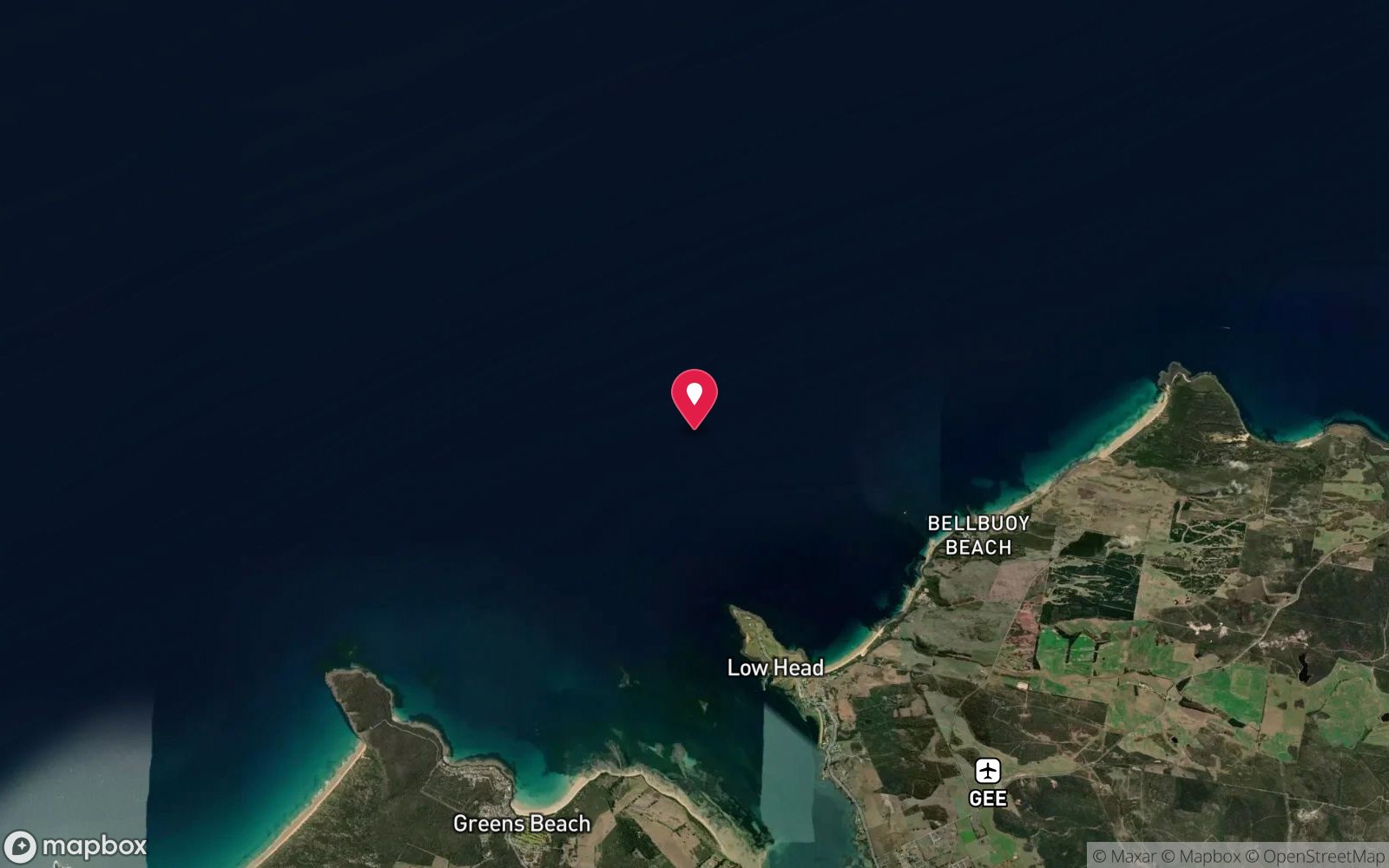
No published coordinates. The map above shows the general area, estimated from other documented sites near Fortescue Bay.
Primary source: xray-mag.comMarine park & permits
Historic shipwreck – protected; do not disturb or remove artefacts.
Nearest recompression chamber
Royal Hobart Hospital Hyperbaric Medicine Unit (Hobart CBD); DAN emergency hotline 1800 088 200
Diving emergency: call 000, then DAN AP 1800 088 200.
Trip planner
Build a trip around SS Tasman →
A day-by-day plan for Tasman Peninsula with this site locked in.
This guide is a planning aid. Conditions change daily — confirm with a local dive centre and dive within your training. Data & safety notes.
Dive profile
How this site rates
Scores are computed from the recorded data, not opinions. How?
At a glance
SS Tasman is a wreck boat dive in Tasman Peninsula, TAS, 65–72 m, suited to Technical (decompression) divers, strong current, about 20 minutes by boat.
Rated expert/technical because of depth to 72 m, strong current, cold water.
Why dive here
- Rarely seen 1883 steamer at 70 m beneath the Hippolyte Needle – a serious technical expedition target.
- Sunk in 1883; protected as underwater cultural heritage, so look but do not touch.
- Rarely dived: expect to have the site to yourself, and plan your own logistics.
- Visibility often reaches 10-25 m.
About SS Tasman
The Tasman was a steamer that struck the Needle beside the Hippolyte Rocks in 1883 and sank in deep water at the pinnacle's base. According to the ABC, 27 crew and officers and 29 passengers were on board when she hit the Needle. The wreck was lost for more than a century.
X-Ray Mag reports that it was rediscovered in 1998 at 72 m and that only four successful dives had been documented at the time of writing, while a Wikipedia list gives the rediscovery as about 2004. The ABC puts her depth at about 70 m. The wreck sits in one of the most demanding environments in Australian diving: an exposed offshore site with fierce currents, cold water and a narrow weather window.
Descriptions are scarce, but divers report deep sponges and schooling fish on the remains, which after 140 years are likely to be heavily broken. This is a mixed-gas expedition dive, requiring trimix, staged decompression and a capable support boat. It is included here for completeness and for its historical importance; it is not a recreational dive.
Divers interested in the Tasman should talk to Tasmanian technical diving groups, who have the local knowledge and records of the few successful dives. The Tasman is also a reminder of how dangerous this coast was for nineteenth-century shipping: the Needle lies almost awash and is invisible in any sea, and the same rock group was involved in the loss of the Nord 32 years later. Anyone planning a dive should also consider heritage obligations – the wreck is protected, and any finds or observations should be reported to heritage authorities.
Recreational divers can get a sense of the site by diving the upper Needle to 30-40 m on a calm day.
Wreck details
Iron/steel passenger-cargo steamer (dimensions not confirmed) · Sunk 1883 · Protected historic shipwreck
Era: colonial sail and steam. Oldest wrecks · Wartime wrecks · Scuttled warships
Other wrecks of the same era
- Asterope (Hebe Reef) · Max 4 m · Tasmania North & North-West
- Evoralls Point (Recherche Bay) · Max 4 m · Huon & Far South
- SS Esk (Hebe Reef) · Max 6 m · Tasmania North & North-West
- Devonport Breakwater · Max 4 m · Tasmania North & North-West
- General Picton (Fosters Island) · Max 25 m · Tasmania North-East
- Fosters Island · Max 6 m · Tasmania North-East
Getting there & entry
Steamer lost on the Needle at the Hippolyte Rocks in 1883, lying in about 70-72 m near the foot of the pinnacle.
Boat access only. Most trips use the Fortescue Bay boat ramp (Arthur Highway to Taranna, then 12 km of gravel on Fortescue Road; national park pass required), which is the closest launch to Cape Hauy, the Hippolytes, Munro Bight and Cape Pillar. Eaglehawk Dive Centre and Go Dive Tasmania run from Pirates Bay at Eaglehawk Neck (or Port Arthur for Go Dive), adding 20-30 minutes each way.
There are no moorings on these exposed sites; boats drift or hover and run a live-boat pick-up. Carry full safety gear, a VHF radio and oxygen – the nearest help is at Port Arthur or Eaglehawk Neck and the chamber is in Hobart, about 1.5-2 hours away.
Entry: Back roll or giant stride from charter boat
Weather, swell & tides
These are the most exposed dive sites on the Tasman Peninsula, facing the Southern Ocean and Tasman Sea with no shelter from southerly or easterly weather. Divers interviewed by the ABC said the Hippolytes need no swell and a westerly wind, and that such windows may occur only a handful of times a year; Easter weekend was noted as one. Anything more than about 1-1.5 m of south-easterly to southerly swell, or easterly winds, makes them undiveable.
Currents are strong and unpredictable, particularly around the Needle, Tasman Island passage and Cape Pillar; plan around neap tides and expect to drift. Late summer and autumn (February-May) offer the best chances; operators confirm on the day.
Best season: Late summer to autumn (February-May) for settled weather and best visibility; diveable year-round between fronts
How the dive is usually run
Shot the wreck, descend the line on trimix directly to the site, conduct a short survey of the main structure, return to the shot and complete staged decompression on the line or a drifting deco station with a support boat following.
Marine life
- Deep-water sponges
- sea whips
- ling
- butterfly perch
- real bastard trumpeter
Linked species have their own page listing every site where they are recorded. All marine life →
Training required
Beyond recreational limits: decompression, mixed gas or full cave/wreck training is required.
Courses that help here
- Enriched Air Nitrox – Longer no-decompression time at 25 m and deeper.
- Drift Diver – Current is a feature of the dive.
- Drysuit Diver – Cold water; locals dive dry for much of the year.
Depth tiers: 0–10 m easy · to 18 m Open Water · 18–30 m Advanced (25 m+ is a deep dive) · 30–40 m Deep specialty · 40 m+ technical. All courses
Hazards & warnings
70 m+ depth; fierce currents; extreme exposure; long decompression in cold water; remote – long evacuation to Hobart chamber.
Technical notes
Trimix required (e.g. 15/55 or similar for 70 m) with staged deco gases; full team and support boat; drifting deco likely due to current. Documented as dived only a handful of times.
Dive centres that go here
No commercial operator – technical diving expeditions on private boats from Fortescue Bay only.
Other dive centres in Tasman Peninsula
Eaglehawk Dive Centre
ProfiledEaglehawk Neck · Tasman Peninsula · TAS
The principal operation at Eaglehawk Neck, servicing the Tasman Peninsula's sea caves, walls and deeper wrecks.
eaglehawkdive.com.au · 0417 013 518
Go Dive Tasmania
ListedHobart · Hobart & Derwent · TAS
A Tasmanian business providing training, equipment and service support for cold-water diving.
godivetas.com.au · (03) 6231 9749
General area
No position has been published for SS Tasman. The circle shows where it is likely to be, worked out from other documented sites near Fortescue Bay. Ask a local operator for the exact site.
Dashed circle: general area (about 5 km), from other documented sites near Fortescue Bay. 6 pinned sites. Pins marked approximate on their pages show the general area only; not for navigation.
SS Tasman: frequently asked questions
How deep is SS Tasman?
SS Tasman reaches a maximum depth of 72 m, with the shallowest part at about 65 m; most of the dive is spent around 70 m.
What certification do I need to dive SS Tasman?
Technical (decompression) is the recommended minimum. Rated expert/technical because of depth to 72 m, strong current, cold water.
Can I shore dive SS Tasman?
No, it is reached by boat (about 20 minutes). A dive centre is required: boat access only.
When is the best time to dive SS Tasman?
Late summer to autumn (February-May) for settled weather and best visibility; diveable year-round between fronts.
What marine life will I see at SS Tasman?
Regularly recorded: Deep-water sponges, sea whips, ling, butterfly perch, real bastard trumpeter.
What wetsuit do I need at SS Tasman?
Drysuit strongly recommended year-round; 7 mm semi-dry or two-piece 7 mm wetsuit with hood and gloves is the minimum in summer.
How cold is the water at SS Tasman?
Typically 14-18 °C in summer and 10-13 °C in winter.
What are the main hazards at SS Tasman?
70 m+ depth; fierce currents; extreme exposure; long decompression in cold water; remote – long evacuation to Hobart chamber. See the hazards section above for the full list.
Where is the nearest recompression chamber to SS Tasman?
Royal Hobart Hospital Hyperbaric Medicine Unit (Hobart CBD); DAN emergency hotline 1800 088 200. In an emergency call 000, then DAN Asia-Pacific on 1800 088 200.
Diving in Tasman Peninsula
The Tasman Peninsula has the tallest sea cliffs in the southern hemisphere, and beneath them some of Australia's most dramatic diving: the Cathedral Cave system and Waterfall Bay's caves and wall, the Sisters and Hippolyte Rocks with their fur seals, the Thumbs, and the remnant giant kelp at Fortescue Bay and Munro Bight. Deep sites like the Patersons Arch and the Nord wreck (40 m) reward experienced divers.
Getting there: Ninety minutes from Hobart. A dedicated dive operator at Eaglehawk Neck runs boat dives; Fortescue Bay and Pirates Bay have shore access.
Sources
- xray-mag.com/content/tasman-peninsula
- abc.net.au/news/2024-04-21/diving-the-hippolyte-rocks-tasmania-reef/103710344
- en.wikipedia.org/wiki/Shipwrecks_of_Tasmania
Data confidence: Medium · Being verified: Rediscovery date conflicts (1998 vs about 2004); vessel dimensions unconfirmed.. Last updated September 2026. Know this site better? How to send a correction