Dive slate · divesites.com.au · printed 9 Nov 2026
SS Galava wreck
Central Coast, New South Wales · near Terrigal
| Depth | 49–51 m |
|---|---|
| Minimum level | Technical (decompression) |
| Difficulty | Expert/Technical |
| Access | Boat |
| Entry | Back-roll from boat; descend shot line |
| Current | Variable/Tidal |
| Visibility | 10-25 m |
| Water | summer 20-23 °C, winter 14-17 °C |
| Suit | 5 mm steamer/full suit in summer; 7 mm semi-dry or drysuit June-October |
| Best season | Late summer to autumn; calm neap-tide days |
| Bottom time | 12 min |
| Position | -33.45930, 151.51330 (GPS) |
| Permit | None required; historic shipwreck protections apply |
| Nearest chamber | Prince of Wales Hospital (Randwick, Sydney) |
| Emergency | 000 · DAN Asia-Pacific diving emergency 1800 088 200 |
SS Galava wreck
Also known as Galava
A deep sixty-miler collier with an intact bow and some of the best fish life of any Central Coast wreck.
Near Terrigal · Central Coast, New South Wales
- Depth
- 49–51 m
- Minimum level
- Technical (decompression)
- Access
- Boat
- Boat ride
- ~15 min
- Water
- 20-23 °C
- Visibility
- 10-25 m
SS Galava wreck49–51 m · Technical (decompression)
Dive factsDepths, conditions, location & safety
Season
Off-peak nowBest months: January, February, March, April, May, December.
Dive facts
- Depth
- 49–51 m
- Typical depth
- 50 m
- Certification
- Technical (decompression)
- Difficulty
- Expert/Technical
- Depth tier
- Technical (40 m +)
- Access
- Boat
- Offshore
- 5.8 km
- Dive centre needed
- Yes – boat access only
- Shore / independent
- No
- Boat ride
- ~15 min
- Current
- Variable/Tidal
- Visibility
- 10-25 m
- Water temp (summer)
- 20-23 °C
- Water temp (winter)
- 14-17 °C
- Water
- Temperate
- Bottom time
- 12 min
- Dive traffic
- Rarely dived (private boat/club only)
- Night dive
- No
- Snorkel friendly
- No
Exposure suit
5 mm steamer/full suit in summer; 7 mm semi-dry or drysuit June-October
Location
Terrigal deep wrecks · Terrigal / Avoca
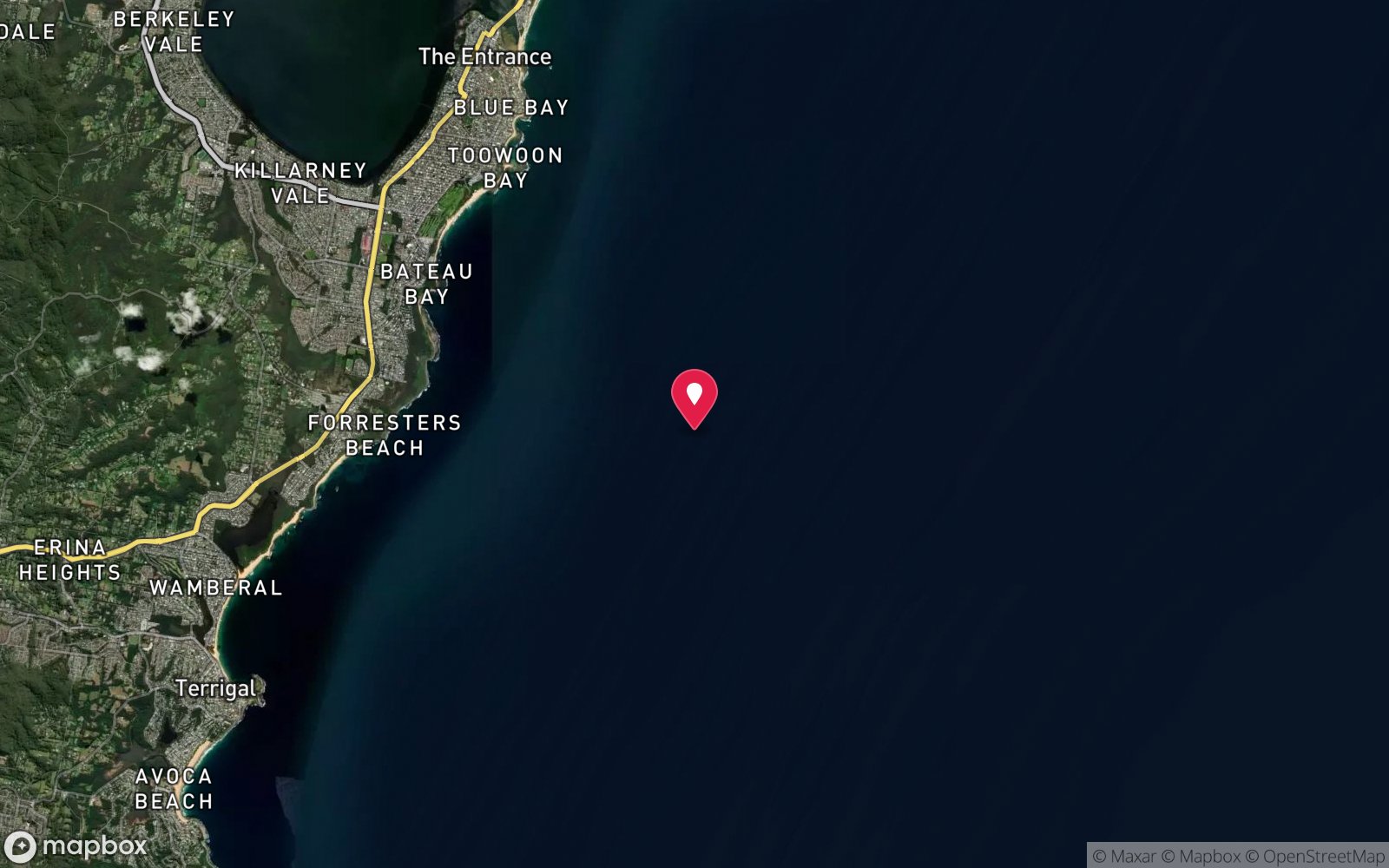
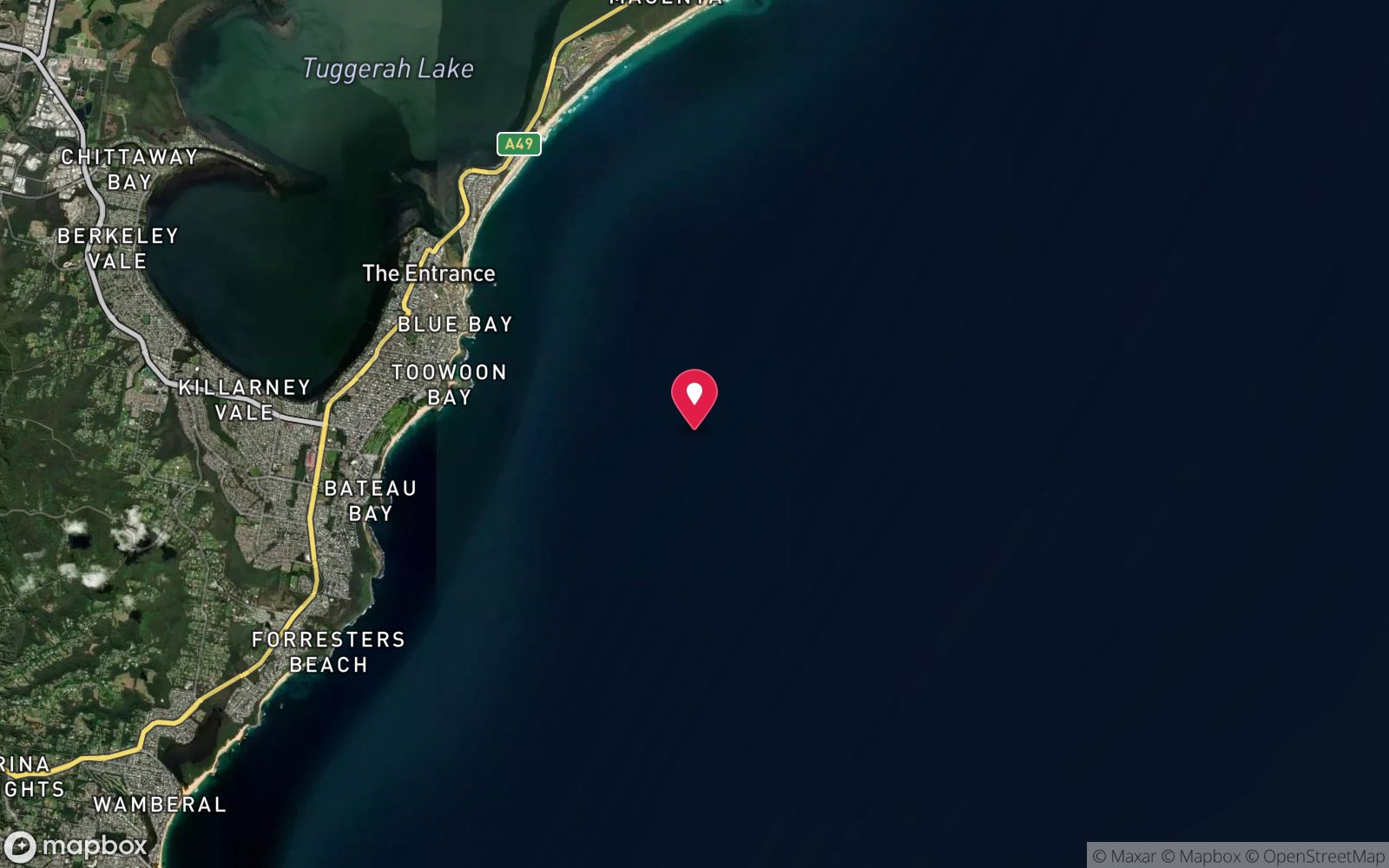
-33.45930, 151.51330
Published GPS position.
Open in Google MapsPrimary source: michaelmcfadyenscuba.infoMarine park & permits
None required; historic shipwreck protections apply
Nearest recompression chamber
Prince of Wales Hospital (Randwick, Sydney)
Diving emergency: call 000, then DAN AP 1800 088 200.
Trip planner
Build a trip around SS Galava wreck →
A day-by-day plan for Central Coast with this site locked in.
This guide is a planning aid. Conditions change daily — confirm with a local dive centre and dive within your training. Data & safety notes.
Dive profile
How this site rates
Scores are computed from the recorded data, not opinions. How?
At a glance
SS Galava wreck is a wreck boat dive in Central Coast, NSW, 49–51 m, suited to Technical (decompression) divers, variable/tidal current, about 15 minutes by boat.
Rated expert/technical because of depth to 51 m, tidal current that must be timed, cold water.
Why dive here
- A deep sixty-miler collier with an intact bow and some of the best fish life of any Central Coast wreck.
- Sunk in 1927; protected as underwater cultural heritage, so look but do not touch.
- Rarely dived: expect to have the site to yourself, and plan your own logistics.
- Visibility often reaches 10-25 m.
Conditions to avoid
- Afternoon north-easterlies
- Outgoing tide or run-off after rain (poor visibility)
About SS Galava wreck
The SS Galava was one of the 'sixty-milers', the steel colliers that shuttled coal between the Hunter and Lake Macquarie ports and Sydney. Built in 1906 by R. Williamson and Sons at Workington, England, she was 141.4 ft (43 m) long with a single boiler and a two-cylinder compound engine, owned by Jones Brothers Coal Company of Sydney.
In the early hours of 9 February 1927, heading south from Catherine Hill Bay with 420 tons of coal, water suddenly began pouring through hull plates in the bow. She sank so fast that no lifeboats or distress rockets could be launched; seven men died, three were missing, and five survived. Today she lies in about 51 m, 5.8 km off The Skillion, facing roughly north-east - odd, as McFadyen notes, since she was heading south.
When first dived in late 1968 or early 1969 she was reasonably intact, but most of the hull has now rusted away to leave ribs, and the two holds read as one. At the stern are the windlass and the propeller, missing two blades. The engine lies on its side, possibly after explosives were used on the wreck, with the Scotch boiler behind it and a winch nearby.
The bow is the most intact part, standing about a metre off the sand with a couple of winches and a standing bowsprit. The fish life is the reason many divers make the effort. McFadyen compares it to the SS Tuggerah off Sydney: wobbegongs on the wreck, nannygai, leatherjackets and seapike, and large schools of yellowtail, teraglin and nannygai overhead; the Marine Life Network adds jewfish.
At 51 m this is a serious decompression dive. McFadyen's example of a 15-minute bottom time on air requires about 16 minutes of stops and a total run time near 40 minutes, and he stresses at minimum a pony bottle. It is a dive for trained technical divers.
Wreck details
Steel steam collier ('sixty-miler'), 141.4 ft (43.1 m) x 23.9 ft; built Workington 1906 · Sunk 1927 · Protected historic shipwreck
Era: early 20th century. Oldest wrecks · Wartime wrecks · Scuttled warships
Other wrecks of the same era
- TSS Merimbula · Max 14 m · Shoalhaven Coast
- SS Annie M. Miller wreck · Max 46 m · Sydney South & Botany Bay
- MV Malabar wreck (Long Bay) · Max 10 m · Sydney South & Botany Bay
- PS Commodore wreck · Max 36 m · Newcastle & Lake Macquarie
- SS Irresistible wreck · Max 26 m · Newcastle & Lake Macquarie
- SS Osprey wreck · Max 42 m · Newcastle & Lake Macquarie
Getting there & entry
A 1906 steel collier ('sixty-miler') lost in 1927, lying in about 51 m roughly 5.8 km off The Skillion, Terrigal.
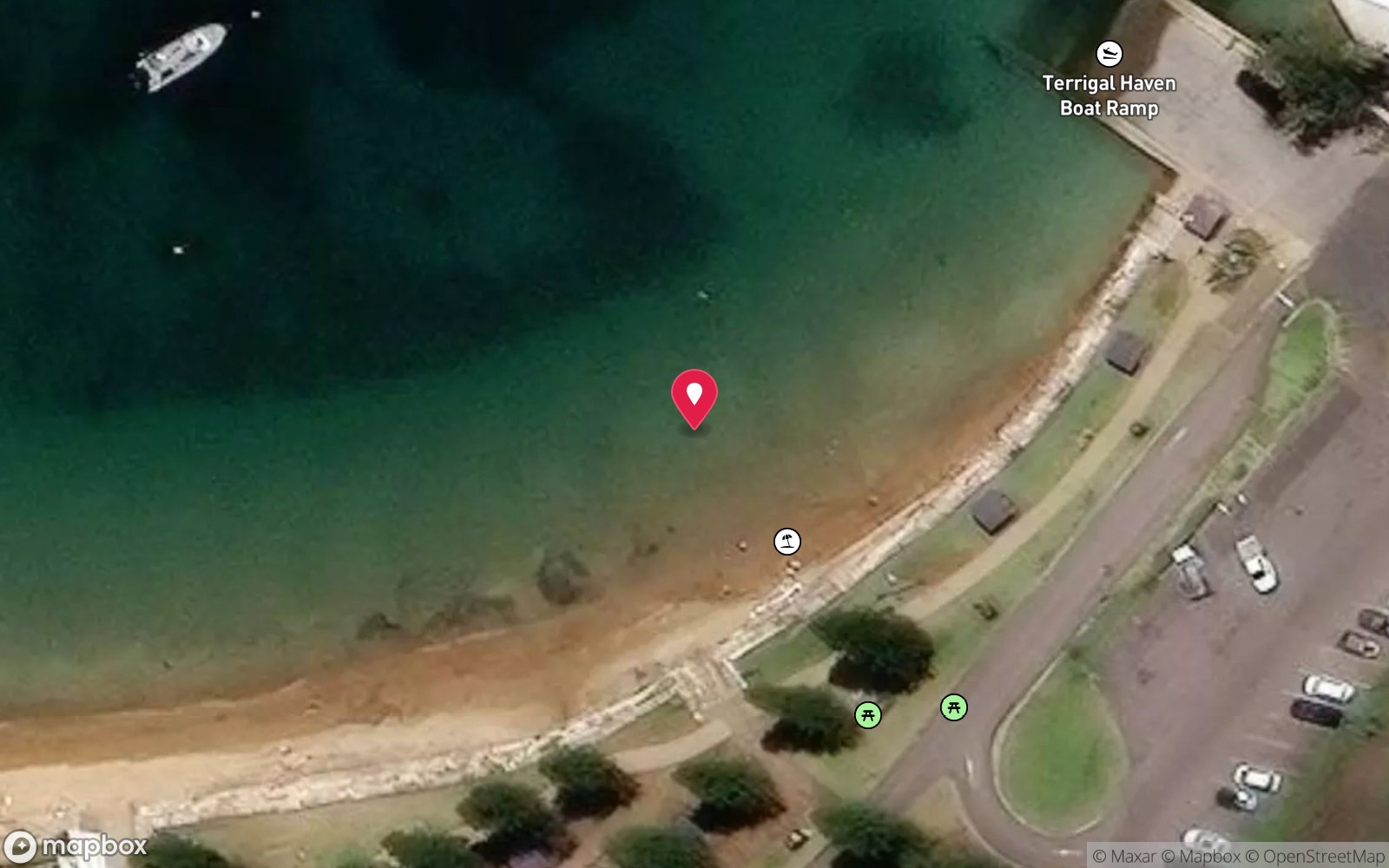
All boat dives in this area launch from the Terrigal Haven boat ramp at the southern end of Terrigal Beach, tucked behind The Skillion headland. From the Central Coast Highway follow Terrigal Drive into Terrigal, then Kurrawyba Avenue and Terrigal Esplanade to The Haven, where there is a paid car park beside the ramp; Pro Dive Central Coast's shop is a short walk away and gear is loaded on the ramp or the adjacent beach. Private boats need a ramp with good parking early on weekends as the car park fills by mid-morning in summer.
The Galava lies about 5.8 km off The Skillion and 6.6 km from the Haven ramp - roughly 15 minutes' run. McFadyen publishes the position as 33°27.5549'S 151°30.8008'E (WGS84). The middle of the wreck is open sand, making anchoring difficult; skippers usually drop a shot on the bow or stern using the sounder, which shows the wreck clearly because of the fish schools over it.
Entry: Back-roll from boat; descend shot line
Facilities: Departs Terrigal Haven: paid parking, toilets, kiosk and dive shop.
Weather, swell & tides
Terrigal's offshore reefs are open to the Tasman Sea and are dived only when swell is below roughly 1.5 m; a north-east sea breeze building through the afternoon in summer and strong southerlies after a front are the usual reasons trips are cancelled, so morning departures are the norm. The Haven boat ramp is sheltered by The Skillion but the run out past the headland can be lumpy in a south-easterly. Visibility is best in late summer and autumn when the East Australian Current pushes warm blue water inshore, and worst after heavy rain when Terrigal Lagoon, Wamberal Lagoon and Avoca Lagoon open and stain the inshore water.
Winter water is cooler (around 15-17 °C) but often clear. Deep wrecks also need little current: with the East Australian Current running, lines can stream out and a drifting ascent in open water becomes likely, so operators often wait for neaps or a quiet current day.
Best season: Late summer to autumn; calm neap-tide days
If it's blown out
Sheltered or shore sites within 25 km that often work when SS Galava wreck doesn't.
- Terrigal Haven · 6 km · Max 15 m
- Toowoon Bay (Little Bay) · 11 km · Max 6 m
- Cabbage Tree Bay (Norah Head) · 21 km · Max 9 m
- PS Maitland wreck (Maitland Bay) · 13 km · Max 5 m
How the dive is usually run
Descend the shot to the bow or stern. From the stern (windlass and propeller), swim forward along the ribs past the engine lying on its side and the Scotch boiler to the bow, which stands about 1 m off the sand with its winches and bowsprit. Turn at 10-12 minutes on air/nitrox or per trimix plan and ascend the shot, completing decompression.
Marine life
- Yellowtail (large schools)
- teraglin
- nannygai
- seapike
- leatherjackets
- wobbegong sharks →
- jewfish (mulloway)
- red snapper
Linked species have their own page listing every site where they are recorded. All marine life →
Training required
Beyond recreational limits: decompression, mixed gas or full cave/wreck training is required.
Courses that help here
- Enriched Air Nitrox – Longer no-decompression time at 25 m and deeper.
- Drysuit Diver – Cold water; locals dive dry for much of the year.
Depth tiers: 0–10 m easy · to 18 m Open Water · 18–30 m Advanced (25 m+ is a deep dive) · 30–40 m Deep specialty · 40 m+ technical. All courses
Hazards & warnings
Depth 51 m - significant decompression, narcosis on air; strong currents possible; many lost anchors fouled on the wreck (entanglement); difficult anchoring; long way offshore.
Technical notes
Trimix strongly recommended at 51 m; decompression gas (EAN50/O2 per team standards); McFadyen notes a pony bottle is the minimum redundancy. Protected historic shipwreck.
Dive centres that go here
Deep wreck charters are run on demand by Pro Dive Central Coast and Central Coast Divers (Terrigal) for suitably qualified divers, and by Terrigal Underwater Group and technical diving groups from private boats; there is no daily schedule, so book well ahead and expect minimum numbers and qualification checks.
Operators recorded for SS Galava wreck
Central Coast Divers
ProfiledKillarney Vale · Central Coast · NSW
An SSI Instructor Training Facility at Killarney Vale with two full-time Instructor Trainers, onsite servicing for all major brands, and freediving courses.
centralcoastdivers.com.au · +61 2 4389 3483
Pro Dive Central Coast
Named by sitesKillarney Vale · Central Coast · NSW
Independent SSI centre (formerly Central Coast Divers), not part of the PRO DIVE Sydney chain.
prodivecentralcoast.com.au · (02) 4389 3483
Terrigal Underwater Group
Named by sitesTerrigal · Central Coast · NSW
Dive club, not a shop.
terrigalunderwatergroup.com · (02) 4324 0064
Other dive centres in Central Coast
Dive Newcastle
ProfiledBeresfield · Port Stephens · NSW
A Beresfield dive superstore teaching RAID courses, with air fills, servicing, rental and a large scuba, freediving and spearfishing range.
neptunesports.com.au · (02) 4966 4900
Terrigal Dive Centre
ProfiledTerrigal · Central Coast · NSW
A dive shop on the waterside at Terrigal Haven, running boat and wreck dives including the ex-HMAS Adelaide, a few minutes offshore.
+61 2 4384 1219
Norah Head Divers Depot
Named by sitesNorah Head · Central Coast · NSW
No trace of any business by this name at Norah Head.
Map
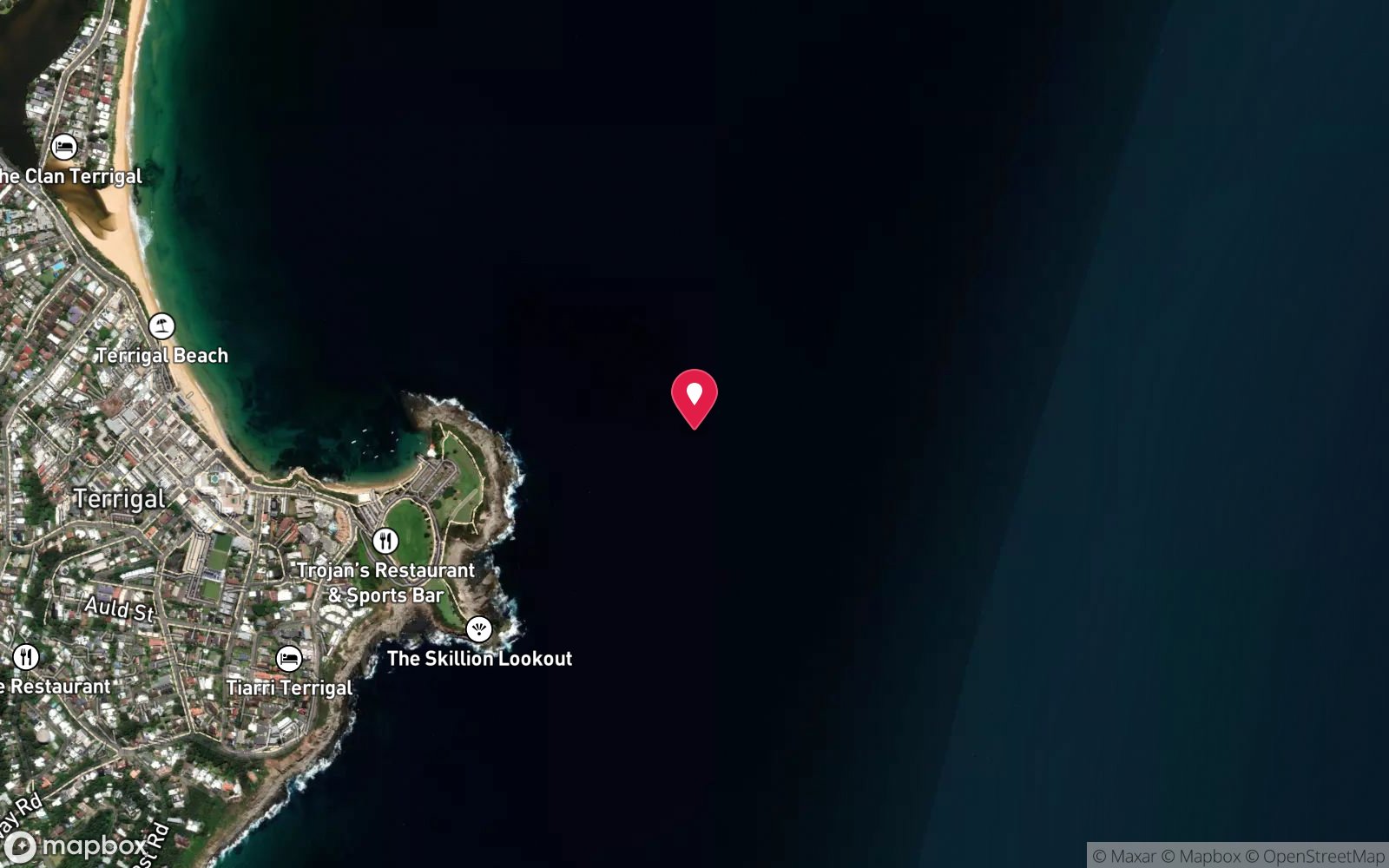
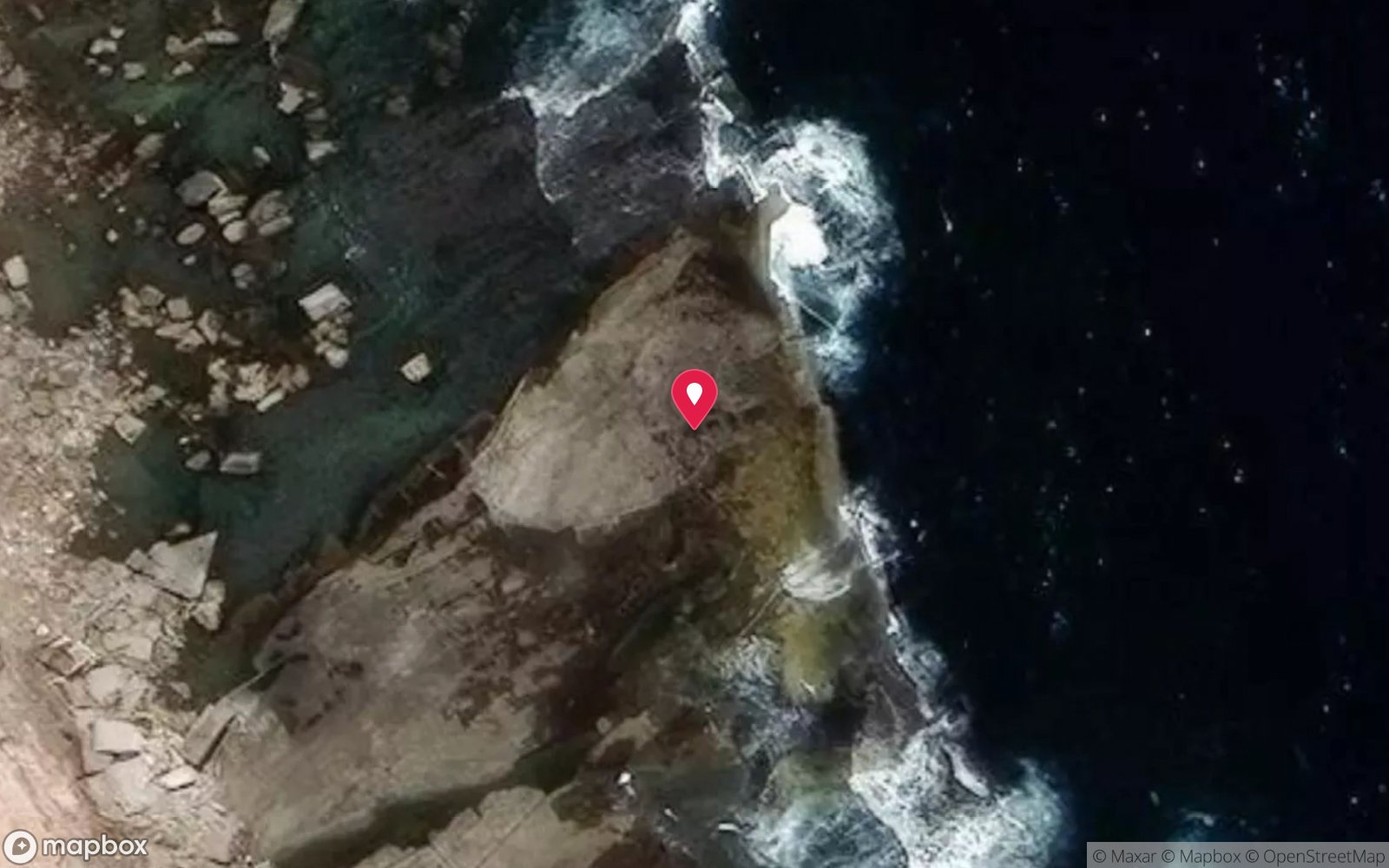
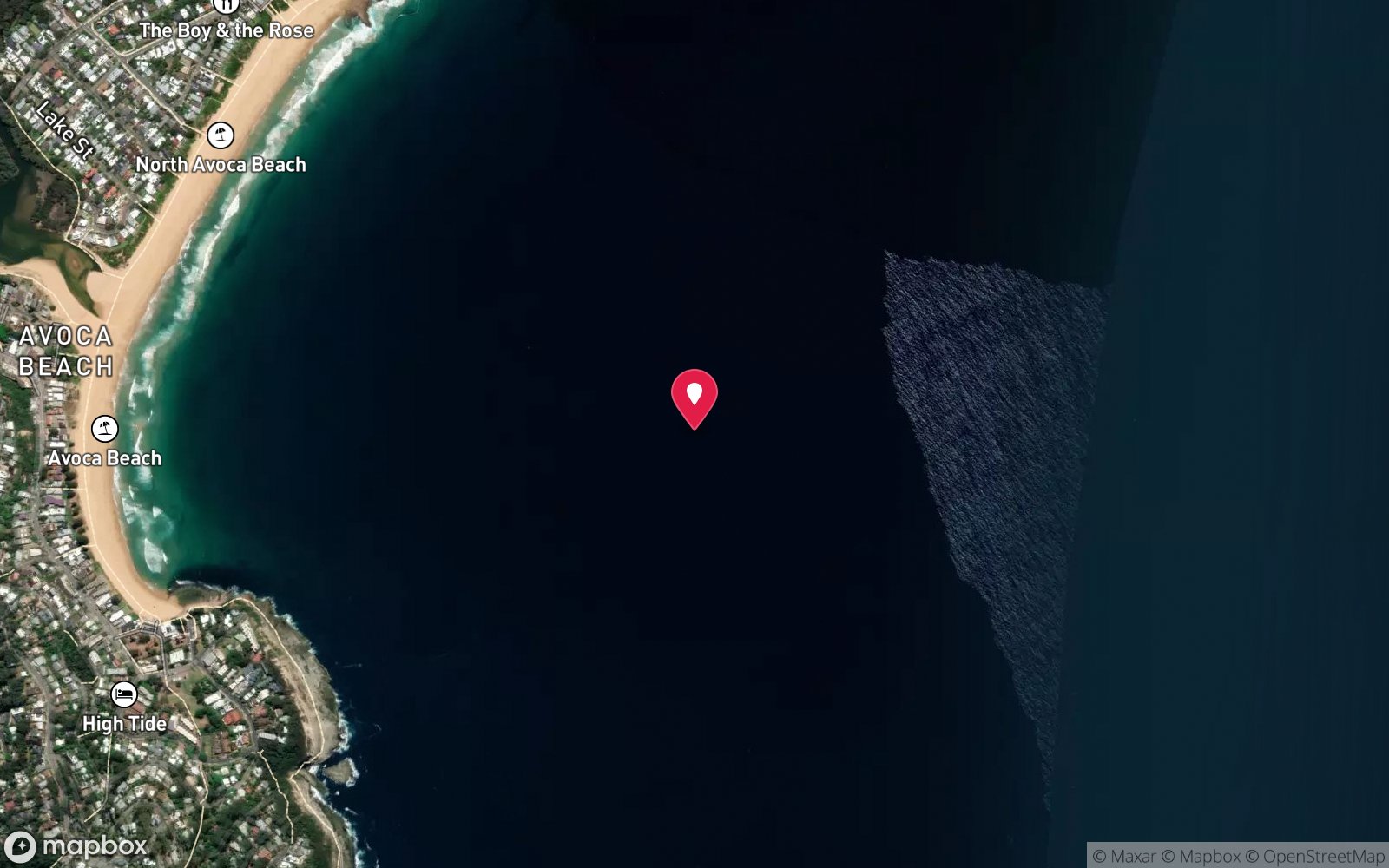
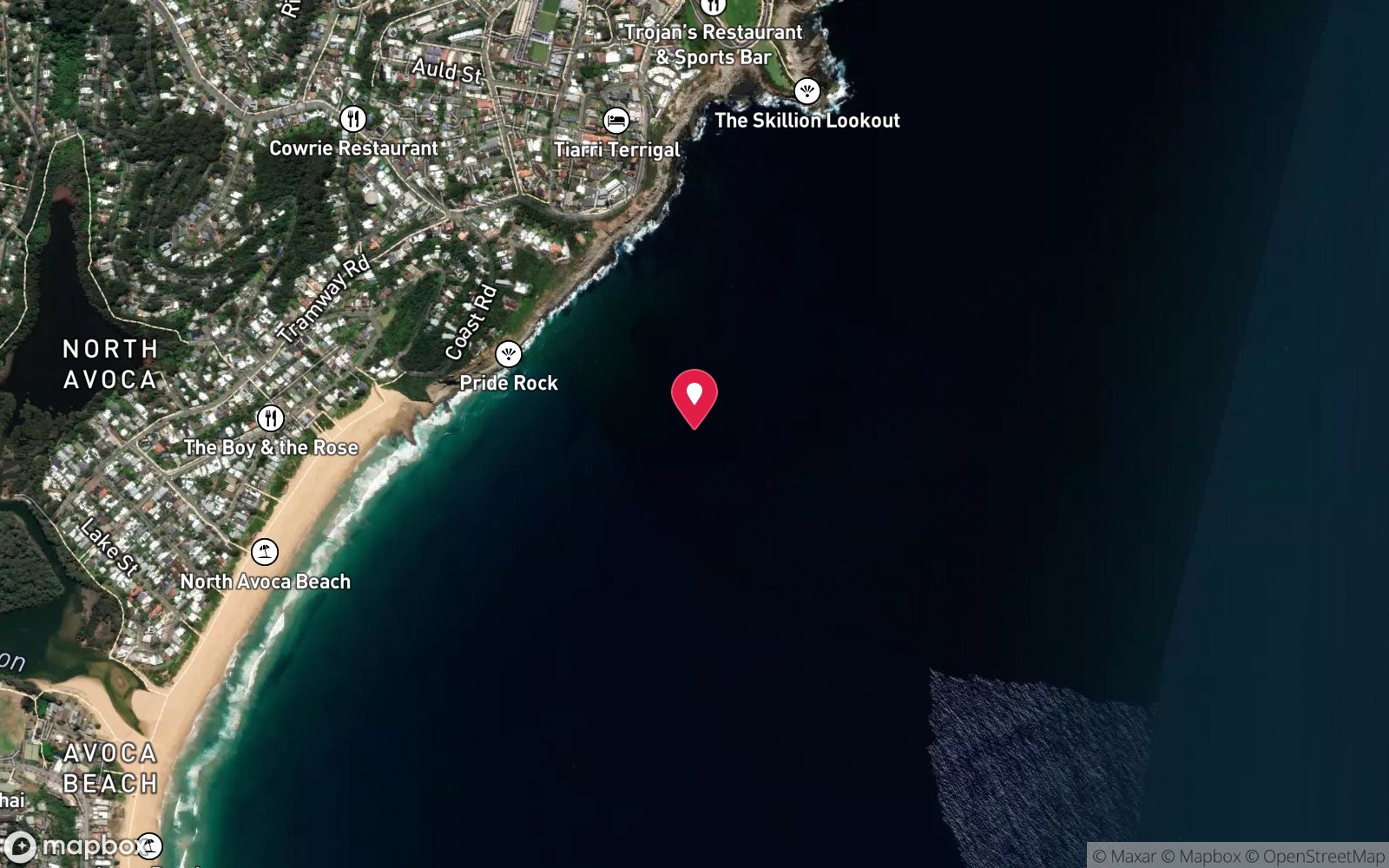
7 pinned sites. Pins marked approximate on their pages show the general area only; not for navigation.
Satellite views
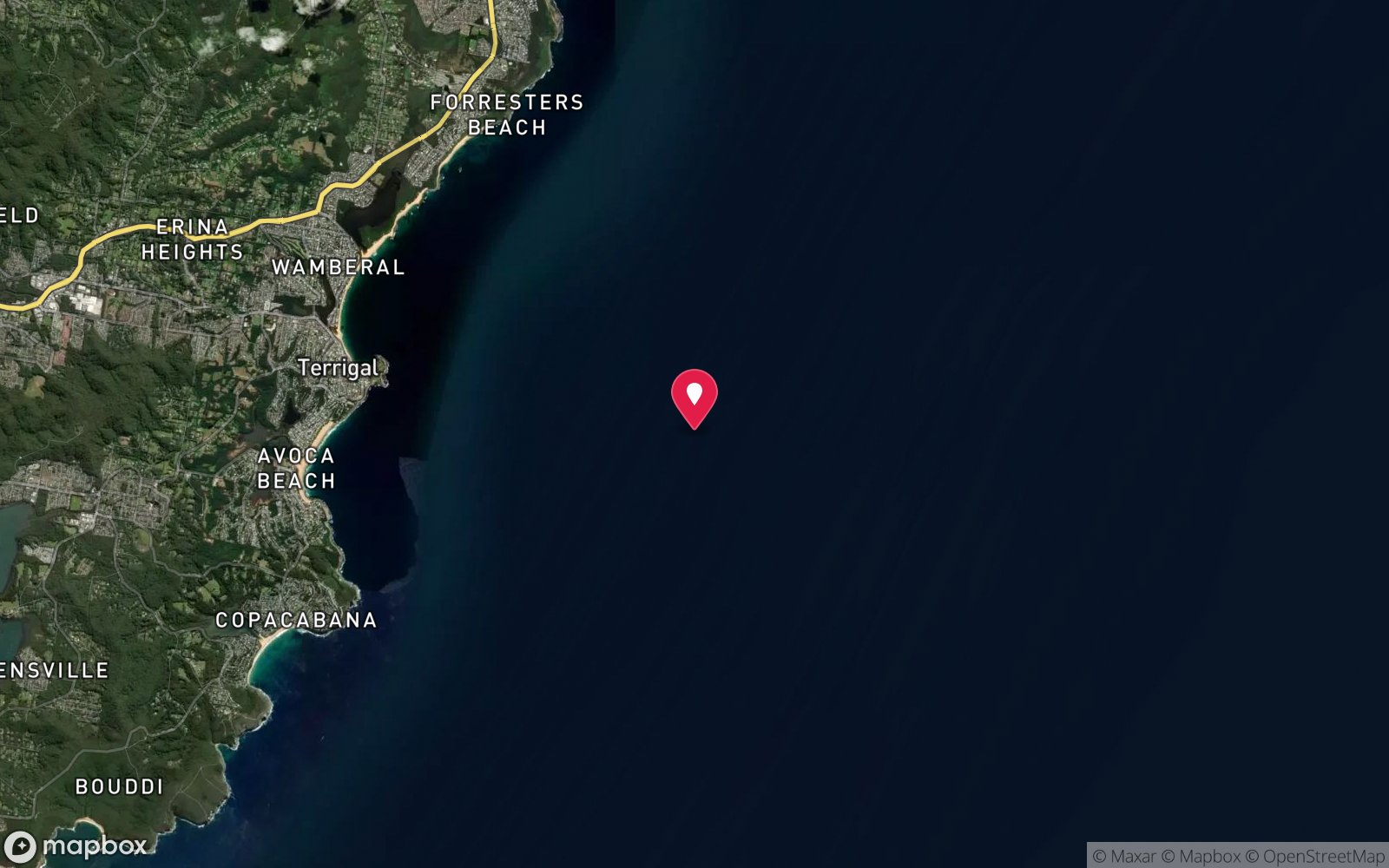
SS Galava wreck: frequently asked questions
How deep is SS Galava wreck?
SS Galava wreck reaches a maximum depth of 51 m, with the shallowest part at about 49 m; most of the dive is spent around 50 m.
What certification do I need to dive SS Galava wreck?
Technical (decompression) is the recommended minimum. Rated expert/technical because of depth to 51 m, tidal current that must be timed, cold water.
Can I shore dive SS Galava wreck?
No, it is reached by boat (about 15 minutes). A dive centre is required: boat access only.
When is the best time to dive SS Galava wreck?
Late summer to autumn; calm neap-tide days.
What marine life will I see at SS Galava wreck?
Regularly recorded: Yellowtail (large schools), teraglin, nannygai, seapike, leatherjackets, wobbegong sharks, jewfish (mulloway), red snapper.
What wetsuit do I need at SS Galava wreck?
5 mm steamer/full suit in summer; 7 mm semi-dry or drysuit June-October.
How cold is the water at SS Galava wreck?
Typically 20-23 °C in summer and 14-17 °C in winter.
What are the main hazards at SS Galava wreck?
Depth 51 m - significant decompression, narcosis on air; strong currents possible; many lost anchors fouled on the wreck (entanglement); difficult anchoring; long way offshore. See the hazards section above for the full list.
Where is the nearest recompression chamber to SS Galava wreck?
Prince of Wales Hospital (Randwick, Sydney). In an emergency call 000, then DAN Asia-Pacific on 1800 088 200.
Diving in Central Coast
The Central Coast's headline is the ex-HMAS Adelaide, a 138 m frigate scuttled off Avoca in 2011 that is now one of the busiest wreck dives in the country. Around it are the reefs and caves of Terrigal Haven, Foggy's Cave and the Skillion, the shore dive at Terrigal, and the grey nurse gutters at the Pinnacles off Bangalley Head.
Getting there: Ninety minutes north of Sydney. Charters from Terrigal Haven run the Adelaide daily in season; Terrigal Haven itself is a sheltered shore dive with parking on the beachfront.
Sources
- michaelmcfadyenscuba.info/viewpage.php?page_id=701
- michaelmcfadyenscuba.info/viewpage.php?page_id=526
- terrigalunderwatergroup.com/dive-sites
- marinelife.org.au/?page_id=1493
- coastmagazine.com.au/explore/shipwrecks-on-our-coast
Data confidence: High. Last updated September 2026. Know this site better? How to send a correction
Nearby dive sites
More wrecks in New South Wales
Explore more
This region
Marine life