Dive slate · divesites.com.au · printed 9 Nov 2026
Crystal Pool
Norfolk Island, External Territories · near Kingston / Burnt Pine
| Depth | 1–6 m |
|---|---|
| Minimum level | Snorkel/Any |
| Difficulty | Intermediate |
| Access | Shore |
| Entry | Walk in from the beach |
| Current | Mild |
| Visibility | 15-40 m |
| Water | summer 22-25 °C, winter 18-19 °C |
| Suit | 5 mm full suit year-round; add a hood or vest June–October |
| Best season | November–April for warmer water and lighter winds; winter can give 40 m visibility but more days lost to wind |
| Bottom time | 45 min |
| Position | -29.07000, 167.93000 (approximate) |
| Permit | Norfolk Marine Park (Special Purpose Zone); Point Ross Reserve |
| Nearest chamber | Prince of Wales Hospital (Randwick, Sydney) – about 1,700 km; no chamber on Norfolk Island, aeromedical evacuation from Norfolk Island Airport via the Norfolk Island Health service (Auckland may be used – confirm) |
| Emergency | 000 · DAN Asia-Pacific diving emergency 1800 088 200 |
Crystal Pool
A small, crystal-clear rock pool at Point Ross – one of Norfolk's favourite shallow dives when the swell is down.
Near Kingston / Burnt Pine · Norfolk Island, External Territories
- Depth
- 1–6 m
- Minimum level
- Snorkel/Any
- Access
- Shore
- Boat ride
- —
- Water
- 22-25 °C
- Visibility
- 15-40 m
Crystal Pool1–6 m · Snorkel/Any · Shore
Dive factsDepths, conditions, location & safety
Season
In season nowBest months: January, February, March, April, June, July, August, November, December.
November–April for warmer water and lighter winds; winter can give 40 m visibility but more days lost to wind
- Best months
- Now (November)
- Stinger suit Nov–May
Dive facts
- Depth
- 1–6 m
- Typical depth
- 3 m
- Certification
- Snorkel/Any
- Difficulty
- Intermediate
- Depth tier
- Easy (0–10 m)
- Access
- Shore
- Offshore
- 0 km
- Dive centre needed
- Recommended
- Shore / independent
- Possible (experienced only)
- Current
- Mild
- Visibility
- 15-40 m
- Water temp (summer)
- 22-25 °C
- Water temp (winter)
- 18-19 °C
- Water
- Subtropical
- Bottom time
- 45 min
- Dive traffic
- Moderate (occasional charters/club dives)
- Night dive
- Possible
- Snorkel friendly
- Yes
Exposure suit
5 mm full suit year-round; add a hood or vest June–October
Location
Point Ross Reserve (south-west coast)
-29.07000, 167.93000
Approximate position — not for navigation.
Open in Google MapsPrimary source: oceanatik.comMarine park & permits
Norfolk Marine Park (Special Purpose Zone); Point Ross Reserve
Nearest recompression chamber
Prince of Wales Hospital (Randwick, Sydney) – about 1,700 km; no chamber on Norfolk Island, aeromedical evacuation from Norfolk Island Airport via the Norfolk Island Health service (Auckland may be used – confirm)
Diving emergency: call 000, then DAN AP 1800 088 200.
Trip planner
Build a trip around Crystal Pool →
A day-by-day plan for Norfolk Island with this site locked in.
This guide is a planning aid. Conditions change daily — confirm with a local dive centre and dive within your training. Data & safety notes.
Dive profile
How this site rates
Scores are computed from the recorded data, not opinions. How?
At a glance
Crystal Pool is a shore / rock platform shore dive for experienced divers in Norfolk Island, Australia's external territories, 1–6 m, suitable for snorkellers and first-time divers.
Rated intermediate by the operators who dive it.
Why dive here
- A small, crystal-clear rock pool at Point Ross – one of Norfolk's favourite shallow dives when the swell is down.
- Snorkel-friendly, so non-diving companions can join at the surface.
- Visibility often reaches 15-40 m.
About Crystal Pool
Crystal Pool is a rock pool and shallow rocky reef in Point Ross Reserve on Norfolk Island's south-west coast. Oceanatik describes it as 'one of the best dives on Norfolk' despite a maximum depth of only 6 m, with rock formations, a few corals and a large variety of marine life, all covered in algae. Norfolk's tourism body calls it a stunning location that requires local guidance for safe access and is tide-dependent.
The name reflects the water clarity: Oceanatik gives visibility of 15–45 m, and in a small, sheltered pool that means the whole structure is visible at once. The rock formations and boulders create hiding places, and the fish life is dense for such a small area. Oceanatik does not list species, but Norfolk's shallow reefs support wrasses, cardinalfish, marblefish, morays, damsels and a mix of subtropical reef fish, several of them endemic to the region.
The catch is the exposure. Oceanatik warns that the site is subject to large swells because of its location, and waves can wash over the rock shelf and into the pool. That, together with the walk-in over rocks and the tide dependence, is why local guidance is recommended. Divers carrying scuba gear over the rocks need to be sure-footed.
It suits snorkellers and divers of any certification level on the right day, but conditions rather than skill are the limiting factor. The coordinates given are approximate for Point Ross.
Getting there & entry
A rock pool and shallow rocky reef in Point Ross Reserve on Norfolk's south-west coast, reached on foot; tide- and swell-dependent.
Norfolk Island is about 1,450 km east of Brisbane; flights run from Sydney and Brisbane (about 2.5 h; check the current carrier). A hire car is essential. Crystal Pool is in Point Ross Reserve on the south-west coast, reached by road from Burnt Pine towards Point Ross and a short walk across the reserve and down onto the rocks.
The route down is over rock and the entry depends on tide and swell, so the tourism body recommends going with local guidance – ask at the Visitor Information Centre in Burnt Pine. Carry gear in; there are no facilities.
Entry: Walk in from the beach
Facilities: None; parking at Point Ross Reserve.
Weather, swell & tides
Crystal Pool is on the exposed south-west coast and, as Oceanatik warns, is subject to large swells. It is suitable only on calm days with little or no southerly or westerly swell, and access is tide-dependent – ask locally for the right tide. Waves washing over the rock shelf make it dangerous.
Visibility is 15–40 m when calm. Winter south-easterlies and westerly swells often rule it out.
Best season: November–April for warmer water and lighter winds; winter can give 40 m visibility but more days lost to wind
If it's blown out
Sheltered or shore sites within 25 km that often work when Crystal Pool doesn't.
- Slaughter Bay · 3 km · Max 6 m
- Emily Bay · 3 km · Max 6 m
- Cemetery Bay · 4 km · Depth not published
- HMS Sirius wreck site · 3 km · Max 8 m
How the dive is usually run
With local guidance, enter the pool at the recommended tide and snorkel or dive among the rock formations to about 6 m. Keep an eye on the swell and exit well before conditions change.
Marine life
- Algae-covered rock formations
- few corals
- abundant reef fish (species not documented)
Linked species have their own page listing every site where they are recorded. All marine life →
Training required
Shallow enough for snorkellers and for a first dive under supervision. Any certified diver can dive it.
Depth tiers: 0–10 m easy · to 18 m Open Water · 18–30 m Advanced (25 m+ is a deep dive) · 30–40 m Deep specialty · 40 m+ technical. All courses
Hazards & warnings
Large swells on the exposed south-west coast; slippery rocks on the walk-in; tide-dependent access; unpatrolled and remote; no chamber on Norfolk Island.
Dive centres that go here
No operator needed but local guidance recommended; Norfolk Island Diving can guide shore dives; ask at the Visitor Information Centre for conditions.
Operators recorded for Crystal Pool
Other dive centres in Norfolk Island
Map
7 pinned sites. Pins marked approximate on their pages show the general area only; not for navigation.
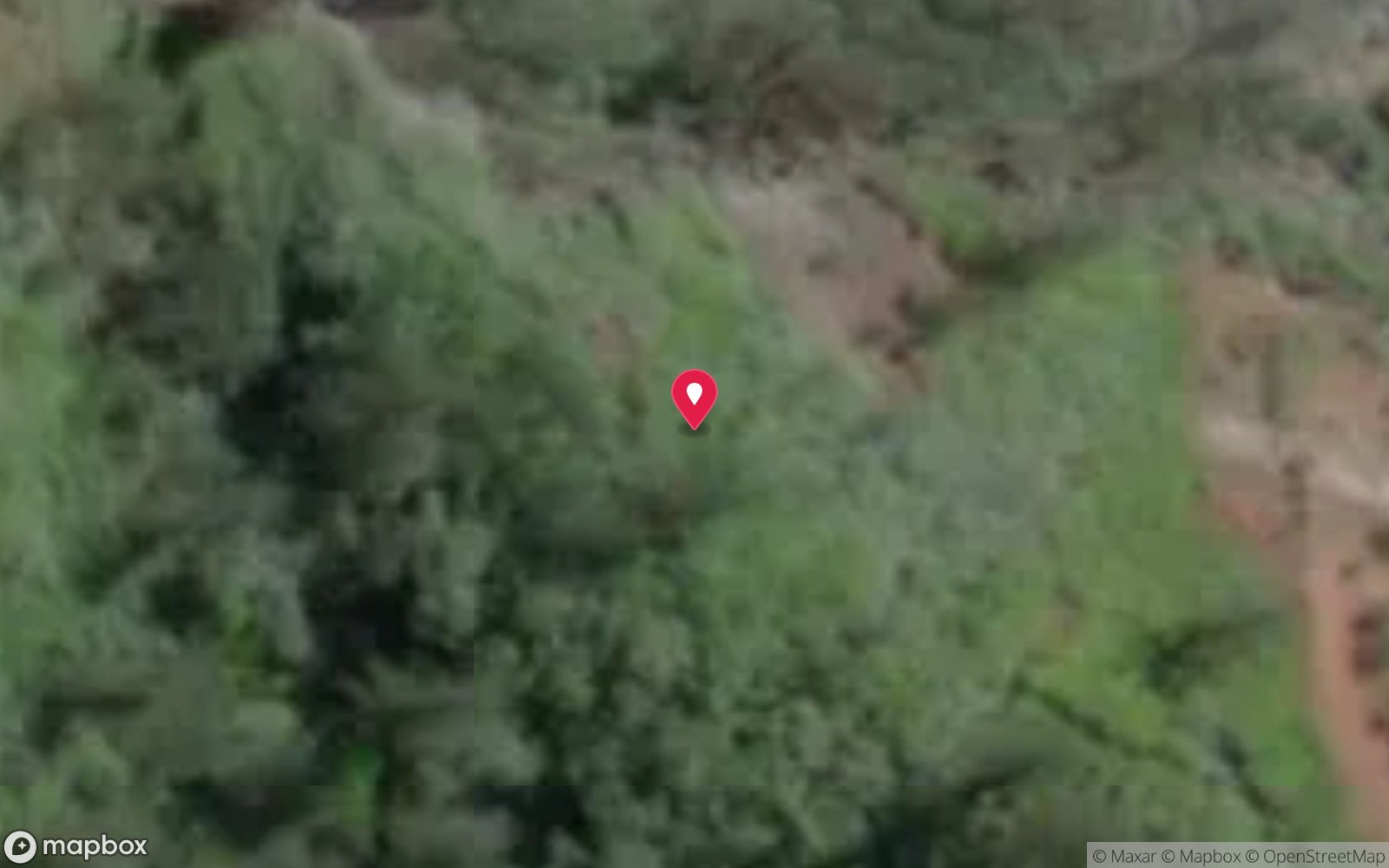
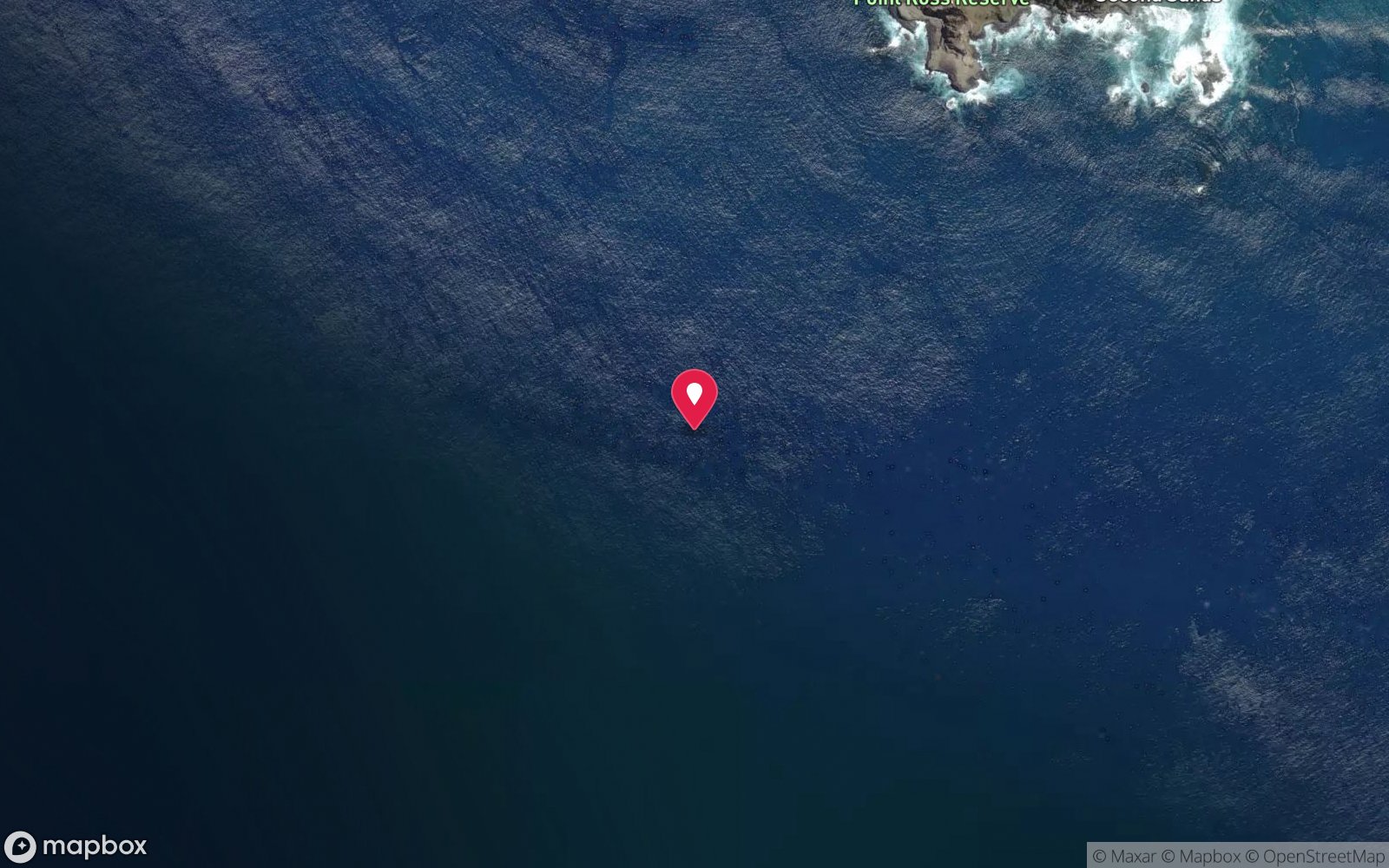
Satellite views
Crystal Pool: frequently asked questions
How deep is Crystal Pool?
Crystal Pool reaches a maximum depth of 6 m, with the shallowest part at about 1 m; most of the dive is spent around 3 m.
What certification do I need to dive Crystal Pool?
No certification is needed to snorkel it, and it suits introductory dives. Rated intermediate by the operators who dive it.
Can I shore dive Crystal Pool?
Experienced divers do dive Crystal Pool from the shore, but the entry or conditions make it unsuitable for newer divers without local guidance. Entry: Walk in from the beach.
When is the best time to dive Crystal Pool?
November–April for warmer water and lighter winds; winter can give 40 m visibility but more days lost to wind.
What marine life will I see at Crystal Pool?
Regularly recorded: Algae-covered rock formations, few corals, abundant reef fish (species not documented).
What wetsuit do I need at Crystal Pool?
5 mm full suit year-round; add a hood or vest June–October.
How cold is the water at Crystal Pool?
Typically 22-25 °C in summer and 18-19 °C in winter.
What are the main hazards at Crystal Pool?
Large swells on the exposed south-west coast; slippery rocks on the walk-in; tide-dependent access; unpatrolled and remote; no chamber on Norfolk Island. See the hazards section above for the full list.
Where is the nearest recompression chamber to Crystal Pool?
Prince of Wales Hospital (Randwick, Sydney) – about 1,700 km; no chamber on Norfolk Island, aeromedical evacuation from Norfolk Island Airport via the Norfolk Island Health service (Auckland may be used – confirm). In an emergency call 000, then DAN Asia-Pacific on 1800 088 200.
Diving in Norfolk Island
Norfolk Island sits on its own in the Tasman Sea, and its reefs feel like it: subtropical coral and kelp together, arches and swim-throughs in volcanic rock, 20–40 m visibility and endemic fish found nowhere else. Slaughter Bay and Emily Bay inside the lagoon are easy shore dives; the outer sites around Nepean and Phillip islands are boat dives in clear blue water.
Getting there: Fly from Sydney or Brisbane (about two and a half hours). One dive operator on the island runs boat and shore dives depending on the wind.
Sources
- oceanatik.com/destination/norfolk-island/sites/crystal-pool-5160.html
- norfolkisland.com.au/experiences/outdoor-activities/snorkelling-diving
Data confidence: Medium · Being verified: Coordinates approximate; walk-in route to confirm.. Last updated September 2026. Know this site better? How to send a correction