Dive slate · divesites.com.au · printed 8 Nov 2026
Glaneuse
Port Phillip Heads, Victoria · near Point Lonsdale
| Depth | 2–6 m |
|---|---|
| Minimum level | Open Water |
| Difficulty | Advanced |
| Access | Shore |
| Entry | Rock platform / beach entry through the surf line on a dead-calm day |
| Current | Strong |
| Visibility | 3-10 m |
| Water | summer 17-20 °C, winter 11-14 °C |
| Suit | 7 mm semi-dry with hood and gloves, or drysuit; drysuit strongly preferred May–November |
| Best season | Year-round on slack water; February–May usually gives the calmest seas and clearest water |
| Bottom time | 30 min |
| Position | -38.29317, 144.61250 (GPS) |
| Permit | Port Phillip Heads Marine National Park – no take of any marine life; no permit needed for diving; Parks Victoria diver guide applies |
| Nearest chamber | The Alfred Hospital hyperbaric unit (Melbourne) |
| Emergency | 000 · DAN Asia-Pacific diving emergency 1800 088 200 |
Glaneuse
The buried remains of a French barque wrecked in 1886, exposed in the surf line off Point Lonsdale only after storms – a curiosity for wreck historians on the rarest calm days.
Near Point Lonsdale · Port Phillip Heads, Victoria
- Depth
- 2–6 m
- Minimum level
- Open Water
- Access
- Shore
- Boat ride
- —
- Water
- 17-20 °C
- Visibility
- 3-10 m
Glaneuse2–6 m · Open Water · Shore
Dive factsDepths, conditions, location & safety
Season
Off-peak nowBest months: February, March, April, May.
Year-round on slack water; February–May usually gives the calmest seas and clearest water
- Best months
- Now (November)
Dive facts
- Depth
- 2–6 m
- Typical depth
- 4 m
- Certification
- Open Water
- Difficulty
- Advanced
- Depth tier
- Easy (0–10 m)
- Access
- Shore
- Offshore
- 0.1 km
- Dive centre needed
- No – independently diveable
- Shore / independent
- Possible (experienced only)
- Current
- Strong
- Visibility
- 3-10 m
- Water temp (summer)
- 17-20 °C
- Water temp (winter)
- 11-14 °C
- Water
- Temperate
- Bottom time
- 30 min
- Dive traffic
- Rarely dived (private boat/club only)
- Night dive
- No
- Snorkel friendly
- No
Exposure suit
7 mm semi-dry with hood and gloves, or drysuit; drysuit strongly preferred May–November
Location
Point Lonsdale rock platform / Lonsdale Reef · Port Phillip Heads – Bellarine Peninsula
-38.29317, 144.61250
Published GPS position.
Open in Google MapsDive site map (external) →Primary source: scubadoctor.com.auMarine park & permits
Port Phillip Heads Marine National Park – no take of any marine life; no permit needed for diving; Parks Victoria diver guide applies
Nearest recompression chamber
The Alfred Hospital hyperbaric unit (Melbourne)
Diving emergency: call 000, then DAN AP 1800 088 200.
Trip planner
Build a trip around Glaneuse →
A day-by-day plan for Port Phillip Heads with this site locked in.
This guide is a planning aid. Conditions change daily — confirm with a local dive centre and dive within your training. Data & safety notes.
Dive profile
How this site rates
Scores are computed from the recorded data, not opinions. How?
At a glance
Glaneuse is a wreck shore dive for experienced divers in Port Phillip Heads, VIC, 2–6 m, suited to Open Water divers, strong current.
Rated advanced because of strong current, cold water.
Why dive here
- The buried remains of a French barque wrecked in 1886, exposed in the surf line off Point Lonsdale only after storms – a curiosity for wreck historians on the rarest calm days.
- Sunk in 1886; protected as underwater cultural heritage, so look but do not touch.
- Rarely dived: expect to have the site to yourself, and plan your own logistics.
About Glaneuse
The Glaneuse was a French three-masted iron barque of 502 tons, built at La Seyne near Toulon in 1870 and owned at the time of her loss by Bourdes et Fils of Bordeaux. She arrived off Port Phillip Heads on 1 October 1886, failed to obtain a pilot, and during the night drifted stern first in a light south-westerly onto the Point Lonsdale reef, where she was wrecked on 2 October 1886. Her crew were saved. Her name survives on the shore as Glaneuse Reef and in the memory of the town, where her figurehead was displayed for many years.
Underwater there is, in most seasons, nothing. The Scuba Doctor listing is candid: 'All that remains of the hapless Glaneuse below the surface is the exposure of its rusting iron hull from time to time, after storms have removed the layer of sand that normally covers the wreck site.' When a winter blow has scoured the beach, sections of frames and plating appear in 2–6 m in the surf line between Buckley's Cave and the back beach; when the sand returns they vanish again. The reef around the site carries the usual Point Lonsdale ledge fauna – crayfish, abalone, wrasse and sweep – and the listing notes the location among the platform's shore dives from Buckleys Cave.
It is included here because it is a named, protected historic shipwreck on the Scuba Doctor list and one of the five wrecks reachable from the lighthouse car park, not because it is a dive to plan a trip around. The listing says it is rarely dived because its position in the surf line makes it 'uncomfortable and dangerous on all but the rarest of totally calm days', and that is the whole of the advice: check from the cliff whether iron is showing, wait for a flat ebb slack, and treat it as an add-on to a Buckleys Cave or Point Lonsdale Light dive.
Wreck details
Three-masted iron barque, 502 tons, built La Seyne, France, 1870 · Sunk 1886 · Protected historic shipwreck
Era: colonial sail and steam. Oldest wrecks · Wartime wrecks · Scuttled warships
Other wrecks of the same era
- SS Cheviot · Max 7 m · Port Phillip Heads
- SS Gulf of Carpentaria · Max 50 m · Wilsons Promontory
- Edinburgh Castle · Max 5 m · Shipwreck Coast & Warrnambool
- George Roper · Max 6 m · Port Phillip Heads
- Holyhead · Max 10 m · Port Phillip Heads
- Fiji · Max 7 m · Shipwreck Coast & Warrnambool
Getting there & entry
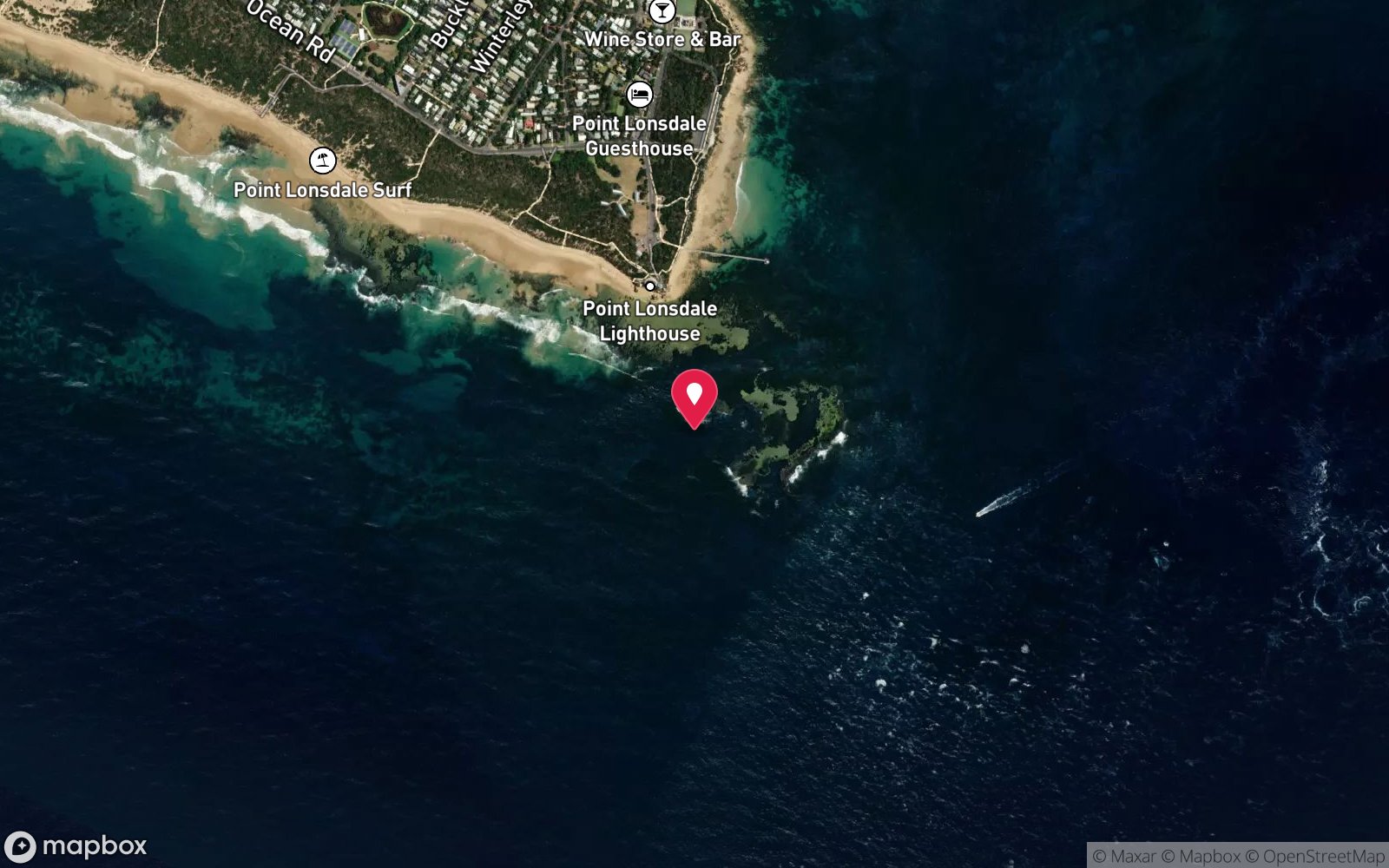
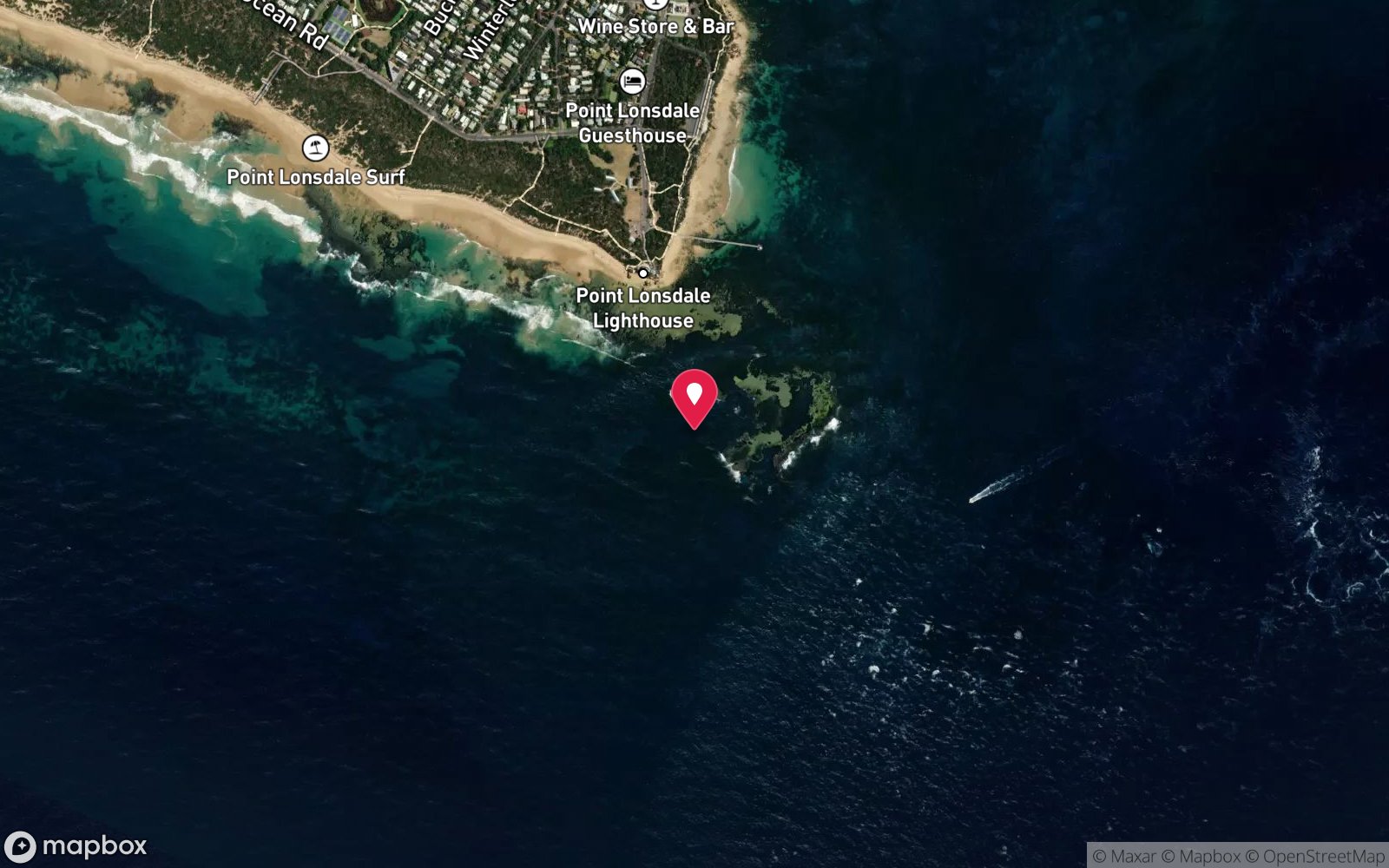
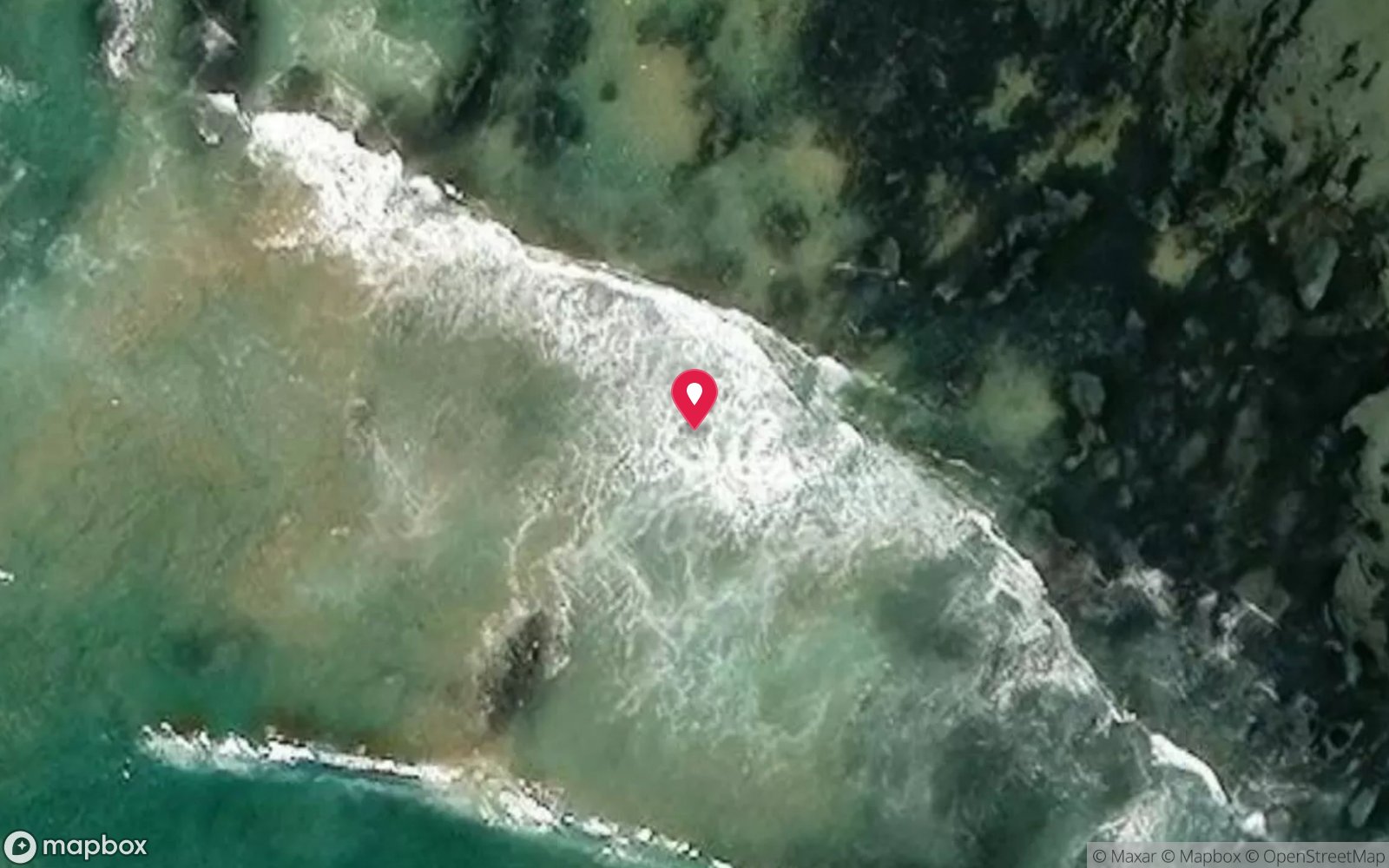
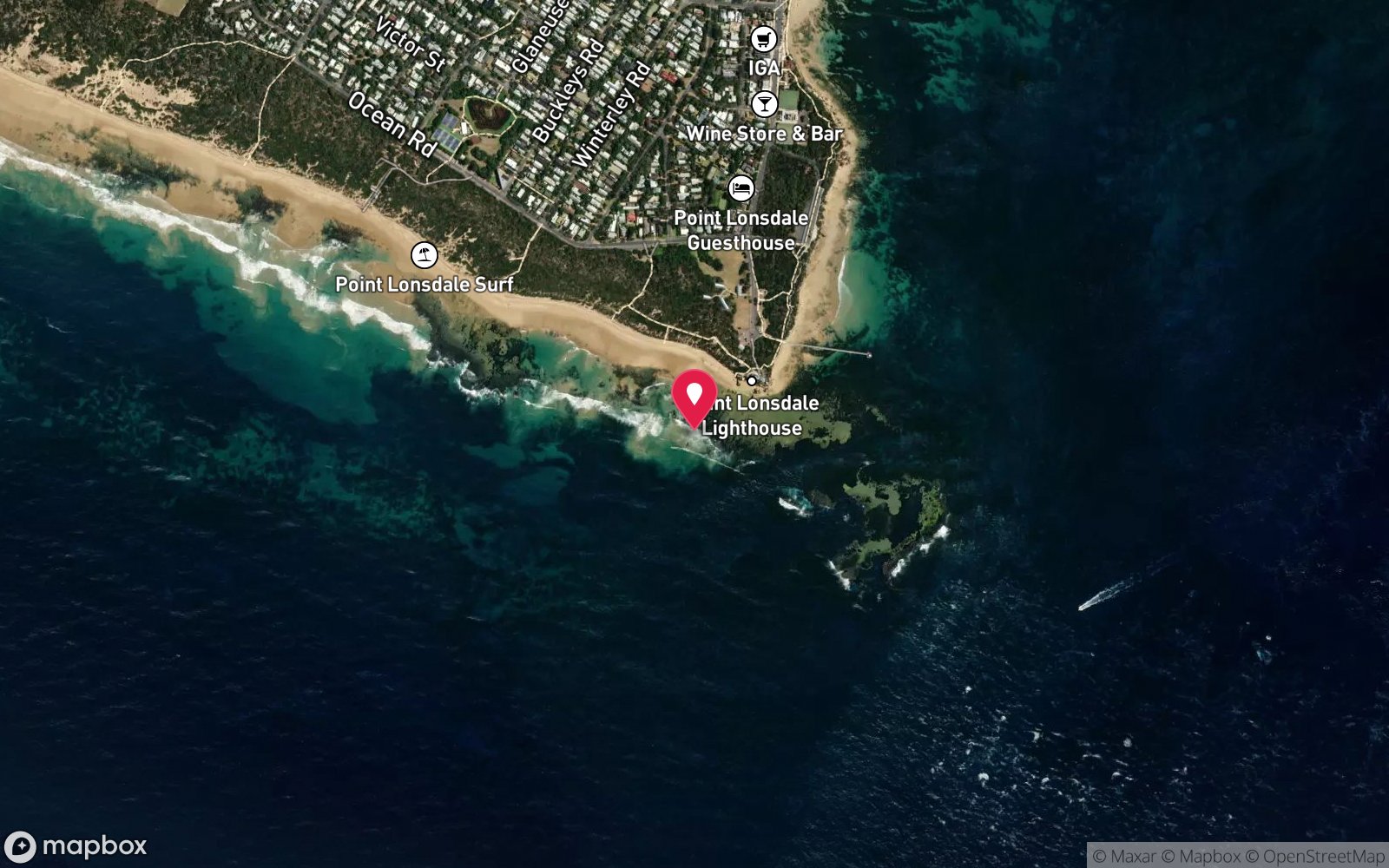
In the surf line on the Point Lonsdale reef 146 m west-south-west of Buckleys Cave and 400 m south-east of the back beach, normally buried in sand.
From the Point Lonsdale lighthouse car park take the path past Buckley's Cave to the platform and swim 150 m west along the shore inside the surf line, or approach from the back beach 400 m to the north-west. There is nothing to see unless a storm has stripped the sand; check from the cliff path first. Enter and exit at the platform gutter near Buckley's Cave at low water on a totally calm day.
Air fills Dive Victoria Group, Queenscliff. Melway 499 J7.
Entry: Rock platform / beach entry through the surf line on a dead-calm day
Facilities: Free car park at Point Lonsdale lighthouse; public toilets by the lighthouse; no showers; cafes and shops in Point Lonsdale village 800 m away; nearest air fills Dive Victoria Group, Queenscliff (5 km).
Weather, swell & tides
Rarely diveable: the listing says the wreck is 'rarely dived due to its location in the surf line making diving uncomfortable and dangerous on all but the rarest of totally calm days'. It needs zero swell, no wind and low water at the end of the ebb, and even then surge runs across the site; the flood arrives fast over the reef. Sand covers the iron most of the year and it is only exposed for a while after big winter storms, so the useful windows are calm spells in autumn and early winter following a blow.
Tide reference WillyWeather 'Rip Bank'.
Best season: Year-round on slack water; February–May usually gives the calmest seas and clearest water
If it's blown out
Sheltered or shore sites within 25 km that often work when Glaneuse doesn't.
- Portsea Pier · 9 km · Max 7 m
- Chinamans Hat · 10 km · Max 12 m
- Blairgowrie Pier · 16 km · Max 7 m
- Rye Pier · 20 km · Max 7 m
How the dive is usually run
On a flat day at low water, swim from the Buckleys Cave gutter west along the inside of the reef to the mark, search the sand and ledges at 2–6 m for exposed hull iron, and return the same way within 20–30 minutes before the flood; float and flag.
Marine life
- Southern rock lobster
- abalone
- bluethroat wrasse
- silver sweep
- sea stars
- kelp
Linked species have their own page listing every site where they are recorded. All marine life →
Training required
Shallow enough for snorkellers and for a first dive under supervision. Any certified diver can dive it.
Courses that help here
- Drift Diver – Current is a feature of the dive.
- Drysuit Diver – Cold water; locals dive dry for much of the year.
Depth tiers: 0–10 m easy · to 18 m Open Water · 18–30 m Advanced (25 m+ is a deep dive) · 30–40 m Deep specialty · 40 m+ technical. All courses
Hazards & warnings
Surf line – dangerous in any swell; flood sweeps the reef; sand-covered and often nothing visible; sharp iron; no lifeguard; protected historic shipwreck
Dive centres that go here
No commercial operator runs these shore dives; Dive Victoria Group (Queenscliff) can advise on conditions and occasionally guides the platform for experienced groups. Dived independently by Bellarine and Geelong club divers on the rare calm ebb slacks.
Operators recorded for Glaneuse
The Scuba Doctor
ProfiledRye · Melbourne & Port Phillip Bay · VIC
A Victorian equipment and service business with an extensive retail presence, located to serve both Melbourne and Mornington Peninsula divers.
scubadoctor.com.au · (03) 5985 3322
Diveline Scuba Centre
ListedFrankston · Melbourne & Port Phillip Bay · VIC
A Victorian business associated with technical training and gas support alongside recreational courses.
diveline.com.au · (03) 9783 7166
Scubabo Dive Victoria (Dive Victoria Group)
Named by sitesQueenscliff · Port Phillip Heads · VIC
Rebranded as Scubabo Dive Victoria, Queenscliff; dive.scubabo.com is live for 2026 with active charter bookings.
dive.scubabo.com · (03) 5258 1188
Bayplay
Named by sitesPortsea · Port Phillip Heads · VIC
PADI dive resort and adventure tours.
bayplay.com.au · (03) 5984 0888
Red Boats
Reported closedPortsea · Port Phillip Heads · VIC
TripAdvisor marks RedBoats Portsea as permanently closed (last review November 2021) and the domain is now an unrelated boating blog.
Other dive centres in Port Phillip Heads
Aquability
ListedMordialloc · Melbourne & Port Phillip Bay · VIC
A Victorian operation associated with technical diving training. Exact agency, course levels and gas support require verification.
aquability.com.au · (03) 9587 1811
Bay City Scuba
ListedEast Geelong · Melbourne & Port Phillip Bay · VIC
A Victorian business associated with recreational and technical training alongside equipment and gas services.
baycityscuba.com · (03) 5248 1488
Scuba Culture
ListedBurwood · Melbourne & Port Phillip Bay · VIC
A Melbourne business providing training and equipment support for local divers.
scubaculture.com.au · (03) 9808 0033
Scubabo Dive Victoria (Queenscliff)
ListedQueenscliff · Geelong & Bellarine · VIC
A Queenscliff operation, strategically located for access toward Port Phillip Heads.
dive.scubabo.com · (03) 5258 1188
Divein2Scuba (Geelong Dive Centre)
ListedGeelong · Geelong & Bellarine · VIC
A Geelong business providing training, equipment and local diving support.
divein2scuba.com · (03) 5221 3342
Ocean Divers
ListedBentleigh East · Melbourne & Port Phillip Bay · VIC
A Victorian operation associated with recreational and technical training and access to Port Phillip diving.
oceandivers.com.au · (03) 9579 2600
Map
7 pinned sites. Pins marked approximate on their pages show the general area only; not for navigation.
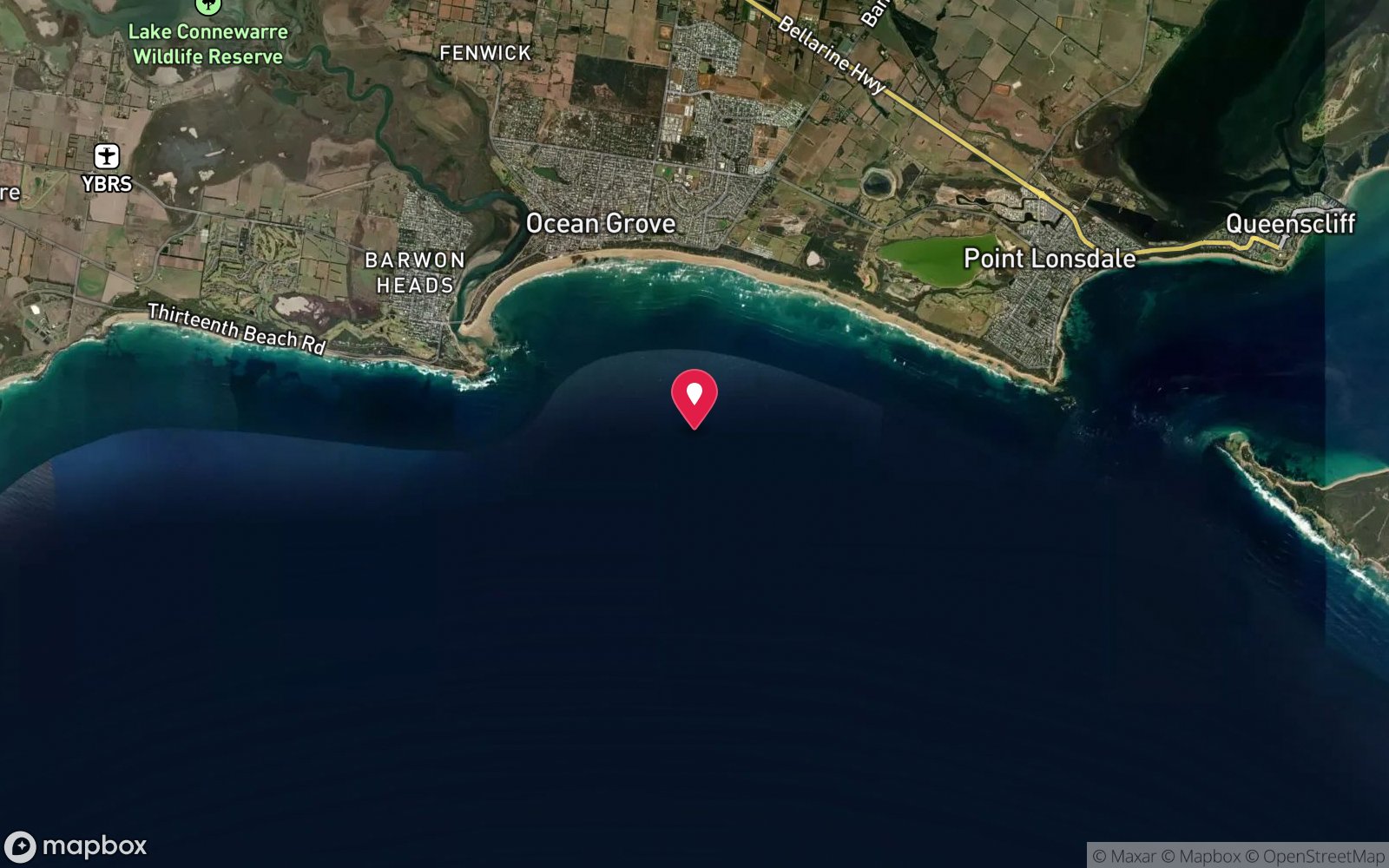
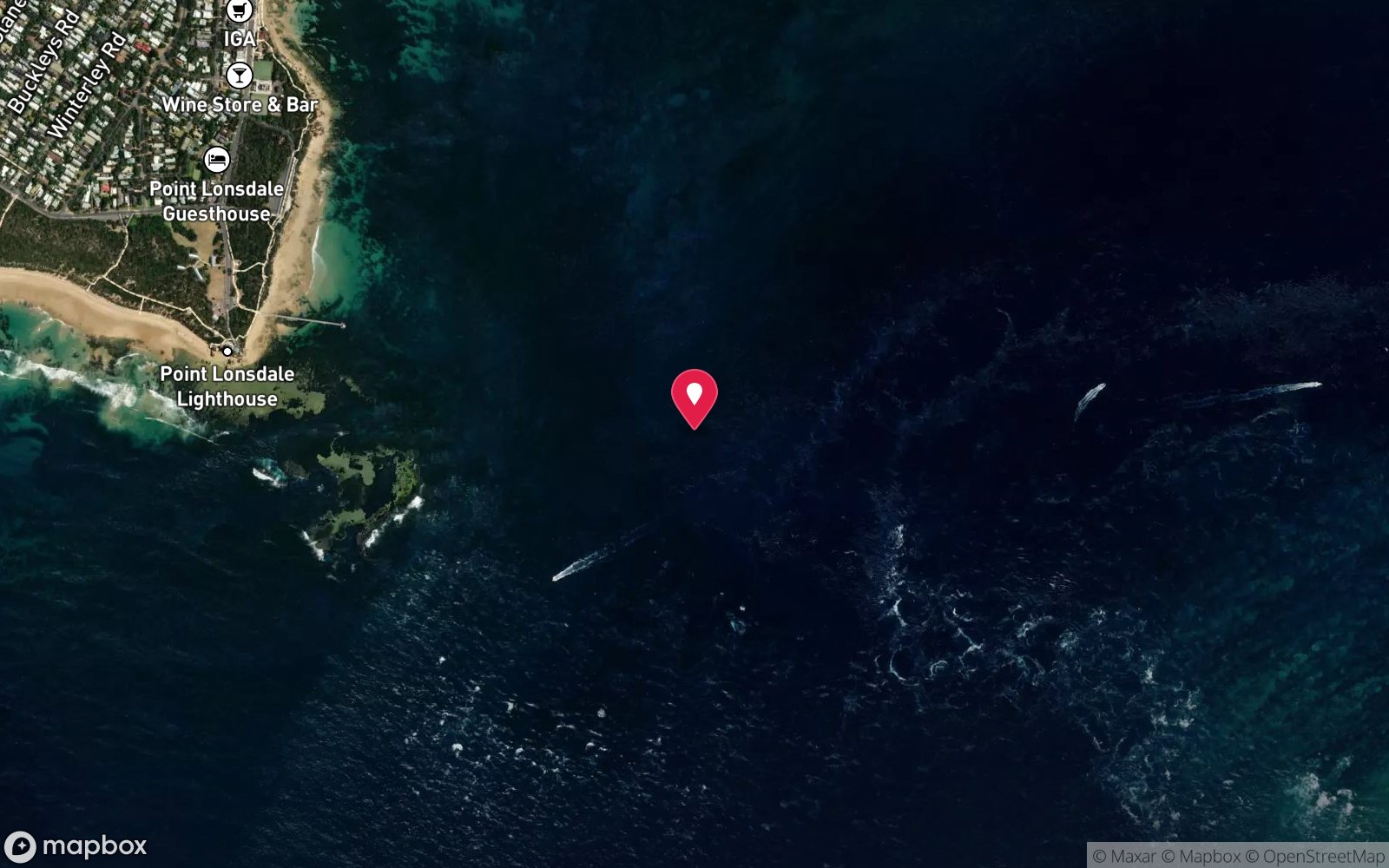
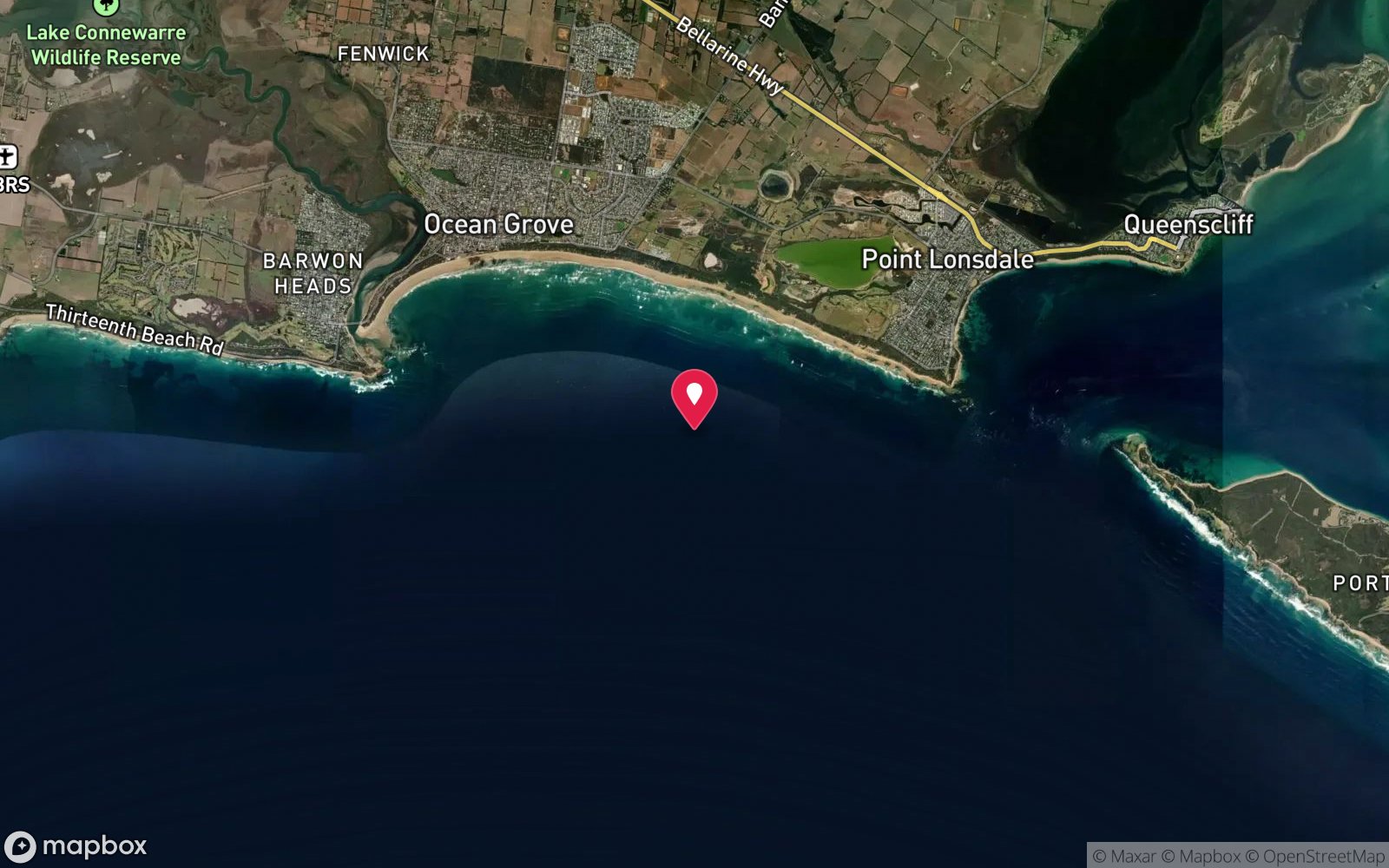
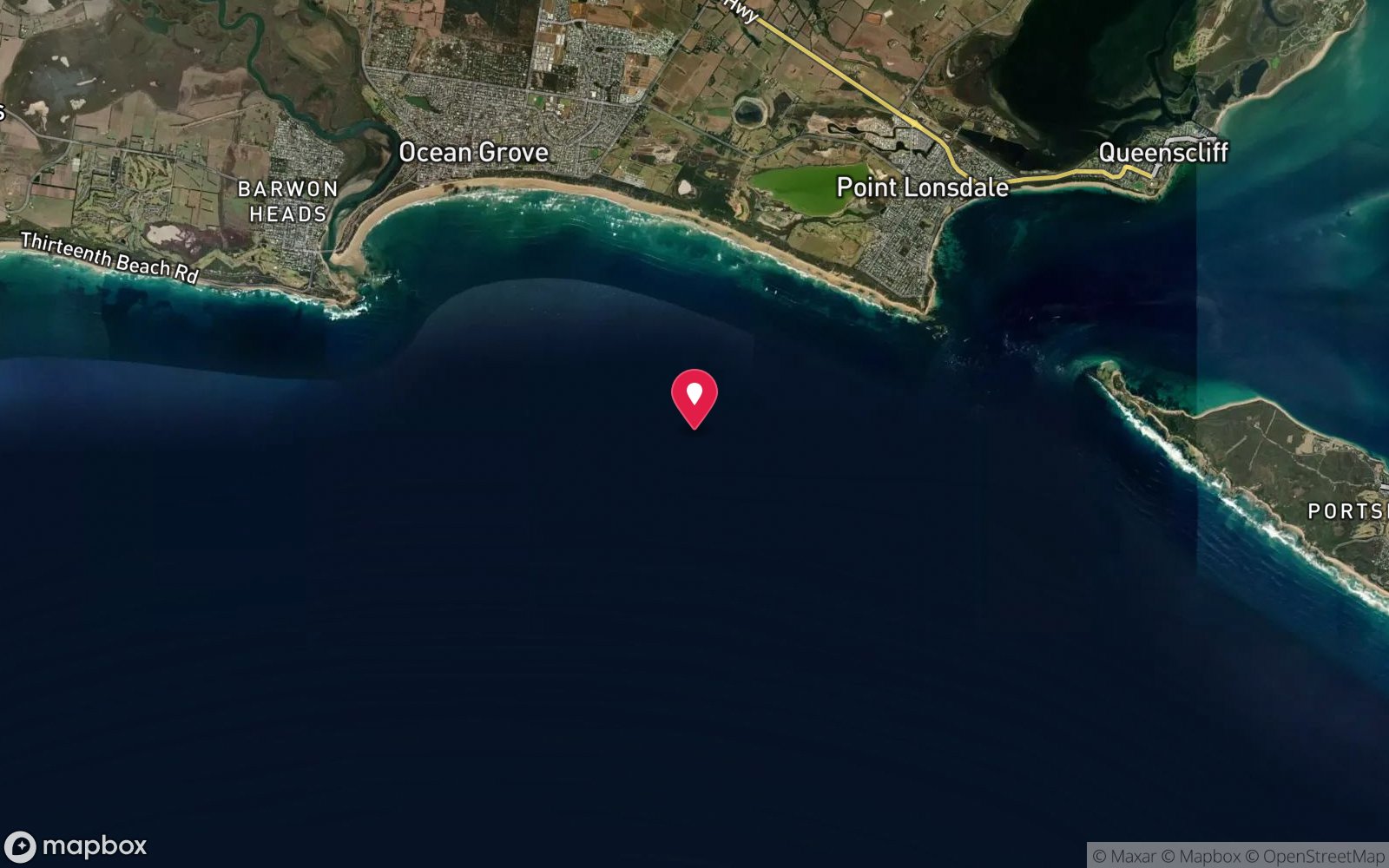
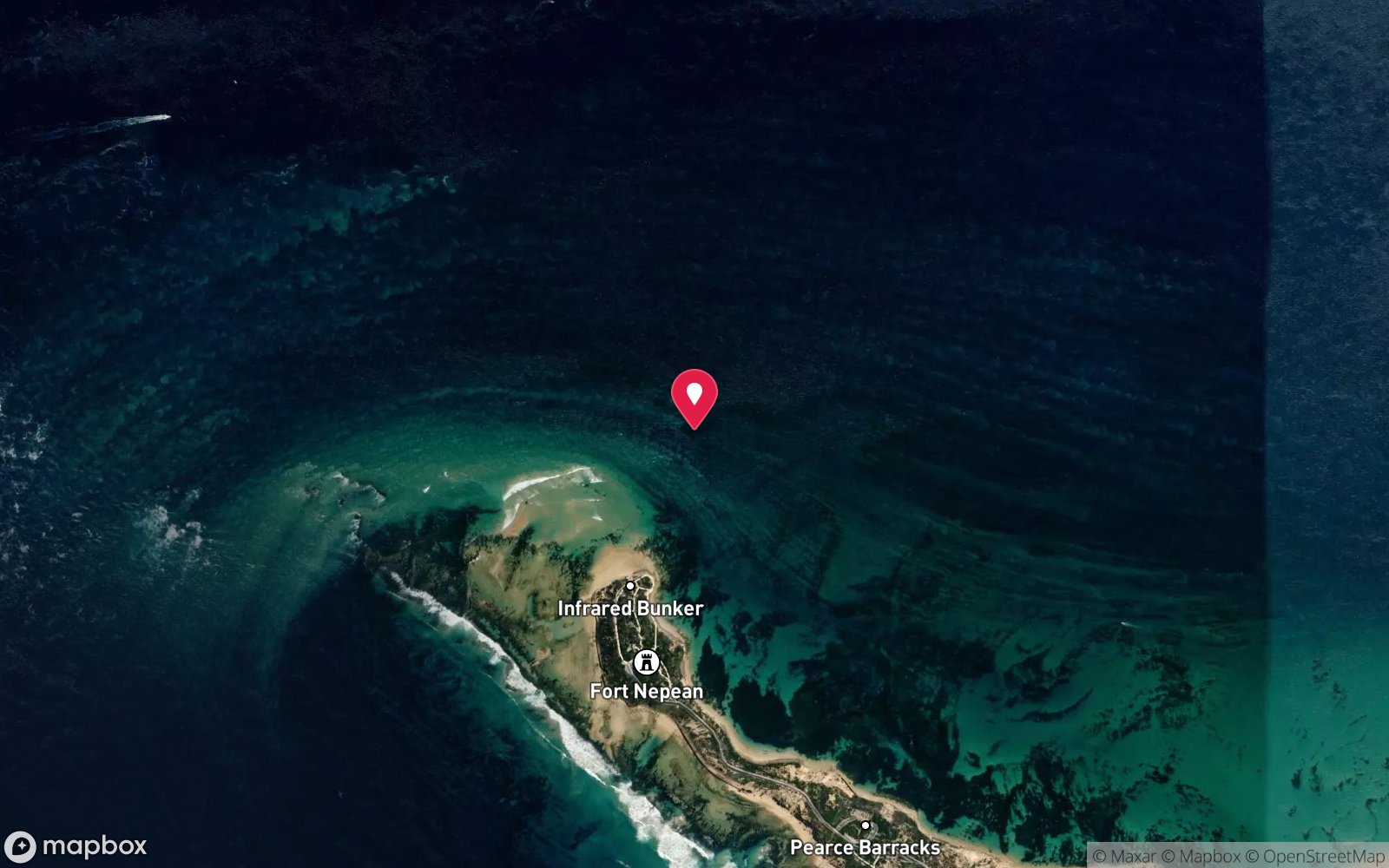
Satellite views
Glaneuse: frequently asked questions
How deep is Glaneuse?
Glaneuse reaches a maximum depth of 6 m, with the shallowest part at about 2 m; most of the dive is spent around 4 m.
What certification do I need to dive Glaneuse?
Open Water is the recommended minimum. Rated advanced because of strong current, cold water.
Can I shore dive Glaneuse?
Experienced divers do dive Glaneuse from the shore, but the entry or conditions make it unsuitable for newer divers without local guidance. Entry: Rock platform / beach entry through the surf line on a dead-calm day.
When is the best time to dive Glaneuse?
Year-round on slack water; February–May usually gives the calmest seas and clearest water.
What marine life will I see at Glaneuse?
Regularly recorded: Southern rock lobster, abalone, bluethroat wrasse, silver sweep, sea stars, kelp.
What wetsuit do I need at Glaneuse?
7 mm semi-dry with hood and gloves, or drysuit; drysuit strongly preferred May–November.
How cold is the water at Glaneuse?
Typically 17-20 °C in summer and 11-14 °C in winter.
What are the main hazards at Glaneuse?
Surf line – dangerous in any swell; flood sweeps the reef; sand-covered and often nothing visible; sharp iron; no lifeguard; protected historic shipwreck. See the hazards section above for the full list.
Where is the nearest recompression chamber to Glaneuse?
The Alfred Hospital hyperbaric unit (Melbourne). In an emergency call 000, then DAN Asia-Pacific on 1800 088 200.
Diving in Port Phillip Heads
The entrance to Port Phillip Bay is a 3 km gap through which the whole bay drains and fills twice a day, and the currents have carved walls, canyons and caves in the limestone: Lonsdale Wall, Nepean Wall, the Boulders, the Cave, the Canyons and Popes Eye. Outside the Heads lies the Ships' Graveyard, with more than 40 scuttled vessels including the J1, J2, J4 and J5 submarines, the SS Coogee and the Eliza Ramsden. Every dive here is on slack water and every dive is from a charter.
Getting there: Charters from Queenscliff, Portsea and Sorrento, timed to the slack. Ninety minutes from Melbourne.
All Port Phillip Heads dive sites and a suggested itinerary →