Dive slate · divesites.com.au · printed 8 Nov 2026
Lady Kinnaird Wreck
Whyalla & Upper Spencer Gulf, South Australia · near Port Neill
| Depth | 4–6 m |
|---|---|
| Minimum level | Open Water |
| Difficulty | Beginner |
| Access | Shore or Boat |
| Entry | Shore entry from the coast opposite the golf club (reached by the coastal walking trail from the jetty) or back-roll from a small boat |
| Current | Mild |
| Visibility | 4-10 m |
| Water | summer 19-22 °C, winter 13-14 °C |
| Suit | 5-7 mm full wetsuit with hood in summer/autumn; 7 mm semi-dry or drysuit in winter |
| Best season | Calm westerly days in summer and autumn |
| Bottom time | 50 min |
| Position | -34.10000, 136.35000 (approximate) |
| Permit | Protected historic shipwreck |
| Nearest chamber | Royal Adelaide Hospital hyperbaric medicine unit (Adelaide) – evacuation via RFDS Central Operations aeromedical retrieval from the nearest airstrip |
| Emergency | 000 · DAN Asia-Pacific diving emergency 1800 088 200 |
Lady Kinnaird Wreck
Also known as Lady Kinnaird
An 1880 iron barque with plating, chain, masts, winches and an anchor in 6 m, reached by a coastal walk from Port Neill.
Near Port Neill · Whyalla & Upper Spencer Gulf, South Australia
- Depth
- 4–6 m
- Minimum level
- Open Water
- Access
- Shore or Boat
- Boat ride
- ~5 min
- Water
- 19-22 °C
- Visibility
- 4-10 m
Lady Kinnaird Wreck4–6 m · Open Water · Shore
Dive factsDepths, conditions, location & safety
Season
Off-peak nowBest months: January, February, March, April, May, December.
Dive facts
- Depth
- 4–6 m
- Typical depth
- 5 m
- Certification
- Open Water
- Difficulty
- Beginner
- Depth tier
- Easy (0–10 m)
- Access
- Shore or Boat
- Offshore
- 0.2 km
- Dive centre needed
- No – independently diveable
- Shore / independent
- Possible (experienced only)
- Boat ride
- ~5 min
- Current
- Mild
- Visibility
- 4-10 m
- Water temp (summer)
- 19-22 °C
- Water temp (winter)
- 13-14 °C
- Water
- Temperate
- Bottom time
- 50 min
- Dive traffic
- Rarely dived (private boat/club only)
- Night dive
- No
- Snorkel friendly
- Yes
Exposure suit
5-7 mm full wetsuit with hood in summer/autumn; 7 mm semi-dry or drysuit in winter
Location
Port Neill · Eyre Peninsula – East Coast (Spencer Gulf)
-34.10000, 136.35000
Approximate position — not for navigation.
Open in Google MapsPrimary source: marinelife.org.auMarine park & permits
Protected historic shipwreck
Nearest recompression chamber
Royal Adelaide Hospital hyperbaric medicine unit (Adelaide) – evacuation via RFDS Central Operations aeromedical retrieval from the nearest airstrip
Diving emergency: call 000, then DAN AP 1800 088 200.
Trip planner
Build a trip around Lady Kinnaird Wreck →
A day-by-day plan for Whyalla & Upper Spencer Gulf with this site locked in.
This guide is a planning aid. Conditions change daily — confirm with a local dive centre and dive within your training. Data & safety notes.
Dive profile
How this site rates
Scores are computed from the recorded data, not opinions. How?
At a glance
Lady Kinnaird Wreck is a wreck shore dive for experienced divers in Whyalla & Upper Spencer Gulf, SA, 4–6 m, suited to Open Water divers, about 5 minutes by boat.
Rated beginner: sheltered, shallow and manageable for a newly certified diver on a normal day, though note boat traffic overhead and cold water.
Why dive here
- An 1880 iron barque with plating, chain, masts, winches and an anchor in 6 m, reached by a coastal walk from Port Neill.
- Sunk in 1880 (Iron barque, 680 tons); protected as underwater cultural heritage, so look but do not touch.
- Snorkel-friendly, so non-diving companions can join at the surface.
- Rarely dived: expect to have the site to yourself, and plan your own logistics.
Conditions to avoid
- Strong southerly or south-east swell and wind
- Afternoon north-easterlies
- Strong westerlies
About Lady Kinnaird Wreck
The Lady Kinnaird was a 680-ton iron barque that was wrecked near Port Neill in January 1880. The Marine Life Society notes that her full crew survived, and that her remains lie in about 6 m opposite the Port Neill Golf Club, reachable by a walking trail that follows the coastline from the Port Neill jetty to the wreck site. Despite more than 140 years in the water, the Society describes extensive iron plating, chain, masts, winches and an anchor.
These remains form a low but interesting wreck site on the sand and seagrass, colonised by algae and encrusting organisms. Old wives, magpie perch, leatherjackets and schools of small fish shelter among the plates, with crabs and octopus beneath, and eagle rays and Port Jackson sharks sometimes cross the surrounding seagrass. It is an ideal wreck for Open Water divers and snorkellers – shallow, easy and historically evocative – and a fine example of the many sailing ships lost in Spencer Gulf during the grain trade era.
Because the depth is shallow and the site close to shore, it can be done as a shore dive by fit divers, though a small boat makes it easier to find. Like all historic shipwrecks in South Australia, the Lady Kinnaird is protected: look and photograph, but leave everything in place. Combine it with a dive under the Port Neill jetty for a relaxed day.
The coastal trail is worth walking before the dive to spot the site from above on a calm, clear day, when the darker patch of wreckage can sometimes be seen against the sand. Westerly weather gives the best visibility on this coast, and summer water in the low 20s makes it a comfortable dive for visiting families.
Wreck details
Iron barque, 680 tons · Sunk 1880 · Protected historic shipwreck
Era: colonial sail and steam. Oldest wrecks · Wartime wrecks · Scuttled warships
Other wrecks of the same era
- Cape Jervis Barge (Hopper Barge No. 3) · Max 7 m · Fleurieu Peninsula & Victor Harbor
- Geltwood Wreck · Depth not published · Limestone Coast
- Kingscote – Fanny M Wreck and Nepean Bay Reef · Max 7 m · Kangaroo Island
- Star of Greece Wreck · Max 6 m · Fleurieu Peninsula & Victor Harbor
- Evoralls Point (Recherche Bay) · Max 4 m · Huon & Far South
- SS Lady Darling · Max 31 m · Narooma & Montague Island
Getting there & entry
Remains of the 680-ton iron barque Lady Kinnaird, wrecked in January 1880, lying in about 6 m opposite the Port Neill Golf Club, with iron plating, chain, masts, winches and an anchor.
From Port Neill jetty follow the coastal walking trail north towards the golf club; the wreck lies offshore opposite the club in about 6 m. Shore divers should scout the entry and swim out on a compass bearing; a small boat launched at Port Neill (5 minutes) makes finding the wreck easier. Port Neill is about 590 km from Adelaide and 90 km north of Port Lincoln.
Entry: Shore entry from the coast opposite the golf club (reached by the coastal walking trail from the jetty) or back-roll from a small boat
Facilities: Port Neill town facilities; walking trail from the jetty.
Weather, swell & tides
The east coast of Eyre Peninsula faces Spencer Gulf, so easterly, north-easterly and south-easterly winds blow onshore, raise chop and stir the sand and seagrass, while westerly winds blow offshore and give the flattest, clearest water. There is little ocean swell this far inside the gulf, although strong south-easterlies can produce a short, steep sea. Tides are moderate, and shallow jetties are easiest around mid to high water.
Summer afternoons often bring south-easterly sea breezes, so mornings are best; winter has more westerly weather, which suits this coast, but colder water (about 13-14°C).
Best season: Calm westerly days in summer and autumn
If it's blown out
Sheltered or shore sites within 25 km that often work when Lady Kinnaird Wreck doesn't.
- Port Neill Jetty · 1 km · Max 5 m
How the dive is usually run
Locate the wreckage at 6 m, follow the line of plating, chain and fallen masts, and look for the winches and anchor before returning to shore or the boat.
Marine life
- Old wives
- magpie perch
- leatherjackets
- small reef fish
- crabs
- octopus →
- eagle rays
- Port Jackson sharks →
- algae
Linked species have their own page listing every site where they are recorded. All marine life →
Training required
Shallow enough for snorkellers and for a first dive under supervision. Any certified diver can dive it.
Courses that help here
- Drysuit Diver – Cold water; locals dive dry for much of the year.
- Underwater Navigation – Navigation is part of the dive plan.
Depth tiers: 0–10 m easy · to 18 m Open Water · 18–30 m Advanced (25 m+ is a deep dive) · 30–40 m Deep specialty · 40 m+ technical. All courses
Hazards & warnings
Surface swim from shore – take a compass/SMB; boat traffic; sharp iron; protected historic shipwreck – no disturbance.
Dive centres that go here
No operator; independent divers and locals.
Other dive centres in Whyalla & Upper Spencer Gulf
Diving Adelaide
ListedMarleston · Adelaide Metro · SA
An Adelaide training and guided diving operation serving local sites and organised trips.
divingadelaide.com.au · (08) 8122 5003
Experiencing Marine Sanctuaries
Named by sitesAdelaide · Whyalla & Upper Spencer Gulf · SA
Not-for-profit guided snorkel program (EMS), not a dive shop; operates statewide including Whyalla.
emsau.org
Tony Bramley cuttlefish tours
Reported closedWhyalla · Whyalla & Upper Spencer Gulf · SA
Tony Bramley's Whyalla Diving Services; he has since sold the Whyalla Dive Shop (whydive.com.au), which now runs cuttlefish tours under new owners.
All dive centres in South Australia →
Operators mentioned: None
Map
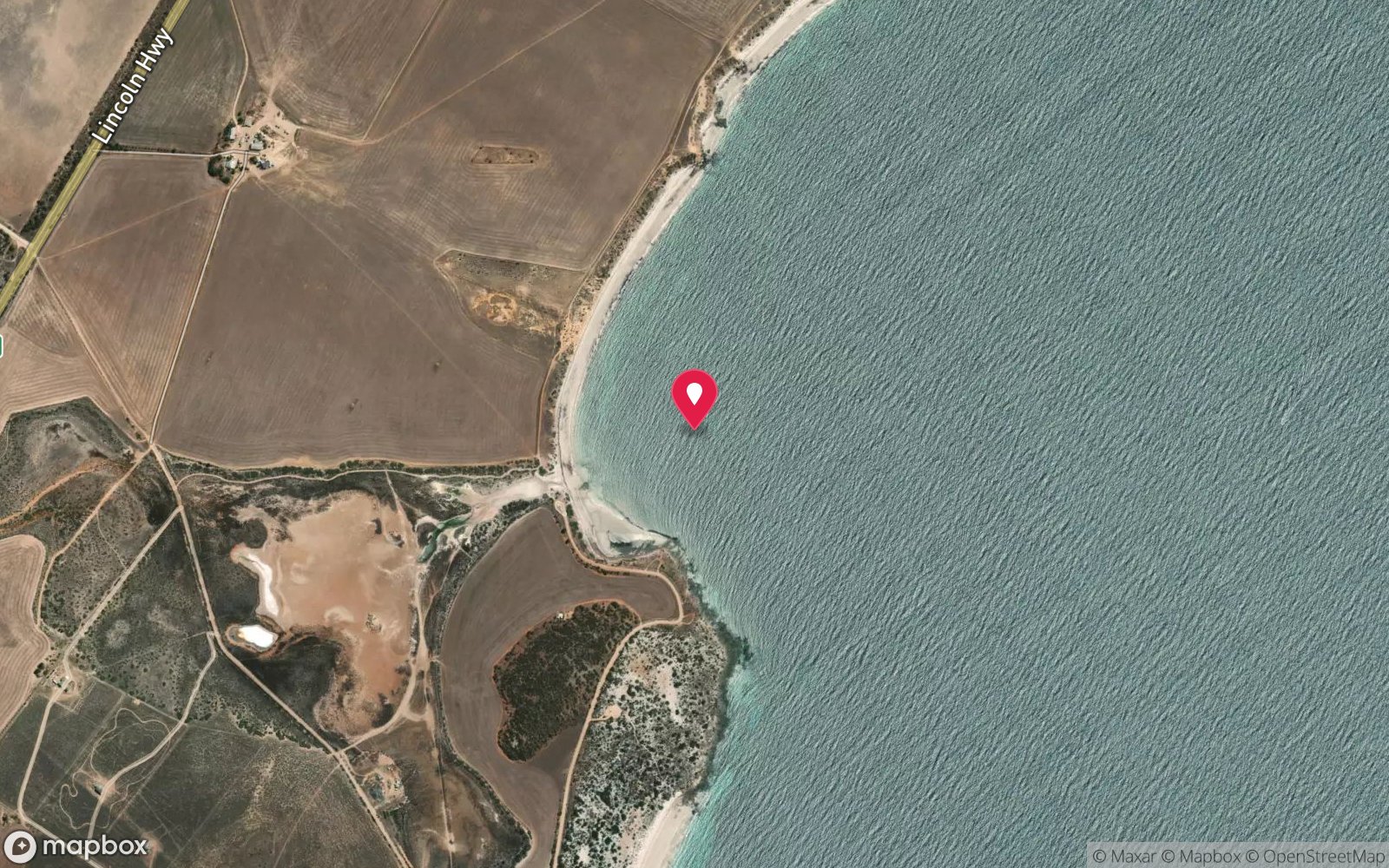
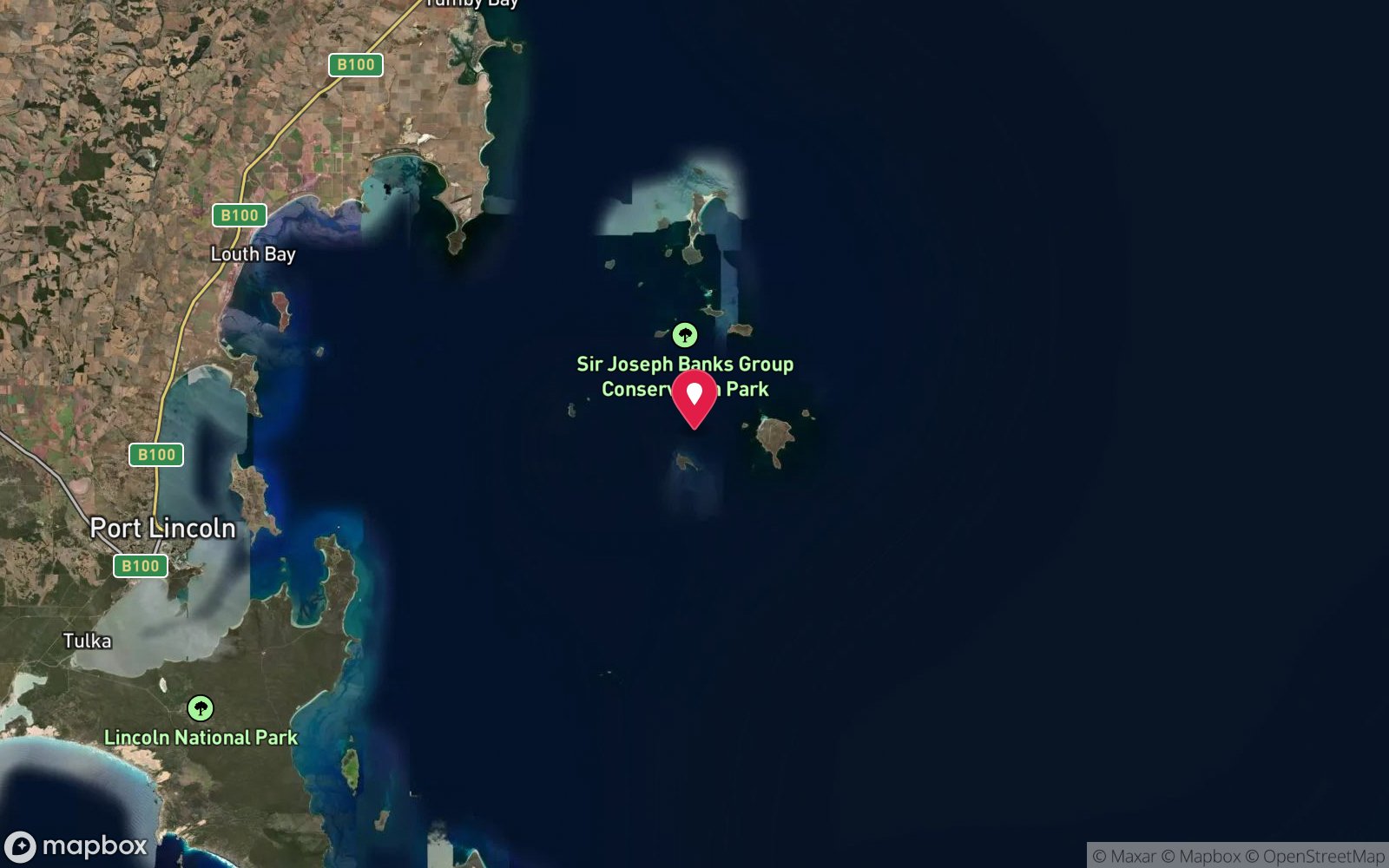
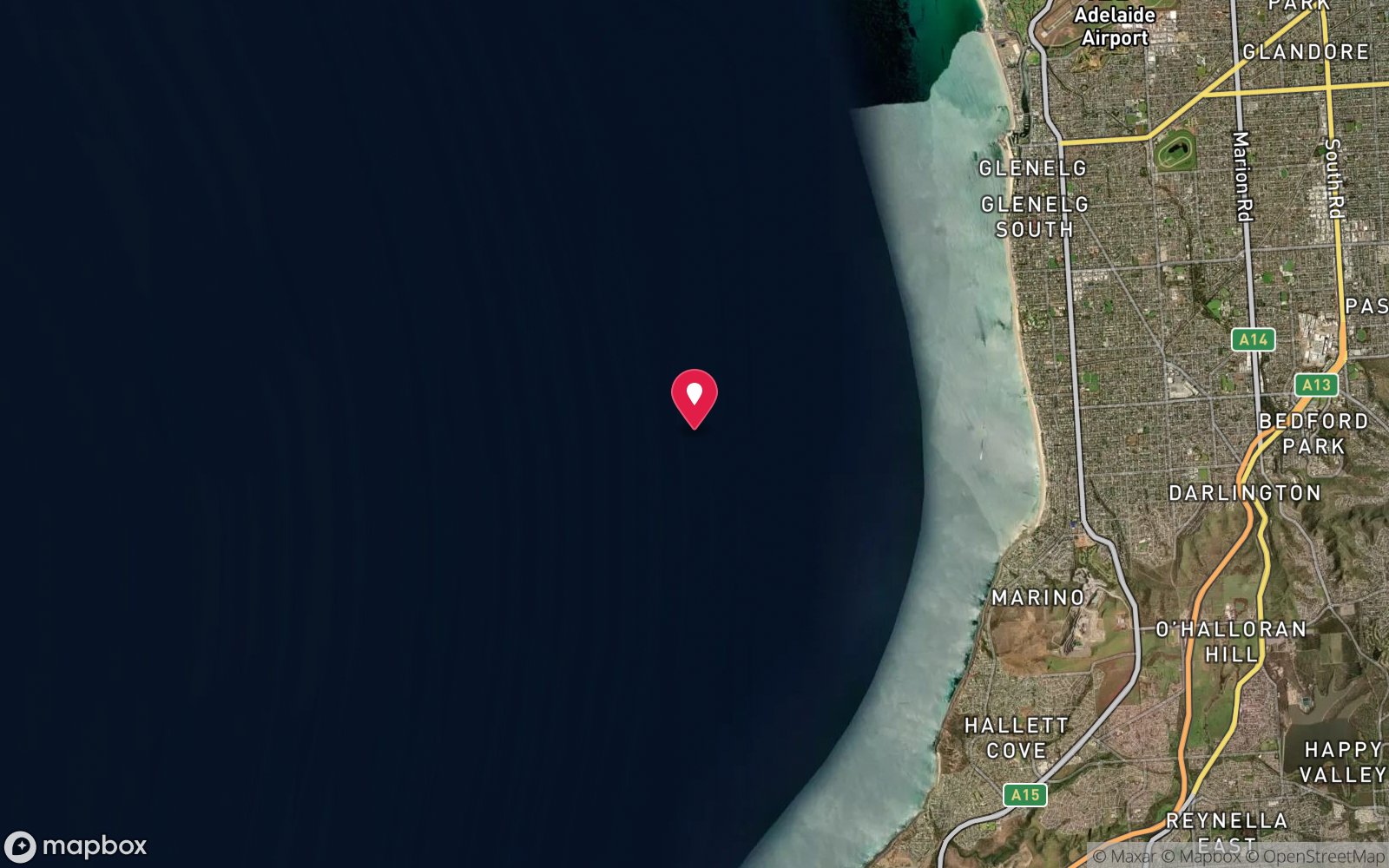
7 pinned sites. Pins marked approximate on their pages show the general area only; not for navigation.
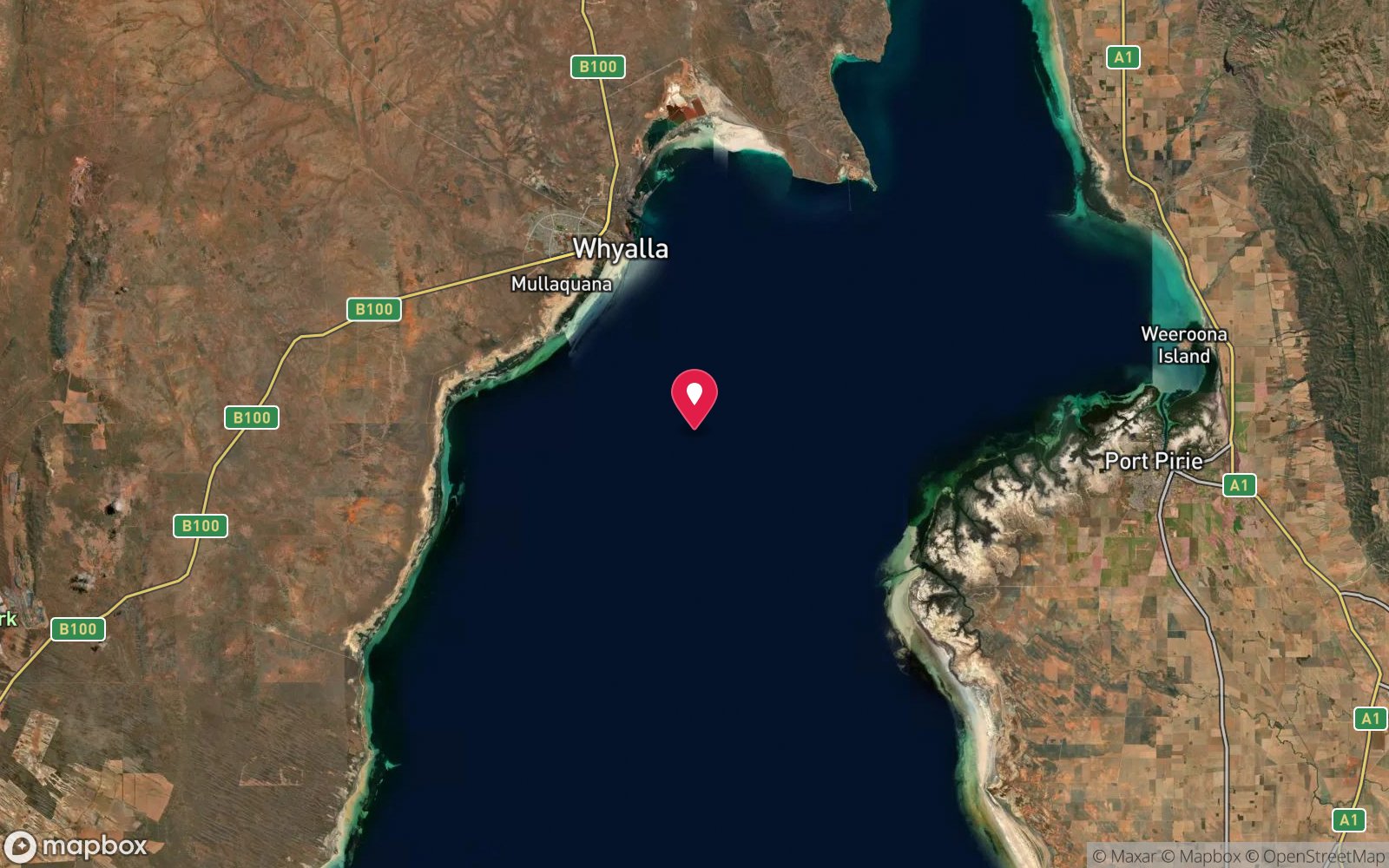
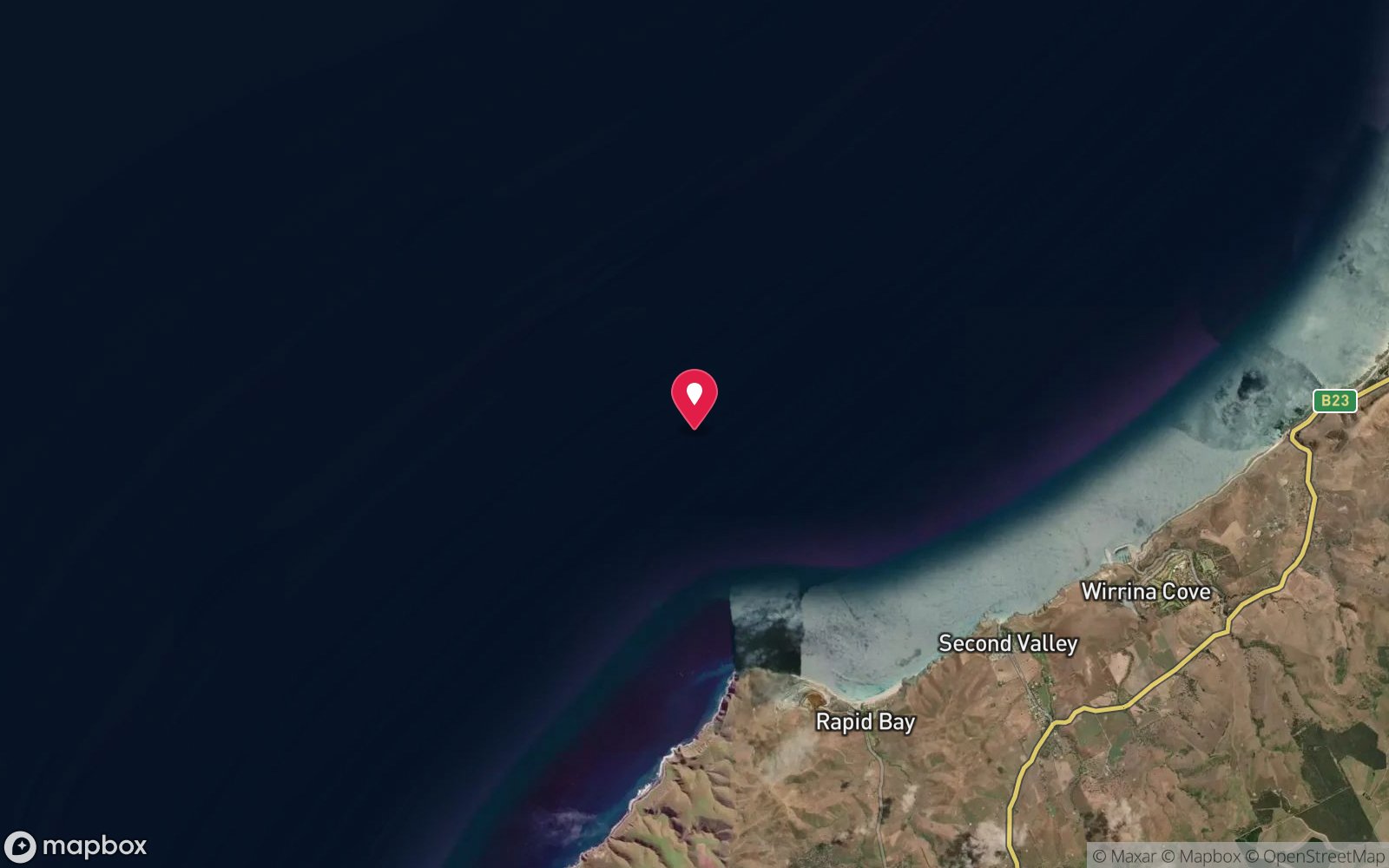
Satellite views
Lady Kinnaird Wreck: frequently asked questions
How deep is Lady Kinnaird Wreck?
Lady Kinnaird Wreck reaches a maximum depth of 6 m, with the shallowest part at about 4 m; most of the dive is spent around 5 m.
What certification do I need to dive Lady Kinnaird Wreck?
Open Water is the recommended minimum. Rated beginner: sheltered, shallow and manageable for a newly certified diver on a normal day, though note boat traffic overhead and cold water.
Can I shore dive Lady Kinnaird Wreck?
Experienced divers do dive Lady Kinnaird Wreck from the shore, but the entry or conditions make it unsuitable for newer divers without local guidance. Entry: Shore entry from the coast opposite the golf club (reached by the coastal walking trail from the jetty) or back-roll from a small boat.
When is the best time to dive Lady Kinnaird Wreck?
Calm westerly days in summer and autumn.
What marine life will I see at Lady Kinnaird Wreck?
Regularly recorded: Old wives, magpie perch, leatherjackets, small reef fish, crabs, octopus, eagle rays, Port Jackson sharks, algae.
What wetsuit do I need at Lady Kinnaird Wreck?
5-7 mm full wetsuit with hood in summer/autumn; 7 mm semi-dry or drysuit in winter.
How cold is the water at Lady Kinnaird Wreck?
Typically 19-22 °C in summer and 13-14 °C in winter.
What are the main hazards at Lady Kinnaird Wreck?
Surface swim from shore – take a compass/SMB; boat traffic; sharp iron; protected historic shipwreck – no disturbance. See the hazards section above for the full list.
Where is the nearest recompression chamber to Lady Kinnaird Wreck?
Royal Adelaide Hospital hyperbaric medicine unit (Adelaide) – evacuation via RFDS Central Operations aeromedical retrieval from the nearest airstrip. In an emergency call 000, then DAN Asia-Pacific on 1800 088 200.
Diving in Whyalla & Upper Spencer Gulf
Every winter tens of thousands of giant Australian cuttlefish gather on the rocky reef between Point Lowly and Stony Point to breed, in 2–6 m of water a few metres from the shore. It is the only mass aggregation of its kind in the world and one of the great wildlife dives anywhere. The Whyalla jetties and the Point Lowly reefs are worthwhile the rest of the year.
Getting there: Four hours north of Adelaide. Stony Point and Black Point have car parks and steps to the water; local dive shops hire gear in season.
All Whyalla & Upper Spencer Gulf dive sites and a suggested itinerary →
Sources
Data confidence: Medium · Being verified: Coordinates approximate (opposite Port Neill Golf Club).. Last updated September 2026. Know this site better? How to send a correction
Nearby dive sites
More wrecks in South Australia
Explore more
This region