From the 1629 Batavia on the Abrolhos to the clipper ships and coastal steamers of the 1800s, these are the oldest wrecks divers can visit. All are protected under the Underwater Cultural Heritage Act: look, photograph, touch nothing.
Updated daily from the directory. 3 sites listed.
1. Norfolk Island · External Territory
HMS Sirius wreck site
Sunk 1790 · The remains of the First Fleet flagship, lost off Slaughter Bay in 1790 – Australia's most significant colonial shipwreck.
Our takeThe flagship of the First Fleet, lost on the reef off Kingston, Norfolk Island in March 1790 while landing supplies. Anchors, carronades and ballast lie in 8 m inside Slaughter Bay, with the recovered anchors in the museum ashore.
2. Coral Sea · External Territory
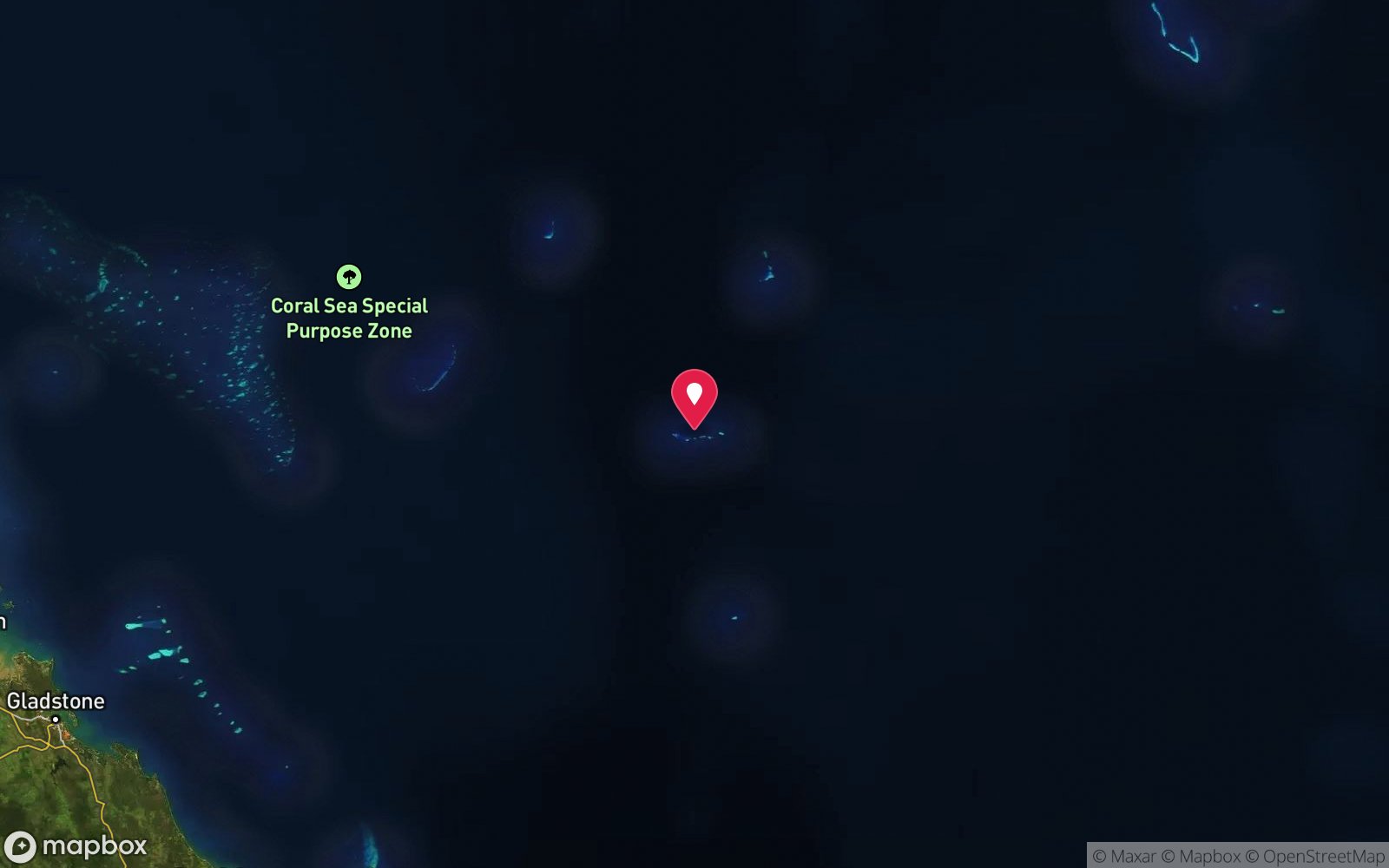
Wreck Reef (HMS Porpoise and Cato wreck sites)
Sunk 1803 · The 1803 wreck sites of Matthew Flinders' HMS Porpoise and the Cato, on a remote reef with outstanding visibility.
Our takeWhere Flinders' ships struck in 1803 on a reef he had not charted, 450 km off the Queensland coast. Anchors and ballast mounds in extremely clear water, on an expedition charter route.
3. Cocos (Keeling) Islands · External Territory
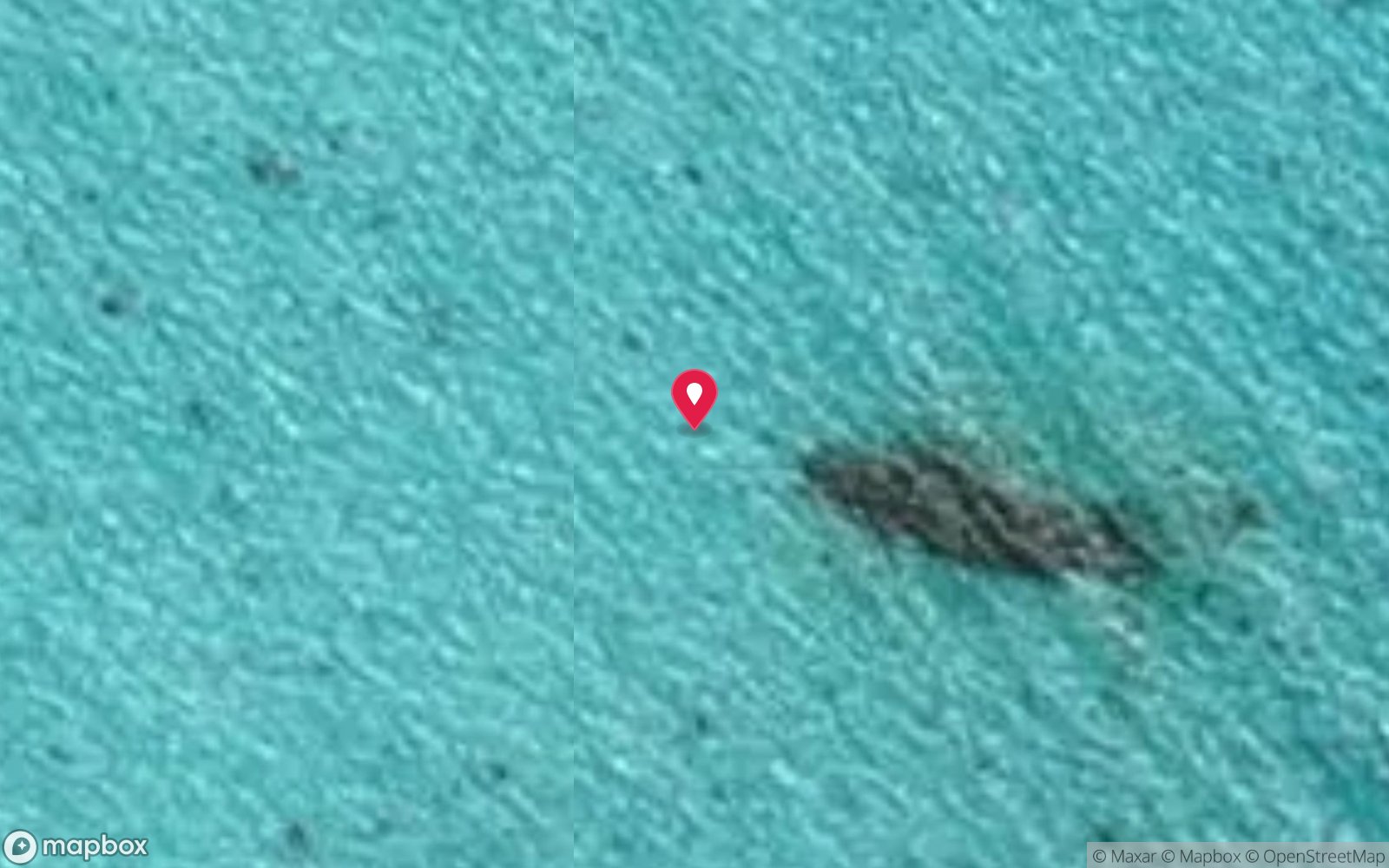
Phaeton Wreck
Sunk 1889 · An 1868 composite barque burnt and run aground in 1889, its iron-framed bow and midships still upright in 4 m – snorkel through the skeleton of a ship.
The guide
Four centuries of wrecks
Australia's oldest wrecks are Dutch. The East India Company route from the Cape to Batavia ran east across the Indian Ocean before turning north, and ships that misjudged their longitude ran into the Western Australian coast: the Tryall in 1622 (English, but on the same route), the Batavia in 1629, the Vergulde Draeck in 1656, the Zuytdorp in 1712 and the Zeewijk in 1727. Then the British: HMS Sirius in 1790, HMS Pandora in 1791, the Sydney Cove in 1797, the Porpoise and Cato in 1803. From there the list runs into the colonial trade: sealers, coastal traders and the clipper Rapid, wrecked at Ningaloo in 1811 with a cargo of Spanish silver.
Every wreck here is protected under the Underwater Cultural Heritage Act 2018. Nothing may be disturbed or removed, and several sites (the Pandora, the Vergulde Draeck, the Batavia and others) are protected zones where entry itself needs a permit from the state museum or heritage office.
What is actually there to see
Manage expectations. Four hundred years on a reef leaves iron, stone and brass: cannons, anchors, ballast mounds and the ceramic and coin scatters that archaeologists have mapped. Timbers survive only where they were buried in sand and have mostly been raised (the Batavia's stern is in Fremantle's Shipwreck Museum). What these sites offer is the place: standing on the reef where the Batavia struck, or hovering over the Sirius's carronades in the bay where the First Fleet's flagship broke up.
The Abrolhos and Norfolk Island are the practical destinations. Geraldton operators run Abrolhos trips that include the Batavia and Zeewijk reefs in the calm from March to May; Norfolk Island's dive shop visits the Sirius site in Slaughter Bay when the swell allows. The Pandora and the Coral Sea sites are expedition dives.
Editorial last reviewed September 2026. The list itself is regenerated from the directory daily.
Frequently asked questions
Can I take anything from an old shipwreck?
No. Every wreck older than 75 years is automatically protected under Commonwealth law, and many sites have protected zones requiring permits even to enter.
More rankings
- The 25 Deepest Dive Sites in Australia
- Australia's Most Remote Dive Sites
- The Longest Boat Rides to a Day Dive
- The Warmest Dive Sites in Australia
- The Coldest Dive Sites in Australia
- Australia's Clearest-Water Dive Sites
- The Most Biodiverse Dive Sites in Australia
- WWII and Wartime Wrecks You Can Dive in Australia
- All rankings →