From the 1629 Batavia on the Abrolhos to the clipper ships and coastal steamers of the 1800s, these are the oldest wrecks divers can visit. All are protected under the Underwater Cultural Heritage Act: look, photograph, touch nothing.
Updated daily from the directory. 30 sites listed.
1. Portland & the West · VIC
Isabella, Cape Nelson
Sunk 1837 · The 1837 wreck of the barque whose captain mistook Cape Nelson for Julia Percy Island – one of the oldest located wrecks in Victoria, under the cape's eastern cliffs.
2. Shipwreck Coast & Warrnambool · VIC
Thistle, Port Fairy
Sunk 1837 · Timbers of the Henty family's Indian-built brigantine, which carried the first settlers to Portland Bay in 1834, in the wading shallows of East Beach.
3. Shipwreck Coast & Warrnambool · VIC
Children
Sunk 1839 · House bricks and scattered iron from the 1839 Henty barque off Needle Rock at pretty Childers Cove – the first great loss of life on the Shipwreck Coast.
4. Port Phillip Heads · VIC
William Salthouse
Sunk 1841 · Australia's first Canada–Australia trader, lost in 1841 with her cargo of barrels still in the hold – an intact early-colonial merchant wreck under a sand mound at 10 m, dived only under Heritage Victoria permit.
5. Shipwreck Coast & Warrnambool · VIC
Socrates
Sunk 1843 · Timbers of an 1821 whaling barque driven onto East Beach in 1843 – the oldest of Port Fairy's three shore wrecks and one of the oldest in Victoria.
6. Shipwreck Coast & Warrnambool · VIC
Lydia
Sunk 1847 · Timbers of an 1825 barque that her master ran onto East Beach in 1847 to save her cargo – one of three shore-accessible wrecks within 400 m of sand.
7. Melbourne & Port Phillip Bay · VIC
Clarence
Sunk 1850 · An 1841 Hunter River-built schooner wrecked in 1850 and lying almost complete on her port side in 5 m off St Leonards – the best-preserved early Australian-built schooner, permit-only.
8. Port Phillip Heads · VIC
Conside
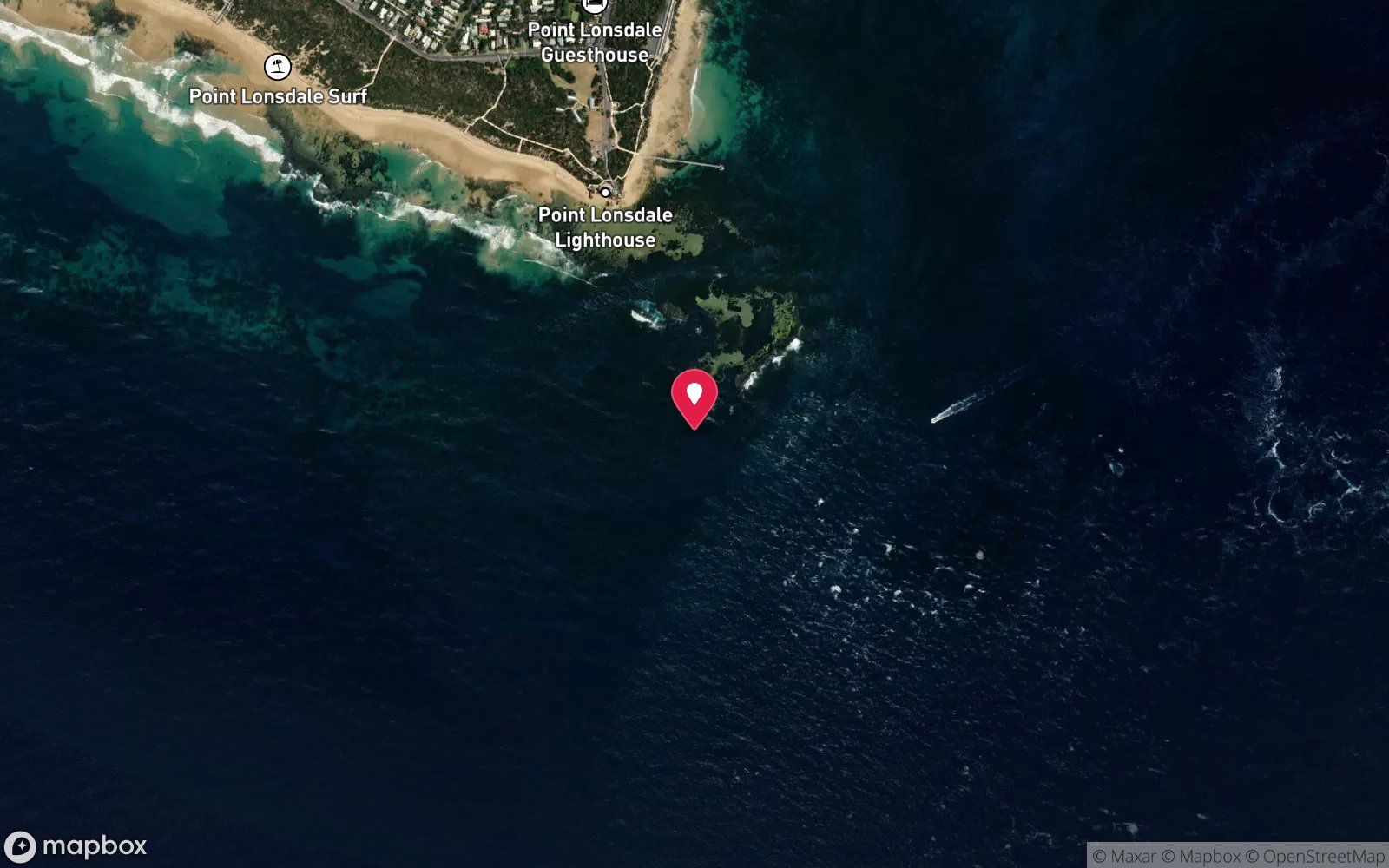
Sunk 1852 · Victoria's earliest screw-steamer wreck (1852) and possibly the first steamship across the Pacific – remains of her rare geared oscillating engine on the outer corner of Lonsdale Reef in 5 m.
9. Shipwreck Coast & Warrnambool · VIC
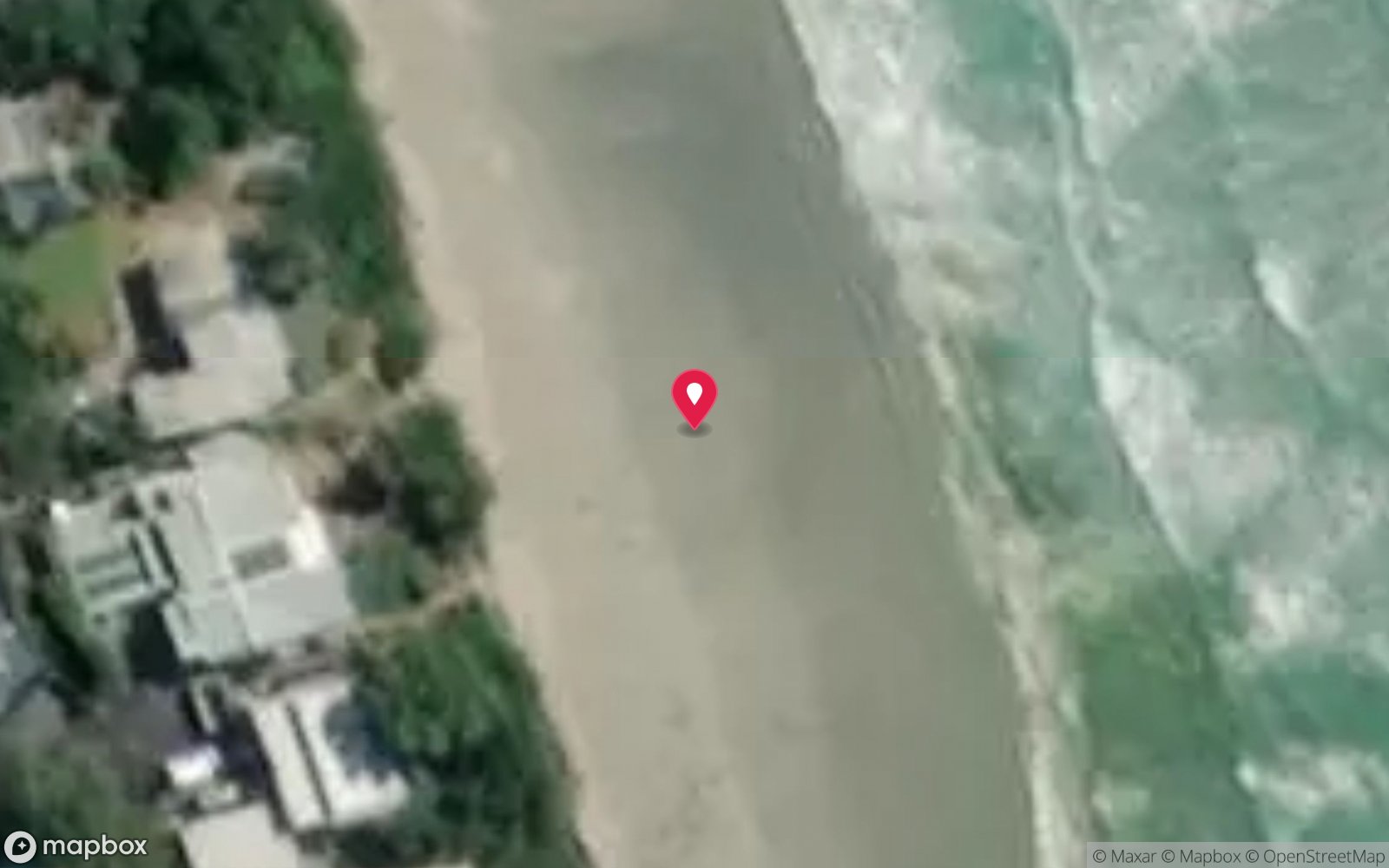
Essington
Sunk 1852 · The deepest of Port Fairy Bay's four shore-accessible wrecks: partly buried timbers of an 1826 Sydney-built brig lost in an 1852 gale.
10. Portland & the West · VIC
New Zealander & Lighthouse Reef, Nuns Beach
Sunk 1853 · The perfect outline of an 1853 immigrant ship burnt at Whalers Bluff, in 3 m at the end of Nuns Beach – Portland's most accessible wreck, snorkelable by families.
11. Shipwreck Coast & Warrnambool · VIC
Schomberg
Sunk 1855 · Railway girders, iron tanks and cemented fittings of Bully Forbes's 'perfect clipper', lost on her maiden voyage in 1855 – one of the oldest dived wrecks in Victoria.
12. Melbourne & Port Phillip Bay · VIC
Joanna
Sunk 1857 · An 1856 Port Phillip-built schooner lost in 1857 with a cargo of bagged lime that set to concrete and preserved her – rigging, fittings and resident stingrays in 4–7 m off St Leonards; permit-only.
13. Shipwreck Coast & Warrnambool · VIC
John Scott
Sunk 1858 · Iron fastenings and ballast of an 1858 brig in the platform gutters at Bold Projection – a remote heritage snorkel on the Shipwreck Trail.
14. Port Phillip Heads · VIC
Empress of the Sea
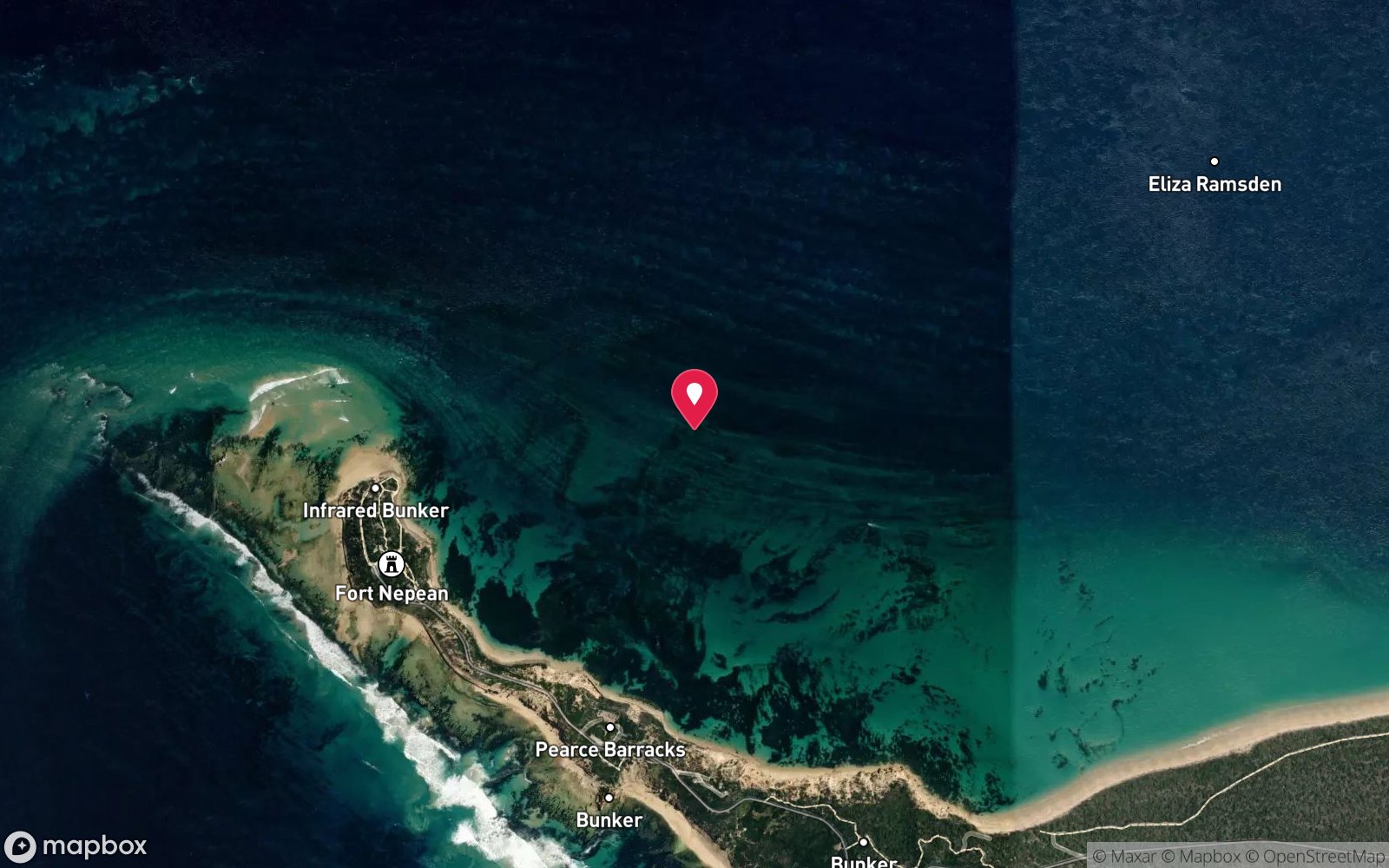
Sunk 1861 · The burnt-out remains of a Donald McKay clipper beached in Nepean Bay in 1861 after an arson fire – keel, frames, copper sheathing, iron tanks, anchor and two bluestone ballast mounds over 150 m in 3–7 m, with an archaeological plinth.
15. Melbourne & Port Phillip Bay · VIC
SS City of Launceston
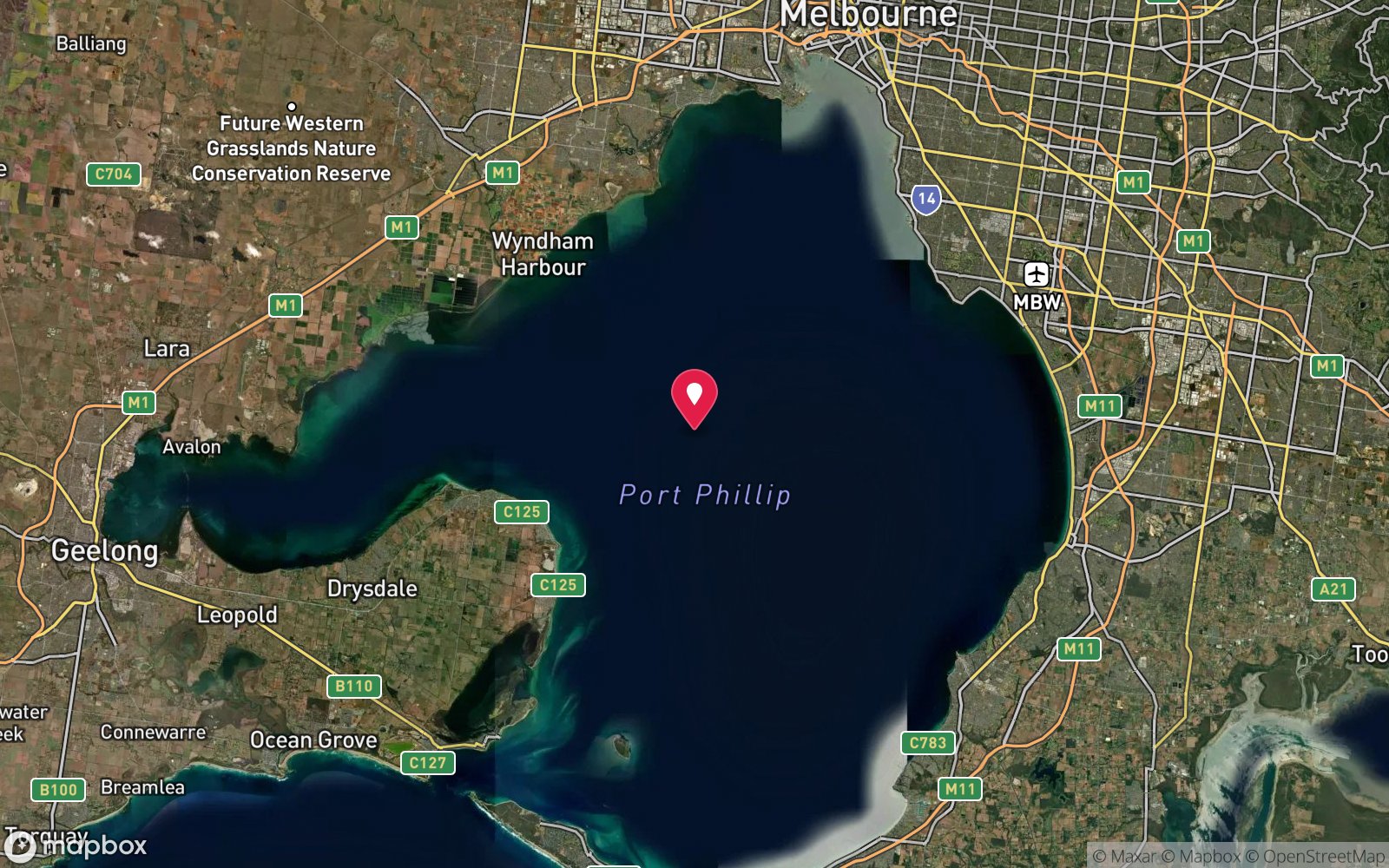
Sunk 1865 · An 1863 Bass Strait steamer sunk in an 1865 collision and lying complete from keel to deck in 21 m of silt with the other ship's bow still in her side – Australia's best-preserved 19th-century steamship, permit only.
16. Port Phillip Heads · VIC
Light of the Age
Sunk 1868 · An 1855 Boston-built gold-rush clipper wrecked by a drunken captain in 1868, her cargo sealed under a natural cement crust on the reef in 4–6 m off Point Lonsdale's back beach.
17. Melbourne & Port Phillip Bay · VIC
Hurricane
Sunk 1869 · An 1853 iron clipper lying in 8–12 m of sheltered bay water – stern rising 3 m with a heritage cairn, a capstan at the bow and plenty of fish; the classic first wreck dive in Port Phillip.
18. Shipwreck Coast & Warrnambool · VIC
Marie Gabrielle
Sunk 1869 · Chain mound, iron knees and mast hoops of an 1869 tea clipper in a metre or two of water, with her anchors standing on Wreck Beach above – history first, diving second.
19. Surf Coast & Great Ocean Road · VIC
Victoria Tower
Sunk 1869 · An 1869 iron clipper lost in fog on her maiden voyage – intact bow with bowsprit, standing frames, hatches and fallen masts in 5–8 m off Point Impossible; the most intact historic wreck between Point Lonsdale and Cape Otway.
20. Portland & the West · VIC
SS Barwon & Horseshoe Reef, Cape Bridgewater
Sunk 1871 · Boiler and plating of an 1871 coastal steamer lost in fog, beside a kelp-covered snorkel reef in the calmest water on Cape Bridgewater – the easy dive on the way to the seals.
21. Port Phillip Heads · VIC
Eliza Ramsden
Sunk 1875 · Upright iron barque lost in 1875 after striking Corsair Rock: intact starboard plating and decking, bluestone ballast and a donkey boiler at 14–22 m, grown over with soft coral and zoanthids – the best sailing-ship wreck in the bay.
22. Shipwreck Coast & Warrnambool · VIC
Napier
Sunk 1878 · The scattered frames of the steamer that sank while salvaging the Loch Ard, on the sheltered Port Campbell Bay shore dive – a piece of the 1878 story reachable from the beach.
23. Shipwreck Coast & Warrnambool · VIC
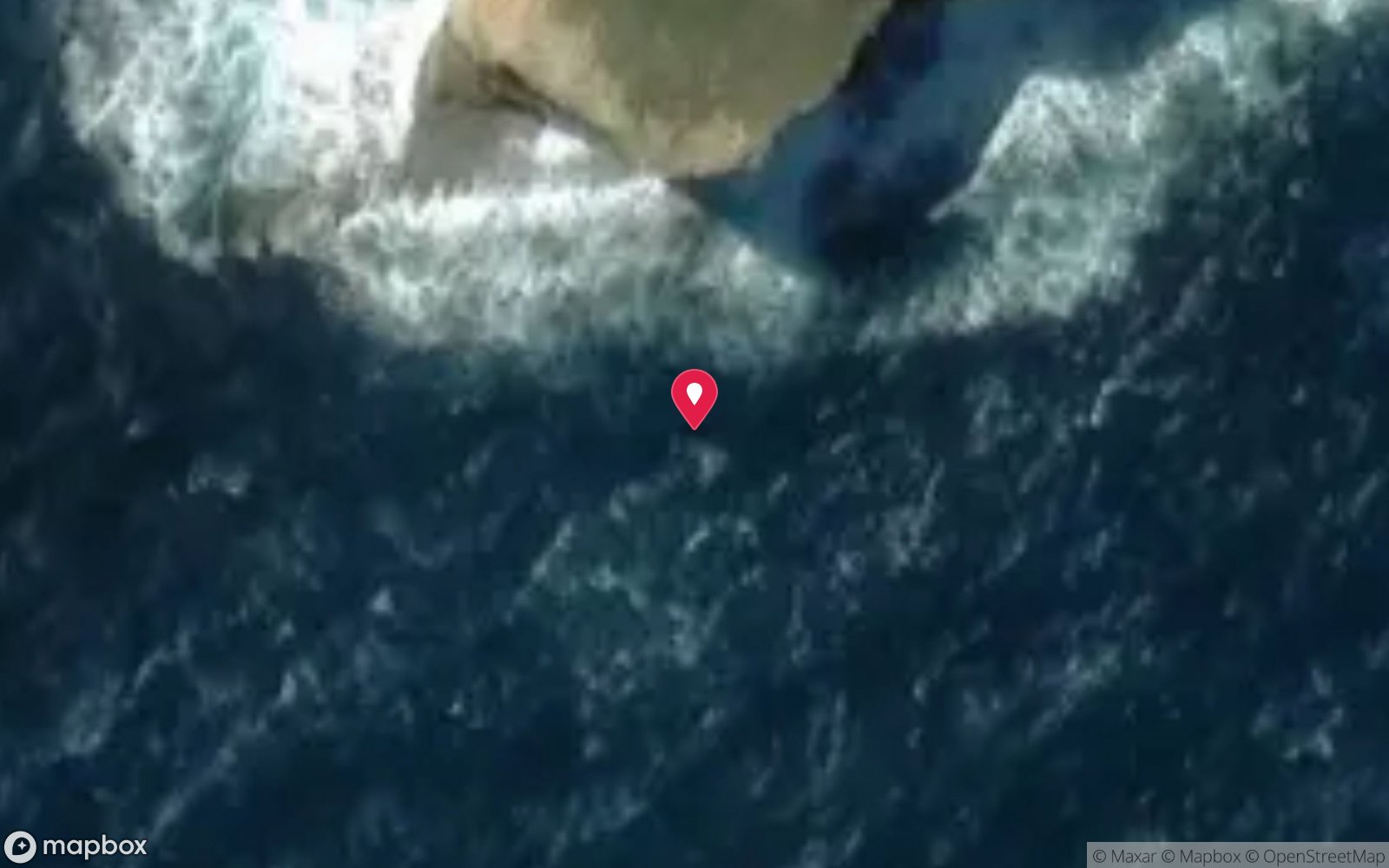
Loch Ard
Sunk 1878 · Victoria's most famous shipwreck: bow, plating with deadeyes, railway iron and cargo under the cliffs of Mutton Bird Island, dived on a dozen autumn days a year.
24. Port Phillip Heads · VIC
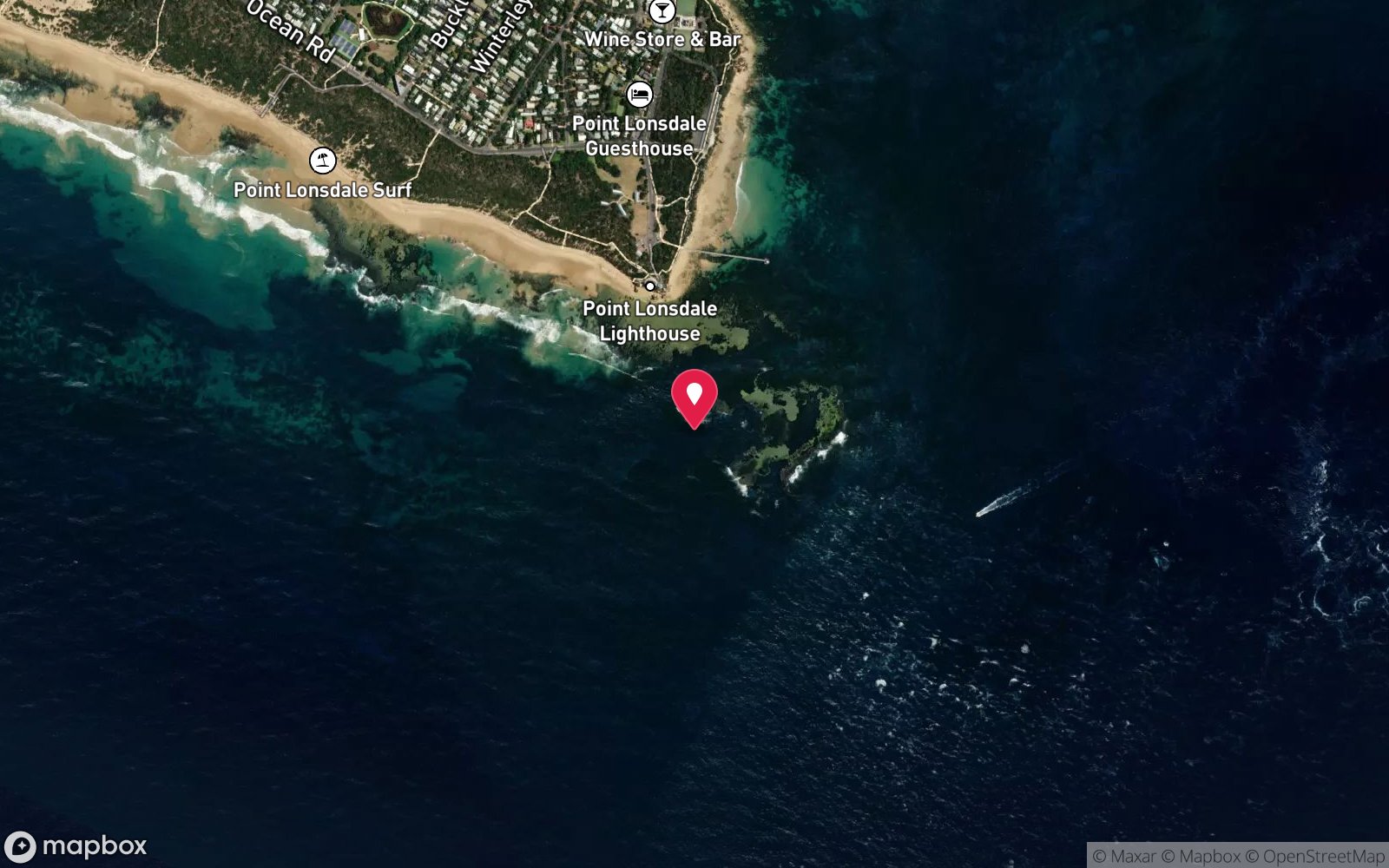
George Roper
Sunk 1883 · An 83 m four-masted iron barque wrecked on her maiden voyage in 1883 – keelsons, bow winches and slate cargo in 4–6 m on the outer Lonsdale Reef, dived at ebb slack from the platform or a boat.
25. Wilsons Promontory · VIC
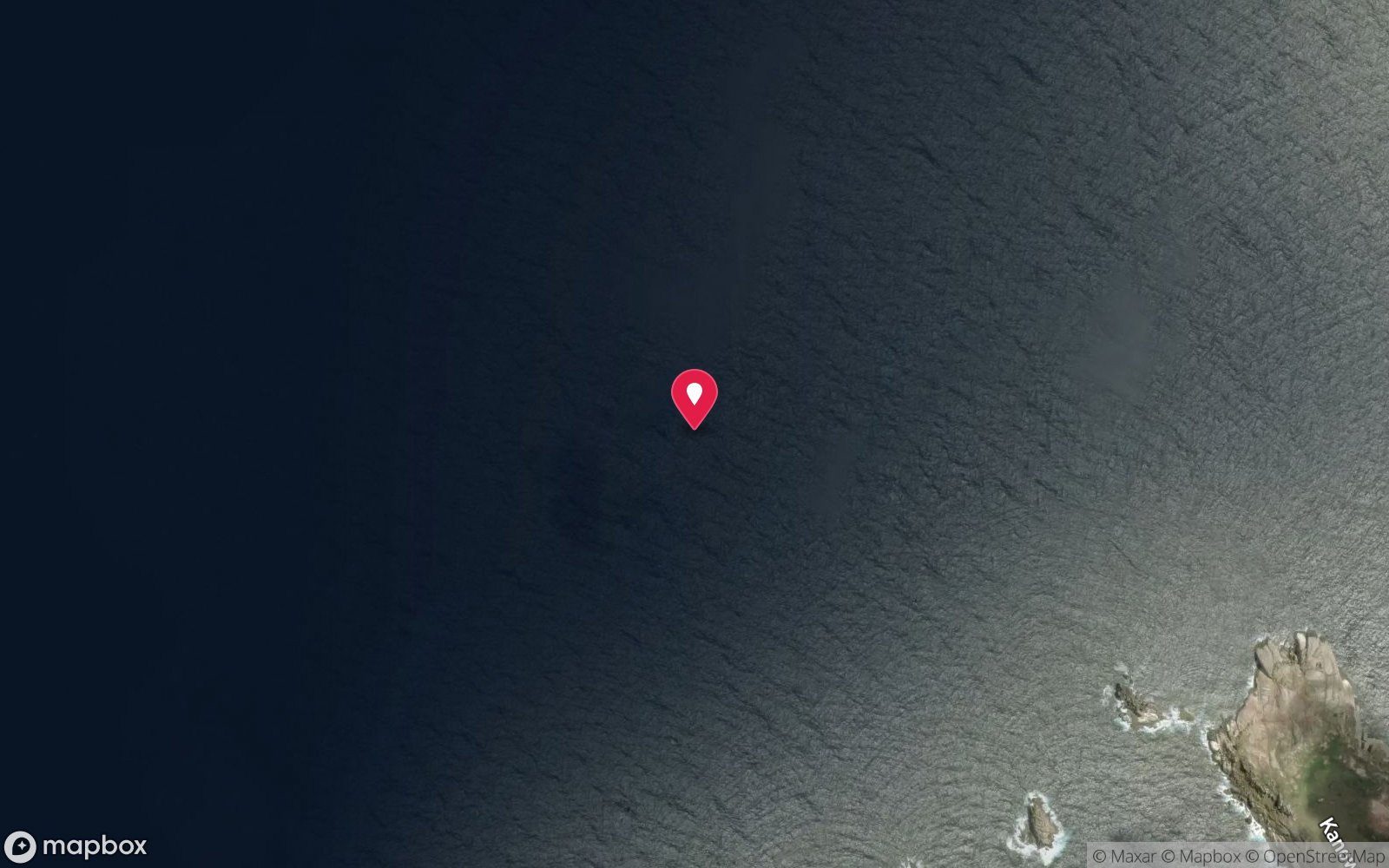
SS Gulf of Carpentaria
Sunk 1885 · An unsalvaged 1881 cargo liner lying collapsed at the foot of the uncharted pinnacle that sank her in 1885, in 48–50 m of pristine marine-park water off Wilsons Prom, with fur seals and a wall to decompress on.
26. Port Phillip Heads · VIC
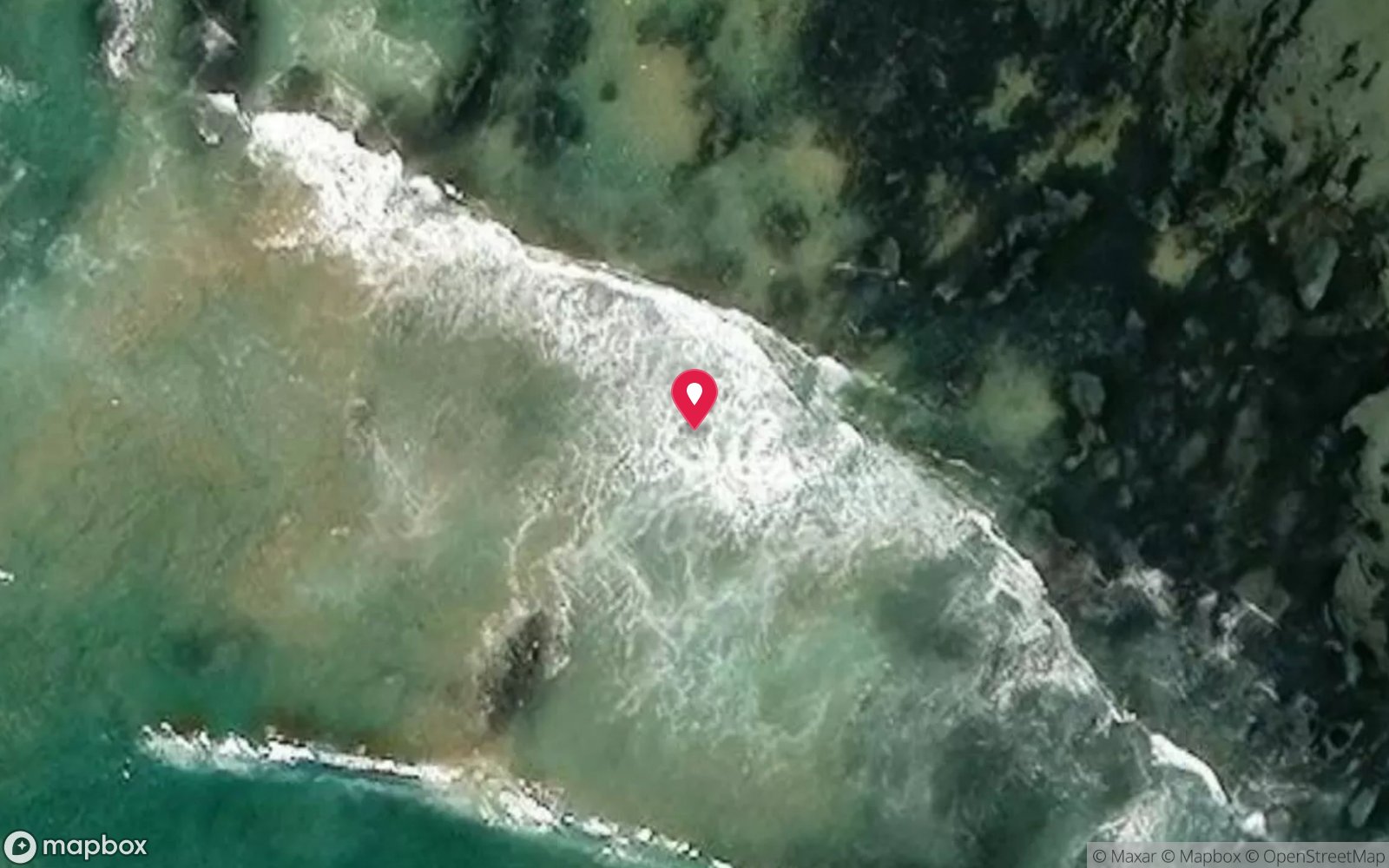
Glaneuse
Sunk 1886 · The buried remains of a French barque wrecked in 1886, exposed in the surf line off Point Lonsdale only after storms – a curiosity for wreck historians on the rarest calm days.
27. Port Phillip Heads · VIC
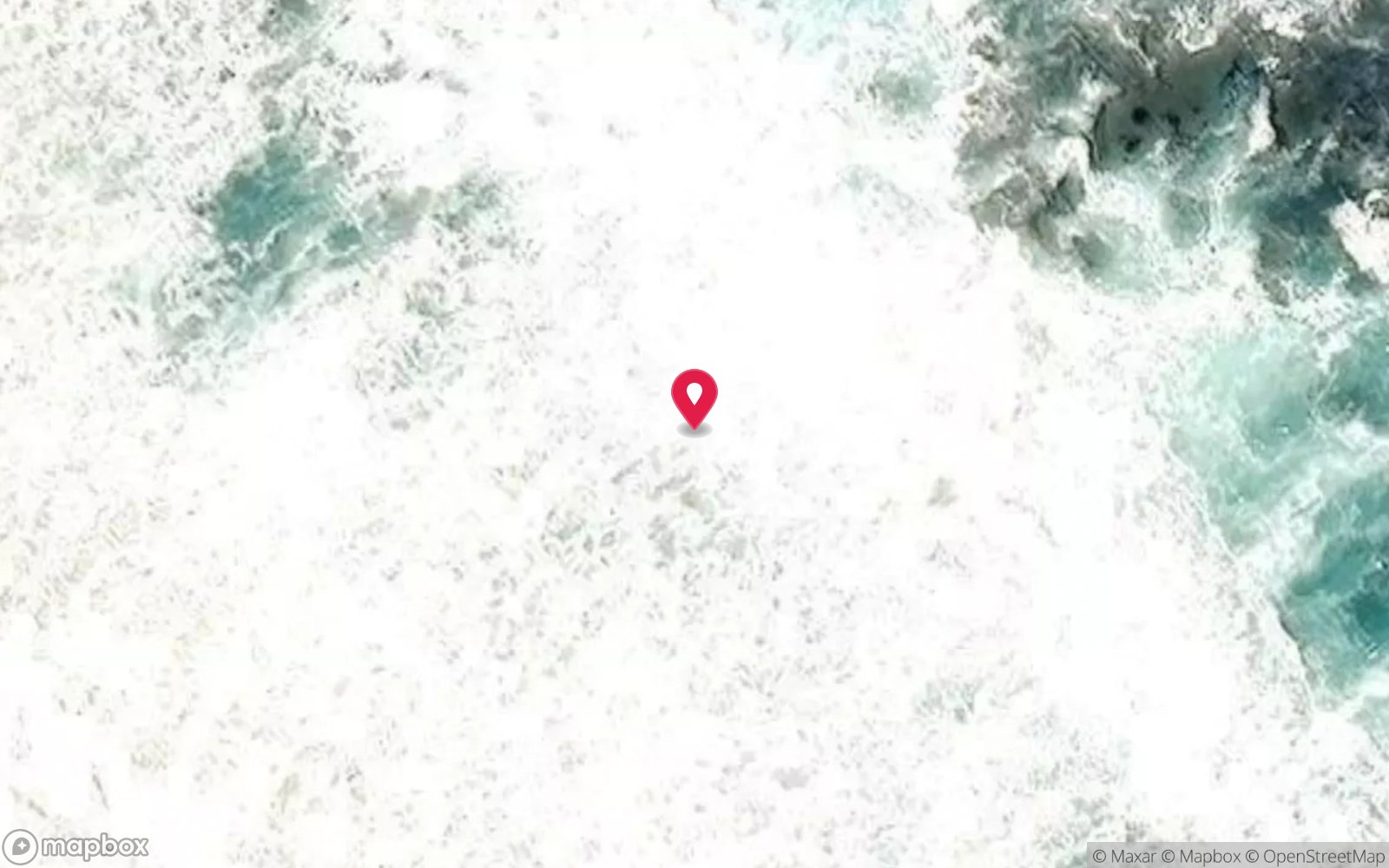
SS Cheviot
Sunk 1887 · Scattered iron of the coastal steamer whose 1887 wreck killed 34 people – the deadliest loss at the Heads – in 1–7 m of surge-swept water off closed Cheviot Beach, dived only on exceptionally calm days.
28. Shipwreck Coast & Warrnambool · VIC
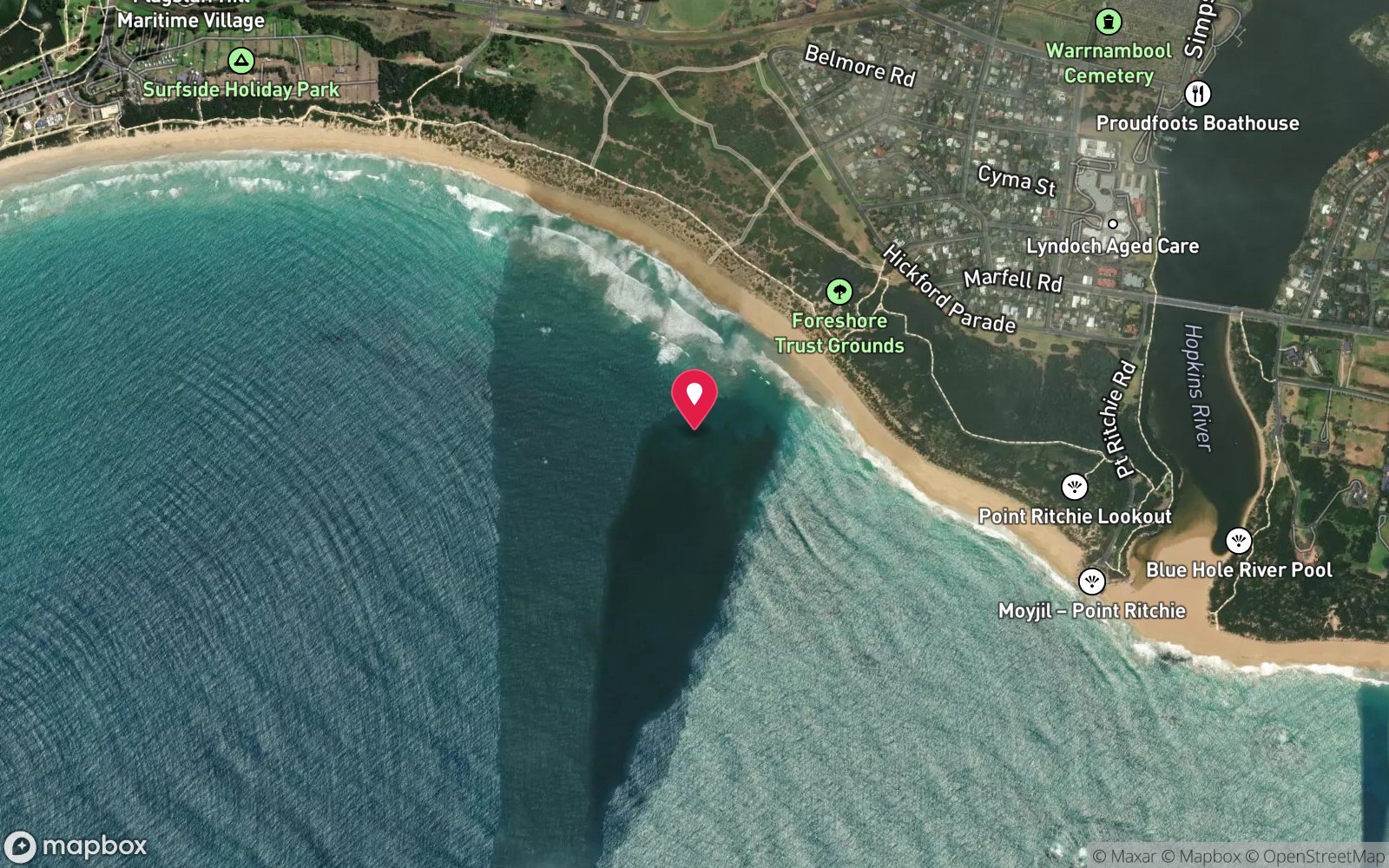
Edinburgh Castle
Sunk 1888 · Concrete casts of 1888 cement barrels around a windlass and anchor in 4–5 m of Lady Bay sand – the barque that came to build the breakwater and never left.
29. Port Phillip Heads · VIC
Holyhead
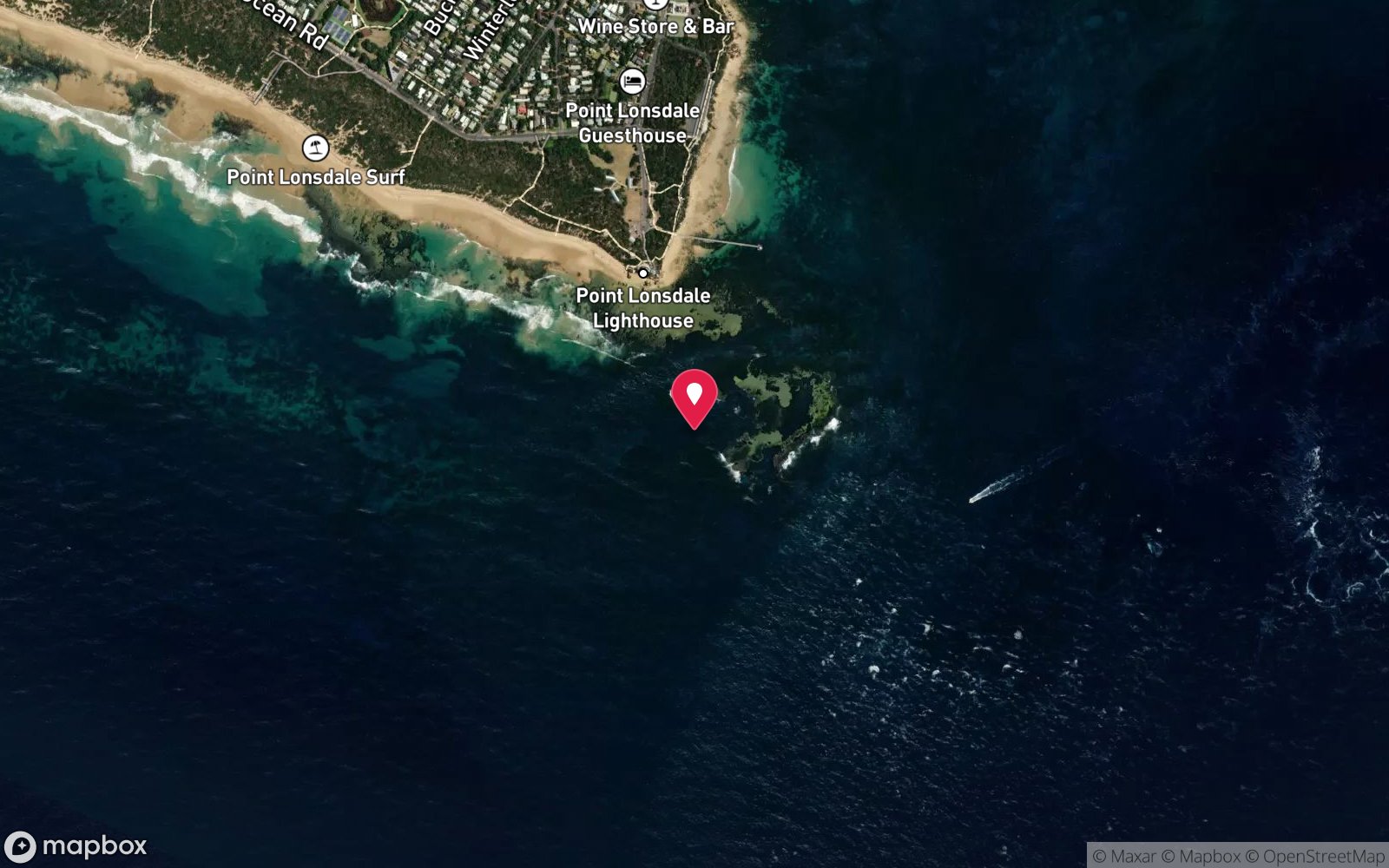
Sunk 1890 · A 90 m four-masted iron barque lost on her maiden voyage in 1890 – rudder and steering gear, windlass, mast stumps and railway-iron cargo along 100 m of reef in 6–10 m beside the George Roper.
30. Shipwreck Coast & Warrnambool · VIC
Fiji
Sunk 1891 · Bow plating, chain mound and cargo of a Harland and Wolff barque in a surf gully under Moonlight Head, with her anchor standing on the beach – the Shipwreck Coast's most evocative wreck.
The guide
Four centuries of wrecks
Australia's oldest wrecks are Dutch. The East India Company route from the Cape to Batavia ran east across the Indian Ocean before turning north, and ships that misjudged their longitude ran into the Western Australian coast: the Tryall in 1622 (English, but on the same route), the Batavia in 1629, the Vergulde Draeck in 1656, the Zuytdorp in 1712 and the Zeewijk in 1727. Then the British: HMS Sirius in 1790, HMS Pandora in 1791, the Sydney Cove in 1797, the Porpoise and Cato in 1803. From there the list runs into the colonial trade: sealers, coastal traders and the clipper Rapid, wrecked at Ningaloo in 1811 with a cargo of Spanish silver.
Every wreck here is protected under the Underwater Cultural Heritage Act 2018. Nothing may be disturbed or removed, and several sites (the Pandora, the Vergulde Draeck, the Batavia and others) are protected zones where entry itself needs a permit from the state museum or heritage office.
What is actually there to see
Manage expectations. Four hundred years on a reef leaves iron, stone and brass: cannons, anchors, ballast mounds and the ceramic and coin scatters that archaeologists have mapped. Timbers survive only where they were buried in sand and have mostly been raised (the Batavia's stern is in Fremantle's Shipwreck Museum). What these sites offer is the place: standing on the reef where the Batavia struck, or hovering over the Sirius's carronades in the bay where the First Fleet's flagship broke up.
The Abrolhos and Norfolk Island are the practical destinations. Geraldton operators run Abrolhos trips that include the Batavia and Zeewijk reefs in the calm from March to May; Norfolk Island's dive shop visits the Sirius site in Slaughter Bay when the swell allows. The Pandora and the Coral Sea sites are expedition dives.
Editorial last reviewed September 2026. The list itself is regenerated from the directory daily.
Frequently asked questions
Can I take anything from an old shipwreck?
No. Every wreck older than 75 years is automatically protected under Commonwealth law, and many sites have protected zones requiring permits even to enter.
More rankings
- The 25 Deepest Dive Sites in Australia
- Australia's Most Remote Dive Sites
- The Longest Boat Rides to a Day Dive
- The Warmest Dive Sites in Australia
- The Coldest Dive Sites in Australia
- Australia's Clearest-Water Dive Sites
- The Most Biodiverse Dive Sites in Australia
- WWII and Wartime Wrecks You Can Dive in Australia
- All rankings →