From the 1629 Batavia on the Abrolhos to the clipper ships and coastal steamers of the 1800s, these are the oldest wrecks divers can visit. All are protected under the Underwater Cultural Heritage Act: look, photograph, touch nothing.
Updated daily from the directory. 30 sites listed.
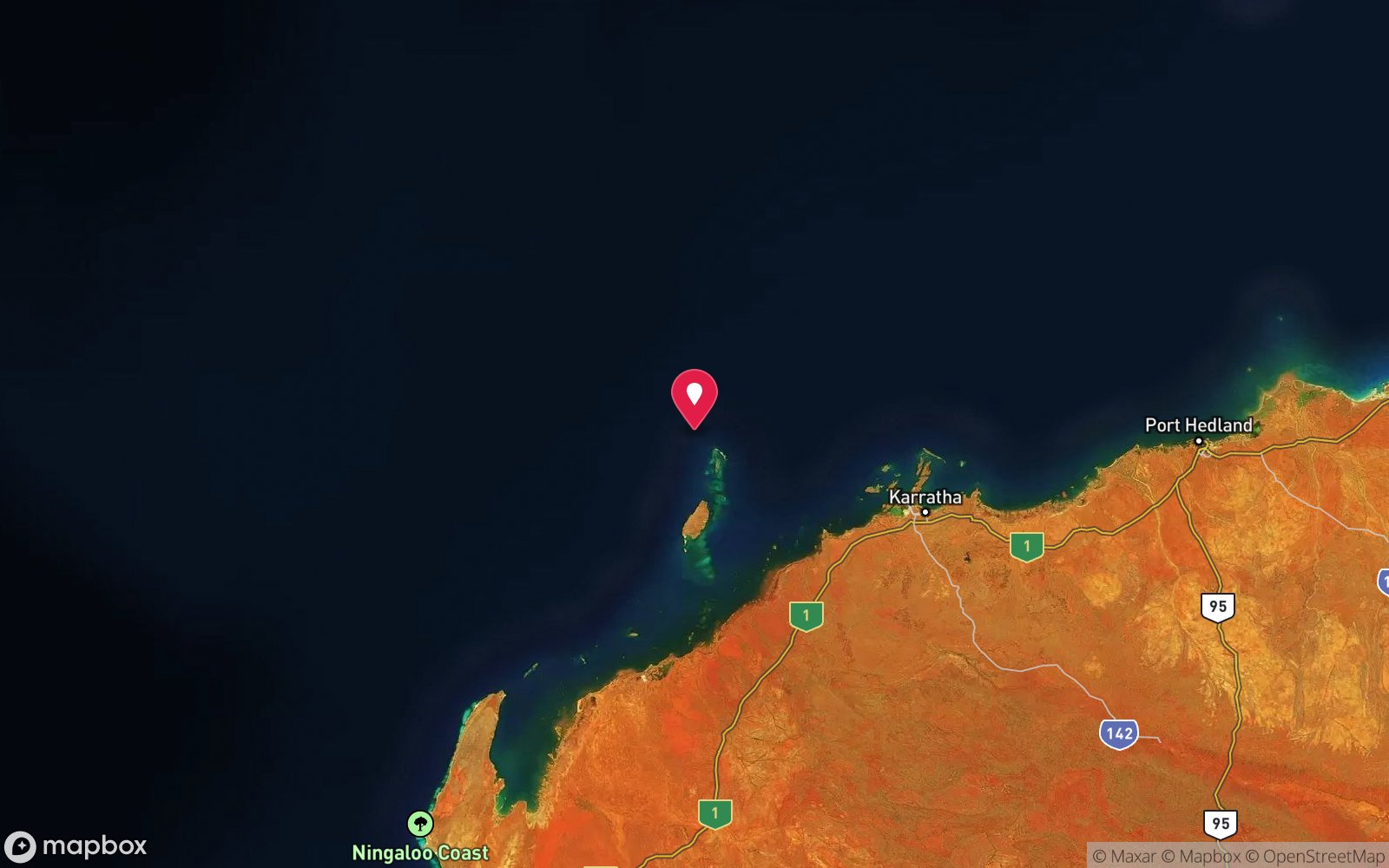
1. Pilbara & Dampier · WA
Tryall Wreck (Tryal Rocks)
Sunk 1622 · Australia's oldest known shipwreck (1622), with cannons and anchors in 6 m.
Our takeThe oldest known shipwreck in Australian waters: an English East Indiaman lost on an uncharted reef off the Montebellos in 1622. Cannons and anchors in 6 m of water on a reef that is still awkward to reach; the wreck was not found until 1969.
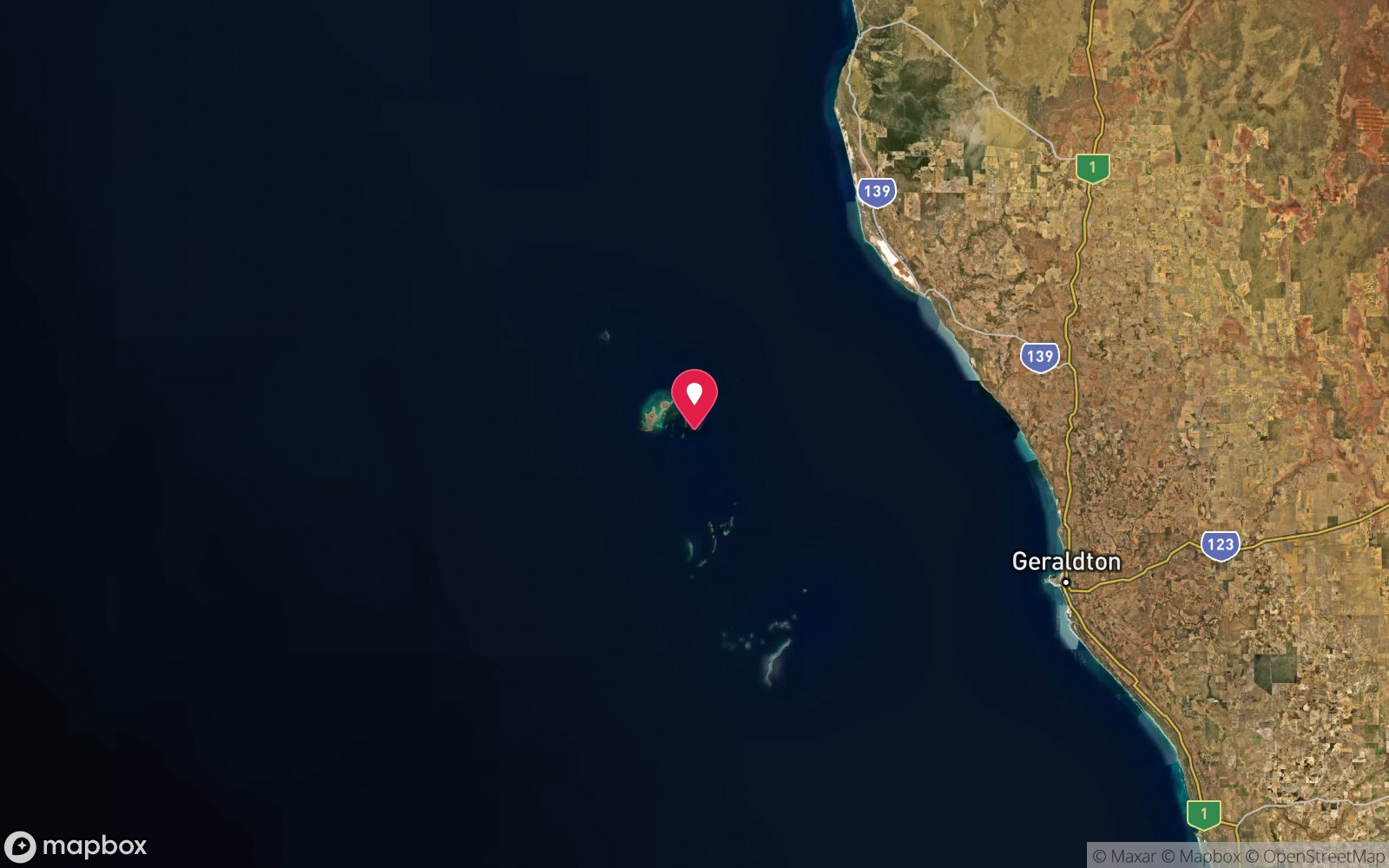
2. Geraldton & Abrolhos Islands · WA
Batavia Wreck Site (Morning Reef)
Sunk 1629 · Cannons and anchors of the 1629 Batavia – Australia's most notorious shipwreck and mutiny – in 7 m on Morning Reef.
Our takeThe most notorious wreck in Australian history, for the mutiny and massacre that followed it on the Abrolhos in 1629. Cannons and anchors remain on Morning Reef in 7 m; the timbers and the stone portico are in the Fremantle and Geraldton museums. Geraldton charters visit in the calm months.
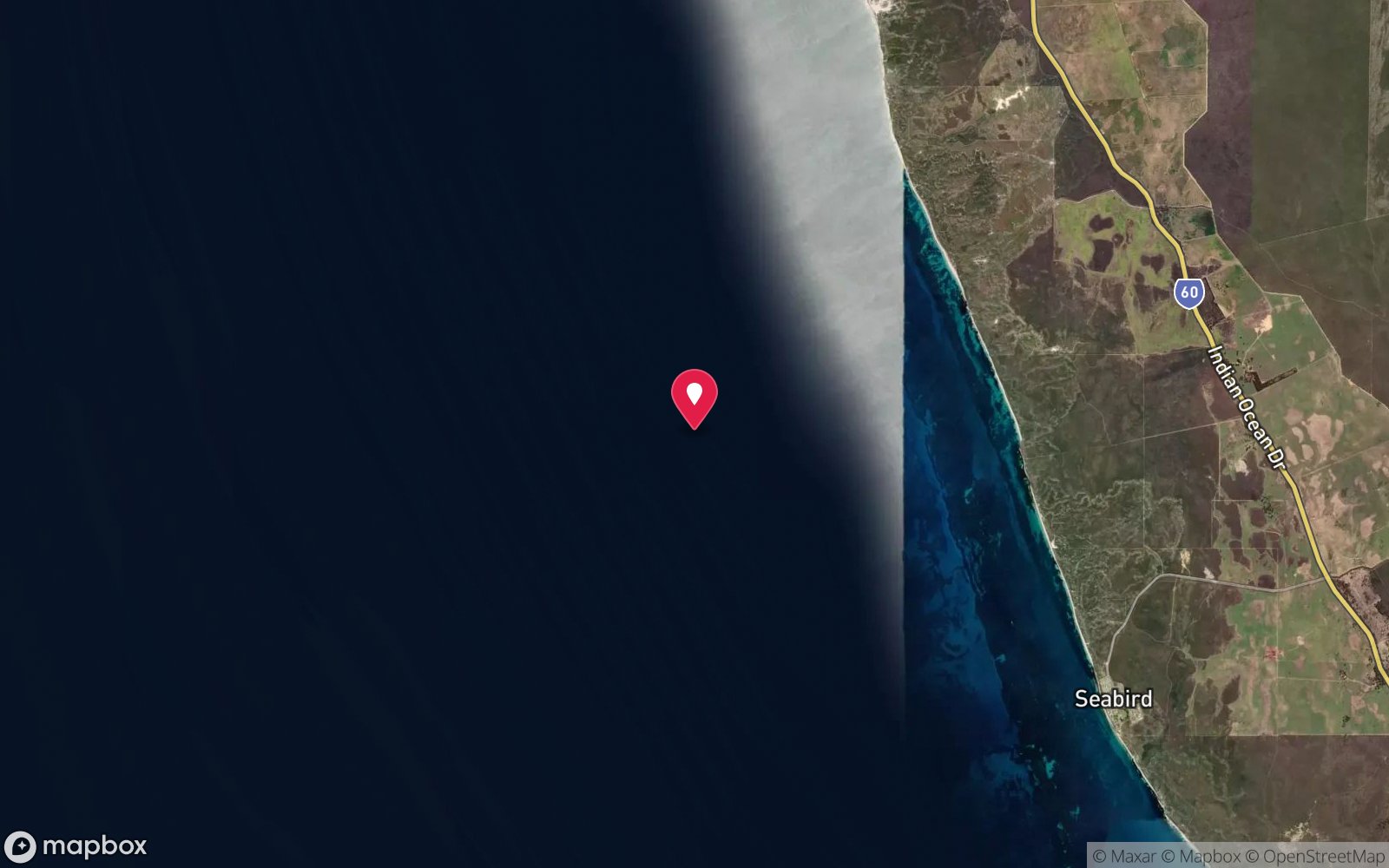
3. Turquoise Coast · WA
Vergulde Draeck Wreck (Gilt Dragon)
Sunk 1656 · The 1656 VOC shipwreck whose lost survivors prompted the first charts of the Perth coast.
Our takeA Dutch East India Company ship lost off Ledge Point in 1656 with 78,000 guilders of silver; 68 survivors reached the shore and were never found. The wreck site is a protected zone on a reef north of Perth.
4. Kalbarri & Shark Bay · WA
Zuytdorp Wreck
Sunk 1712 · The 1712 VOC wreck at the foot of the Zuytdorp Cliffs, whose survivors may have been the first Europeans to live in Australia.
Our takeThe VOC ship that hit the cliffs that now carry its name, north of Kalbarri, in 1712. The survivors climbed the cliffs and disappeared; whether they lived with the Nhanda people is one of Australian history's open questions. The site is exposed, dangerous and dived only by museum teams.
5. Geraldton & Abrolhos Islands · WA
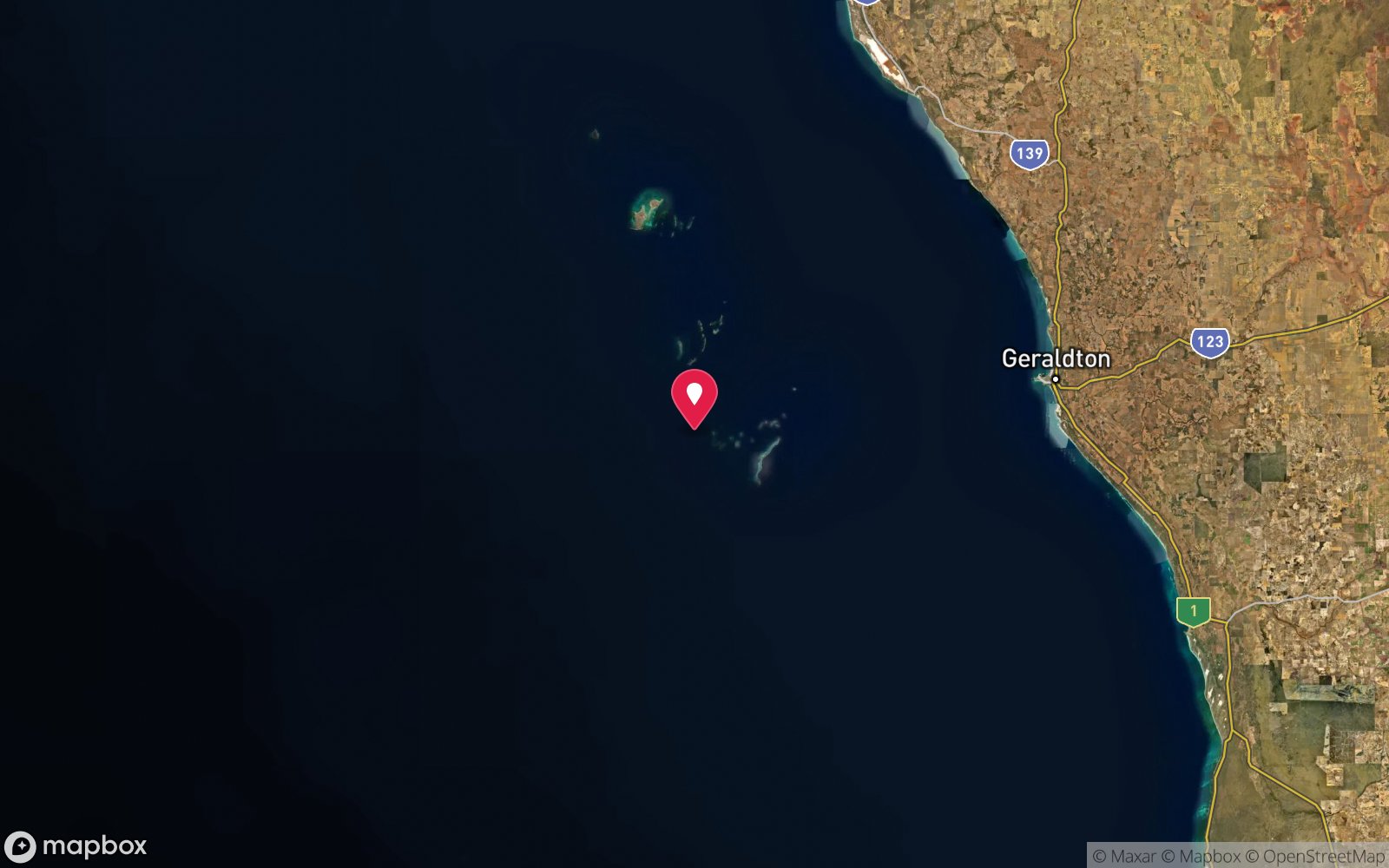
Zeewijk Wreck (Half Moon Reef)
Sunk 1727 · Cannons of the 1727 Zeewijk, whose survivors built the first European boat in Australia.
Our takeWrecked on the southern Abrolhos in 1727. The survivors spent ten months on Gun Island building a boat from the wreckage, the first European vessel built in Australia, and sailed it to Batavia. Cannons remain in 8 m on Half Moon Reef.
6. Ningaloo – Coral Bay · WA
Rapid
Sunk 1811 · One of WA's oldest wrecks, once carpeted with Spanish silver coins.
7. Esperance & Recherche Archipelago · WA
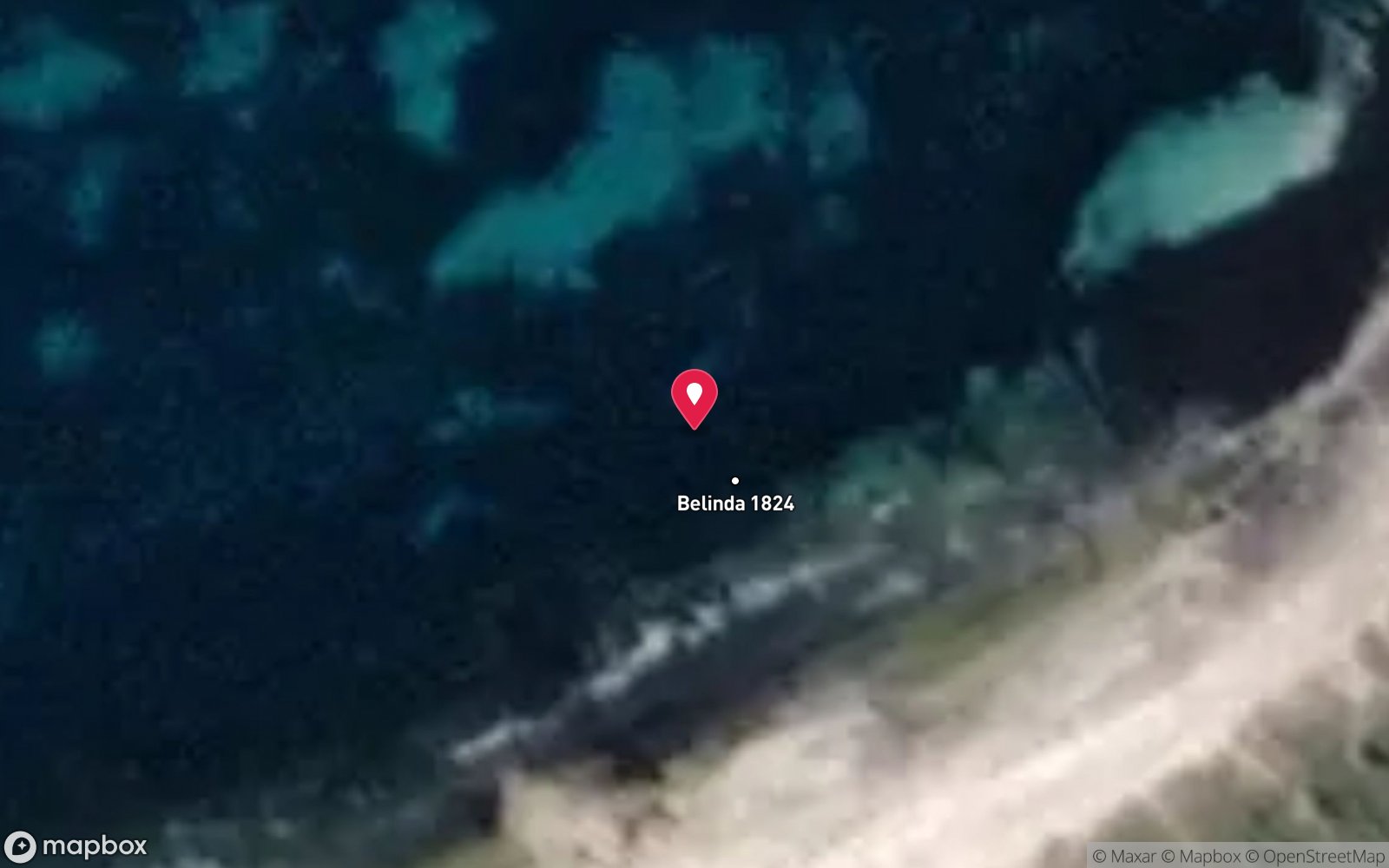
Belinda & Penguin Wrecks (Middle Island)
Sunk 1824 · An 1824 sealing brig and a steamer's boiler at the Recherche's largest island, home of pink Lake Hillier and pirate Black Jack Anderson.
8. Rottnest Island · WA
Duck Rock & Transit Plinth
Sunk 1842 · A genuine walk-in reef dive near the ferry, with caves off the rock and the plinth marking Rottnest's first shipwreck (1842).
9. Turquoise Coast · WA
Cervantes Wreck (Thirsty Point)
Sunk 1844 · The timbers of the 1844 American whaler that gave the town of Cervantes its name.
10. Albany & Great Southern · WA
Arpenteur Wreck (Hassell Beach, Cheyne Bay)
Sunk 1849 · Frames and planking of an 1849 French whaling brigantine, one of the south coast's earliest wrecks.
11. Perth · WA
Eglinton Wreck
Sunk 1852 · The oldest wreck on the north-metro coast, an 1852 settler ship, with large reef caves beside it.
12. Broome & Kimberley · WA
Calliance Wreck (Camden Harbour)
Sunk 1864 · A relic of the failed 1864 Camden Harbour settlement.
13. Albany & Great Southern · WA
Lady Lyttleton Wreck (Emu Point Channel)
Sunk 1867 · Buried hull, windlass and whaling trypots of an 1867 barque, 15 m off Emu Point.
14. Geraldton & Abrolhos Islands · WA
Xantho Wreck (Port Gregory)
Sunk 1872 · The wreck site of WA's first coastal steamship, whose conserved engine is displayed in Fremantle.
15. Perth · WA
Centaur Wreck (Marmion)
Sunk 1874 · Galena cargo and scattered remains of an 1874 iron brig under a reef break, with good shallow swim-throughs nearby.
16. Perth · WA
Chalmers Wreck
Sunk 1874 · The ballast mound and scattered fittings of an 1874 barque whose captain mistook a bushfire for the Rottnest light.
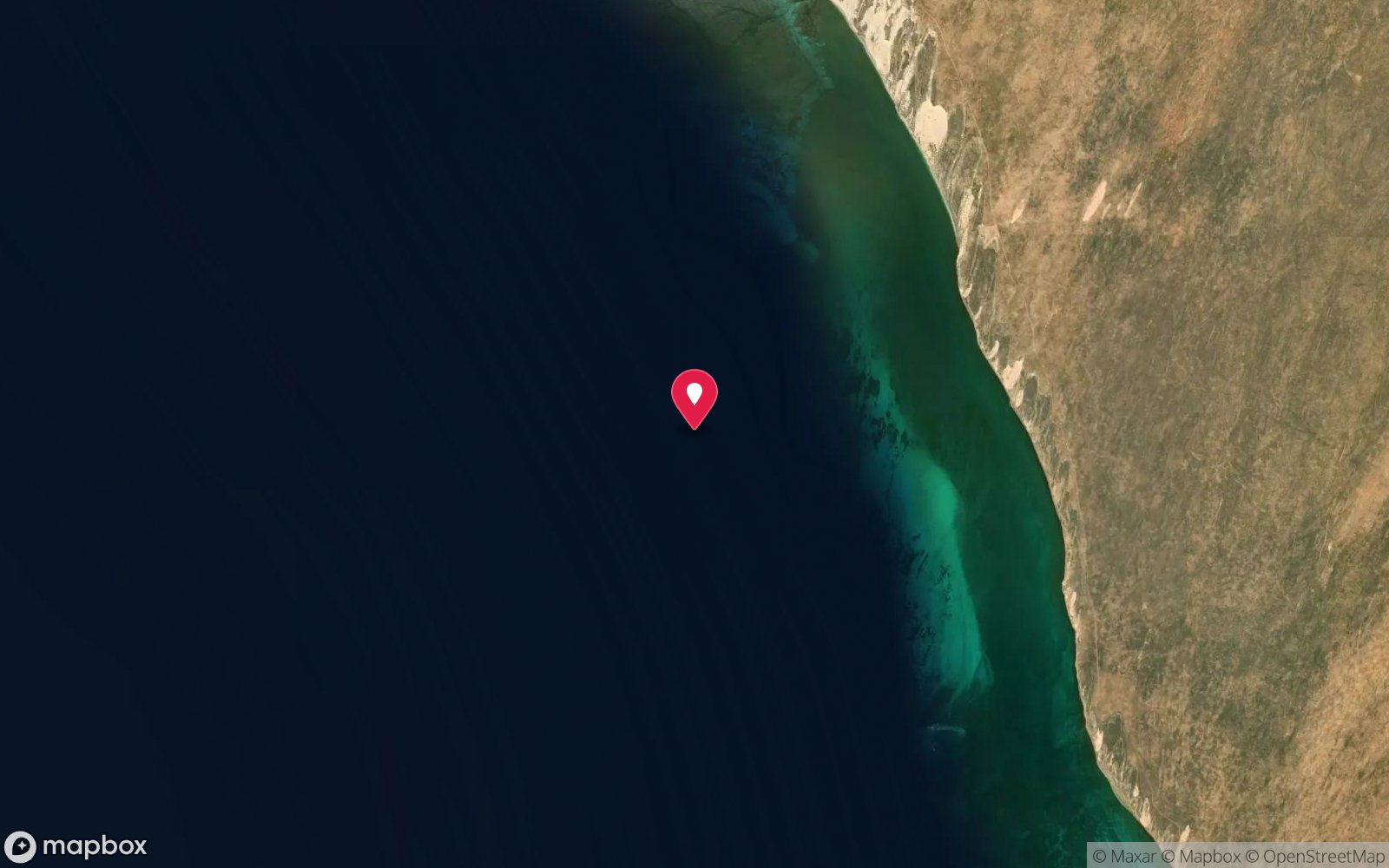
17. Ningaloo – Coral Bay · WA
Stefano
Sunk 1875 · An 1875 wreck with one of WA's most remarkable survival stories.
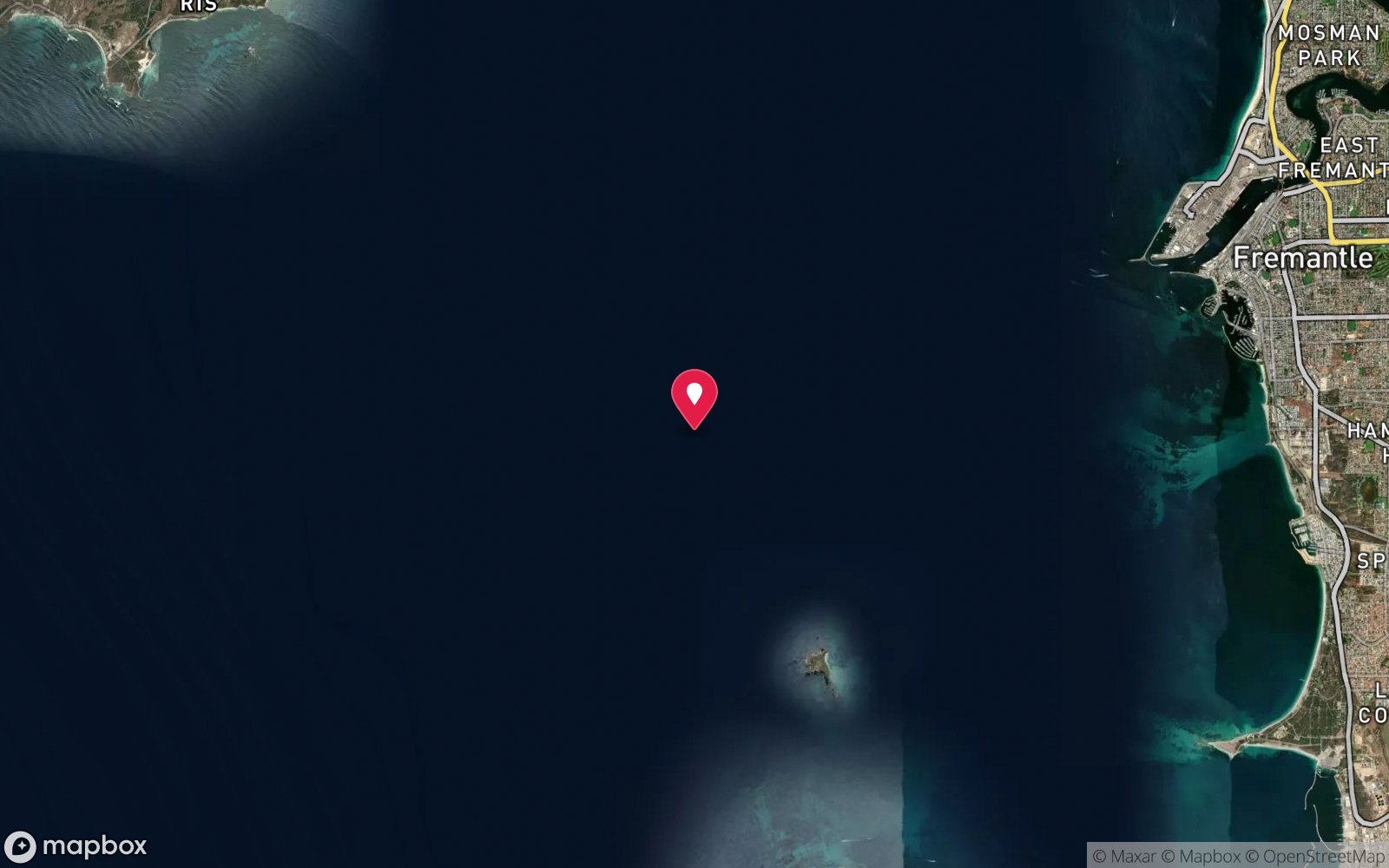
18. Perth · WA
Zedora Wreck
Sunk 1875 · The faint, sand-buried traces of an 1875 cargo ship on the shallow Mewstones Reef, best seen on a snorkel.
19. Rottnest Island · WA
Gem Wreck
Sunk 1876 · The plinth and scant timbers of an 1876 cutter lost with all ten aboard, completing the Transit Reef wreck circuit.
20. Margaret River & Augusta · WA
Georgette Wreck (Redgate Beach)
Sunk 1876 · Site of the 1876 Georgette wreck and Grace Bussell's famous rescue, with a shallow inshore reef for calm-day snorkels.
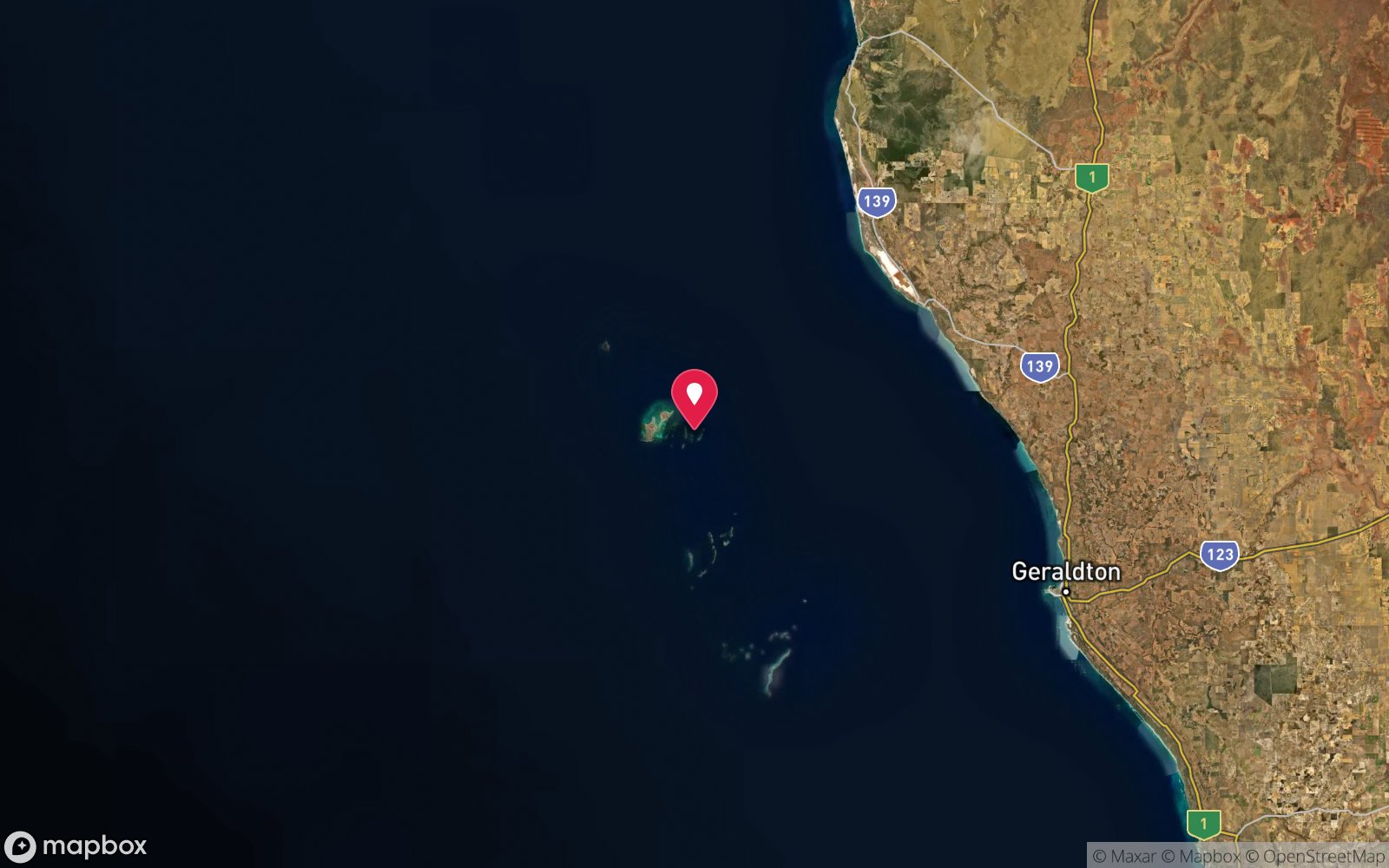
21. Geraldton & Abrolhos Islands · WA
Hadda Wreck (Beacon Island)
Sunk 1877 · Iron knees of an 1877 guano barque amid lush coral gardens in a sanctuary zone near Beacon Island.
22. Rottnest Island · WA
Lady Elizabeth Wreck
Sunk 1878 · Substantial remains of an 1878 composite barque on clean sand in calm, clear water behind Dyer Island, with caves nearby.
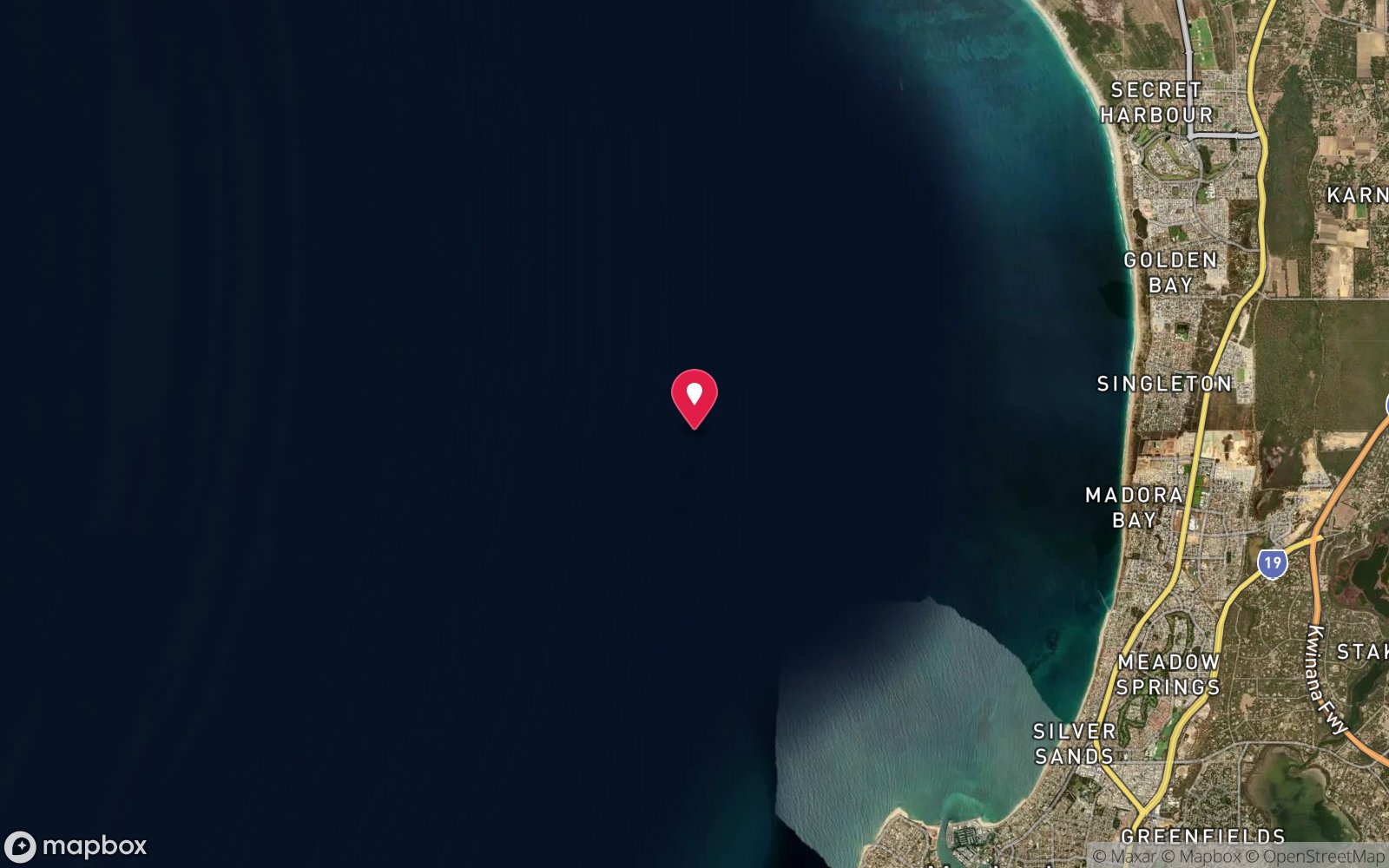
23. Mandurah & Peel · WA
James Service Wreck
Sunk 1878 · The most intact of the Murray Reef wrecks: an 1878 iron barque with a recognisable stern in 3–5 m, lost with all hands.
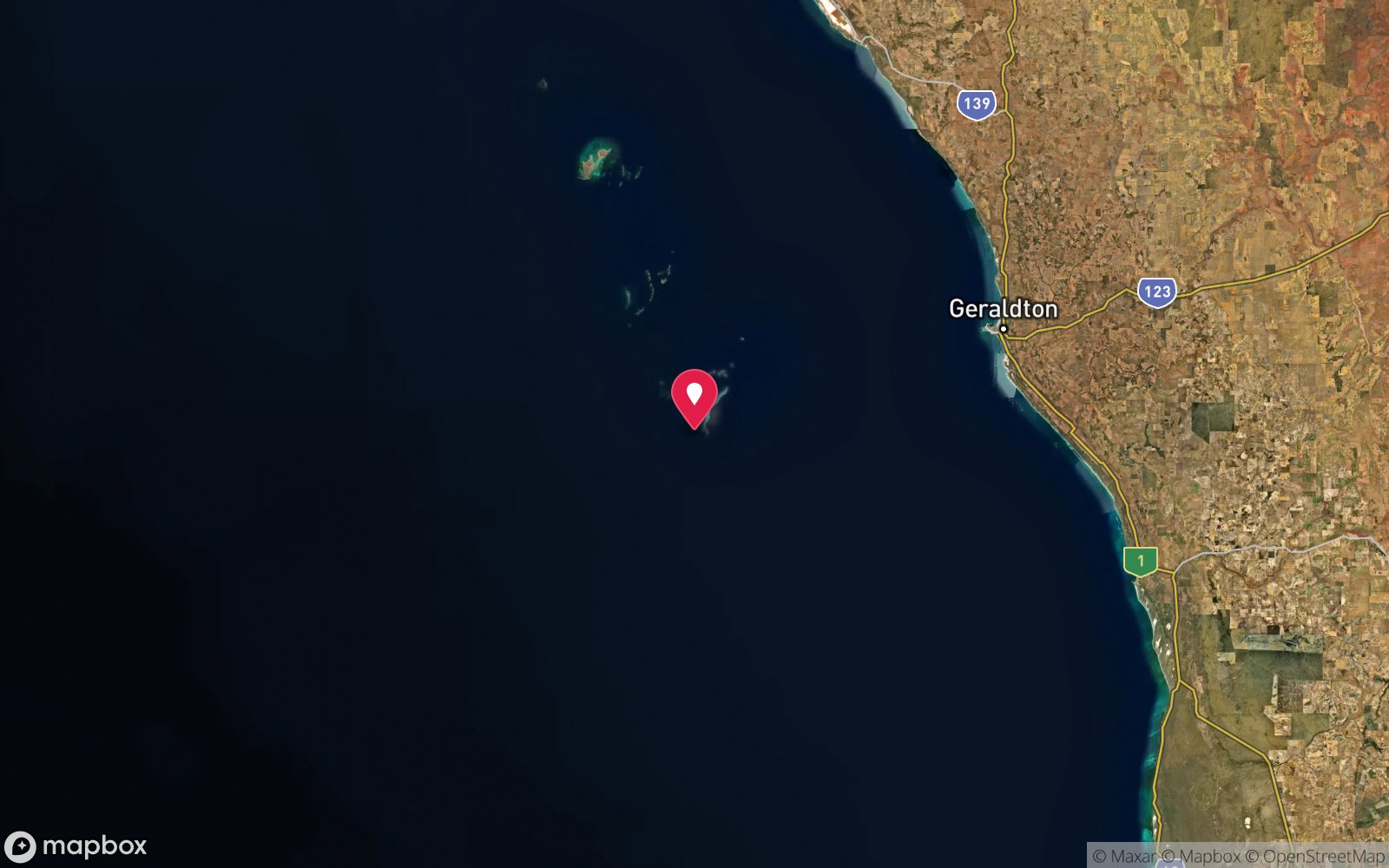
24. Geraldton & Abrolhos Islands · WA
Ben Ledi & Windsor Wrecks (Pelsaert Group)
Sunk 1879 · Two shallow iron wrecks, one with its boiler above the surface, in the southern Abrolhos.
25. Broome & Kimberley · WA
Manfred Wreck (Lacepede Islands)
Sunk 1879 · An 1879 guano-era barque visible at low tide.
26. Geographe Bay & Busselton · WA
Mary Wreck (Lockeville Jetty)
Sunk 1879 · The mostly buried remains of an 1879 schooner beside the old Lockeville Jetty piles.
27. Margaret River & Augusta · WA
Agincourt Wreck
Sunk 1882 · An 1863 wooden barque with its cargo of timber sleepers still stacked in the hull, 100 m off the beach in 5 m.
28. Rottnest Island · WA
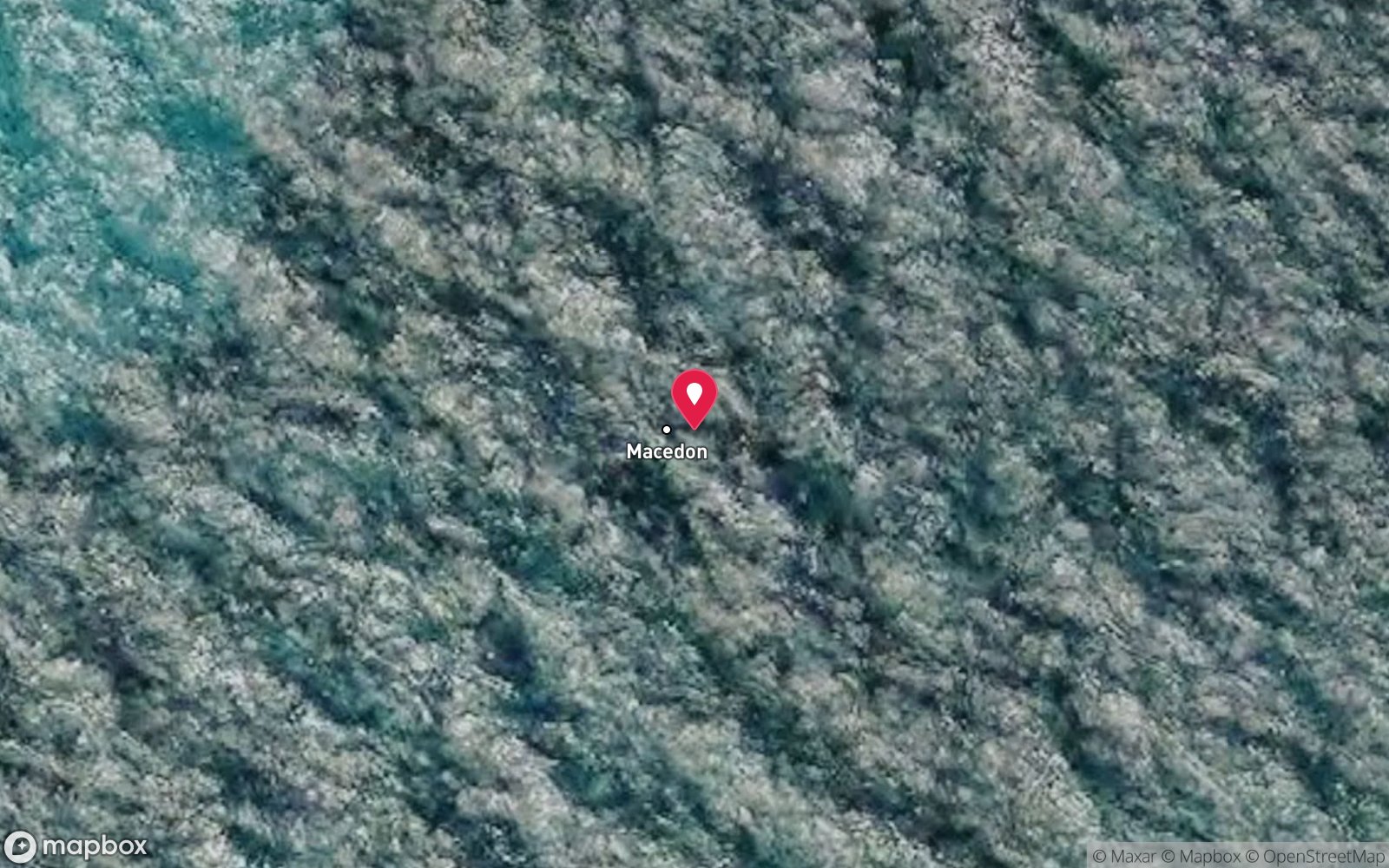
SS Macedon Wreck
Sunk 1883 · The most intact iron wreck at Rottnest: a 63 m 1883 steamer upright on the reef with ribs, gunwales and boiler in 3-7 m, beside the Denton Holme.
29. Margaret River & Augusta · WA
Chaudiere Wreck
Sunk 1883 · An 1863 Sunderland-built barque with stacked sleepers and copper sheathing, the closest wreck to the Hamelin Bay ramp.
30. Rottnest Island · WA
Mira Flores Wreck
Sunk 1886 · Intact stern of an 1886 German barque in a sand hole on Horseshoe Reef, with hull sections scattered through kelp.
The guide
Four centuries of wrecks
Australia's oldest wrecks are Dutch. The East India Company route from the Cape to Batavia ran east across the Indian Ocean before turning north, and ships that misjudged their longitude ran into the Western Australian coast: the Tryall in 1622 (English, but on the same route), the Batavia in 1629, the Vergulde Draeck in 1656, the Zuytdorp in 1712 and the Zeewijk in 1727. Then the British: HMS Sirius in 1790, HMS Pandora in 1791, the Sydney Cove in 1797, the Porpoise and Cato in 1803. From there the list runs into the colonial trade: sealers, coastal traders and the clipper Rapid, wrecked at Ningaloo in 1811 with a cargo of Spanish silver.
Every wreck here is protected under the Underwater Cultural Heritage Act 2018. Nothing may be disturbed or removed, and several sites (the Pandora, the Vergulde Draeck, the Batavia and others) are protected zones where entry itself needs a permit from the state museum or heritage office.
What is actually there to see
Manage expectations. Four hundred years on a reef leaves iron, stone and brass: cannons, anchors, ballast mounds and the ceramic and coin scatters that archaeologists have mapped. Timbers survive only where they were buried in sand and have mostly been raised (the Batavia's stern is in Fremantle's Shipwreck Museum). What these sites offer is the place: standing on the reef where the Batavia struck, or hovering over the Sirius's carronades in the bay where the First Fleet's flagship broke up.
The Abrolhos and Norfolk Island are the practical destinations. Geraldton operators run Abrolhos trips that include the Batavia and Zeewijk reefs in the calm from March to May; Norfolk Island's dive shop visits the Sirius site in Slaughter Bay when the swell allows. The Pandora and the Coral Sea sites are expedition dives.
Editorial last reviewed September 2026. The list itself is regenerated from the directory daily.
Frequently asked questions
Can I take anything from an old shipwreck?
No. Every wreck older than 75 years is automatically protected under Commonwealth law, and many sites have protected zones requiring permits even to enter.
More rankings
- The 25 Deepest Dive Sites in Australia
- Australia's Most Remote Dive Sites
- The Longest Boat Rides to a Day Dive
- The Warmest Dive Sites in Australia
- The Coldest Dive Sites in Australia
- Australia's Clearest-Water Dive Sites
- The Most Biodiverse Dive Sites in Australia
- WWII and Wartime Wrecks You Can Dive in Australia
- All rankings →