From the 1629 Batavia on the Abrolhos to the clipper ships and coastal steamers of the 1800s, these are the oldest wrecks divers can visit. All are protected under the Underwater Cultural Heritage Act: look, photograph, touch nothing.
Updated daily from the directory. 25 sites listed.
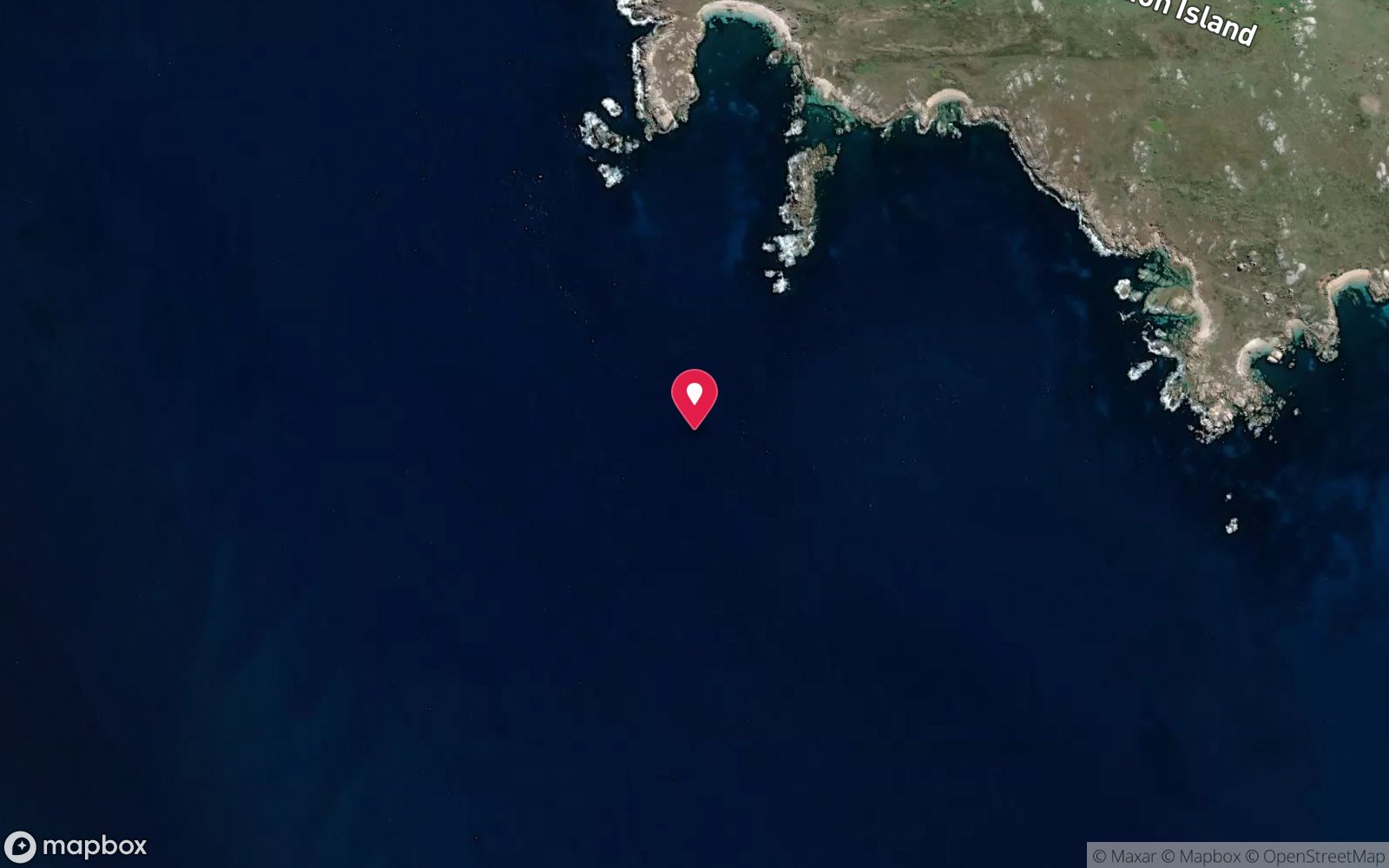
1. Flinders Island & Furneaux Group · TAS
Sydney Cove (Preservation Island)
Sunk 1797 · One of Australia's oldest shipwrecks (1797), whose survivors' ordeal opened Bass Strait to sealing.
Our takeLost in the Furneaux Group in 1797. Seventeen survivors walked from Ninety Mile Beach to Sydney, three of them arriving; their reports of seals and coal opened Bass Strait. Shallow, remote and rarely visited.
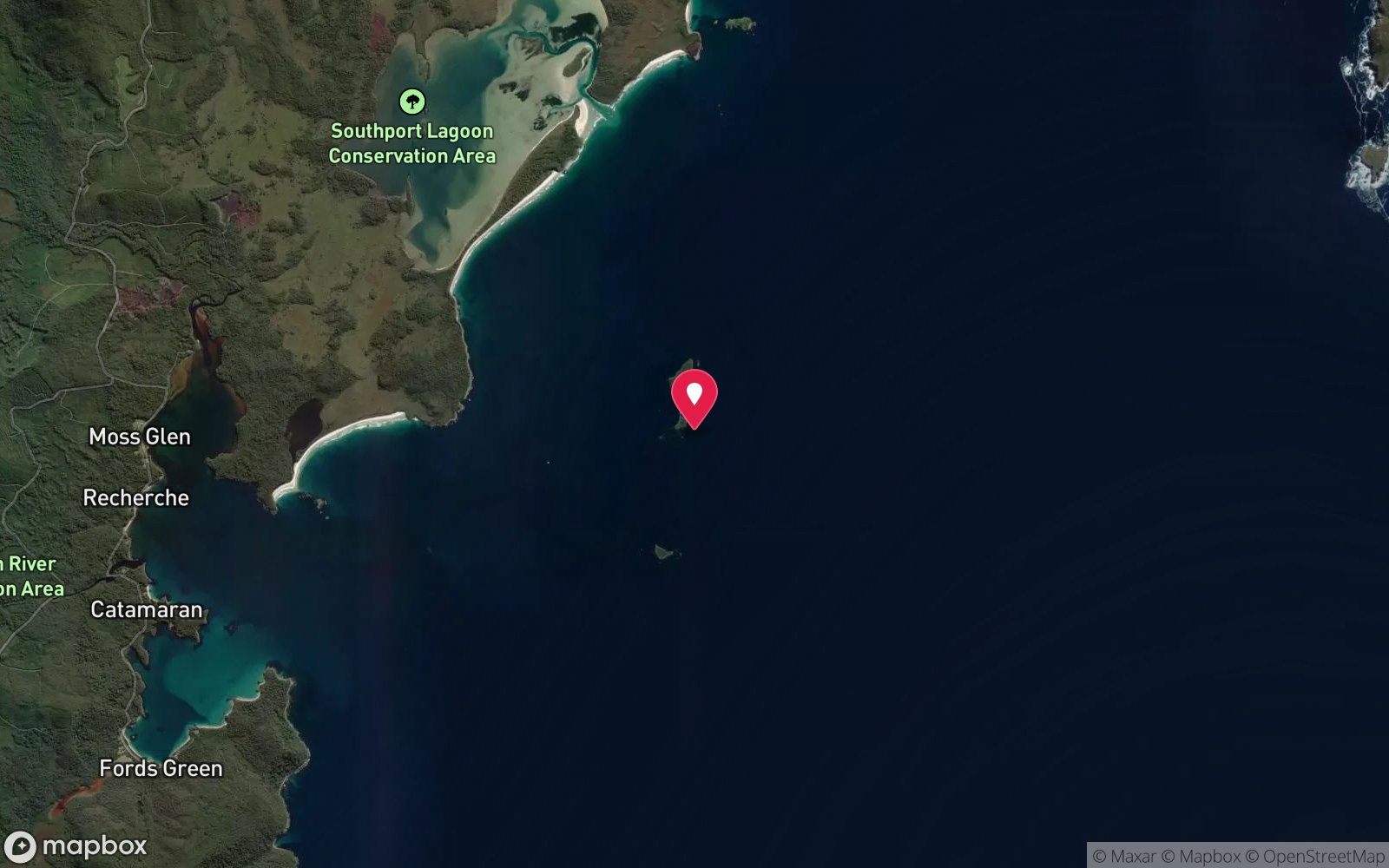
2. Huon & Far South · TAS
Actaeon Island
Sunk 1822 · Remote island with a thick kelp forest at the southern entrance to the Channel, near the 1822 Actaeon wreck site.
3. Huon & Far South · TAS
Sterile Island (Wallace wreck)
Sunk 1835 · Barren reef rock with the cannon and ironwork of the 1835 ship Wallace.
4. Bruny Island & D'Entrecasteaux Channel · TAS
The Pineapples (Cape Bruny)
Sunk 1835 · Remote maze of coastal rock formations near Cape Bruny – and possibly the 1835 wreck of the Enchantress.
5. King Island · TAS
Cataraqui
Sunk 1845 · The site of Australia's worst civil maritime disaster (1845), with anchor and capstan on an exposed reef.
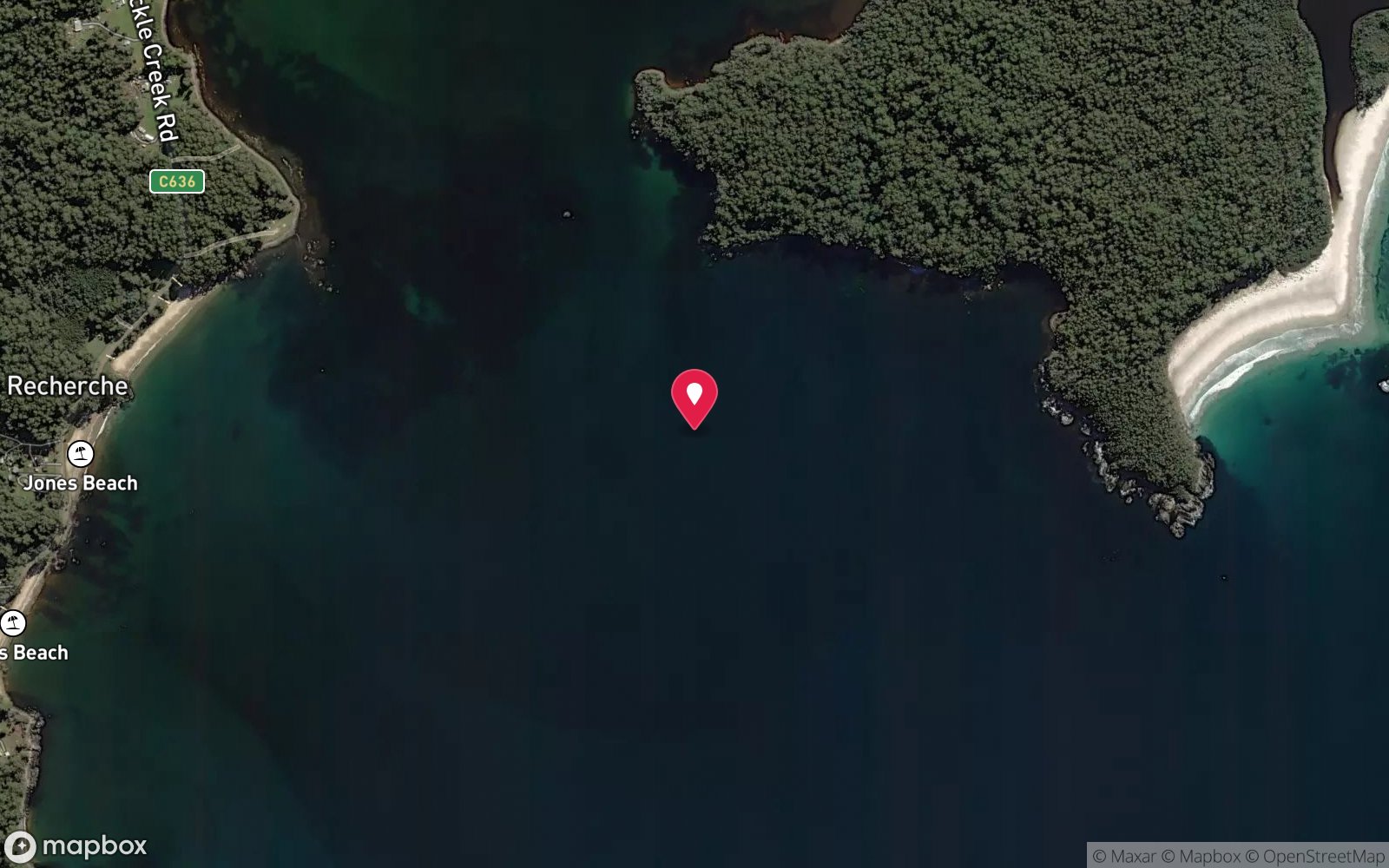
6. Huon & Far South · TAS
Kellys Rocks (Recherche Bay)
Sunk 1846 · Large, weedy headland reef in Recherche Bay with remains of the 1846 whaler Maria Orr.
7. Flinders Island & Furneaux Group · TAS
Litherland (Clarke Island)
Sunk 1853 · Trypots of a whaling ship lost at Clarke Island in 1853.
8. King Island · TAS
Brahmin (King Island)
Sunk 1854 · An archaeologically rich 1854 wreck with anchors, windlass and scattered china and clay pipes.
9. Huon & Far South · TAS
Katherine Sharer Wreck
Sunk 1855 · Scattered remains of Tasmania's first major locally built trader, blown up in 1855 – also the site of the state's first sport dive (1944).
10. Flinders Island & Furneaux Group · TAS
Gaudelette (Cape Barren Island)
Sunk 1865 · The scattered remains of an 1865 composite barque off Cape Barren Island.
11. King Island · TAS
Netherby
Sunk 1866 · The shallow remains of an 1866 emigrant ship from which all 450-plus aboard survived.
12. King Island · TAS
Loch Leven
Sunk 1871 · Extensive flattened ironwork of an 1871 wool clipper, reachable from shore near Cape Wickham.
13. King Island · TAS
British Admiral
Sunk 1874 · Site of an 1874 wreck in which 79 of 88 aboard died; a memorial headstone stands on the beach.
14. King Island · TAS
Blencathra (Currie)
Sunk 1875 · The debris field of a whisky-laden 1875 barque right beside Currie Harbour.
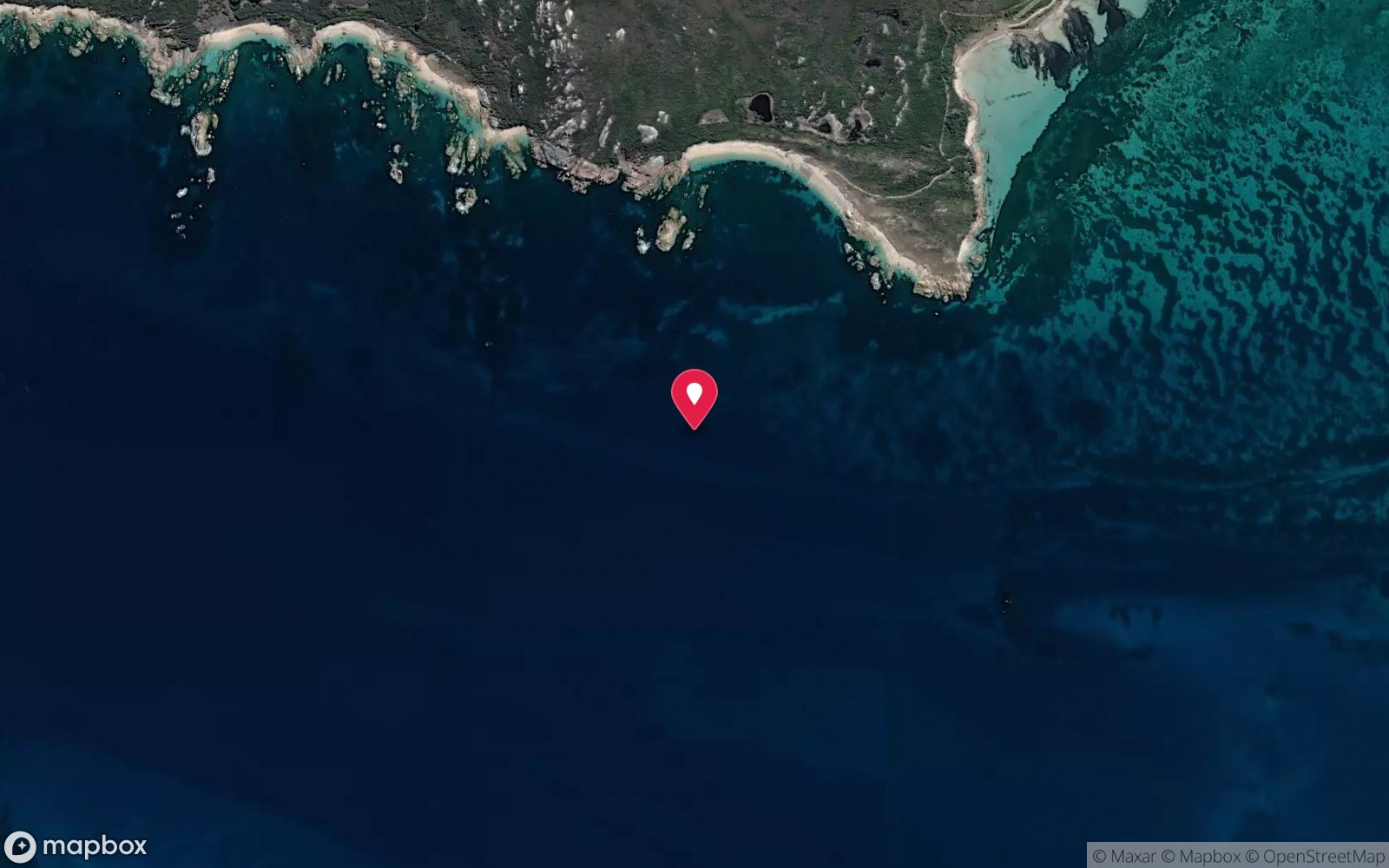
15. Flinders Island & Furneaux Group · TAS
Cambridgeshire (Night Island)
Sunk 1875 · The Furneaux Group's best wreck: an 1875 iron ship with swim-throughs and a fish-filled intact stern.
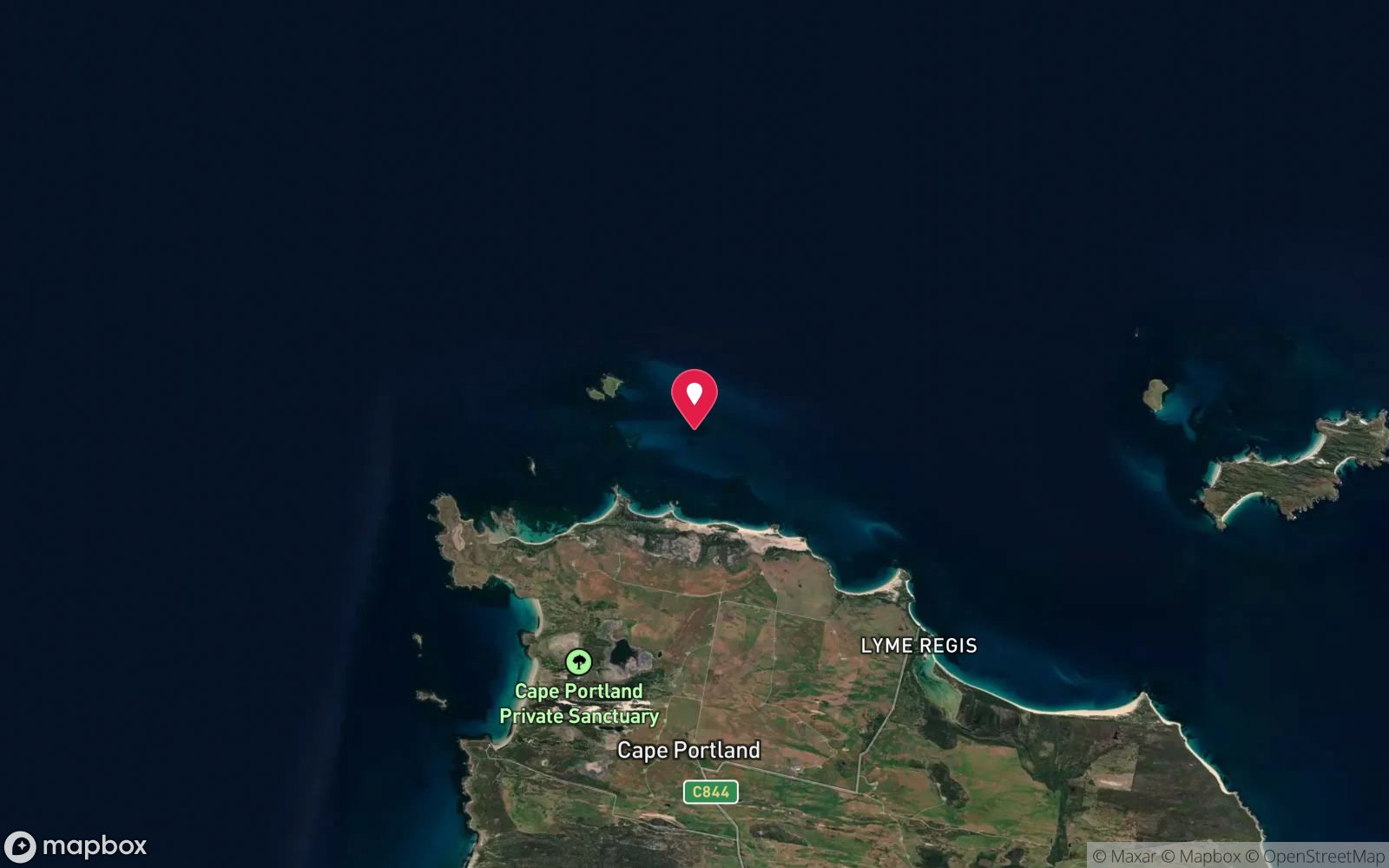
16. Tasmania North-East · TAS
Fosters Island
Sunk 1877 · A shallow weed garden with the remains of two 19th-century wrecks, near the Loch Finlas and General Picton.
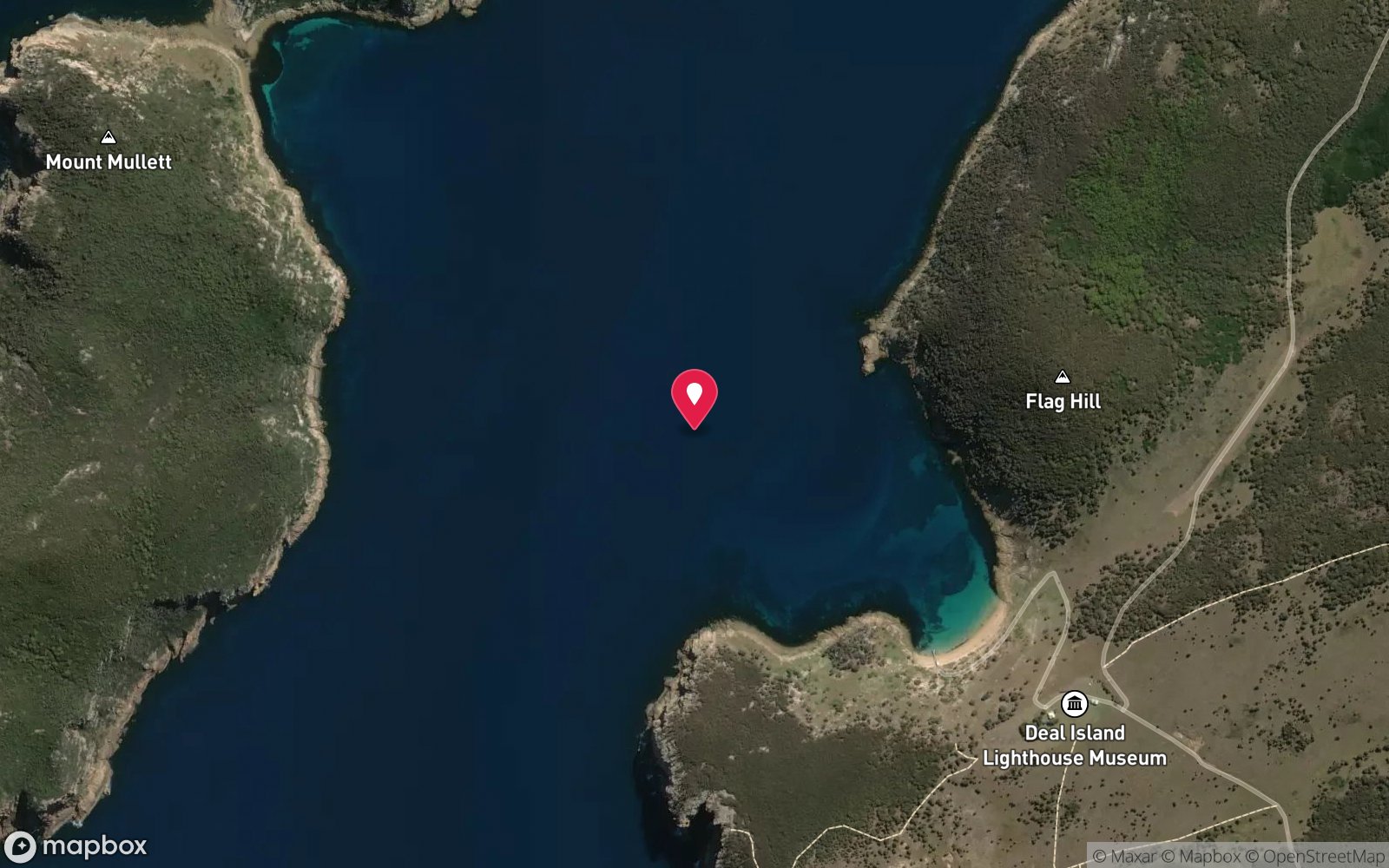
17. Kent Group · TAS
SS Bulli (Kent Group)
Sunk 1877 · A reasonably intact 1877 iron steamer, 5 m proud of the sand in Bass Strait's clear water.
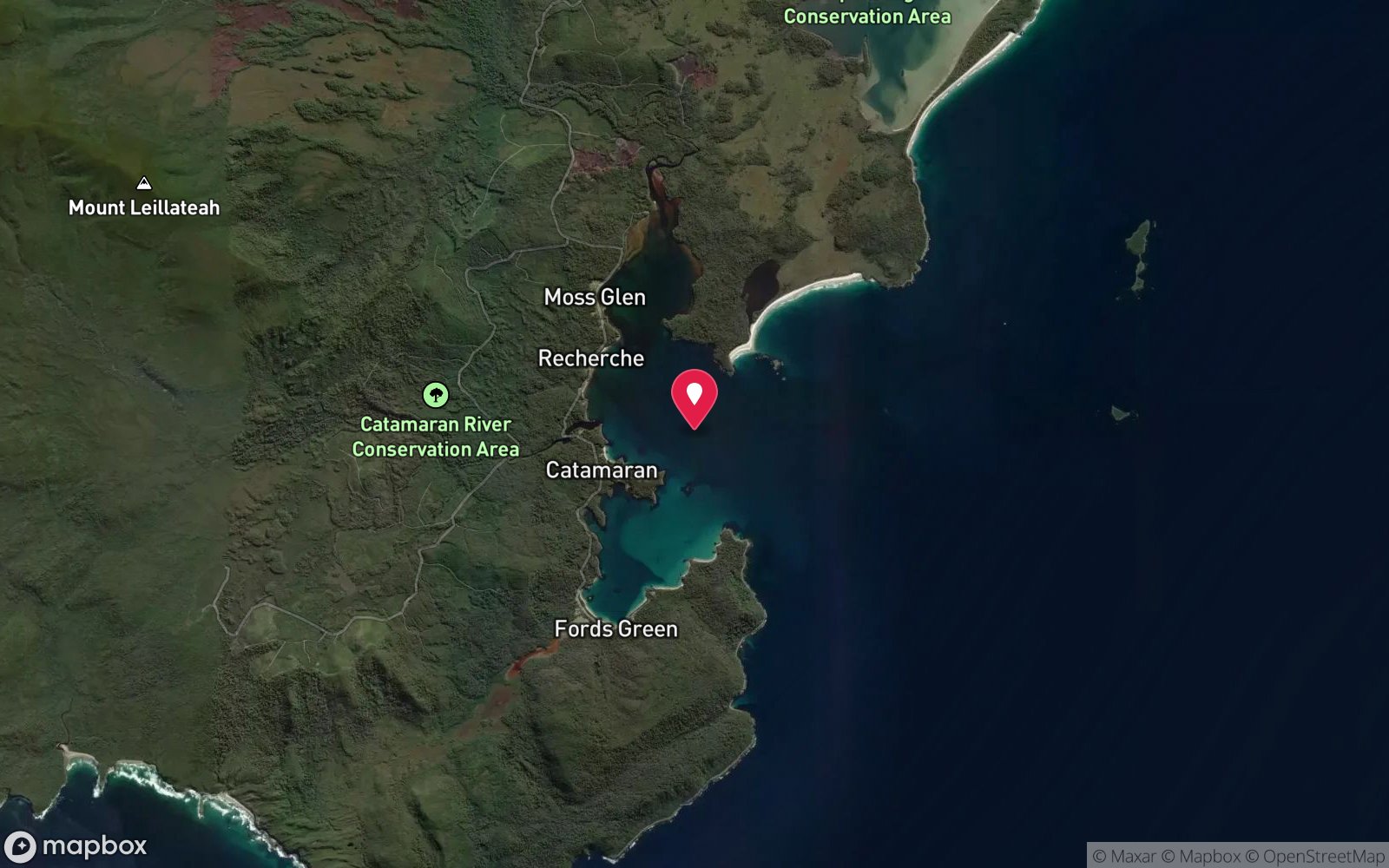
18. Huon & Far South · TAS
Evoralls Point (Recherche Bay)
Sunk 1880 · Shallow seaweed gardens beside the relics of the Catamaran coal mines, with possible remains of the whaler Offley.
19. Tasmania North & North-West · TAS
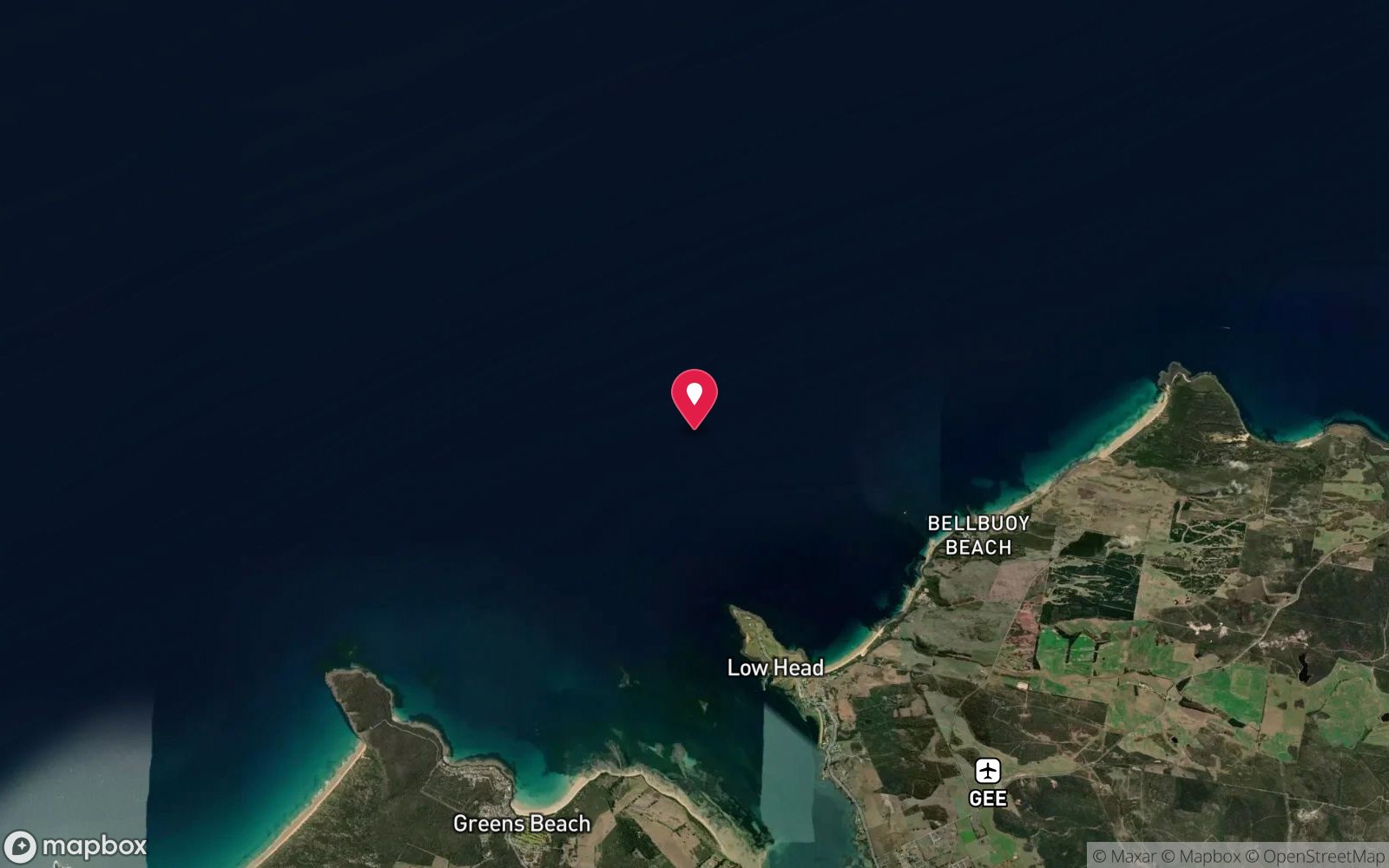
Asterope (Hebe Reef)
Sunk 1883 · Remains of an 1883 Aberdeen-built wooden barque among the gullies of Hebe Reef.
20. Tasman Peninsula · TAS
SS Tasman
Sunk 1883 · Rarely seen 1883 steamer at 70 m beneath the Hippolyte Needle – a serious technical expedition target.
21. Tasmania North & North-West · TAS
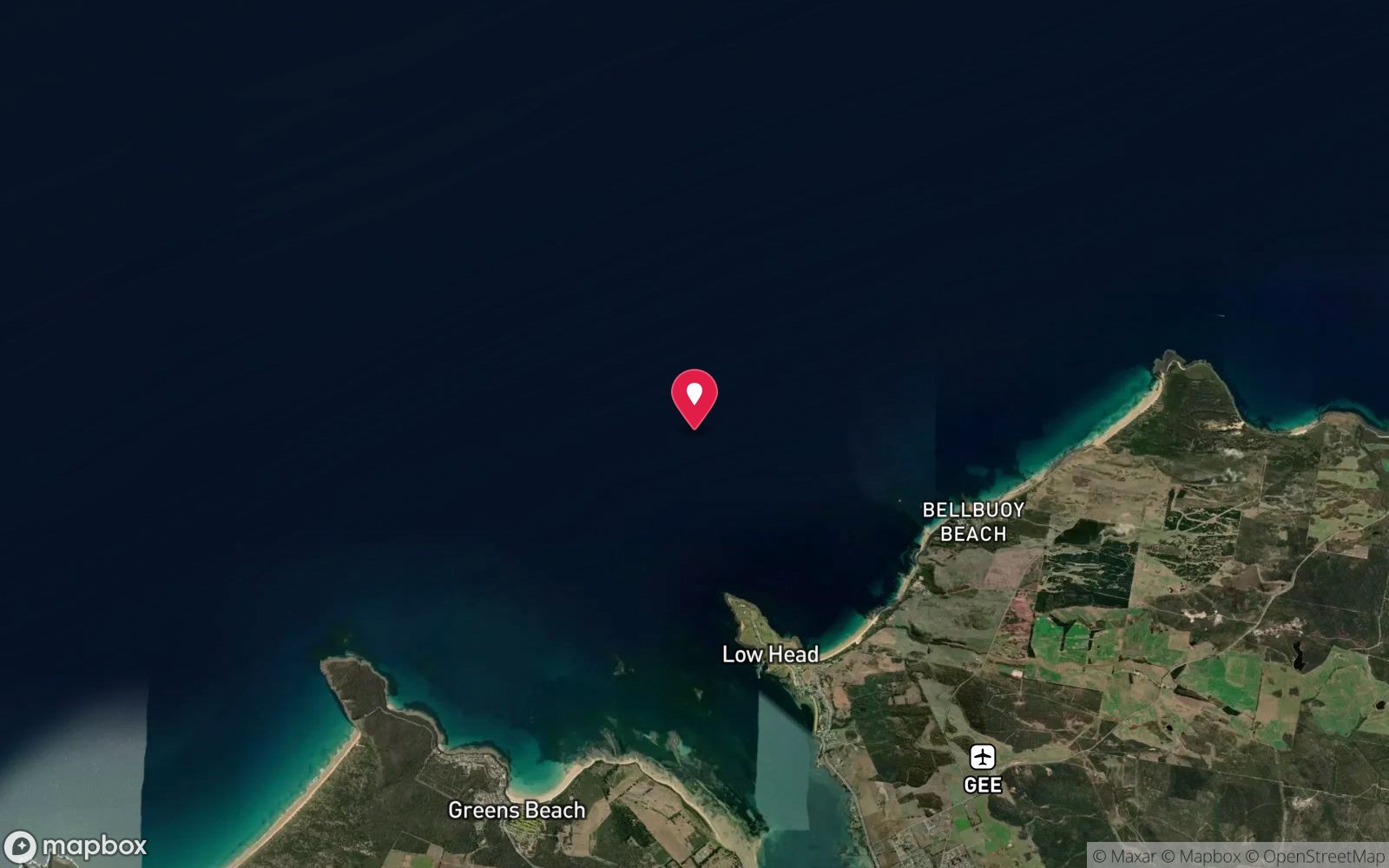
SS Esk (Hebe Reef)
Sunk 1886 · Boiler, engine and propeller of an 1886 iron steamer in 5 m, beside a second wreck.
22. Tasmania North & North-West · TAS
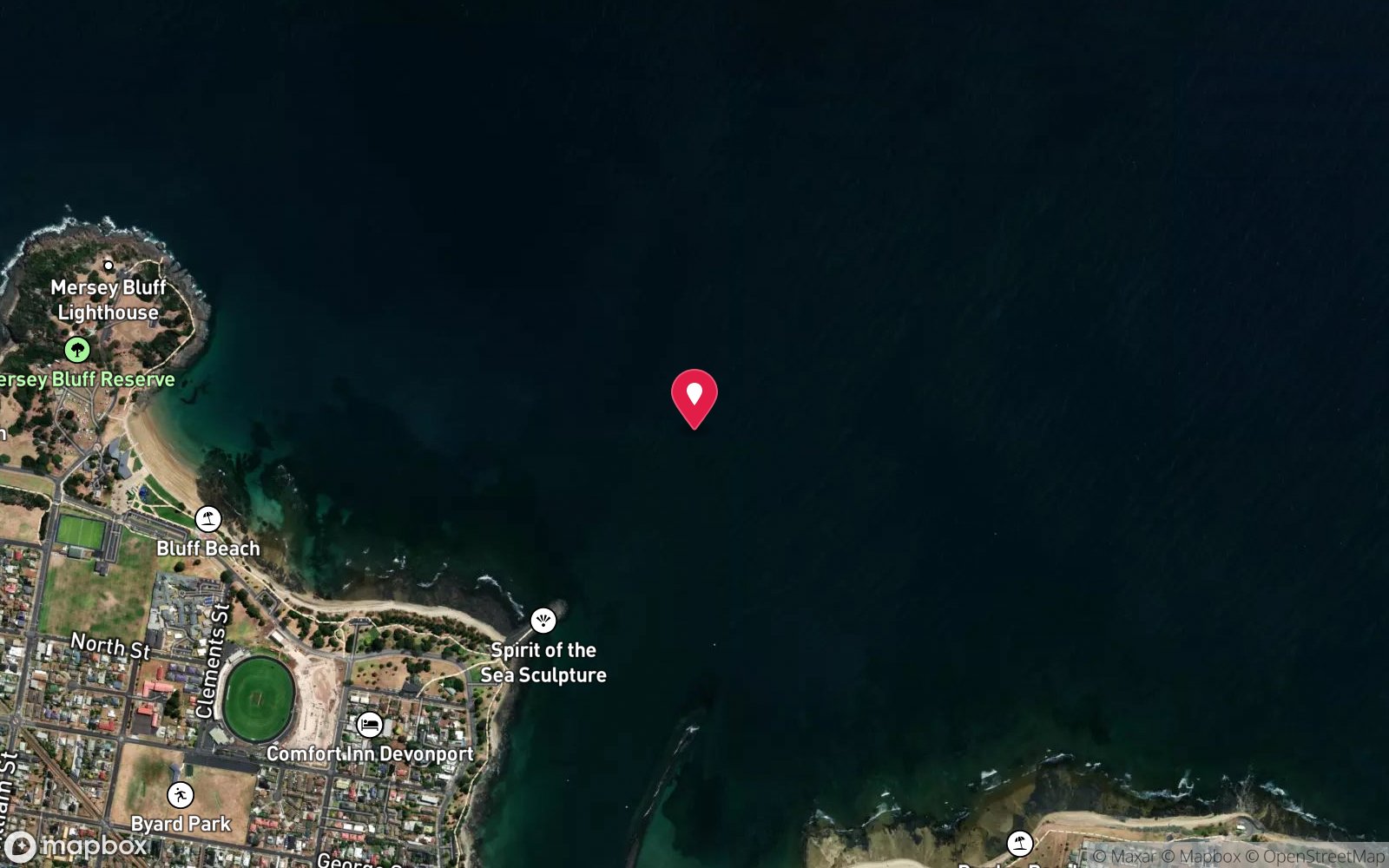
Devonport Breakwater
Sunk 1887 · A shallow breakwater snorkel with a kelp forest and remains of two 1880s wrecks.
23. Tasmania North-East · TAS
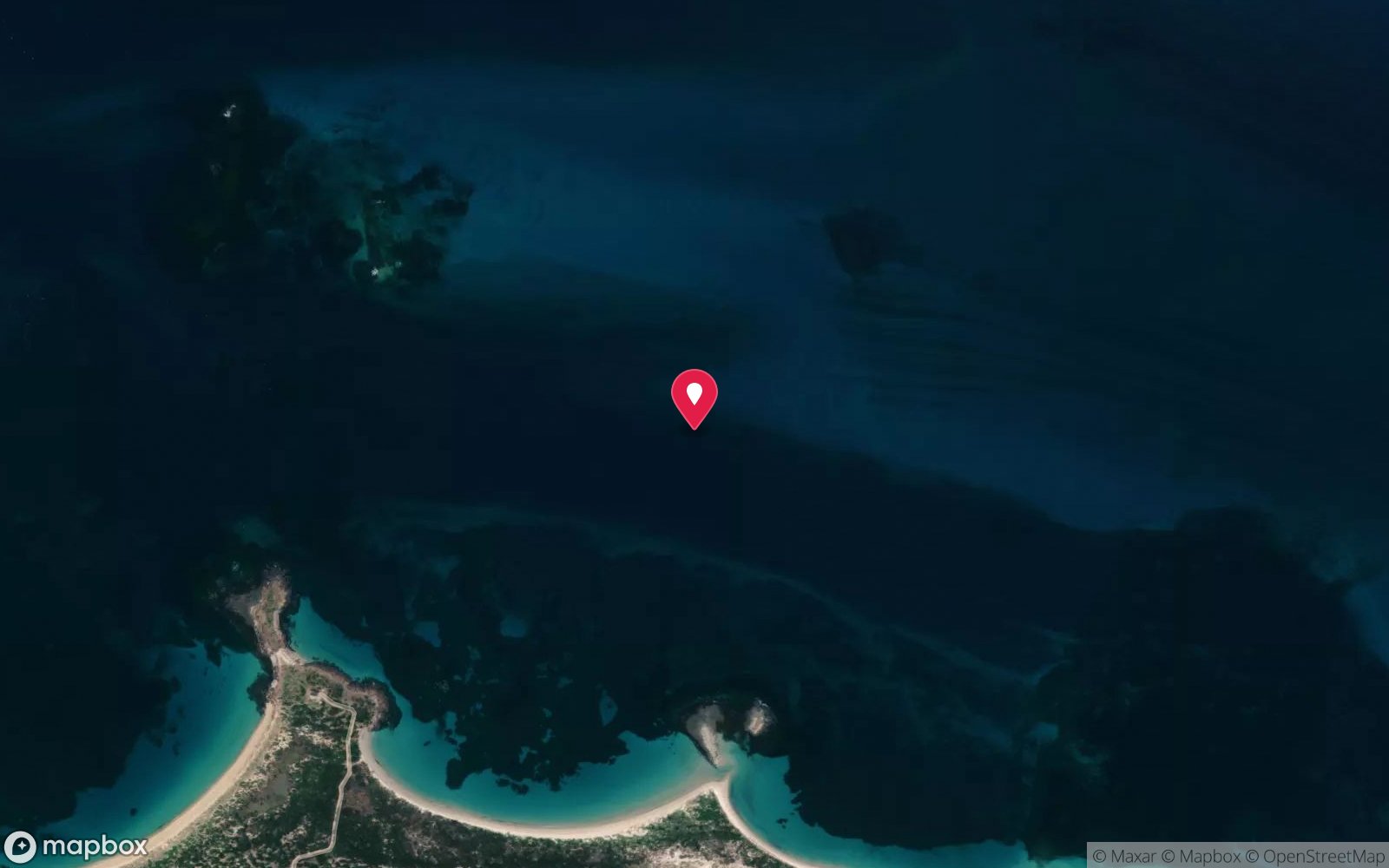
General Picton (Fosters Island)
Sunk 1888 · Swim-throughs among the iron plates of an 1888 four-master against a Bass Strait reef.
24. Tasmania North & North-West · TAS
SS Southern Cross (Boat Rock)
Sunk 1889 · Stern and propeller of an 1863 Clyde-built steamer lost in bushfire smoke in 1889.
25. Tasmania West Coast · TAS
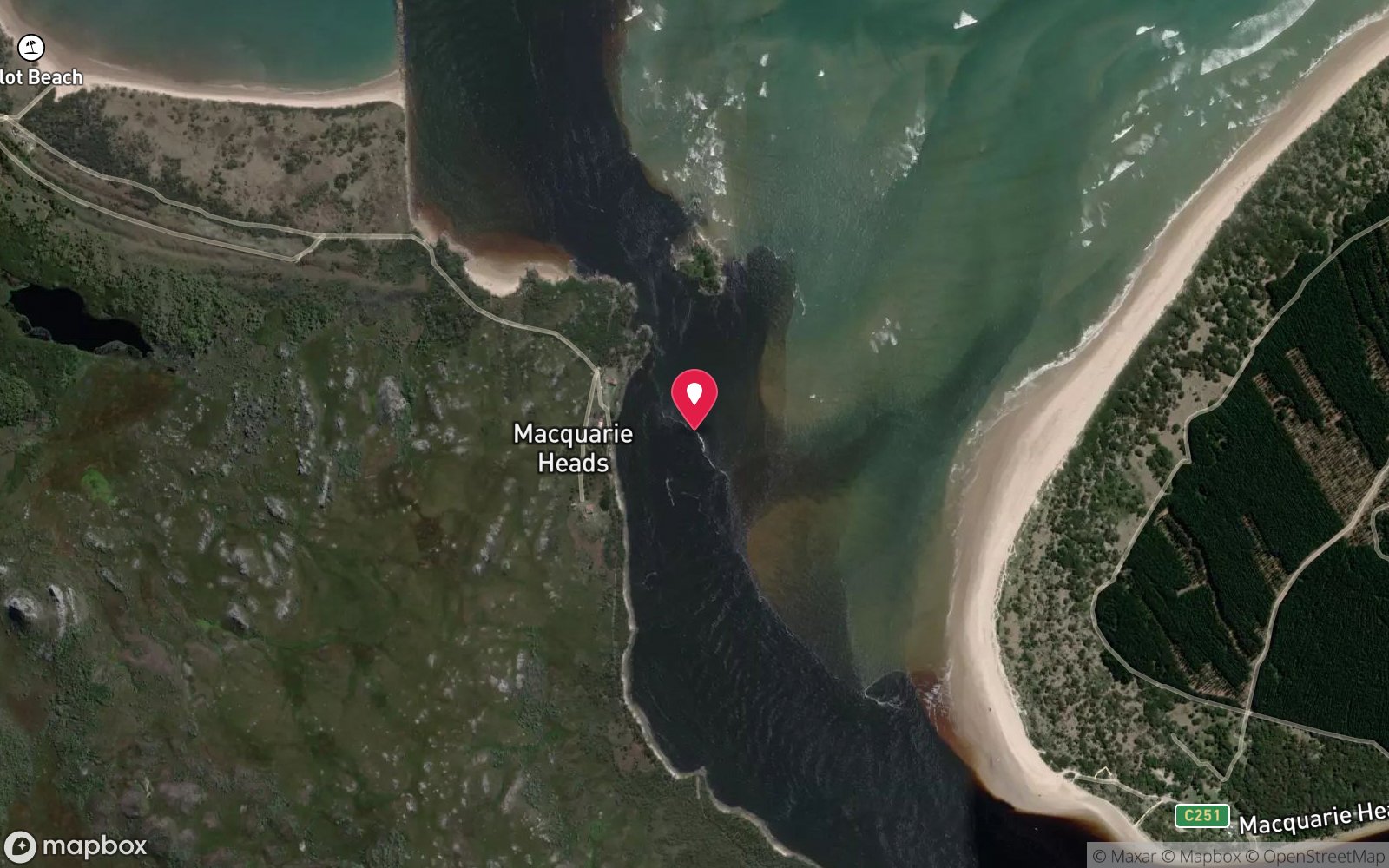
SS Devon (Hells Gates)
Sunk 1894 · An 1894 steamer's stern and steering gear breaking the surface behind the Hells Gates breakwater.
The guide
Four centuries of wrecks
Australia's oldest wrecks are Dutch. The East India Company route from the Cape to Batavia ran east across the Indian Ocean before turning north, and ships that misjudged their longitude ran into the Western Australian coast: the Tryall in 1622 (English, but on the same route), the Batavia in 1629, the Vergulde Draeck in 1656, the Zuytdorp in 1712 and the Zeewijk in 1727. Then the British: HMS Sirius in 1790, HMS Pandora in 1791, the Sydney Cove in 1797, the Porpoise and Cato in 1803. From there the list runs into the colonial trade: sealers, coastal traders and the clipper Rapid, wrecked at Ningaloo in 1811 with a cargo of Spanish silver.
Every wreck here is protected under the Underwater Cultural Heritage Act 2018. Nothing may be disturbed or removed, and several sites (the Pandora, the Vergulde Draeck, the Batavia and others) are protected zones where entry itself needs a permit from the state museum or heritage office.
What is actually there to see
Manage expectations. Four hundred years on a reef leaves iron, stone and brass: cannons, anchors, ballast mounds and the ceramic and coin scatters that archaeologists have mapped. Timbers survive only where they were buried in sand and have mostly been raised (the Batavia's stern is in Fremantle's Shipwreck Museum). What these sites offer is the place: standing on the reef where the Batavia struck, or hovering over the Sirius's carronades in the bay where the First Fleet's flagship broke up.
The Abrolhos and Norfolk Island are the practical destinations. Geraldton operators run Abrolhos trips that include the Batavia and Zeewijk reefs in the calm from March to May; Norfolk Island's dive shop visits the Sirius site in Slaughter Bay when the swell allows. The Pandora and the Coral Sea sites are expedition dives.
Editorial last reviewed September 2026. The list itself is regenerated from the directory daily.
Frequently asked questions
Can I take anything from an old shipwreck?
No. Every wreck older than 75 years is automatically protected under Commonwealth law, and many sites have protected zones requiring permits even to enter.
More rankings
- The 25 Deepest Dive Sites in Australia
- Australia's Most Remote Dive Sites
- The Longest Boat Rides to a Day Dive
- The Warmest Dive Sites in Australia
- The Coldest Dive Sites in Australia
- Australia's Clearest-Water Dive Sites
- The Most Biodiverse Dive Sites in Australia
- WWII and Wartime Wrecks You Can Dive in Australia
- All rankings →