Sites that are properly documented, with depths, entries and conditions confirmed by several sources, but that see only occasional charters or club trips. No crowds, no queues on the mooring, and often the best diving in their region.
Updated daily from the directory. 20 sites listed.
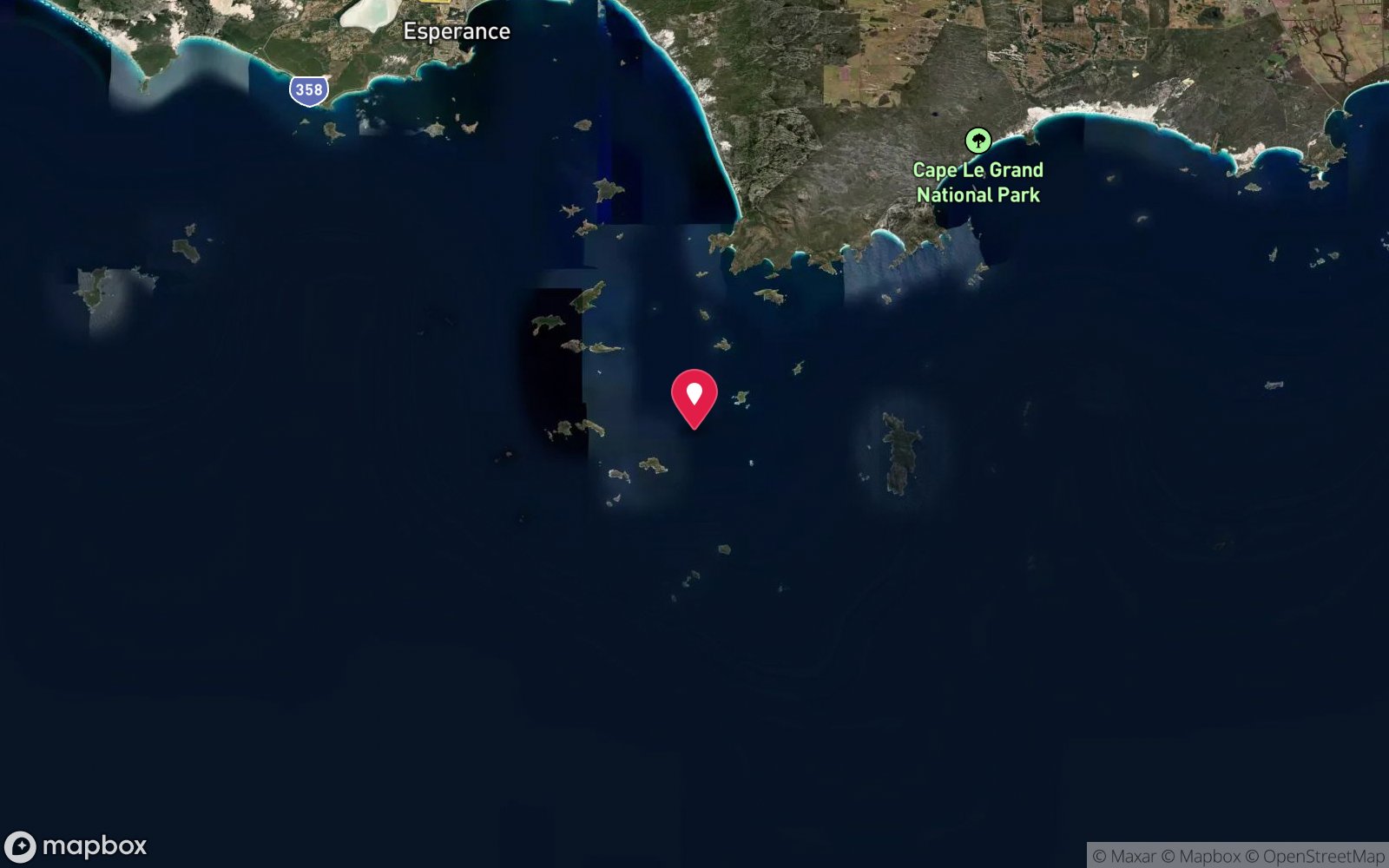
1. Esperance & Recherche Archipelago · WA
Sanko Harvest Wreck
Australia's largest wreck dive – a 174 m bulk carrier broken into giant sections in 13-44 m, protected by a 500 m no-take zone.
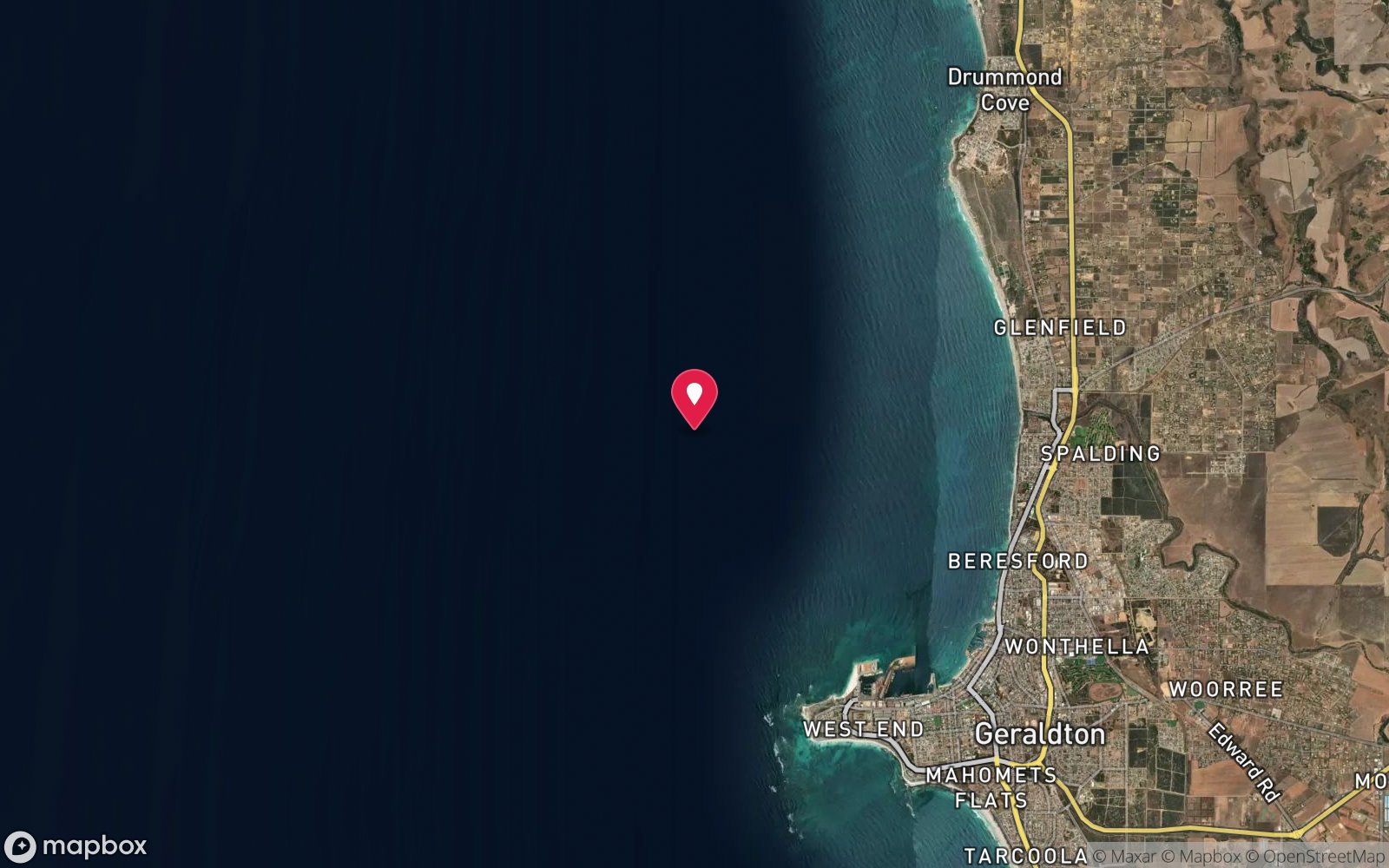
2. Geraldton & Abrolhos Islands · WA
South Tomi Wreck
A toothfish poacher caught after a 6,000 km naval chase, now an upright 57 m wreck with engine-room access in 25 m.
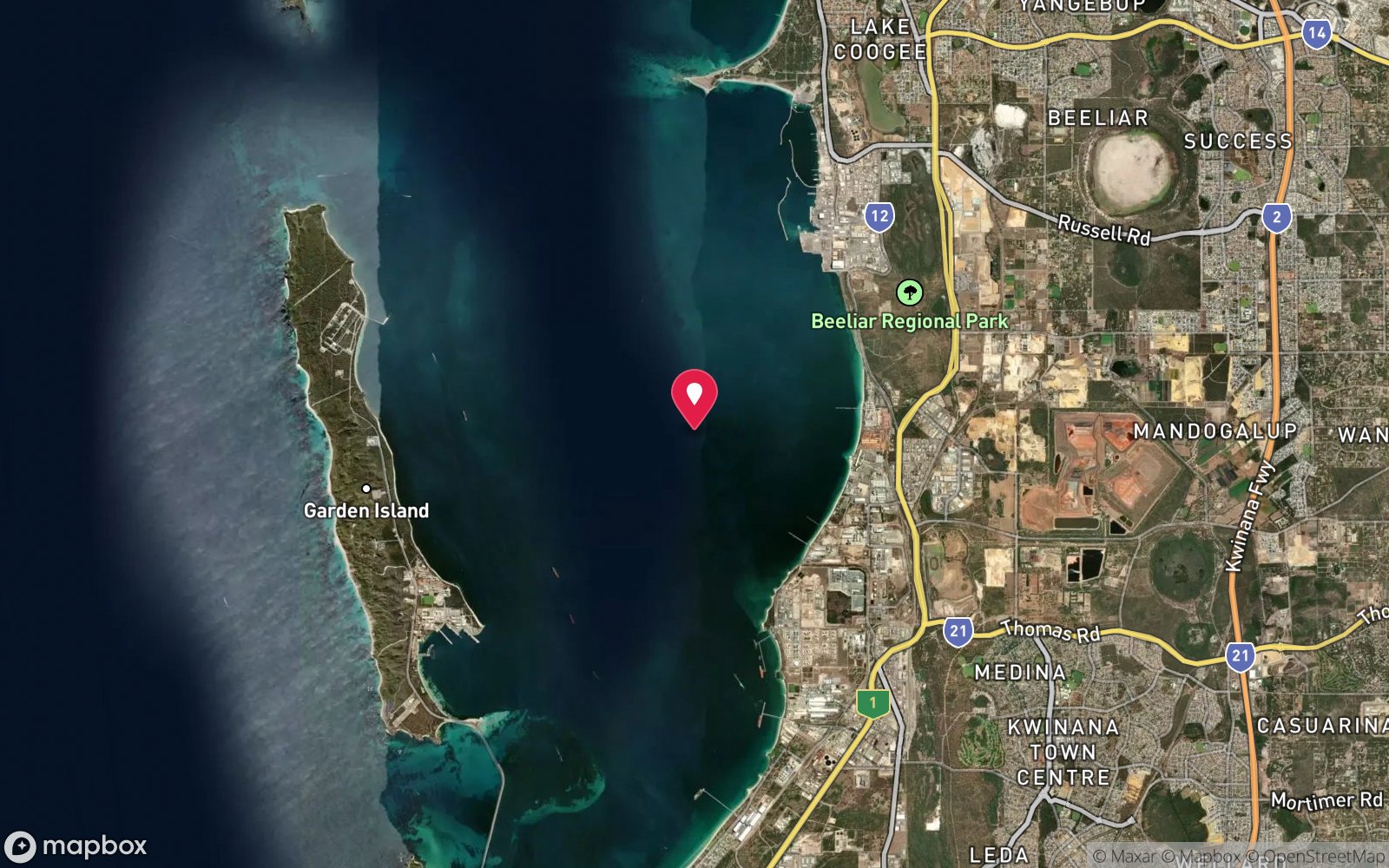
3. Perth · WA
D9 Dredge Wreck
An intact, upright 51 m dredge in 12 m in the shelter of Cockburn Sound, with good fish life and a strong reputation as a night dive.
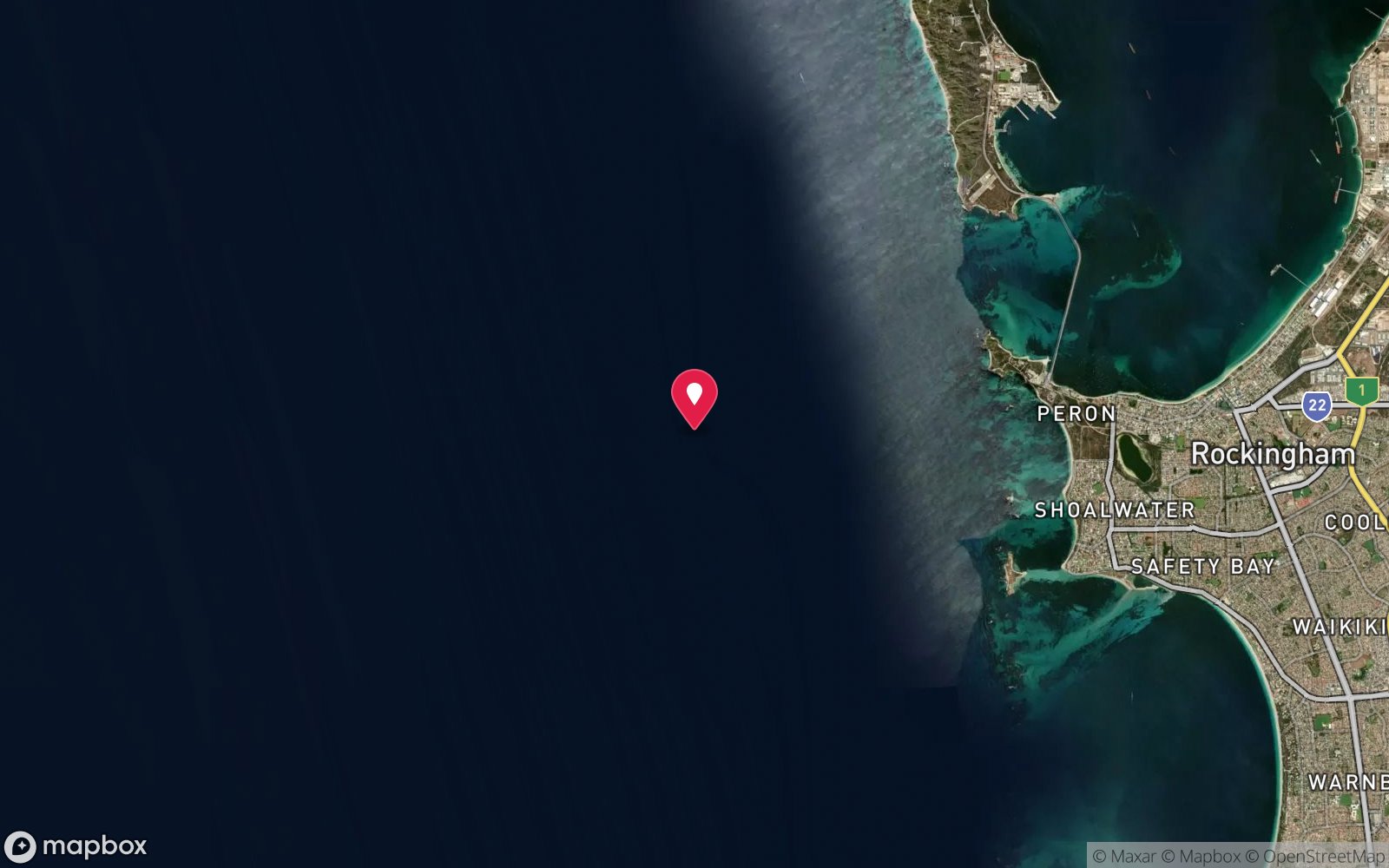
4. Perth · WA
RMS Orizaba Wreck
The boilers, engine and steering gear of a 140 m Orient liner wrecked in 1905, swarming with fish on shallow Five Fathom Bank.
5. Perth · WA
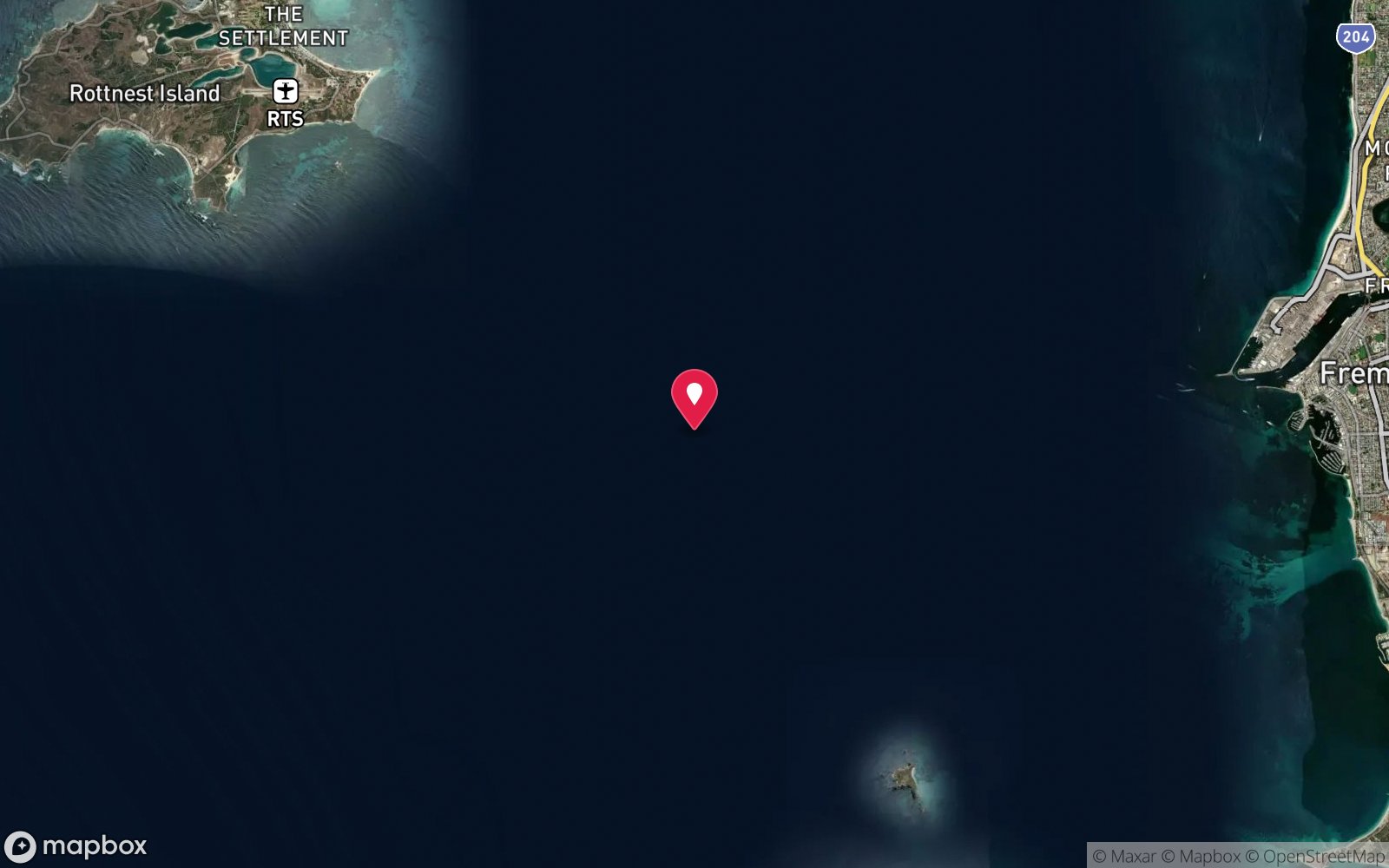
Stragglers Dredge
The stripped hull, rudder post and steering quadrant of a dredge that helped build Fremantle Harbour, next to reef with caves and ledges.
6. Perth · WA
Centaur Wreck (Marmion)
Galena cargo and scattered remains of an 1874 iron brig under a reef break, with good shallow swim-throughs nearby.
7. Perth · WA
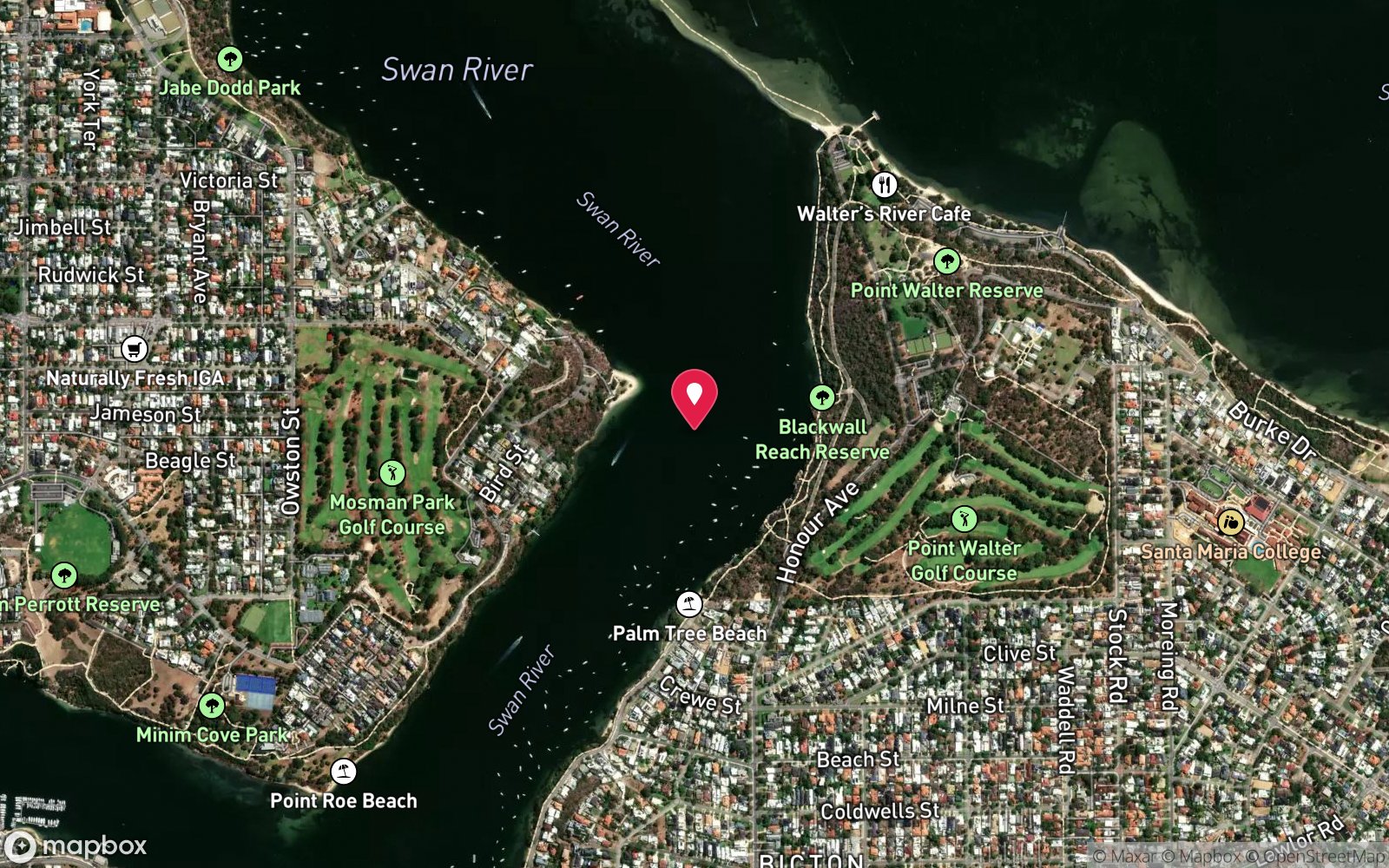
Blackwall Reach (Swan River)
A river dive in Perth's suburbs with cliffs, caves and unexpected marine life.
8. Albany & Great Southern · WA
Ahwina Tug Wreck (Gull Rock)
A 1936 tug boiler breaking the surface 50 m off a sheltered beach – Albany's easiest wreck snorkel.
9. Rottnest Island · WA
Shark Cave
Protected grey nurse sharks resting in an arc-shaped cave at 24-26 m off the West End - Rottnest's premier shark dive.
10. Rottnest Island · WA
Mira Flores Wreck
Intact stern of an 1886 German barque in a sand hole on Horseshoe Reef, with hull sections scattered through kelp.
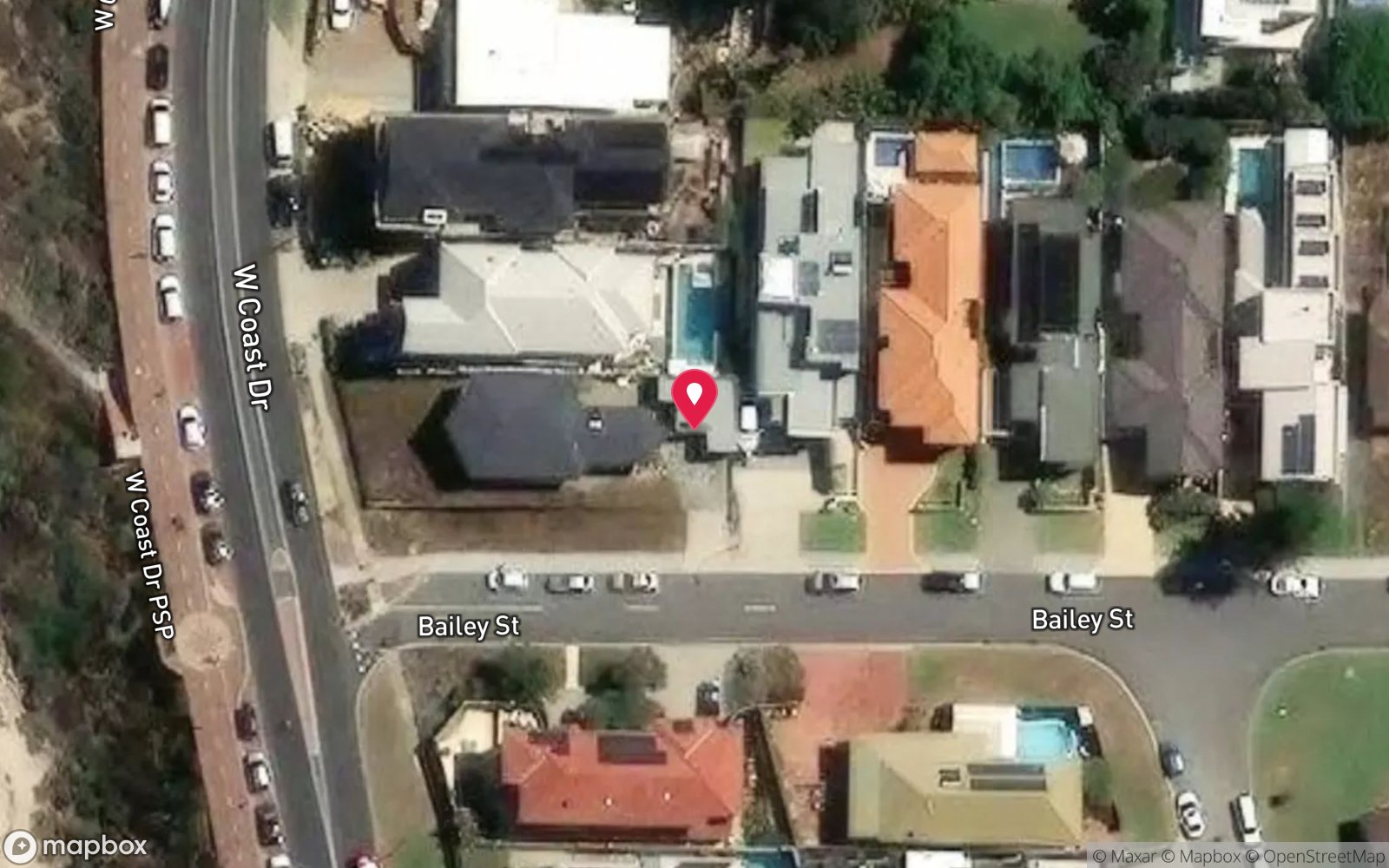
11. Perth · WA
Trigg Beach Reef
A 250 m limestone reef with walls, overhangs and swim-throughs off a famous surf beach, diveable only on flat days.
12. Perth · WA
Conference Wreck
A collapsed but recognisable 1855 iron barque hulk on kelp-covered reef, 10 minutes from Mindarie.
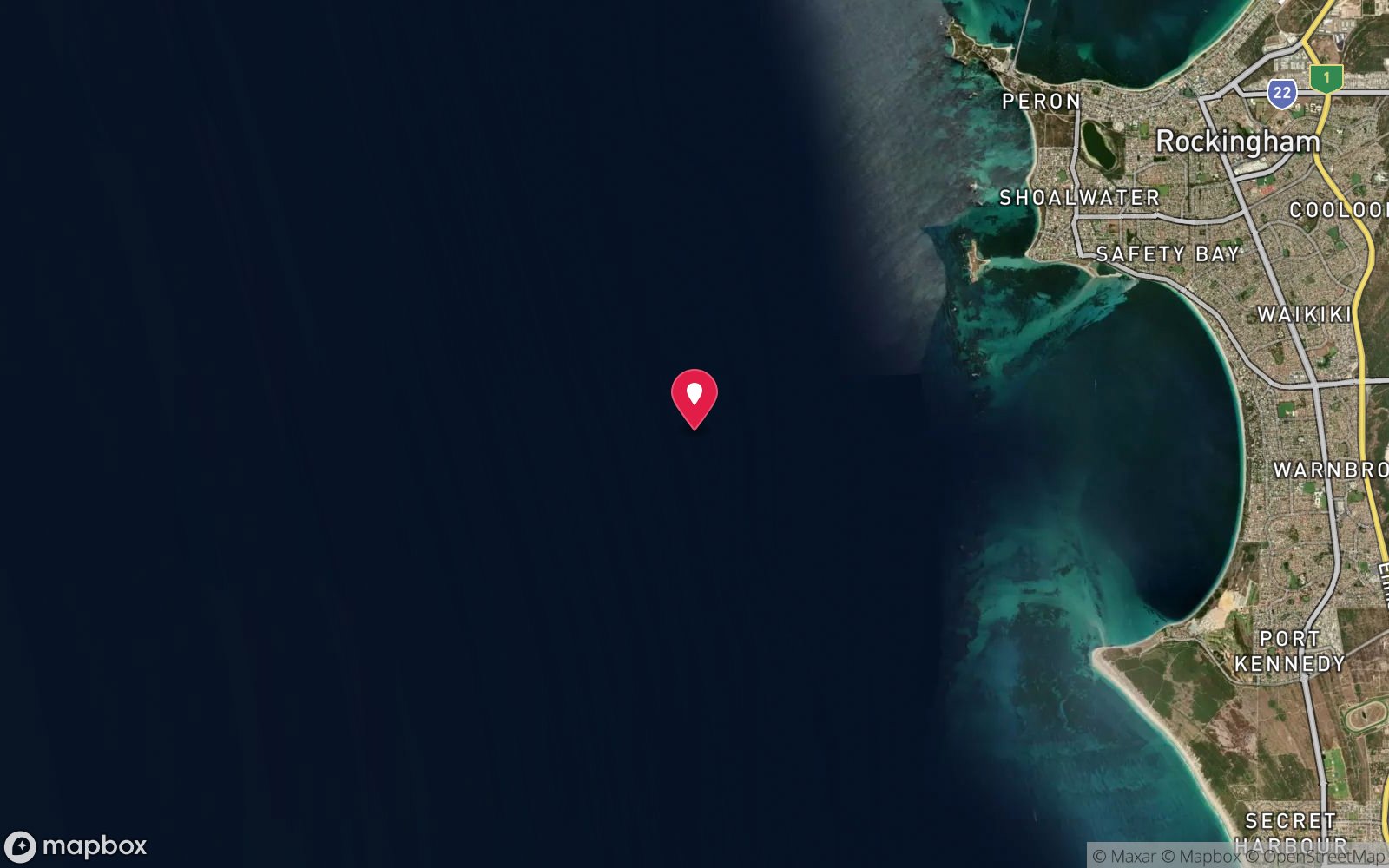
13. Perth · WA
Carlisle Castle Wreck
The scattered cargo and iron plates of an 1899 barque lost with all hands, on an exposed reef that can be dived only on the calmest days.
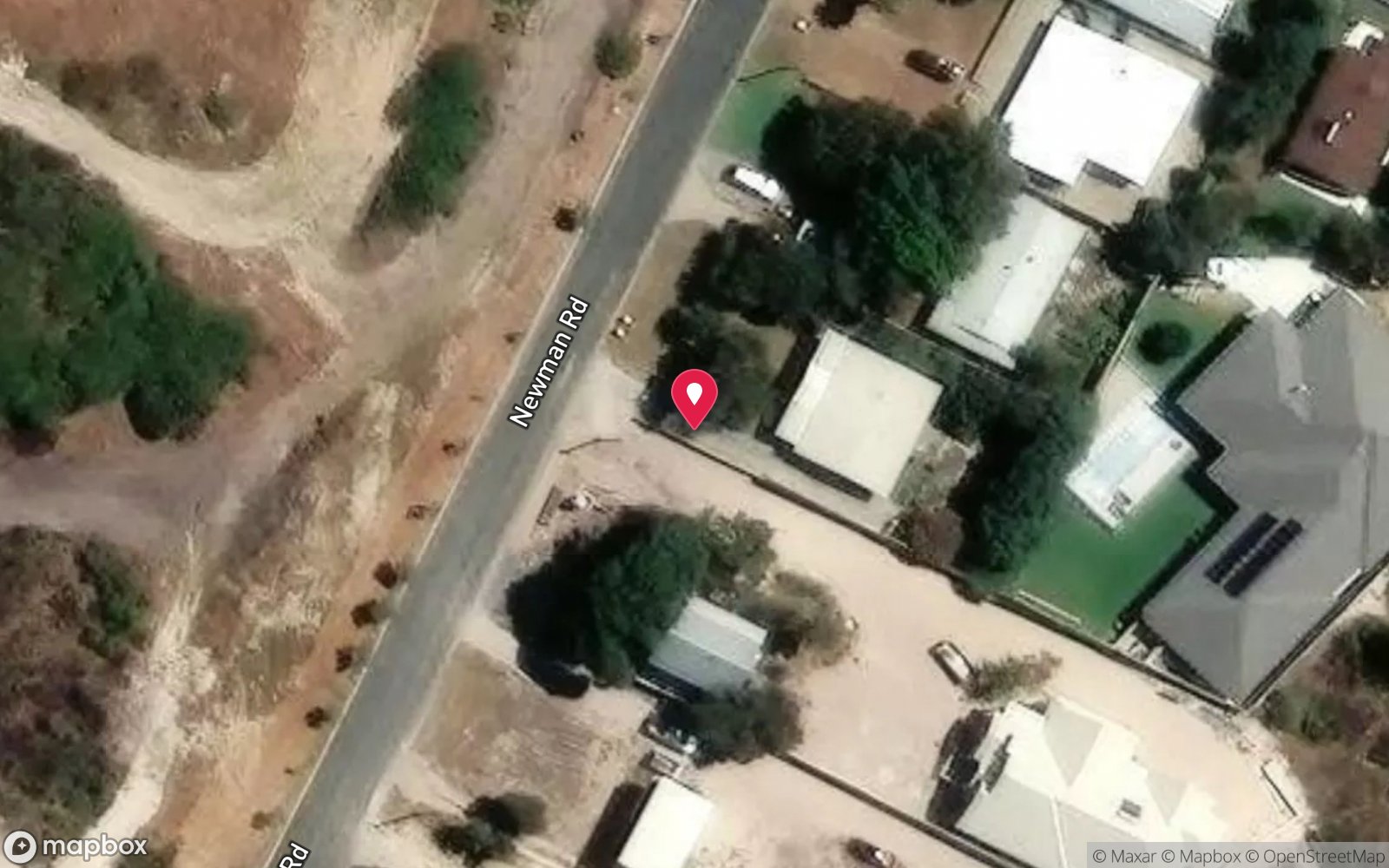
14. Perth · WA
Yanchep Lagoon
A 300 m reef-sheltered lagoon with gullies and a low swim-through, ideal for snorkelling on calm mornings.
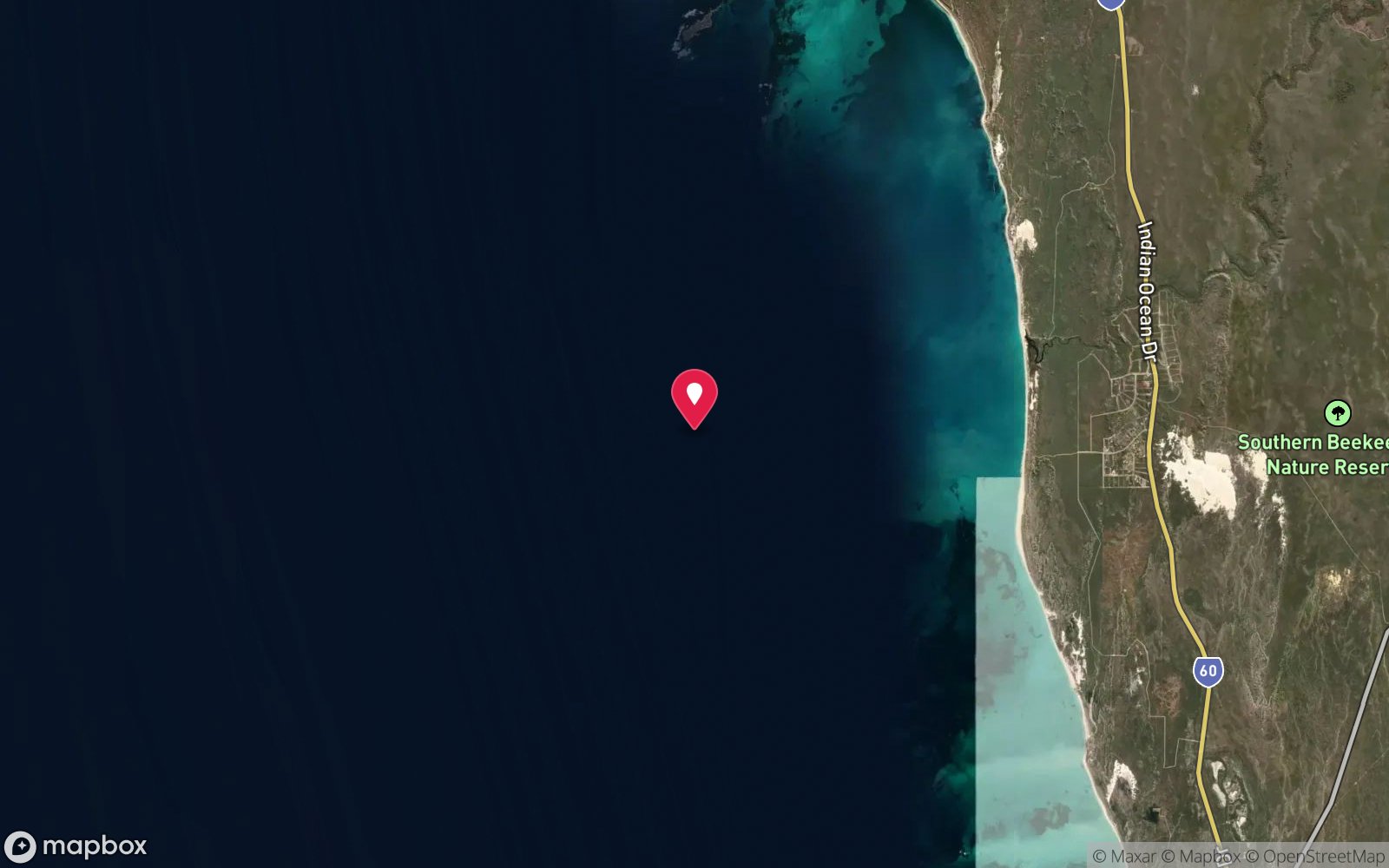
15. Turquoise Coast · WA
Europa Wreck (Three Breaks Reef)
An 1897 iron barque on a reef with a cargo field of bottles, a swim-through and a natural sink to 14 m.
16. Perth · WA
Two Fold Bay Wreck
A modern trawler wreck lying against a reef ledge with its wheelhouse and outriggers scattered nearby.
17. Perth · WA
Key Biscayne Oil Rig Wreck
An upturned oil rig in 26–42 m of often clear blue water, known for grey nurse sharks and large fish.
18. Perth · WA
Lygnern & Samuel Plimsoll Wrecks
Two historic ships on one site at the harbour mouth: the Swedish steamer Lygnern (1928) with the cut-up clipper Samuel Plimsoll dumped on top in 1945.
19. Turquoise Coast · WA
J P Webb Wreck (Ledge Point)
A boiler and triple-expansion steam engine in 4 m on the reef that wrecked this 1951 delivery voyage.
20. Margaret River & Augusta · WA
Peak Island & Toba Wreck
A 1907 Aru Islands-built pearling ketch against the reef at Peak Island, with overhangs and hard corals around it.
The guide
How we found these
This list is the inverse of the popularity rankings. It takes sites that are well documented and have been given a positive assessment in the directory, then keeps only the ones recorded as rarely or occasionally dived. In other words: sites that people who know them rate highly, that hardly anyone else visits. Sites with thin documentation are excluded, so a place is not here just because nobody has written about it.
The result skews to Victoria and southern New South Wales, where there are hundreds of shore-accessible reefs and a diving population that concentrates on a dozen famous piers and walls. It also picks up the second-choice sites of the big tropical operators: the reefs they use when the headline site is blown out.
Why these sites stay quiet
Usually one of four reasons. Access is awkward (a swim, a scramble, a boat launch rather than a charter). The site is a fallback in an operator's schedule and never gets top billing. There is a more famous site next door that soaks up the visitors. Or the conditions window is narrow and the site only works on a wind direction that keeps most people at home. None of those are reasons not to dive them; all of them are reasons to check the conditions section on the site page and talk to the local shop first.
Diving quiet sites well
Quiet sites are not maintained sites. There may be no mooring, no current information from a morning boat, no one else on the surface. Dive them with a buddy who has done them, or with the local club, carry a surface marker, and leave a plan ashore. Several are in sanctuary zones or marine national parks where nothing may be taken; that is exactly why the life is so good.
Editorial last reviewed September 2026. The list itself is regenerated from the directory daily.
Frequently asked questions
How do I dive a rarely dived site?
Ask the nearest dive centre listed on the site page whether they will run it on request or as a club trip, or find a local club. Many need a private boat and settled weather.
More rankings
- The 25 Deepest Dive Sites in Australia
- Australia's Most Remote Dive Sites
- The Longest Boat Rides to a Day Dive
- The Warmest Dive Sites in Australia
- The Coldest Dive Sites in Australia
- Australia's Clearest-Water Dive Sites
- The Most Biodiverse Dive Sites in Australia
- The Oldest Shipwrecks You Can Dive in Australia
- All rankings →