Sites that are properly documented, with depths, entries and conditions confirmed by several sources, but that see only occasional charters or club trips. No crowds, no queues on the mooring, and often the best diving in their region.
Updated daily from the directory. 20 sites listed.
1. Surf Coast & Great Ocean Road · VIC
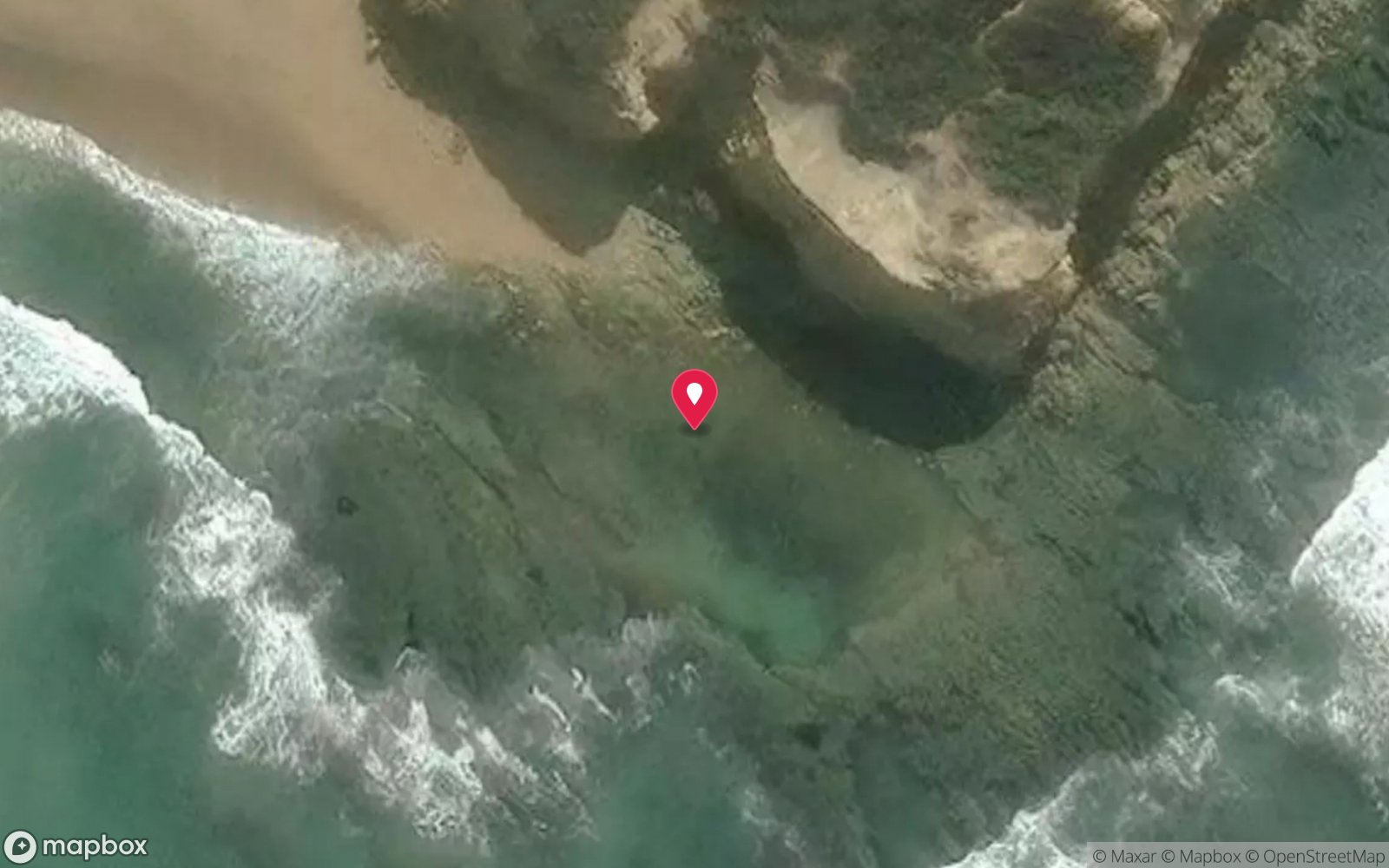
Point Addis
Sponge-lined limestone gutters running out toward a marine-national-park headland, with seadragons, blue devils and crays; the Surf Coast's signature shore dive on the rare flat day.
Our takeTen minutes from the Great Ocean Road tourist traffic, a sponge-lined limestone reef in a marine national park where Melbourne divers see seadragons and blue devils without a boat. Easterly swell closes it; a westerly opens it.
2. Surf Coast & Great Ocean Road · VIC
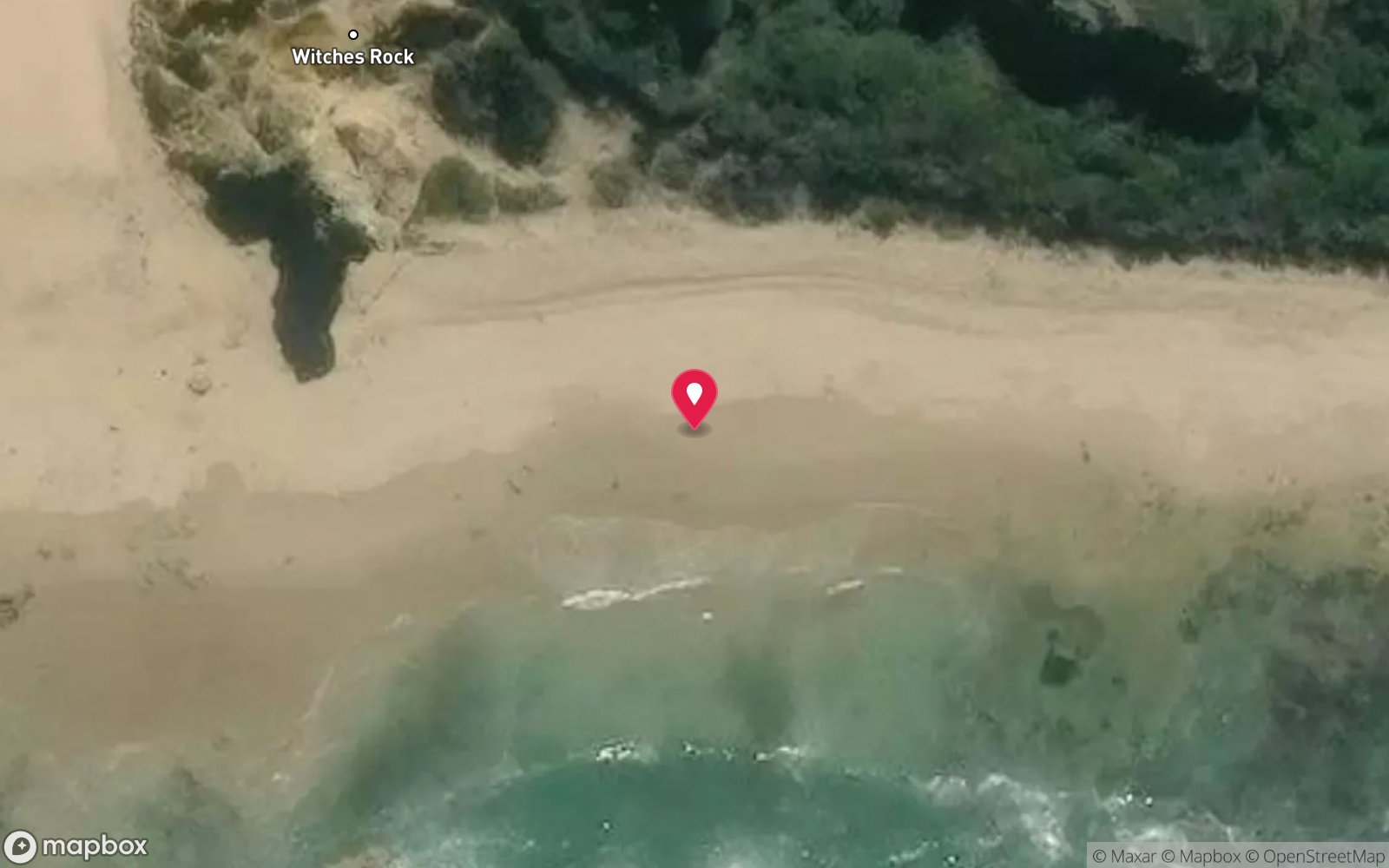
Eagle Rock, Aireys Inlet
A volcanic sea stack and basalt table below the Split Point lighthouse, ringed by kelp, crays, catsharks and seals inside a marine sanctuary; superb when calm, which is not often.
Our takeThe sea stack under the Split Point lighthouse is photographed by thousands and dived by a handful. Kelp, crays, catsharks and a seal colony, all inside a sanctuary zone, from a beach entry that suits confident Open Water divers on a calm day.
Shore/Rock PlatformMax 10 mIntermediateOpen WaterShore accessMore in Surf Coast & Great Ocean Road →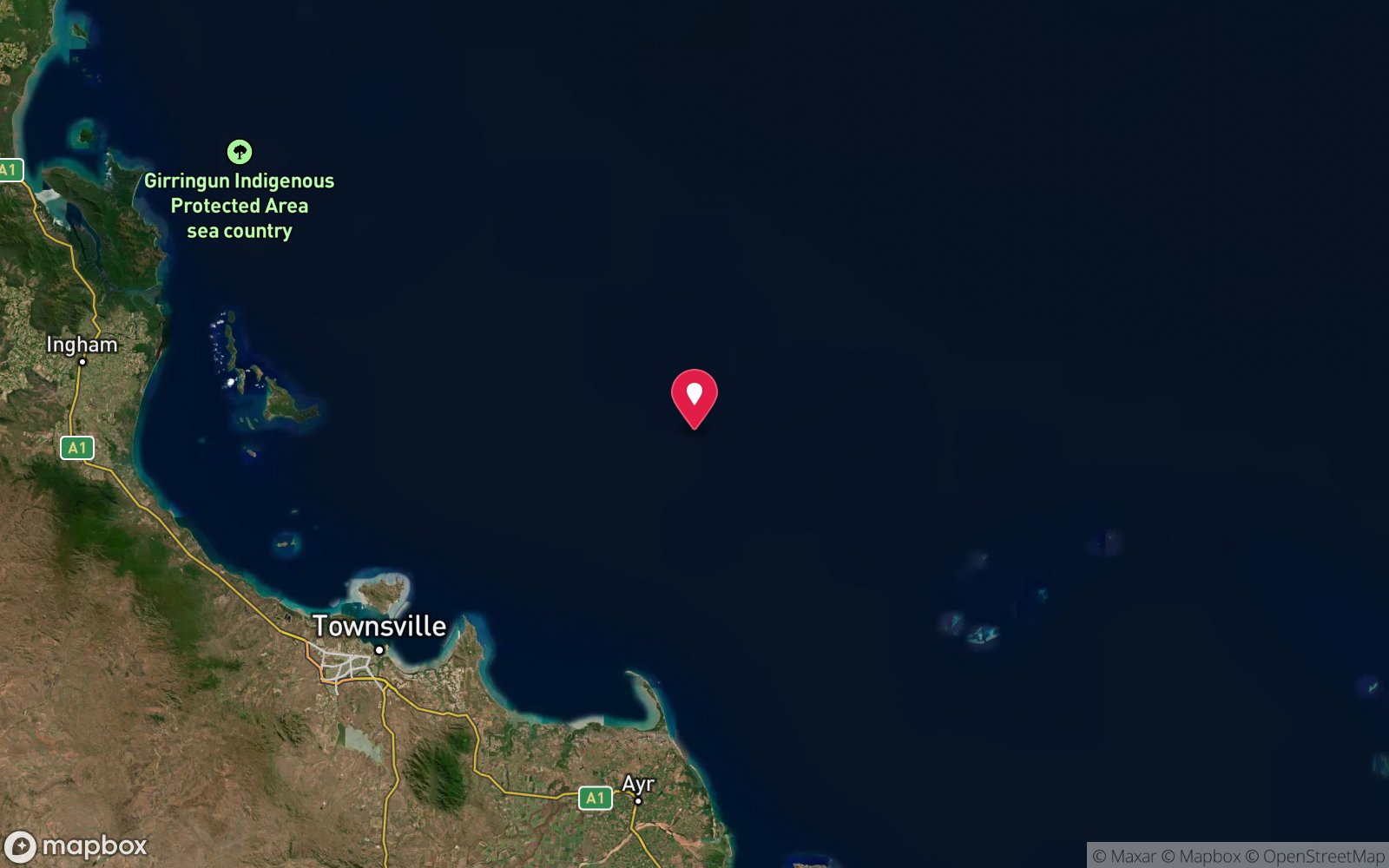
3. Townsville & Magnetic Island · QLD
Wheeler Reef
Small reef with every habitat within reach of one mooring – deep bommies, sand, gutters and a cleaning station – plus good shark and pelagic action; a no-fishing zone.
Our takeTownsville boats go to the Yongala; Wheeler is the reef they visit when the wreck is blown out, and it is better than the fallback status suggests: a complete small reef with a cleaning station, gutters and a deep bommie all from one mooring.
4. Geelong & Bellarine · VIC
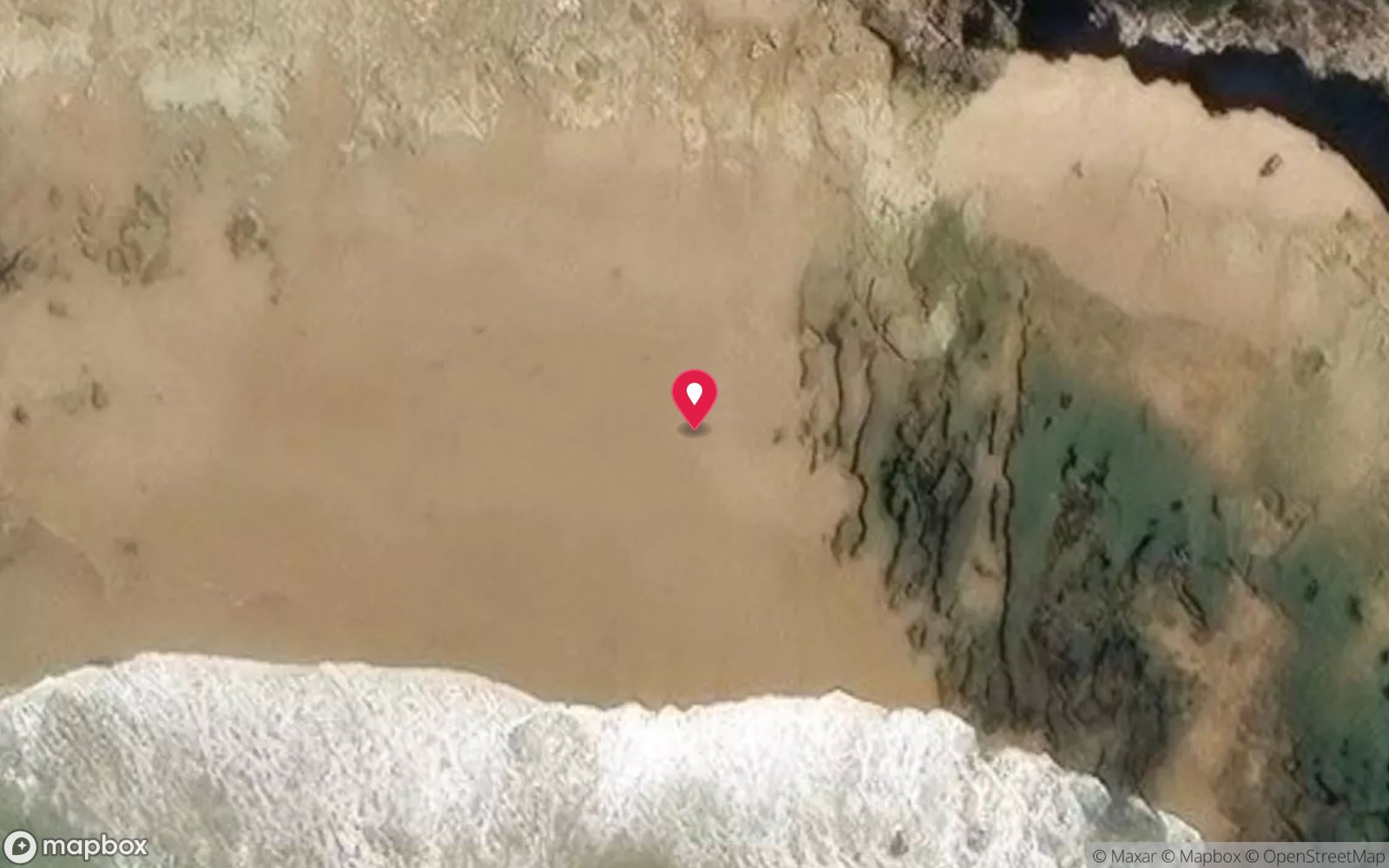
Barwon Bluff South
Sandstone pincer reef with kelp forests, small arches and sponge gardens on the ocean face of the Bluff; the best of the Barwon Heads dives on a flat day.
Our takeThe Bellarine's best shore dive, on the ocean face of the Bluff, with kelp forest, arches and sponge gardens in under 10 m. It gets a fraction of the traffic of the Mornington piers across the bay.
5. Ribbon Reefs & Lizard Island · QLD
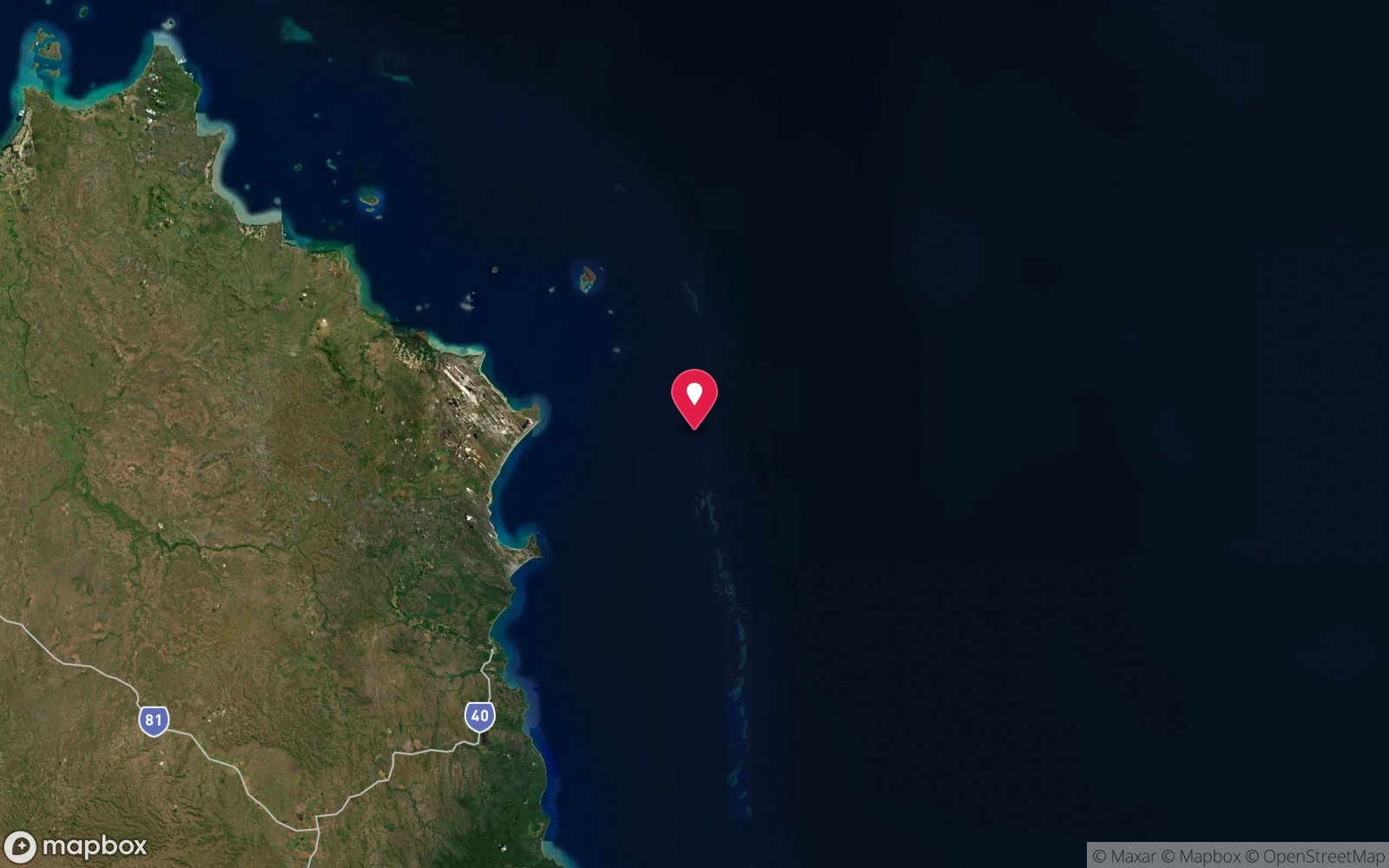
Vertical Gardens
A fan- and soft-coral-covered wall likened to Osprey's North Horn, open only in rare calm windows.
Our takeA soft-coral wall on the Ribbon Reefs that guides compare to Osprey's North Horn, open only in rare calm windows because of its exposure. If a Ribbon Reef boat offers it, say yes.
6. Sydney South & Botany Bay · NSW
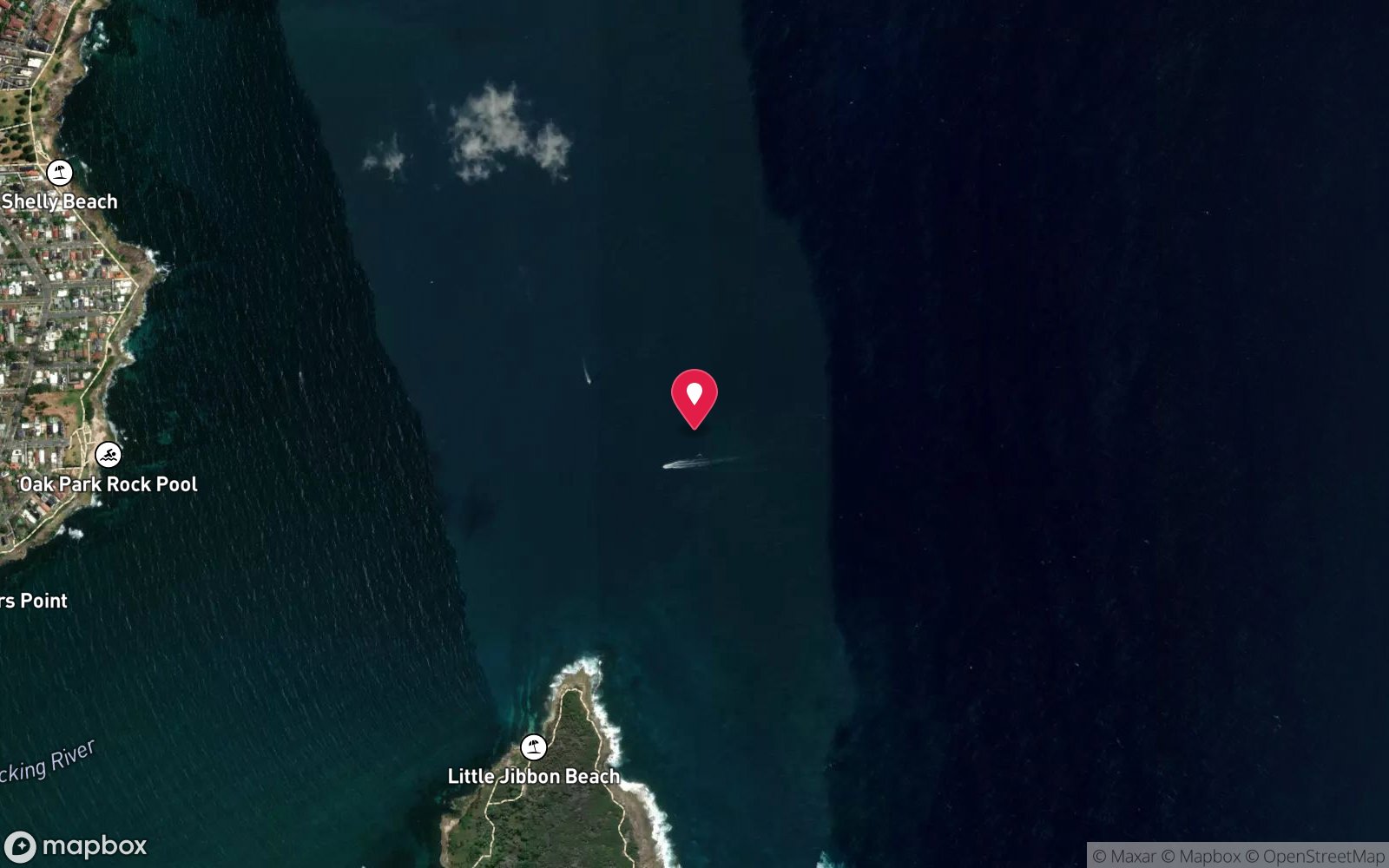
Six Fathom Reef (Port Hacking)
Sheltered bad-weather reef at the mouth of Port Hacking with stepped walls and huge schools of pomfret and bullseyes.
Our takeSydney's bad-weather reef: sheltered at the mouth of Port Hacking, stepped walls and enormous schools of pomfret and bullseyes in 27 m. Charters use it as a fallback; it deserves to be a destination.
7. Melbourne & Port Phillip Bay · VIC
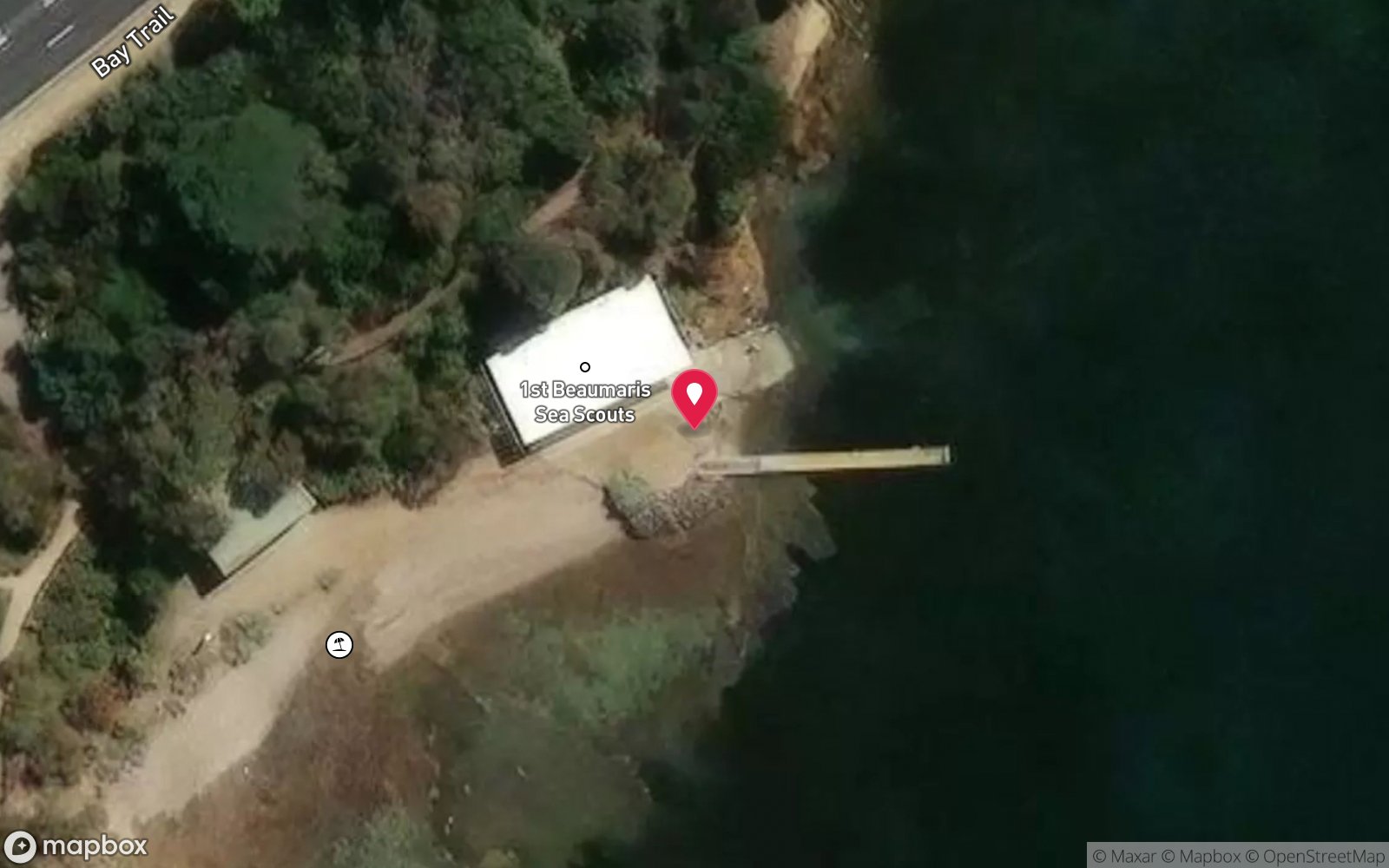
Sea Scouts Jetty, Beaumaris Bay
Easiest walk-in entry near Ricketts Point via a concrete ramp, leading to a boulder field under towering sandstone cliffs with lively ledges.
Our takeA concrete ramp in a Melbourne suburb, a boulder field under sandstone cliffs and ledges full of life in 5 m. The easiest entry in Beaumaris and the least-known.
8. Lord Howe Island · NSW
Balls Pyramid – Observatory Rock
Drift through 5–8 m rock stacks and caves packed with lobsters, with Galapagos sharks circling on the safety stop and a chance of the rare Ballina angelfish.
Our takeEveryone who dives Lord Howe wants Balls Pyramid; most only get one dive there because of the weather. Observatory Rock, with its caves of lobsters and Galapagos sharks on the safety stop, is the one to ask for.
9. Mornington Peninsula · VIC
Mushroom Reef Marine Sanctuary
A protected basalt reef where nothing is taken – crayfish and abalone in the open, seadragons in the seagrass and Victoria's best rock pools at low tide.
Our takeA basalt reef on the Mornington Peninsula's back beach where nothing has been taken for twenty years: crayfish and abalone in the open, seadragons in the seagrass. Shallow, shore-entered and quiet.
10. Sydney South & Botany Bay · NSW
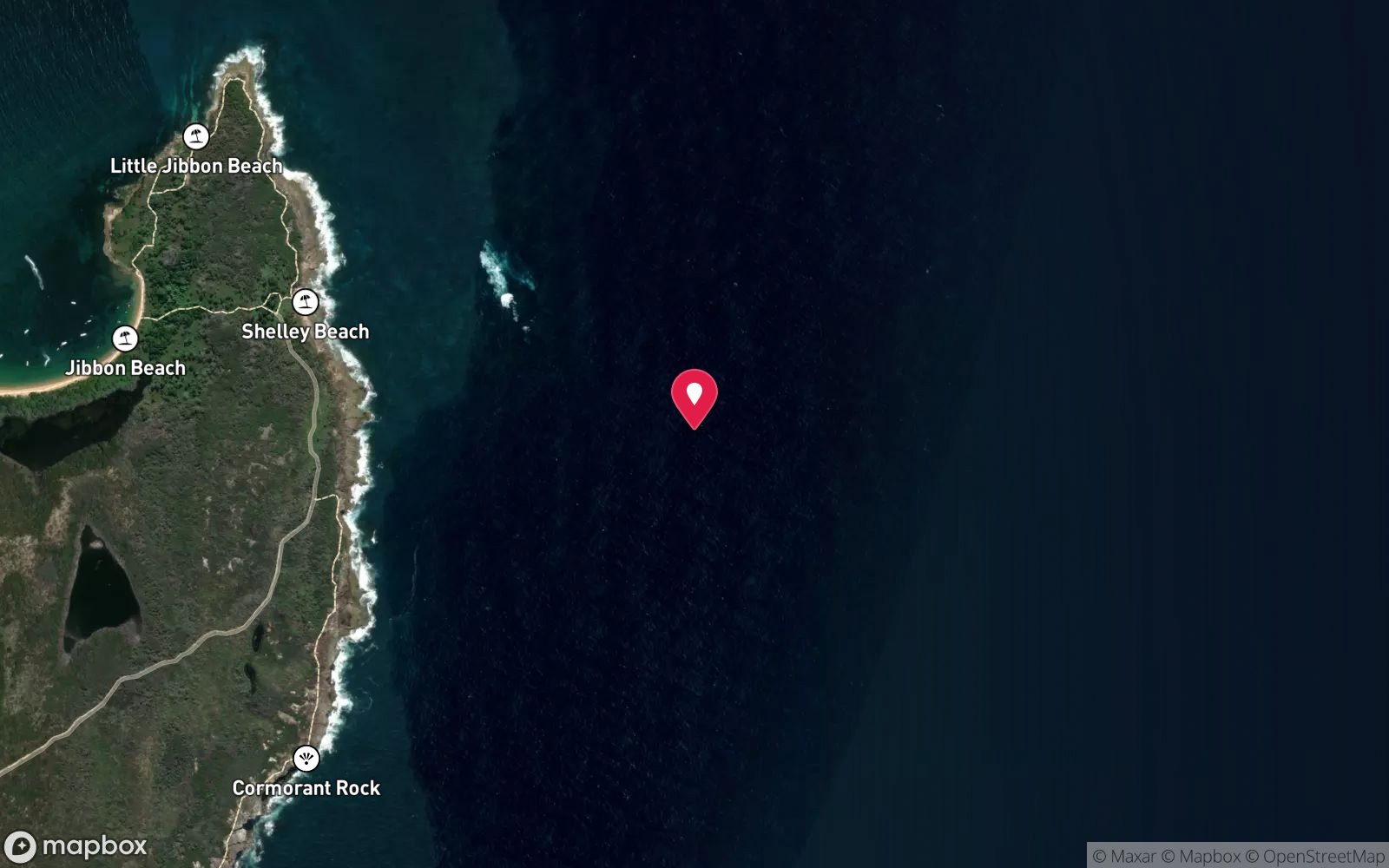
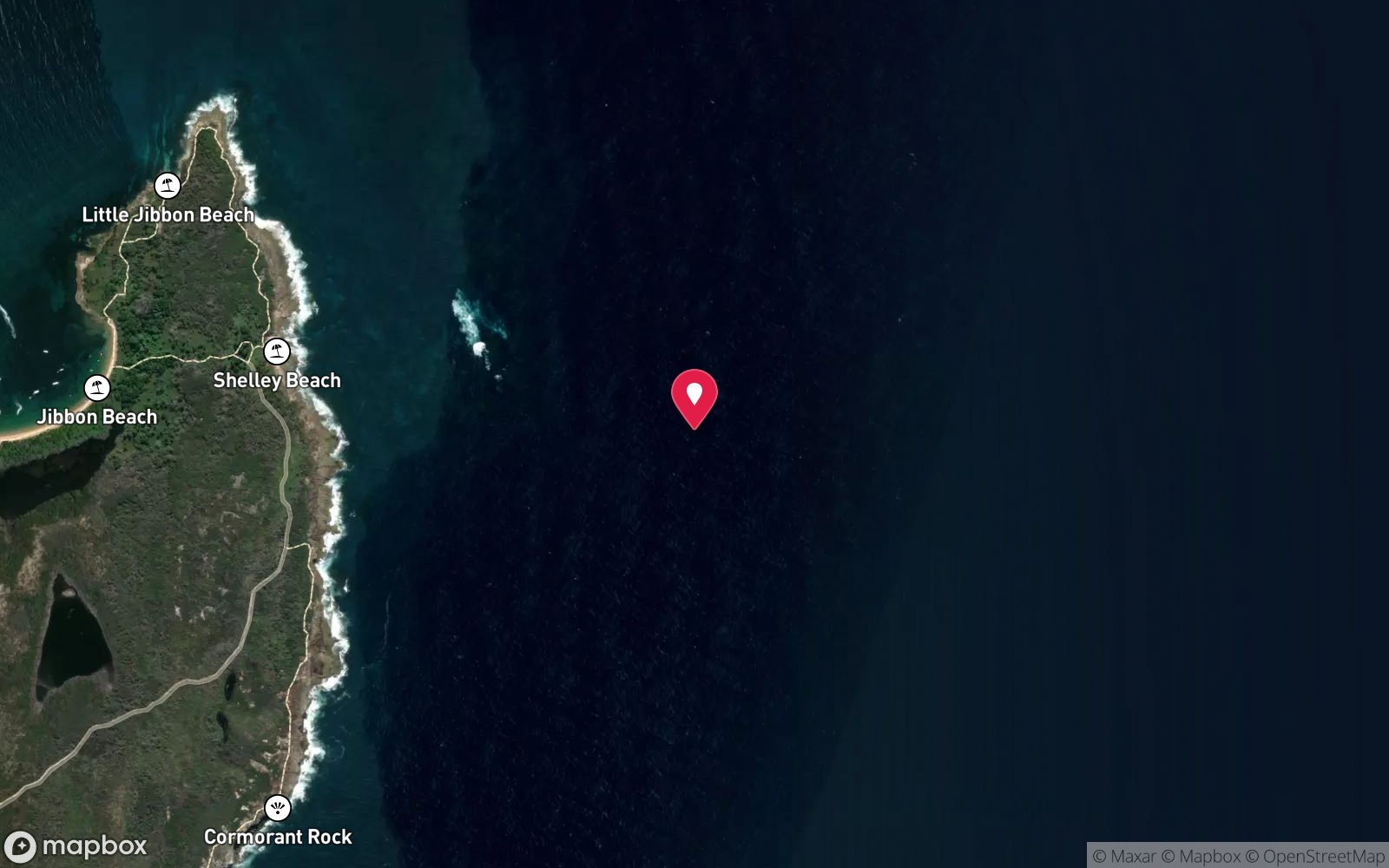
Pizza Reef (Jibbon)
The original 'fast-food' reef: a round figure-8 reef with overhangs all round, a central gully, colourful gorgonians and humpback whale bones.
Our takeA round reef with overhangs all the way around and whale bones in the central gully, off Jibbon in the Royal National Park. Sydney's southern charters know it; the northern ones rarely go.
11. Fleurieu Peninsula & Victor Harbor · SA
Aldinga Drop-off
A 10 m limestone cliff riddled with caverns and overhangs in a no-take sanctuary zone – one of the most spectacular dives near Adelaide.
Our takeA 10 m limestone cliff riddled with caverns and overhangs in a no-take sanctuary zone, 45 minutes from Adelaide. It needs a boat or a long swim, which is why it stays quiet.
12. Sydney South & Botany Bay · NSW
South Maroubra
Belbowrie wreckage and old bottles among a boulder maze with more than fifty fish species, including Sydney's biggest dusky flathead.
13. Sydney South & Botany Bay · NSW
Maccas Reef (Jibbon)
Rated by McFadyen among his best-ever Sydney dives: a multi-directional wall covered in huge sponges with prolific schooling fish and seals.
14. Tasmania East Coast · TAS
Waubs Bay
Bicheno's easiest shore dive: rays on the sand edge, big seahorses in the kelp and a split bommie at 15 m.
15. Sydney South & Botany Bay · NSW
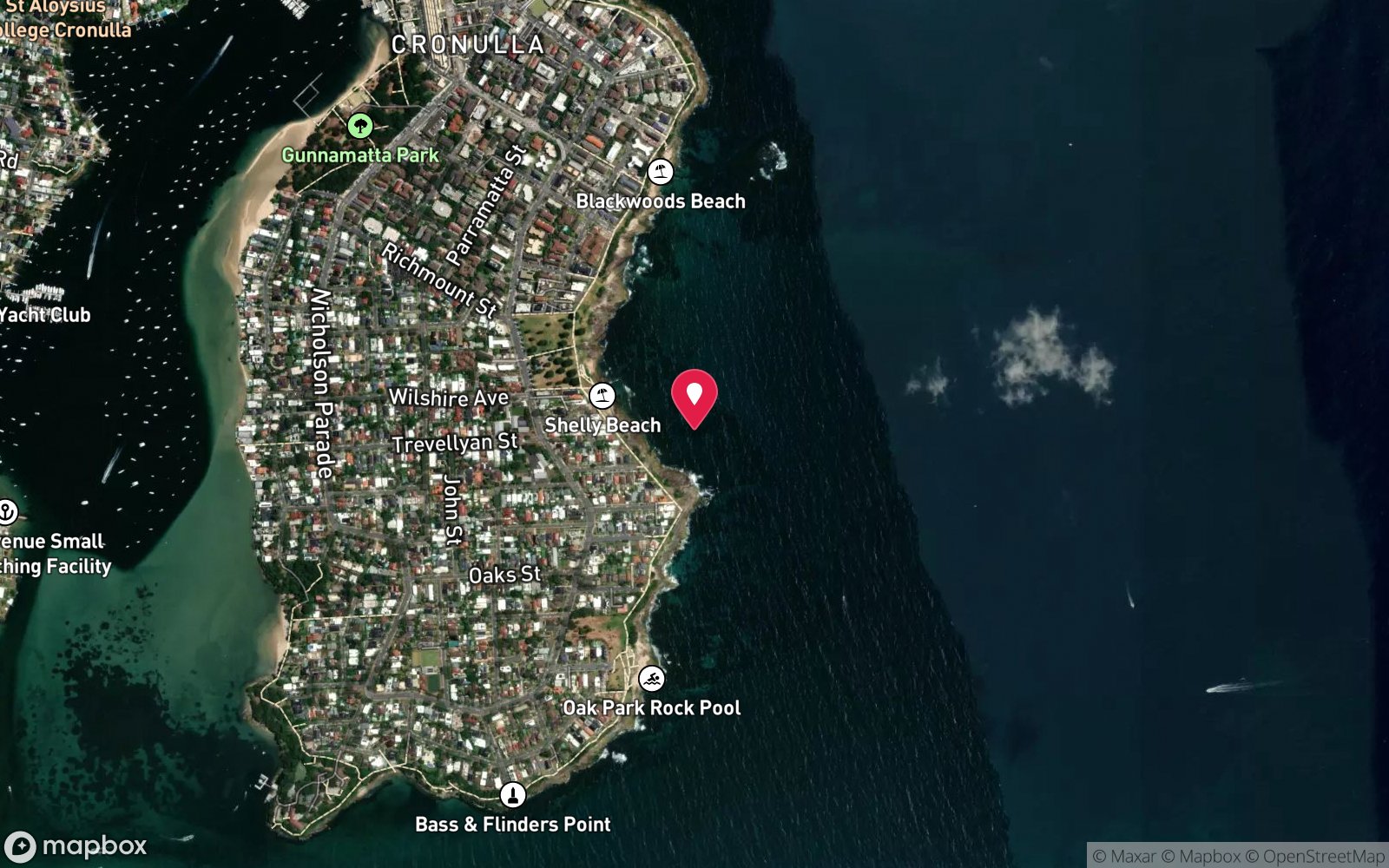
Windy Point (Cronulla)
Convoluted kelp reef with swim-throughs and a cave, plenty of sea dragons and rays, and an optional drift to Oak Park.
16. Esperance & Recherche Archipelago · WA
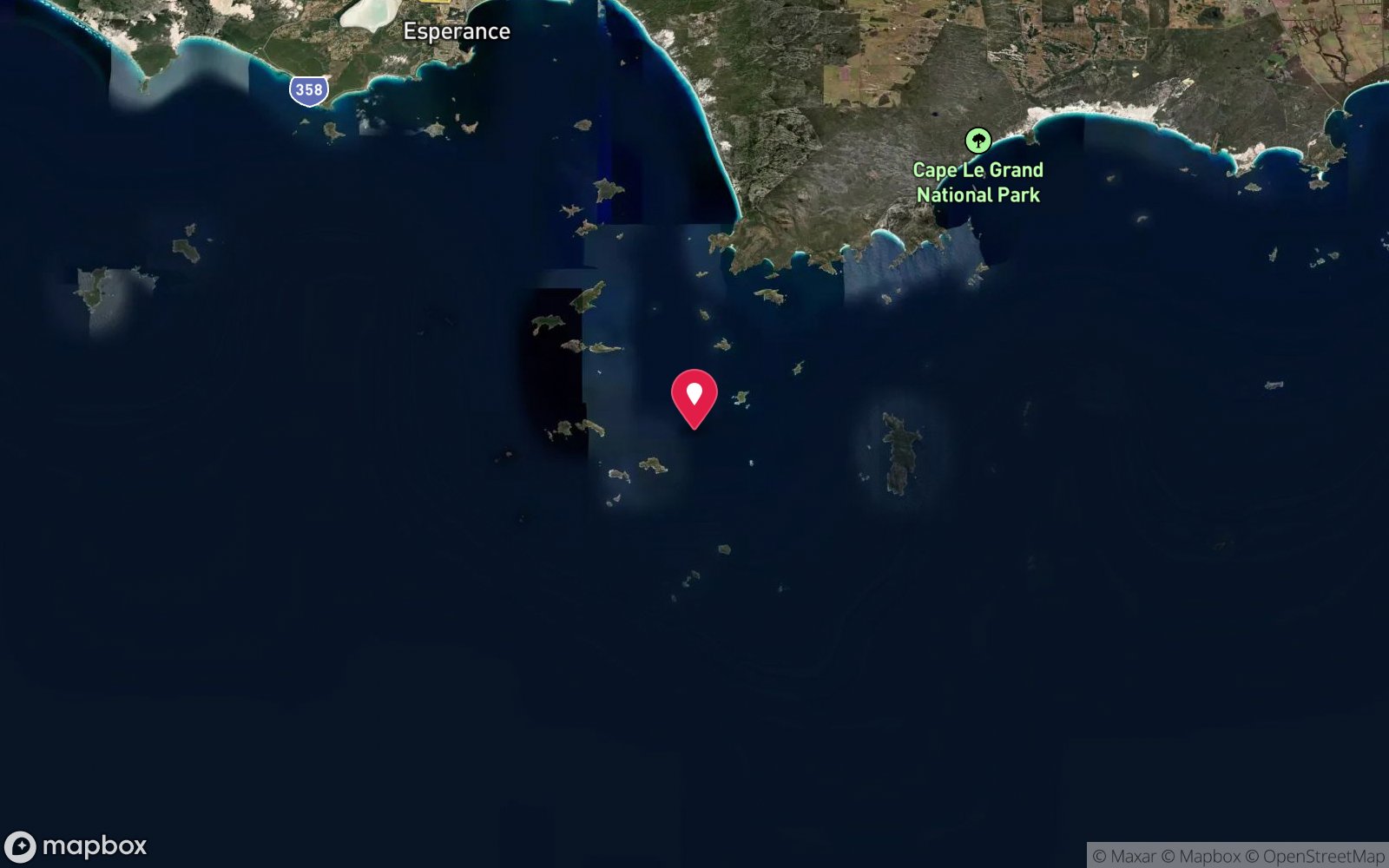
Sanko Harvest Wreck
Australia's largest wreck dive – a 174 m bulk carrier broken into giant sections in 13-44 m, protected by a 500 m no-take zone.
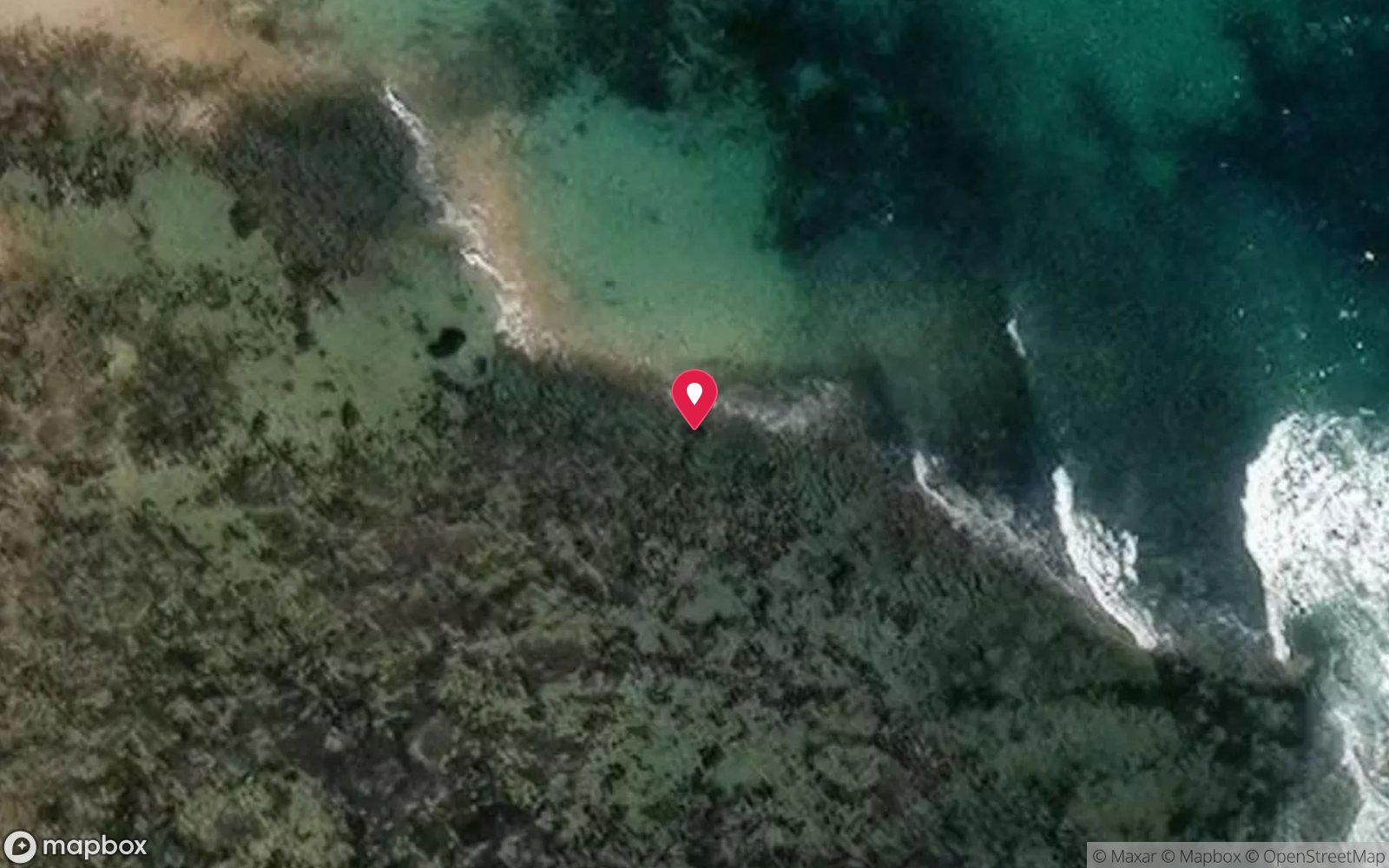
17. Geelong & Bellarine · VIC
Barwon Bluff North
The sheltered river side of the Bluff, leading to a kelp-fringed bay between the reef pincers at Point Flinders with blue groper and big rays.
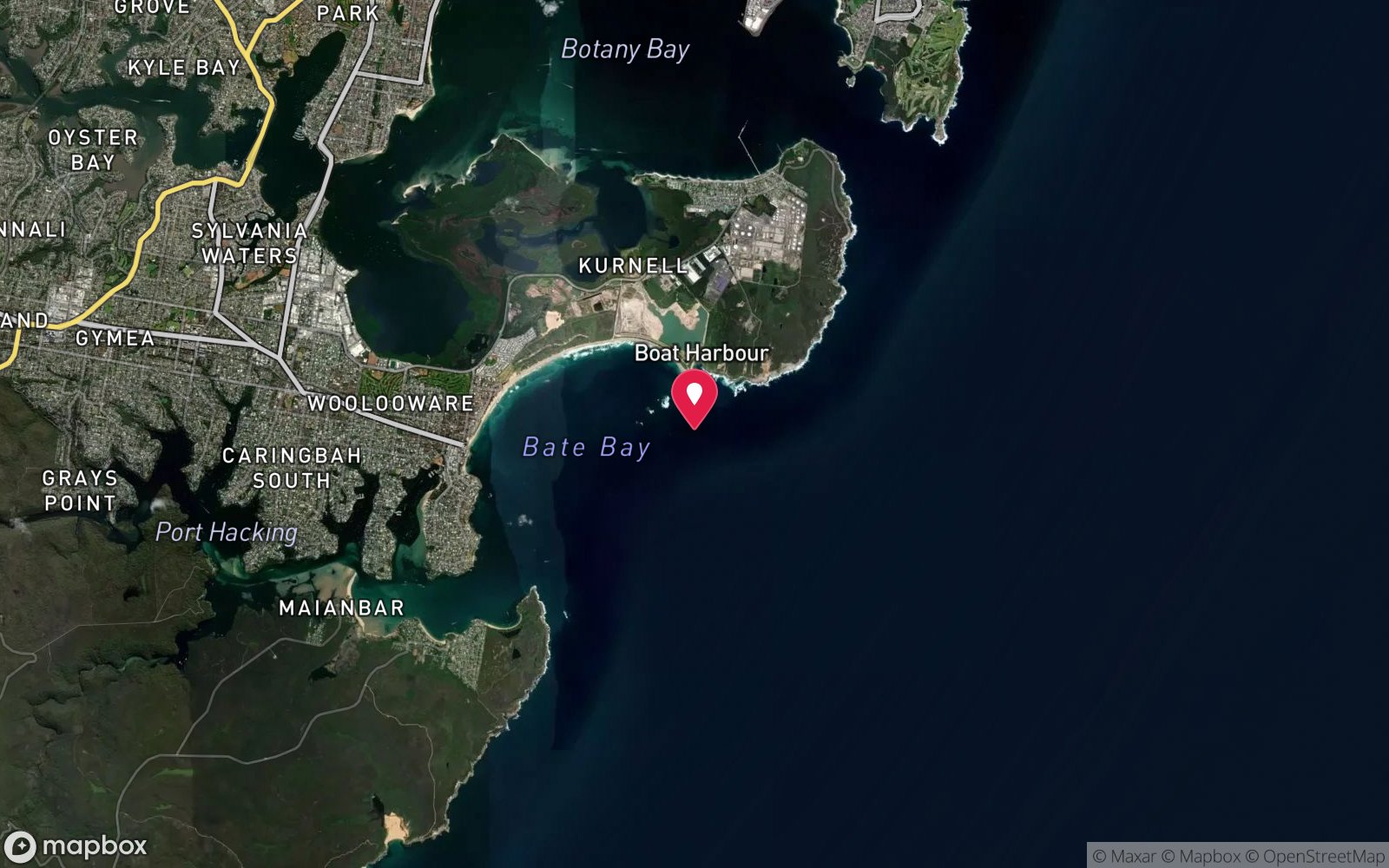
18. Sydney South & Botany Bay · NSW
Voodoo (Kurnell)
Some of Sydney's densest gorgonian and sea-whip growth on a reef sloping to 28 m, with 20 m+ visibility most days.
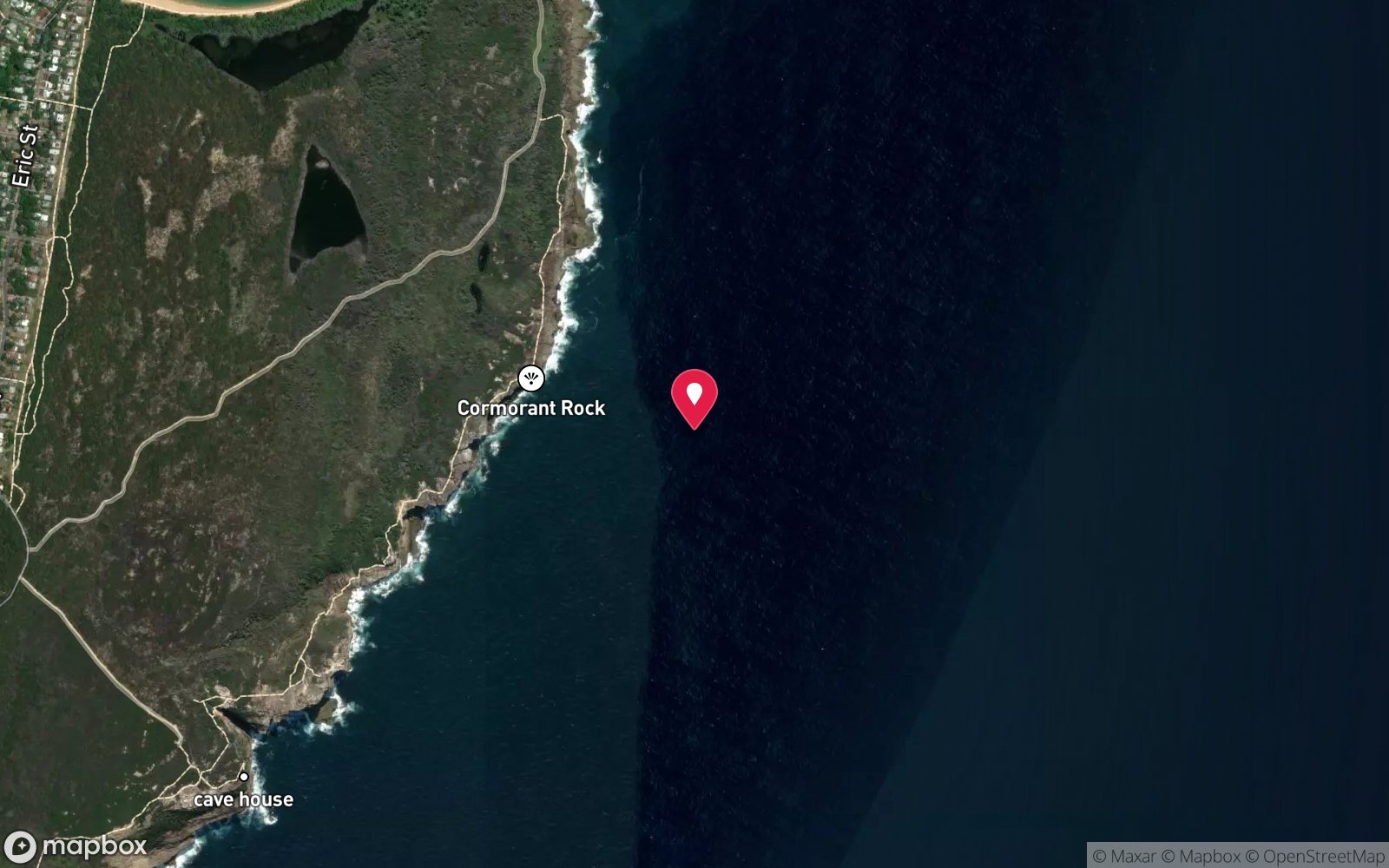
19. Sydney South & Botany Bay · NSW
Barrens Hut (Royal National Park)
Southern Sydney's classic wall dive: a life-covered drop-off to 28 m with The Cave, a swim-through Tunnel and friendly blue gropers.
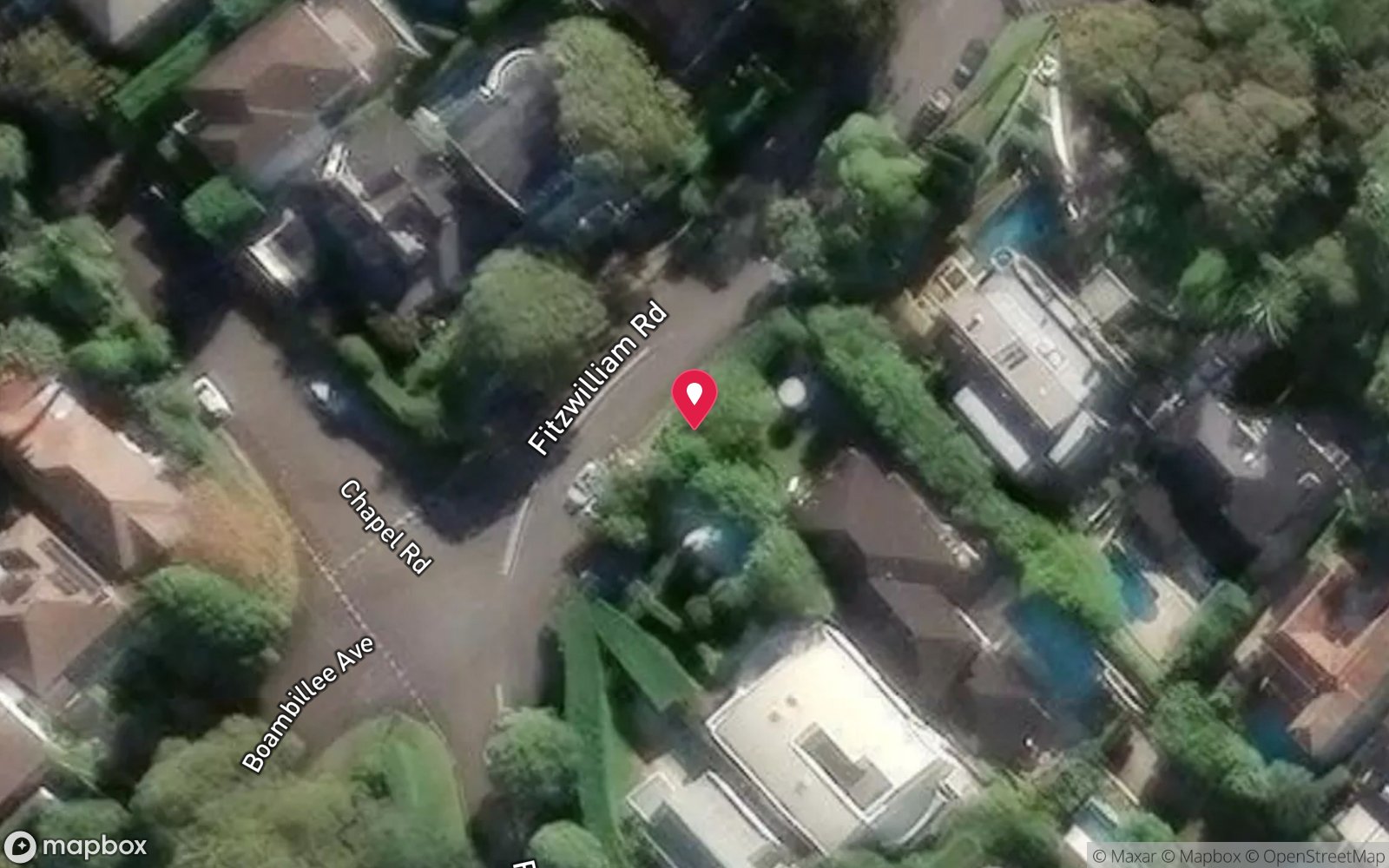
20. Sydney Harbour · NSW
Parsley Bay
Seahorses on the wharf piles, eels in the mooring blocks and a sunken crane in a silty Vaucluse inlet under a suspension bridge – an eastern-suburbs night dive with phosphorescence.
The guide
How we found these
This list is the inverse of the popularity rankings. It takes sites that are well documented and have been given a positive assessment in the directory, then keeps only the ones recorded as rarely or occasionally dived. In other words: sites that people who know them rate highly, that hardly anyone else visits. Sites with thin documentation are excluded, so a place is not here just because nobody has written about it.
The result skews to Victoria and southern New South Wales, where there are hundreds of shore-accessible reefs and a diving population that concentrates on a dozen famous piers and walls. It also picks up the second-choice sites of the big tropical operators: the reefs they use when the headline site is blown out.
Why these sites stay quiet
Usually one of four reasons. Access is awkward (a swim, a scramble, a boat launch rather than a charter). The site is a fallback in an operator's schedule and never gets top billing. There is a more famous site next door that soaks up the visitors. Or the conditions window is narrow and the site only works on a wind direction that keeps most people at home. None of those are reasons not to dive them; all of them are reasons to check the conditions section on the site page and talk to the local shop first.
Diving quiet sites well
Quiet sites are not maintained sites. There may be no mooring, no current information from a morning boat, no one else on the surface. Dive them with a buddy who has done them, or with the local club, carry a surface marker, and leave a plan ashore. Several are in sanctuary zones or marine national parks where nothing may be taken; that is exactly why the life is so good.
Editorial last reviewed September 2026. The list itself is regenerated from the directory daily.
Frequently asked questions
How do I dive a rarely dived site?
Ask the nearest dive centre listed on the site page whether they will run it on request or as a club trip, or find a local club. Many need a private boat and settled weather.
More rankings
- The 25 Deepest Dive Sites in Australia
- Australia's Most Remote Dive Sites
- The Longest Boat Rides to a Day Dive
- The Warmest Dive Sites in Australia
- The Coldest Dive Sites in Australia
- Australia's Clearest-Water Dive Sites
- The Most Biodiverse Dive Sites in Australia
- The Oldest Shipwrecks You Can Dive in Australia
- All rankings →