Sites that are properly documented, with depths, entries and conditions confirmed by several sources, but that see only occasional charters or club trips. No crowds, no queues on the mooring, and often the best diving in their region.
Updated daily from the directory. 20 sites listed.
1. Fleurieu Peninsula & Victor Harbor · SA
Aldinga Drop-off
A 10 m limestone cliff riddled with caverns and overhangs in a no-take sanctuary zone – one of the most spectacular dives near Adelaide.
Our takeA 10 m limestone cliff riddled with caverns and overhangs in a no-take sanctuary zone, 45 minutes from Adelaide. It needs a boat or a long swim, which is why it stays quiet.
2. Fleurieu Peninsula & Victor Harbor · SA
Old Rapid Bay Jetty
The storm-damaged 1942 ore jetty whose encrusted piles and 'Cathedral' made Rapid Bay world-famous – currently closed behind a 20 m exclusion zone.
3. Yorke Peninsula · SA
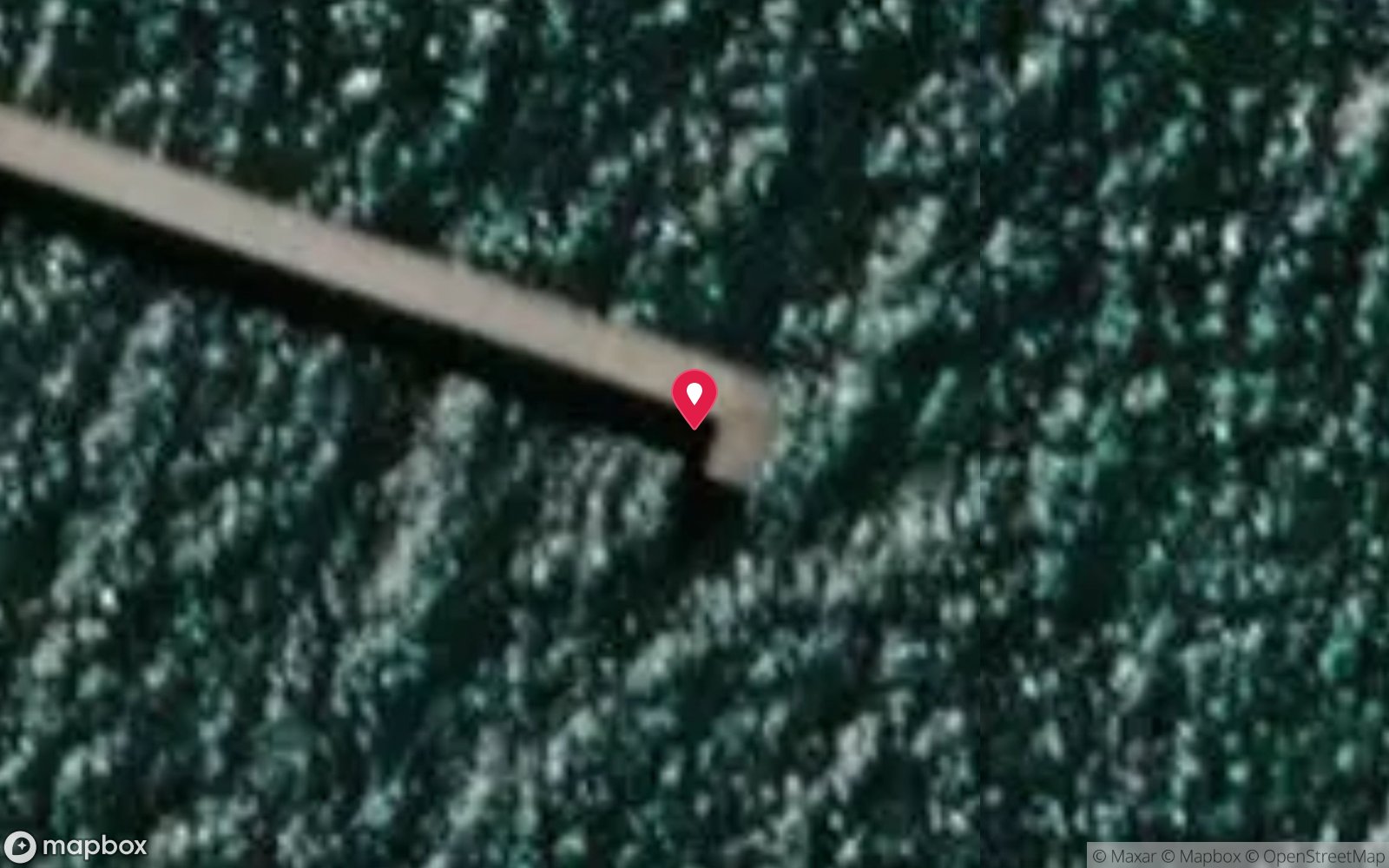
Stenhouse Bay Jetty
Clear-water jetty with basket stars and gorgonians rarely seen elsewhere on the peninsula, an upturned Ford Telstar and the Hougomont wreck within swimming distance.
4. Adelaide Metro · SA
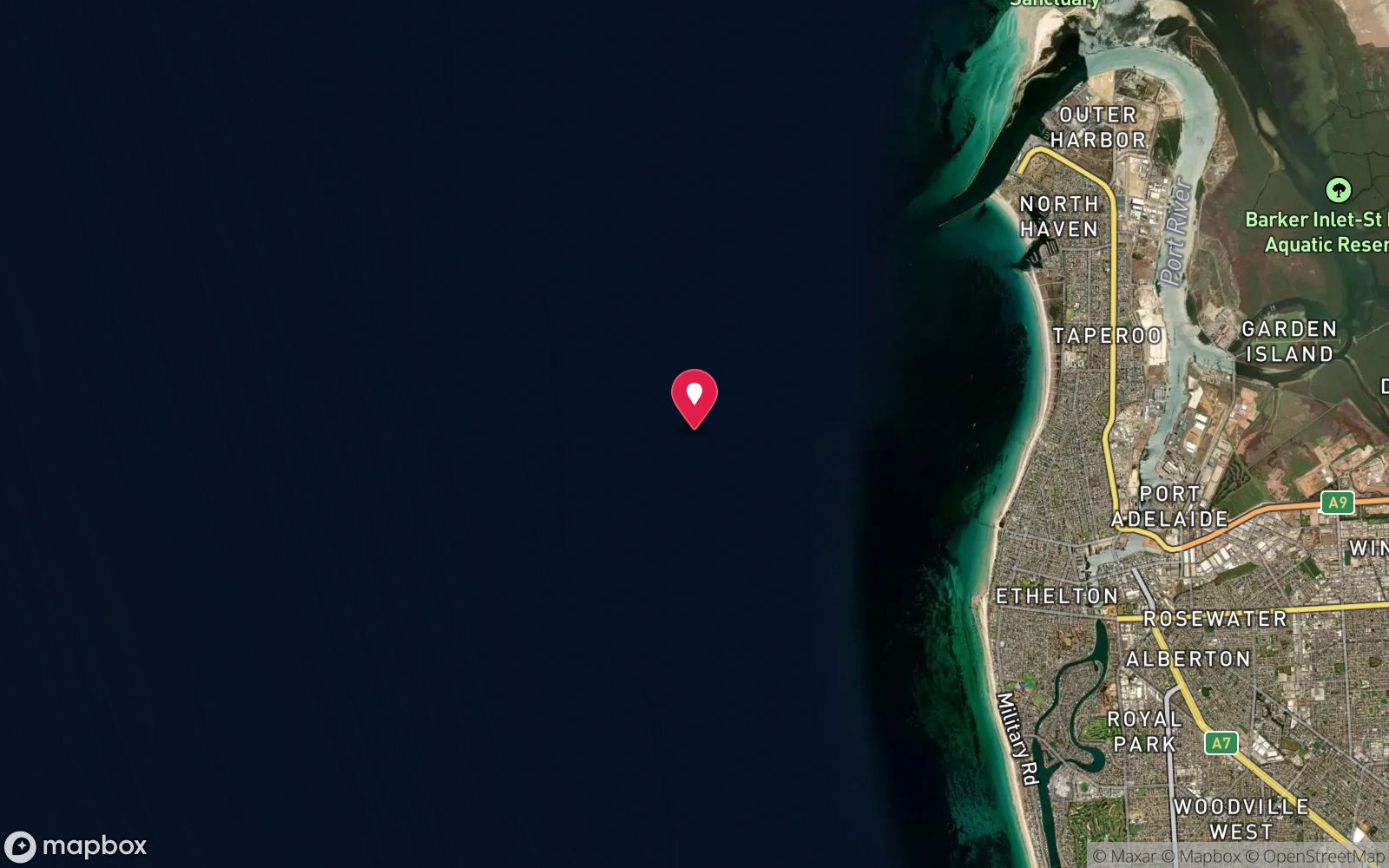
Norma Wreck
The dynamited remains of an 1893 Glasgow-built four-masted barque sunk in a collision in 1907, now a fish-rich heritage trail wreck with an interpretive plaque.
5. Adelaide Metro · SA
Seacliff Reef
Adelaide's most highly rated natural reef: a curving ancient shoreline with gutters and ledges and 'thousands of fish'.
6. Yorke Peninsula · SA
Moorara Wreck
The most complete Murray River barge wreck in South Australia – wooden hull, two engines and deckhouse in 3-4 m, full of fish.
7. Kangaroo Island · SA
Western River Cove
Kangaroo Island's classic shore dive – colourful reef fish in the shallows and gorgonians and blue groper on the deeper western side.
8. Yorke Peninsula · SA
Hougomont Wreck
A dismasted 1897 four-masted barque of the Erikson grain fleet, scuttled as a breakwater with bow and stern still upright in 9 m – a rare shore-accessible windjammer wreck.
9. Fleurieu Peninsula & Victor Harbor · SA
Aldinga Pinnacles
Ten limestone pinnacles with swim-throughs and overhangs, dense relaxed fish and good visibility in a no-take zone.
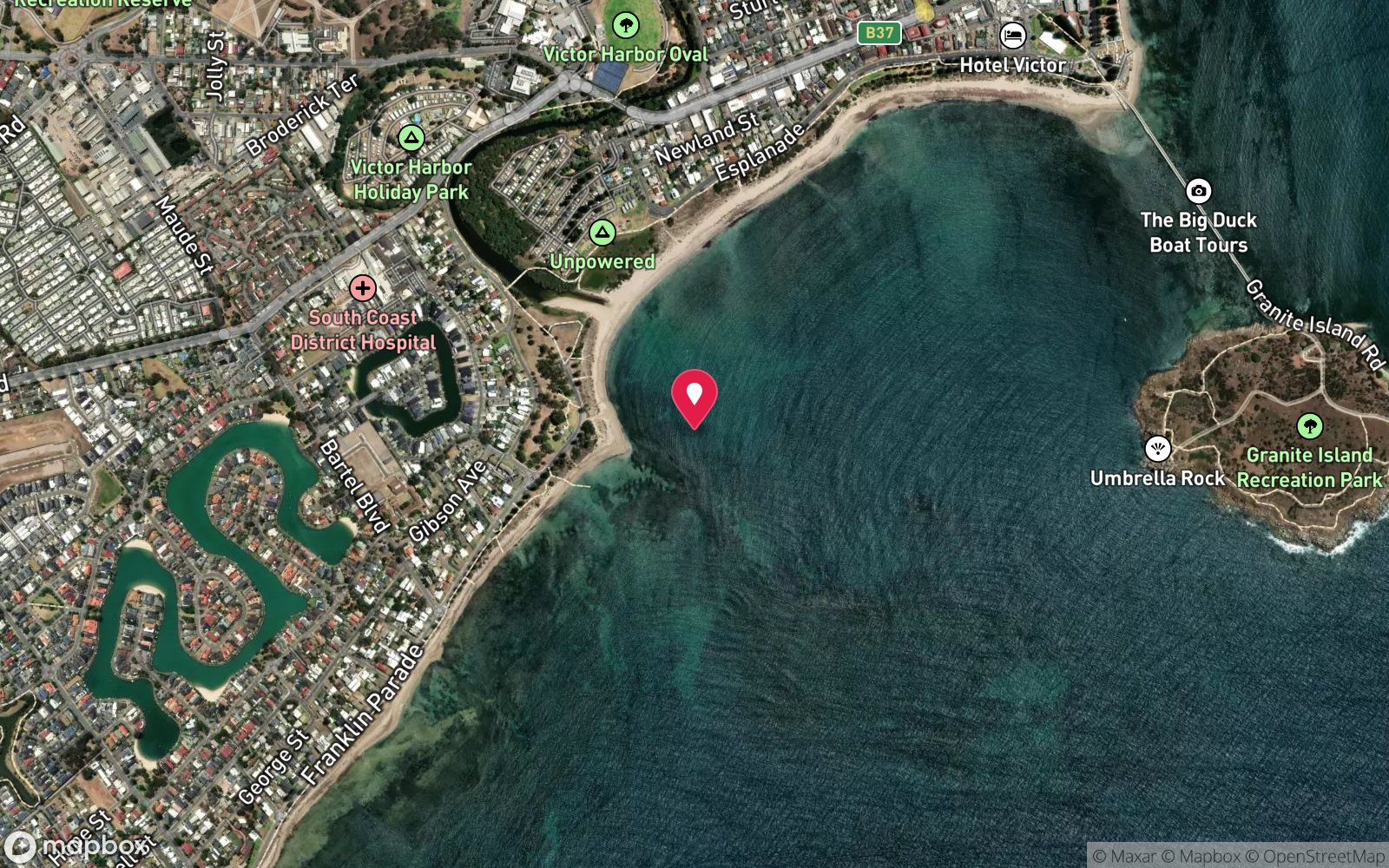
10. Fleurieu Peninsula & Victor Harbor · SA
Whale Bones
A honeycomb of limestone caves and swim-throughs beneath a 2-3 m reef top, with harlequin fish and seadragons.
11. Fleurieu Peninsula & Victor Harbor · SA
Lasseter's Reef
A compact kelp-covered dome off Second Valley surrounded by seagrass where leafy seadragons are resident.
12. Yorke Peninsula · SA
Songvaar Wreck
The Wardang trail's largest wreck: an 1884 iron ship sunk on her own anchor in 1912, with the anchor still piercing the hull and prolific fish life at 9 m.
13. Yorke Peninsula · SA
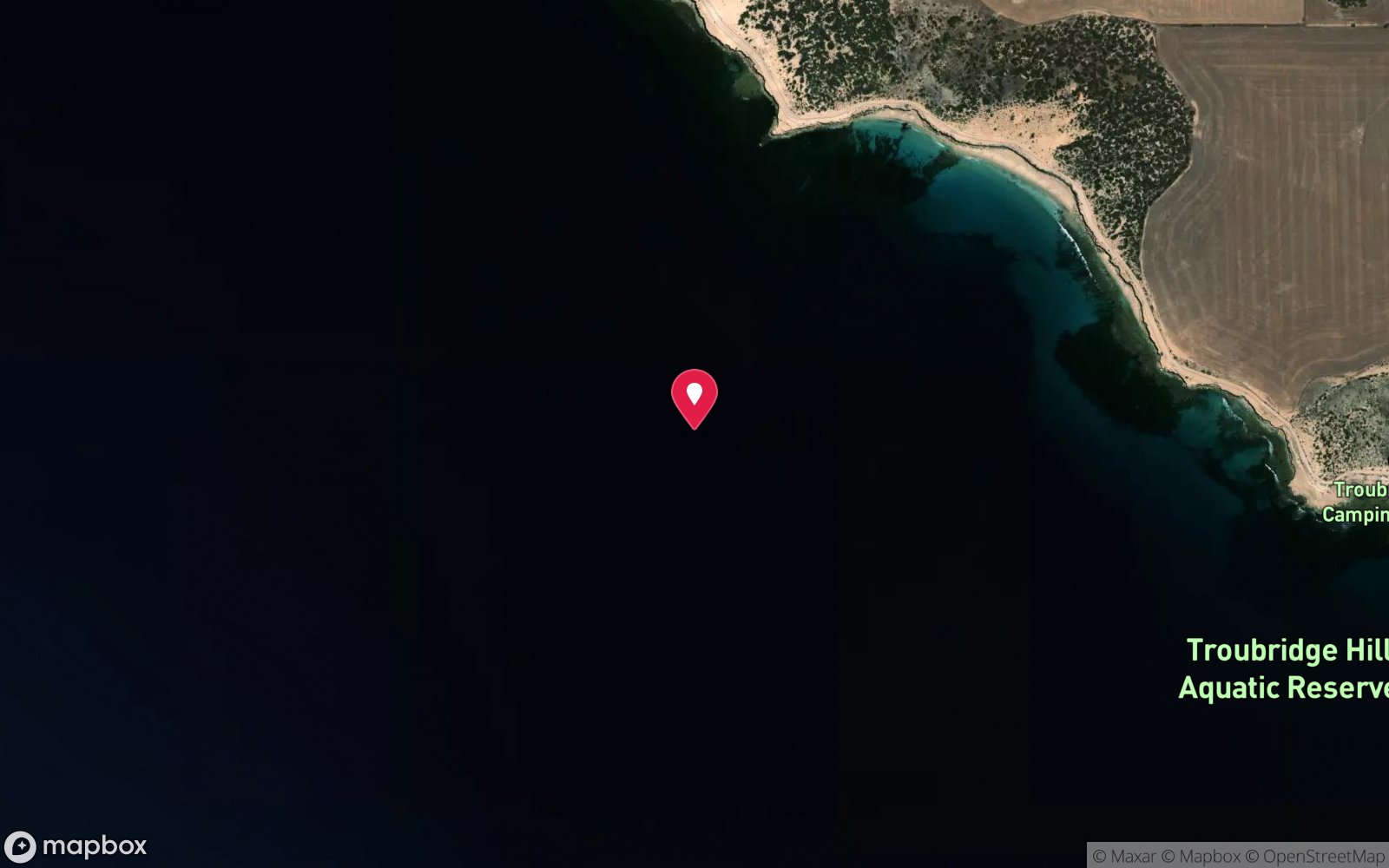
SS Clan Ranald Wreck
The only turret ship lost in Australian waters, lying upside down in 18-21 m inside an aquatic reserve – a haunting and fish-rich wreck with 40 lives lost in 1909.
14. Yorke Peninsula · SA
SS Willyama Wreck
A 2,705-ton steel collier broken across the reef off Rhino Head, with sternpost and steering quadrant at the surface and boilers, engine and shaft tunnel below.
15. Whyalla & Upper Spencer Gulf · SA
Tumby Bay Jetty
The Eyre Peninsula's leafy seadragon jetty, with large leafies camouflaged in the weed and colourful piles – an easy stop on the way to Port Lincoln.
16. Yorke Peninsula · SA
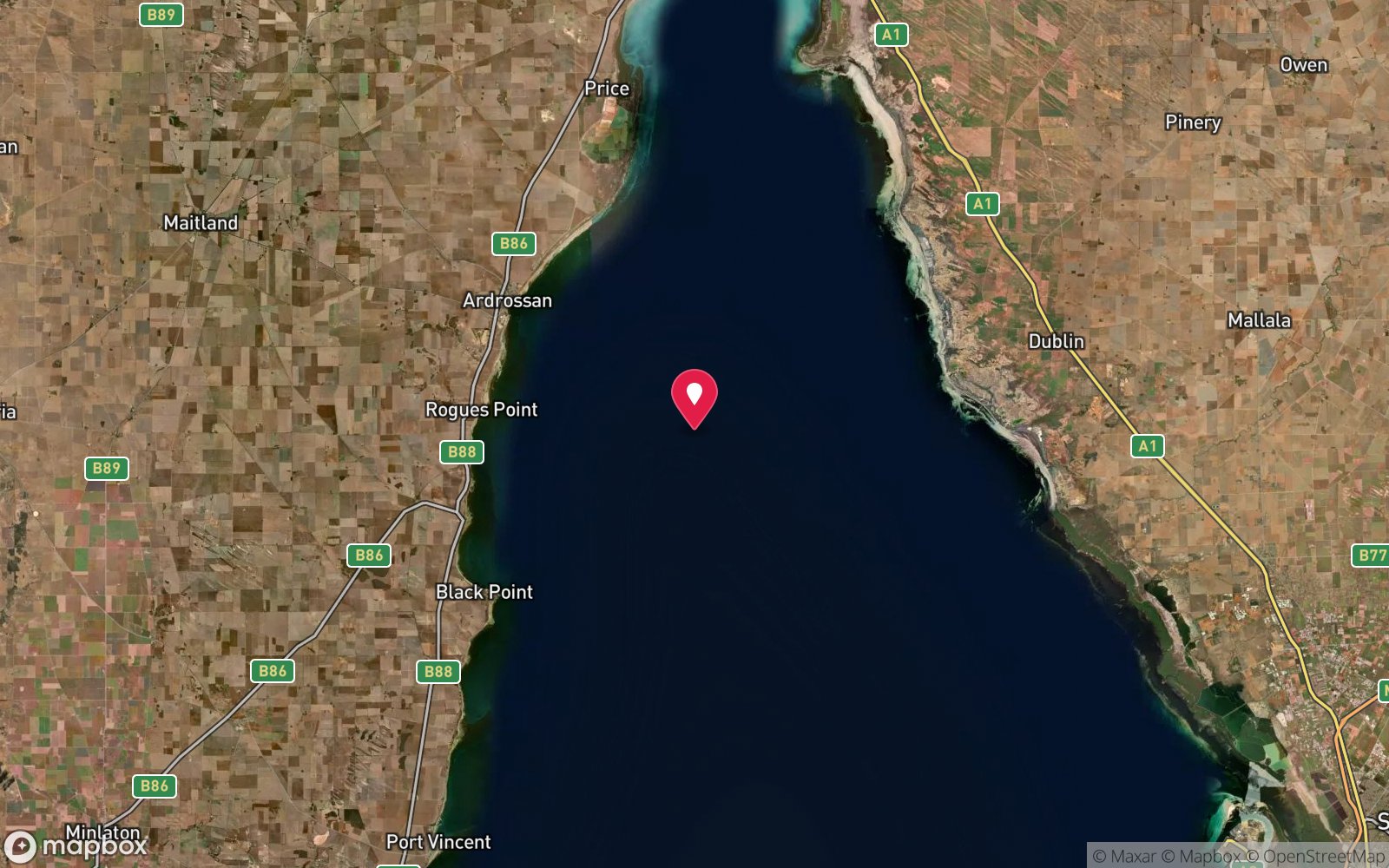
Zanoni Wreck
One of Australia's best-preserved 19th-century composite sailing ships, lying intact on her side in 18 m with masts, rudder and bowsprit still recognisable.
17. Mount Gambier Sinkholes & Caves · SA
Piccaninnie Ponds
The approach to Australia's most famous sinkhole: weed meadows in near-perfect visibility leading to the lip of a 100 m+ chasm.
Sinkhole/CenoteMax 10 mIntermediateCave/Cavern certificationShore accessMore in Mount Gambier Sinkholes & Caves →
18. Yorke Peninsula · SA
SS Investigator Wreck
Anchor and propeller of an 1882 steamer lying in just 3-4 m – ideal for snorkellers and new divers on the Wardang trail.
19. Yorke Peninsula · SA
SS Australian Wreck
A flattened but extensive 1879 Dundee-built steam coaster with a detached boiler and prolific fish, lying next to the MacIntyre.
20. Kangaroo Island · SA
Portland Maru Wreck
Boilers, engine and propeller shaft of a 117 m Japanese steamer in 15 m – Kangaroo Island's biggest wreck.
The guide
How we found these
This list is the inverse of the popularity rankings. It takes sites that are well documented and have been given a positive assessment in the directory, then keeps only the ones recorded as rarely or occasionally dived. In other words: sites that people who know them rate highly, that hardly anyone else visits. Sites with thin documentation are excluded, so a place is not here just because nobody has written about it.
The result skews to Victoria and southern New South Wales, where there are hundreds of shore-accessible reefs and a diving population that concentrates on a dozen famous piers and walls. It also picks up the second-choice sites of the big tropical operators: the reefs they use when the headline site is blown out.
Why these sites stay quiet
Usually one of four reasons. Access is awkward (a swim, a scramble, a boat launch rather than a charter). The site is a fallback in an operator's schedule and never gets top billing. There is a more famous site next door that soaks up the visitors. Or the conditions window is narrow and the site only works on a wind direction that keeps most people at home. None of those are reasons not to dive them; all of them are reasons to check the conditions section on the site page and talk to the local shop first.
Diving quiet sites well
Quiet sites are not maintained sites. There may be no mooring, no current information from a morning boat, no one else on the surface. Dive them with a buddy who has done them, or with the local club, carry a surface marker, and leave a plan ashore. Several are in sanctuary zones or marine national parks where nothing may be taken; that is exactly why the life is so good.
Editorial last reviewed September 2026. The list itself is regenerated from the directory daily.
Frequently asked questions
How do I dive a rarely dived site?
Ask the nearest dive centre listed on the site page whether they will run it on request or as a club trip, or find a local club. Many need a private boat and settled weather.
More rankings
- The 25 Deepest Dive Sites in Australia
- Australia's Most Remote Dive Sites
- The Longest Boat Rides to a Day Dive
- The Warmest Dive Sites in Australia
- The Coldest Dive Sites in Australia
- Australia's Clearest-Water Dive Sites
- The Most Biodiverse Dive Sites in Australia
- The Oldest Shipwrecks You Can Dive in Australia
- All rankings →