Sites that are properly documented, with depths, entries and conditions confirmed by several sources, but that see only occasional charters or club trips. No crowds, no queues on the mooring, and often the best diving in their region.
Updated daily from the directory. 8 sites listed.
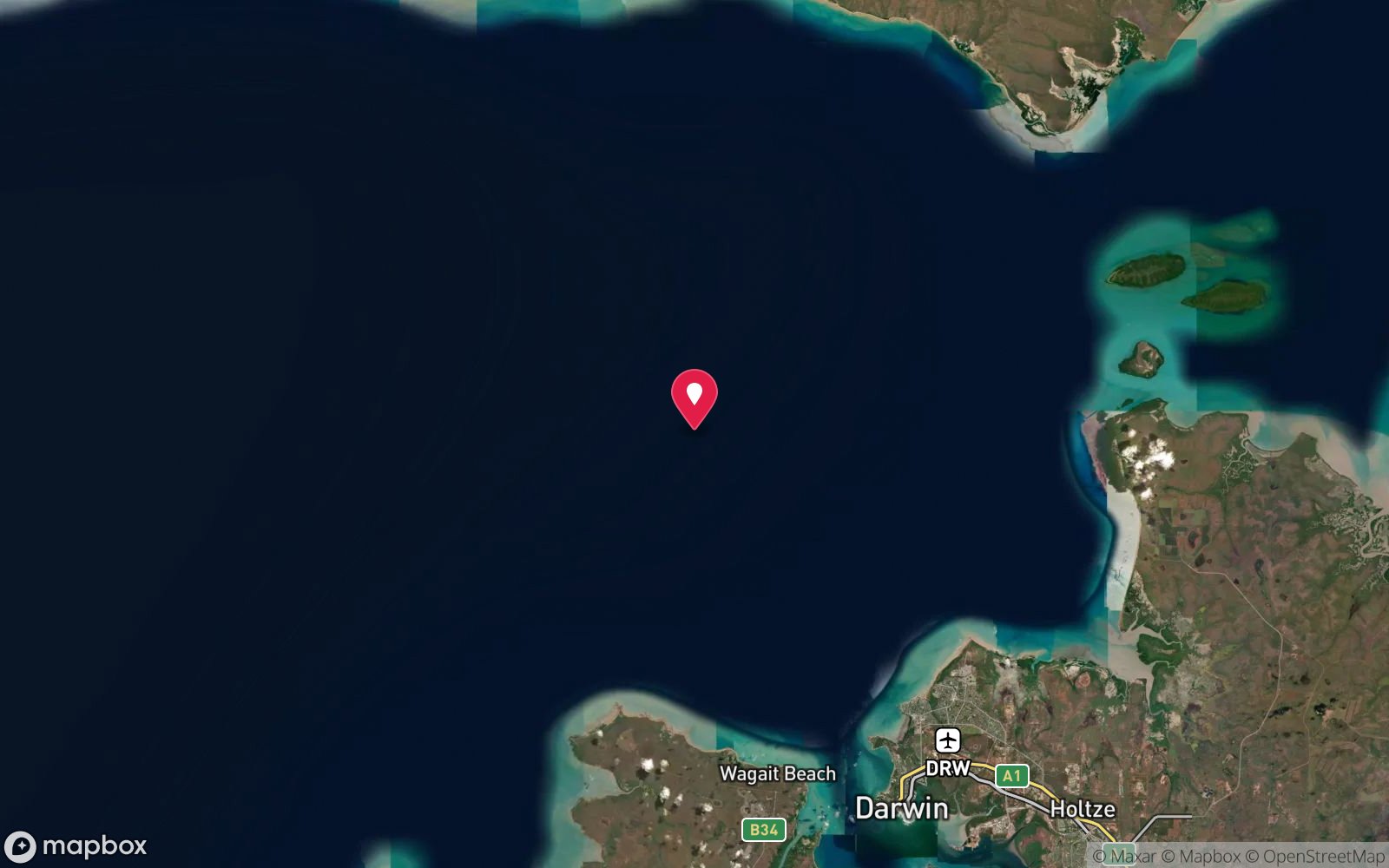
1. Darwin Offshore & Artificial Reefs · NT
Marchart 3
The 32 m ex-research vessel and prawn trawler that founded the Fenton Patches reef field in 1988 – upright, intact and heavily fish-populated around the stern and rudder.
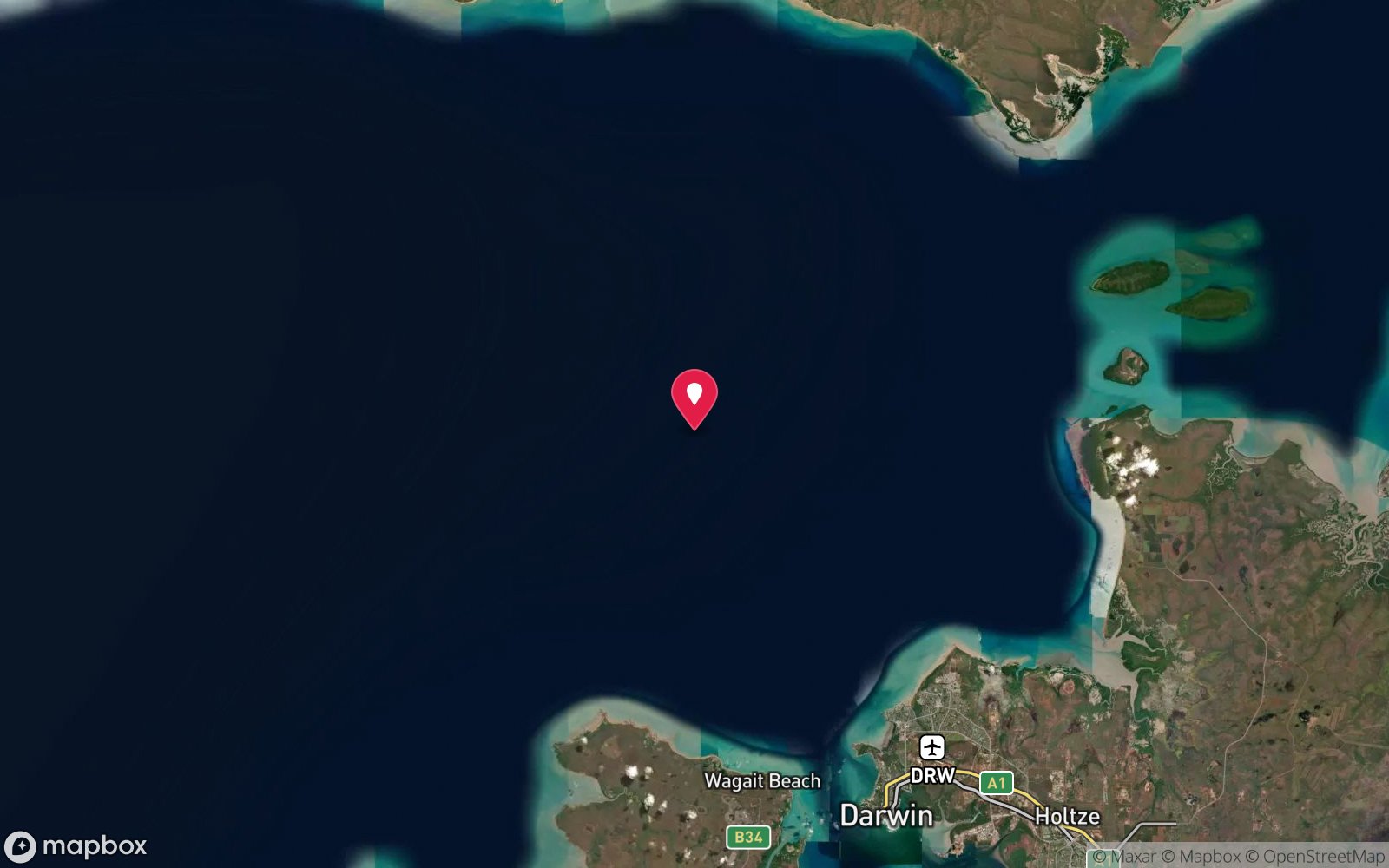
2. Darwin Offshore & Artificial Reefs · NT
Antares and Steel Barge
Upright 22 m coastal trader scuttled in 2011 with a steel barge alongside – part of the Antares, Amelia C and Merindah Pearl wreck cluster.
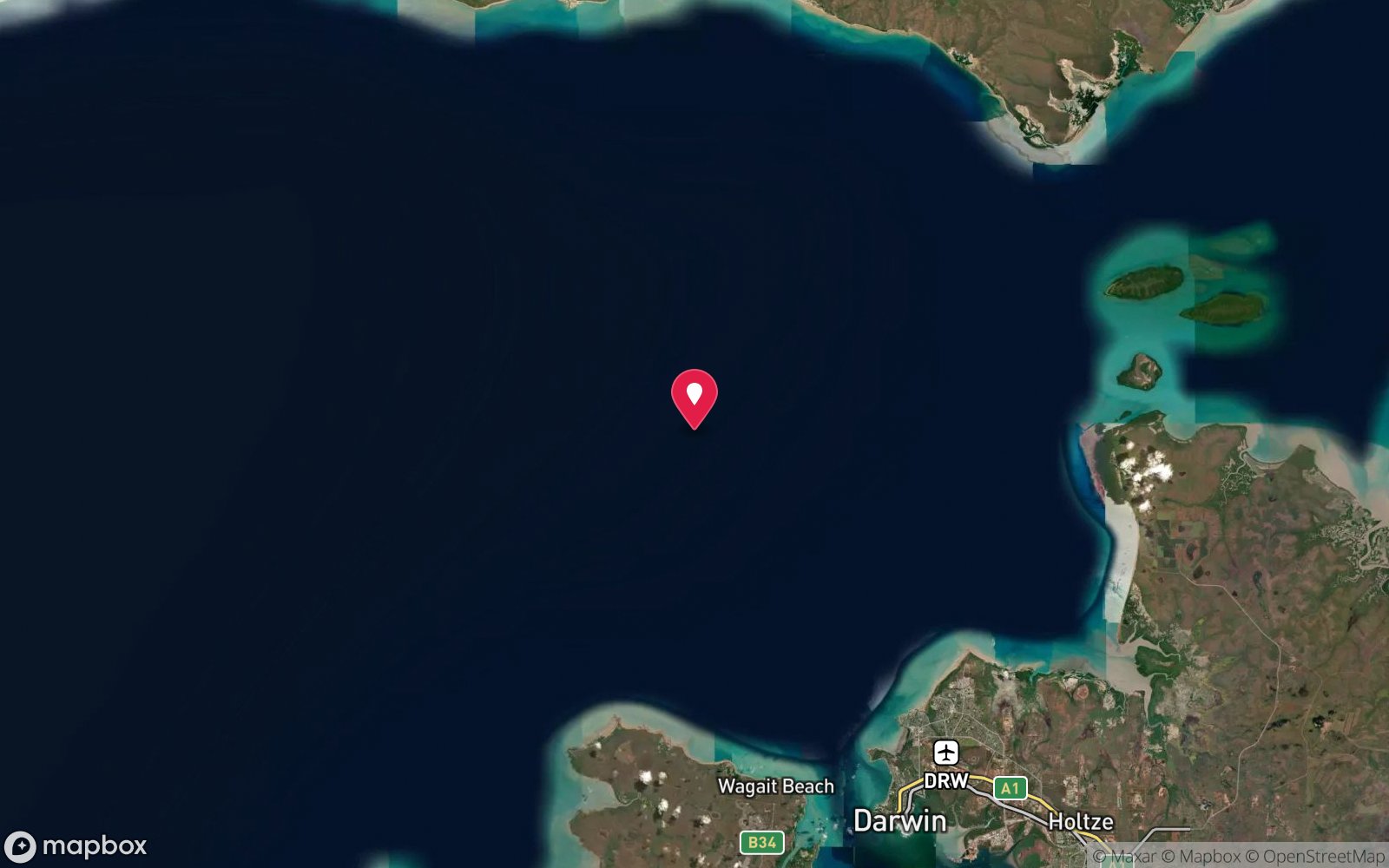
3. Darwin Offshore & Artificial Reefs · NT
Amanda Lee
An 18–20 m trepang vessel lying on her port side with wheelhouse, rails and a large Kort nozzle clearly visible and good coral growth.
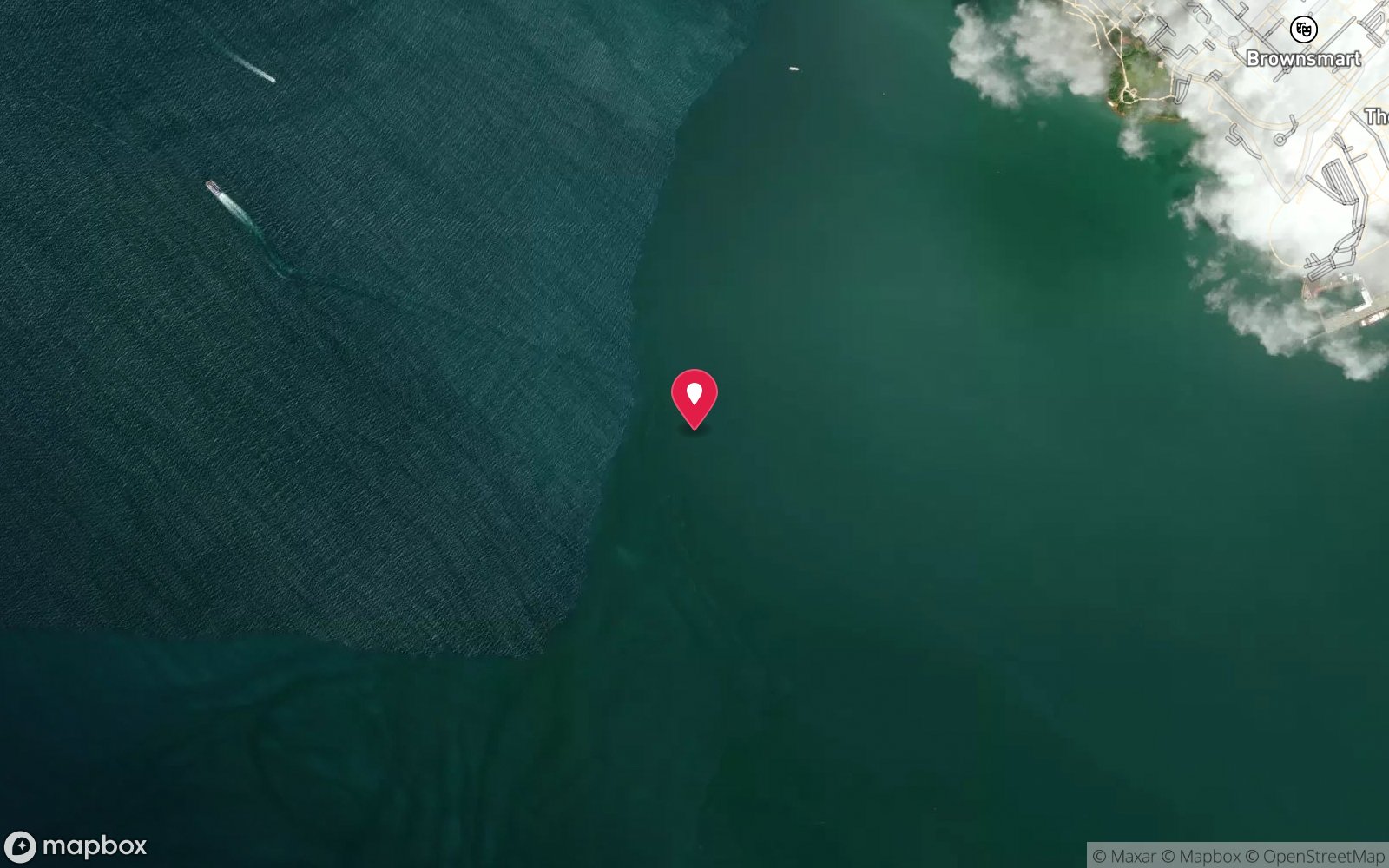
4. Darwin Harbour · NT
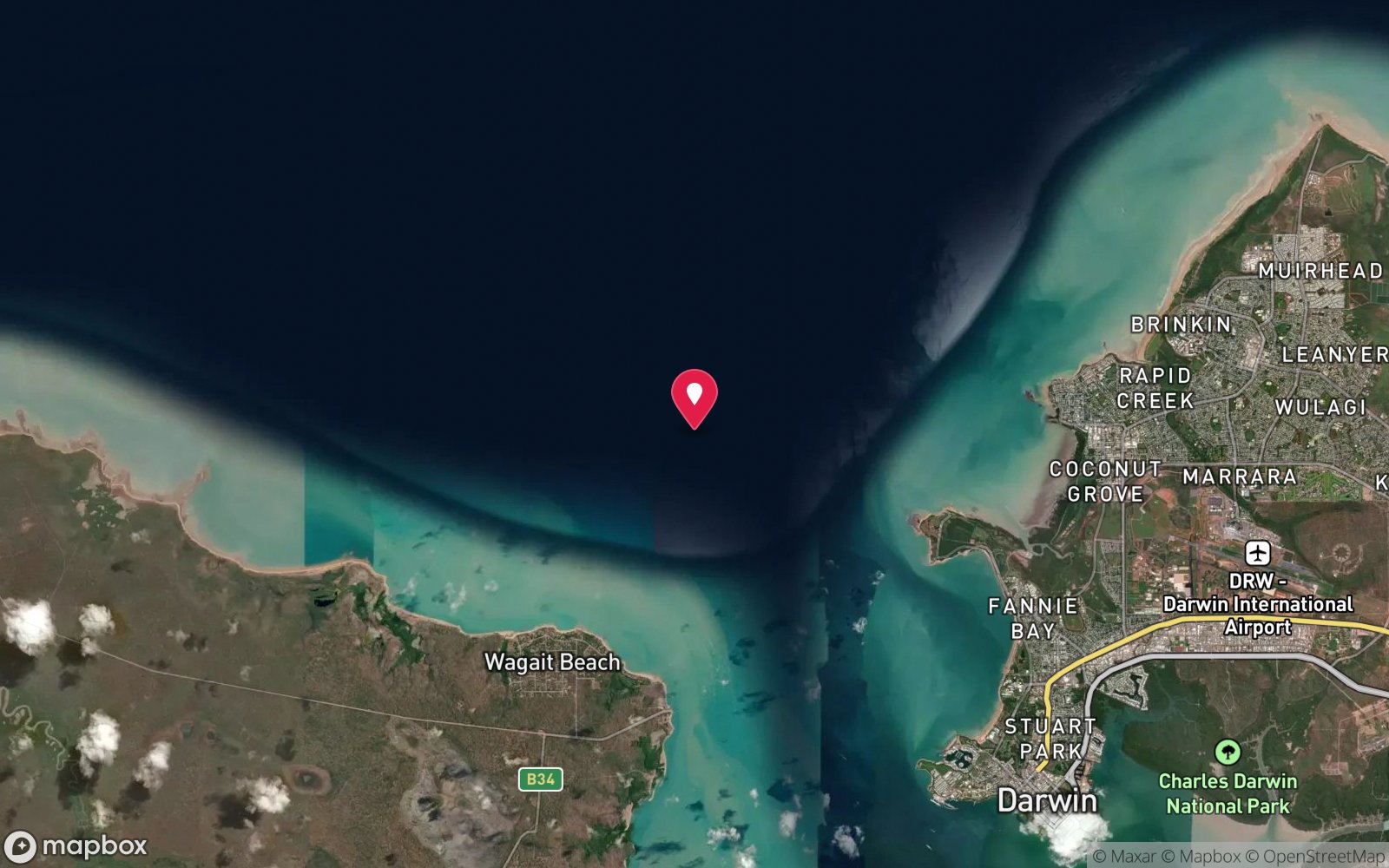
USS Peary
The US destroyer sunk with 88 of her crew in the first raid on Darwin; the harbour's deepest and most solemn WWII dive.
5. Darwin Harbour · NT
Booya
A complete 1917 three-masted schooner lost with five people in Cyclone Tracy and found by chance in 2003.
6. Darwin Harbour · NT
Ellengowan
Darwin Harbour's oldest known shipwreck - an 1866 Norwegian-built missionary steamer with its boiler standing proud.
7. Darwin Harbour · NT
C-47 Dakota A65-115
An almost intact RAAF Dakota transport that ditched off Mindil Beach in 1946, reached by a heritage mooring and guide line.
8. Darwin Harbour · NT
British Motorist
Engine-room remains of the tanker that was refuelling USS Peary when the 1942 raid began.
The guide
How we found these
This list is the inverse of the popularity rankings. It takes sites that are well documented and have been given a positive assessment in the directory, then keeps only the ones recorded as rarely or occasionally dived. In other words: sites that people who know them rate highly, that hardly anyone else visits. Sites with thin documentation are excluded, so a place is not here just because nobody has written about it.
The result skews to Victoria and southern New South Wales, where there are hundreds of shore-accessible reefs and a diving population that concentrates on a dozen famous piers and walls. It also picks up the second-choice sites of the big tropical operators: the reefs they use when the headline site is blown out.
Why these sites stay quiet
Usually one of four reasons. Access is awkward (a swim, a scramble, a boat launch rather than a charter). The site is a fallback in an operator's schedule and never gets top billing. There is a more famous site next door that soaks up the visitors. Or the conditions window is narrow and the site only works on a wind direction that keeps most people at home. None of those are reasons not to dive them; all of them are reasons to check the conditions section on the site page and talk to the local shop first.
Diving quiet sites well
Quiet sites are not maintained sites. There may be no mooring, no current information from a morning boat, no one else on the surface. Dive them with a buddy who has done them, or with the local club, carry a surface marker, and leave a plan ashore. Several are in sanctuary zones or marine national parks where nothing may be taken; that is exactly why the life is so good.
Editorial last reviewed September 2026. The list itself is regenerated from the directory daily.
Frequently asked questions
How do I dive a rarely dived site?
Ask the nearest dive centre listed on the site page whether they will run it on request or as a club trip, or find a local club. Many need a private boat and settled weather.
More rankings
- The 25 Deepest Dive Sites in Australia
- Australia's Most Remote Dive Sites
- The Longest Boat Rides to a Day Dive
- The Warmest Dive Sites in Australia
- The Coldest Dive Sites in Australia
- Australia's Clearest-Water Dive Sites
- The Most Biodiverse Dive Sites in Australia
- The Oldest Shipwrecks You Can Dive in Australia
- All rankings →