These are the sites few divers ever reach: Coral Sea seamounts, the Rowley Shoals, the far northern Great Barrier Reef, the Kimberley coast, Bass Strait islands and the offshore territories. Most are liveaboard or expedition access only, and the nearest recompression chamber is often a day away.
Ranked by distance offshore among sites recorded as remote or expedition-only, then by how rarely they are dived.
Updated daily from the directory. 30 sites listed.
1. Coral Sea · External Territory
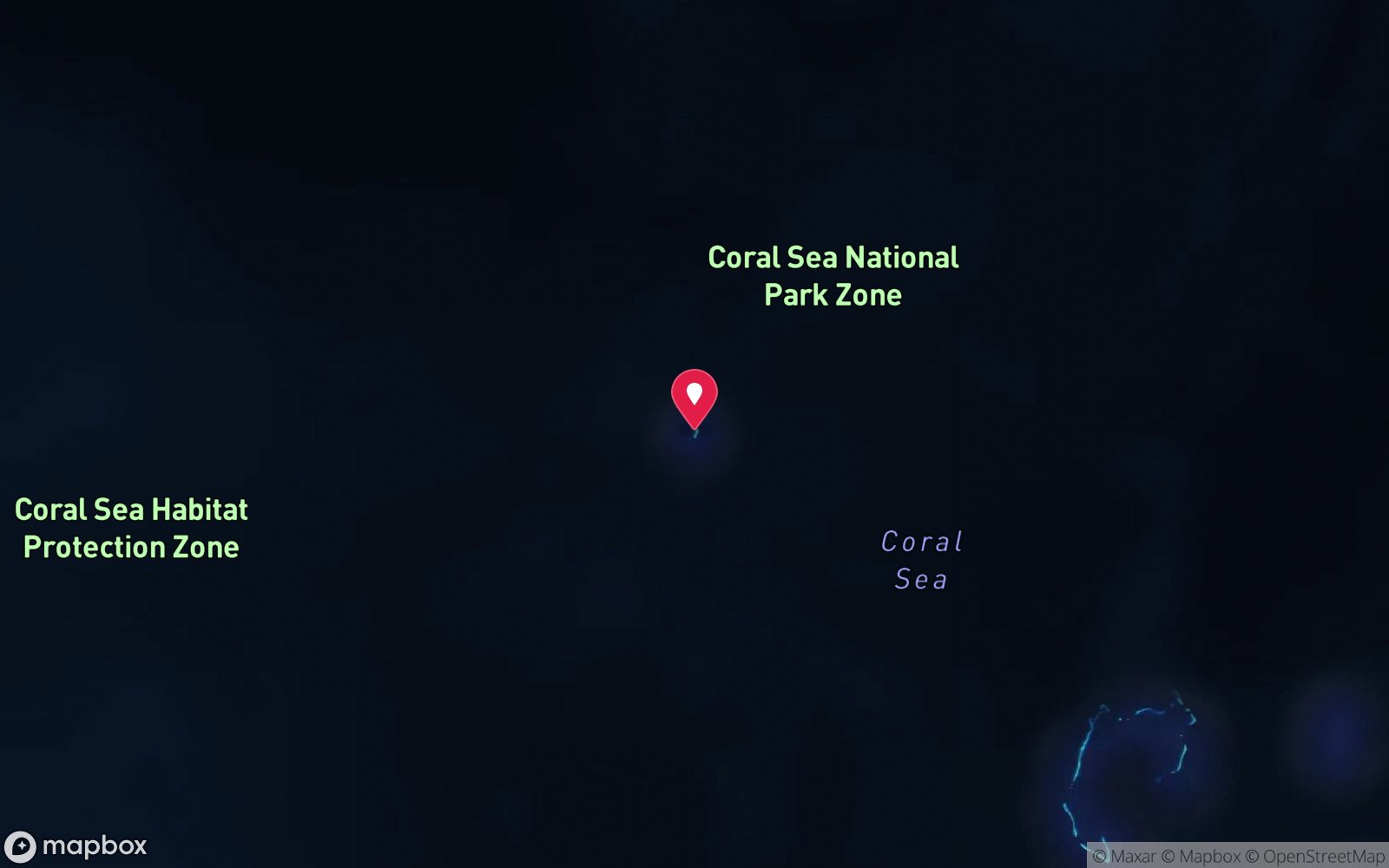
Mellish Reef
Offshore: 1070 km · Australia's most remote Coral Sea reef, with a sheltered 12 m lagoon and seabird colonies.
Our takeMore than 1,000 km from Cairns, Mellish is the outermost Australian reef in the Coral Sea, visited by a research vessel or an expedition charter perhaps once a year. A 12 m lagoon, a sand cay of seabirds and nobody else on the planet.
2. Coral Sea · External Territory
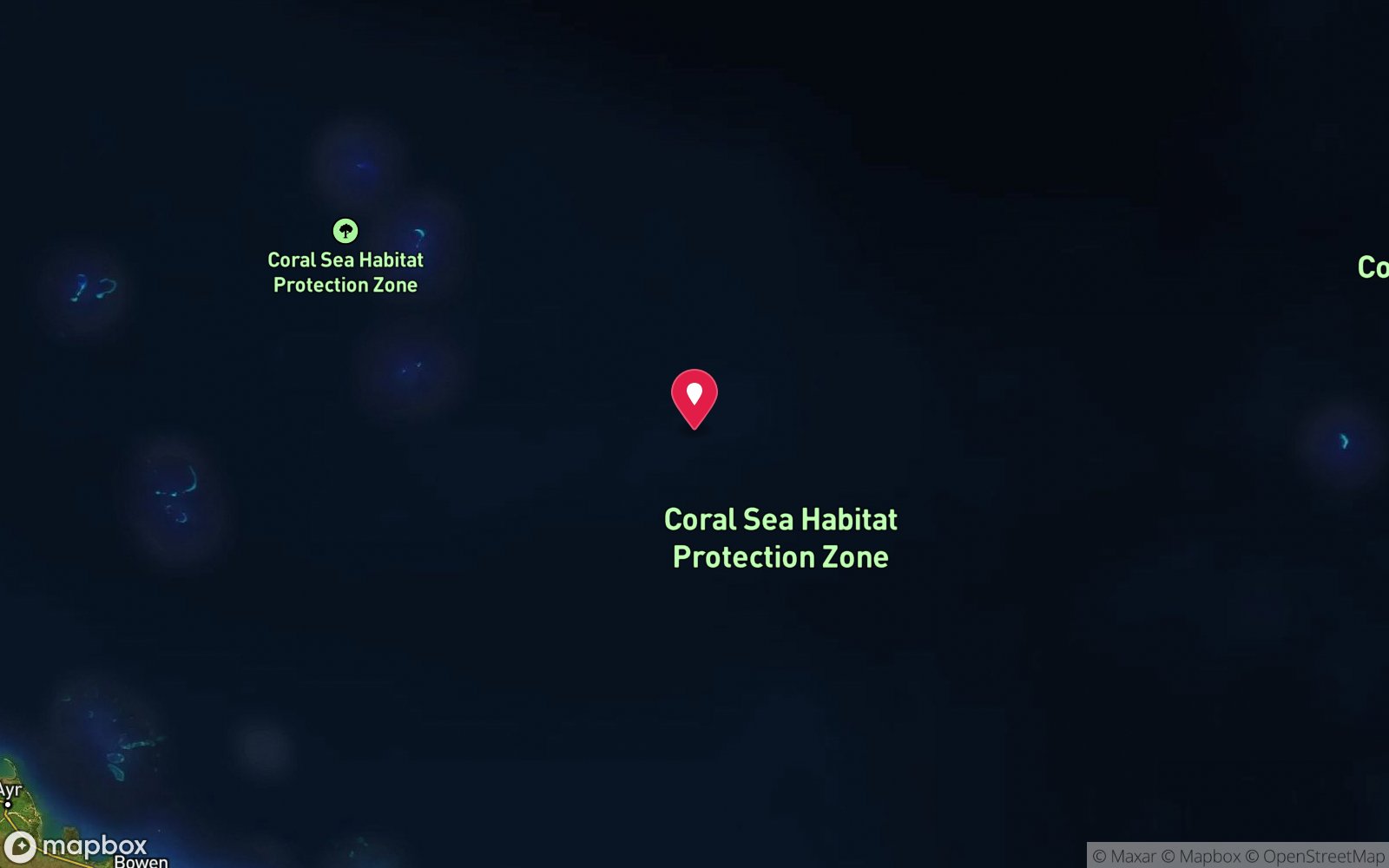
Lihou Reef
Offshore: 550 km · The Coral Sea's largest atoll – a vast, rarely visited lagoon with historic wrecks and untouched reef.
Our takeThe largest atoll in the Coral Sea, roughly 100 km across, with wrecks from the 1800s on its windward rim. A Commonwealth nature reserve; expedition boats out of Cairns and Gladstone visit in the spring calm.
3. Coral Sea · External Territory
Cato Reef
Offshore: 500 km · A remote southern Coral Sea reef with giant bommies, flat reef at 10–15 m and 40 m-plus visibility.
Our takeGiant bommies on a flat reef top at 10 to 15 m, 40 m visibility, sharks that have never seen a diver. Cato is a southern Coral Sea reef on the long-range liveaboard routes, a full day's steaming from anywhere.
4. Coral Sea · External Territory
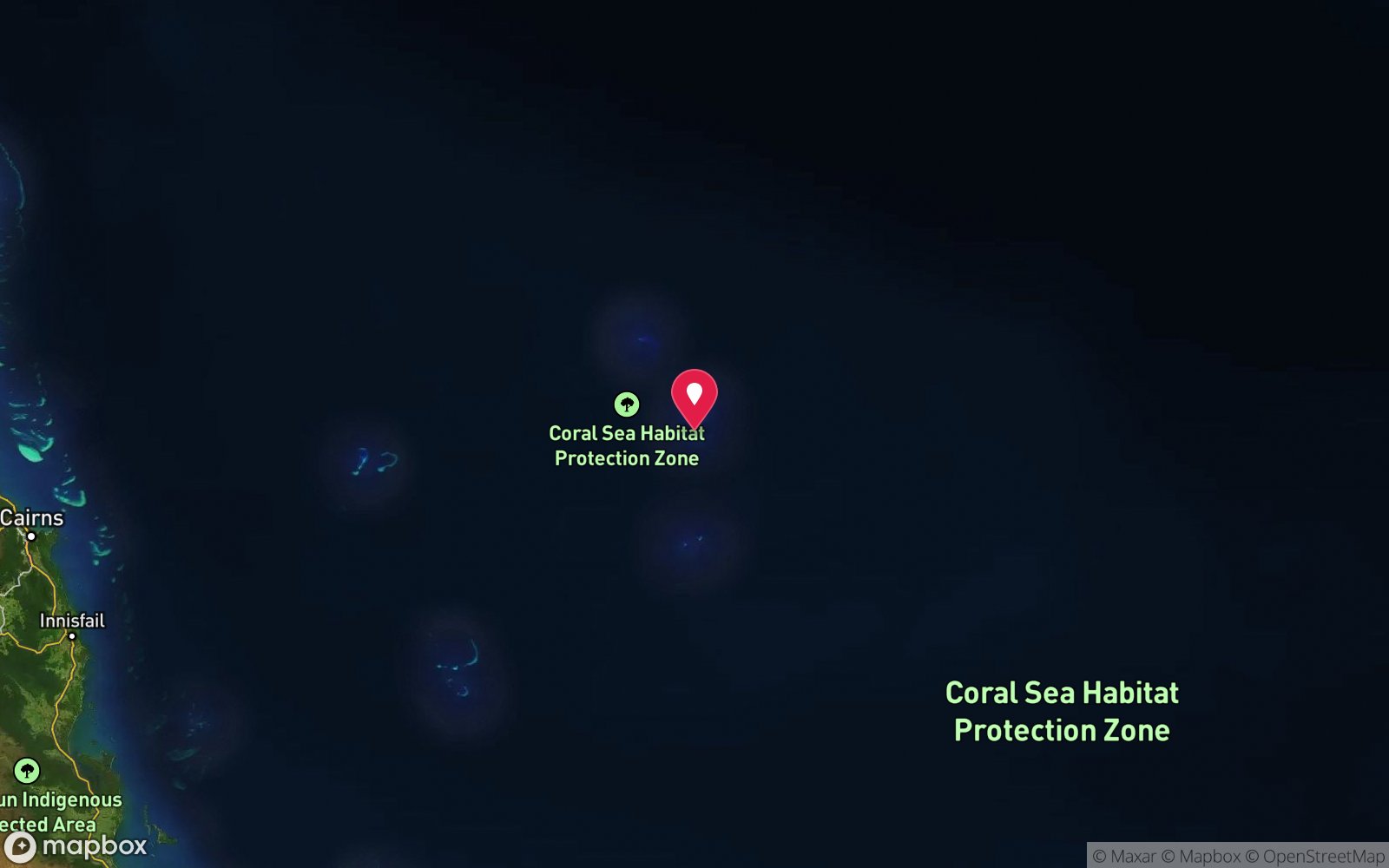
Willis Islets
Offshore: 450 km · A remote sunken atoll with a shallow lagoon and the Coral Sea's only inhabited island.
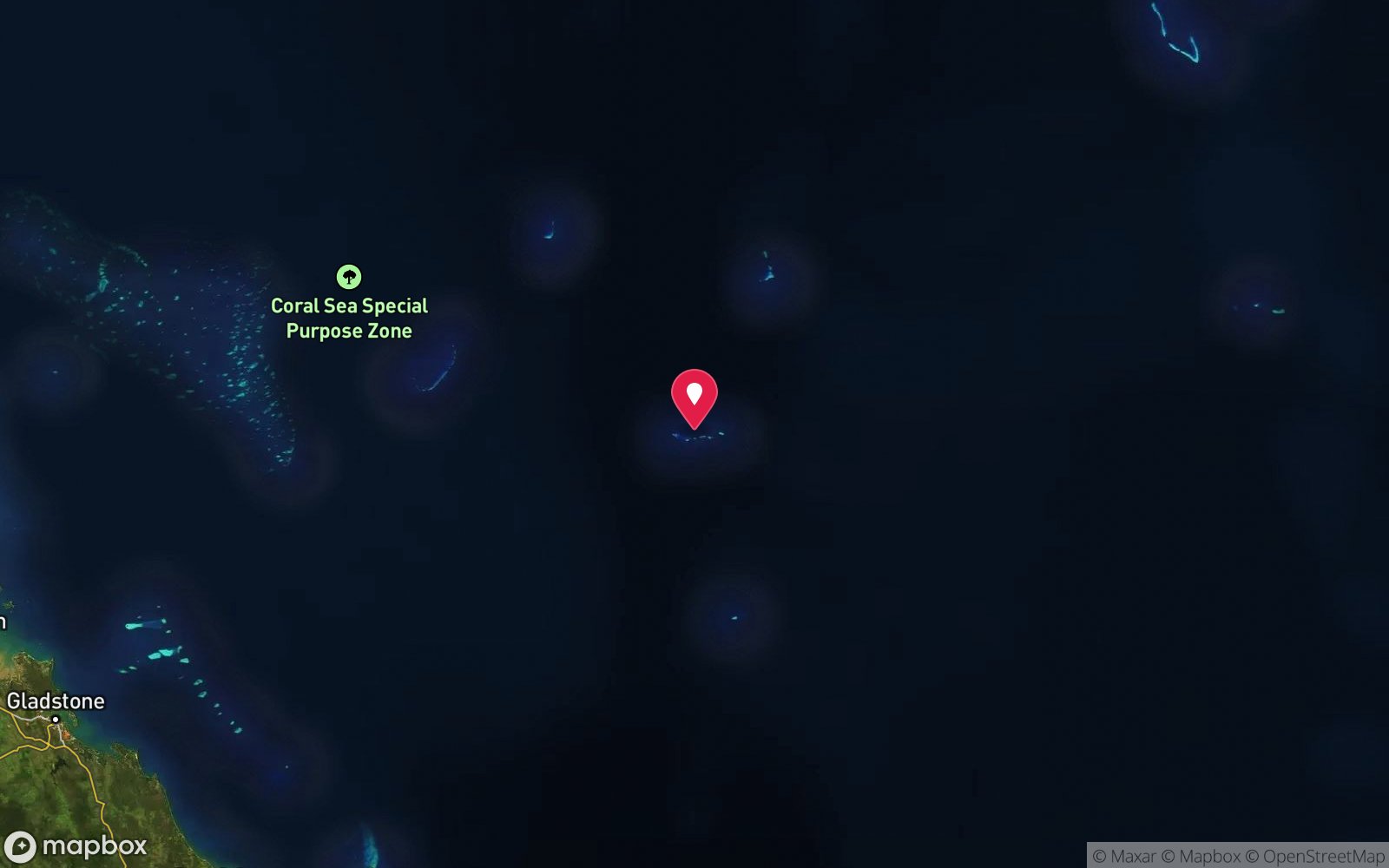
5. Coral Sea · External Territory
Wreck Reef (HMS Porpoise and Cato wreck sites)
Offshore: 450 km · The 1803 wreck sites of Matthew Flinders' HMS Porpoise and the Cato, on a remote reef with outstanding visibility.
Our takeWhere Matthew Flinders was wrecked in 1803 and sailed a cutter 1,100 km back to Sydney to fetch rescue. The ballast piles and anchors are still on the reef, in some of the clearest water in Australia.
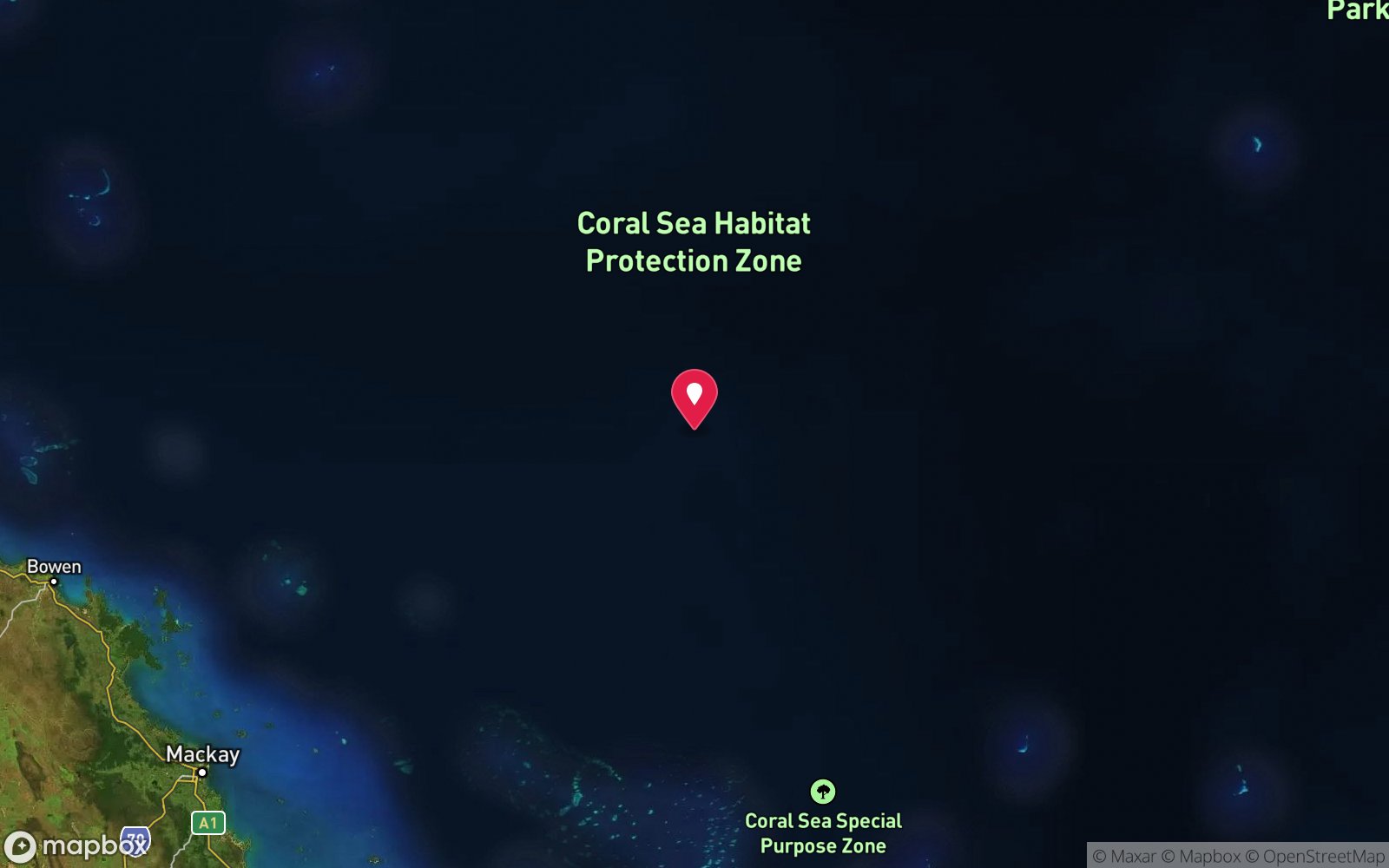
6. Coral Sea · External Territory
Marion Reef
Offshore: 400 km · A vast, remote atoll with excellent soft-coral walls, lagoon pinnacles and three sand cays.
Our takeA vast atoll with three sand cays and soft-coral walls on its outer face. Marion is on the itinerary of the longest Coral Sea expeditions, usually in October and November.
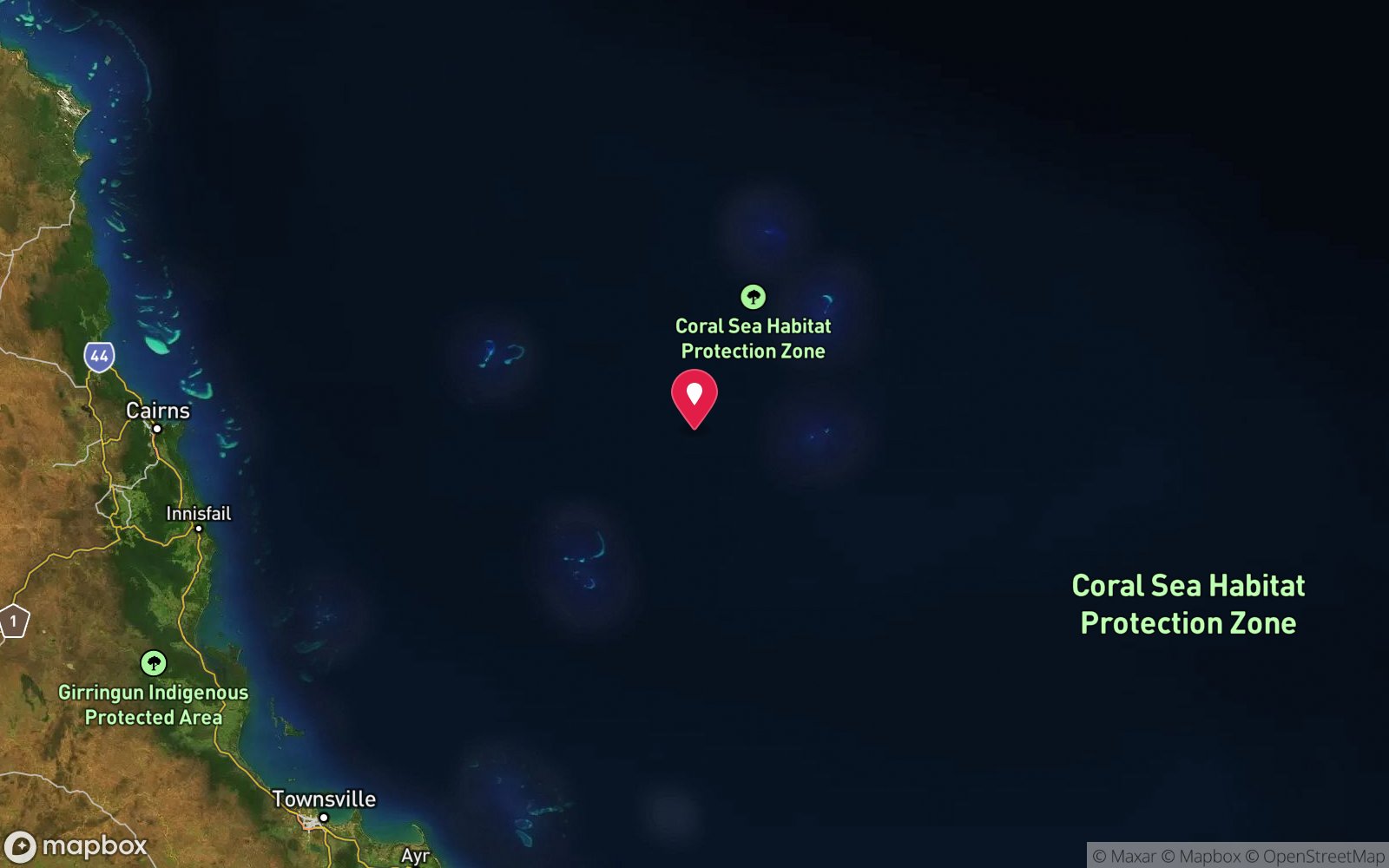
7. Coral Sea · External Territory
Herald Cays
Offshore: 350 km · Some of Australia's most isolated reefs and cays, with nesting turtles, seabird colonies and the Coral Sea's last Pisonia forests.
Our takeTurtle-nesting cays with the Coral Sea's last Pisonia forests. Diving is incidental to the birdlife; landings are restricted.
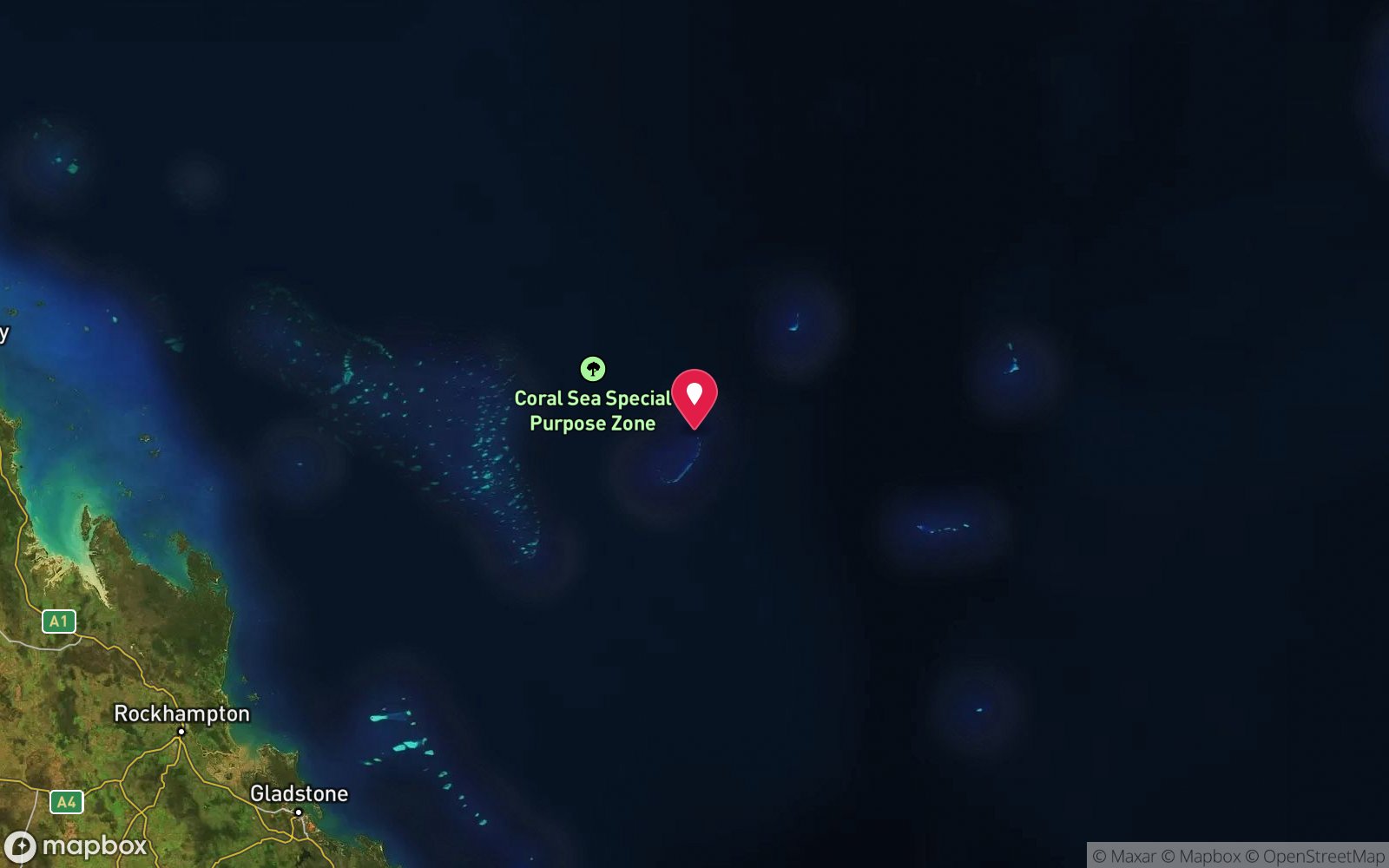
8. Coral Sea · External Territory
Saumarez Reef
Offshore: 330 km · A remote crescent reef with vast coral meadows, turtles and a Second World War Liberty ship wreck.
9. Coral Sea · External Territory
SS Francis Preston Blair wreck (Saumarez Reef)
Offshore: 330 km · The collapsed remains of a Second World War Liberty ship on a remote Coral Sea reef edge.
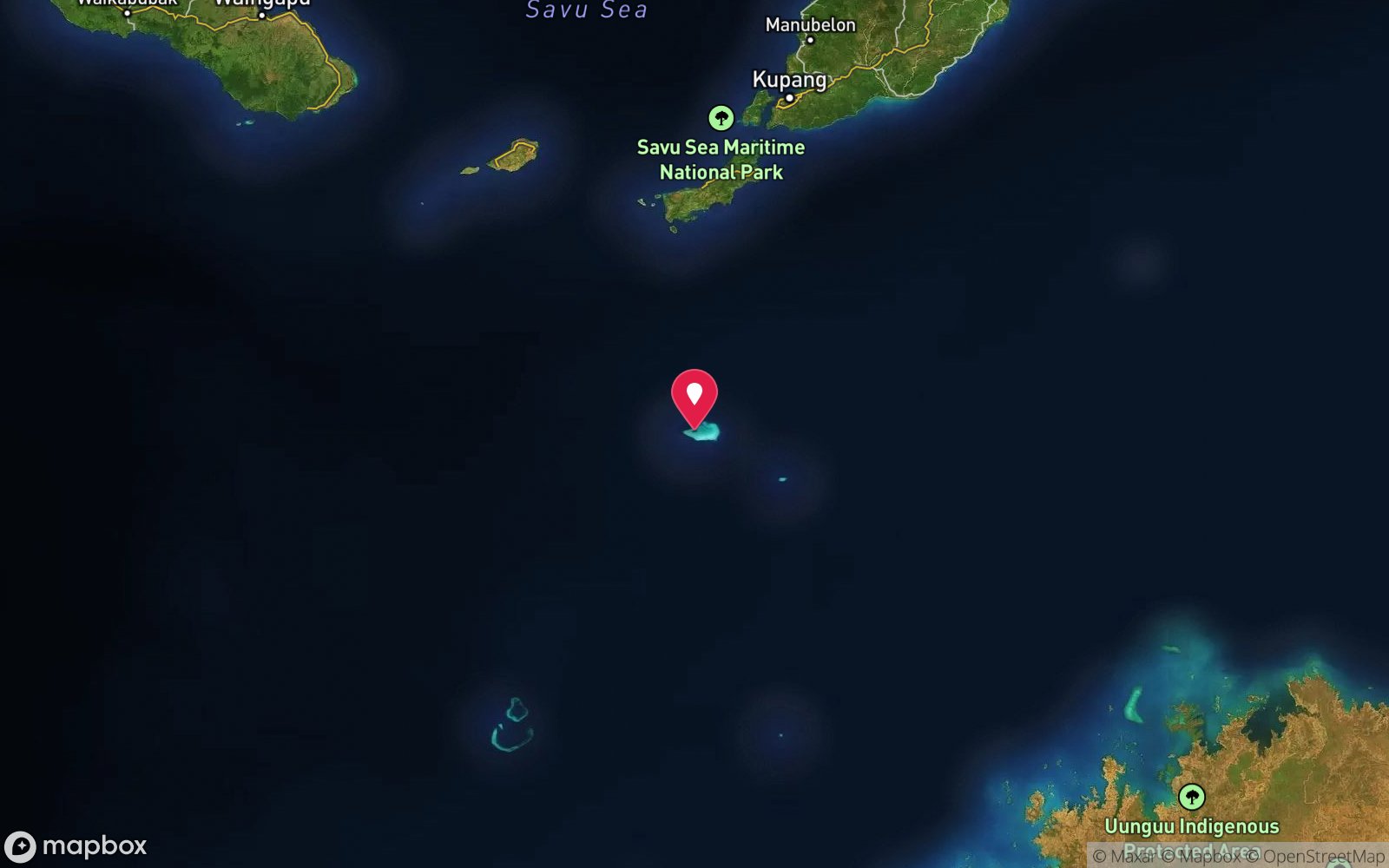
10. Ashmore Reef · External Territory
Ashmore Reef
Offshore: 320 km · A remote Commonwealth reef reserve with extraordinary biodiversity and traditional perahu wrecks.
Our takeA Commonwealth reserve closer to Indonesia than to any Australian town, with more coral and fish species than almost anywhere in the country and the wrecks of traditional Indonesian perahu on its flats. Access is by permit and in practice by research or Border Force vessel.
11. Coral Sea · External Territory
Anemone City (Flinders Reef)
Offshore: 250 km · Five lagoon pinnacles carpeted in purple anemones and clownfish.
12. Coral Sea · External Territory
China Wall (Flinders Reef)
Offshore: 250 km · A 1,000 m wall with some of the largest gorgonian fans in Australian waters.
13. Coral Sea · External Territory
Mid Reef (Flinders Reef)
Offshore: 250 km · 45 m bommies and a current-swept gully alive with feather stars, fans and soft corals.
14. Coral Sea · External Territory
Rock Arch (Flinders Reef)
Offshore: 250 km · An arch, caves and a daylit cavern under a sheer south-west wall, with a ledge of big gorgonians at 40 m.
15. Coral Sea · External Territory
Scuba Zoo (Boomerang Reef)
Offshore: 250 km · A historic caged shark-feed site with four permanent cages on sand at 15 m.
16. Coral Sea · External Territory
Soft Spot (Flinders Reef)
Offshore: 250 km · Pinnacles covered in hundreds of colourful soft coral trees.
17. Coral Sea · External Territory
Watanabe Bommie (Flinders Reef)
Offshore: 250 km · An office-block-sized pinnacle in open water, draped in soft corals and circled by pelagics and sharks.
18. Coral Sea · External Territory
Whaler Station (Flinders Reef)
Offshore: 250 km · A seldom-described site associated with China Wall in the Flinders group.
19. Coral Sea · External Territory
Predators Playground (Holmes Reef)
Offshore: 240 km · A historic Coral Sea shark-feed arena on sand at 9 m.
20. Coral Sea · External Territory
Deep Six (Bougainville Reef)
Offshore: 230 km · A seldom-described Bougainville Reef site (marinelife.org.au's list of additional Bougainville sites and Mike Ball's itinerary map).
21. Coral Sea · External Territory
Silver Slope (Bougainville Reef)
Offshore: 230 km · A seldom-described Bougainville Reef site (a list of possible Bougainville sites on Dive the World).
22. Coral Sea · External Territory
Southern Wall (Bougainville Reef)
Offshore: 230 km · A seldom-described Bougainville Reef site (a list of possible Bougainville sites on Dive the World).
23. Coral Sea · External Territory
The Junkyard (Bougainville Reef)
Offshore: 230 km · A seldom-described Bougainville Reef site (marinelife.org.au's list of additional Bougainville sites).
24. Coral Sea · External Territory
West Point (Bougainville Reef)
Offshore: 230 km · A seldom-described Bougainville Reef site (marinelife.org.au's list of additional Bougainville sites).
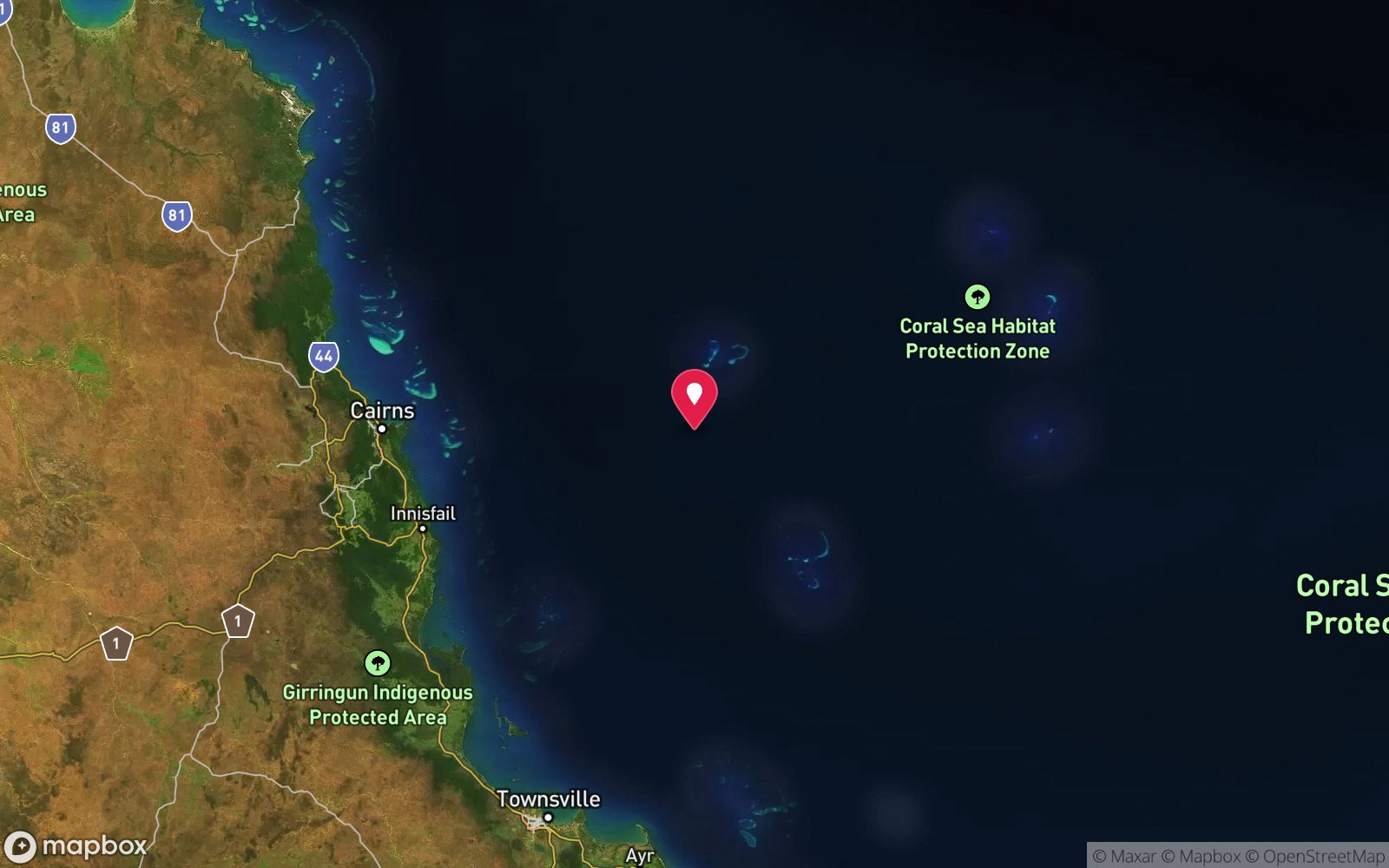
25. Coral Sea · External Territory
Flora Reef
Offshore: 200 km · A tiny, rarely visited atoll with a sharp drop-off, silvertips and unusual lava-tube-like caves.
26. Cocos (Keeling) Islands · External Territory
Pulu Keeling Outer Reef
Offshore: 25 km · Near-untouched national park reef with 40 m-plus visibility and plentiful sharks, dived by permit only on rare calm days.
27. Cocos (Keeling) Islands · External Territory
SMS Emden wreck site
Offshore: 25 km · Propellers, shafts, engine parts and shells of the WWI raider SMS Emden, beached after the 1914 Battle of Cocos – one of the most historic and least-visited wreck sites in Australia.
28. Norfolk Island · External Territory
Hard Belly Stone (Phillip Island)
Offshore: 6 km · Rarely documented Phillip Island site on the island's northern side.
29. Norfolk Island · External Territory
White Rock (Phillip Island)
Offshore: 6 km · Rarely documented Phillip Island site on the island's northern side.
30. Norfolk Island · External Territory
Pel-Air Westwind wreck
Offshore: 5 km · Largely intact Westwind medevac jet at 48 m from the 2009 night ditching in which all six aboard survived.
The guide
What remote means here
The list is ordered by distance from the coast among sites recorded as expedition-only or rarely dived, so it is a list of Coral Sea reefs and the atolls off the Kimberley. That is fair: these are the most remote reefs in Australian waters, days from a port and further from a recompression chamber. But remoteness is not only distance. Bass Strait islands, the far south coast of Tasmania, the Great Australian Bight and the Nullarbor caves are remote in every practical sense and sit lower down only because they are near land.
Read the list alongside the under-the-radar ranking, which finds the quiet sites close to home, and the liveaboard category, which is how most divers actually reach the outer reefs.
How to get to the Coral Sea
The Cairns liveaboards run Osprey, Bougainville and Holmes reefs on three- to seven-night trips year-round, with the settled season from September to December. The reefs at the top of this list (Mellish, Lihou, Cato, Marion, Wreck Reef) need an expedition charter of ten days or more, typically out of Cairns, Gladstone or Bundaberg, and they are offered irregularly. Ask the Coral Sea operators about their long-range schedule a year ahead.
For the Rowley Shoals and Scott Reef, boats leave Broome from late September to November. Ashmore Reef is a Commonwealth reserve with permit access and no commercial diving. The Kimberley cruises visit the inshore reefs and the Lacepede Islands rather than the outer atolls.
Safety on an expedition
The nearest chamber to the outer Coral Sea is Townsville, often more than 24 hours away by sea and aeromedical evacuation. Boats carry oxygen, and the good ones brief conservative profiles: no decompression, 30 m limits, long surface intervals, and no diving on the last day before a long steam. Diving insurance with evacuation cover (DAN or equivalent) is a booking condition on most vessels, and it should be. The safety guide covers what evacuation from remote Australia actually involves.
Editorial last reviewed September 2026. The list itself is regenerated from the directory daily.
Frequently asked questions
How do I dive remote Australian sites?
Almost all need a liveaboard or expedition charter: Coral Sea boats from Cairns (September–December), Rowley Shoals boats from Broome (October–November), far northern reef expeditions in October–November, and Kimberley cruises in the dry season. Book months ahead and carry DAN cover.
More rankings
- The 25 Deepest Dive Sites in Australia
- The Longest Boat Rides to a Day Dive
- The Warmest Dive Sites in Australia
- The Coldest Dive Sites in Australia
- Australia's Clearest-Water Dive Sites
- The Most Biodiverse Dive Sites in Australia
- The Oldest Shipwrecks You Can Dive in Australia
- WWII and Wartime Wrecks You Can Dive in Australia
- All rankings →