These are the sites few divers ever reach: Coral Sea seamounts, the Rowley Shoals, the far northern Great Barrier Reef, the Kimberley coast, Bass Strait islands and the offshore territories. Most are liveaboard or expedition access only, and the nearest recompression chamber is often a day away.
Ranked by distance offshore among sites recorded as remote or expedition-only, then by how rarely they are dived.
Updated daily from the directory. 30 sites listed.
1. Wilsons Promontory · VIC
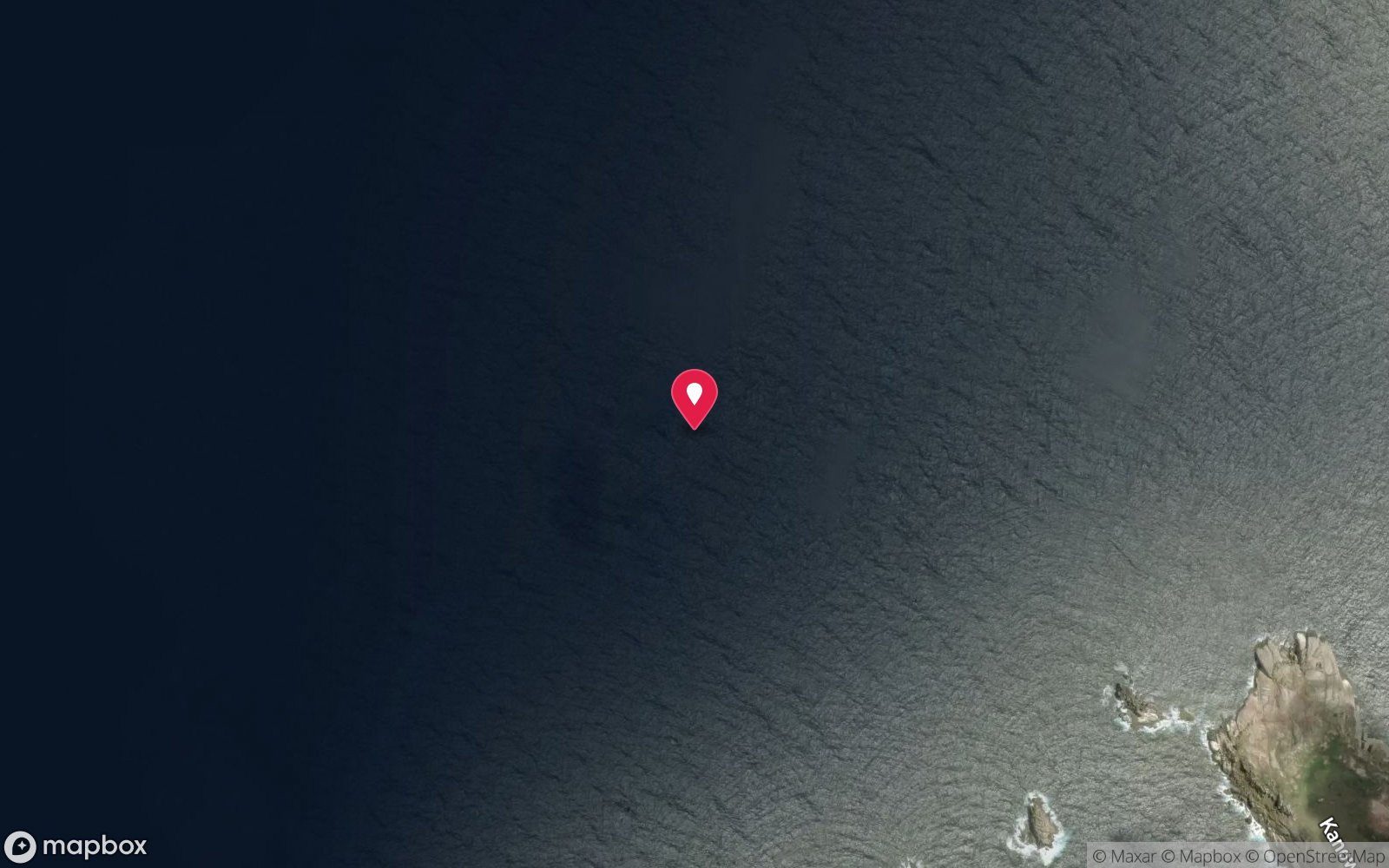
TSS Kanowna
Offshore: 50 km · A 126 m WWI hospital ship and coastal liner lost in fog in 1929, found in 2005 and lying largely recognisable in 80–82 m of clear Bass Strait water – Victoria's deepest regularly attempted wreck.
2. Wilsons Promontory · VIC
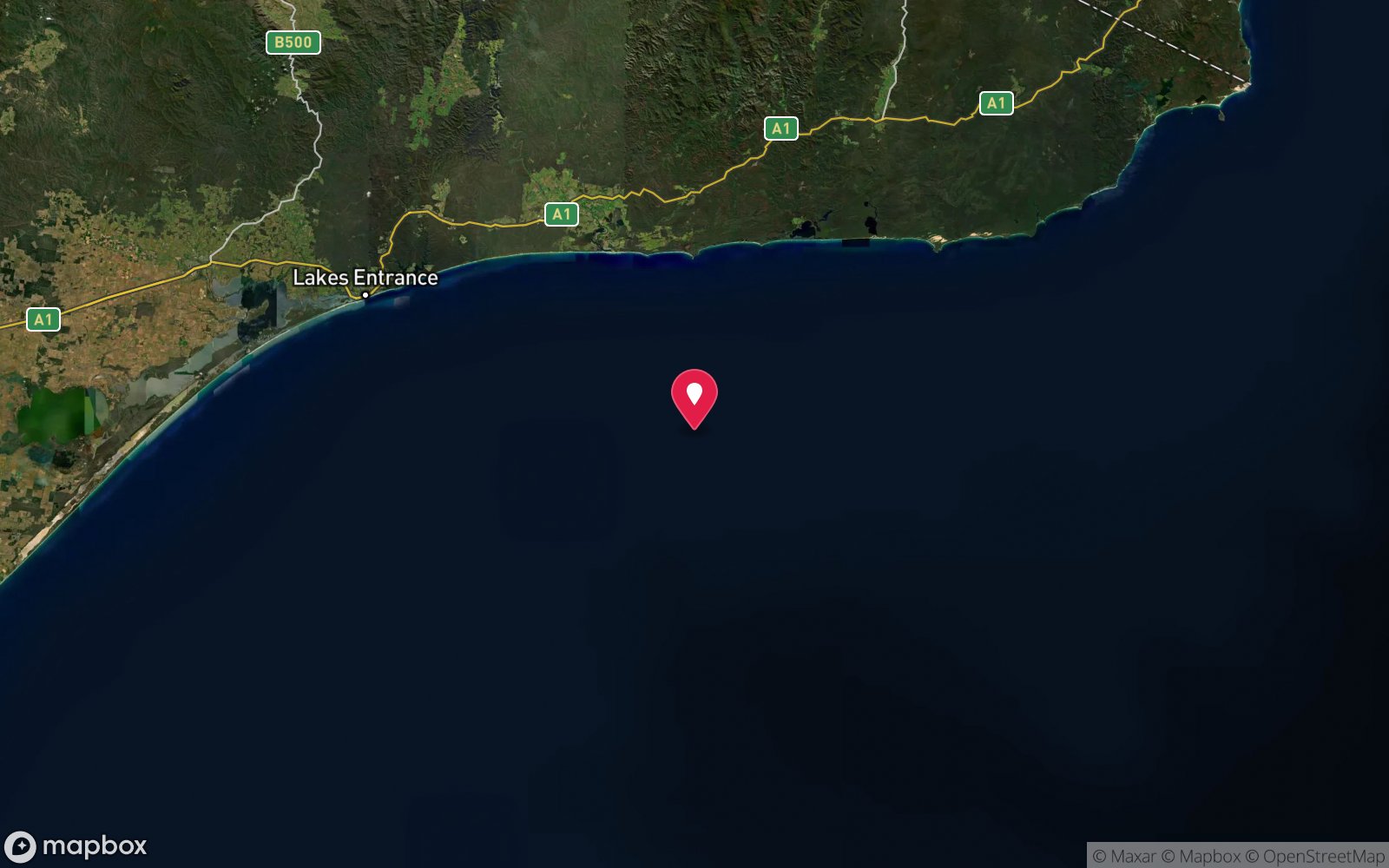
SS Gulf of Carpentaria
Offshore: 45 km · An unsalvaged 1881 cargo liner lying collapsed at the foot of the uncharted pinnacle that sank her in 1885, in 48–50 m of pristine marine-park water off Wilsons Prom, with fur seals and a wall to decompress on.
3. Wilsons Promontory · VIC
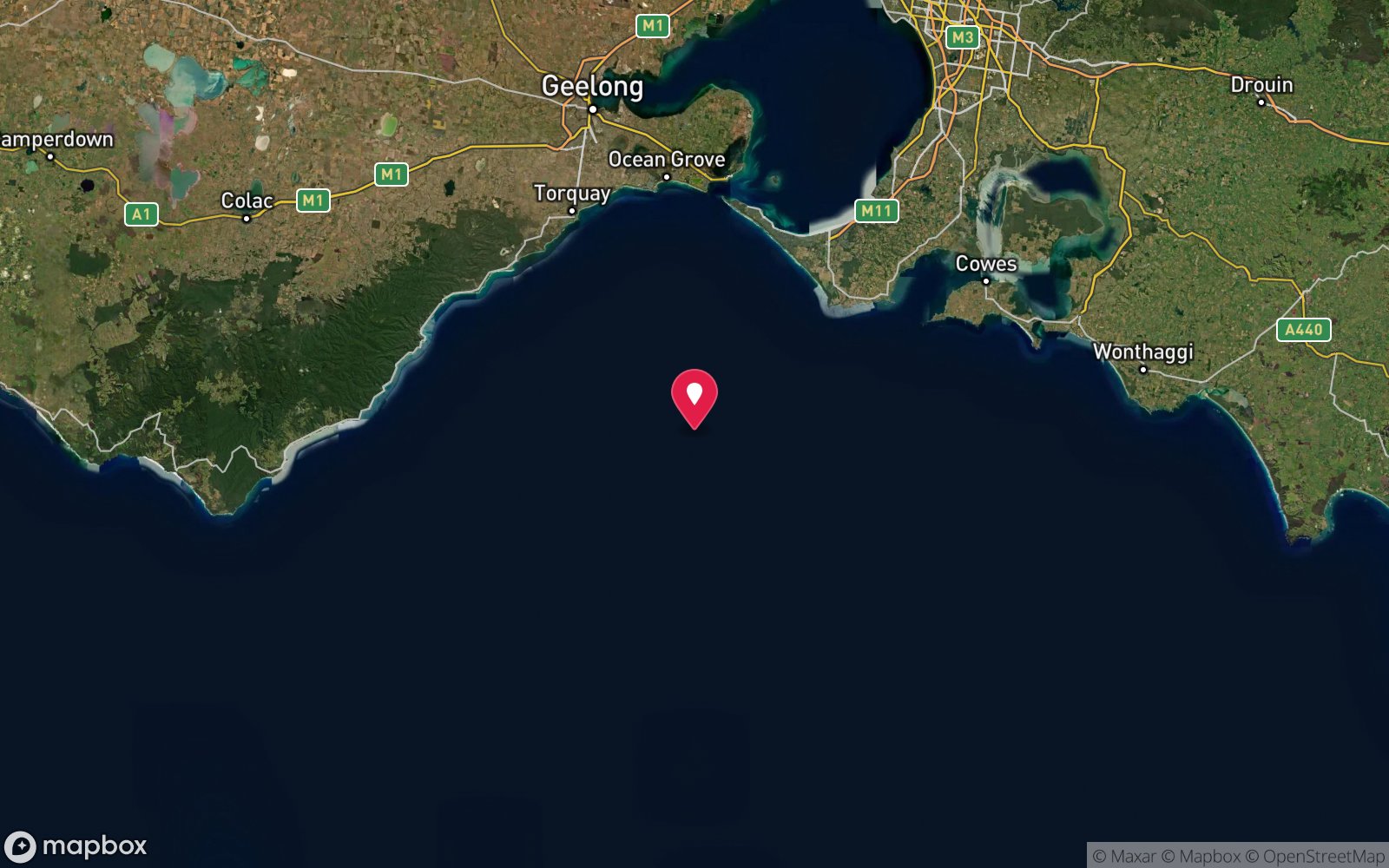
SS Federal
Offshore: 34 km · A collier lost with all hands in a 1901 gale and found by CSIRO sonar in 2019, lying broken in 115 m off Cape Conran – a protected zone and not a practical dive.
4. Port Phillip Heads · VIC
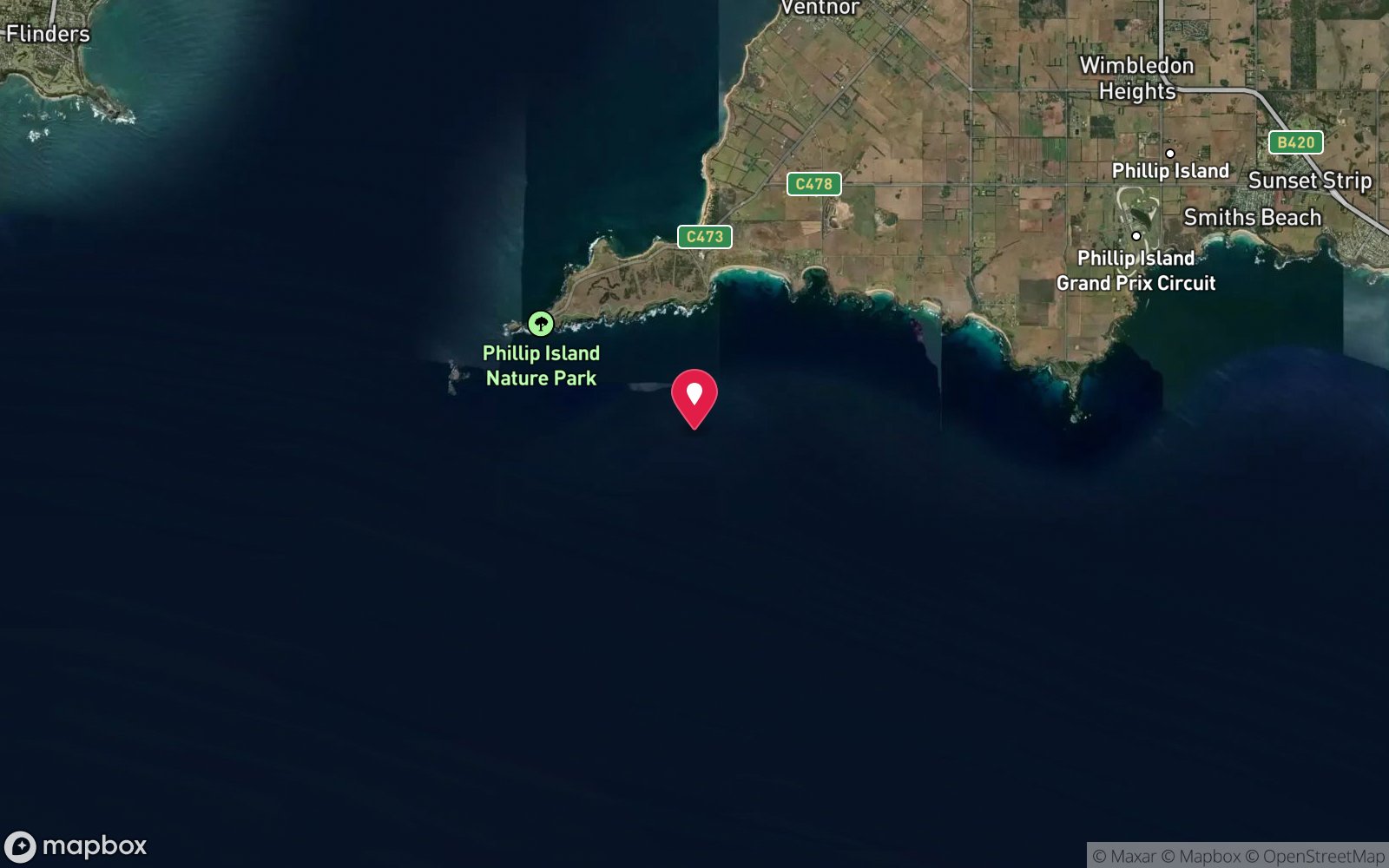
HMAS Bayonet
Offshore: 30 km · An Attack-class patrol boat scuttled in 1999 and found in 2001 – upright and clean in 82 m off Cape Schanck with waterline marks still readable; a rare rebreather expedition dive.
5. Phillip Island & Western Port · VIC
TSS Coramba
Offshore: 18 km · A Western District coastal steamer lost with all 17 hands in a 1934 storm, found by Southern Ocean Exploration in 2011 lying almost upside down in 66 m south of Seal Rocks.
6. Surf Coast & Great Ocean Road · VIC
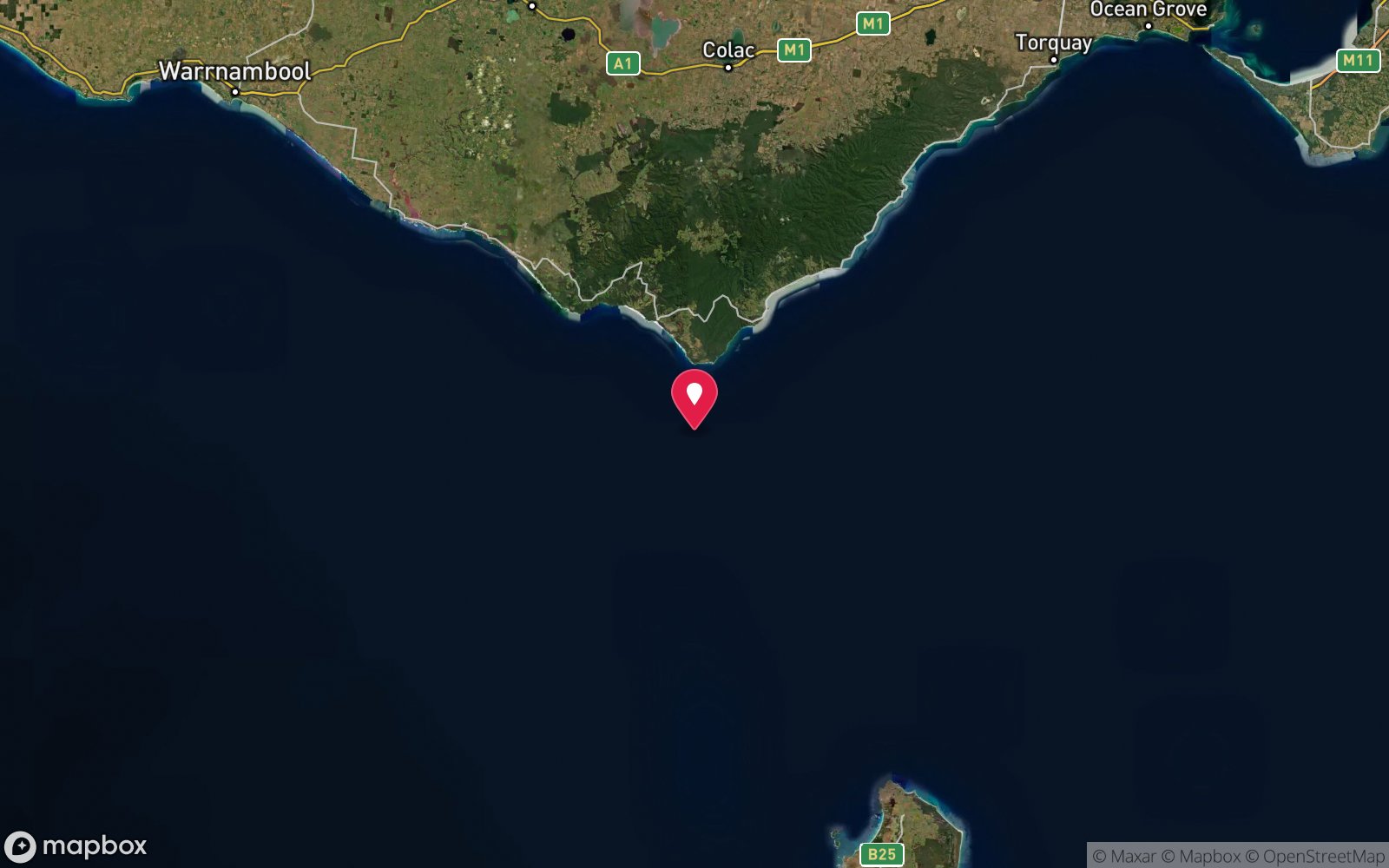
City of Rayville
Offshore: 14 km · The first American merchant ship lost in WWII, intact and upright in 82 m off Cape Otway – Victoria's premier deep technical wreck.
7. East Gippsland · VIC
Gabo Island (Santa Barbara Bay)
Offshore: 14 km · A sheltered granite bay and jetty on a lighthouse island 14 km off Mallacoota, with blue groper, banded morwong, dolphins, seals and penguins in warm-temperate water; the far-east frontier of Victorian diving.
8. Melbourne & Port Phillip Bay · VIC
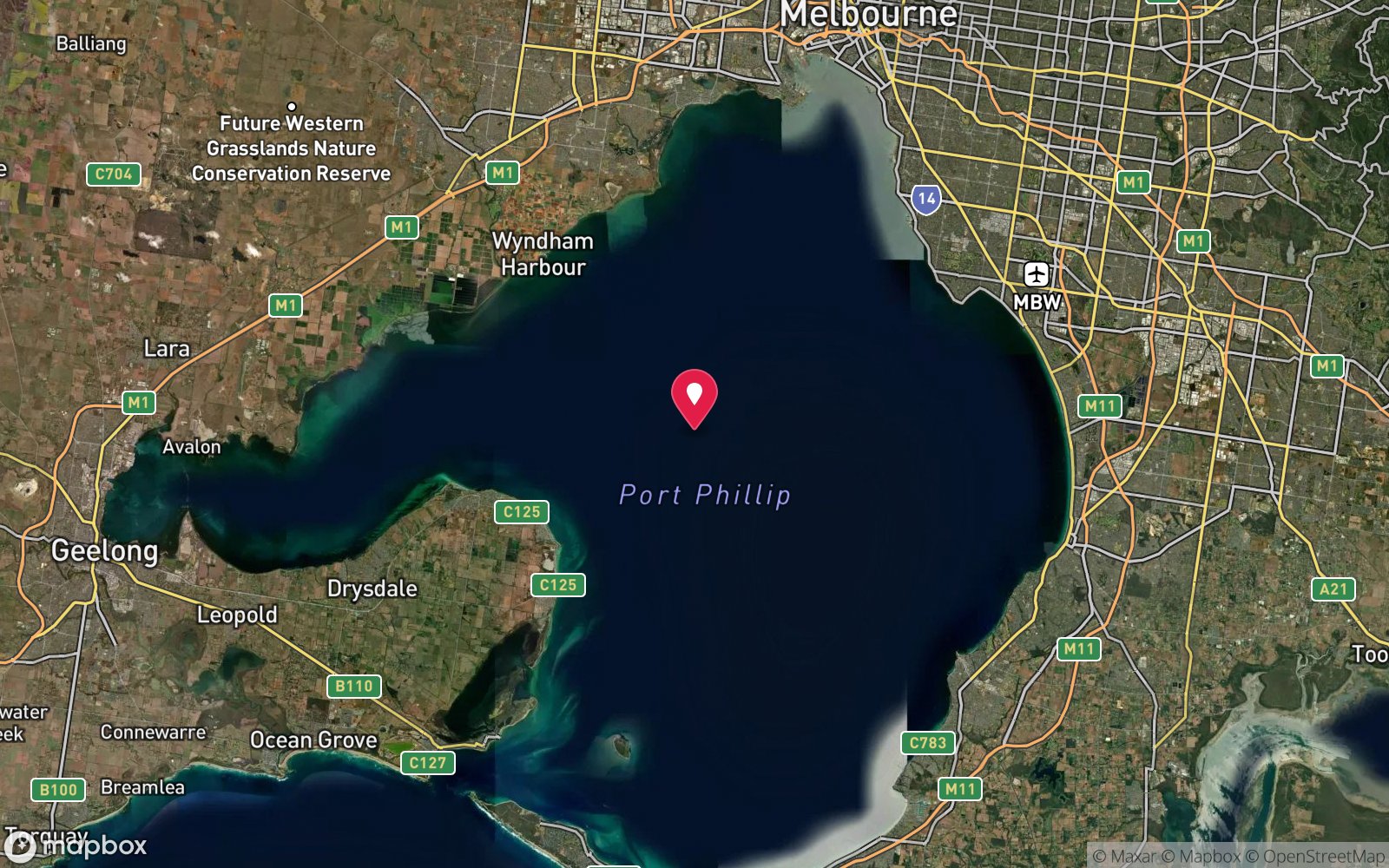
SS City of Launceston
Offshore: 12 km · An 1863 Bass Strait steamer sunk in an 1865 collision and lying complete from keel to deck in 21 m of silt with the other ship's bow still in her side – Australia's best-preserved 19th-century steamship, permit only.
9. Port Phillip Heads · VIC
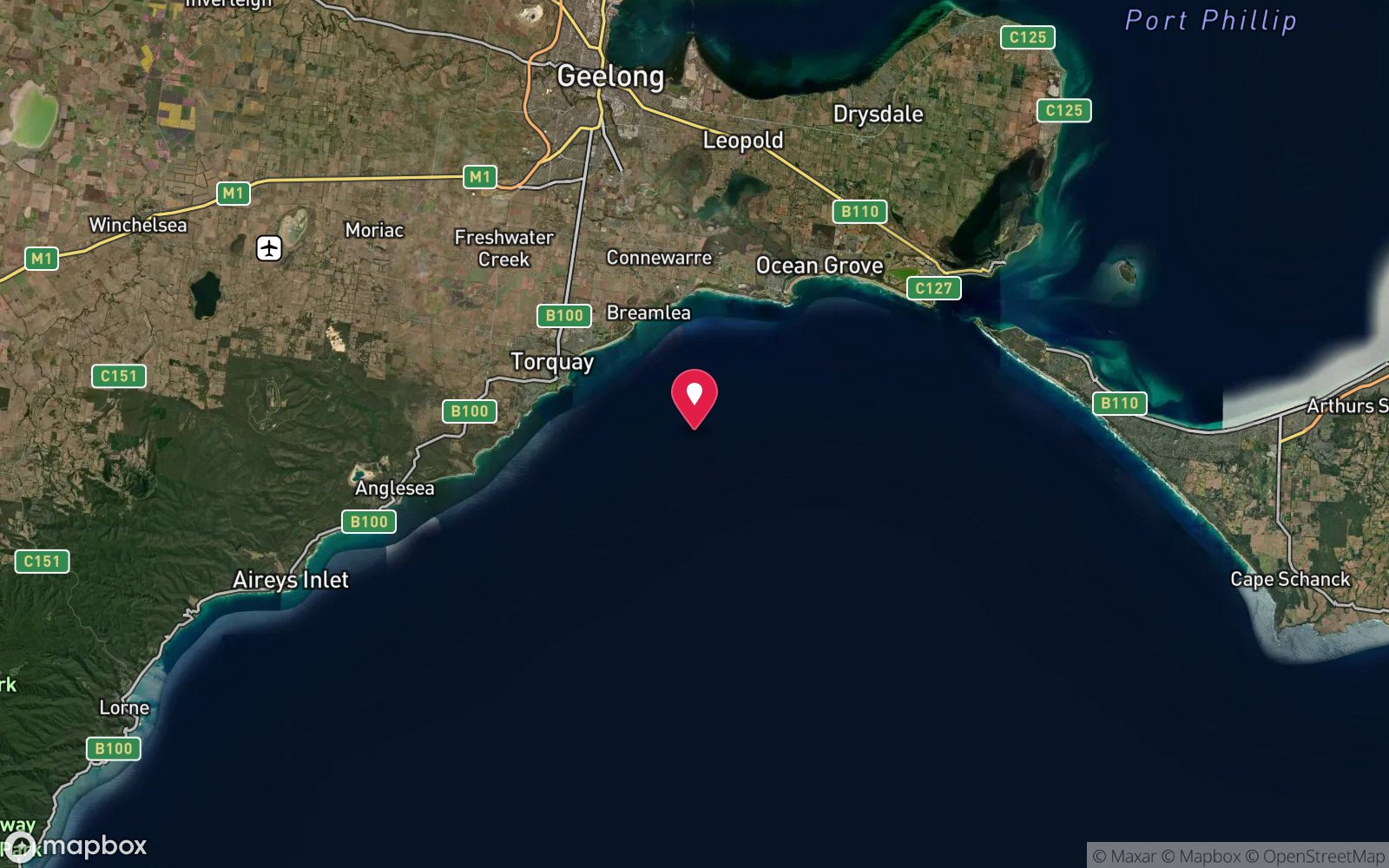
Bunyip
Offshore: 11 km · An 1879 Renfrew-built Harbour Trust bucket dredge – one of the oldest hulls in the ground, scuttled in 1955 after breaking adrift in a storm – lying in about 58 m at the remote south-western edge.
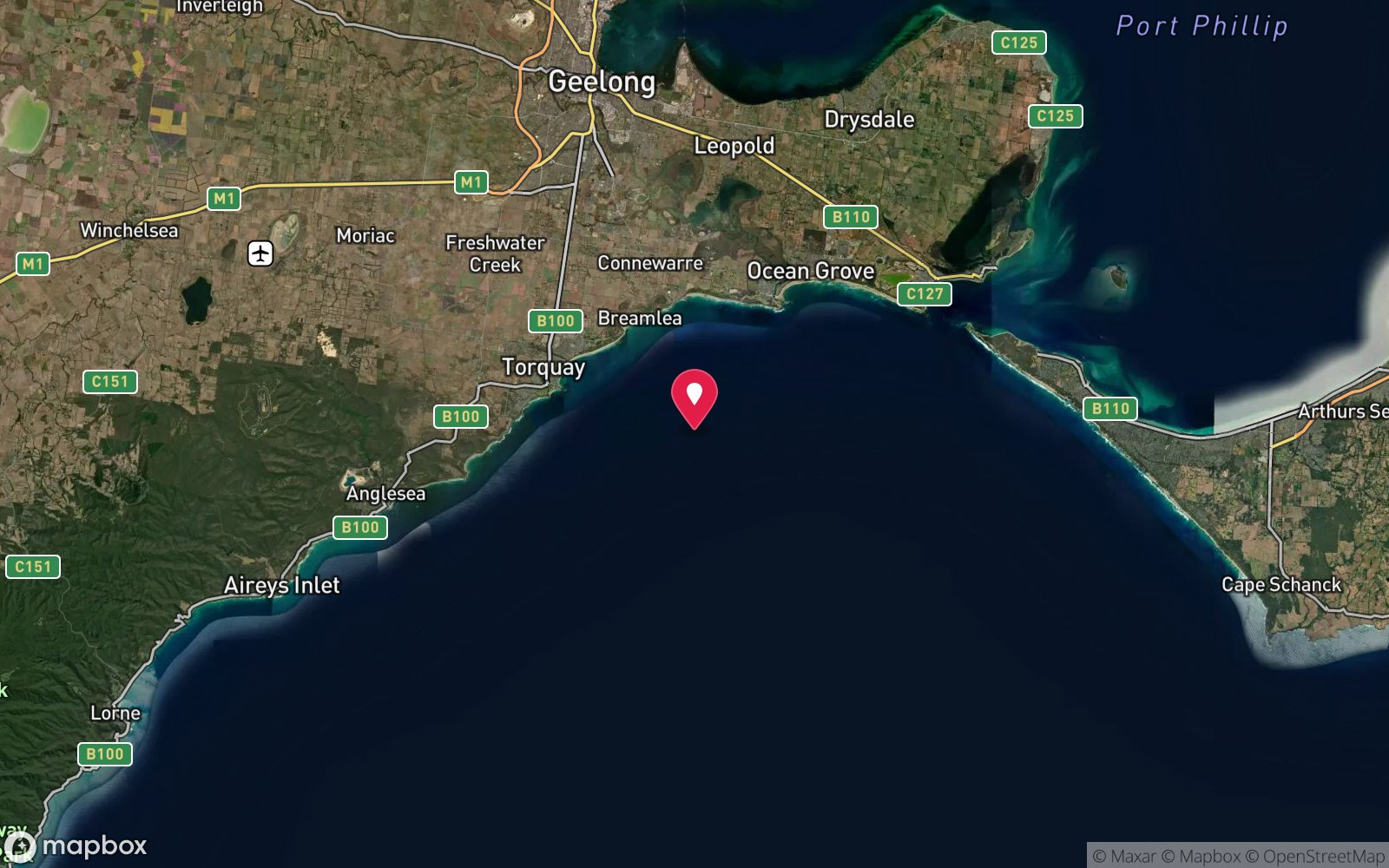
10. Port Phillip Heads · VIC
D McLennan
Offshore: 11 km · A 1912 Dutch-built bucket dredge bought from Batavia by the Harbour Trust and scuttled in 1949 – on sand in 58 m at the remote south-western edge, rarely dived and little documented.
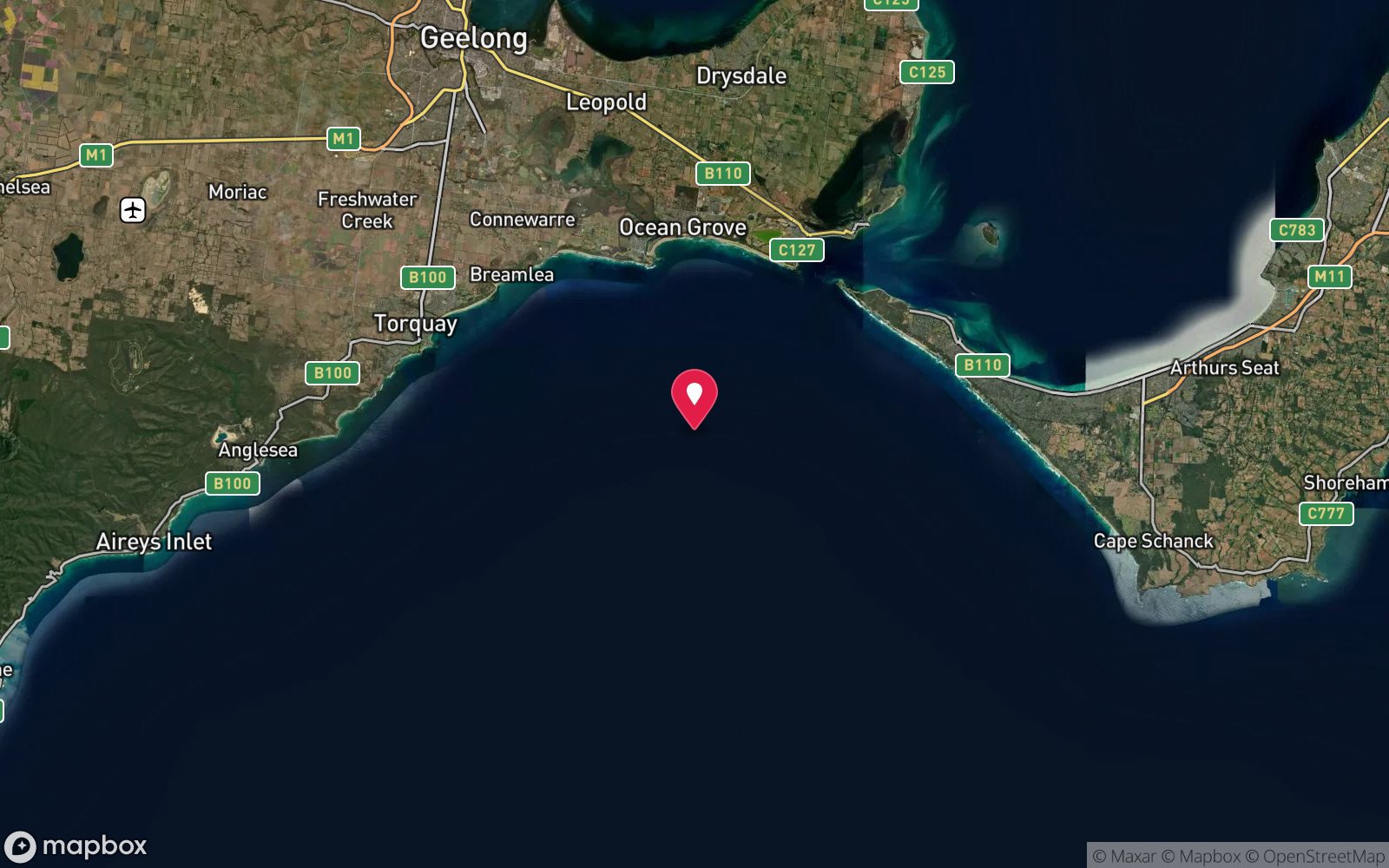
11. Port Phillip Heads · VIC
Don Diego
Offshore: 11 km · The oldest hull in the Graveyard – an 1855 Greenock-built iron barque and coal hulk scuttled in 1916 – bow and stern rising 4 m from the sand in 70–72 m near the shipping lanes.
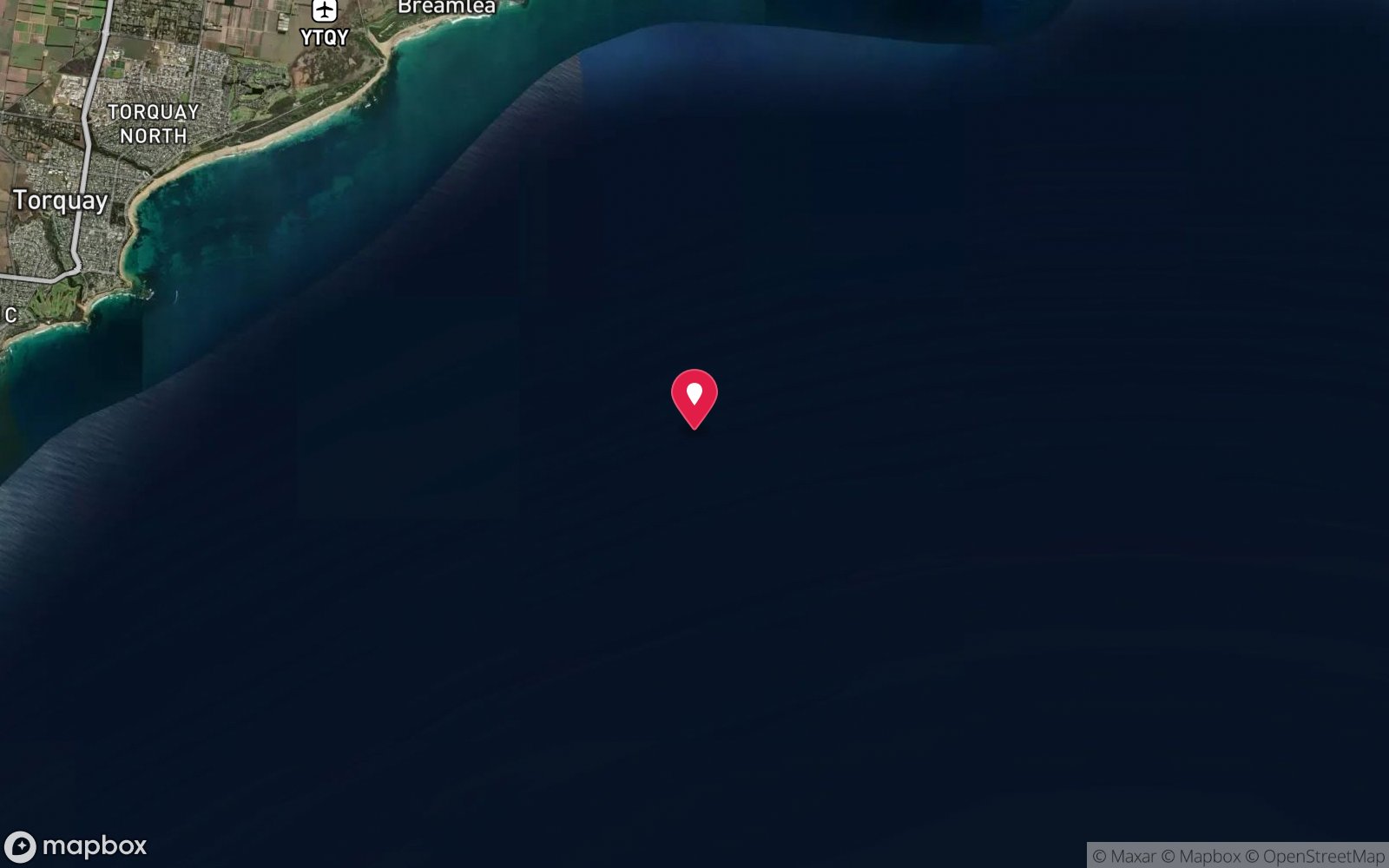
12. Port Phillip Heads · VIC
Casablanca
Offshore: 10 km · An 1868 iron barque scuttled in 1950 with all three masts still aboard – crow's nest across the hull and a sailing-ship wheel on the stern, in 57 m; the Graveyard's most evocative windjammer.
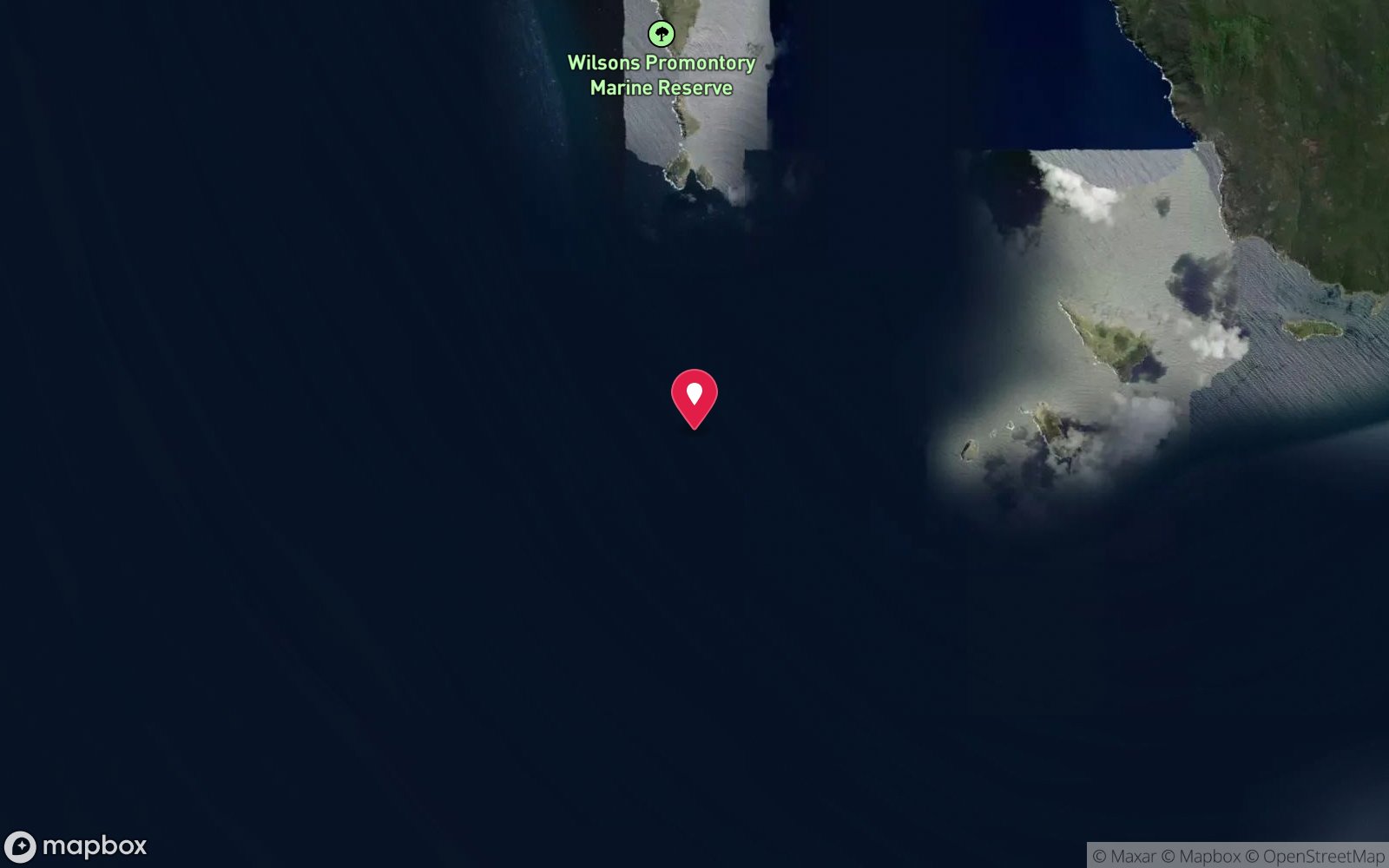
13. Wilsons Promontory · VIC
Skull Rock
Offshore: 10 km · Sheer granite walls dropping past 65 m beneath the Prom's landmark sea-cave island, in the clearest water in Victoria, with fur seals for company; the state's premier remote wall dive.
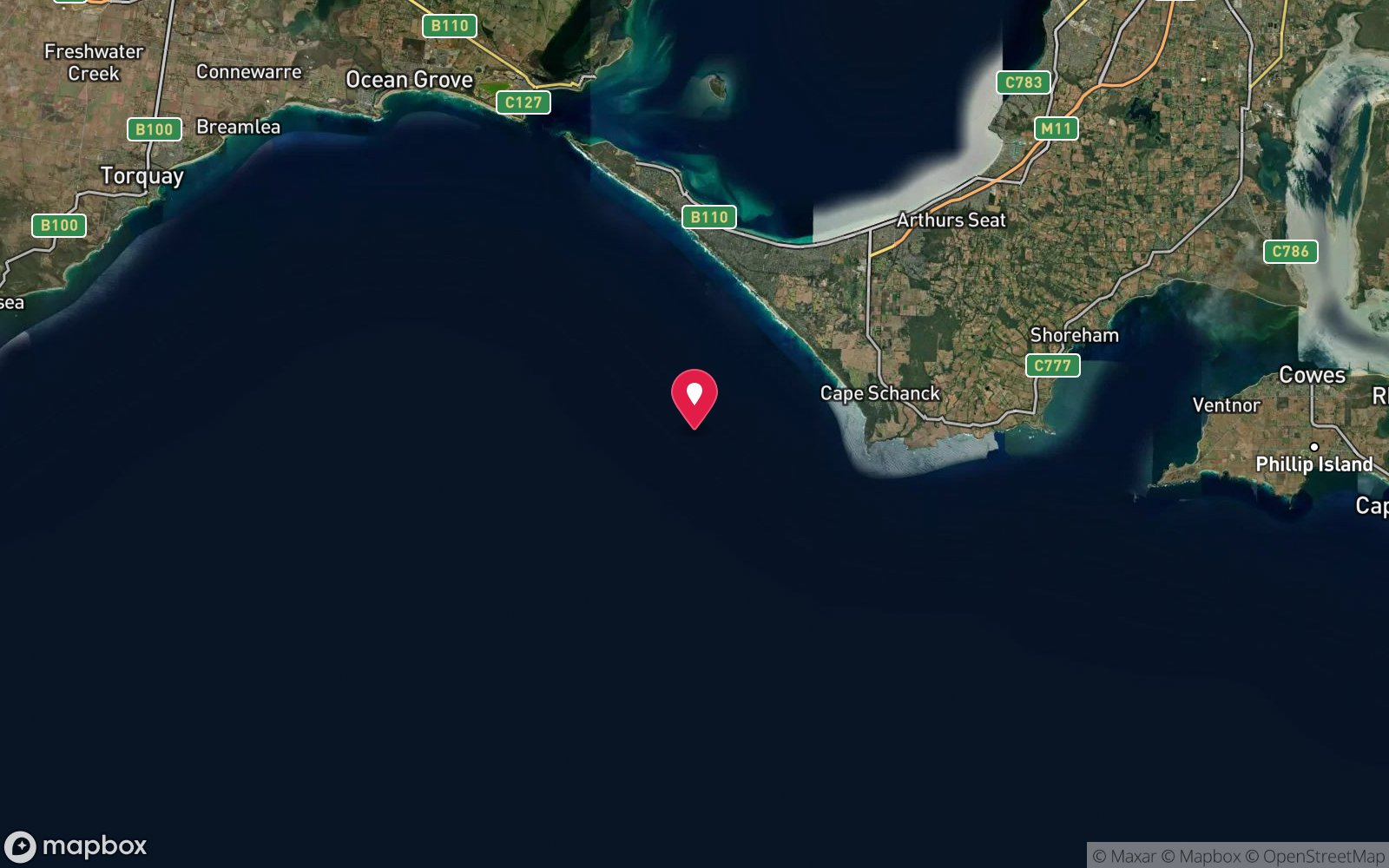
14. Port Phillip Heads · VIC
SS Alert
Offshore: 10 km · An upright, largely intact 1877 iron steamer in 75 m, lost with 15 lives in 1893 and found by Southern Ocean Exploration in 2007; permit-only protected zone.
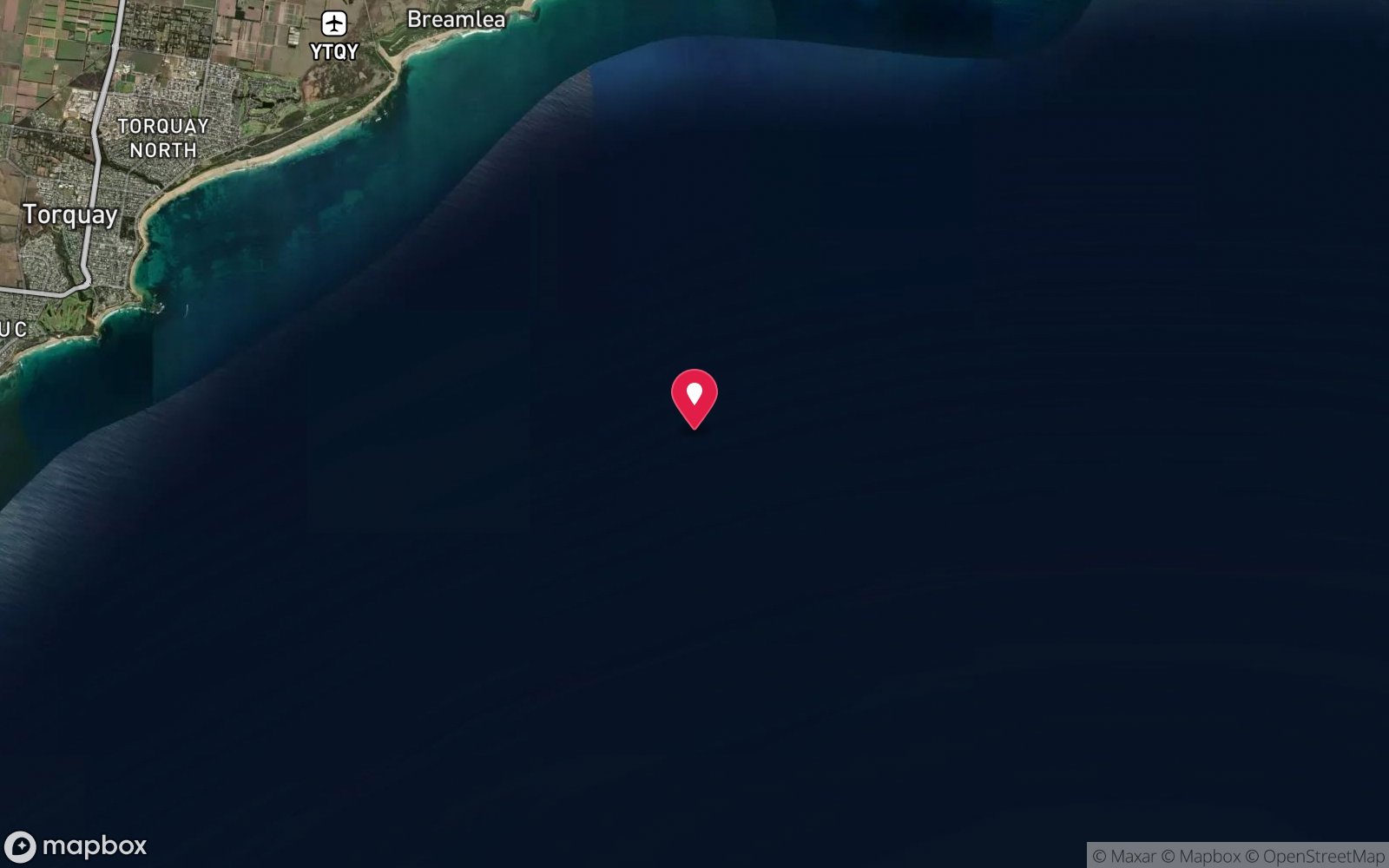
15. Port Phillip Heads · VIC
VHB 53
Offshore: 10 km · The last vessel scuttled in the Ships' Graveyard (1971) – a Dutch hopper barge in 52–57 m with a penetrable stern and its great door-cog lying on the sand alongside.
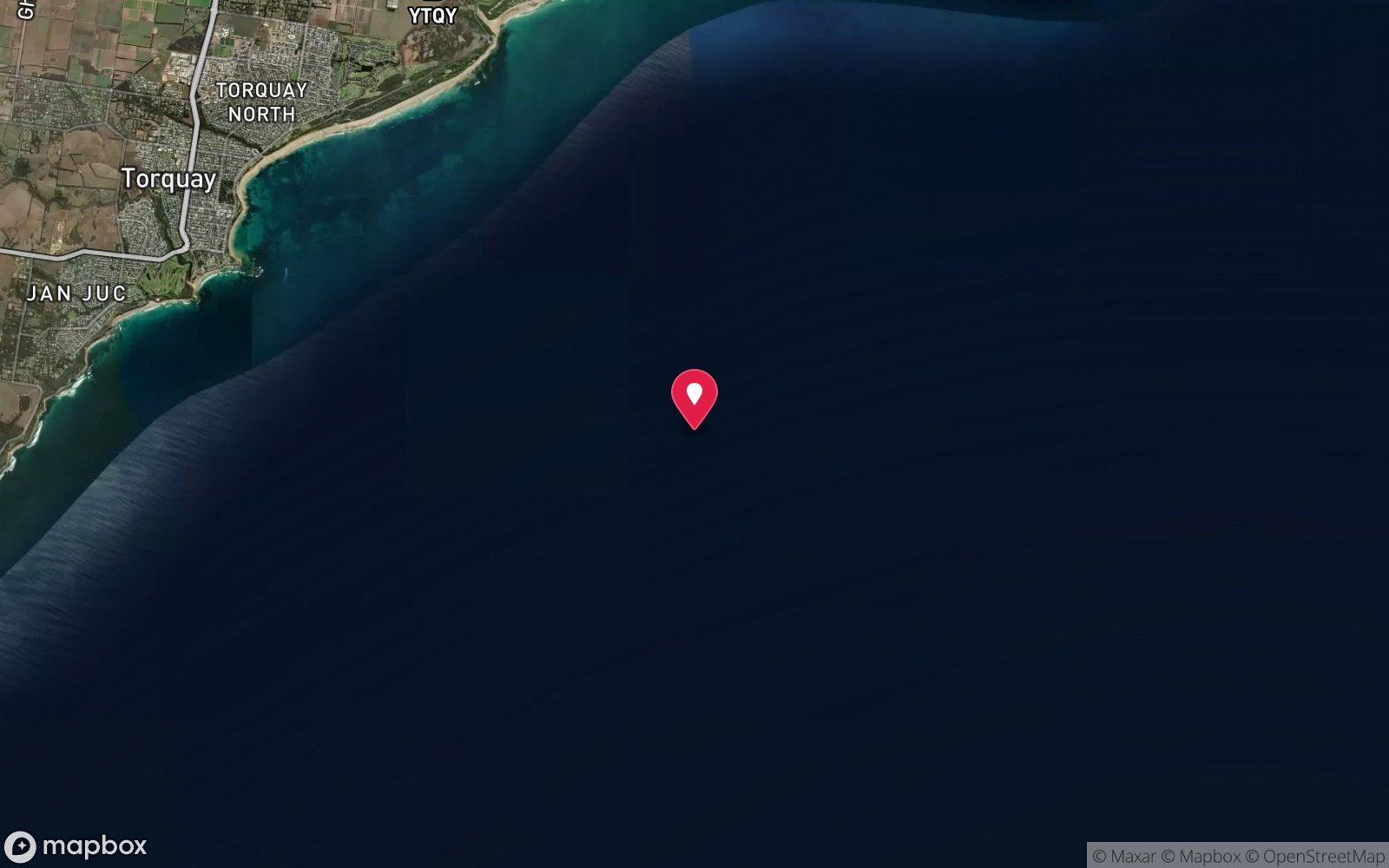
16. Port Phillip Heads · VIC
White Pine
Offshore: 10 km · An 1879 Aberdeen-built iron barque famous for fast passages, ending as a Harbour Trust coal hulk in 1947 – intact bow and prominent boilers in 48–57 m at the south-western edge of the Graveyard.
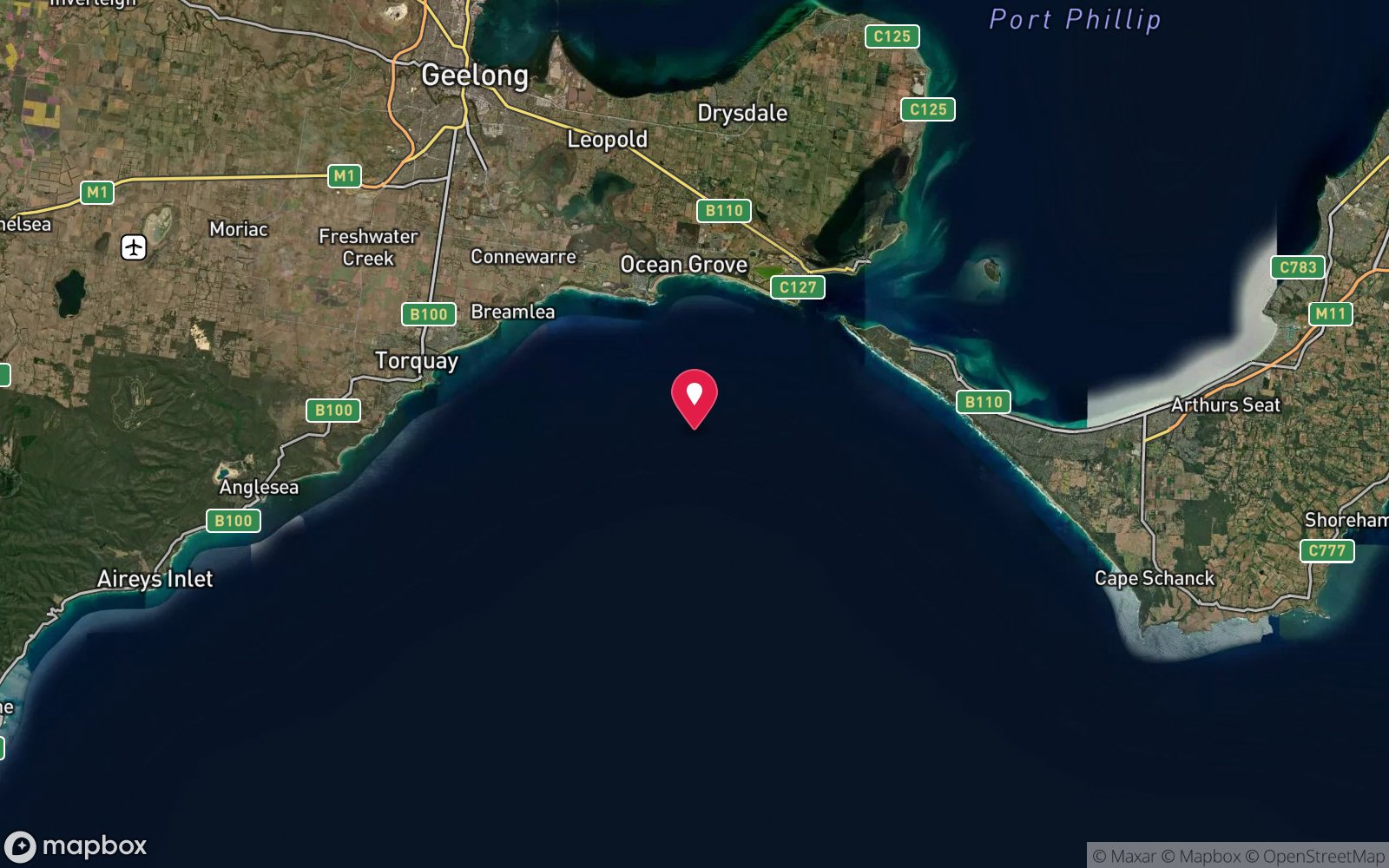
17. Port Phillip Heads · VIC
Brunette
Offshore: 9 km · An 1859 Thames-built iron barque and coal hulk – the first vessel scuttled in the Graveyard (1913) – found by Southern Ocean Exploration in 2006 lying in 70 m.
18. Port Phillip Heads · VIC
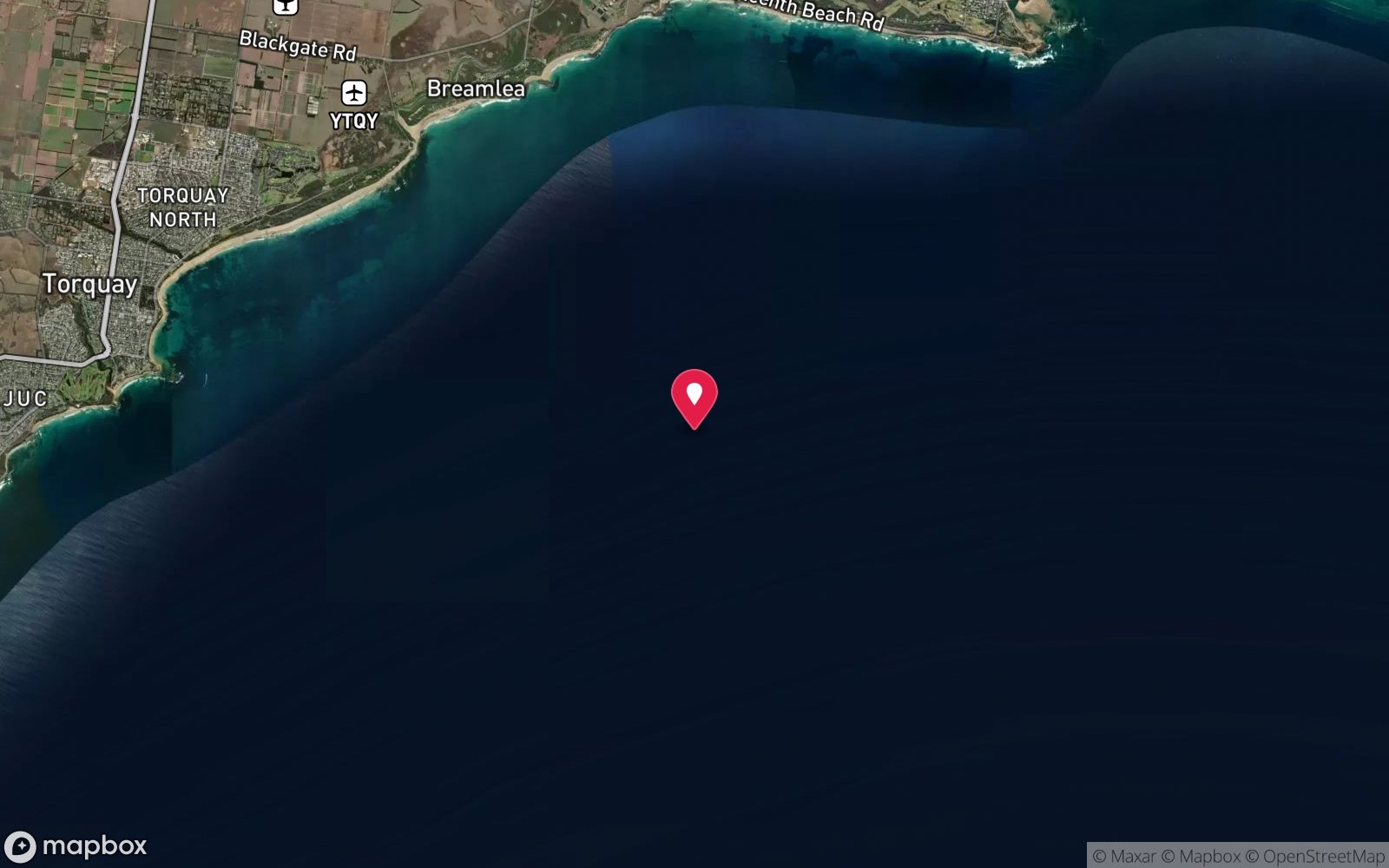
Burke
Offshore: 9 km · Sister of the Wills, an 1884 Adelaide-built Harbour Trust hopper barge scuttled in 1935, lying in about 50 m 500 m from the Euro; rarely dived and little documented.
19. Port Phillip Heads · VIC
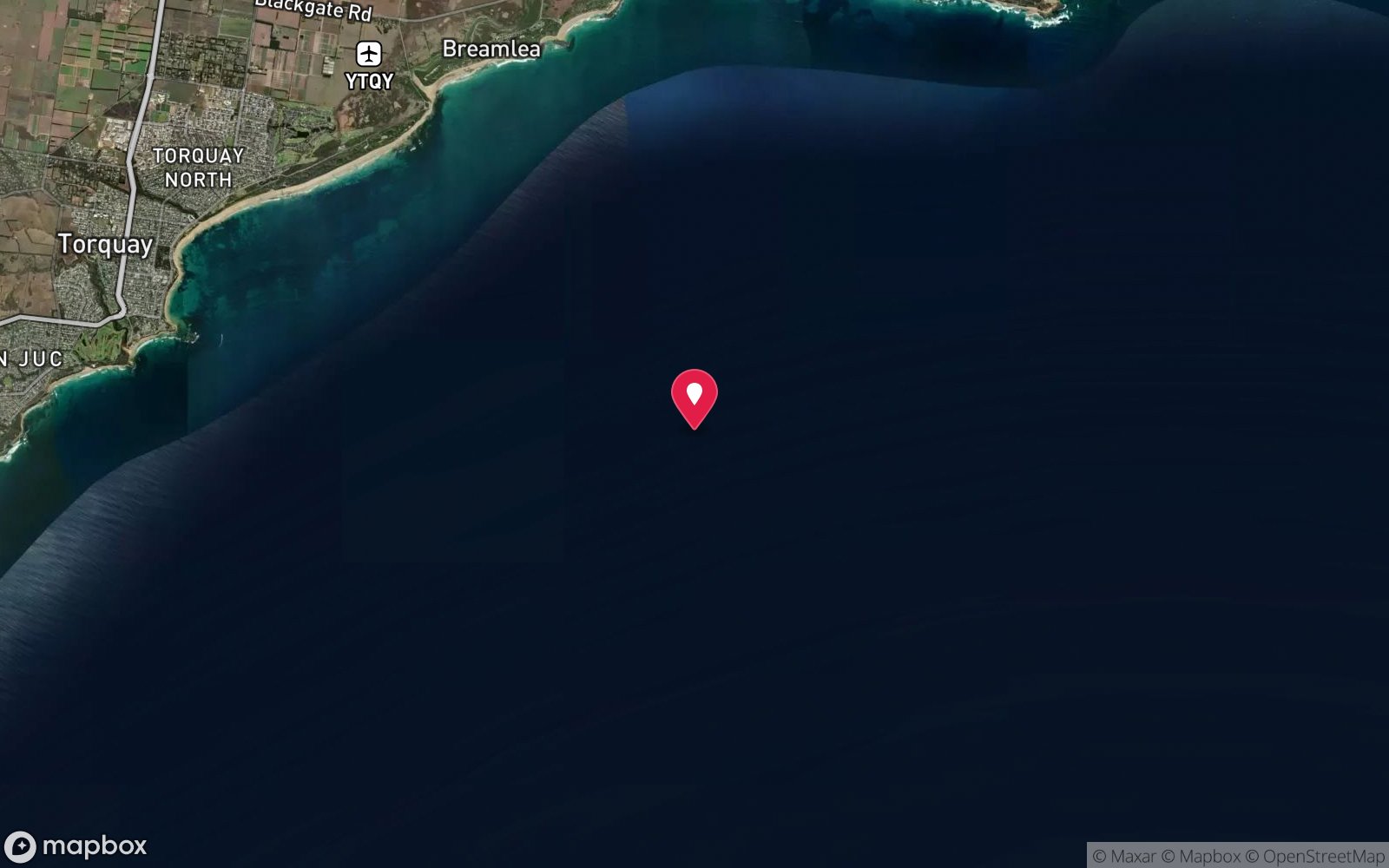
Edward Northcote
Offshore: 9 km · Sister of the H.C. Piggot and a WWI minesweeper, the last Harbour Trust barge scuttled (1952) – substantially intact hull with propeller in place, boilers removed, in about 52 m.
20. Port Phillip Heads · VIC
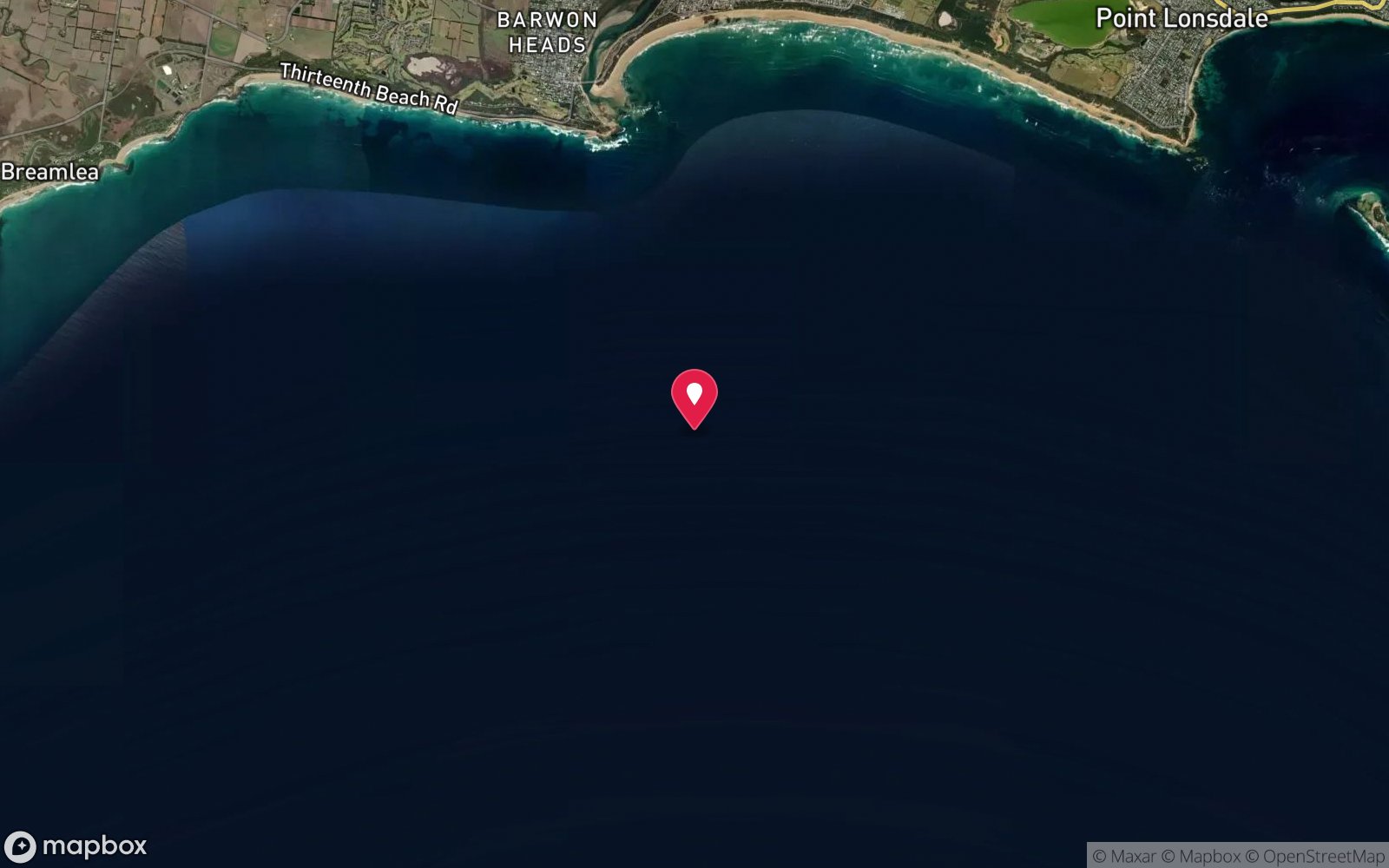
SS Buninyong
Offshore: 9 km · Second-largest wreck in the Graveyard – intact bridge with an exhaust stack across it and three boilers in 50–54 m; a trimix favourite.
21. Port Phillip Heads · VIC
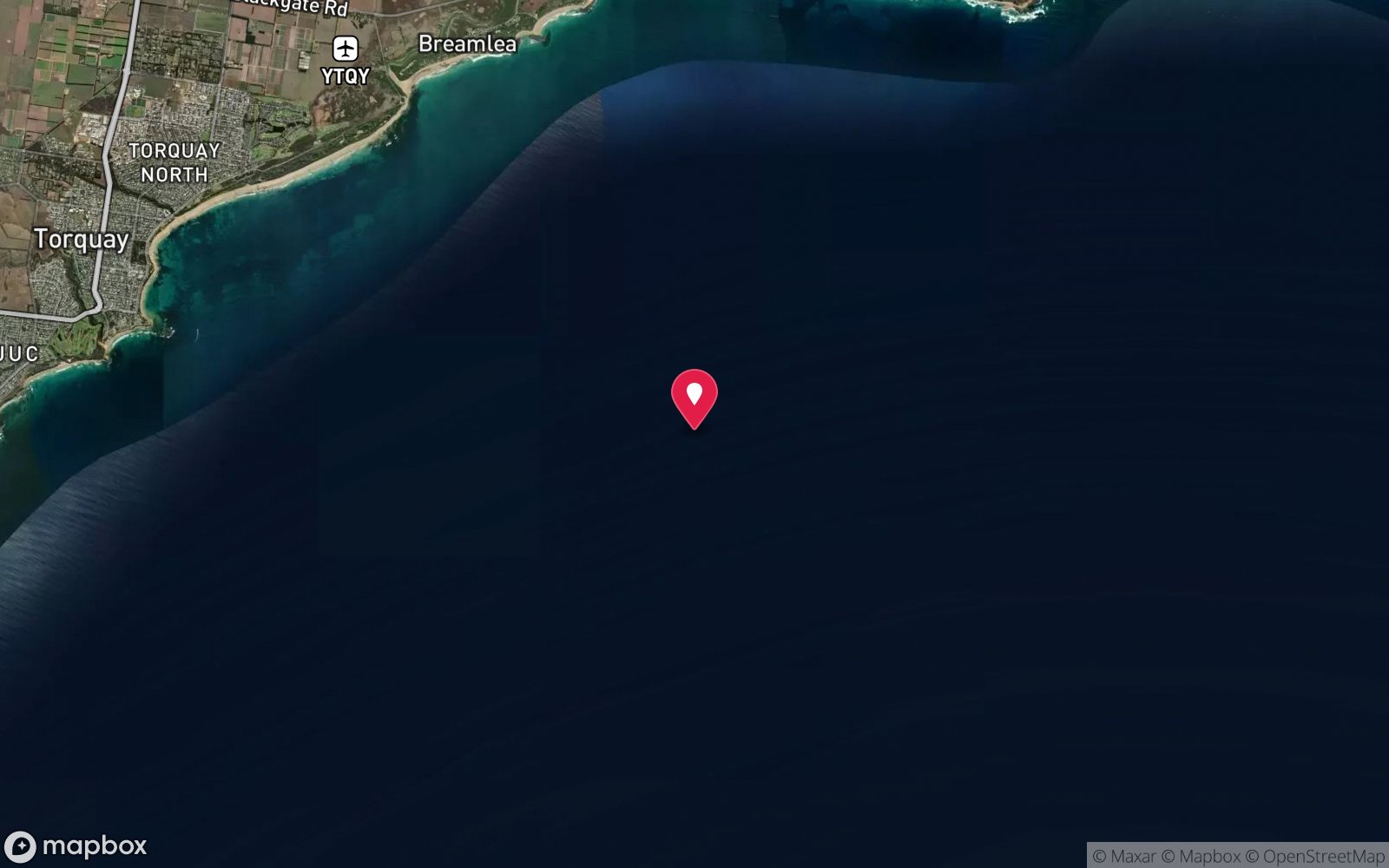
Wareatea
Offshore: 9 km · A 1883 Bass Strait passenger-cargo steamer with twin hatches and central superstructure under heavy sponge growth in 48 m; rarely dived.
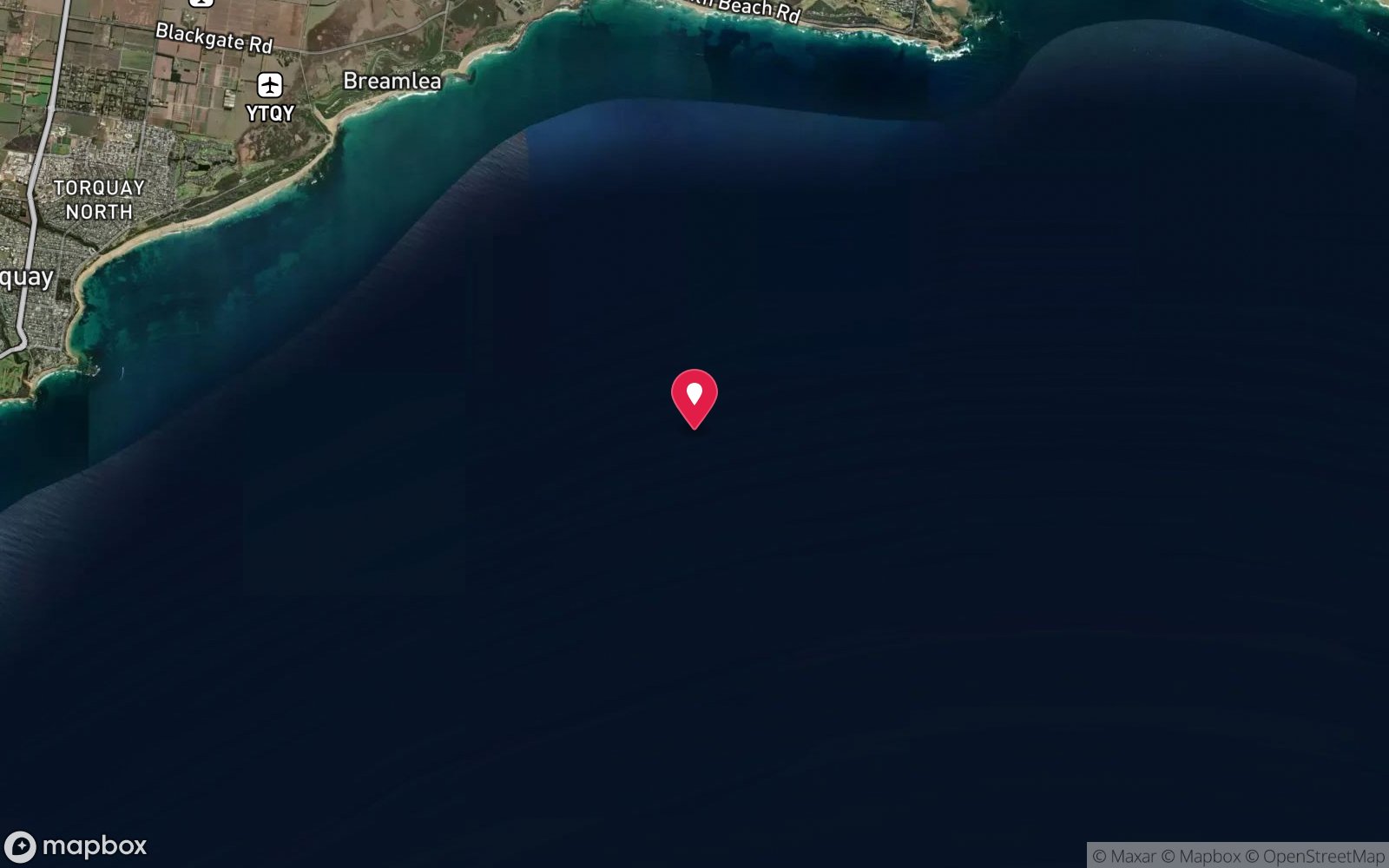
22. Port Phillip Heads · VIC
Wills
Offshore: 9 km · One of the five Harbour Trust hopper barges scuttled together in 1935 – an 1884 Adelaide-built sister of the Burke, in about 55 m; rarely dived and little documented.
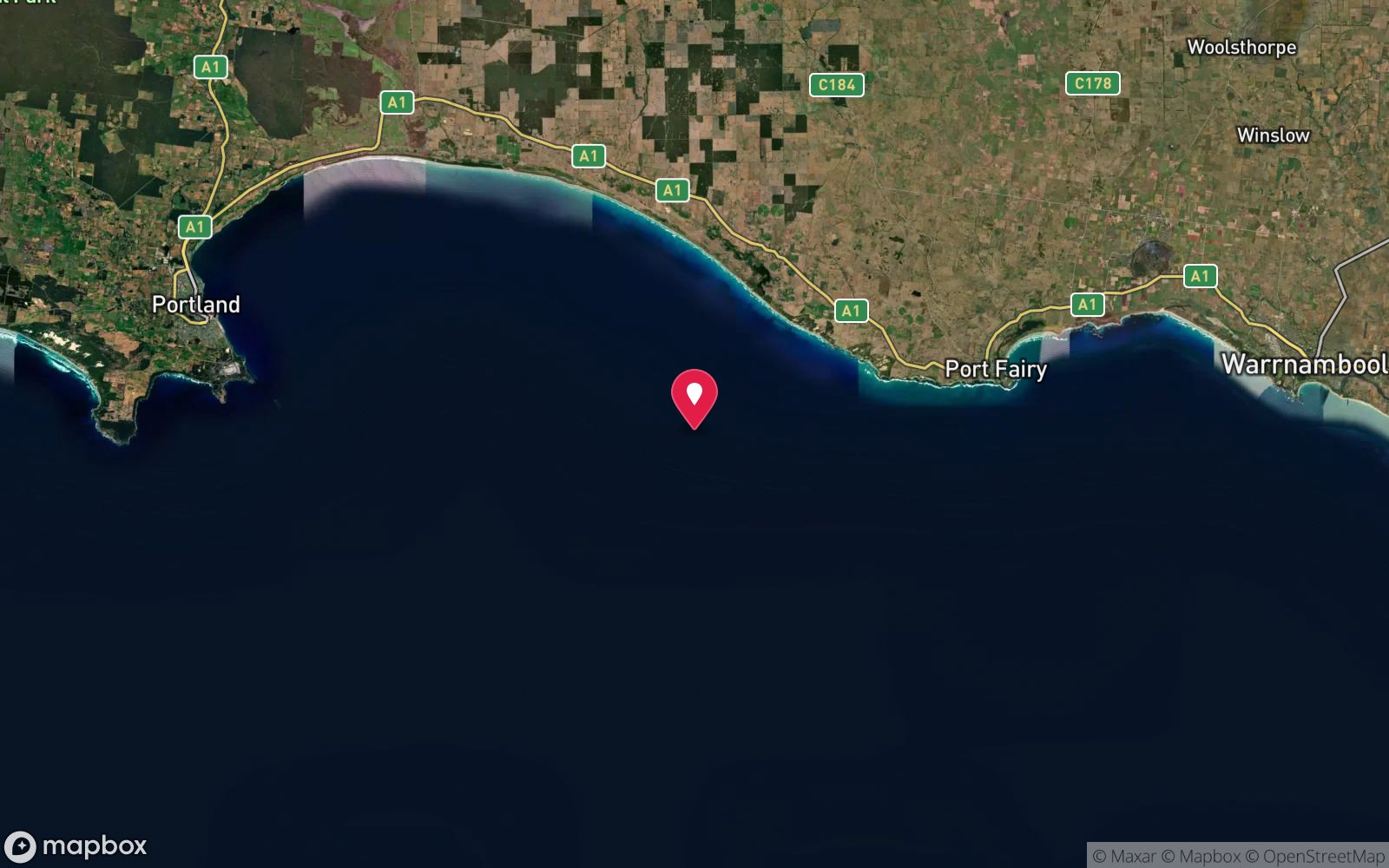
23. Portland & the West · VIC
Blowhole & Thunder Point, Lady Julia Percy Island
Offshore: 8 km · An 18 m wide sea cave penetrating deep under Deen Maar, diveable only in a flat calm – few have seen it, fewer have dived it.
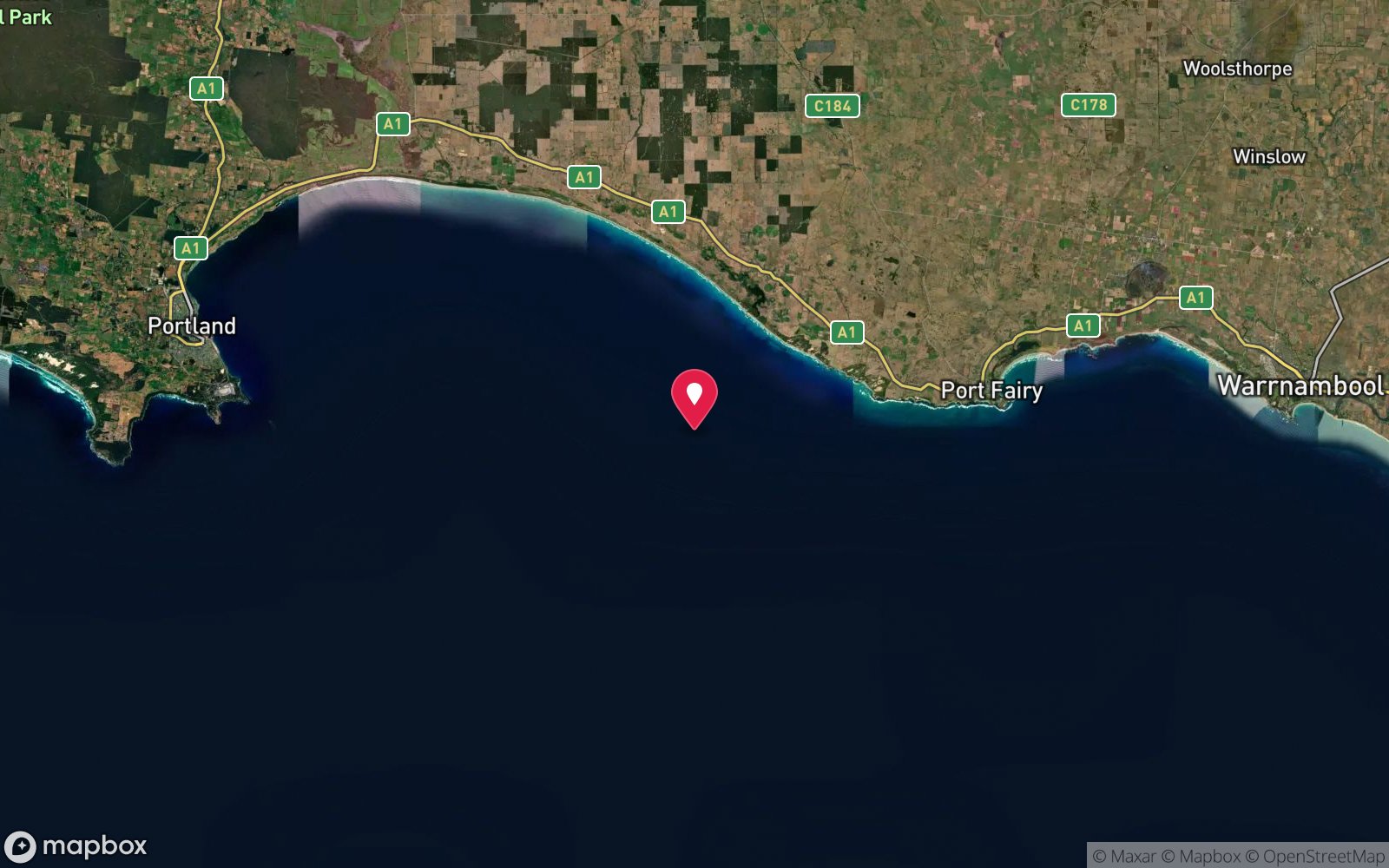
24. Portland & the West · VIC
Lady Julia Percy Island (Deen Maar)
Offshore: 8 km · Victoria's largest fur seal colony under basalt cliffs and sea caves 8 km offshore – the wildest big-animal dive in the state, for the few days a year the crossing allows.
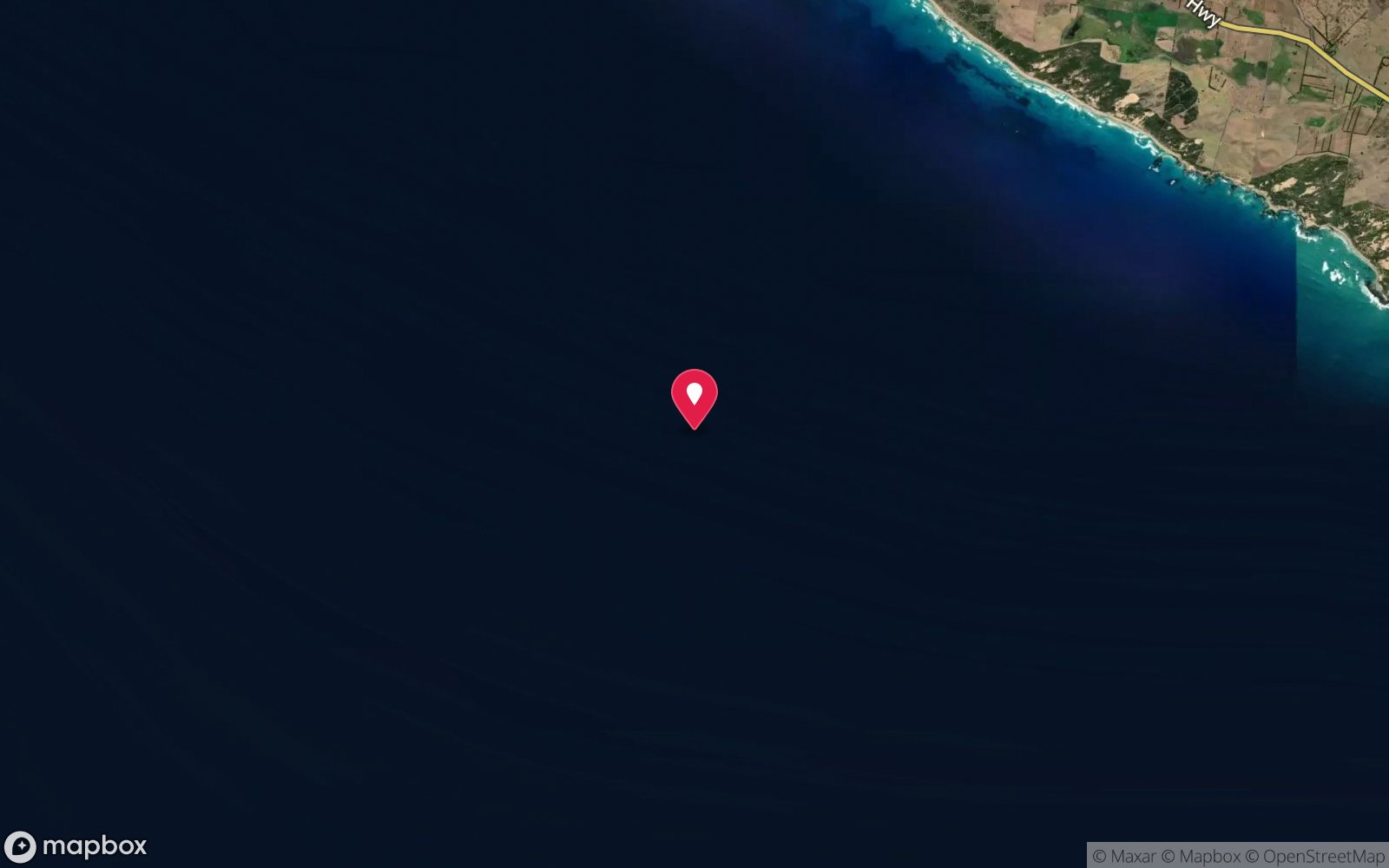
25. Portland & the West · VIC
Landing Bay, Lady Julia Percy Island
Offshore: 8 km · The sheltered northern cove of Deen Maar – the island's easy seal dive and the anchorage that is possible when the exposed sides are not.
26. Portland & the West · VIC
Leopard Seal Reef, Lady Julia Percy Island
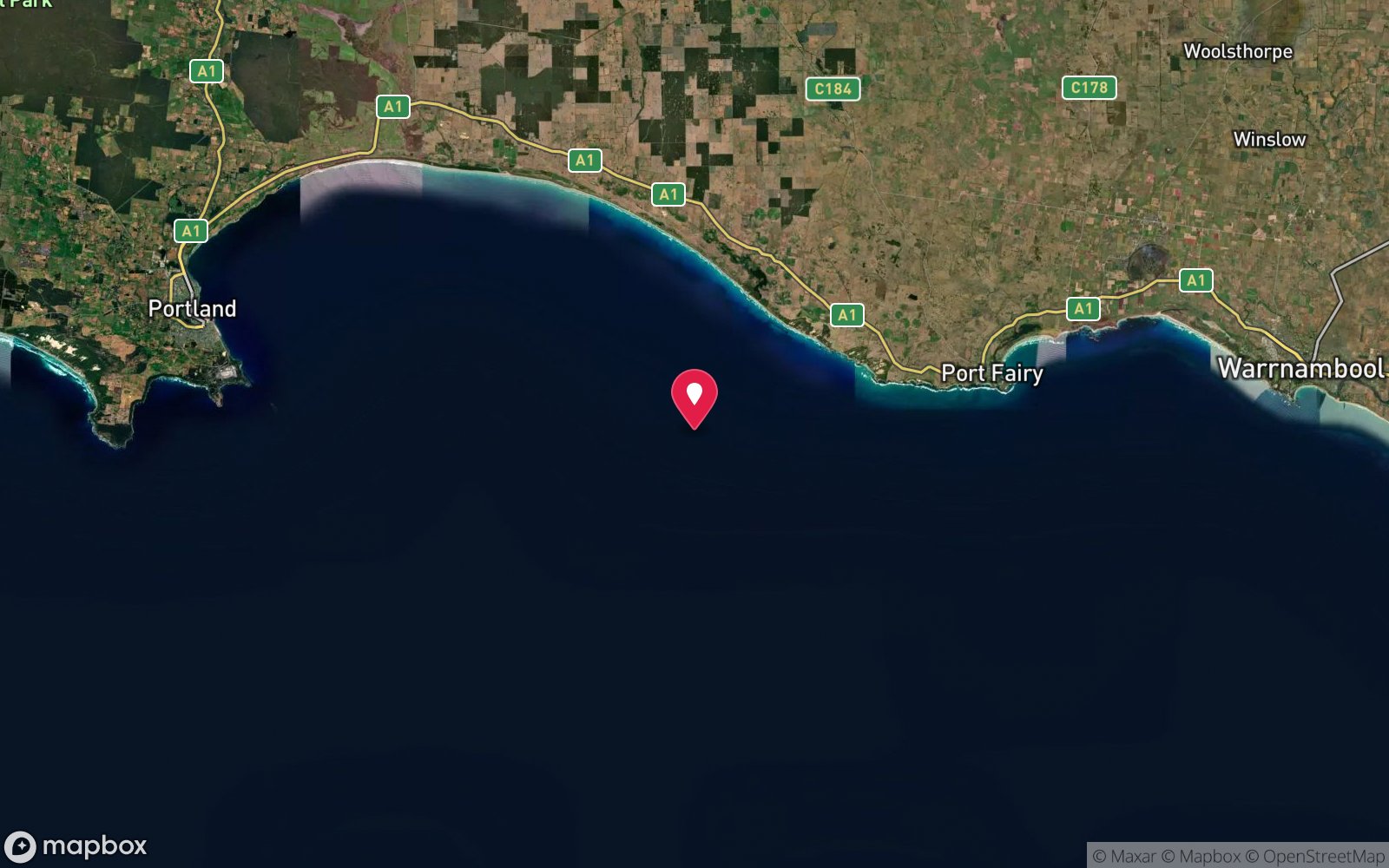
Offshore: 8 km · Giant swell-scoured rock pools floored with car-sized boulders in 10–14 m on the wild southern side of Deen Maar, beside a sea cave and the seal colony.
27. Port Phillip Heads · VIC
Sir William McPherson
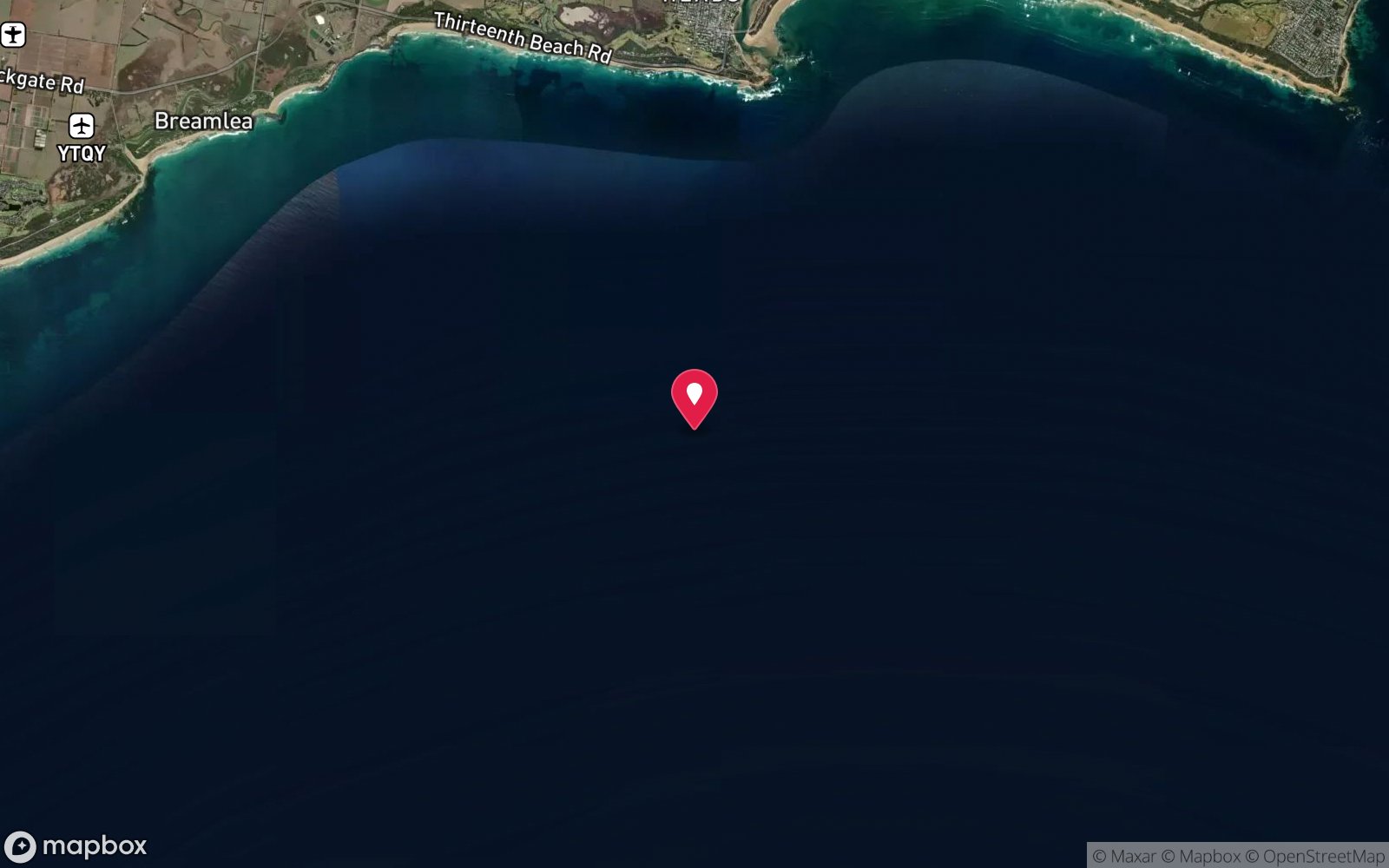
Offshore: 8 km · A 1912 Dutch-built steam dredge with stern boilers you can swim between, standing engine exhausts, surviving timber decking and a large bow anchor, in 52–57 m.
28. Port Phillip Heads · VIC
VHB 54
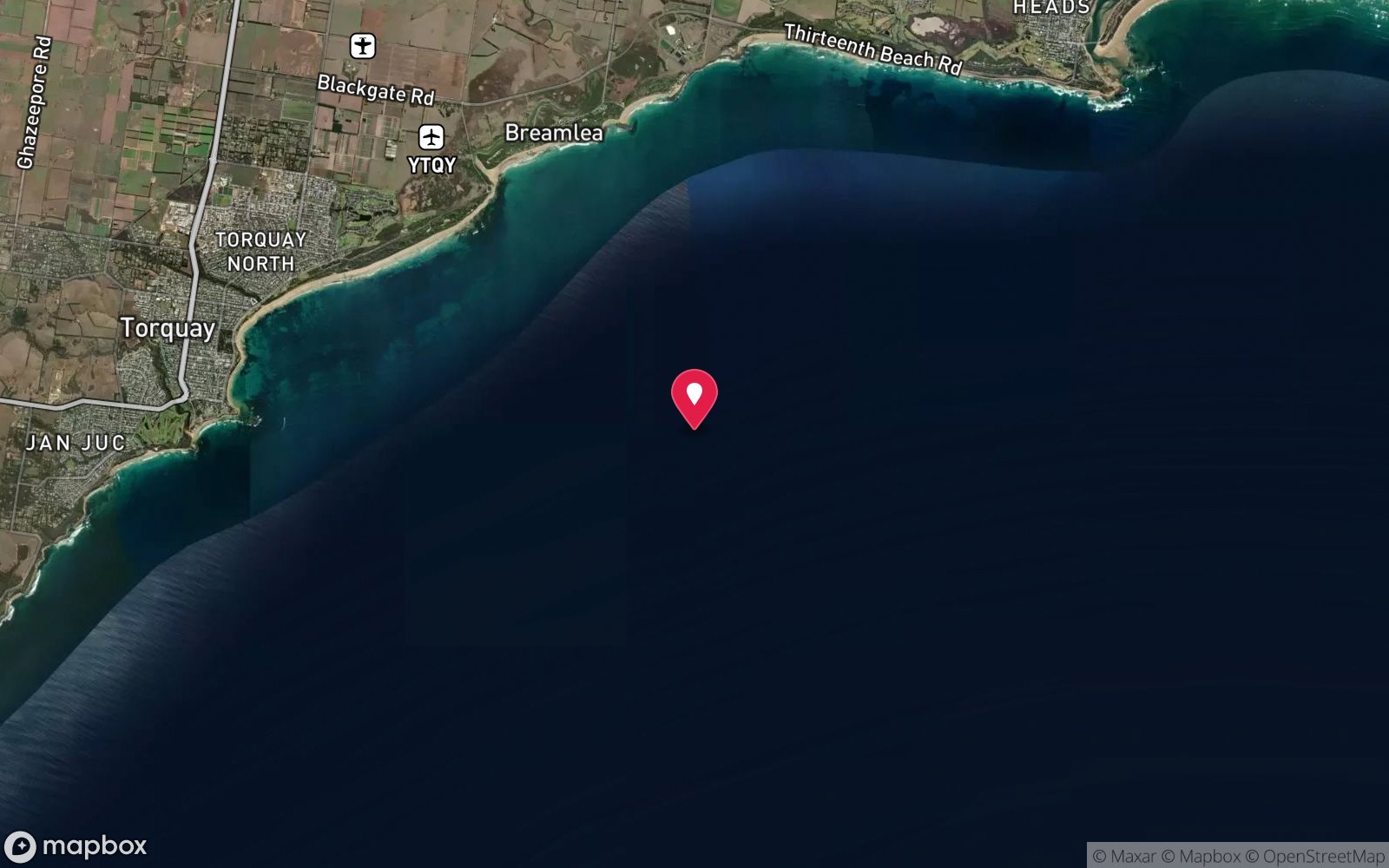
Offshore: 8 km · One of the last two vessels scuttled in the Graveyard (1970) – a simple steel hopper barge with the big cogged door-wheel amidships, in 52–54 m.
29. Port Phillip Heads · VIC
Victorian
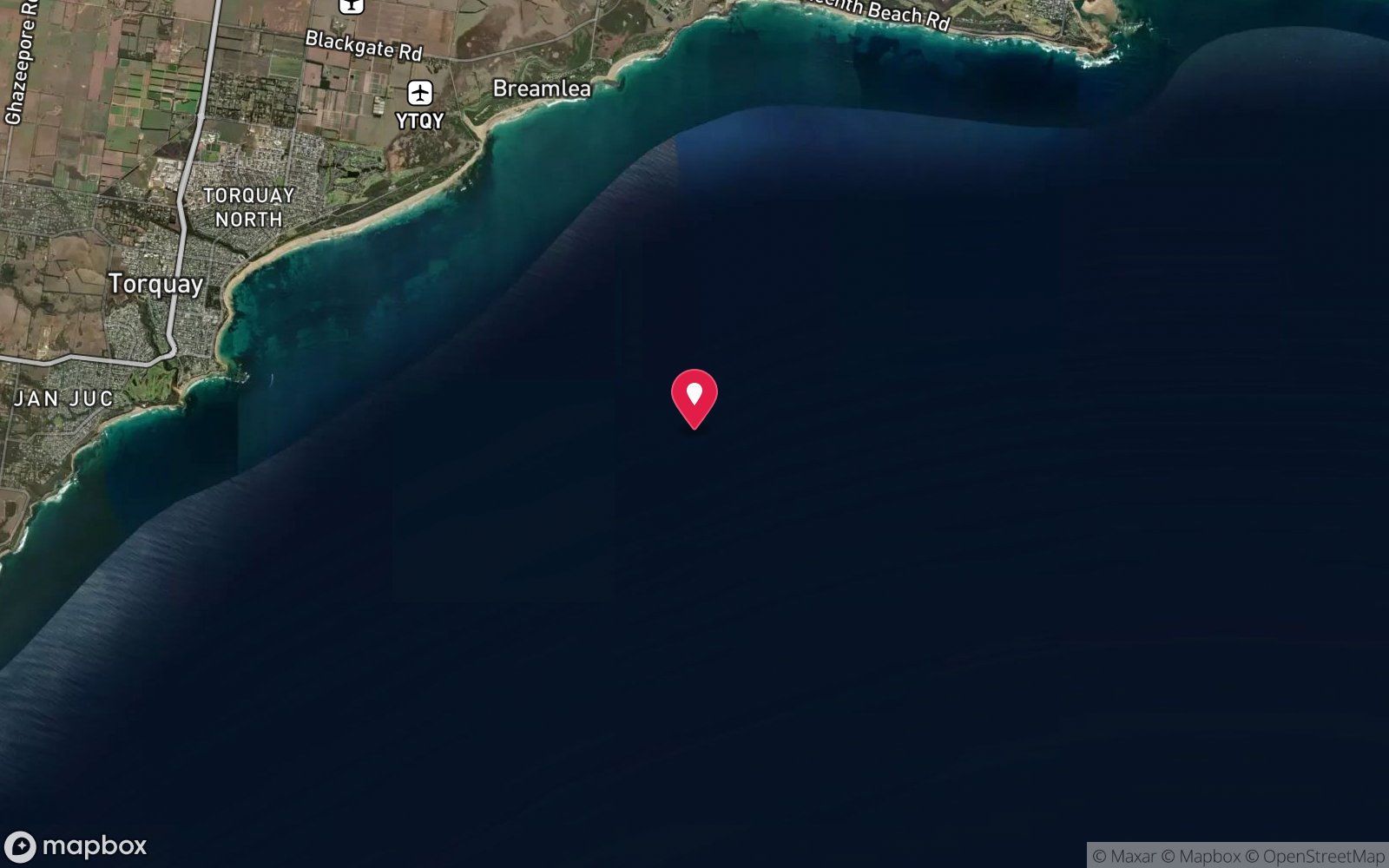
Offshore: 8 km · An 1876 iron steamer and coal hulk dumped in the outer Heads ground in 1925 – position and condition unconfirmed; a sounder target for exploratory technical divers.
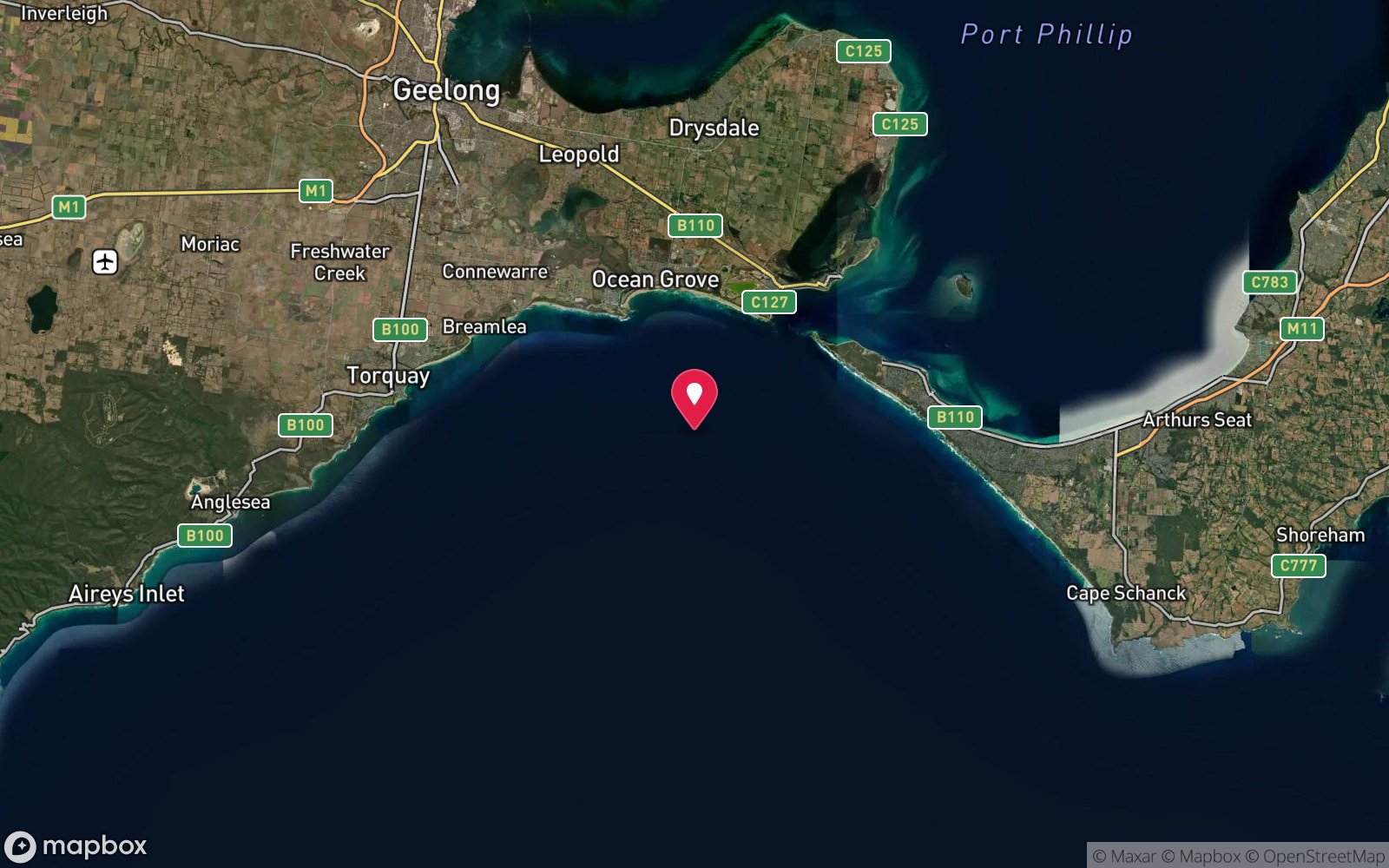
30. Port Phillip Heads · VIC
John Nimmo
Offshore: 7.5 km · An 1887 Footscray-built Harbour Trust bucket dredge standing 4–5 m proud in 68 m – possibly the best-preserved wreck in the Graveyard, with superstructure to explore.
The guide
What remote means here
The list is ordered by distance from the coast among sites recorded as expedition-only or rarely dived, so it is a list of Coral Sea reefs and the atolls off the Kimberley. That is fair: these are the most remote reefs in Australian waters, days from a port and further from a recompression chamber. But remoteness is not only distance. Bass Strait islands, the far south coast of Tasmania, the Great Australian Bight and the Nullarbor caves are remote in every practical sense and sit lower down only because they are near land.
Read the list alongside the under-the-radar ranking, which finds the quiet sites close to home, and the liveaboard category, which is how most divers actually reach the outer reefs.
How to get to the Coral Sea
The Cairns liveaboards run Osprey, Bougainville and Holmes reefs on three- to seven-night trips year-round, with the settled season from September to December. The reefs at the top of this list (Mellish, Lihou, Cato, Marion, Wreck Reef) need an expedition charter of ten days or more, typically out of Cairns, Gladstone or Bundaberg, and they are offered irregularly. Ask the Coral Sea operators about their long-range schedule a year ahead.
For the Rowley Shoals and Scott Reef, boats leave Broome from late September to November. Ashmore Reef is a Commonwealth reserve with permit access and no commercial diving. The Kimberley cruises visit the inshore reefs and the Lacepede Islands rather than the outer atolls.
Safety on an expedition
The nearest chamber to the outer Coral Sea is Townsville, often more than 24 hours away by sea and aeromedical evacuation. Boats carry oxygen, and the good ones brief conservative profiles: no decompression, 30 m limits, long surface intervals, and no diving on the last day before a long steam. Diving insurance with evacuation cover (DAN or equivalent) is a booking condition on most vessels, and it should be. The safety guide covers what evacuation from remote Australia actually involves.
Editorial last reviewed September 2026. The list itself is regenerated from the directory daily.
Frequently asked questions
How do I dive remote Australian sites?
Almost all need a liveaboard or expedition charter: Coral Sea boats from Cairns (September–December), Rowley Shoals boats from Broome (October–November), far northern reef expeditions in October–November, and Kimberley cruises in the dry season. Book months ahead and carry DAN cover.
More rankings
- The 25 Deepest Dive Sites in Australia
- The Longest Boat Rides to a Day Dive
- The Warmest Dive Sites in Australia
- The Coldest Dive Sites in Australia
- Australia's Clearest-Water Dive Sites
- The Most Biodiverse Dive Sites in Australia
- The Oldest Shipwrecks You Can Dive in Australia
- WWII and Wartime Wrecks You Can Dive in Australia
- All rankings →