Dive slate · divesites.com.au · printed 7 Nov 2026
SS Brisbane
Darwin Offshore & Artificial Reefs, Northern Territory · near Darwin / Dundee Beach
| Depth | 0–12 m |
|---|---|
| Minimum level | Open Water |
| Difficulty | Intermediate |
| Access | Boat (day trip) |
| Entry | Backward roll from a small boat into shallow water; parts of the wreck are exposed at low spring tide |
| Current | Variable/Tidal |
| Visibility | 3-12 m |
| Water | summer 30-32 °C, winter 24-26 °C |
| Suit | 3 mm shorty or full lycra/stinger suit; full-length stinger suit essential October-May |
| Best season | May-October dry season on neap tides (smallest tidal range, best visibility, south-east trade winds are strongest mid-morning) |
| Bottom time | 45 min |
| Position | -12.48000, 130.35000 (approximate) |
| Permit | Protected under the Underwater Cultural Heritage Act 2018 – no permit required to dive, but artefacts must not be disturbed or removed. Check with NT Heritage Branch for any protected-zone changes. |
| Nearest chamber | Royal Darwin Hospital hyperbaric medicine unit (Tiwi, Darwin) |
| Emergency | 000 · DAN Asia-Pacific diving emergency 1800 088 200 |
SS Brisbane
Also known as Brisbane wreck, Fish Reef wreck
The NT's largest surviving colonial wreck: an 85 m 1881 steamer whose boilers break the surface at low springs while the intact stern lies in 12 m.
Near Darwin / Dundee Beach · Darwin Offshore & Artificial Reefs, Northern Territory
- Depth
- 0–12 m
- Minimum level
- Open Water
- Access
- Boat (day trip)
- Boat ride
- —
- Water
- 30-32 °C
- Visibility
- 3-12 m
SS Brisbane0–12 m · Open Water
Dive factsDepths, conditions, location & safety
Season
Off-peak nowBest months: May, June, July, August, September, October.
May-October dry season on neap tides (smallest tidal range, best visibility, south-east trade winds are strongest mid-morning)
- Best months
- Now (November)
- Stinger suit Nov–May
Dive facts
- Depth
- 0–12 m
- Typical depth
- 6 m
- Certification
- Open Water
- Difficulty
- Intermediate
- Depth tier
- Open Water (10–18 m)
- Access
- Boat (day trip)
- Dive centre needed
- Yes – boat access only
- Shore / independent
- No
- Current
- Variable/Tidal
- Visibility
- 3-12 m
- Water temp (summer)
- 30-32 °C
- Water temp (winter)
- 24-26 °C
- Water
- Tropical
- Bottom time
- 45 min
- Dive traffic
- Remote/expedition only
- Night dive
- No
- Snorkel friendly
- Partial
Exposure suit
3 mm shorty or full lycra/stinger suit; full-length stinger suit essential October-May
Location
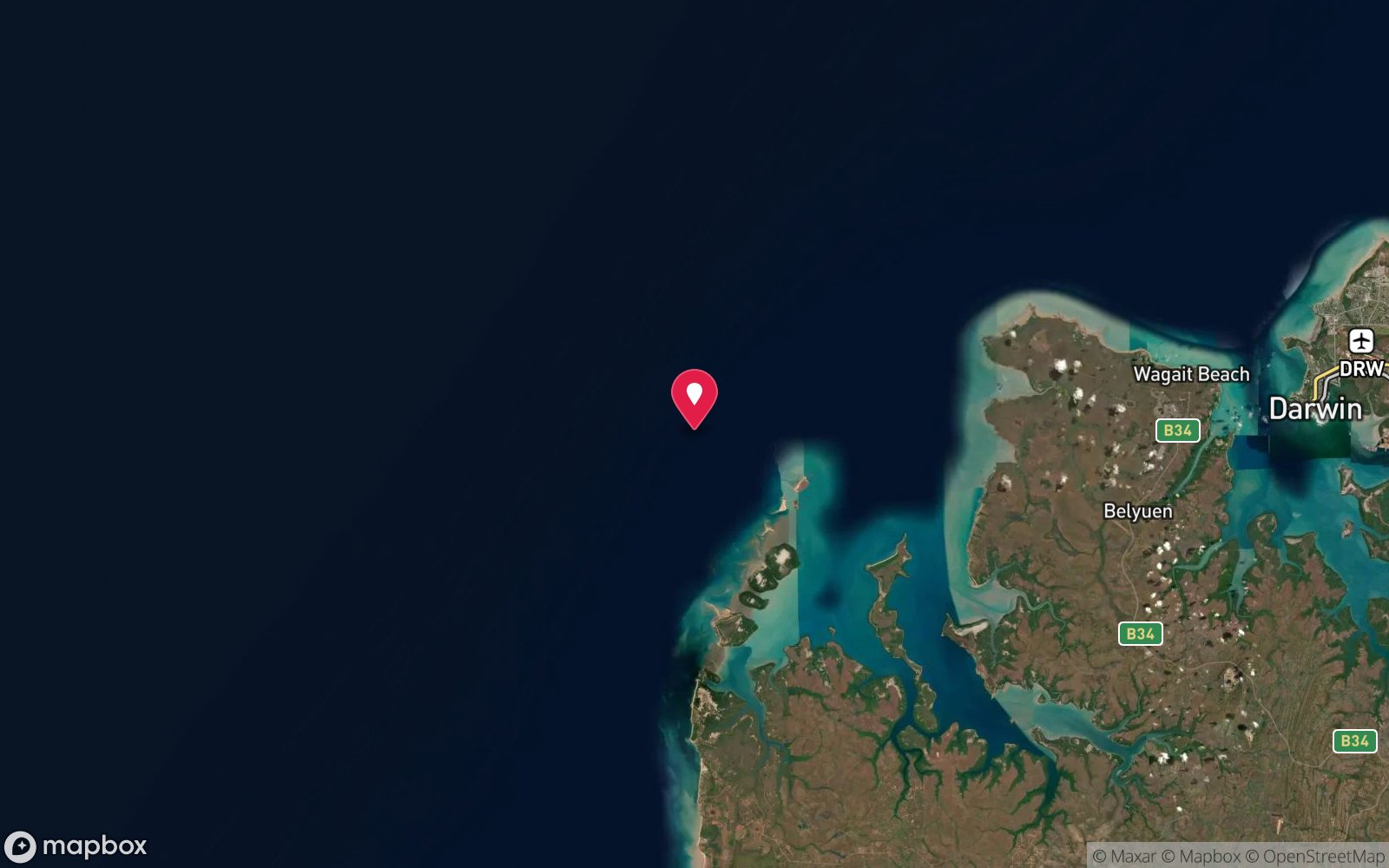
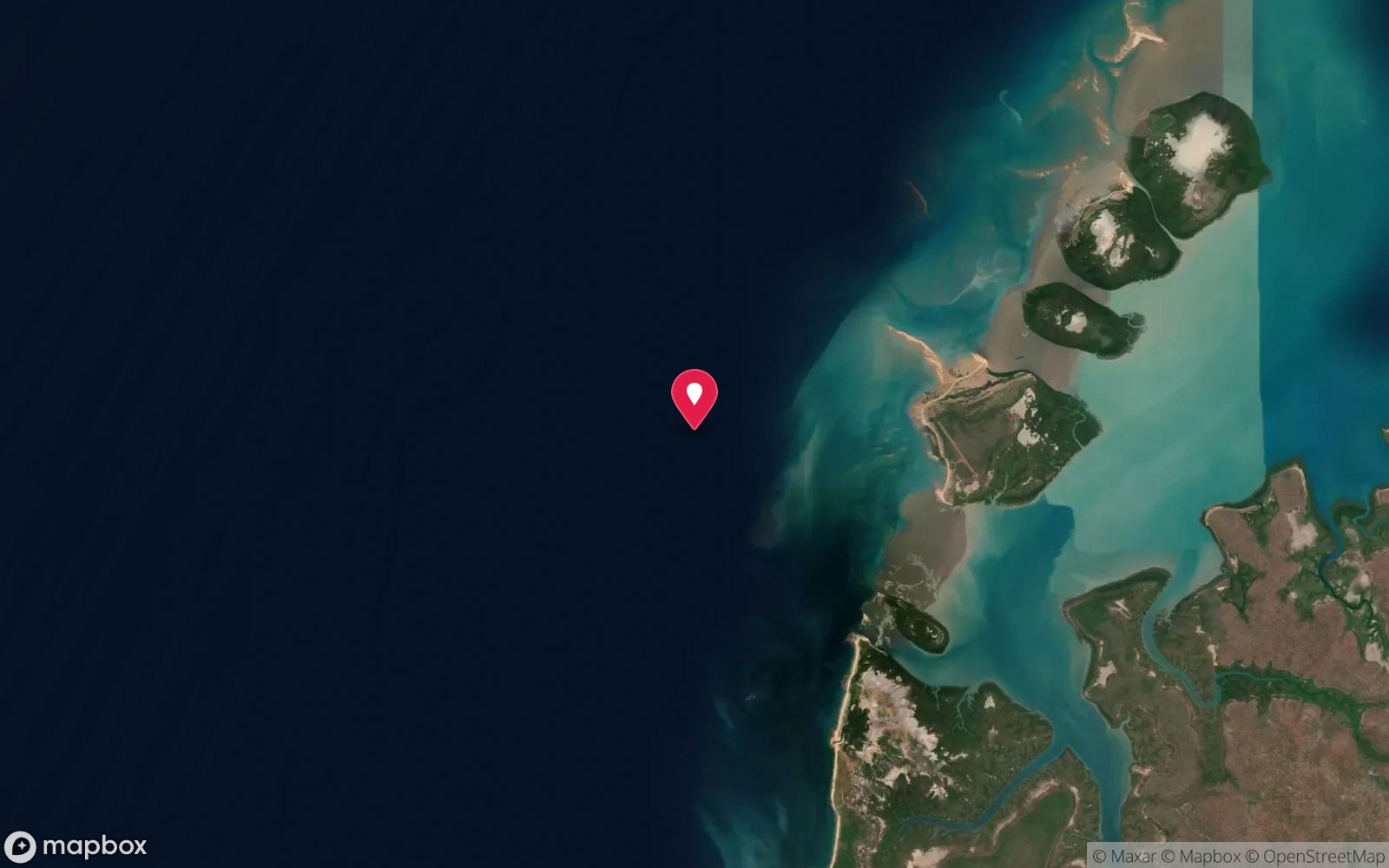
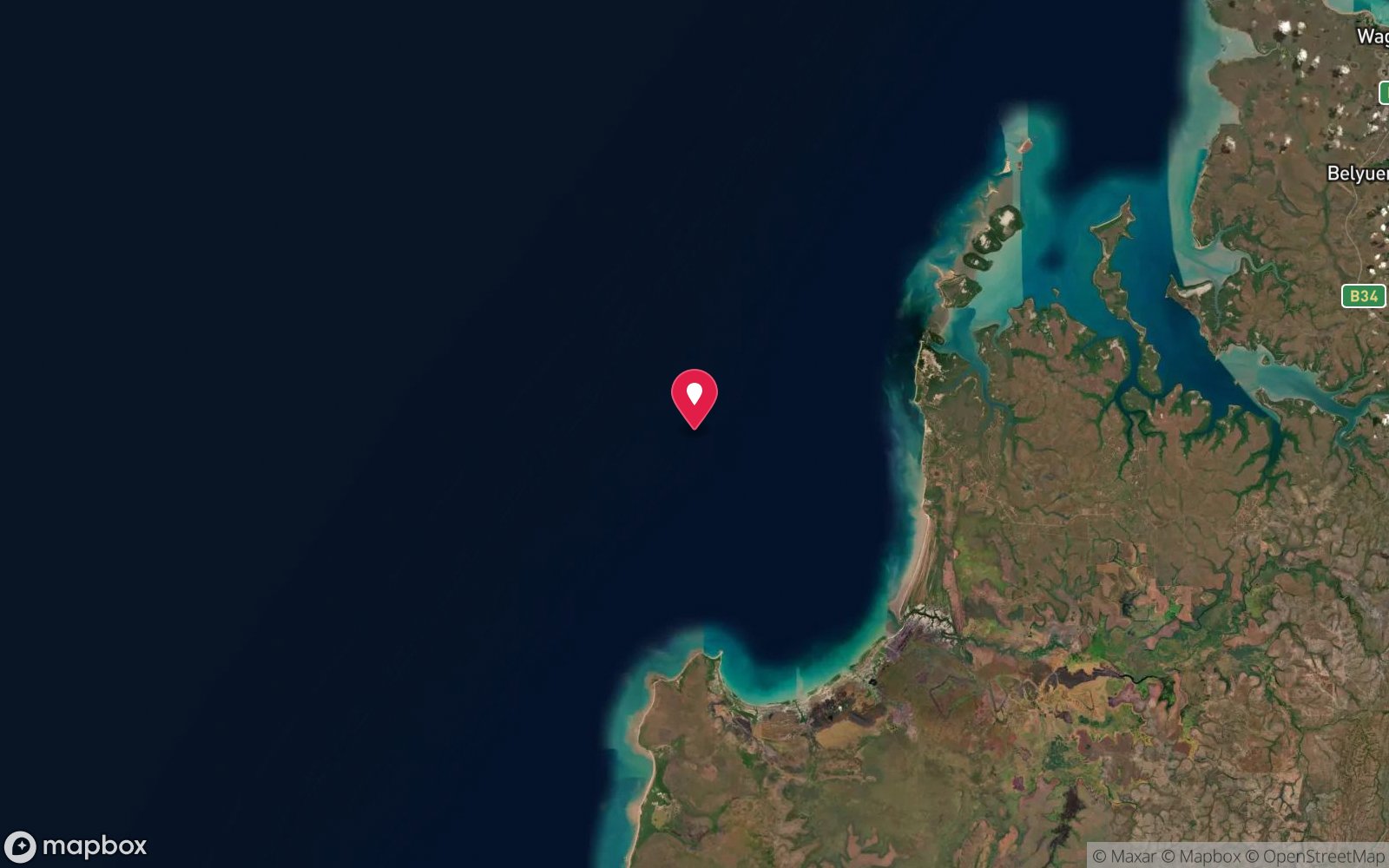
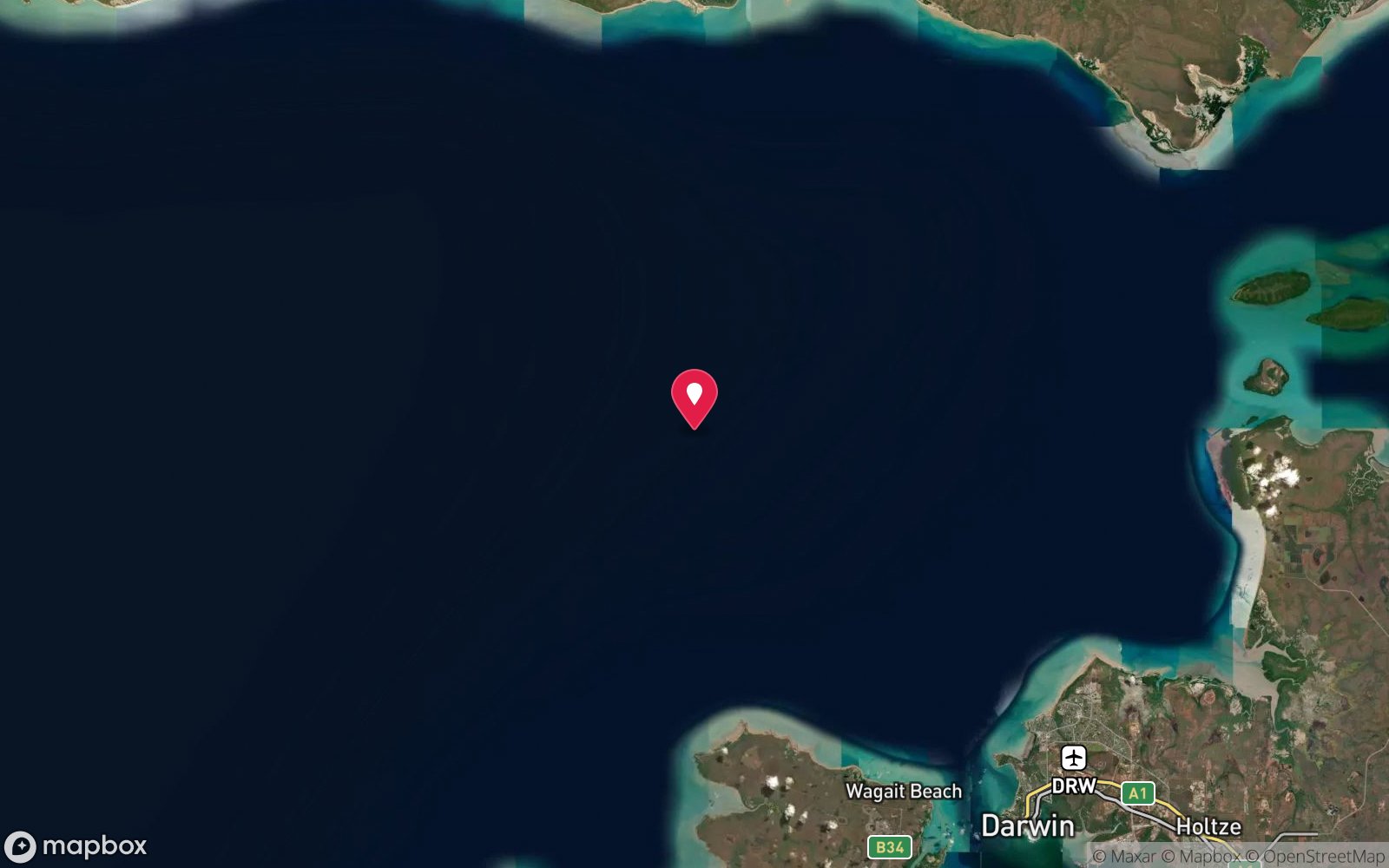
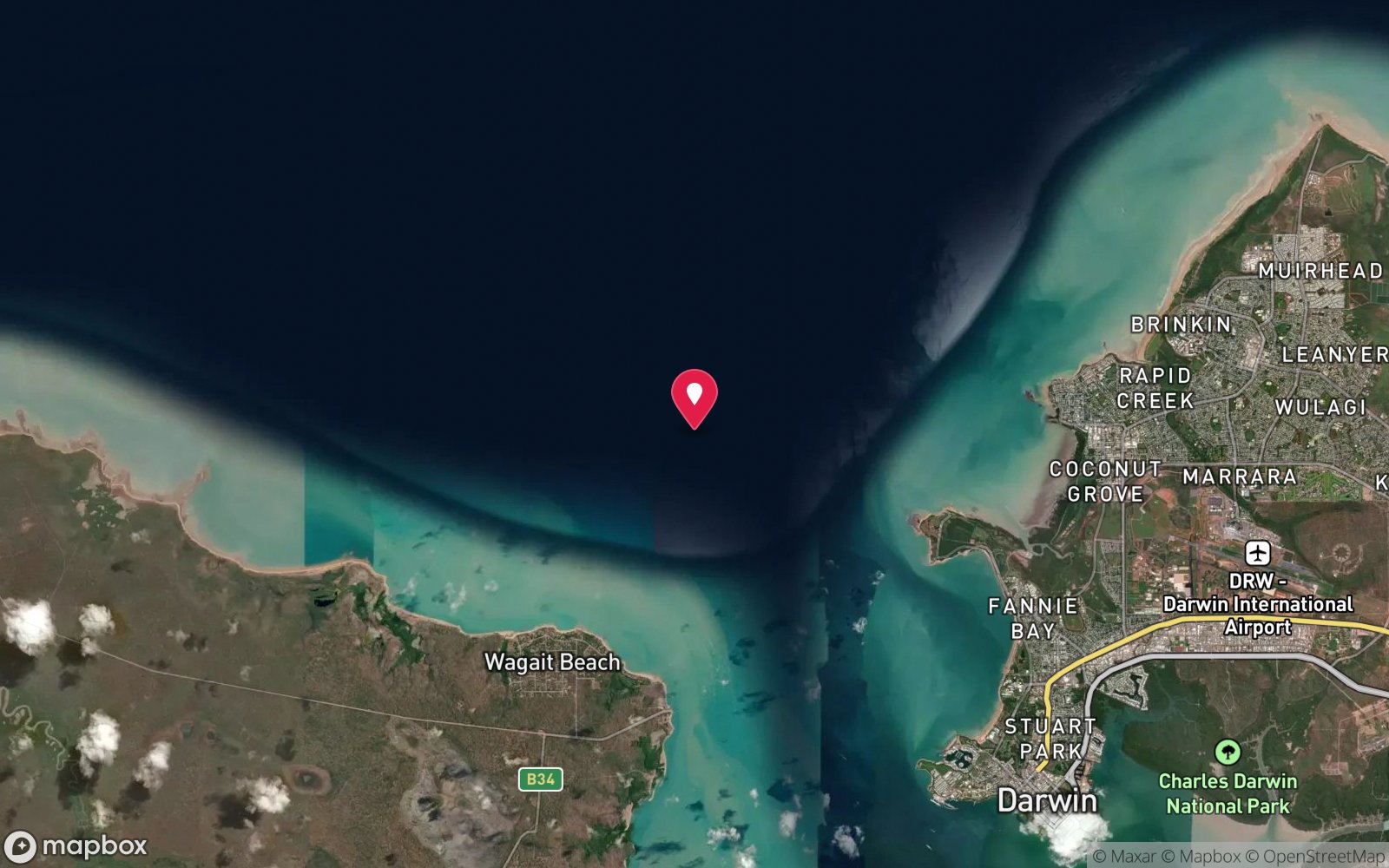
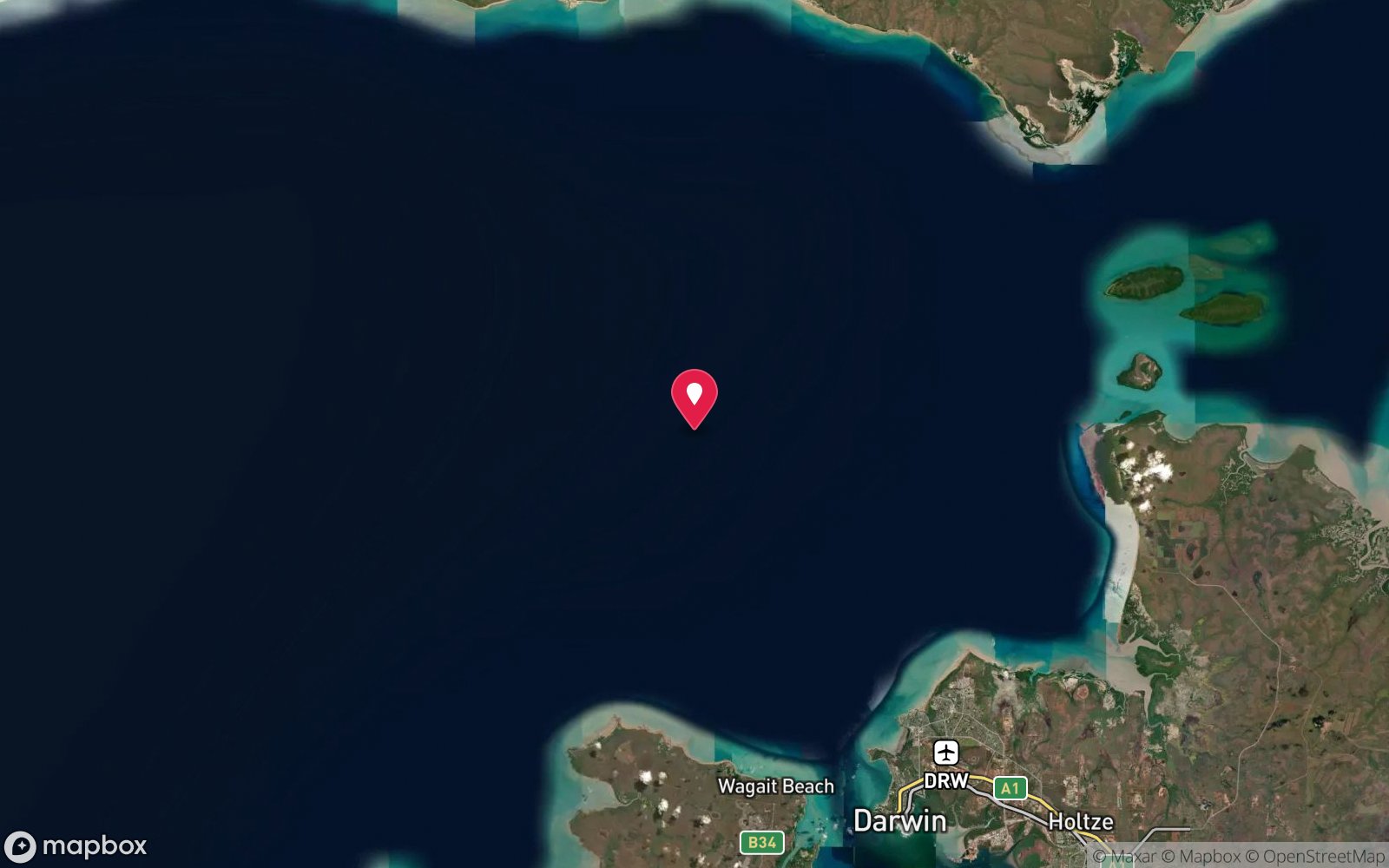
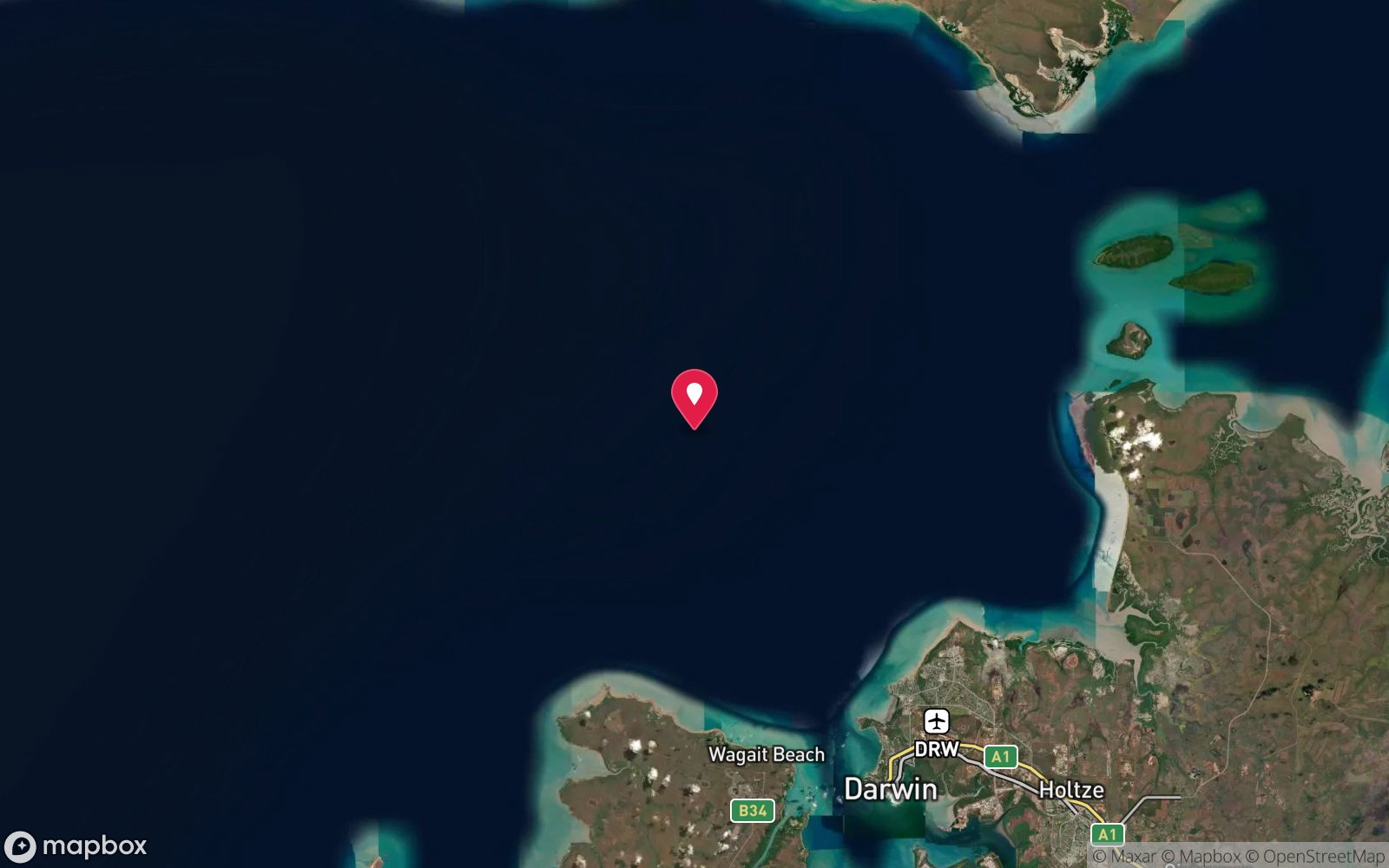
Fish Reef, north of Quail Island · Dundee Beach / Fog Bay / Bynoe Harbour
-12.48000, 130.35000
Approximate position — not for navigation.
Open in Google MapsPrimary source: dsac.com.auMarine park & permits
Protected under the Underwater Cultural Heritage Act 2018 – no permit required to dive, but artefacts must not be disturbed or removed. Check with NT Heritage Branch for any protected-zone changes.
Nearest recompression chamber
Royal Darwin Hospital hyperbaric medicine unit (Tiwi, Darwin)
Diving emergency: call 000, then DAN AP 1800 088 200.
Trip planner
Build a trip around SS Brisbane →
A day-by-day plan for Darwin Offshore & Artificial Reefs with this site locked in.
This guide is a planning aid. Conditions change daily — confirm with a local dive centre and dive within your training. Data & safety notes.
Dive profile
How this site rates
Scores are computed from the recorded data, not opinions. How?
At a glance
SS Brisbane is a wreck boat dive in Darwin Offshore & Artificial Reefs, NT, 0–12 m, suited to Open Water divers, variable/tidal current.
Rated intermediate because of tidal current that must be timed, surge on the entry or in the shallows.
Why dive here
- The NT's largest surviving colonial wreck: an 85 m 1881 steamer whose boilers break the surface at low springs while the intact stern lies in 12 m.
- Sunk in 1881; protected as underwater cultural heritage, so look but do not touch.
- Rarely dived: expect to have the site to yourself, and plan your own logistics.
Conditions to avoid
- Outgoing tide or run-off after rain (poor visibility)
- Spring tides (strong current)
- Any time other than slack water
- Cyclone season (roughly December–April)
- Stinger season without a full suit (November–May)
About SS Brisbane
SS Brisbane is the largest substantial NT wreck surviving from the colonial period. The 85 m (281.5 ft), 1,503-ton iron steamer of the Eastern & Australian line left Hong Kong for Port Darwin in October 1881 with passengers – many of them Chinese – and a cargo that included luxury goods such as gilded mirrors and card tables. On 10 October 1881 her master missed the entrance to Darwin Harbour, struck Quail Island at high tide, refloated, and then ran hard onto Fish Reef, where she stuck fast. Attempts to refloat her on the next high tide failed, crew and passengers rowed ashore, and she was abandoned on 27 October. Much of the cargo was salvaged and auctioned in Darwin, with reports of salvage continuing into December.
Today the wreck is spread over a large area of the reef – NT Heritage's photogrammetry survey describes wreckage extending over hundreds of metres. The front half of the ship is exposed at spring low water as a jumble of boilers (one about 2 m across), ribs, plating and machinery, with anchors, winches and windlasses and a big section of the bow. The stern section is still substantially intact and lies deeper, to about 12 m, where the propeller, rudder and steering gear can be seen. Ceramic fragments and Chinese coins are scattered through the site.
Coral, sponges and soft corals have colonised the ironwork, and the reef around the wreck holds coral trout, cod, sweetlips, snapper, batfish and pelagics. DSAC describes it as an easy dive – shallow and simple to navigate once you are there – but the long trip, shallow reef and tides make reaching it the real challenge.
The wreck is protected under the Commonwealth Underwater Cultural Heritage Act 2018 and managed under an NT plan of management. For divers interested in Top End maritime history beyond the 1942 raid wrecks, it is the essential colonial-era site.
Wreck details
Iron screw steamer (Eastern & Australian Steamship Co.), 85.3 m (281.5 ft), 1,503 GRT, built 1874 · Sunk 1881 · Protected historic shipwreck
Era: colonial sail and steam. Oldest wrecks · Wartime wrecks · Scuttled warships
Other wrecks of the same era
- Ellengowan · Max 14 m · Darwin Harbour
- Agincourt Wreck · Max 6 m · Margaret River & Augusta
- Cape Jervis Barge (Hopper Barge No. 3) · Max 7 m · Fleurieu Peninsula & Victor Harbor
- Evoralls Point (Recherche Bay) · Max 4 m · Huon & Far South
- Lady Kinnaird Wreck · Max 6 m · Whyalla & Upper Spencer Gulf
- SS Lady Darling · Max 31 m · Narooma & Montague Island
Getting there & entry
Colonial steamer wreck on Fish Reef north of Quail Island and Bynoe Harbour, about 30 nm west-south-west of Darwin.
SS Brisbane is a long boat trip from Darwin: about 30 nautical miles from the harbour, around the Cox Peninsula and past Quail Island to Fish Reef – NT Heritage researchers describe it as an arduous eight-hour return journey by boat and now reach it by helicopter. Private boats from Darwin (Cullen Bay) or from the Crab Claw Island ramp in Bynoe Harbour can make the trip in calm dry-season weather. Approach the reef with extreme care – it is shallow and dries on low springs – and anchor on sand off the reef edge.
Entry: Backward roll from a small boat into shallow water; parts of the wreck are exposed at low spring tide
Weather, swell & tides
Fish Reef is shallow and fully exposed. Visit only in the dry season (May–October) on a calm day. For diving, pick a neap high-water slack so there is depth over the reef and minimal current; the front half of the wreck is exposed at low spring tides (when heritage teams survey it on foot).
Strong currents run across the reef outside slack. South-east trades build through the morning and make the long run back from Fish Reef rough. Wet season (December–April) monsoon winds, run-off, cyclones and box jellyfish rule it out.
Best season: May-October dry season on neap tides (smallest tidal range, best visibility, south-east trade winds are strongest mid-morning)
How the dive is usually run
Anchor off the reef edge and swim in at slack high water. Start at the substantially intact stern section – propeller, rudder and steering gear – then work forward over the boilers, machinery and hull plating toward the bow. Stay under 12 m, keep track of the tide and return to the boat before the current starts.
Marine life
- Coral trout
- estuary cod
- sweetlips
- golden snapper
- batfish
- trevally
- queenfish
- turtles →
- hard and soft corals
- sponges
Linked species have their own page listing every site where they are recorded. All marine life →
Training required
Within the 18 m limit of an entry-level certification.
Depth tiers: 0–10 m easy · to 18 m Open Water · 18–30 m Advanced (25 m+ is a deep dive) · 30–40 m Deep specialty · 40 m+ technical. All courses
Hazards & warnings
Protected historic shipwreck – do not disturb, remove or touch artefacts (Underwater Cultural Heritage Act 2018). Very shallow reef: risk of grounding and surge. Strong tidal currents outside slack.
Saltwater crocodiles present in the area. Box jellyfish October–May. Very remote – hours by boat from Darwin; carry oxygen, first aid and satellite communications.
Technical notes
Shallow site; no special gas requirements. Historic shipwreck – look but don't touch.
Dive centres that go here
No regular operator. Occasional Darwin Sub Aqua Club expeditions and private boats; NT Heritage Branch survey trips. Any Darwin charter would be a special booking.
Operators recorded for SS Brisbane
Other dive centres in Darwin Offshore & Artificial Reefs
Dive Darwin
ProfiledDarwin · Darwin Harbour · NT
The main verified dive operation in the Northern Territory, offering recreational training through professional level alongside technical diving and a large specialty range.
divedarwin.com.au · +61 401 751 651
Sea Darwin
Named by sitesDarwin · Darwin Offshore & Artificial Reefs · NT
Eco tour and cruise operator; contact details not on fetched pages.
seadarwin.com
Western Blue Dive Charters
Named by sitesDarwin · Darwin Offshore & Artificial Reefs · NT
The only operator found under this name is Western Blue Dive Charters at Mindarie Marina, Perth (westernbluedive.com.au); no Darwin operator by this name could be confirmed, so the Darwin attribution is doubtful.
Map
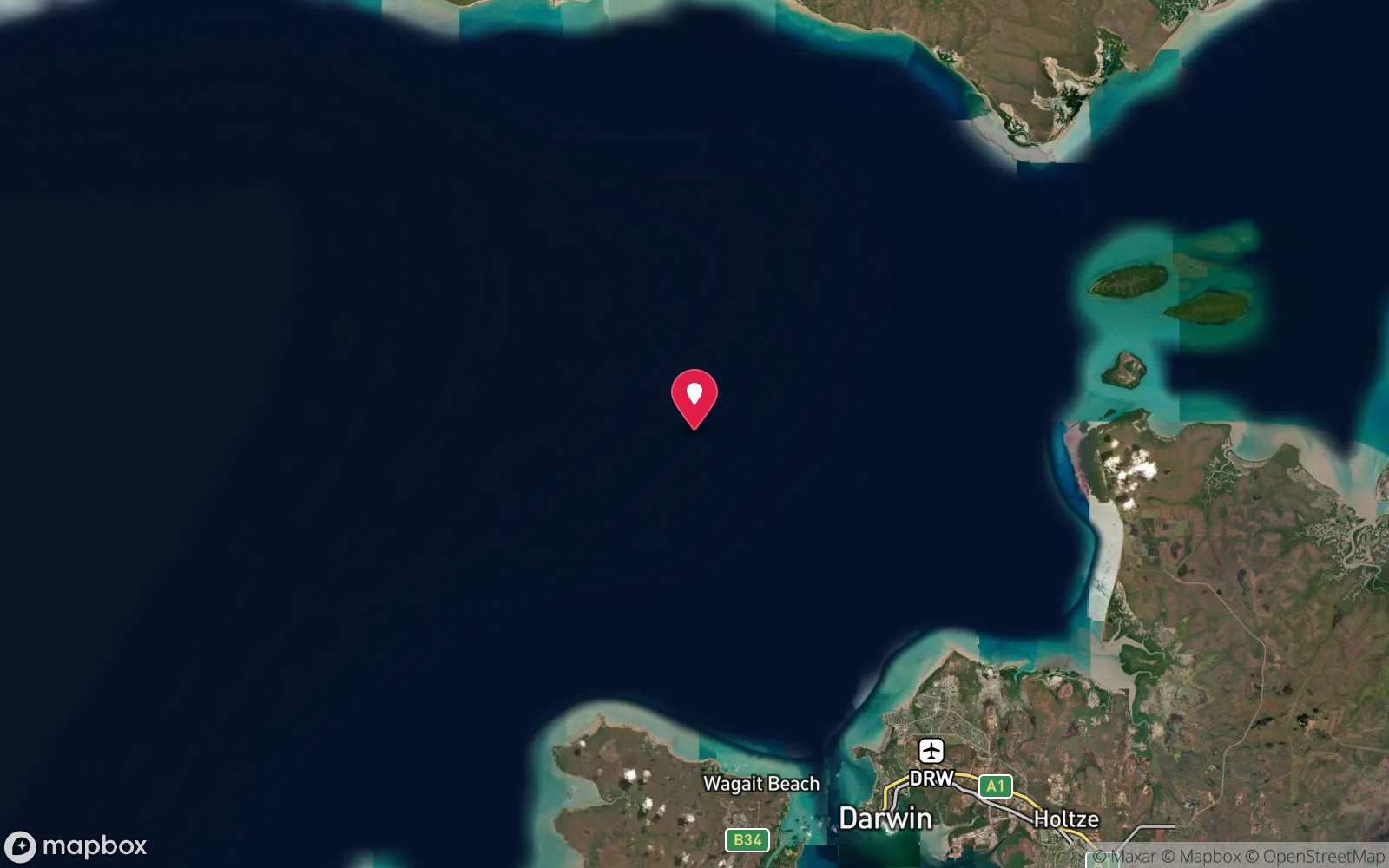
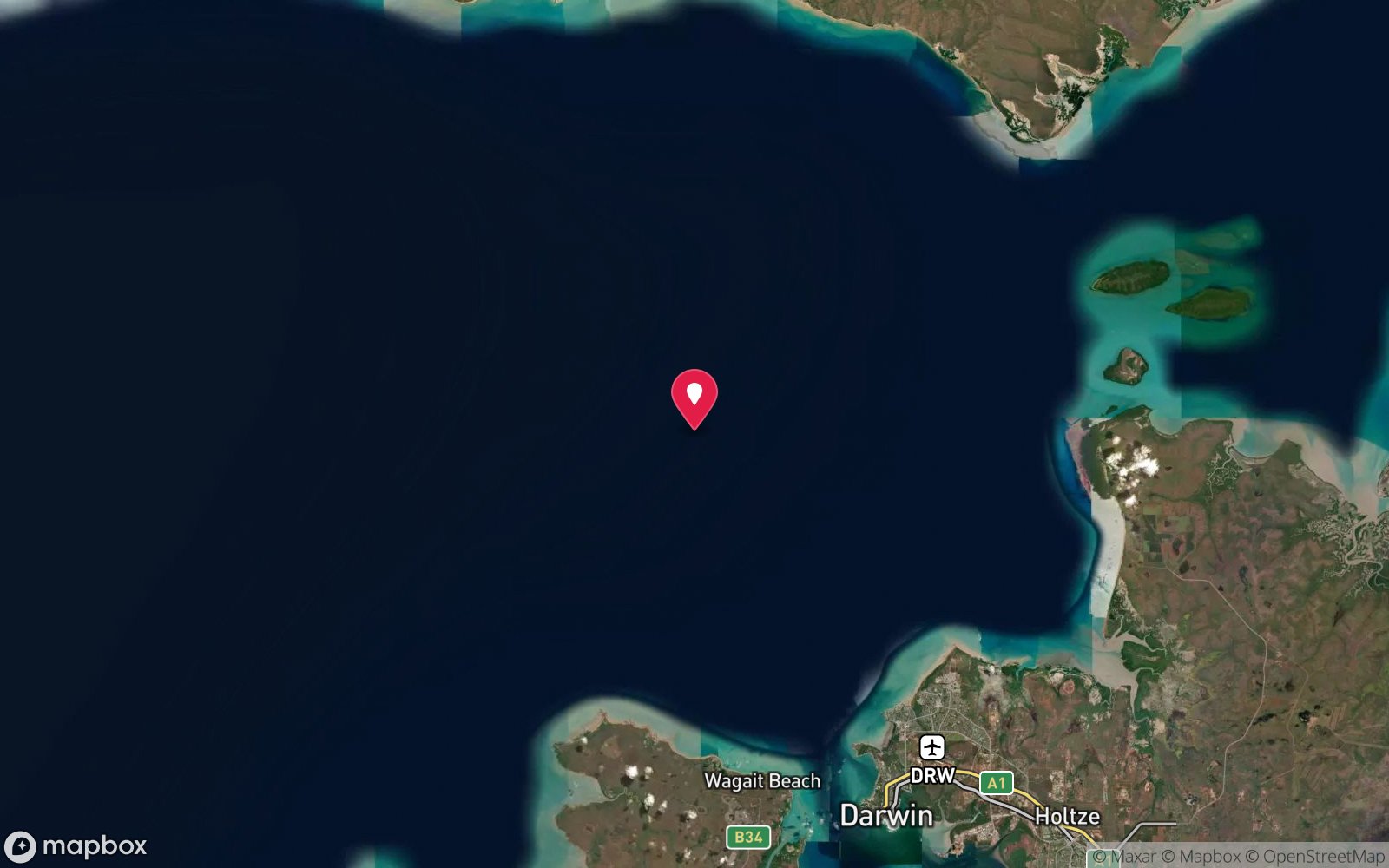
7 pinned sites. Pins marked approximate on their pages show the general area only; not for navigation.
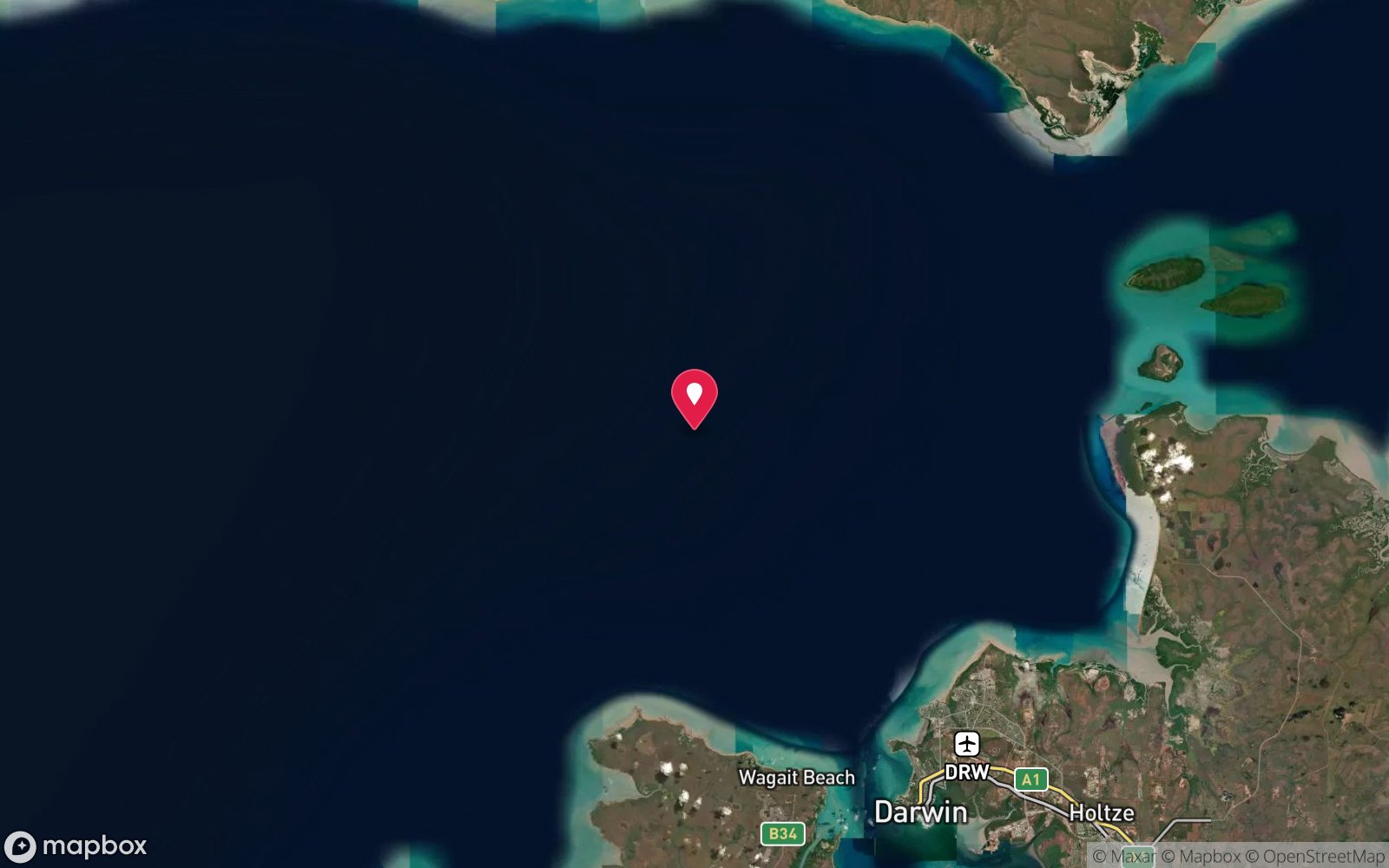
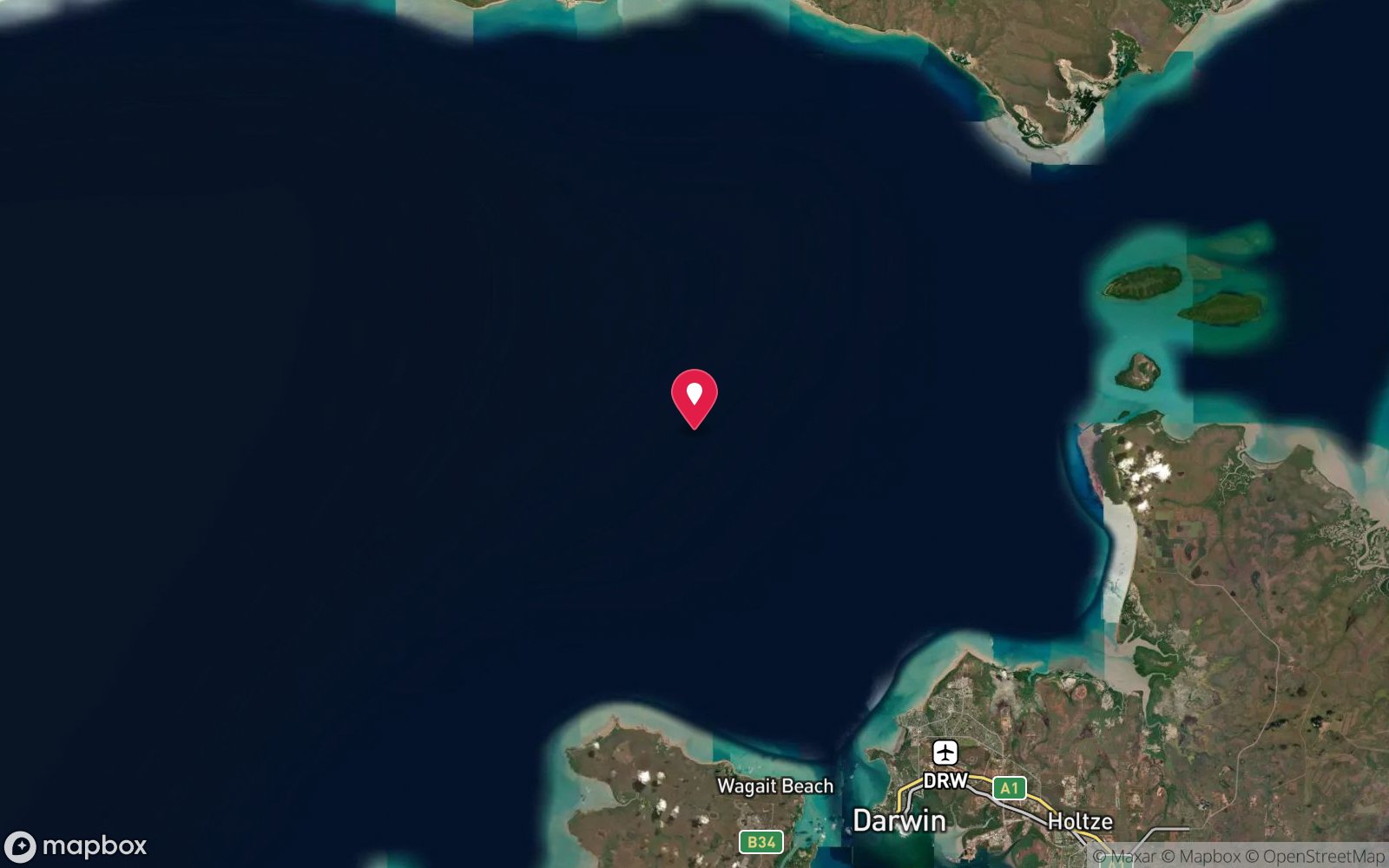
Satellite views
SS Brisbane: frequently asked questions
How deep is SS Brisbane?
SS Brisbane reaches a maximum depth of 12 m, with the shallowest part at about 0 m; most of the dive is spent around 6 m.
What certification do I need to dive SS Brisbane?
Open Water is the recommended minimum. Rated intermediate because of tidal current that must be timed, surge on the entry or in the shallows.
Can I shore dive SS Brisbane?
No, it is reached by boat. A dive centre is required: boat access only.
When is the best time to dive SS Brisbane?
May-October dry season on neap tides (smallest tidal range, best visibility, south-east trade winds are strongest mid-morning).
What marine life will I see at SS Brisbane?
Regularly recorded: Coral trout, estuary cod, sweetlips, golden snapper, batfish, trevally, queenfish, turtles, hard and soft corals, sponges.
What wetsuit do I need at SS Brisbane?
3 mm shorty or full lycra/stinger suit; full-length stinger suit essential October-May.
How cold is the water at SS Brisbane?
Typically 30-32 °C in summer and 24-26 °C in winter.
What are the main hazards at SS Brisbane?
Protected historic shipwreck – do not disturb, remove or touch artefacts (Underwater Cultural Heritage Act 2018). See the hazards section above for the full list.
Where is the nearest recompression chamber to SS Brisbane?
Royal Darwin Hospital hyperbaric medicine unit (Tiwi, Darwin). In an emergency call 000, then DAN Asia-Pacific on 1800 088 200.
Diving in Darwin Offshore & Artificial Reefs
Outside the harbour the water clears a little and a collection of post-war wrecks, artificial reefs and natural patches (the Fenton Patches, Charles Point reef and the scuttled Song Saigon and Anchorage wrecks) give Darwin divers deeper and cleaner alternatives to the harbour war graves.
Getting there: Charters from Darwin on neap tides.
All Darwin Offshore & Artificial Reefs dive sites and a suggested itinerary →
Sources
- dsac.com.au/Divesite_files/SS_Brisbane.htm
- abc.net.au/news/2019-12-05/ss-brisbane-shipwreck-captured-in-detail-by-nt-researchers/11764672
- marinelife.org.au/?page_id=58
- nt.gov.au/leisure/arts-culture-heritage/visit-a-cultural-or-heritage-site/maritime-heritage
Data confidence: High · Being verified: Coordinates approximate. Build year 1874 from Wikipedia/Military Wiki title – verify.. Last updated September 2026. Know this site better? How to send a correction
Nearby dive sites
More wrecks in Northern Territory
Explore more
This region
Similar dives
Marine life