Dive slate · divesites.com.au · printed 7 Nov 2026
TSS Nerong wreck
Central Coast, New South Wales · near Norah Head
| Depth | 43–45 m |
|---|---|
| Minimum level | Technical (decompression) |
| Difficulty | Expert/Technical |
| Access | Boat |
| Entry | Back-roll from boat onto shot line |
| Current | Moderate |
| Visibility | 8-20 m |
| Water | summer 20-23 °C, winter 14-17 °C |
| Suit | 5 mm steamer/full suit in summer; 7 mm semi-dry or drysuit June-October |
| Best season | Autumn for clearest, calmest conditions |
| Bottom time | 20 min |
| Position | -33.28000, 151.63000 (approximate) |
| Permit | None required |
| Nearest chamber | Prince of Wales Hospital (Randwick, Sydney) |
| Emergency | 000 · DAN Asia-Pacific diving emergency 1800 088 200 |
TSS Nerong wreck
Also known as Nerong
A rarely dived deep technical wreck 5 km east of Norah Head, lost in a 1917 gale.
Near Norah Head · Central Coast, New South Wales
- Depth
- 43–45 m
- Minimum level
- Technical (decompression)
- Access
- Boat
- Boat ride
- ~30 min
- Water
- 20-23 °C
- Visibility
- 8-20 m
TSS Nerong wreck43–45 m · Technical (decompression)
Dive factsDepths, conditions, location & safety
Season
Off-peak nowBest months: March, April, May.
Dive facts
- Depth
- 43–45 m
- Typical depth
- 44 m
- Certification
- Technical (decompression)
- Difficulty
- Expert/Technical
- Depth tier
- Technical (40 m +)
- Access
- Boat
- Offshore
- 5 km
- Dive centre needed
- Yes – boat access only
- Shore / independent
- No
- Boat ride
- ~30 min
- Current
- Moderate
- Visibility
- 8-20 m
- Water temp (summer)
- 20-23 °C
- Water temp (winter)
- 14-17 °C
- Water
- Temperate
- Bottom time
- 20 min
- Dive traffic
- Rarely dived (private boat/club only)
- Night dive
- No
- Snorkel friendly
- No
Exposure suit
5 mm steamer/full suit in summer; 7 mm semi-dry or drysuit June-October
Location
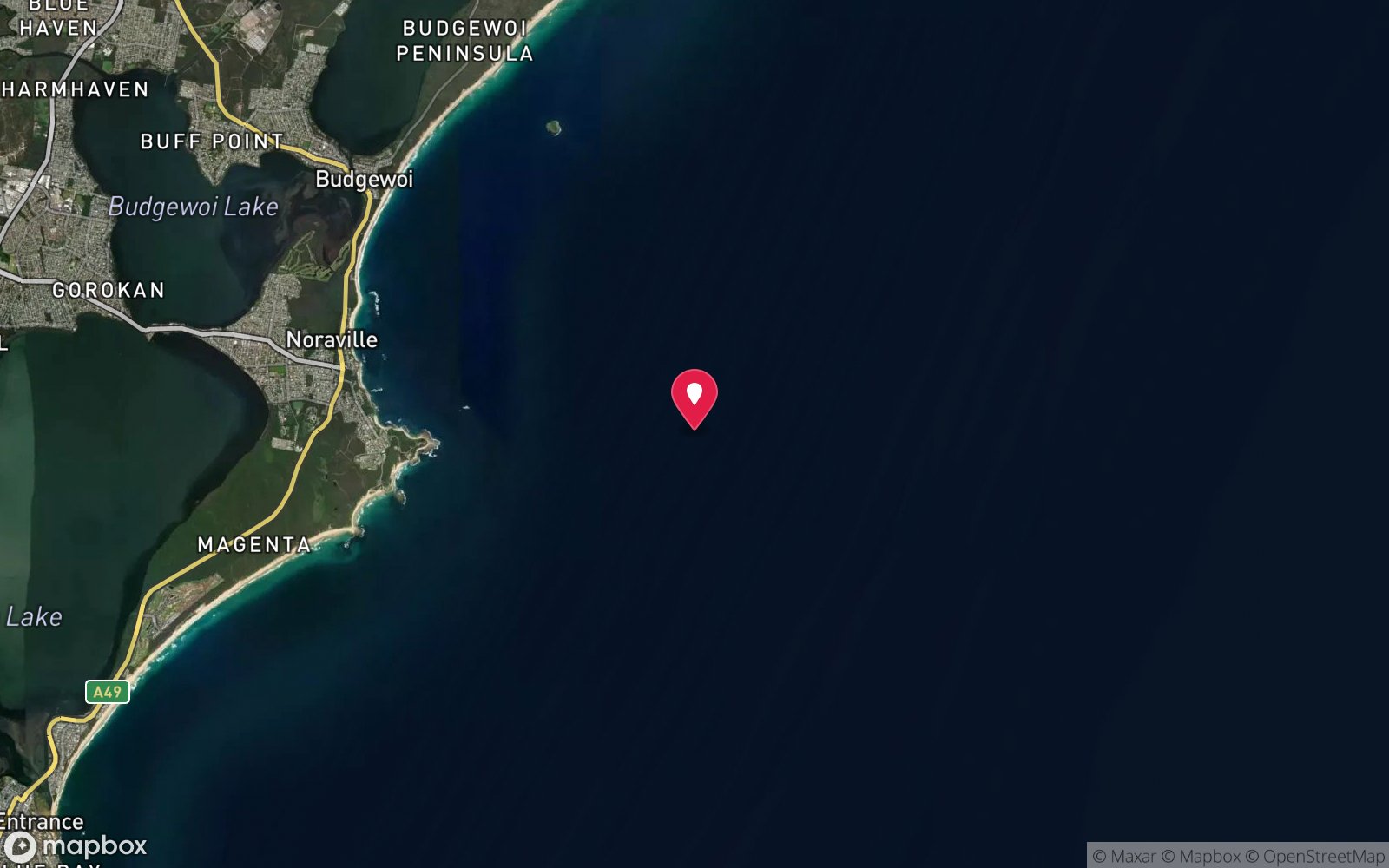
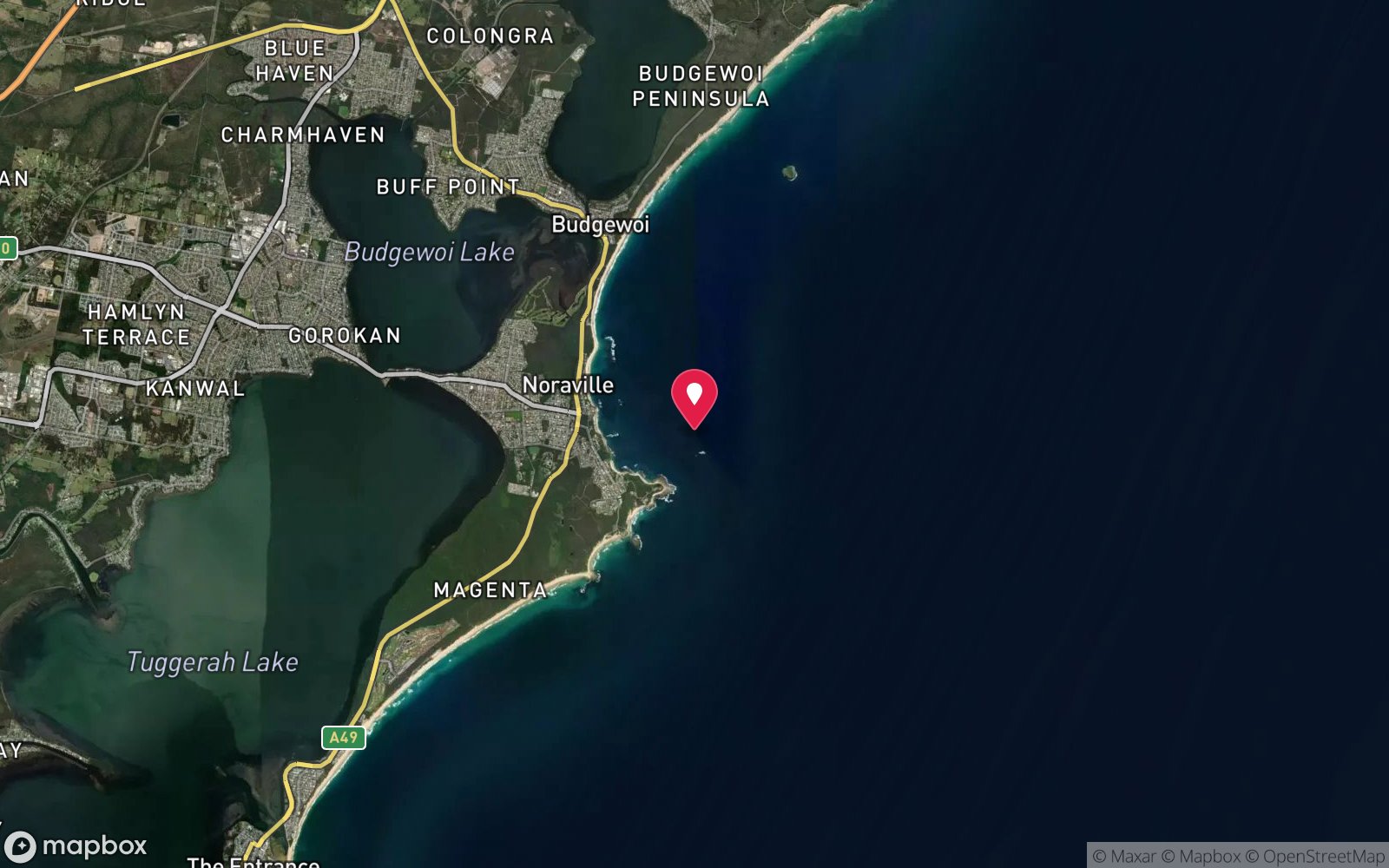
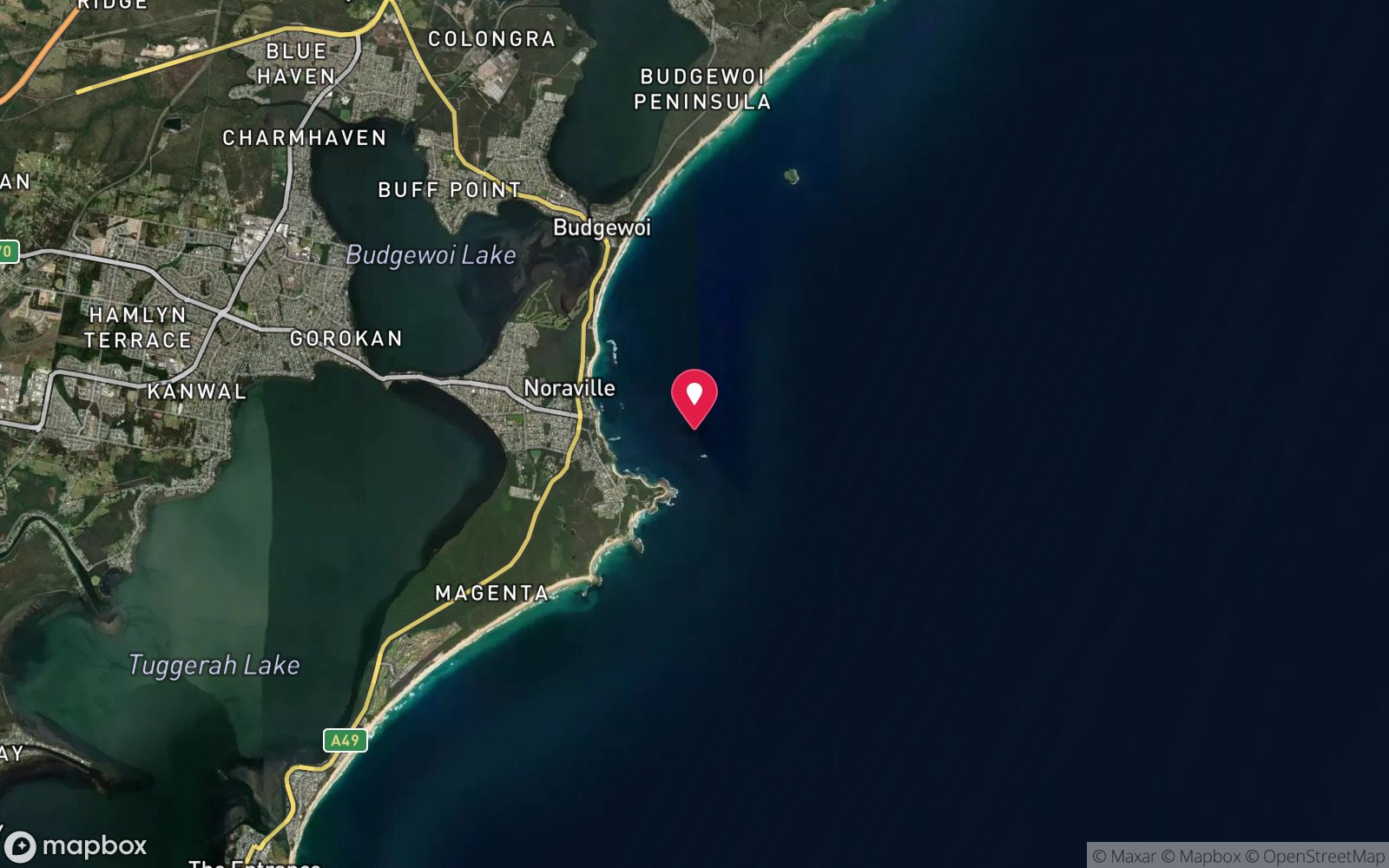
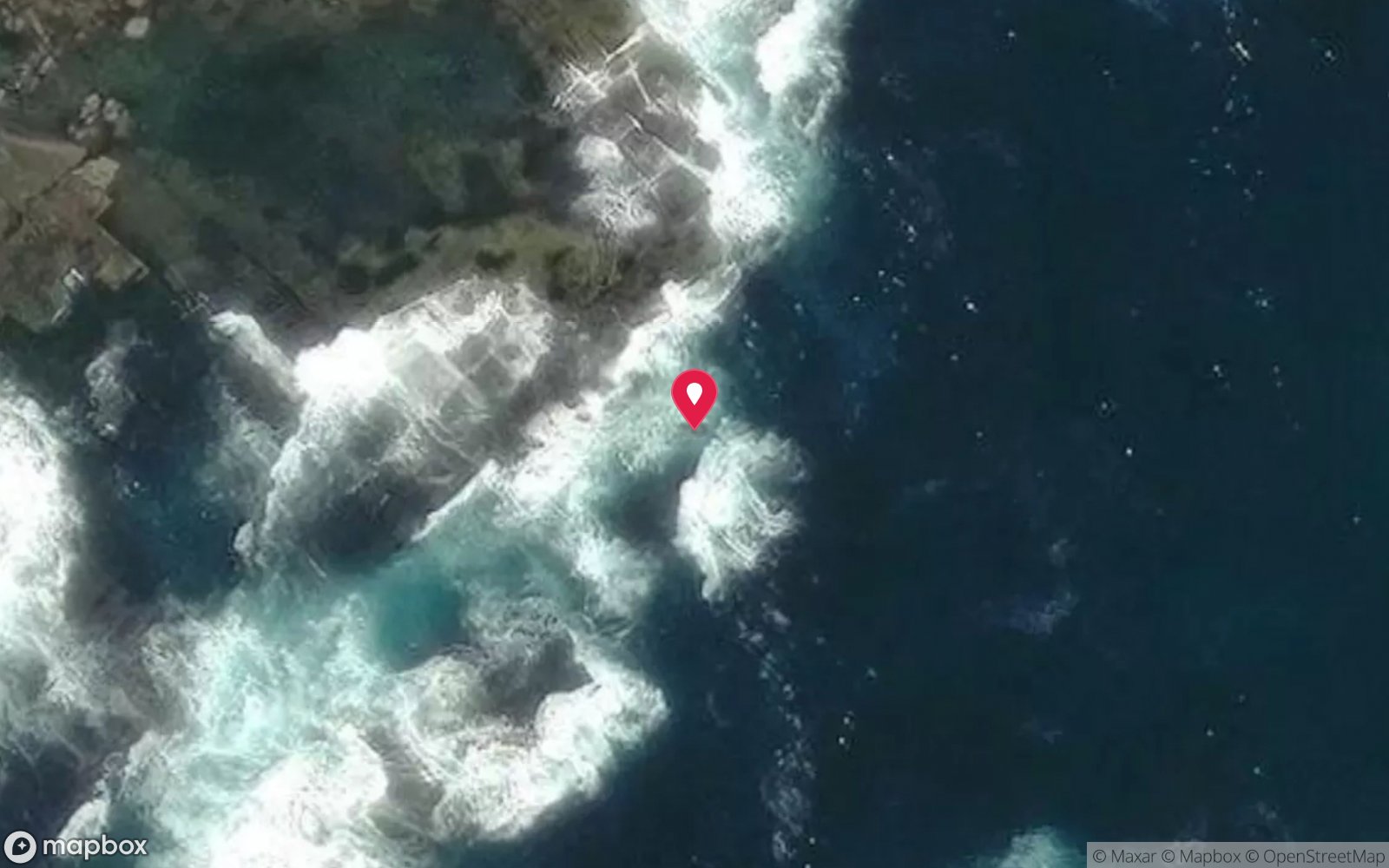
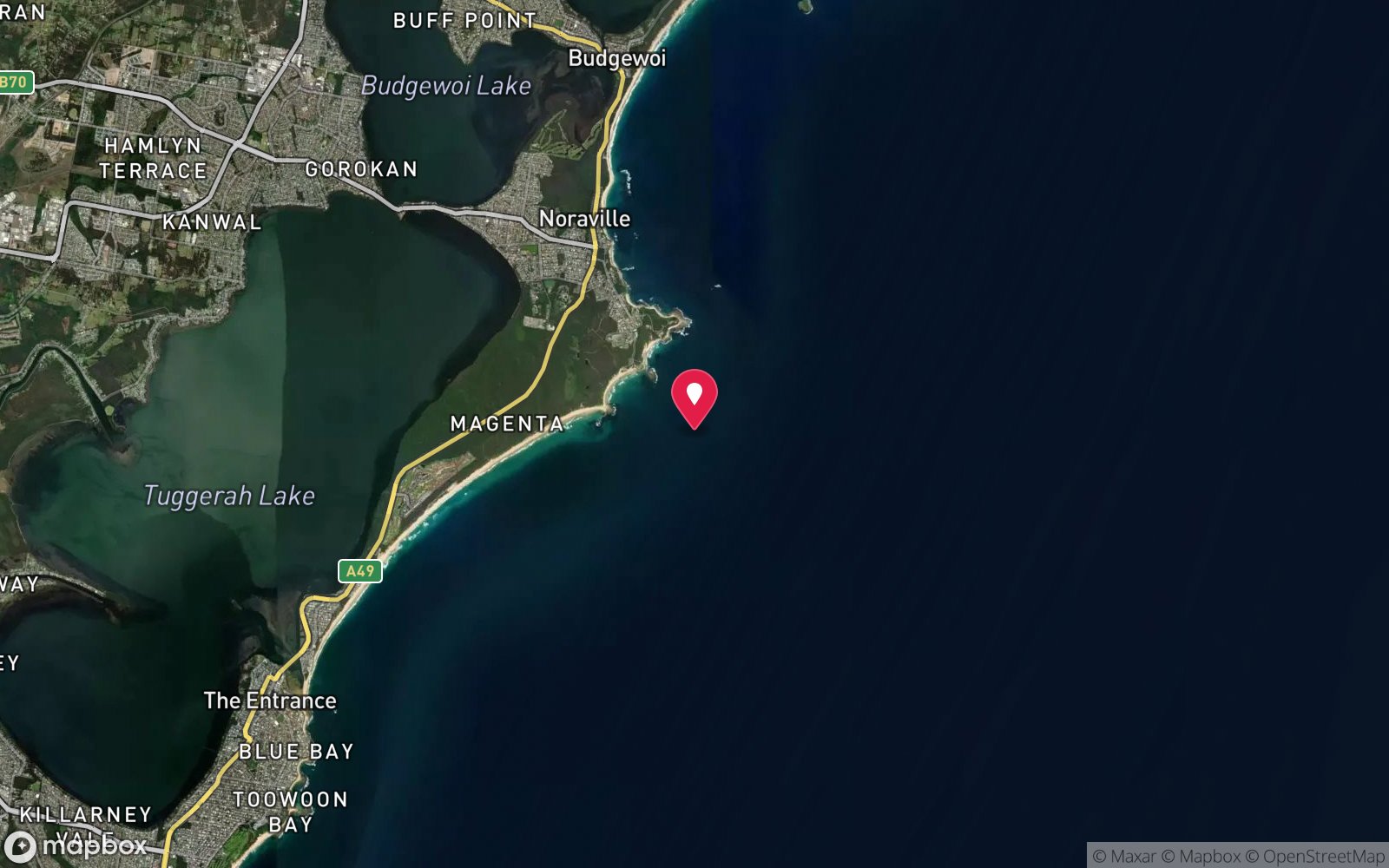
East of Norah Head · Munmorah / Norah Head
-33.28000, 151.63000
Approximate position — not for navigation.
Open in Google MapsPrimary source: centralcoastdivers.com.auMarine park & permits
None required
Nearest recompression chamber
Prince of Wales Hospital (Randwick, Sydney)
Diving emergency: call 000, then DAN AP 1800 088 200.
Trip planner
Build a trip around TSS Nerong wreck →
A day-by-day plan for Central Coast with this site locked in.
This guide is a planning aid. Conditions change daily — confirm with a local dive centre and dive within your training. Data & safety notes.
Dive profile
How this site rates
Scores are computed from the recorded data, not opinions. How?
At a glance
TSS Nerong wreck is a wreck boat dive in Central Coast, NSW, 43–45 m, suited to Technical (decompression) divers, moderate current, about 30 minutes by boat.
Rated expert/technical because of depth to 45 m, cold water.
Why dive here
- A rarely dived deep technical wreck 5 km east of Norah Head, lost in a 1917 gale.
- Sunk in 1917 (219-ton, 36.6 m twin-screw coastal steamer); protected as underwater cultural heritage, so look but do not touch.
- Rarely dived: expect to have the site to yourself, and plan your own logistics.
- Visibility often reaches 8-20 m.
Conditions to avoid
- Outgoing tide or run-off after rain (poor visibility)
- Spring plankton blooms
About TSS Nerong wreck
The TSS Nerong was a 219-ton, 36.6 m twin-screw coastal steamer that foundered in a strong gale on 19 September 1917 roughly 5 km east of Norah Head, becoming one of a string of small coastal steamers lost on this exposed stretch of the NSW coast during the era before reliable weather forecasting. Lying today in 43-45 m, she sits well beyond recreational no-decompression limits, and diving her properly means planning a genuine technical dive with appropriate gas and staged decompression rather than a quick recreational look.As with most of the deep wrecks scattered off the Central Coast, the Nerong cannot be located visually from the surface and requires an accurate GPS mark and a shot or anchor line dropped directly onto the structure, since it will not hold in the surrounding sand. Once on the wreck, divers can expect the machinery and lower hull sections of a compact twin-screw steamer, likely encrusted with sponge and gorgonian growth after over a century underwater, with resident fish sheltering in and around the remaining structure.
Because visits are infrequent and mostly limited to technical club divers with local knowledge of the mark, first-hand documentation of the wreck's current condition is thinner than for the more actively dived Central Coast wrecks like the Kiama or Galava — a site for a well-prepared technical team rather than a casual charter booking. As with the region's other deep steamer losses, she is a reminder of how exposed this coast was to sudden weather before reliable forecasting, and how many small working vessels never made it to the safety of Broken Bay or Newcastle Harbour once a gale set in.
Wreck details
219-ton, 36.6 m twin-screw coastal steamer · Sunk 1917 · Protected historic shipwreck
Era: early 20th century. Oldest wrecks · Wartime wrecks · Scuttled warships
Other wrecks of the same era
- SS Yambacoomba wreck · Max 24 m · Central Coast
- SS Commonwealth wreck (Foggy Reef) · Max 42 m · Central Coast
- SS Undola wreck · Max 45 m · Sydney South & Botany Bay
- TSS Wandra · Max 28 m · Jervis Bay
- SS Myola wreck · Max 50 m · Sydney Northern Beaches
- SS Tuggerah wreck · Max 49 m · Sydney South & Botany Bay
Getting there & entry
A 219-ton, 36.6 m twin-screw coastal steamer that foundered in a strong gale on 19 September 1917, lying in 43-45 m about 5 km east of Norah Head.
Reached by boat from Norah Head or Terrigal Haven, running roughly 5 km east of Norah Head to the wreck's position; a shot line is dropped directly onto the structure as it cannot be seen from the surface.
Entry: Back-roll from boat onto shot line
Weather, swell & tides
These offshore sites need a settled weather window with under about 1.5 m swell and light winds, launched from either the rough Norah Head beach ramp or from Terrigal Haven depending on which operator is running. Visibility is generally best in autumn and early winter once the summer's plankton blooms have cleared and before the coldest, greenest winter water sets in, though the East Australian Current can bring clear, warm water south at almost any time of year. A recent blow or heavy rain (Hunter and Tuggerah Lakes runoff) reduces visibility for several days.
At this depth a stable, well-forecast weather window matters more than at the shallower reefs, since decompression obligations remove the option of a quick abort if conditions deteriorate mid-dive.
Best season: Autumn for clearest, calmest conditions
If it's blown out
Sheltered or shore sites within 25 km that often work when TSS Nerong wreck doesn't.
- Cabbage Tree Bay (Norah Head) · 6 km · Max 9 m
- Toowoon Bay (Little Bay) · 15 km · Max 6 m
- Swansea Bridge · 21 km · Max 12 m
- SS Paterson wreck (Cabbage Tree Bay area) · 6 km · Max 10 m
How the dive is usually run
Descend the shot directly onto the hull at 43 m, make a focused circuit of the twin-screw machinery and hull remains within the planned bottom time, then return to the shot for staged decompression, ideally on a drifting station with backup gas.
Marine life
- Resident reef fish and encrusting growth typical of a century-old deep wreck
Linked species have their own page listing every site where they are recorded. All marine life →
Training required
Beyond recreational limits: decompression, mixed gas or full cave/wreck training is required.
Courses that help here
- Enriched Air Nitrox – Longer no-decompression time at 25 m and deeper.
- Drysuit Diver – Cold water; locals dive dry for much of the year.
Depth tiers: 0–10 m easy · to 18 m Open Water · 18–30 m Advanced (25 m+ is a deep dive) · 30–40 m Deep specialty · 40 m+ technical. All courses
Hazards & warnings
Decompression obligation; remote location with limited surface support; fishing line/net entanglement possible; requires technical training and experience.
Technical notes
Decompression dive at 43-45 m; typical plans use nitrox/trimix with appropriate deco gases; twin cylinders or CCR with bailout recommended; accurate GPS and a shot line essential as the wreck cannot be seen from the surface.
Dive centres that go here
No standing recreational charter; dived by technical-minded Terrigal Underwater Group members and private technical divers on request, a handful of times a year.
Operators recorded for TSS Nerong wreck
Other dive centres in Central Coast
Dive Newcastle
ProfiledBeresfield · Port Stephens · NSW
A Beresfield dive superstore teaching RAID courses, with air fills, servicing, rental and a large scuba, freediving and spearfishing range.
neptunesports.com.au · (02) 4966 4900
Central Coast Divers
ProfiledKillarney Vale · Central Coast · NSW
An SSI Instructor Training Facility at Killarney Vale with two full-time Instructor Trainers, onsite servicing for all major brands, and freediving courses.
centralcoastdivers.com.au · +61 2 4389 3483
Terrigal Dive Centre
ProfiledTerrigal · Central Coast · NSW
A dive shop on the waterside at Terrigal Haven, running boat and wreck dives including the ex-HMAS Adelaide, a few minutes offshore.
+61 2 4384 1219
Pro Dive Central Coast
Named by sitesKillarney Vale · Central Coast · NSW
Independent SSI centre (formerly Central Coast Divers), not part of the PRO DIVE Sydney chain.
prodivecentralcoast.com.au · (02) 4389 3483
Norah Head Divers Depot
Named by sitesNorah Head · Central Coast · NSW
No trace of any business by this name at Norah Head.
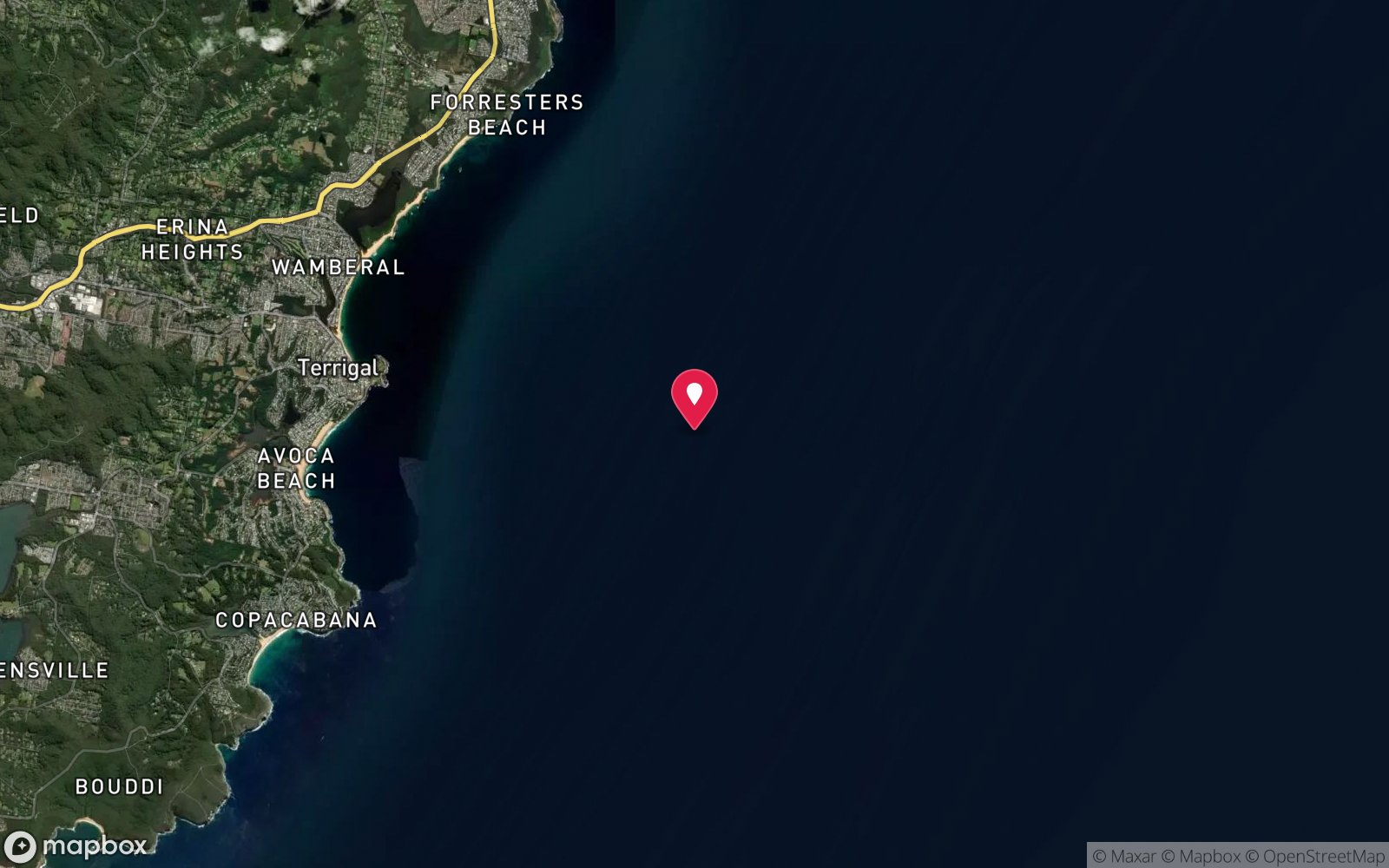
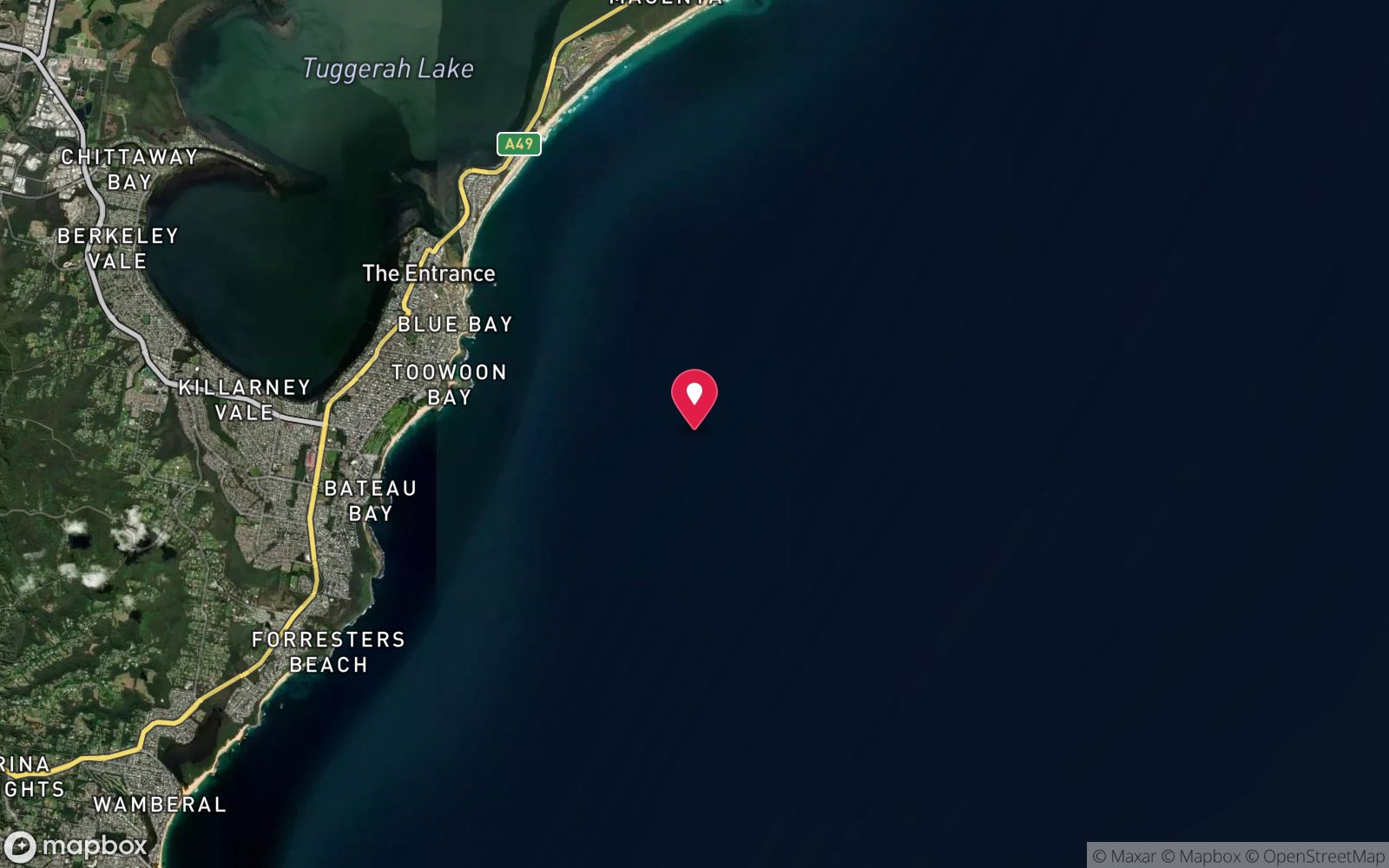
Map
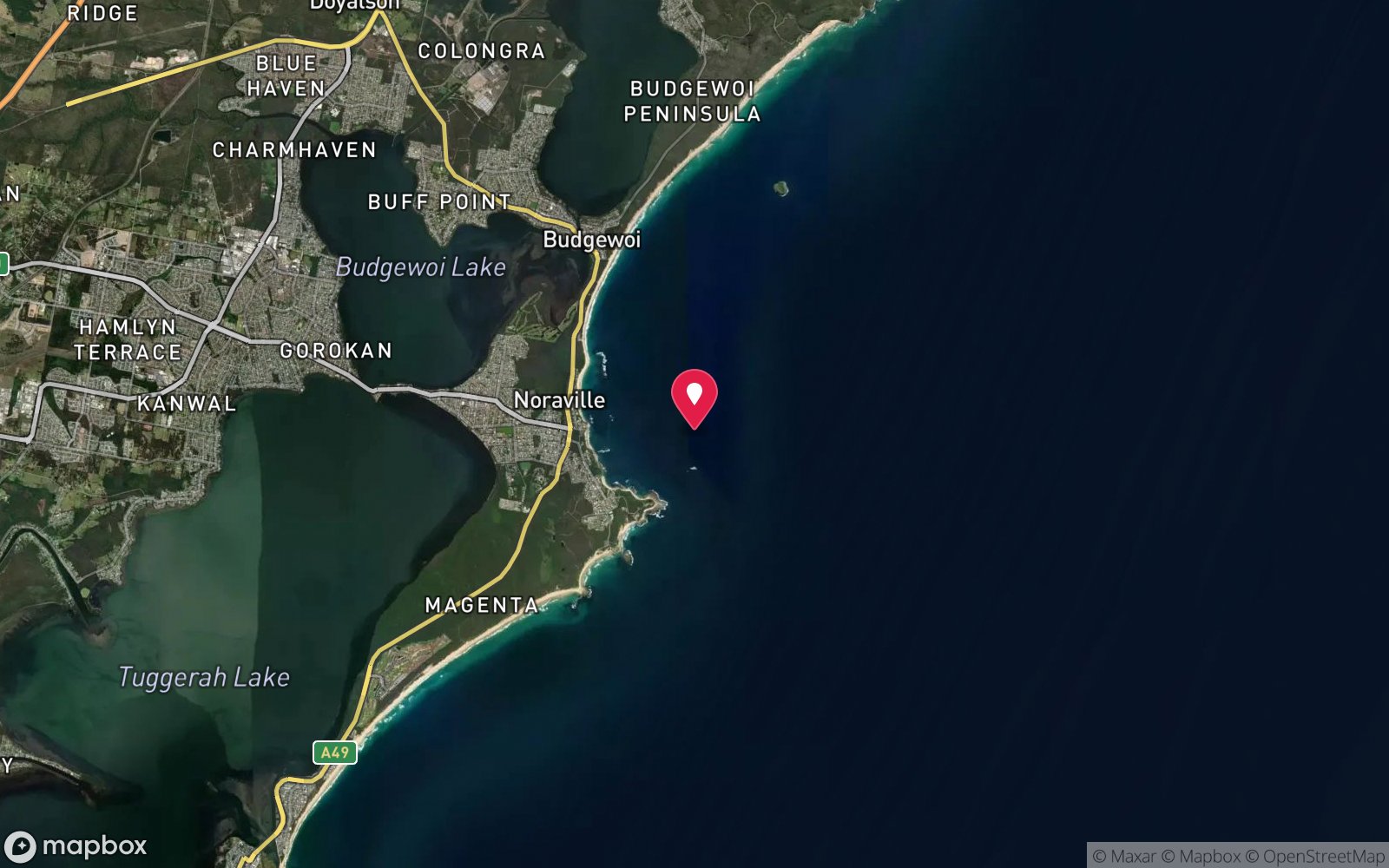
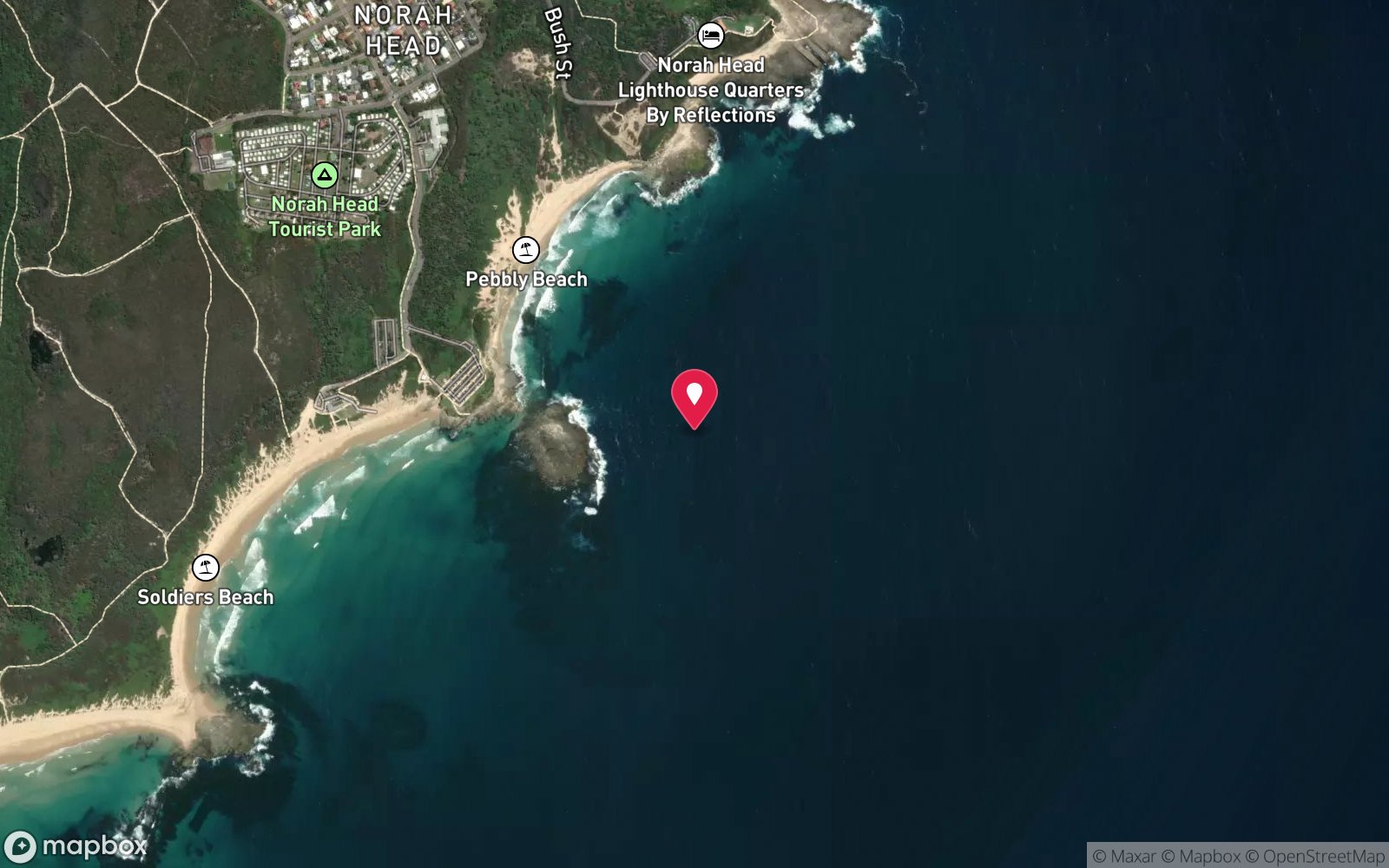
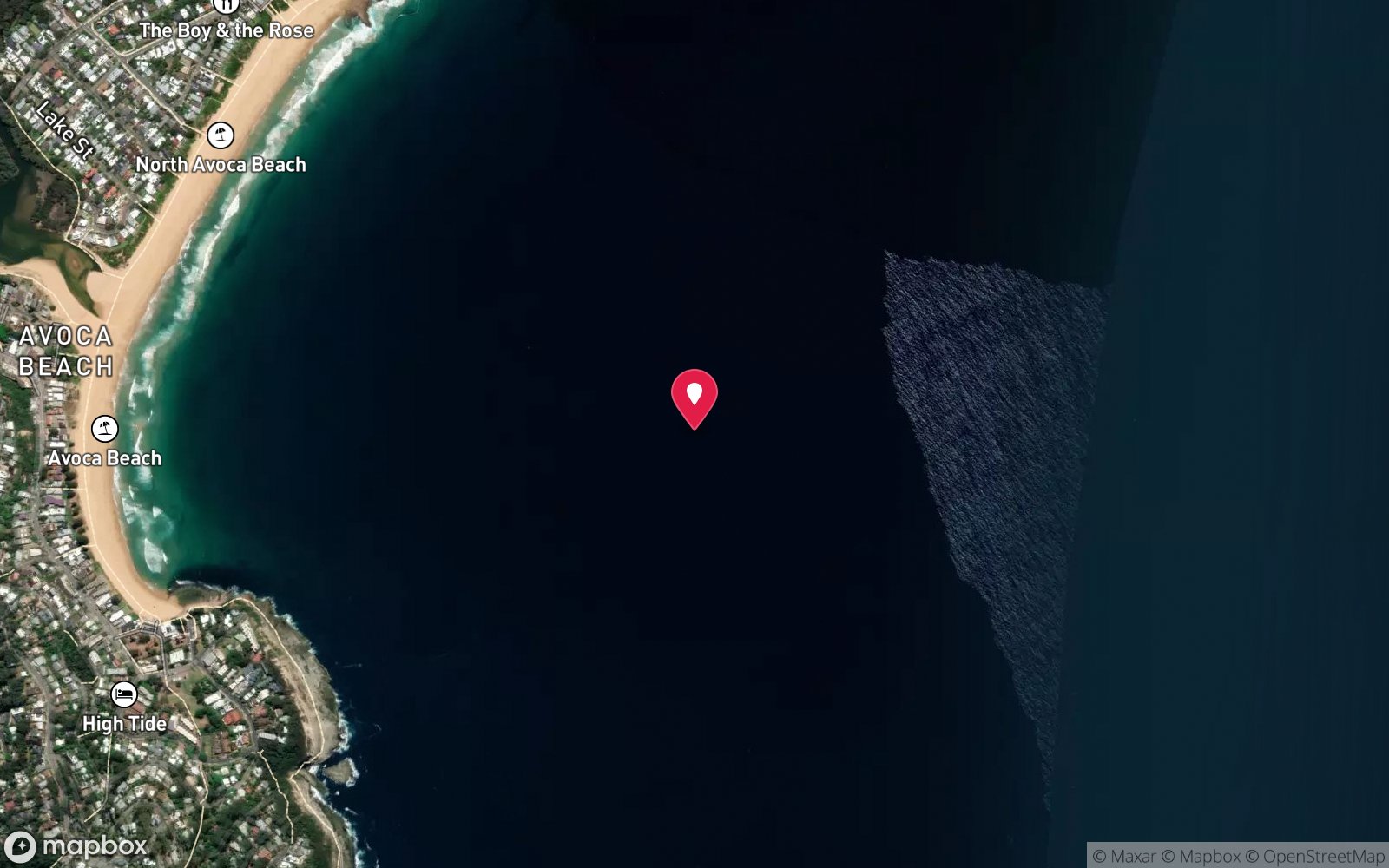
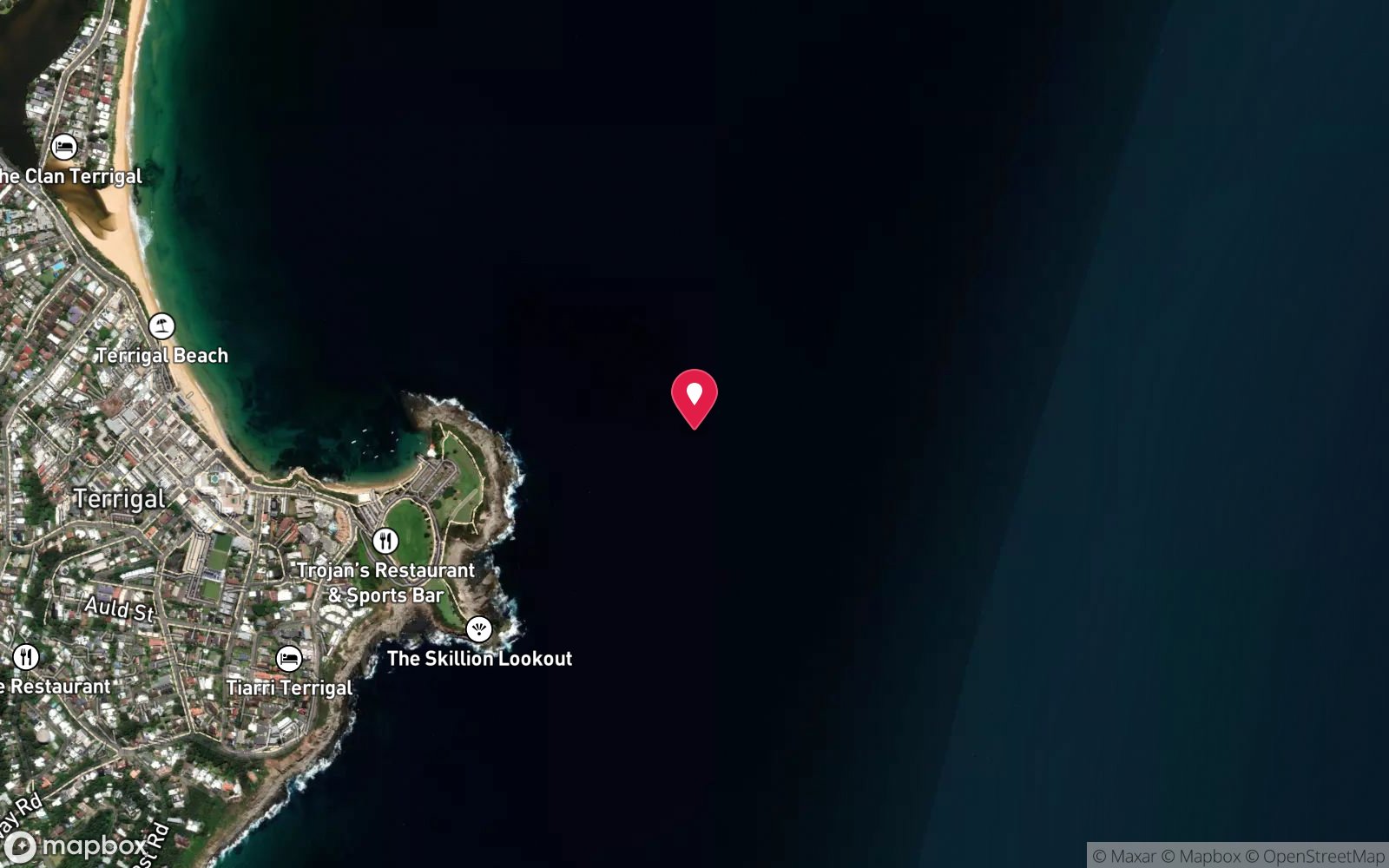
7 pinned sites. Pins marked approximate on their pages show the general area only; not for navigation.
Satellite views
TSS Nerong wreck: frequently asked questions
How deep is TSS Nerong wreck?
TSS Nerong wreck reaches a maximum depth of 45 m, with the shallowest part at about 43 m; most of the dive is spent around 44 m.
What certification do I need to dive TSS Nerong wreck?
Technical (decompression) is the recommended minimum. Rated expert/technical because of depth to 45 m, cold water.
Can I shore dive TSS Nerong wreck?
No, it is reached by boat (about 30 minutes). A dive centre is required: boat access only.
When is the best time to dive TSS Nerong wreck?
Autumn for clearest, calmest conditions.
What marine life will I see at TSS Nerong wreck?
Regularly recorded: Resident reef fish and encrusting growth typical of a century-old deep wreck.
What wetsuit do I need at TSS Nerong wreck?
5 mm steamer/full suit in summer; 7 mm semi-dry or drysuit June-October.
How cold is the water at TSS Nerong wreck?
Typically 20-23 °C in summer and 14-17 °C in winter.
What are the main hazards at TSS Nerong wreck?
Decompression obligation; remote location with limited surface support; fishing line/net entanglement possible; requires technical training and experience. See the hazards section above for the full list.
Where is the nearest recompression chamber to TSS Nerong wreck?
Prince of Wales Hospital (Randwick, Sydney). In an emergency call 000, then DAN Asia-Pacific on 1800 088 200.
Diving in Central Coast
The Central Coast's headline is the ex-HMAS Adelaide, a 138 m frigate scuttled off Avoca in 2011 that is now one of the busiest wreck dives in the country. Around it are the reefs and caves of Terrigal Haven, Foggy's Cave and the Skillion, the shore dive at Terrigal, and the grey nurse gutters at the Pinnacles off Bangalley Head.
Getting there: Ninety minutes north of Sydney. Charters from Terrigal Haven run the Adelaide daily in season; Terrigal Haven itself is a sheltered shore dive with parking on the beachfront.
Sources
- terrigalunderwatergroup.com/dive-sites
- coastmagazine.com.au/explore/shipwrecks-on-our-coast
- centralcoastdivers.com.au/collections/wreck-diving-1
- prodive.com.au/locations/Scubadive/central+coast/view/Dive_Site
Data confidence: Medium · Being verified: Exact GPS position not published in sources reviewed; approximate position given per general 'off Norah Head' description.. Last updated September 2026. Know this site better? How to send a correction
Nearby dive sites
More wrecks in New South Wales
Explore more