For the wide lens: clear water, big animals and structure. Wrecks, walls and pinnacles with 20 m-plus visibility and sharks, rays, seals or schooling fish recorded.
Updated daily from the directory. 30 sites listed.
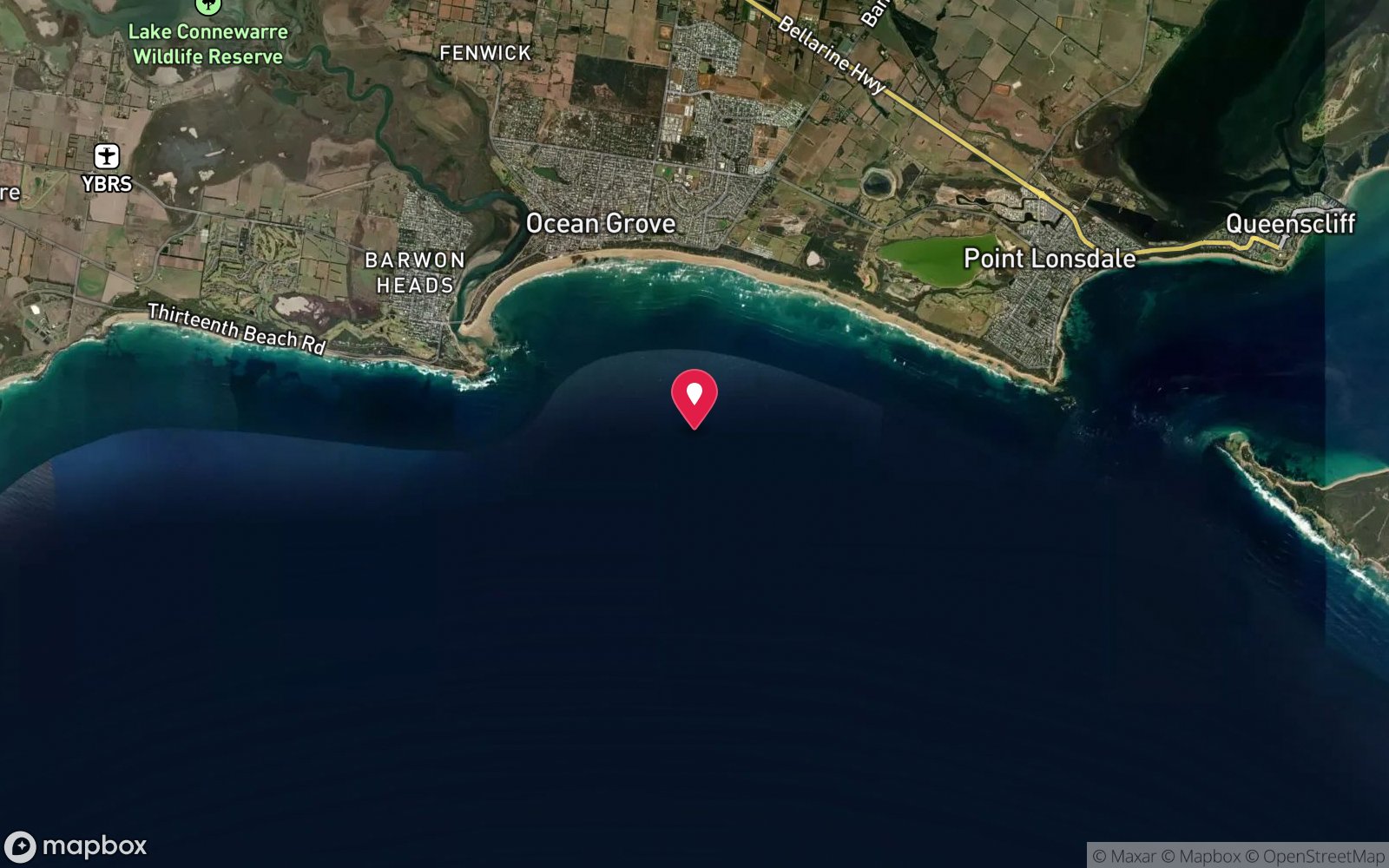
1. Port Phillip Heads · VIC
ex-HMAS Canberra
A 138 m frigate scuttled off Ocean Grove with cut access points at every deck, dived daily in season.
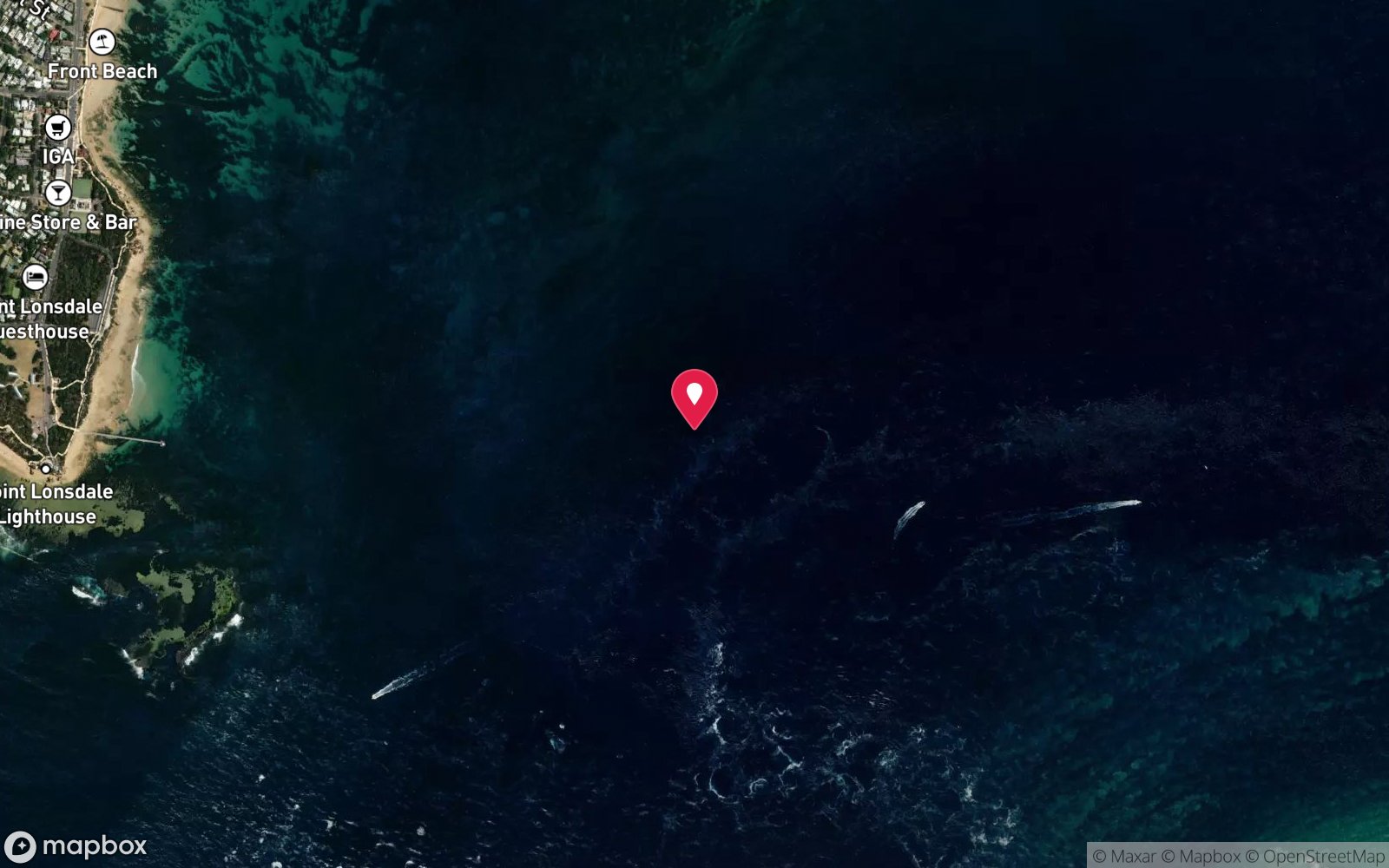
2. Port Phillip Heads · VIC
Lonsdale Wall
The signature Heads wall, dropping past 40 m under sponge gardens, dived on a 20-minute slack.
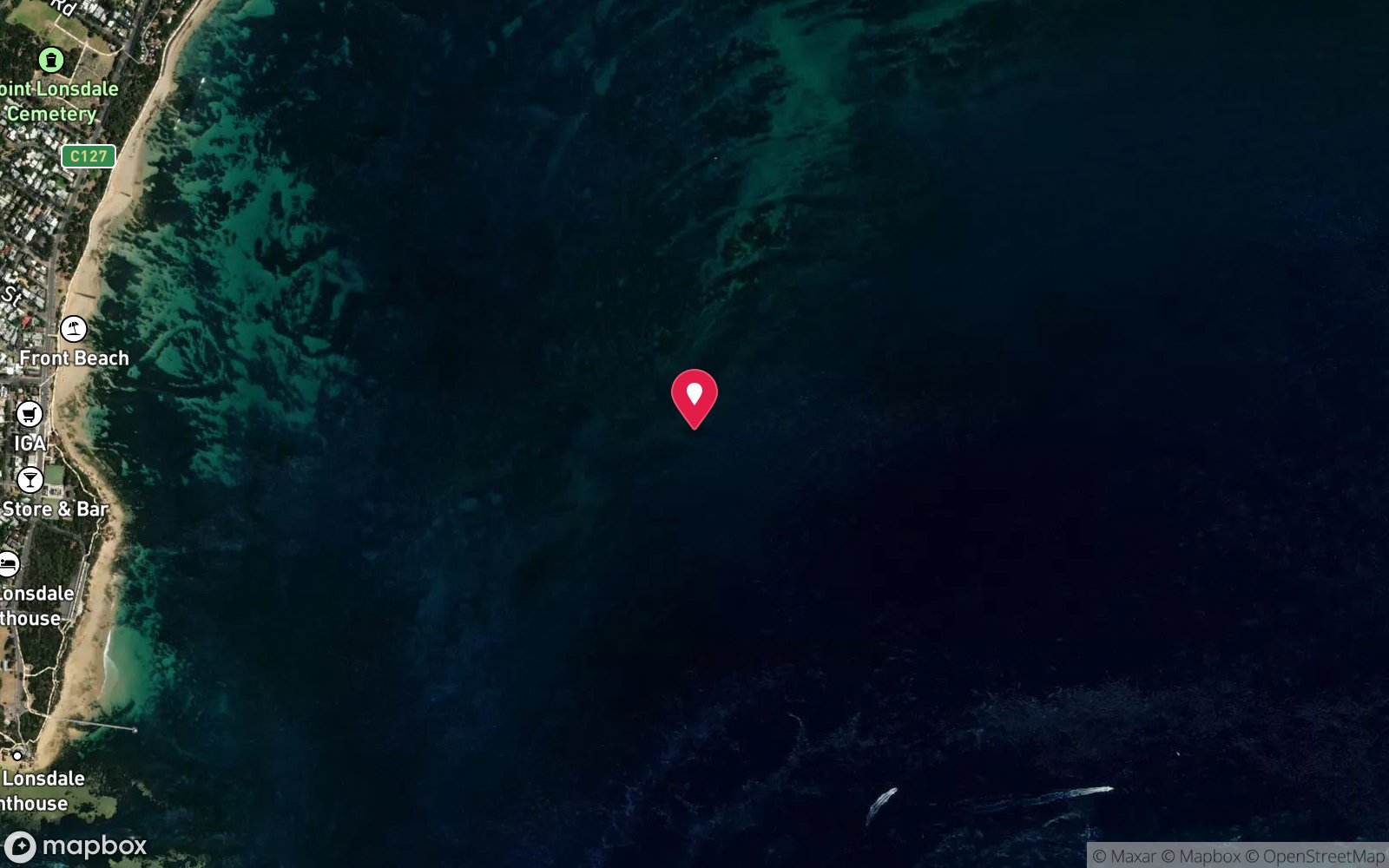
3. Port Phillip Heads · VIC
Lonsdale Wall Shallow
A shallower section of the Lonsdale wall system, with a published 12–25 m range and boat access timed around slack water.
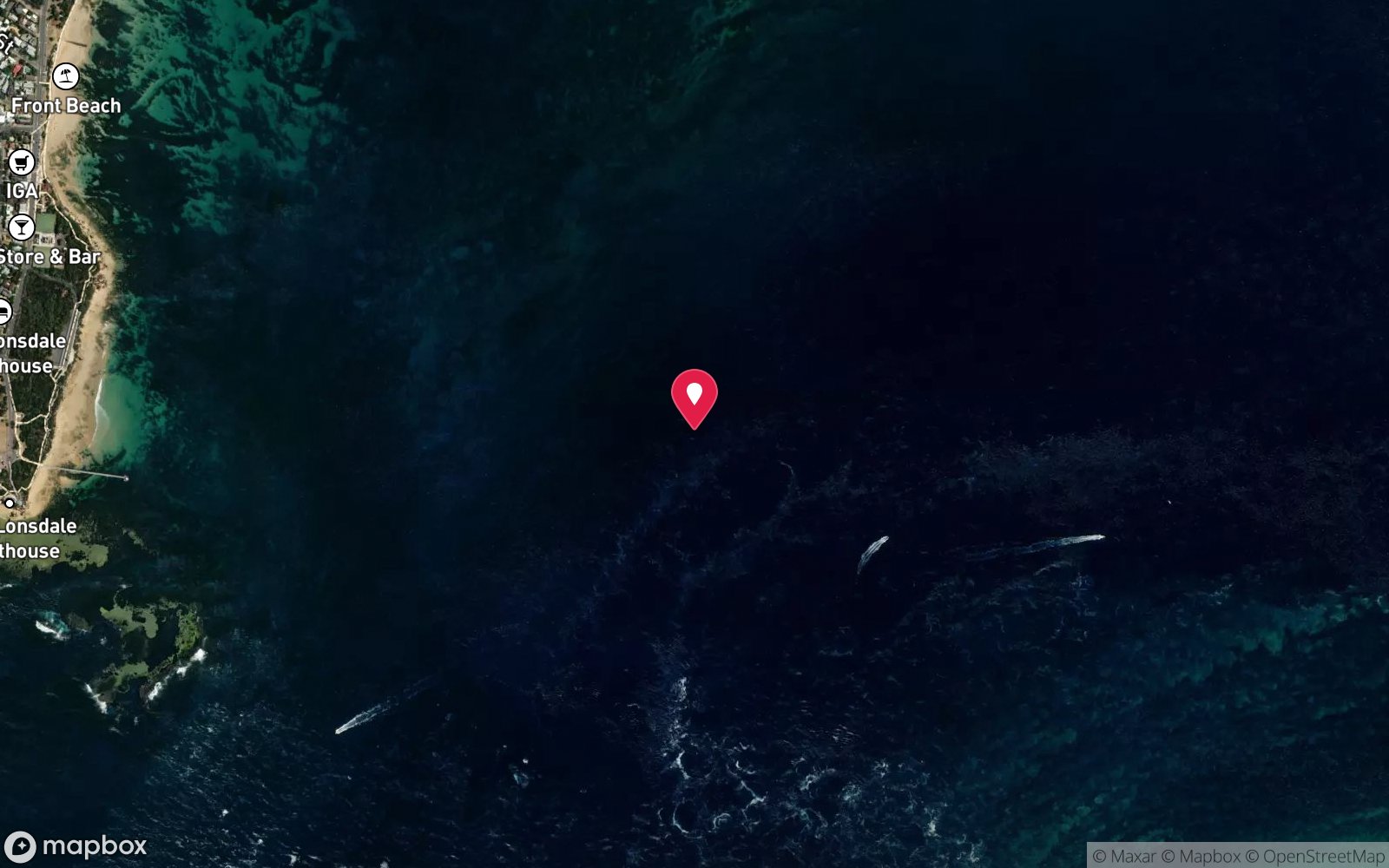
4. Port Phillip Heads · VIC
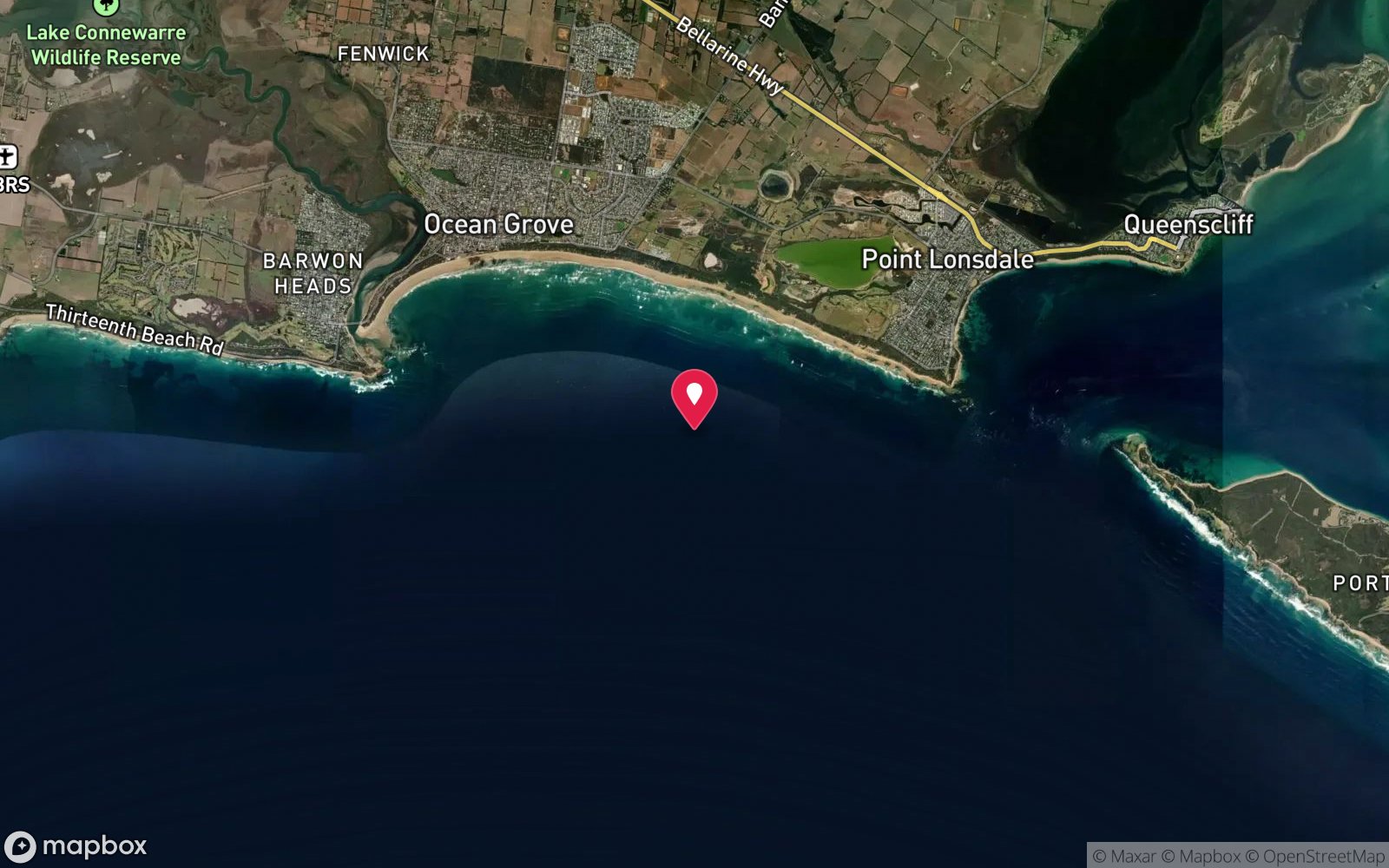
Party Point
Vertical Lonsdale Wall face with a step-out every 6–9 m and a cave-like overhang behind each one, from 12 m to 45 m – the most-dived drop on the wall and usable by every certification level in the same slack.
5. Port Phillip Heads · VIC
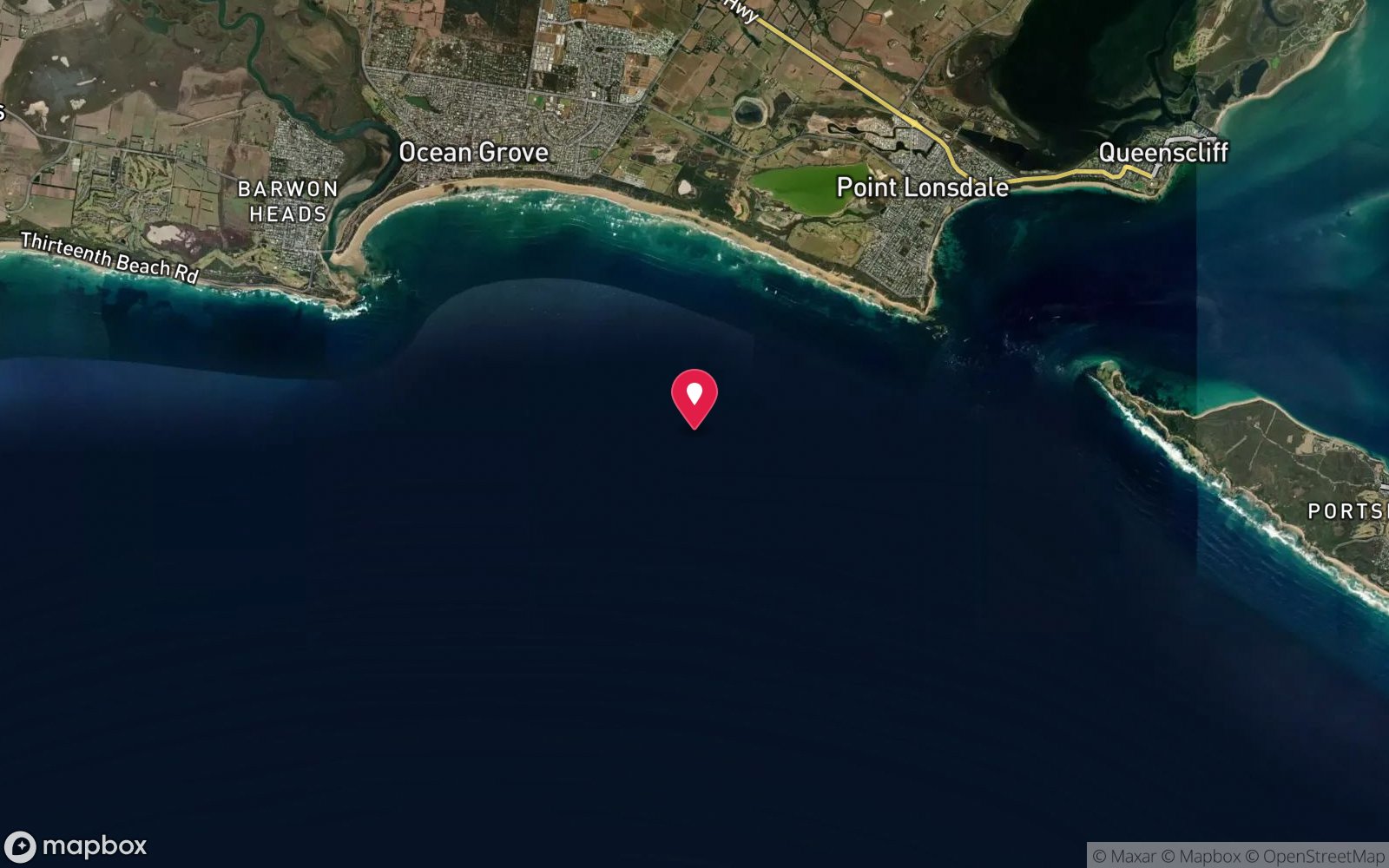
J4 Submarine
The most accessible of Victoria's WWI submarines – intact conning tower, exposed torpedo tubes and open hatches in 19–28 m; a superb photo subject in clear water.
6. Port Phillip Heads · VIC
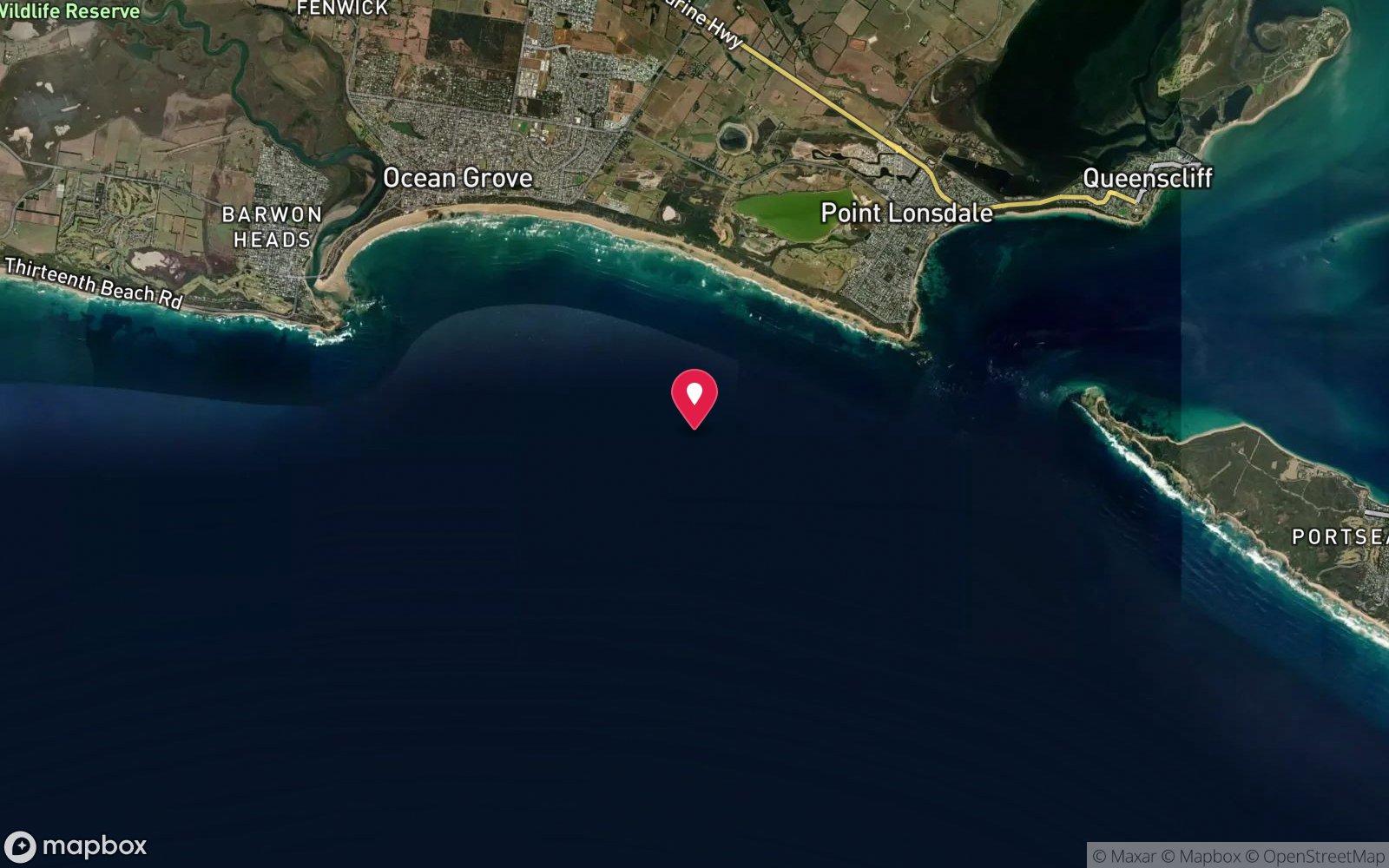
J5 Submarine
A WWI J-class submarine in 36 m in the Ships' Graveyard, the most intact of the four.
7. Port Phillip Heads · VIC
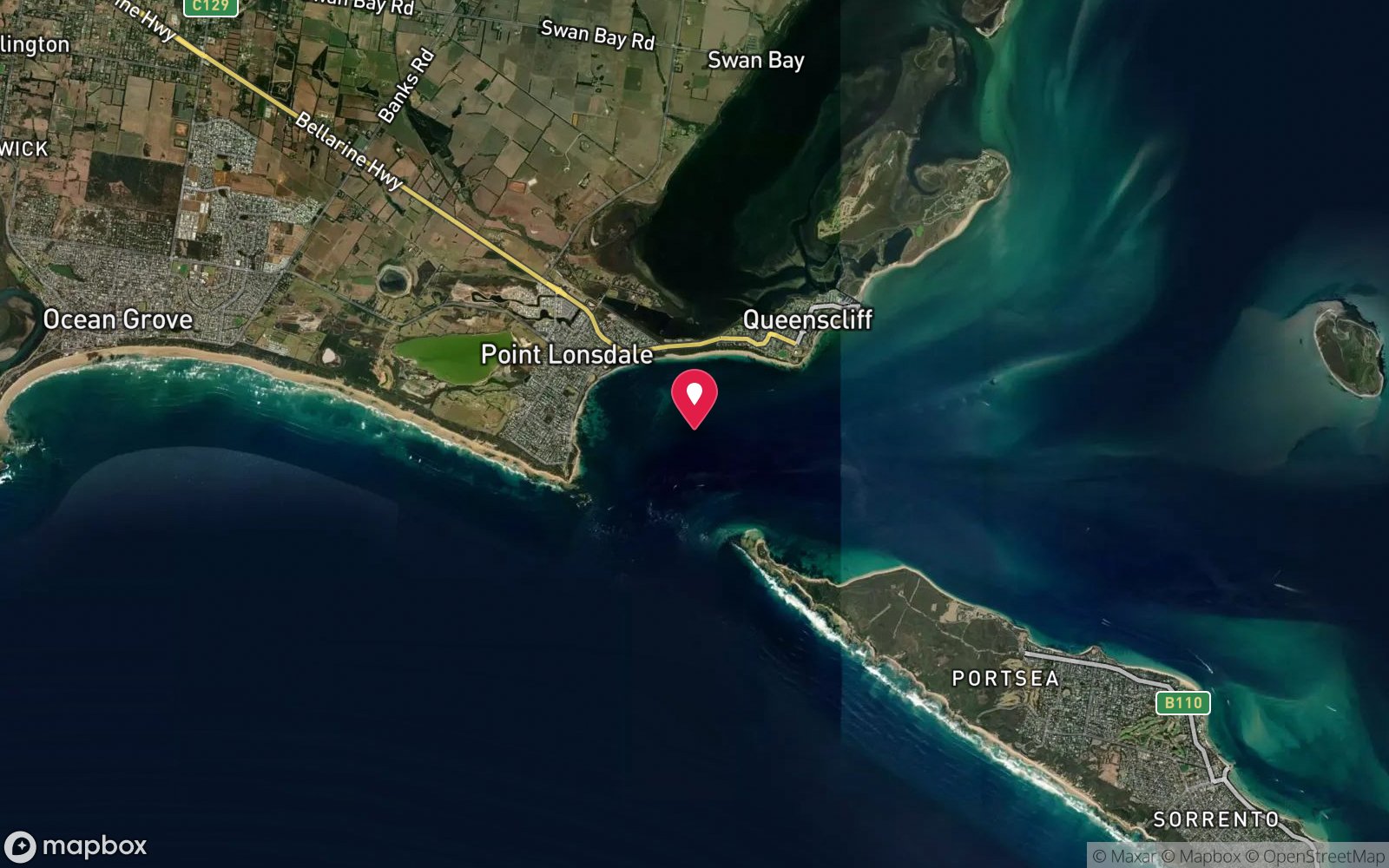
SS Coogee
Photogenic stern with steering quadrant under two decks, twin boilers you can swim between, and a bow on its side with railings intact – all in 28–35 m.
8. Port Phillip Heads · VIC
12lb Reef
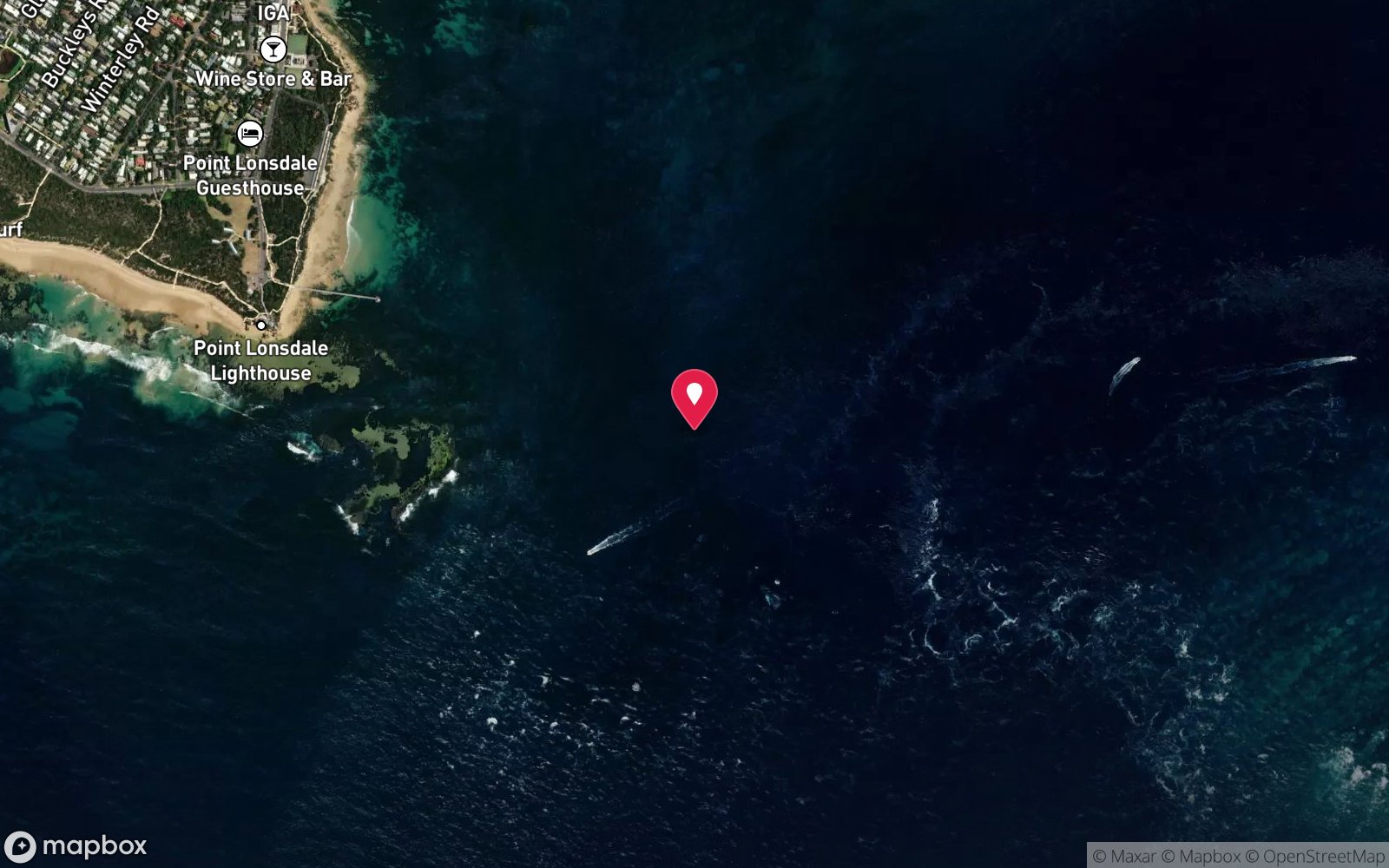
A short, overhang-riddled wall at 8–20 m on the edge of Lonsdale Bight named for a 12-pound crayfish – soft corals, caves and big crays within Open Water limits, next to Boarfish Reef and The Grotto.
9. Port Phillip Heads · VIC
16lb Reef
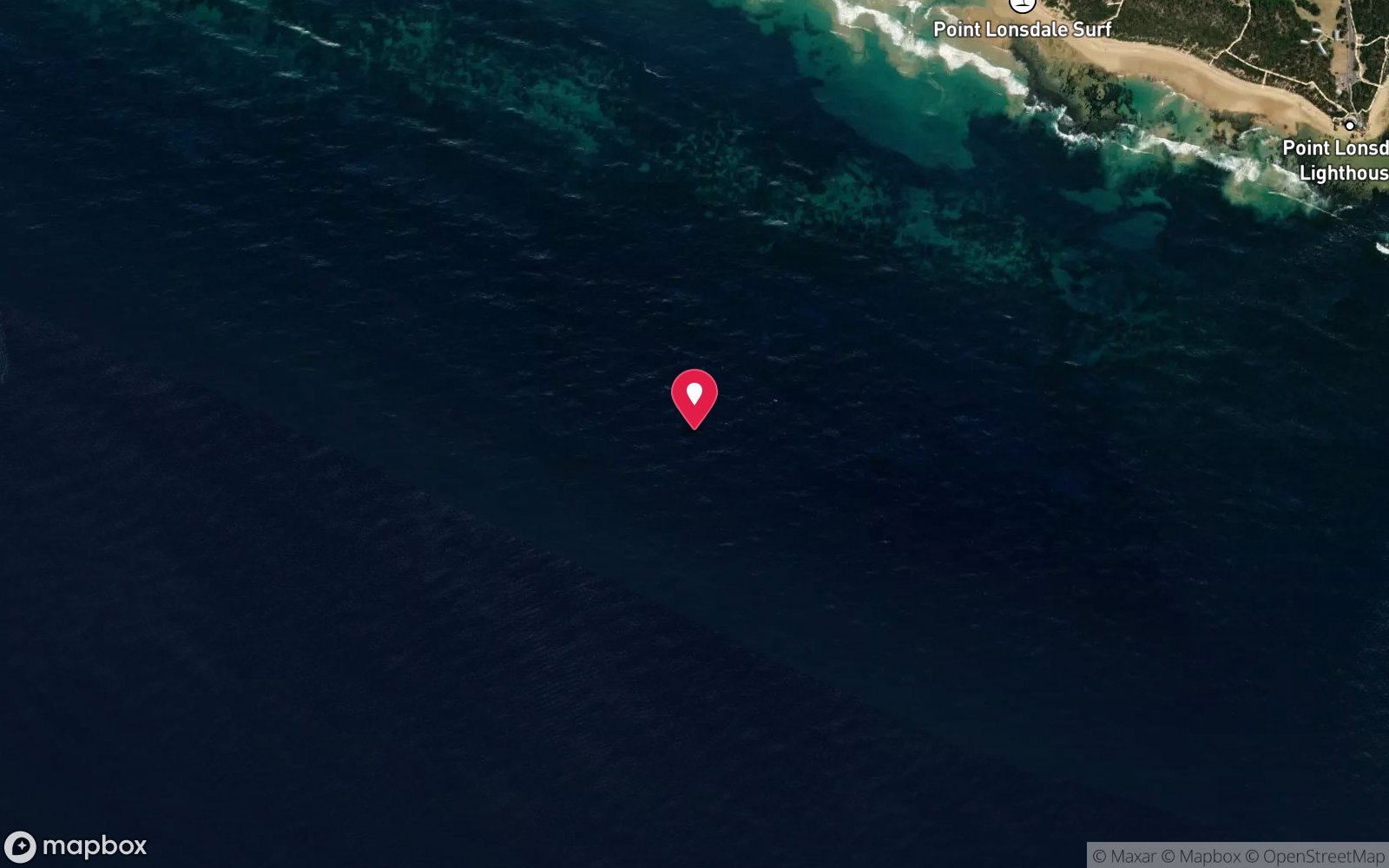
Overhangs and small drop-offs at 12–18 m at the ocean end of Lonsdale Wall, named for a legendary 16-pound crayfish and known for its blue devils – the shallow companion to Foggy Reef.
10. Port Phillip Heads · VIC
Castle Rock
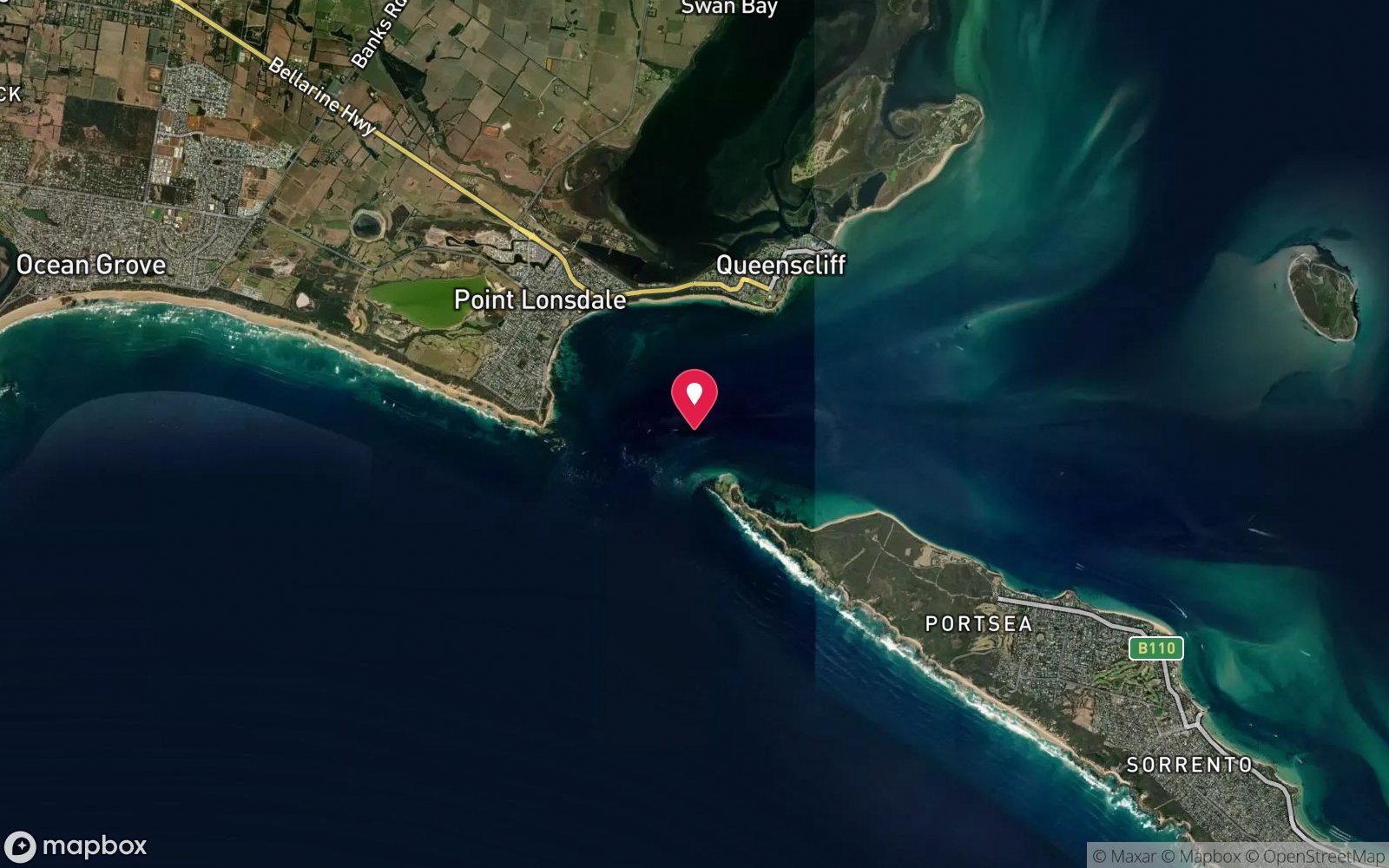
A Portsea back-beach reef dived only on flat days, with caves and swim-throughs.
11. Port Phillip Heads · VIC
Devils Drop Off
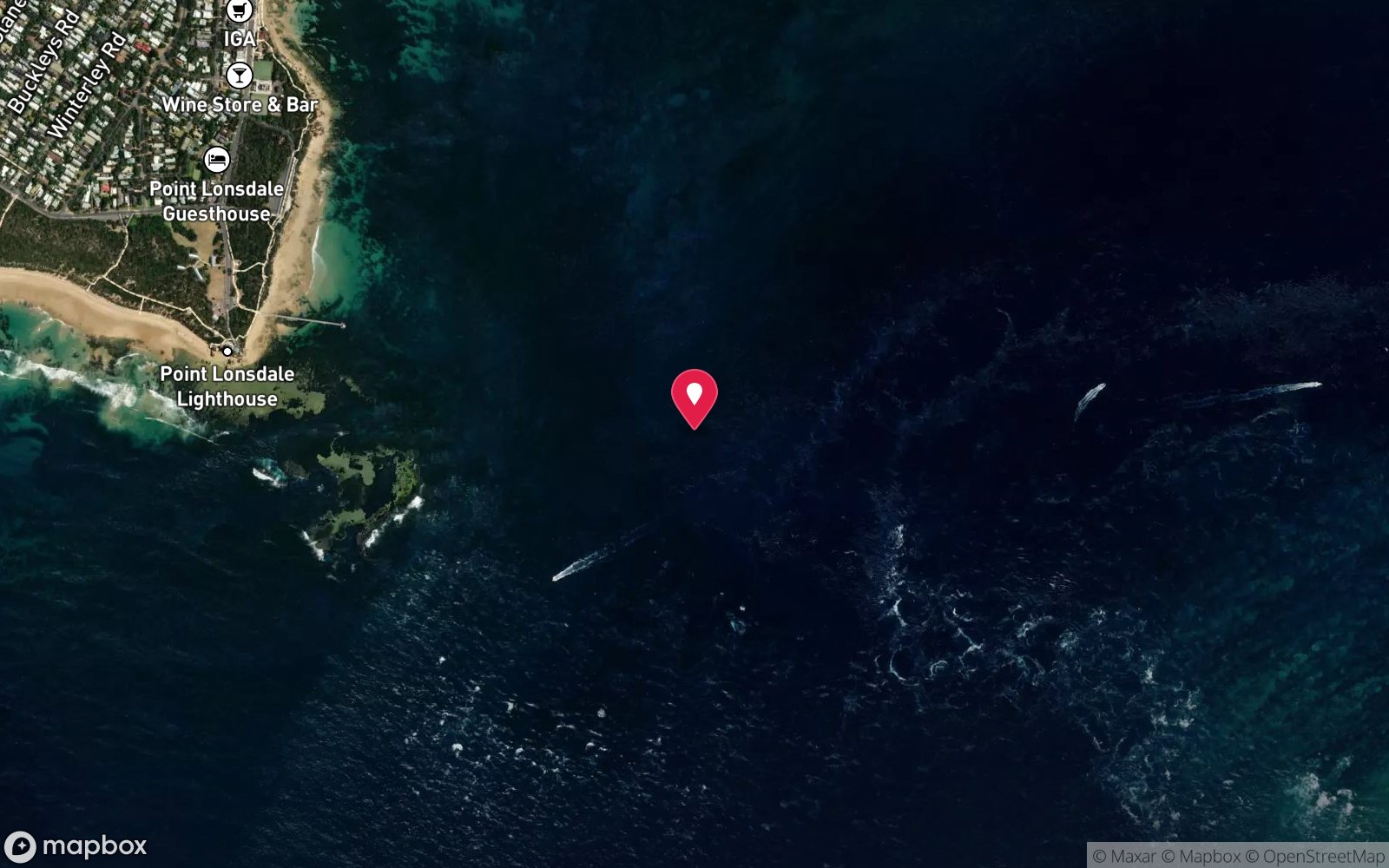
A 12-to-30 m drop-off on the Nepean side with a long soft-coral overhang at 27 m and the most dependable blue devils at the Heads; ebb slack only.
12. Port Phillip Heads · VIC
Foggy Reef
Shallow-topped end of Lonsdale Wall with heavy soft-coral and gorgonian cover, an embedded admiralty anchor and two cannons in the sand – found in a fog and named for it.
13. Port Phillip Heads · VIC
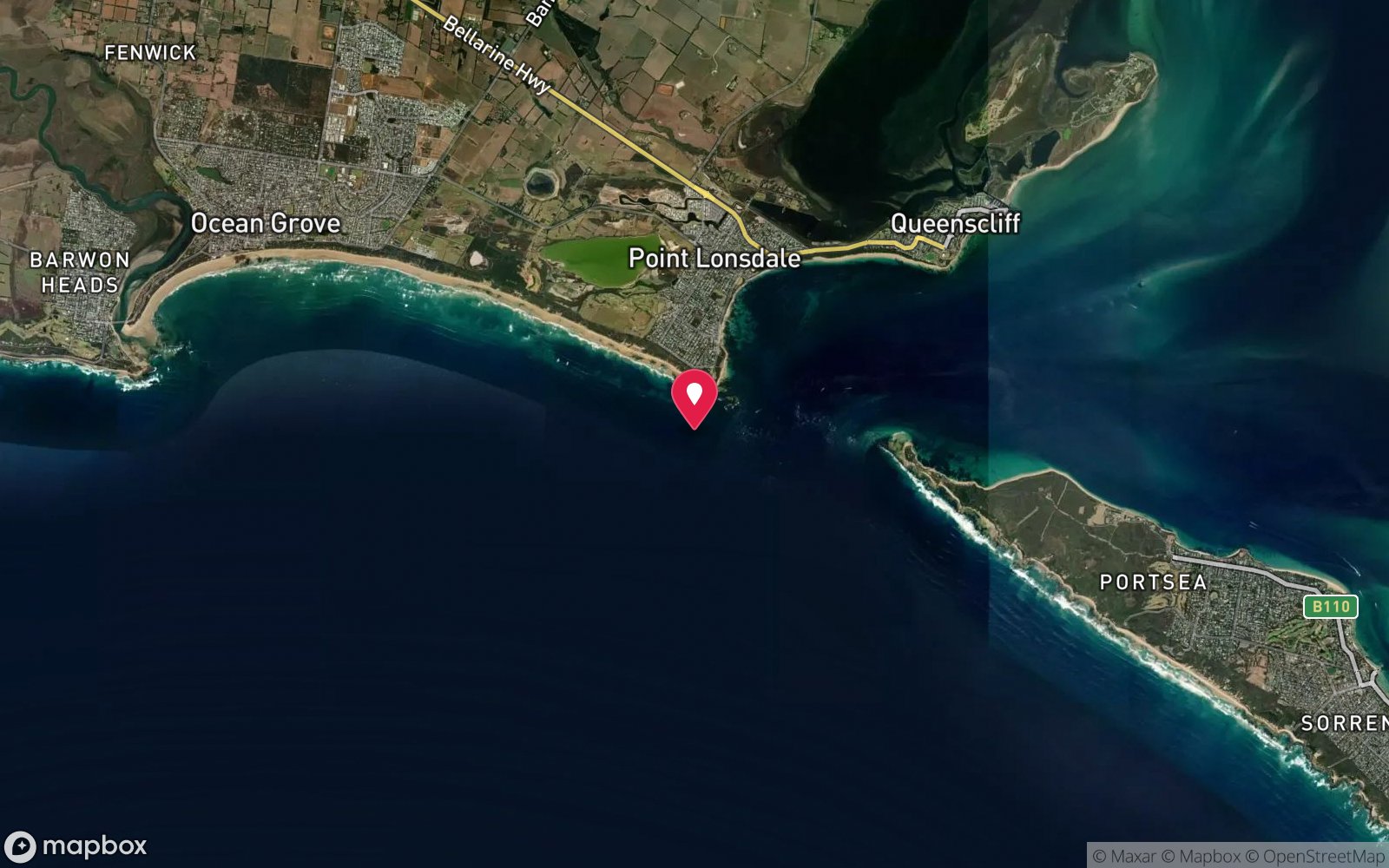
Lonsdale Arches
Natural sandstone arches and tunnels at 12–18 m on the outer Lonsdale reef, wide and safe to swim through and completely lined with zoanthids and sponges; seals and cuttlefish are regulars.
14. Port Phillip Heads · VIC
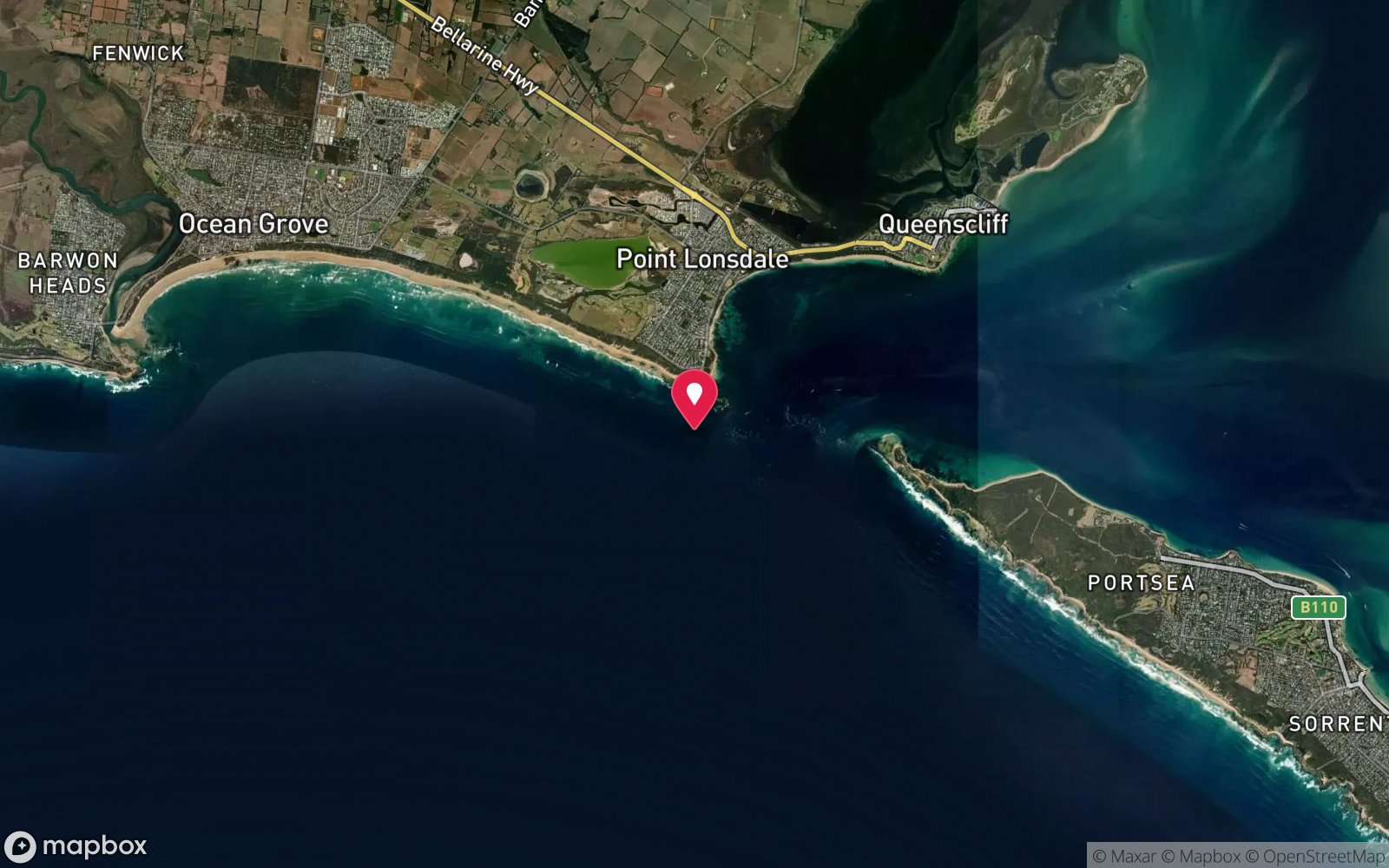
Lonsdale Bommies
Cluster of encrusted outcrops and gutters at 12–18 m on the outer Lonsdale reef, famous for crayfish and a natural pairing with the Arches on an outside charter day.
15. Port Phillip Heads · VIC
Nepean Wall
The vertical Nepean side of The Rip: a boomerang-shaped trench whose northern wall drops from 18 m to 65 m through large caves and undercuts, dived on the ebb-to-flood turn so the tide carries you home.
16. Port Phillip Heads · VIC
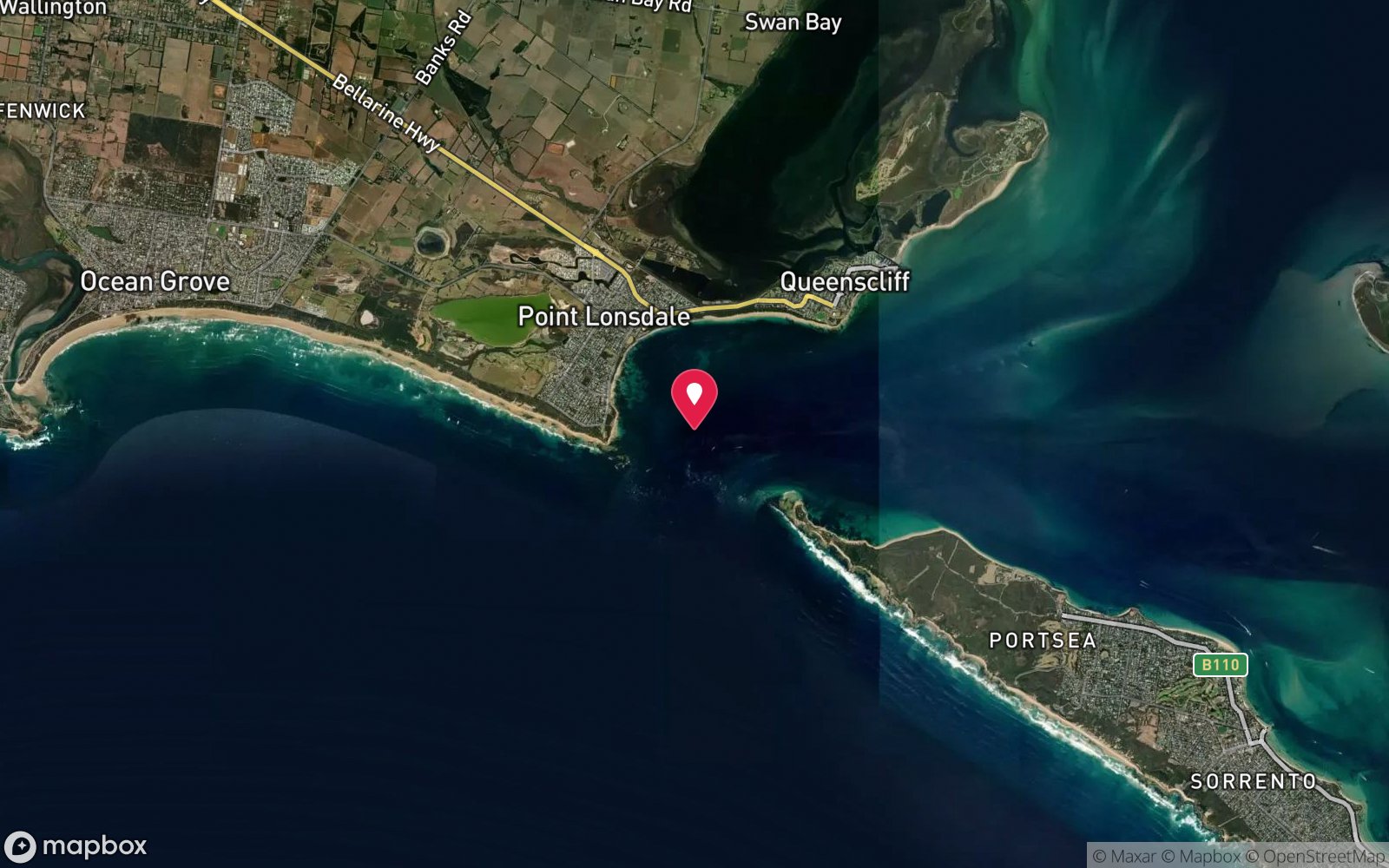
Paradise Wall
A stepped wall with shallower upper terrain and deeper drop-offs. Confirm the planned route, depth and slack-water window with your operator.
17. Port Phillip Heads · VIC
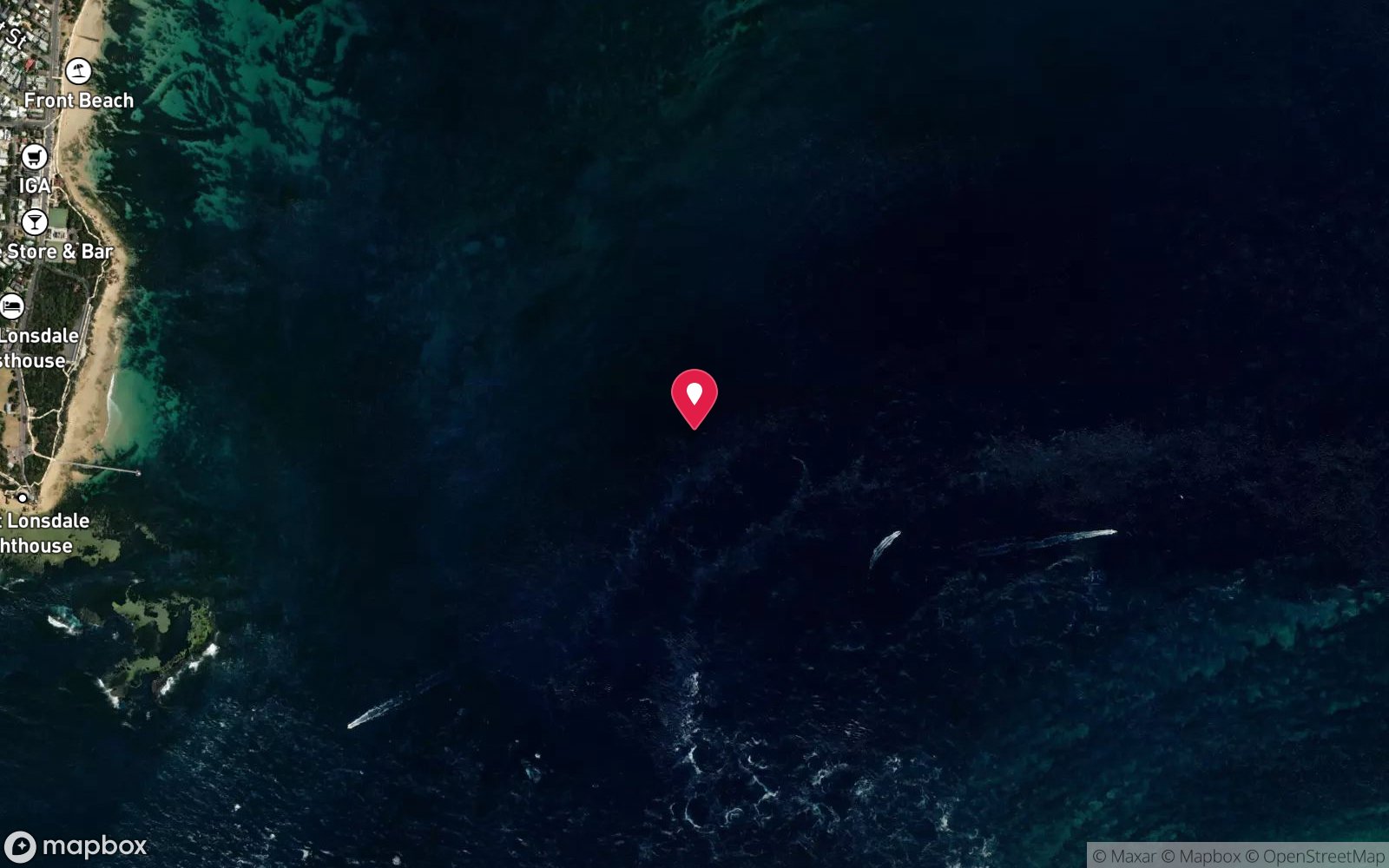
The Mall
The central and fishiest stretch of Lonsdale Wall – a near-vertical face from 15 m to 45 m with blue devils, cuttlefish, crayfish and clouds of hulafish along a long mid-water undercut.
18. Port Phillip Heads · VIC
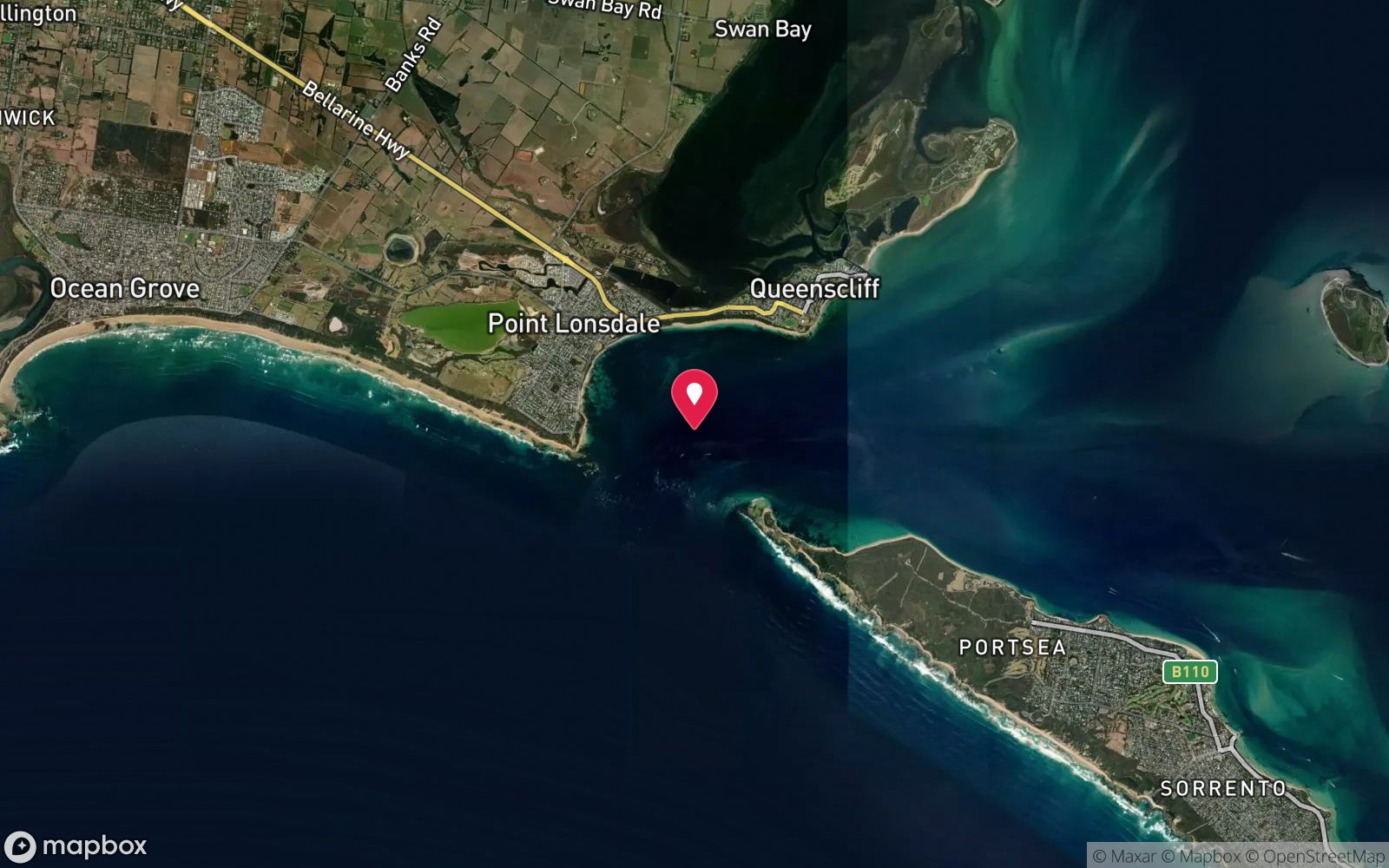
Toms Cave
A short natural tunnel entering the Lonsdale Wall at 30 m and exiting at 22 m – an easy, torch-lit swim-through for Advanced divers with rich overhangs at the exit.
19. Port Phillip Heads · VIC
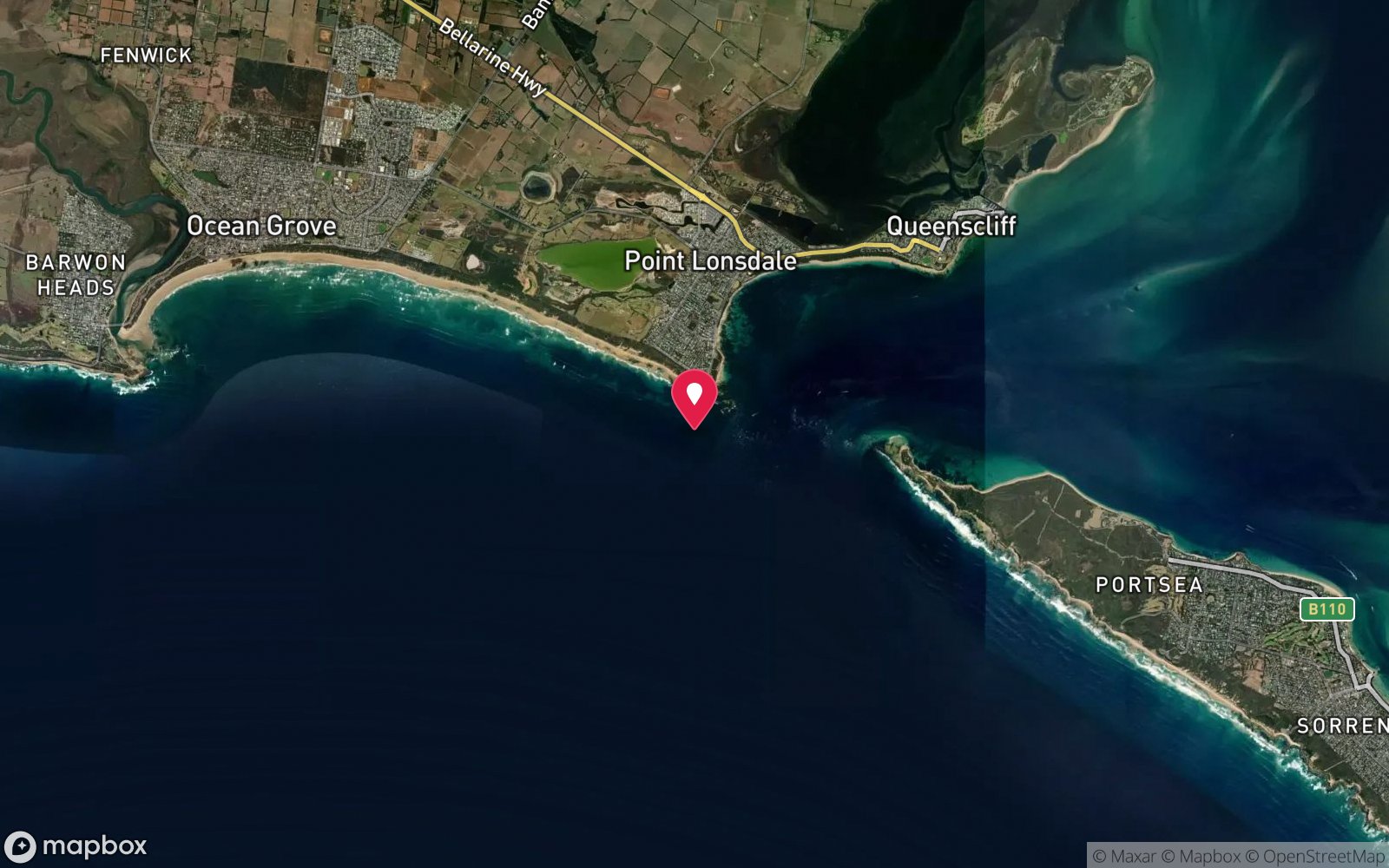
Twin Bommies
Two steep limestone towers rising from 18 m to 12 m on the outer Lonsdale reef, coated in soft corals and sponges with Port Jackson sharks under their bases – a photographer's outside dive beside the Arches.
20. Port Phillip Heads · VIC
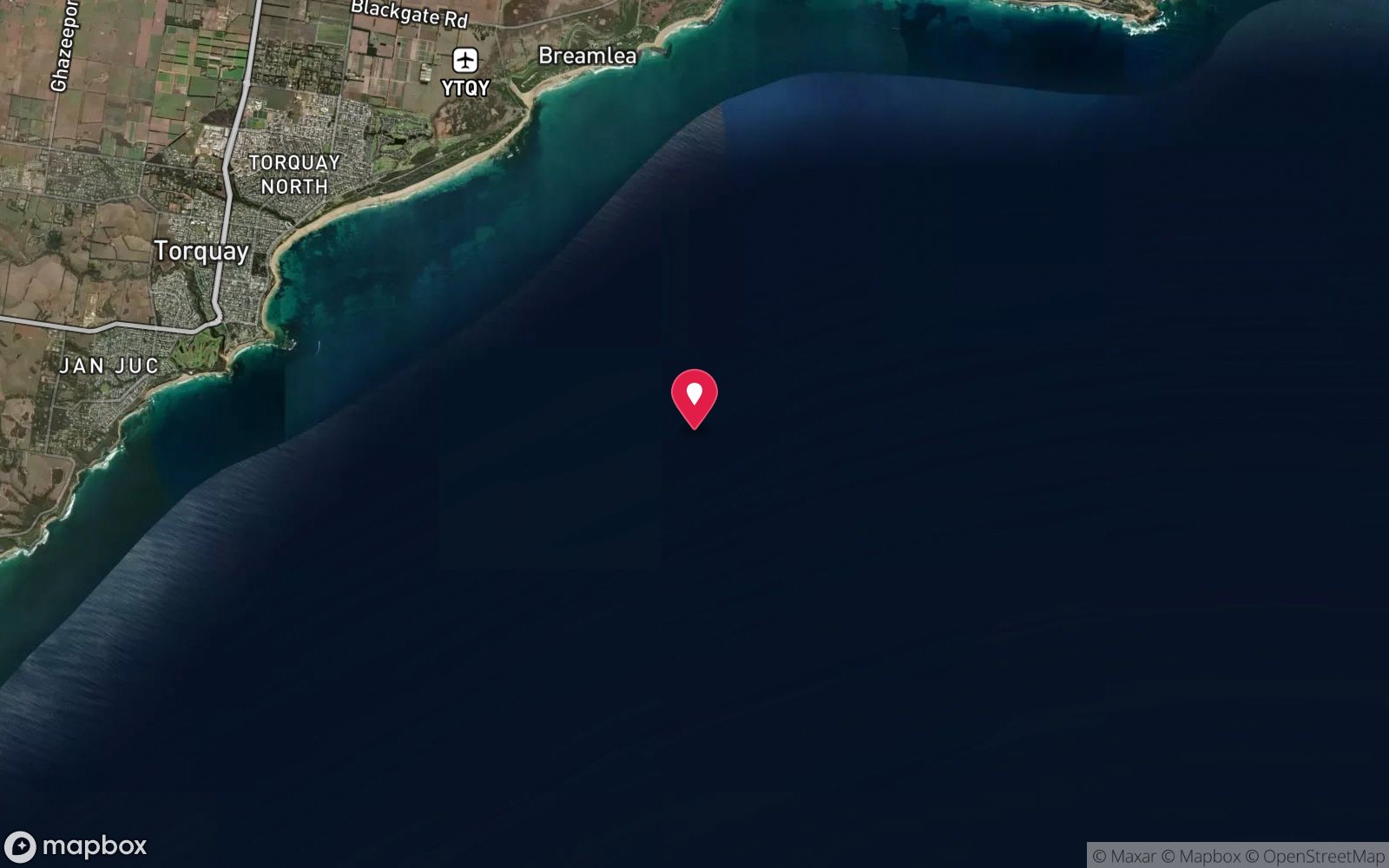
Batman
A compact, easily navigated 1883 hopper barge and one-time Victorian Navy gunboat with a large upright boiler at the bow – the standard Melbourne technical training wreck.
21. Port Phillip Heads · VIC
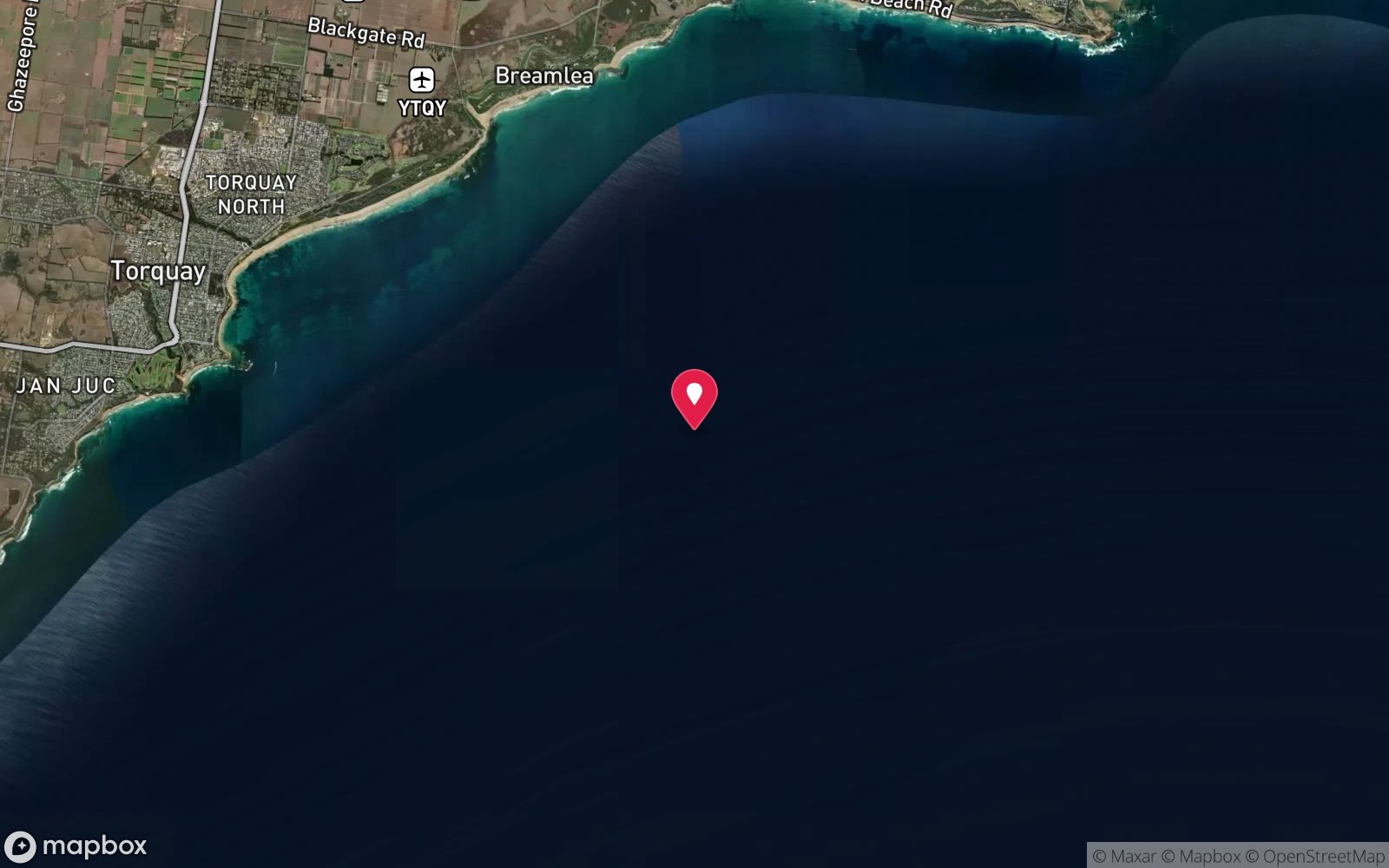
Beverwijk 19
An upturned Dutch steam dredge with huge dredging cog wheels, boiler and propeller exposed; the last vessel scuttled in the Graveyard (1963).
22. Port Phillip Heads · VIC
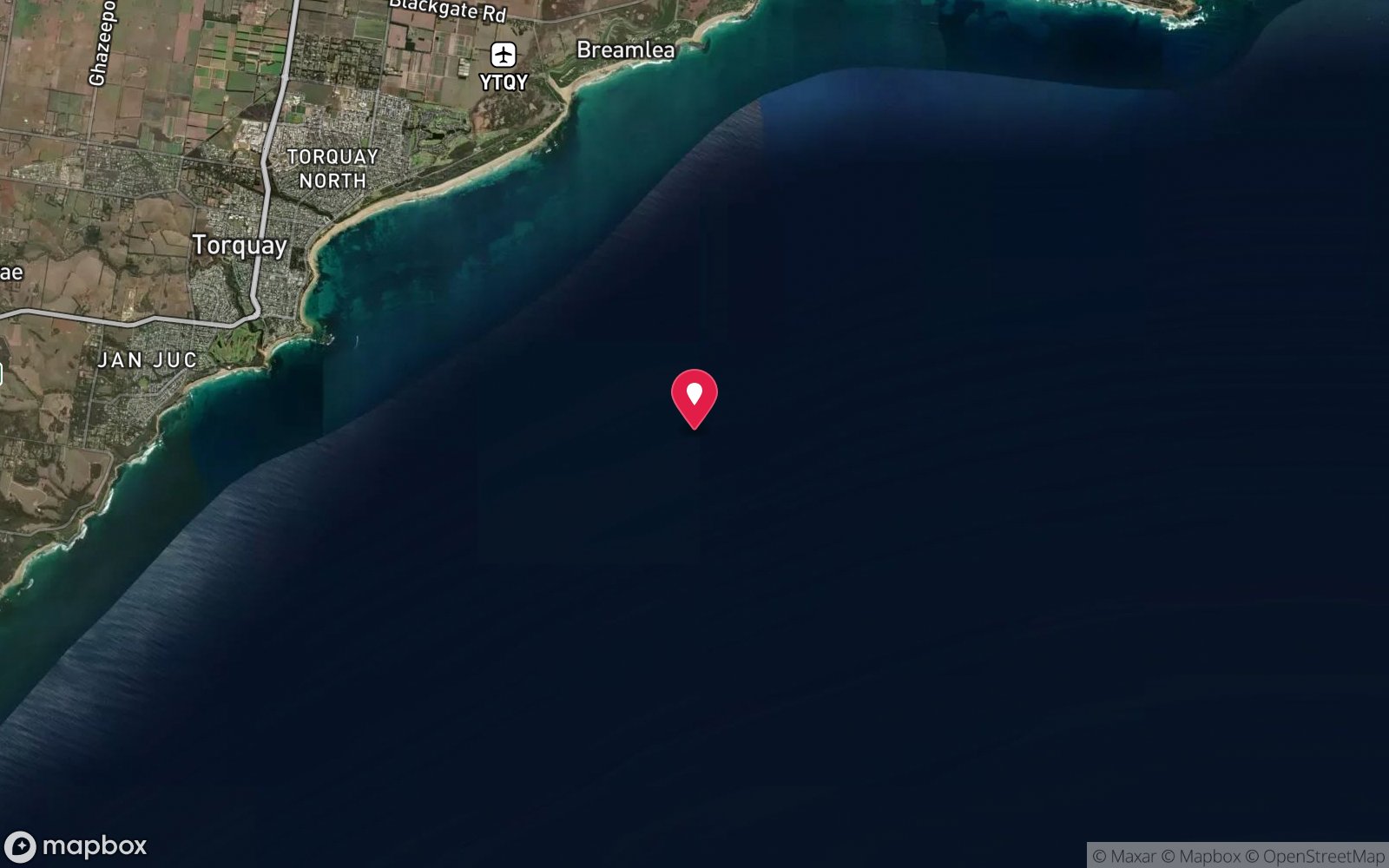
Dunloe
An 1870 Clyde-built iron barque and coal hulk whose 1947 scuttling nearly ended in disaster – intact bow, blown-out stern, in 44–46 m beside the Batman; a technical training favourite.
23. Port Phillip Heads · VIC
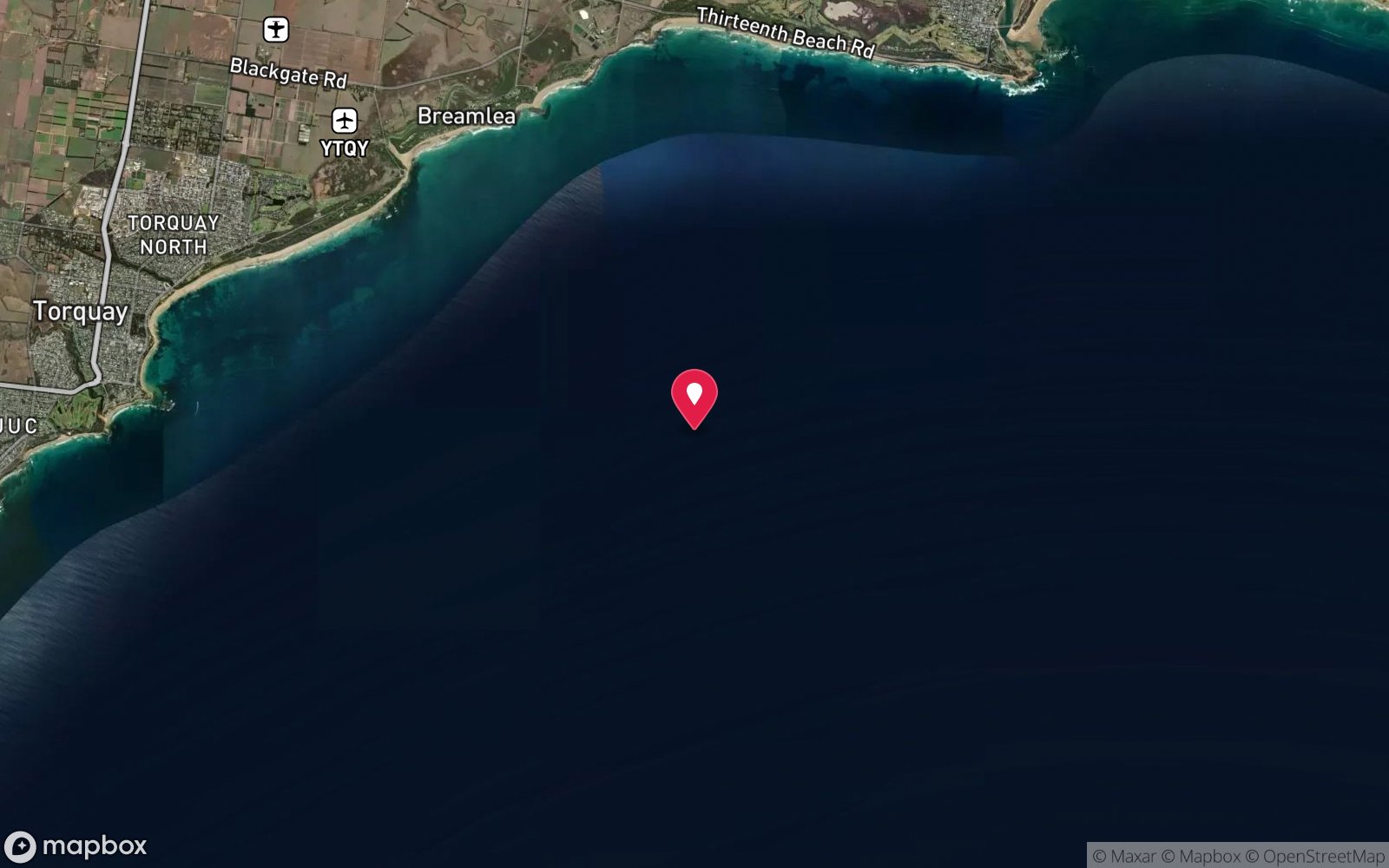
Euro
A remarkably complete 1897 steam tug – triple-expansion engine, boilers, tow anchor, steering quadrant and even the toilets – with real penetration in 44–50 m.
24. Port Phillip Heads · VIC
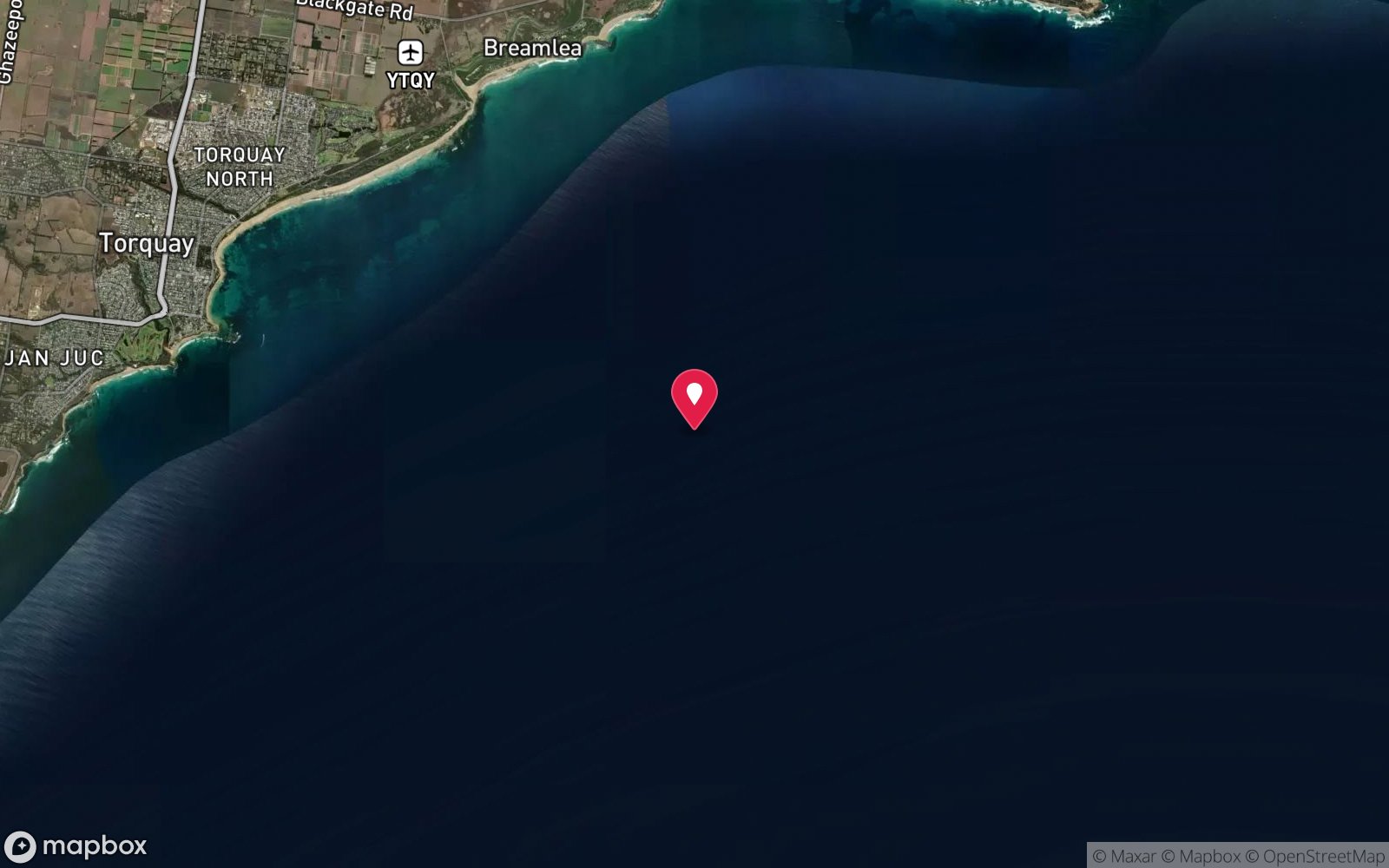
Fawkner
Sister to the Batman with the hopper strongback still spanning the hold, a boiler at the stern and the propeller in place; a colourful bow.
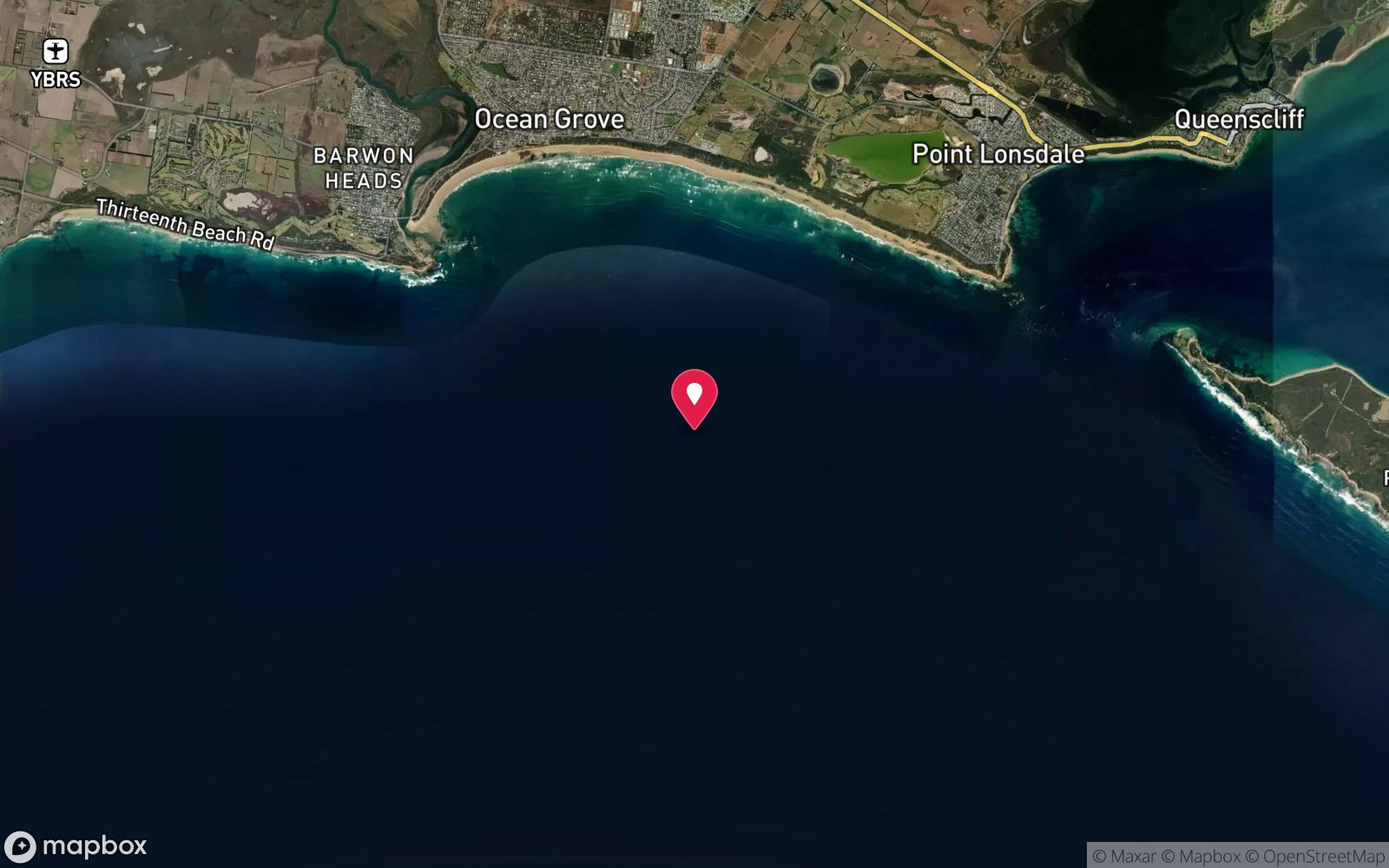
25. Port Phillip Heads · VIC
J1 Submarine
An intact 84 m WWI submarine standing upright in 38 m and blanketed in yellow zoanthids; hatch access into the control room for trained divers.
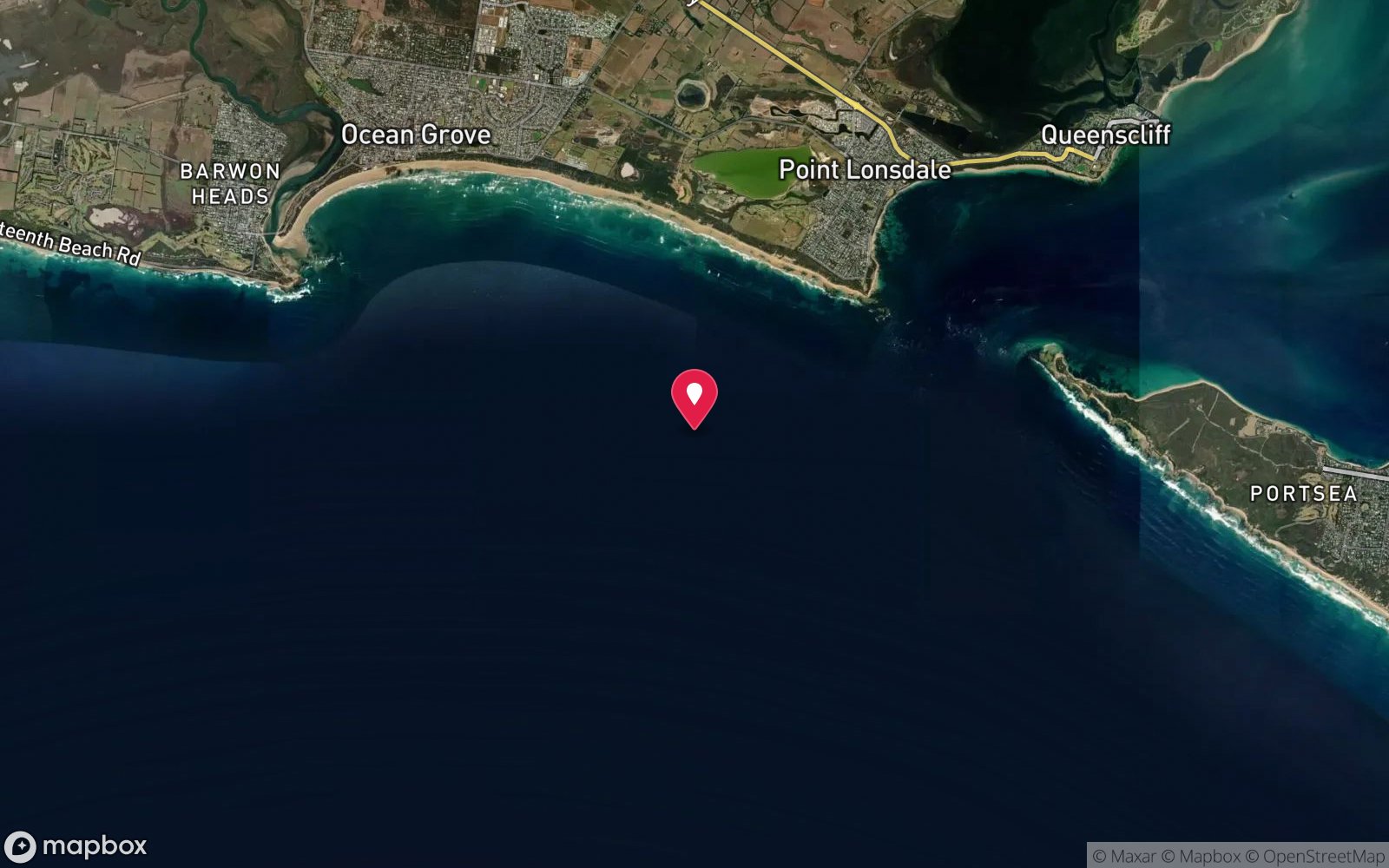
26. Port Phillip Heads · VIC
J2 Submarine
A WWI J-class submarine snapped in two, with the open cross-section of the pressure hull visible at the break; rarely crowded.
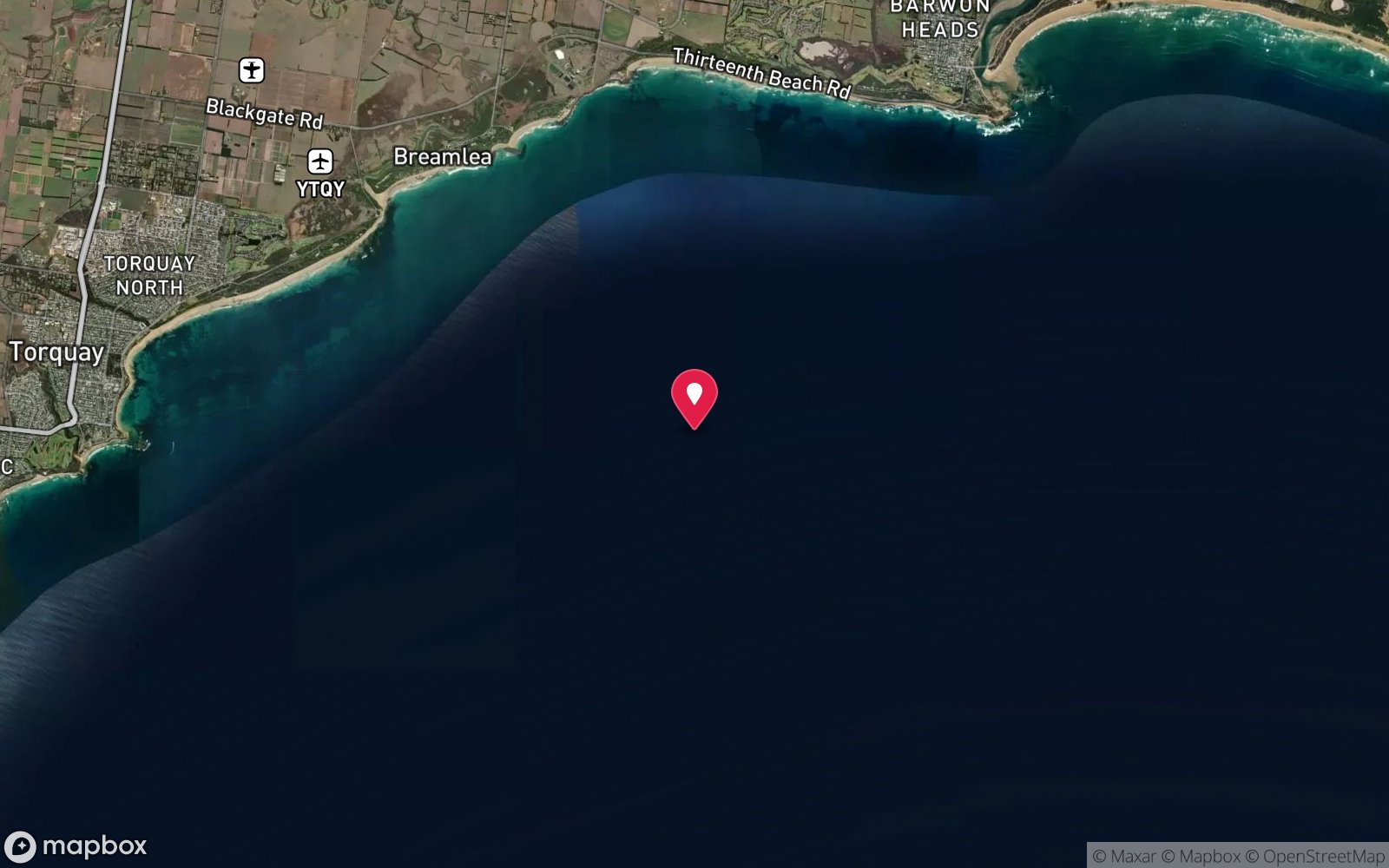
27. Port Phillip Heads · VIC
Pioneer
A 1905 Clyde-built pump dredge that is one of the most complete large wrecks off Victoria – both propellers in place and machinery spaces to peer into at 46–50 m.
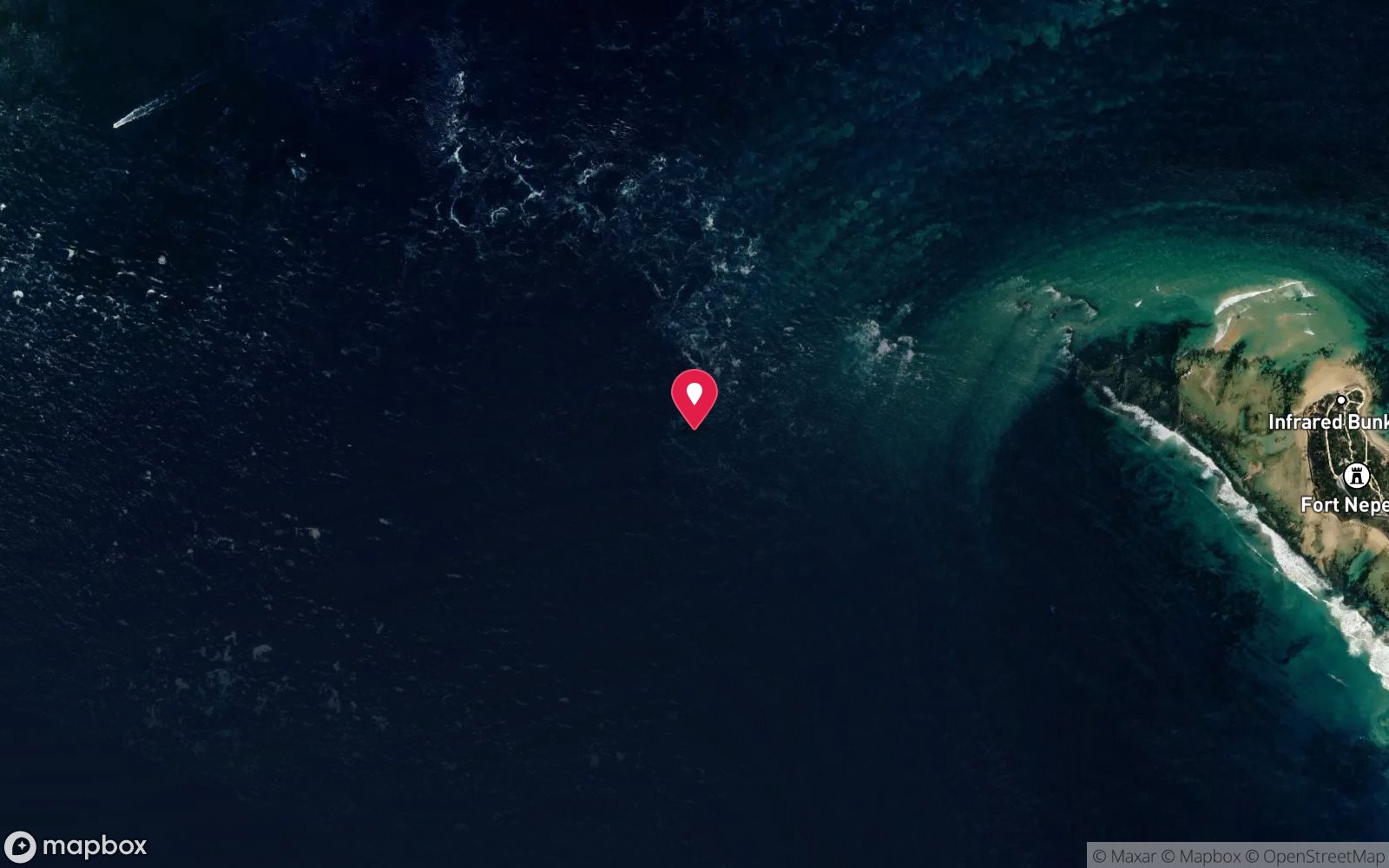
28. Port Phillip Heads · VIC
Rip Bank
A sheer cliff with roofed overhangs at the seaward mouth of The Rip, dived only on the end-of-flood slack in calm seas – crayfish along the top, sevengill sharks off the face, the clearest water at the Heads.
29. Port Phillip Heads · VIC
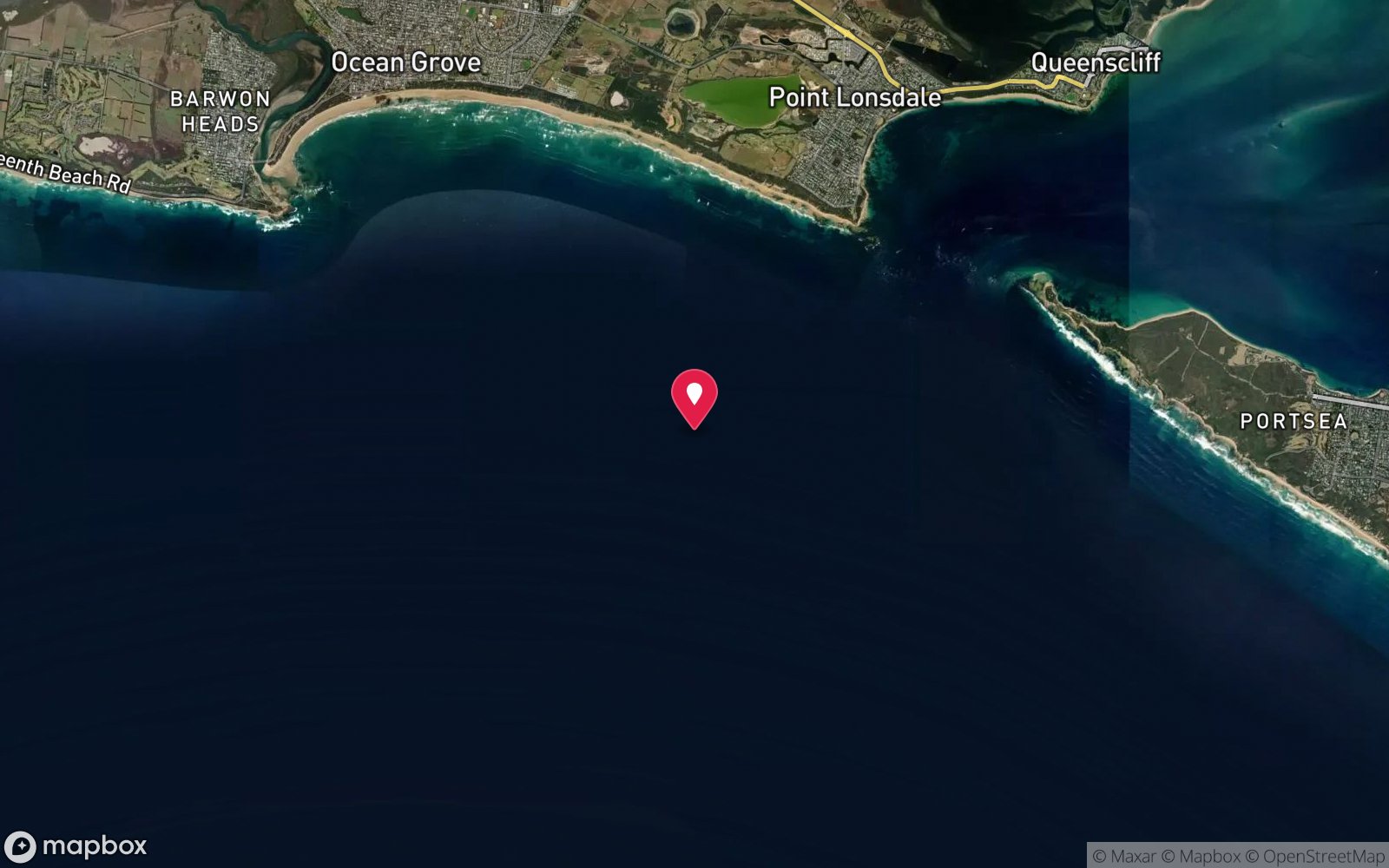
SS Courier
Planked foredeck 7 m proud of the sand and the most colourful sponge growth in the Graveyard; two boilers in line with crayfish beneath.
30. Port Phillip Heads · VIC
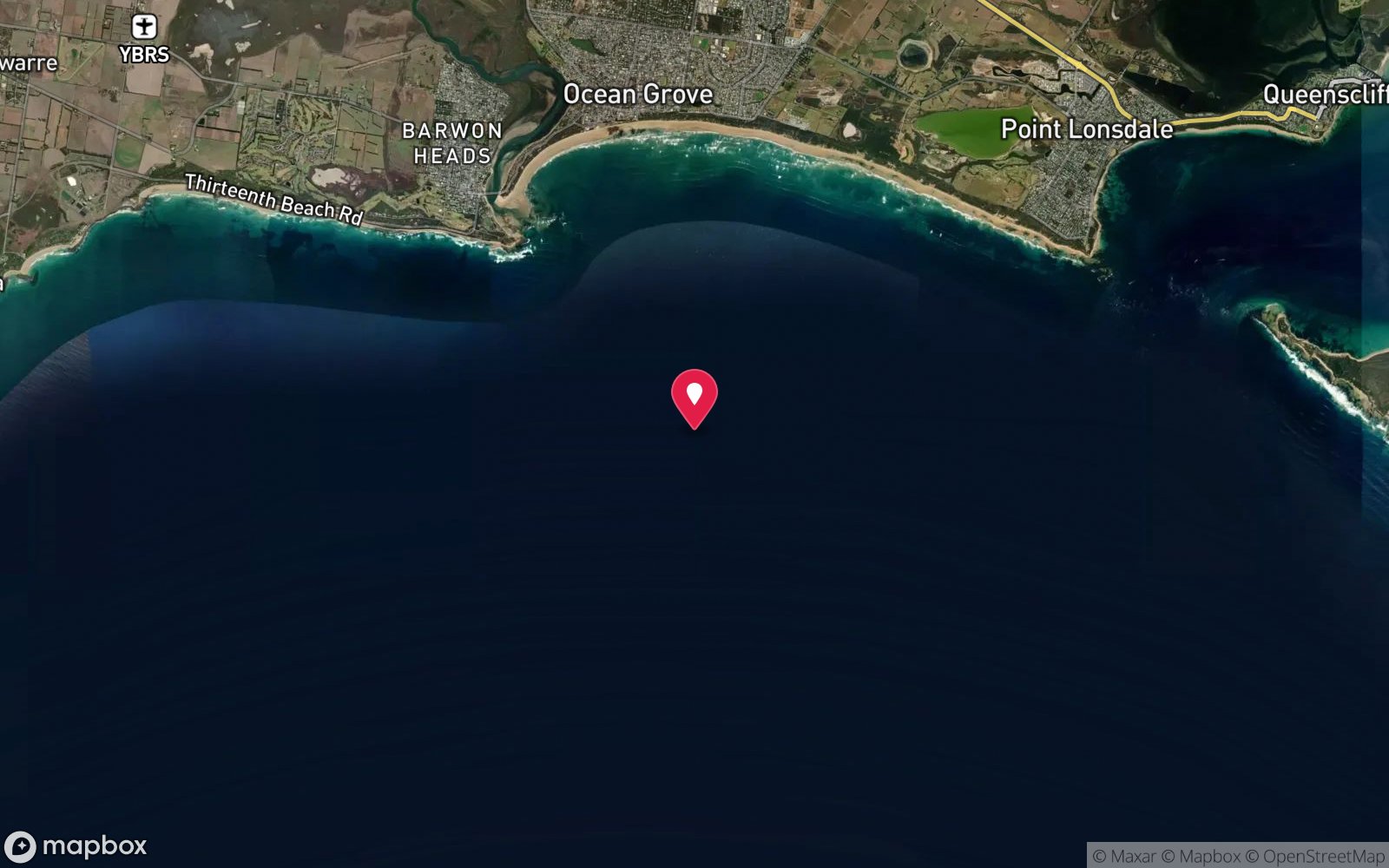
SS Rotomahana
The first steel-hulled ocean steamer in the world; separated clipper bow with anchors and bowsprit, and a wall of condensers and boilers in 37 m.
Frequently asked questions
What makes a good wide-angle site?
Visibility above 20 m, something large to frame (a wreck, a wall, a shark) and light: shallow tropical reefs at midday or temperate sites on a winter high-pressure day.
More rankings
- The 25 Deepest Dive Sites in Australia
- Australia's Most Remote Dive Sites
- The Longest Boat Rides to a Day Dive
- The Warmest Dive Sites in Australia
- The Coldest Dive Sites in Australia
- Australia's Clearest-Water Dive Sites
- The Most Biodiverse Dive Sites in Australia
- The Oldest Shipwrecks You Can Dive in Australia
- All rankings →