Depth is the number every diver asks first, and in Australia it runs from a 124 m sinkhole under a South Australian paddock to the 200 m dumping ground off Rottnest. Almost everything on this list is technical territory: decompression, mixed gas, cave or deep wreck training, and a local operator or club that knows the site.
The ranking is by the recorded maximum depth of the site. Many of these have shallower sections that recreational divers can enjoy; the site pages say where.
Updated daily from the directory. 25 sites listed.
1. Atherton Tablelands · QLD
Lake Eacham
Max depth: 65 m · A rainforest-fringed volcanic crater lake with sunken trees, turtles and submerged boats at 25 m – Queensland's classic altitude and freshwater dive.
Freshwater Lake/RiverMax 65 mIntermediateTechnical (decompression)Shore accessMore in Atherton Tablelands →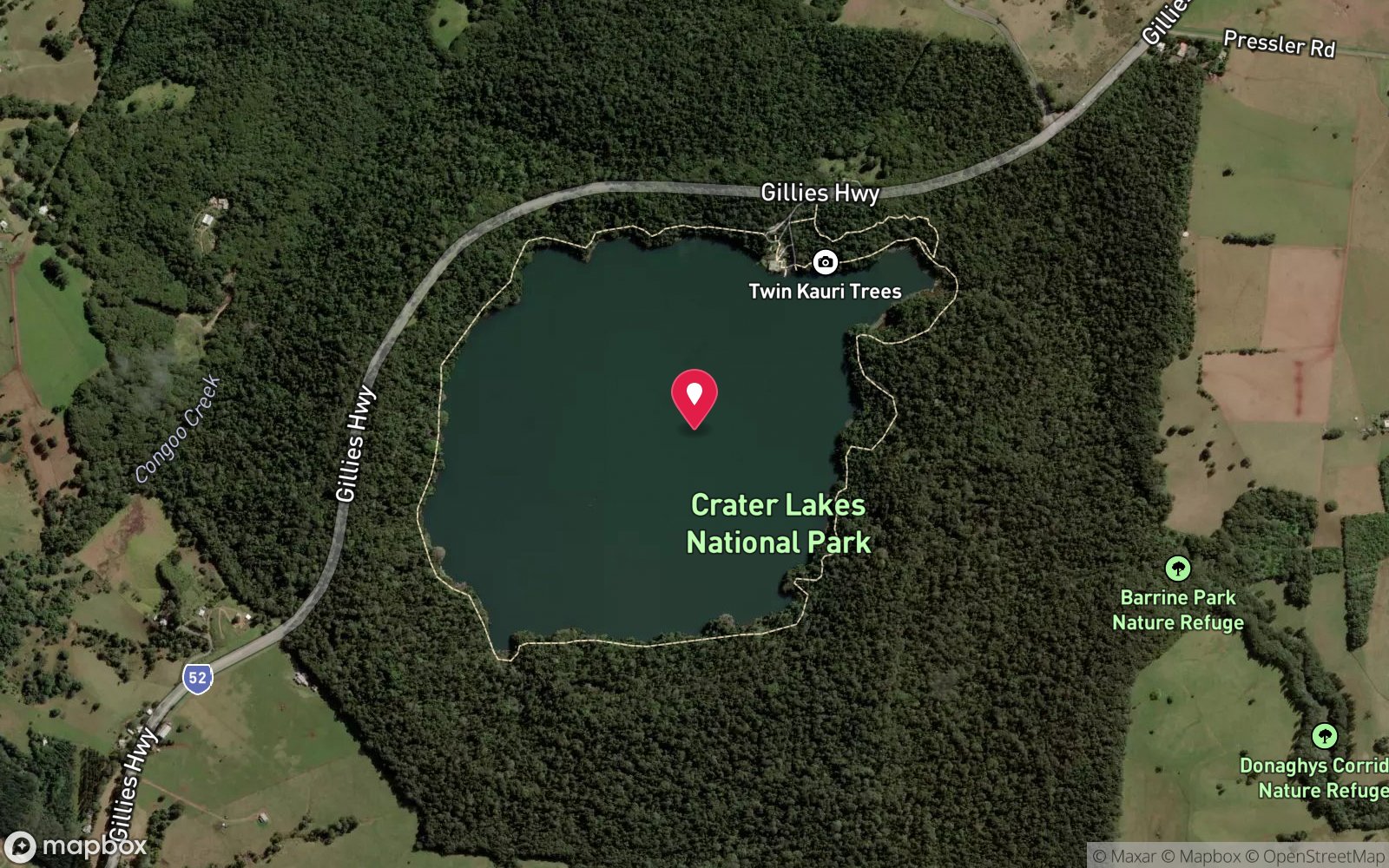
2. Atherton Tablelands · QLD
Lake Barrine
Max depth: 65 m · The Tablelands' largest crater lake – deep, rain-fed and rarely dived, beside a 1926 teahouse.
Freshwater Lake/RiverMax 65 mIntermediateTechnical (decompression)Shore accessMore in Atherton Tablelands →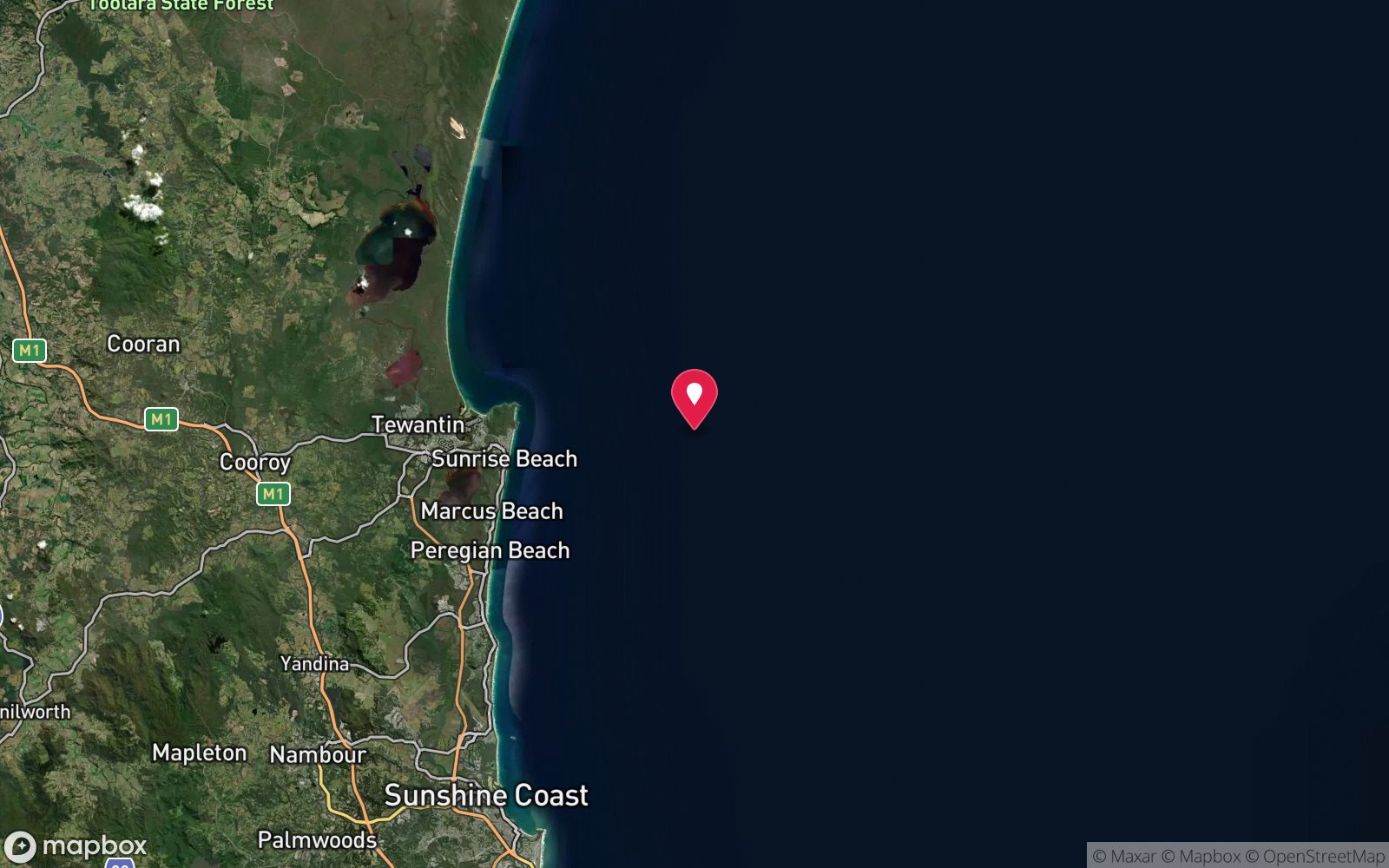
3. Sunshine Coast · QLD
Chardons Reef
Max depth: 55 m · A deep open reef 9 km off Noosa in 30-55 m – a pelagic fishing ground, essentially undocumented as a dive.
4. Sunshine Coast · QLD
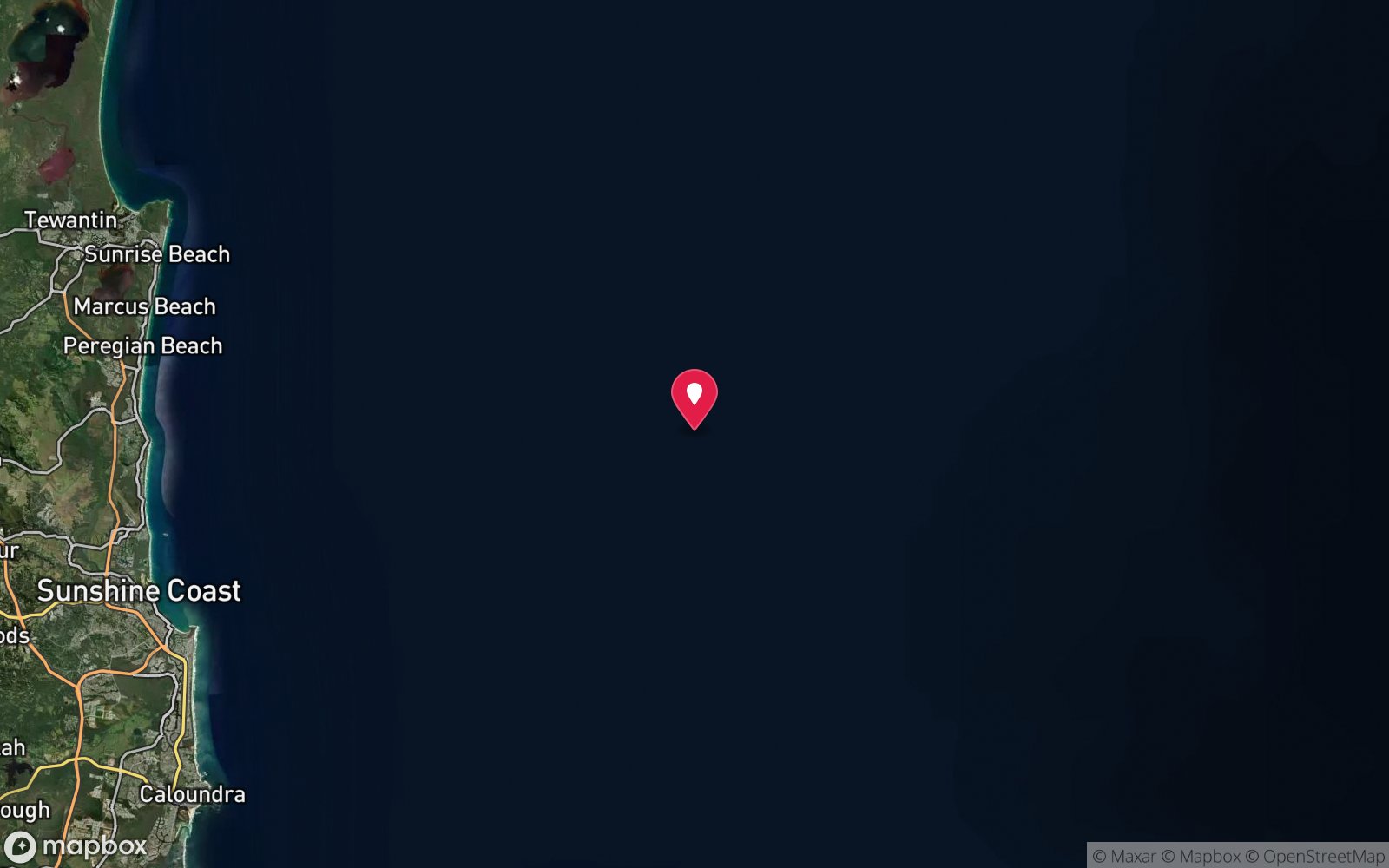
Barwon Banks
Max depth: 50 m · The Sunshine Coast's deep offshore bank: caves and ledges from 22 m, gorgonians and black coral, pelagic schools and big sharks, 40 km out.
5. Bundaberg & Agnes Water · QLD
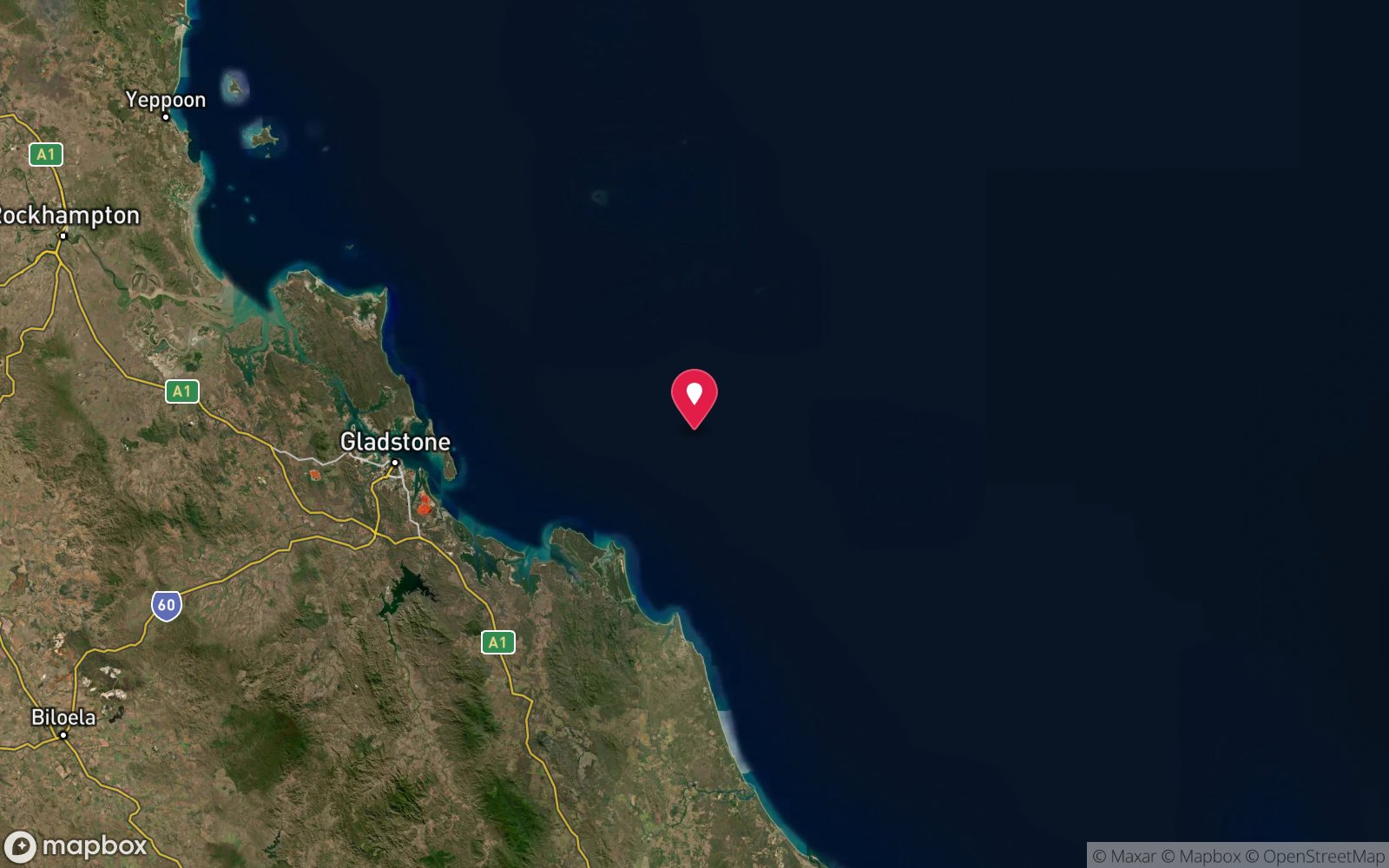
Barcoola Wreck
Max depth: 44 m · A 1994 trawler in 44 m buried in baitfish, with big cod, gropers and bronze whalers – locals rate the fish life above the Yongala.
6. Brisbane & Moreton Bay · QLD
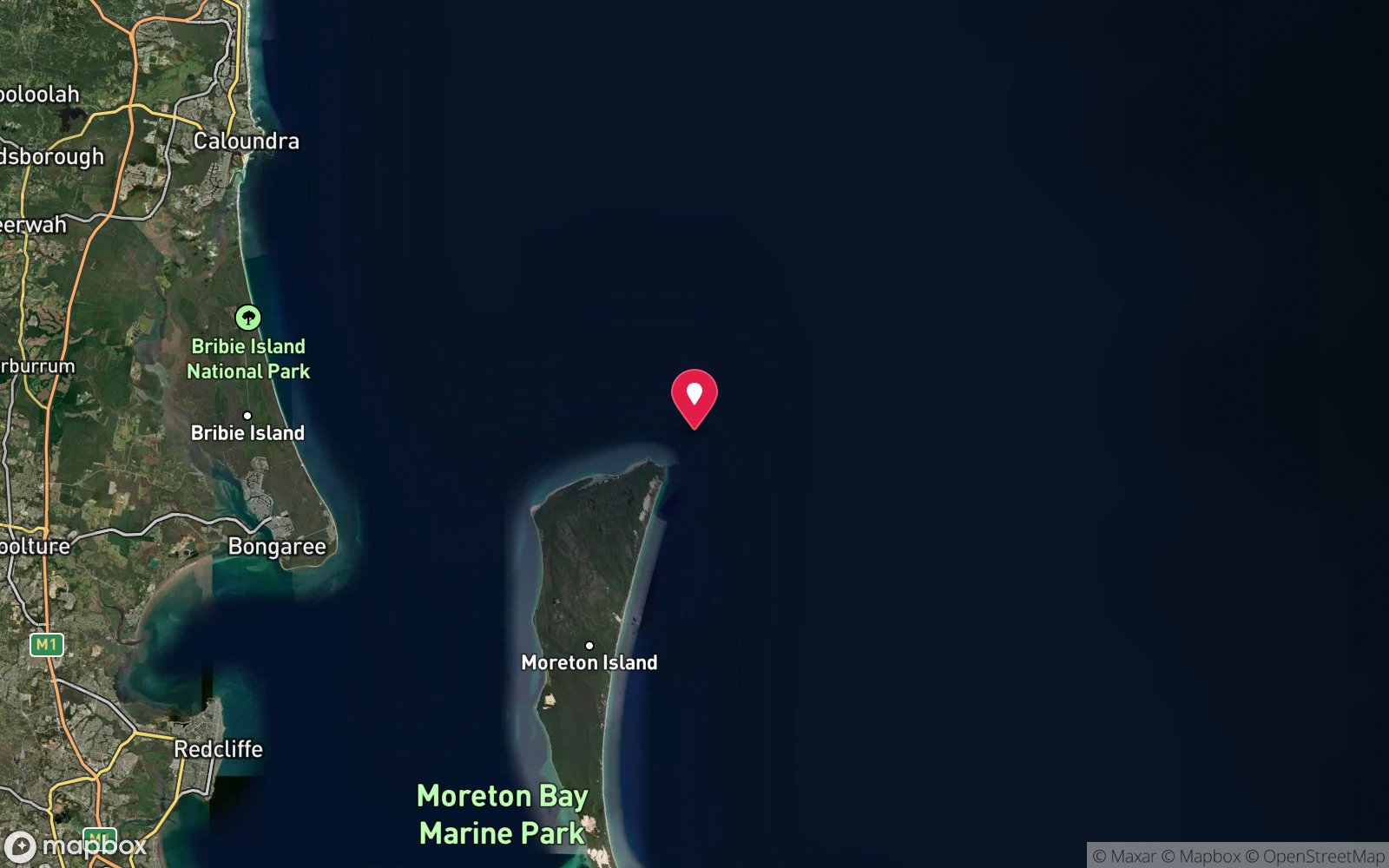
St Paul Wreck
Max depth: 43 m · A 1912 French steamer lost with 18 lives in 1914, with twin boilers, engine and propeller intact at 38-43 m.
7. Bundaberg & Agnes Water · QLD
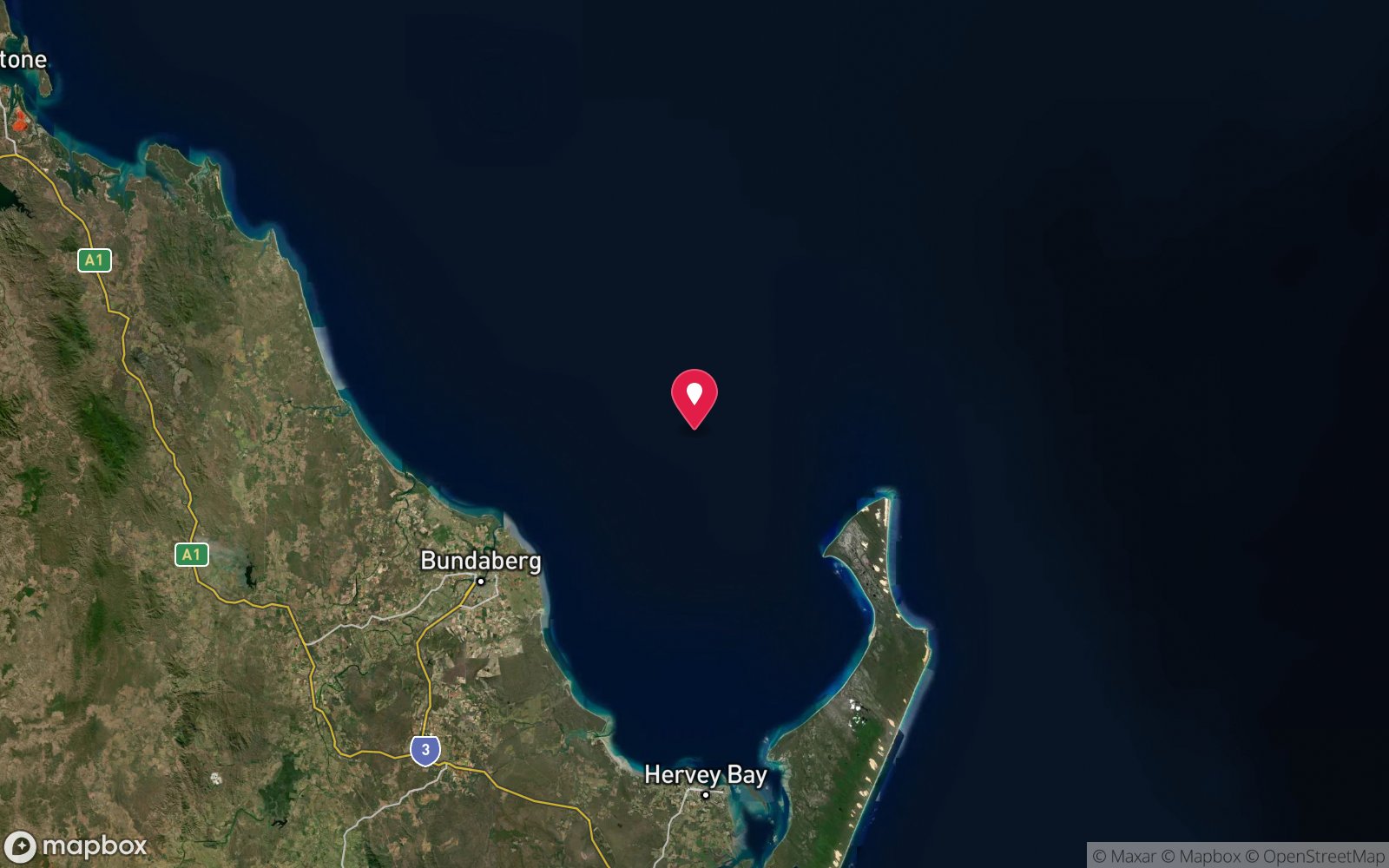
Althea 2 Wreck
Max depth: 41 m · An intact 1991 trawler alone on sand in 41 m, swarming with pelagics – remote and rarely visited.
8. Port Douglas · QLD
Advanced Bommie (Agincourt Reef)
Max depth: 40 m · Two huge coral towers rising from 40 m with a deep gutter – one of the sharkiest spots on Agincourt.
9. Ribbon Reefs & Lizard Island · QLD
Cracker Jack
Max depth: 40 m · Vertical walls draped in soft corals, black coral and elephant-ear sponges, with late-summer glassfish clouds and pygmy seahorses.
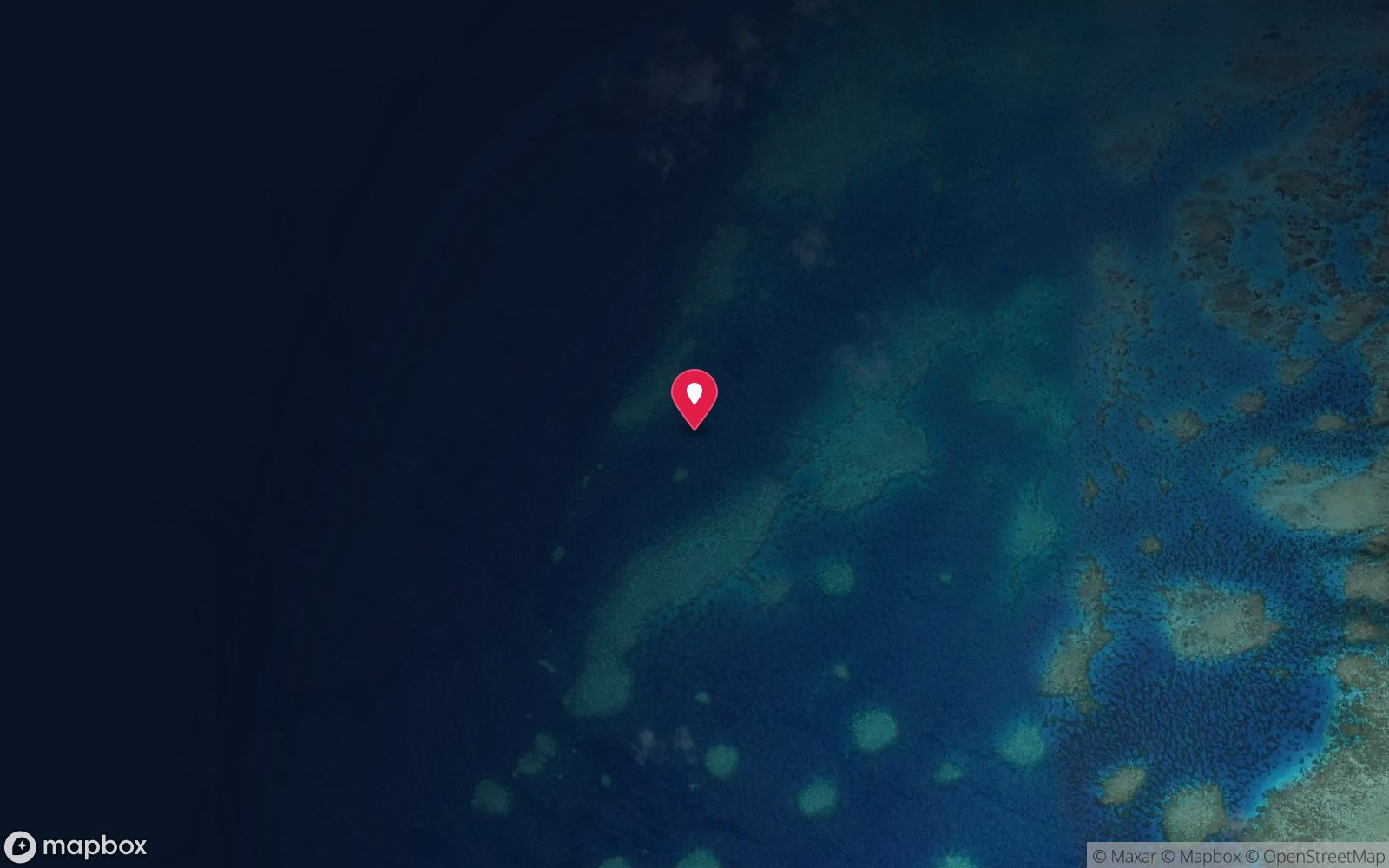
10. Port Douglas · QLD
Gary's Gut (Agincourt Reef 4)
Max depth: 40 m · Dramatic 5–40 m wall with large fan corals and soft corals – the deepest dive on Agincourt 4.
11. Ribbon Reefs & Lizard Island · QLD
Wonderland
Max depth: 40 m · A big coral mound cut by ridges, channels and small caves, with leafy scorpionfish and cuttlefish.
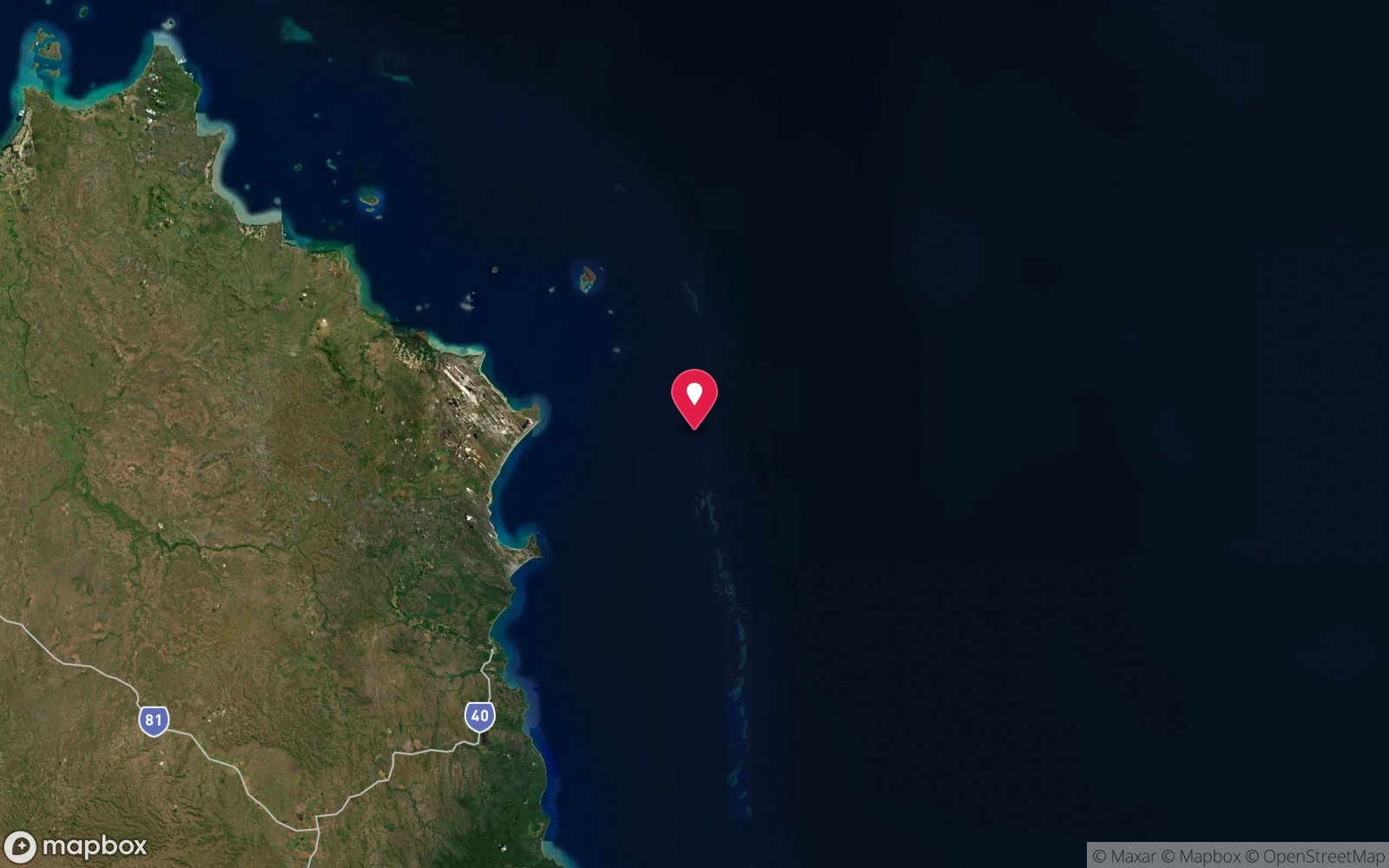
12. Ribbon Reefs & Lizard Island · QLD
Vertical Gardens
Max depth: 40 m · A fan- and soft-coral-covered wall likened to Osprey's North Horn, open only in rare calm windows.
13. Far Northern Reef & Torres Strait · QLD
Aladdin's Cave (Far Northern GBR)
Max depth: 40 m · Soft-coral walls and coral gardens, paired with the Stanley Island rock-art excursion.
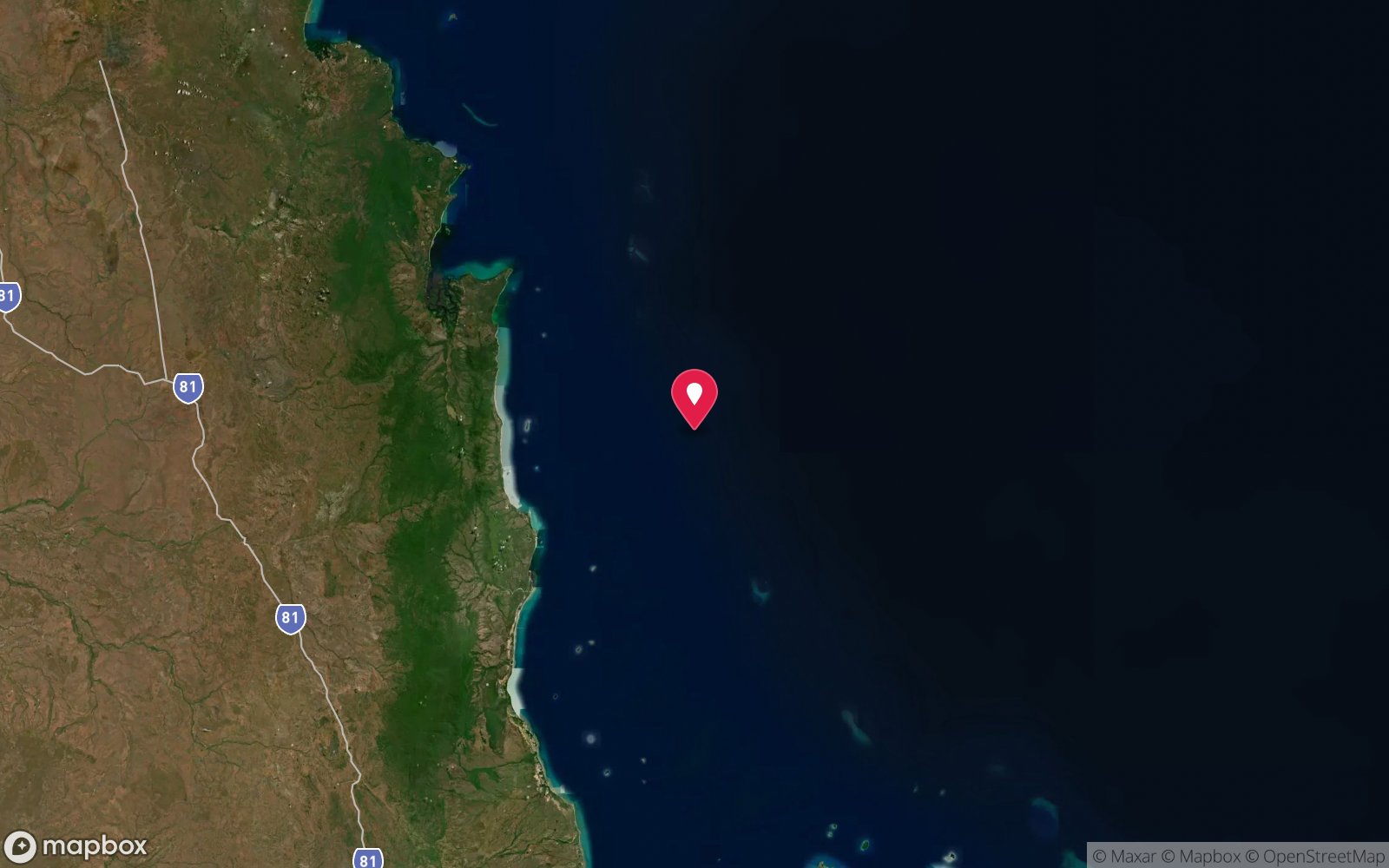
14. Far Northern Reef & Torres Strait · QLD
Cat Reef
Max depth: 40 m · Remote fan-covered walls with pelagics beside Tijou Reef.
15. Brisbane & Moreton Bay · QLD
Comboyuro Point
Max depth: 40 m · A deep coffee-rock drift at the northern entrance to Moreton Bay with grey nurse sharks, estuary cod and pelagics.
16. Far Northern Reef & Torres Strait · QLD
Great Detached Reef
Max depth: 40 m · Remote 46 km shelf-edge reef system with steep gorgonian walls, pinnacles from 60 m and pristine coral.
17. Swain Reefs · QLD
Middle Cay (Swain Reefs)
Max depth: 40 m · A deep drop-off hung with huge yellow and red gorgonian fans.
18. Townsville & Magnetic Island · QLD
Myrmidon Reef
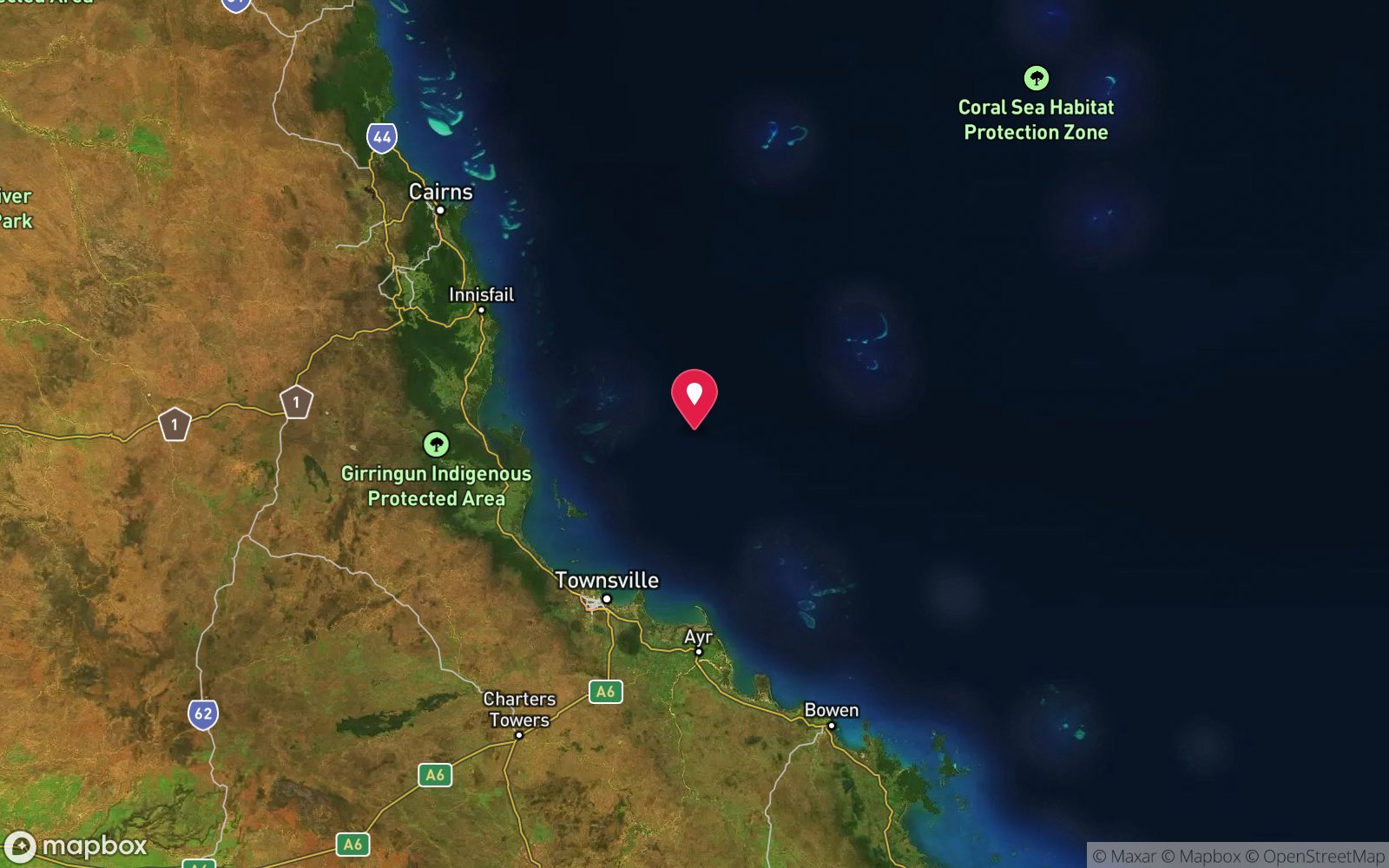
Max depth: 40 m · Outer-edge reef facing the Coral Sea with caves, canyons, walls and swim-throughs in 20–30 m visibility.
19. Swain Reefs · QLD
Snake Reef (Swain Reefs)
Max depth: 40 m · Deep, colourful Swains walls to 40 m with pelagic schools – for experienced divers only.
20. Swain Reefs · QLD
The New Blue Hole (Pompey Complex)
Max depth: 40 m · A 100 m-wide blue hole with sheer walls reported to plunge to 90 m – an expedition-only dive.
21. Far Northern Reef & Torres Strait · QLD
The Pinnacles (Great Detached Reef)
Max depth: 40 m · Twin pinnacles from 60 m to 4 m and 14 m – silvertips, barracuda and a chance of whale sharks.
Pinnacle/BommieMax 40 mAdvancedDeep/Advanced + experienceMore in Far Northern Reef & Torres Strait →
22. Far Northern Reef & Torres Strait · QLD
Tijou Reef
Max depth: 40 m · Remote shelf-edge walls with large fans, soft corals and pelagics.
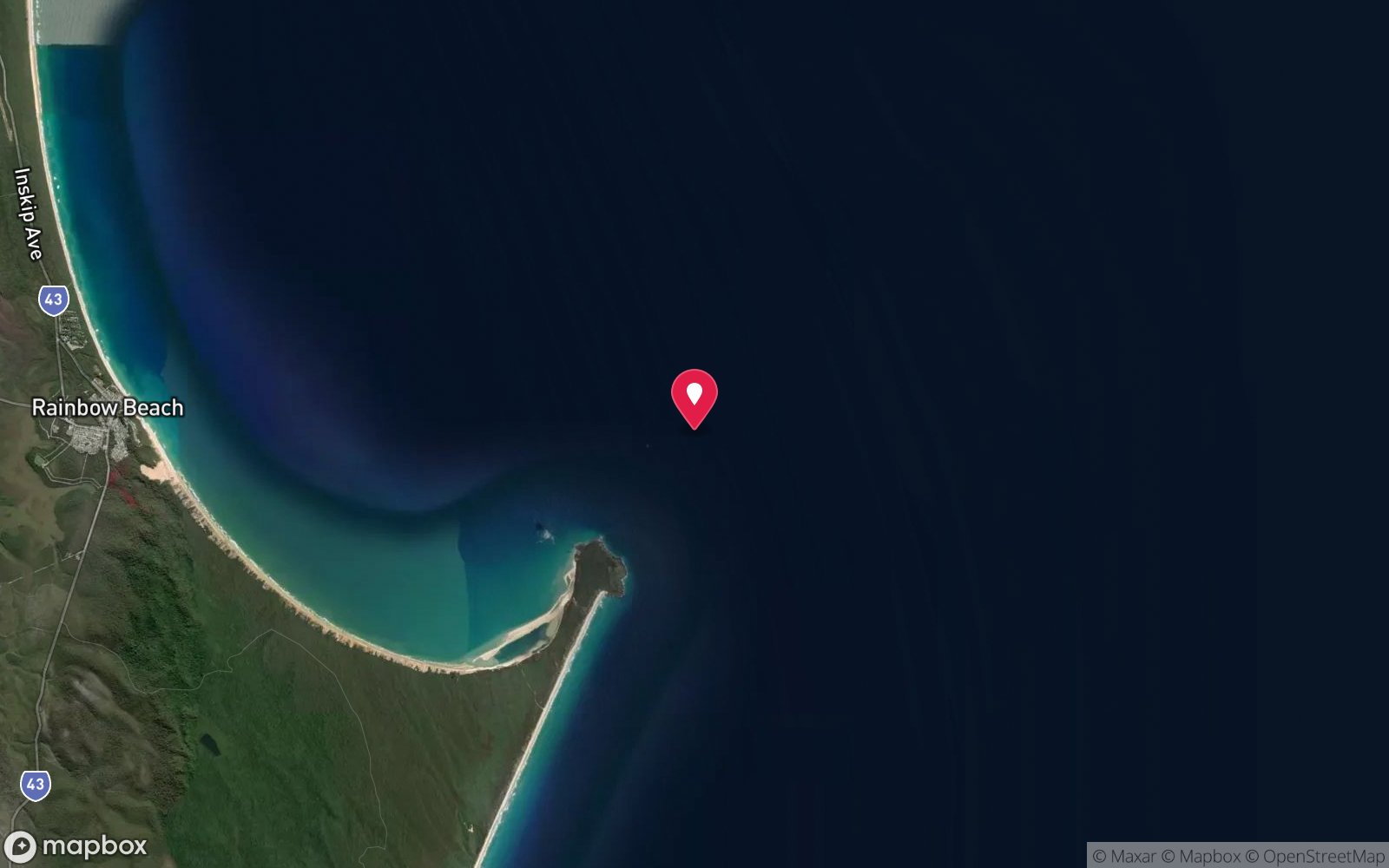
23. Rainbow Beach · QLD
Wolf Rock
Max depth: 38 m · Four pinnacles off Double Island Point with resident pregnant grey nurse sharks and ripping current.
24. Brisbane & Moreton Bay · QLD
Las Vegas
Max depth: 38 m · A deep, intricate rocky wall with good odds of big pelagic fish on clear days.
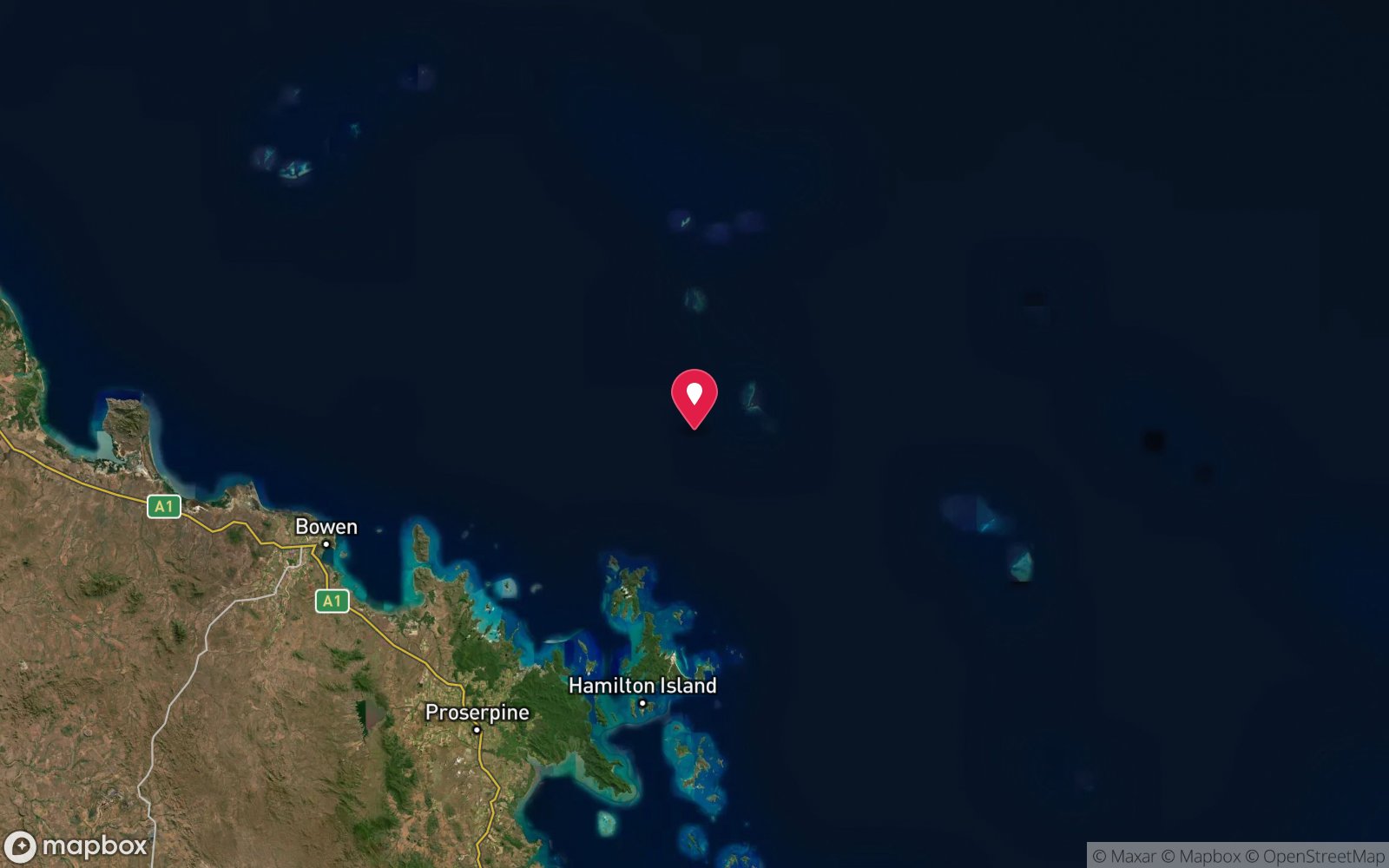
25. Whitsundays & Bowen · QLD
Manta Ray Drop-off (Bait Reef)
Max depth: 36 m · Vertical wall dropping from 5 m into deep blue water, with fissures, a tunnel, gorgonian fans and winter manta rays.
The guide
How to read this list
Maximum depth is the number a database can sort by, but it is not what makes these sites hard. Three things are: the environment (open ocean over 80 m, a sinkhole shaft, a tidal channel), the logistics (a boat that can find and hold a mark, a permit, a cave rating) and the distance to a chamber. Almost everything above 60 m on this list is dived by a small circle of technical divers and clubs, on rebreathers or open-circuit trimix, in specific weather windows.
The recreational reader should look at the shallow ends. Piccaninnie Ponds, Kilsby and Ewens Ponds put Open Water divers over water that is 60 to 100 m deep without taking them past 20 m. The Kanowna and Federal have no shallow options, but the Port Phillip Heads walls that lead down to Trimix Corner start at 12 m.
Where the deep water is
Victoria dominates. Bass Strait is shallow but the shipping lane past the Heads, Cape Schanck and Cape Otway has claimed liners, colliers and warships in 70 to 115 m, and Melbourne has the most active technical wreck community in the country to find them. South Australia's Limestone Coast supplies the sinkholes: the Shaft, the Chasm and a dozen deep cave systems, all managed by the CDAA. Western Australia has the Rottnest graveyard and the Nullarbor caves; New South Wales has the Fairwind and a run of 60 m-plus wrecks off Sydney and South West Rocks.
Queensland barely features, which surprises people. The reef is shallow, the deep walls of the Coral Sea drop from 20 m to 1,000 m without a floor to record, and the state's deep wrecks (the Yongala at 30 m, the Brisbane at 28 m) are recreational. Deep in Queensland means offshore, not down.
Training and access
Below 40 m is technical diving by every agency's definition: decompression procedures, redundant gas, helium below 50 to 60 m. The sinkholes add CDAA ratings (Deep Cavern, Cave, Advanced Cave), most of which take years. Many of the wrecks are protected historic shipwrecks or war graves with permit systems run by the state heritage office; the site pages say which. The technical diving section explains the courses, and the courses directory lists the centres that teach them.
Editorial last reviewed September 2026. The list itself is regenerated from the directory daily.
Frequently asked questions
What is the deepest dive site in Australia?
Rottnest's Ships' Graveyard holds wrecks down to 200 m, dived only by technical teams. The deepest sinkhole is the Shaft near Mount Gambier at 124 m; the deepest commonly dived wrecks are the Kanowna (82 m) off Wilsons Promontory and the Nord (42 m) in Tasmania.
How deep can a recreational diver go?
Recreational agencies cap depth at 40 m with the Deep Diver specialty, 30 m with Advanced Open Water and 18 m with Open Water. Beyond 40 m is technical diving.
More rankings
- Australia's Most Remote Dive Sites
- The Longest Boat Rides to a Day Dive
- The Warmest Dive Sites in Australia
- The Coldest Dive Sites in Australia
- Australia's Clearest-Water Dive Sites
- The Most Biodiverse Dive Sites in Australia
- The Oldest Shipwrecks You Can Dive in Australia
- WWII and Wartime Wrecks You Can Dive in Australia
- All rankings →