Depth is the number every diver asks first, and in Australia it runs from a 124 m sinkhole under a South Australian paddock to the 200 m dumping ground off Rottnest. Almost everything on this list is technical territory: decompression, mixed gas, cave or deep wreck training, and a local operator or club that knows the site.
The ranking is by the recorded maximum depth of the site. Many of these have shallower sections that recreational divers can enjoy; the site pages say where.
Updated daily from the directory. 25 sites listed.
1. East Arnhem Land & Gove · NT
Bremer Island
Max depth: 40 m · Gove's closest island dive: colourful fringing coral in the shallows and sponge- and fan-filled caves deeper down, with turtles and rays.
2. East Arnhem Land & Gove · NT
Sir Roderick Rocks
Max depth: 40 m · Spectacular granite rocks with caves and swim-throughs and a deep, intact trawler wreck – Gove's most remote dive.
3. Darwin Harbour · NT
The Ridge (Darwin)
Max depth: 40 m · A deep rock wall at 33-40 m with huge gorgonian fans and schools of sweetlip and trevally.
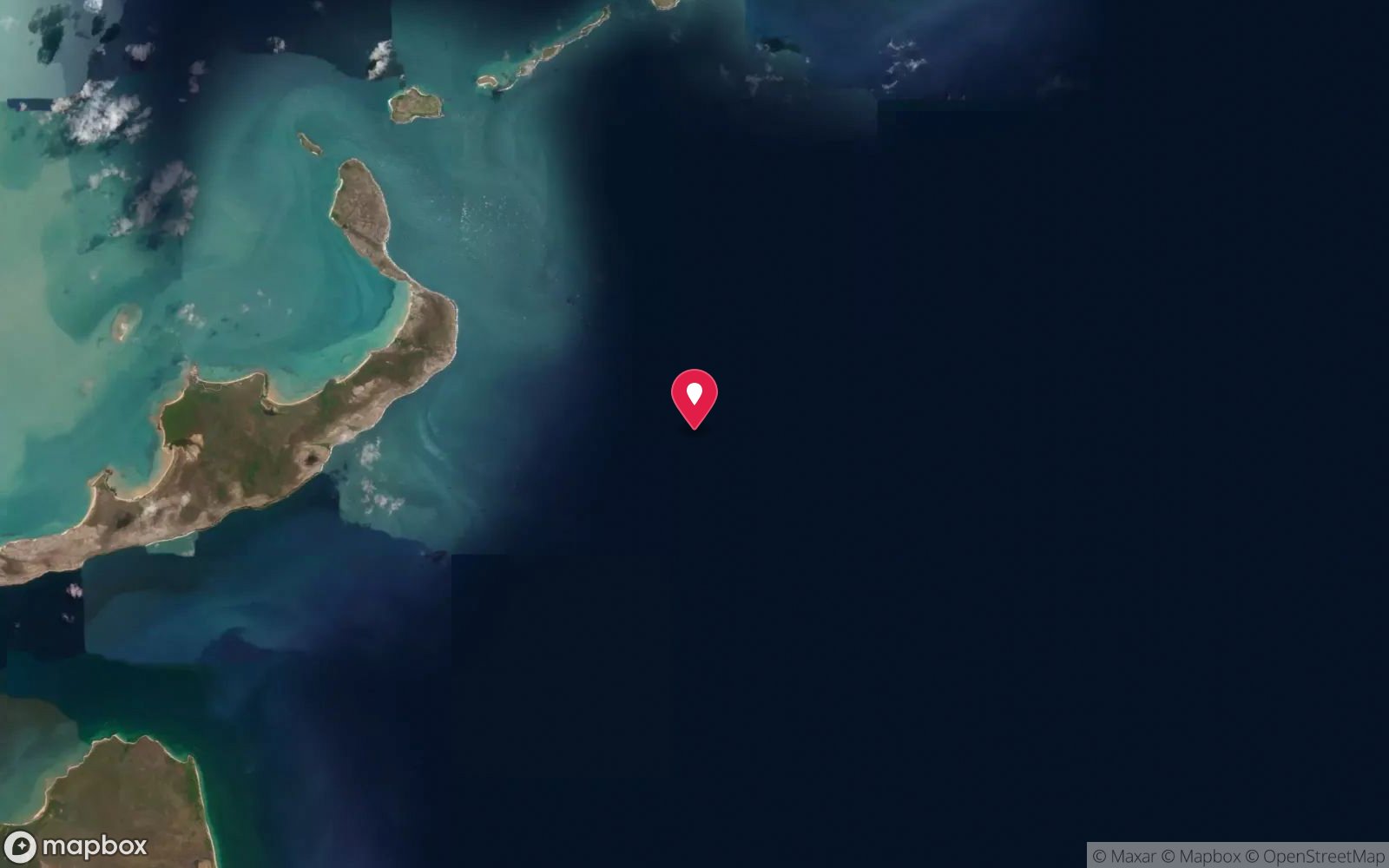
4. East Arnhem Land & Gove · NT
Bromby Islands
Max depth: 35 m · Sheltered coral gardens on one side and a steep seaward wall of gorgonians and black coral on the other, patrolled by mantas, eagle rays and reef sharks.
5. Darwin Harbour · NT
Bennetts Bottom
Max depth: 32 m · A deep, rarely visited reef at 32 m with rich coral and fish life.
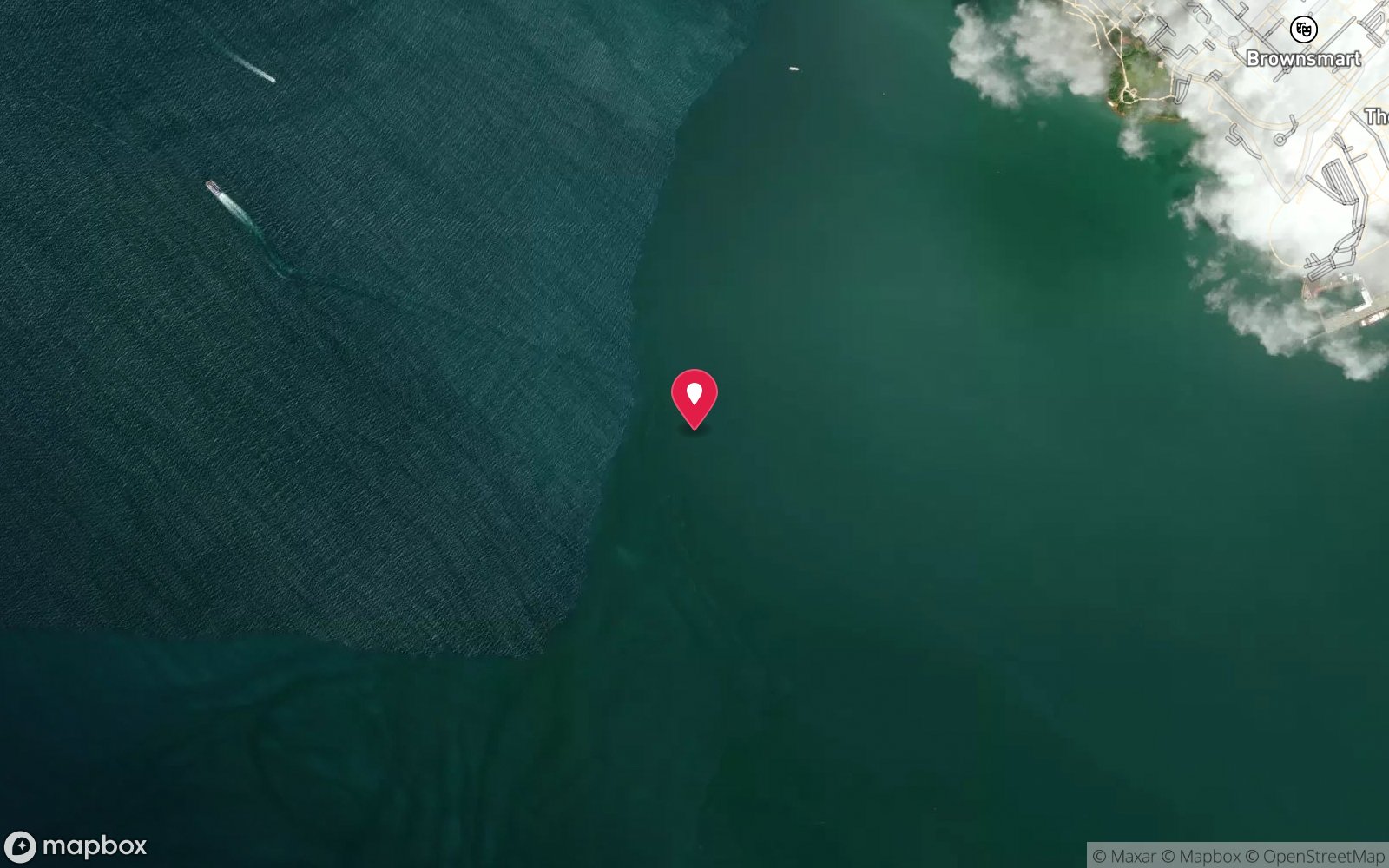
6. Darwin Harbour · NT
USS Peary
Max depth: 30 m · The US destroyer sunk with 88 of her crew in the first raid on Darwin; the harbour's deepest and most solemn WWII dive.
7. Groote Eylandt · NT
Connexion Island
Max depth: 30 m · A sheltered island reef off Alyangula with the clearer water and richer shallow coral of the Gulf of Carpentaria.
8. East Arnhem Land & Gove · NT
Veronica Island
Max depth: 30 m · Sea walls of soft coral and gorgonians patrolled by pelagics, with good invertebrate life for macro divers.
9. Groote Eylandt · NT
Zodiac Rock
Max depth: 30 m · A natural rock pinnacle off Groote Eylandt's west coast, reputed to be among the island's best dives.
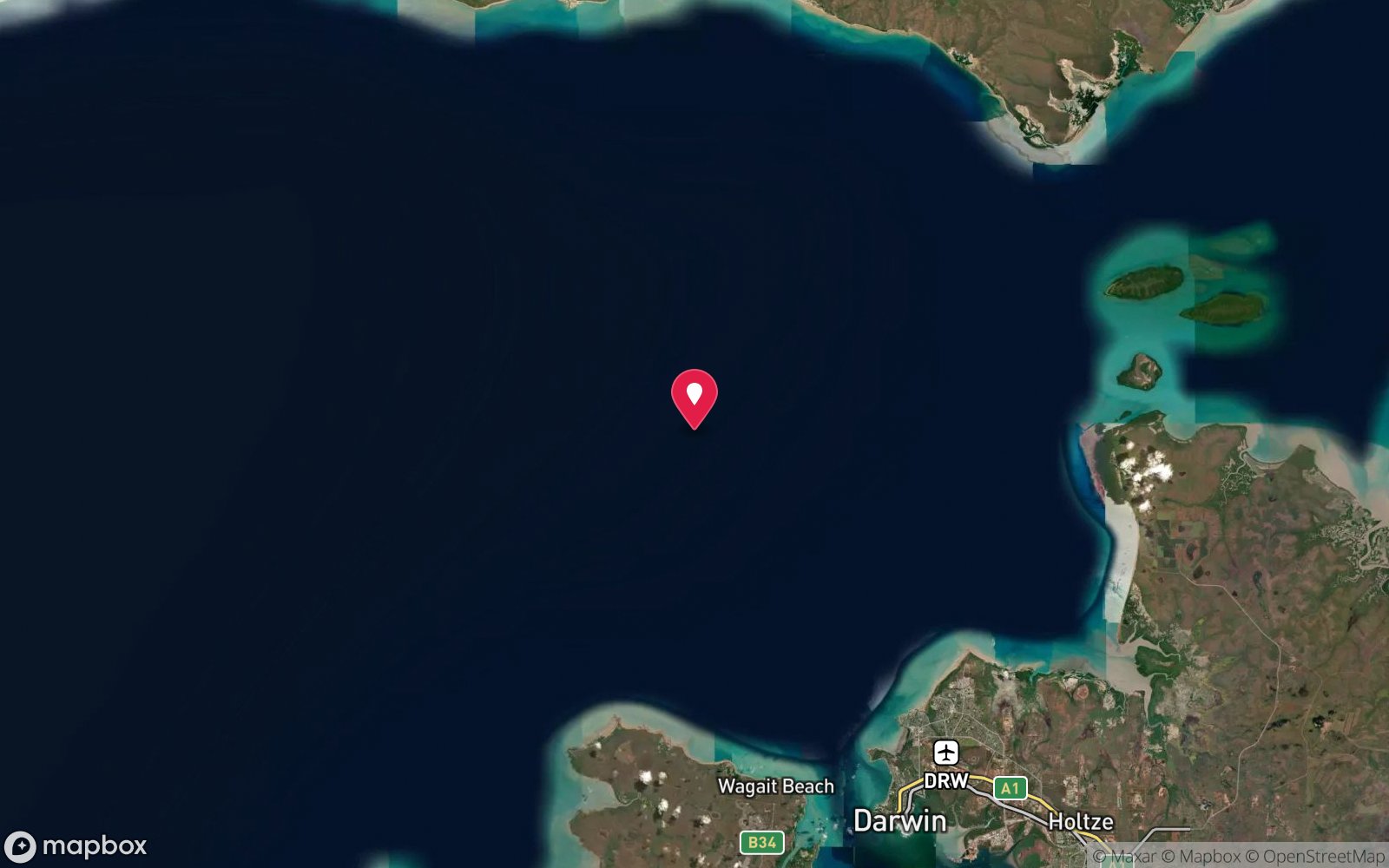
10. Darwin Offshore & Artificial Reefs · NT
Amanda Lee
Max depth: 28 m · An 18–20 m trepang vessel lying on her port side with wheelhouse, rails and a large Kort nozzle clearly visible and good coral growth.
11. Darwin Offshore & Artificial Reefs · NT
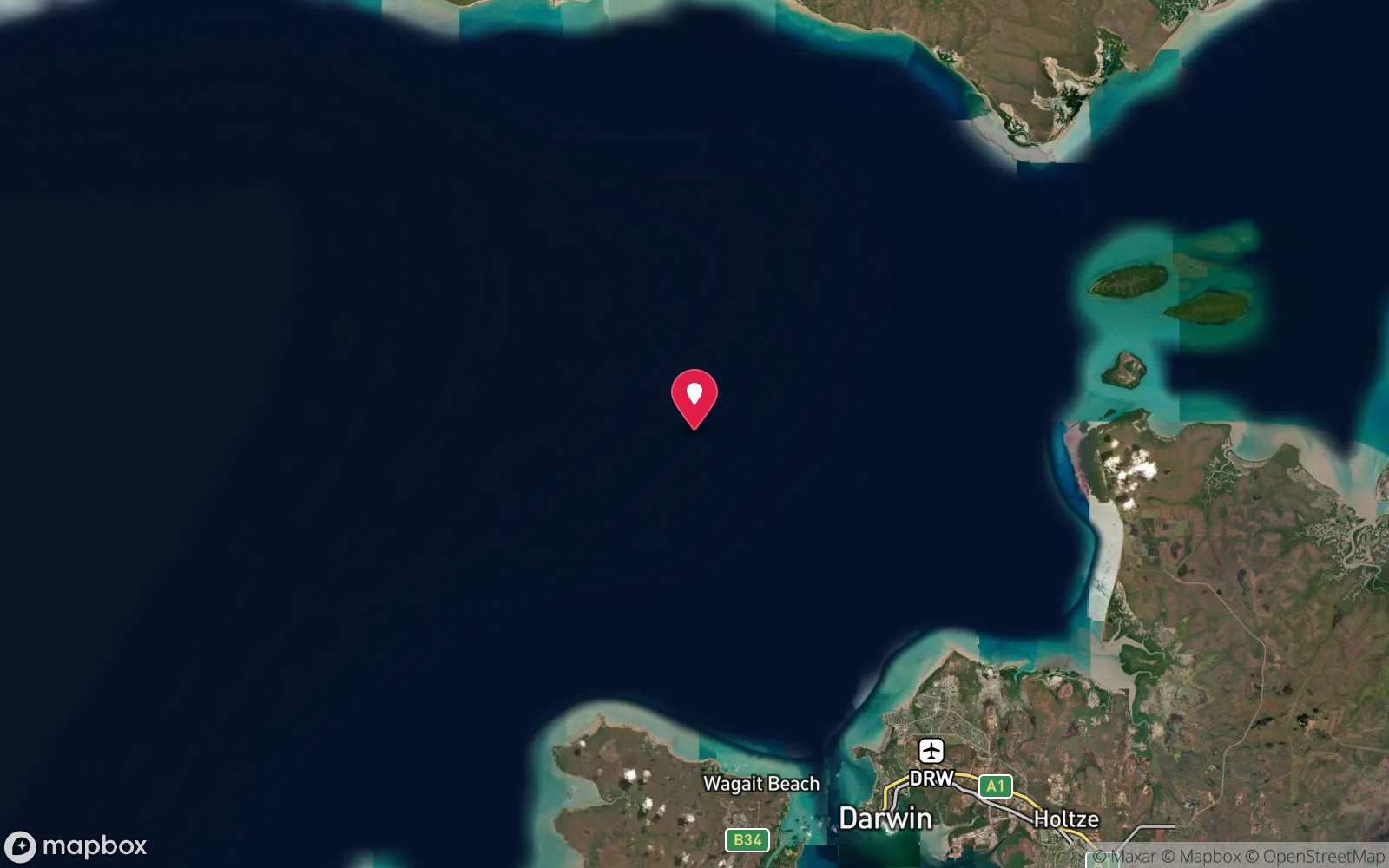
Amelia C
Max depth: 28 m · A 25 m prawn trawler cleaned by Darwin Sub Aqua Club volunteers and scuttled in 2013 – upright, open and busy with snapper and jewfish.
12. Darwin Offshore & Artificial Reefs · NT
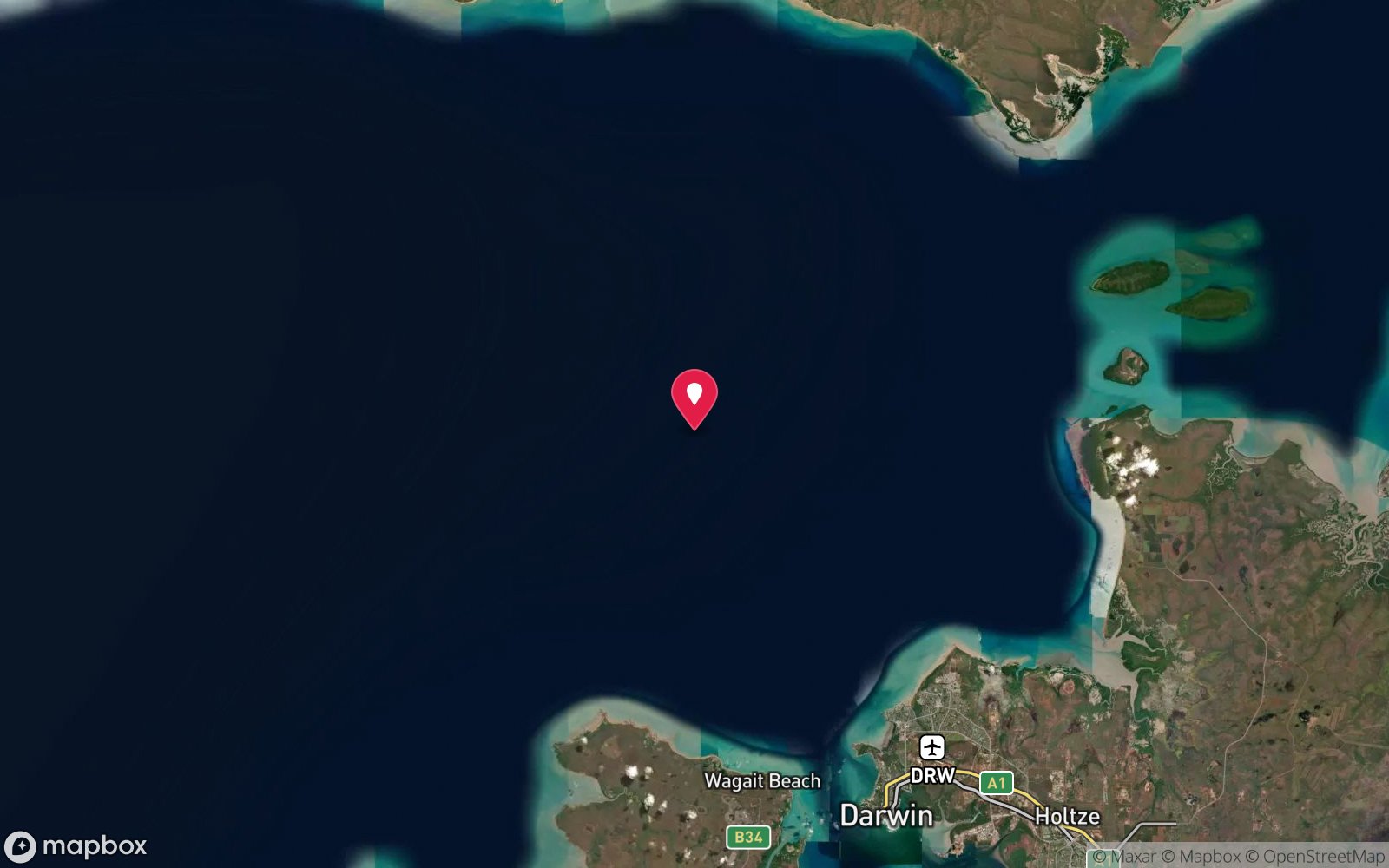
Antares and Steel Barge
Max depth: 28 m · Upright 22 m coastal trader scuttled in 2011 with a steel barge alongside – part of the Antares, Amelia C and Merindah Pearl wreck cluster.
13. Darwin Offshore & Artificial Reefs · NT
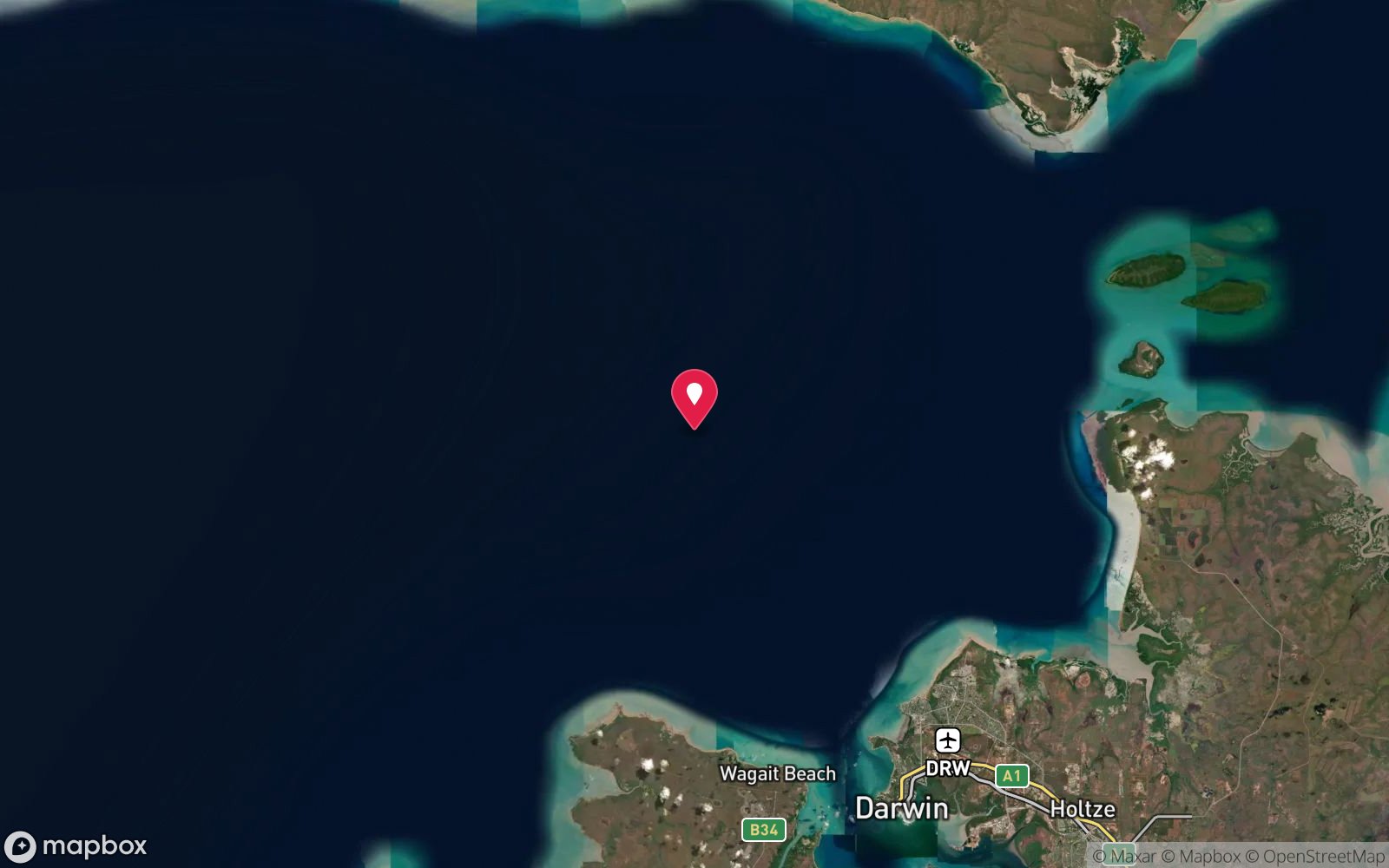
Marchart 3
Max depth: 28 m · The 32 m ex-research vessel and prawn trawler that founded the Fenton Patches reef field in 1988 – upright, intact and heavily fish-populated around the stern and rudder.
14. Darwin Offshore & Artificial Reefs · NT
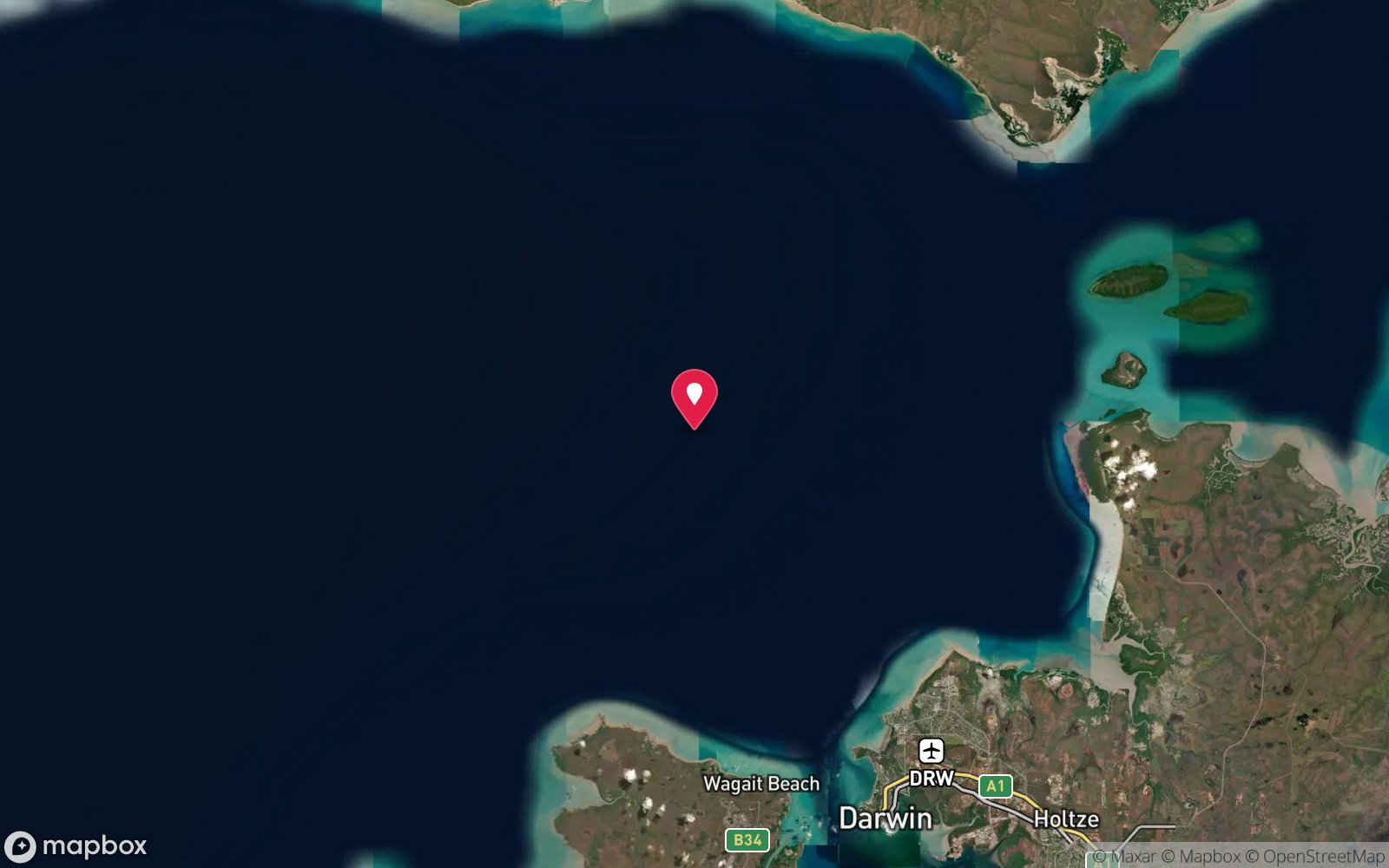
Merindah Pearl
Max depth: 28 m · A 25 m ex-pearling vessel prepared by DSAC volunteers and scuttled in 2013 at the northern end of the Fenton wreck cluster.
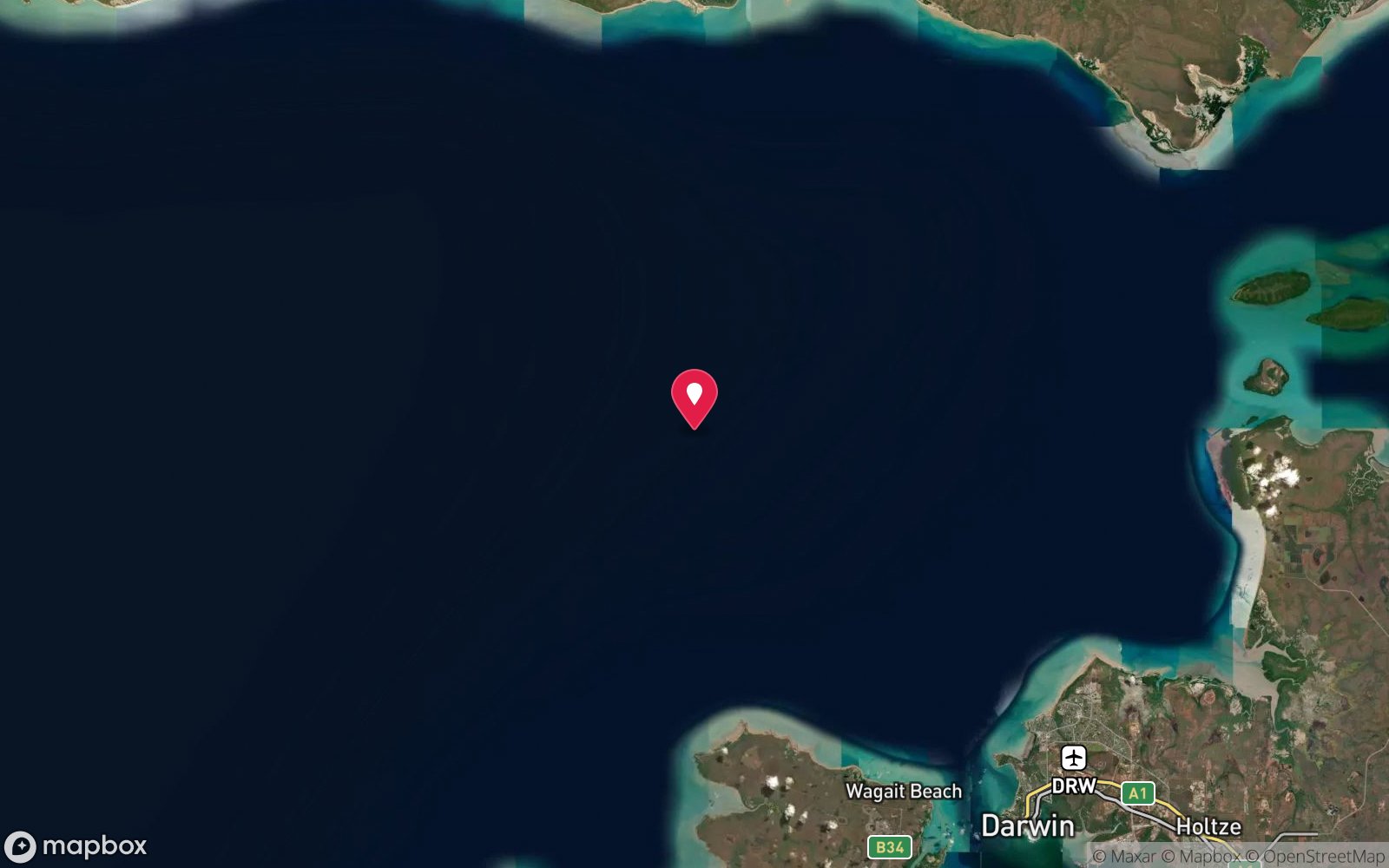
15. Darwin Offshore & Artificial Reefs · NT
Gutters Central Engineered Reef
Max depth: 28 m · The westernmost 2019 engineered reef complex, in a strong-current channel area west of Fenton Patches.
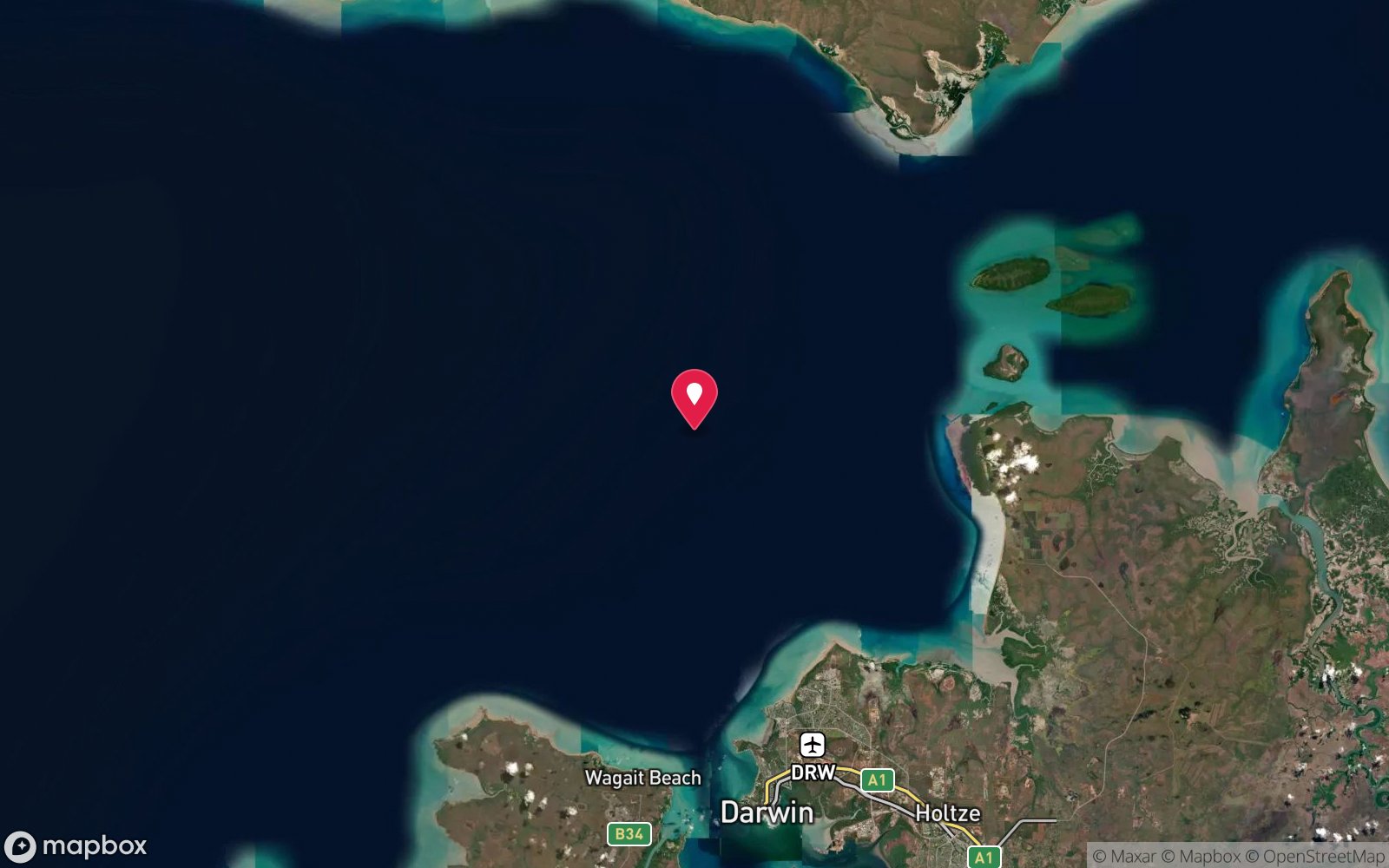
16. Darwin Offshore & Artificial Reefs · NT
Lee Point Wide Engineered Reef
Max depth: 28 m · Purpose-built 5 m concrete reef modules installed in 2019 in 28 m of open water north of Lee Point.
17. Darwin Harbour · NT
Darwin Princess
Max depth: 26 m · The upturned ferry that disappeared with her skipper during Cyclone Tracy and was found only in 2004.
18. Darwin Harbour · NT
Sandbar Barge
Max depth: 26 m · A small upright barge near Cullen Bay that punches above its weight for snapper, jewfish and cod.
19. East Arnhem Land & Gove · NT
Sanyo Maru
Max depth: 26 m · A 1937 Japanese pearling mother-ship in 26 m off Arnhem Land – archaeologically significant and inside a closed 200 ha protected zone.
20. Darwin Harbour · NT
DK 06 Ham Luong
Max depth: 25 m · A small, upright refugee boat packed with fish, in reach of two other wrecks on the same dive.
21. Darwin Harbour · NT
John Holland Barge
Max depth: 25 m · An upturned construction barge whose cylinders and beams form a maze of overhangs full of fish.
22. Darwin Harbour · NT
Song Saigon
Max depth: 25 m · An upright 40 m steel refugee boat with open holds, good coral and strong fish life, beside two other wrecks.
23. Darwin Offshore & Artificial Reefs · NT
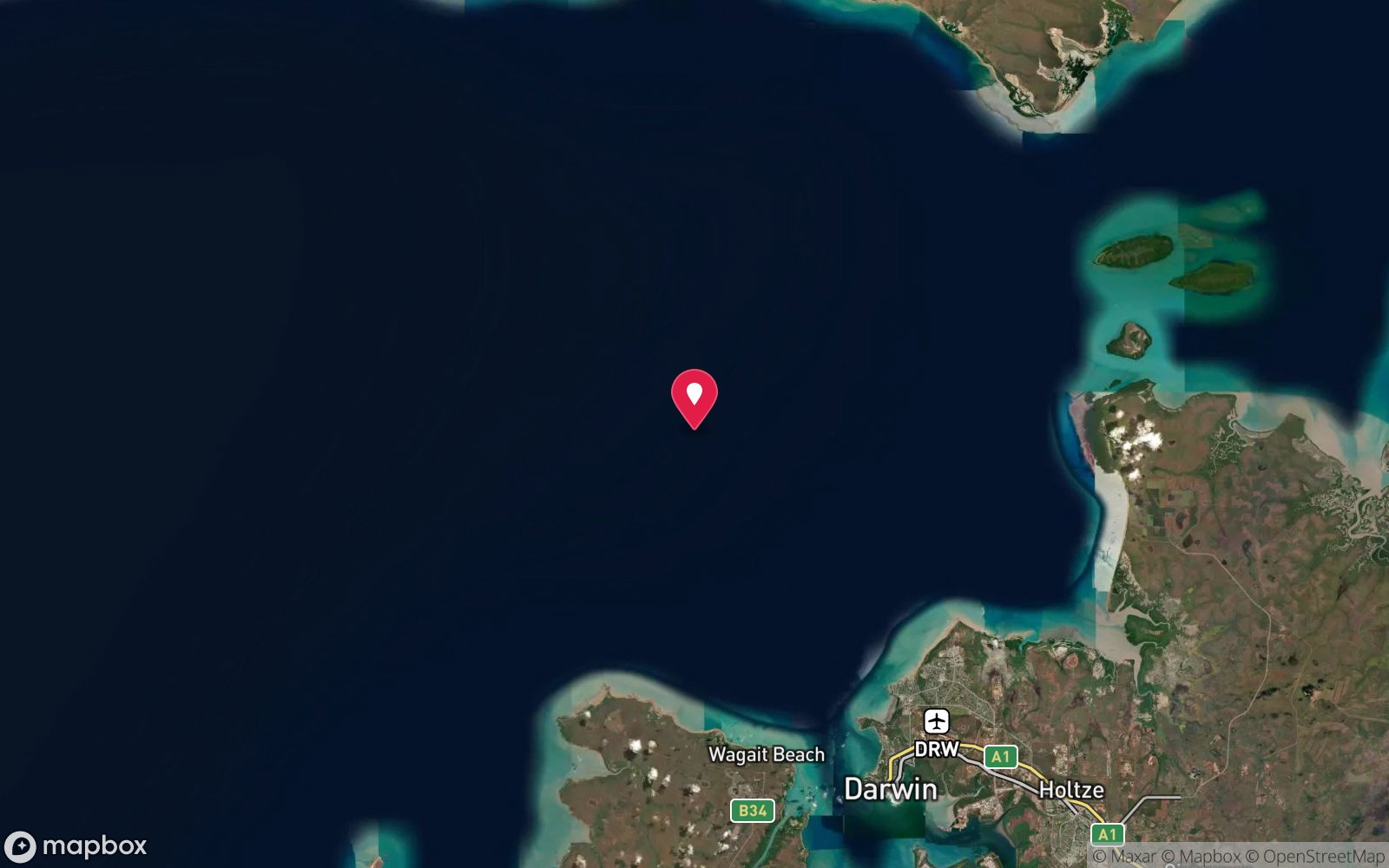
Bus Stop Reef
Max depth: 25 m · An improvised early-1990s reef of steel pontoons, truck tyres, concrete bus shelters and a 10 m boat, known for very large cod.
24. Darwin Offshore & Artificial Reefs · NT
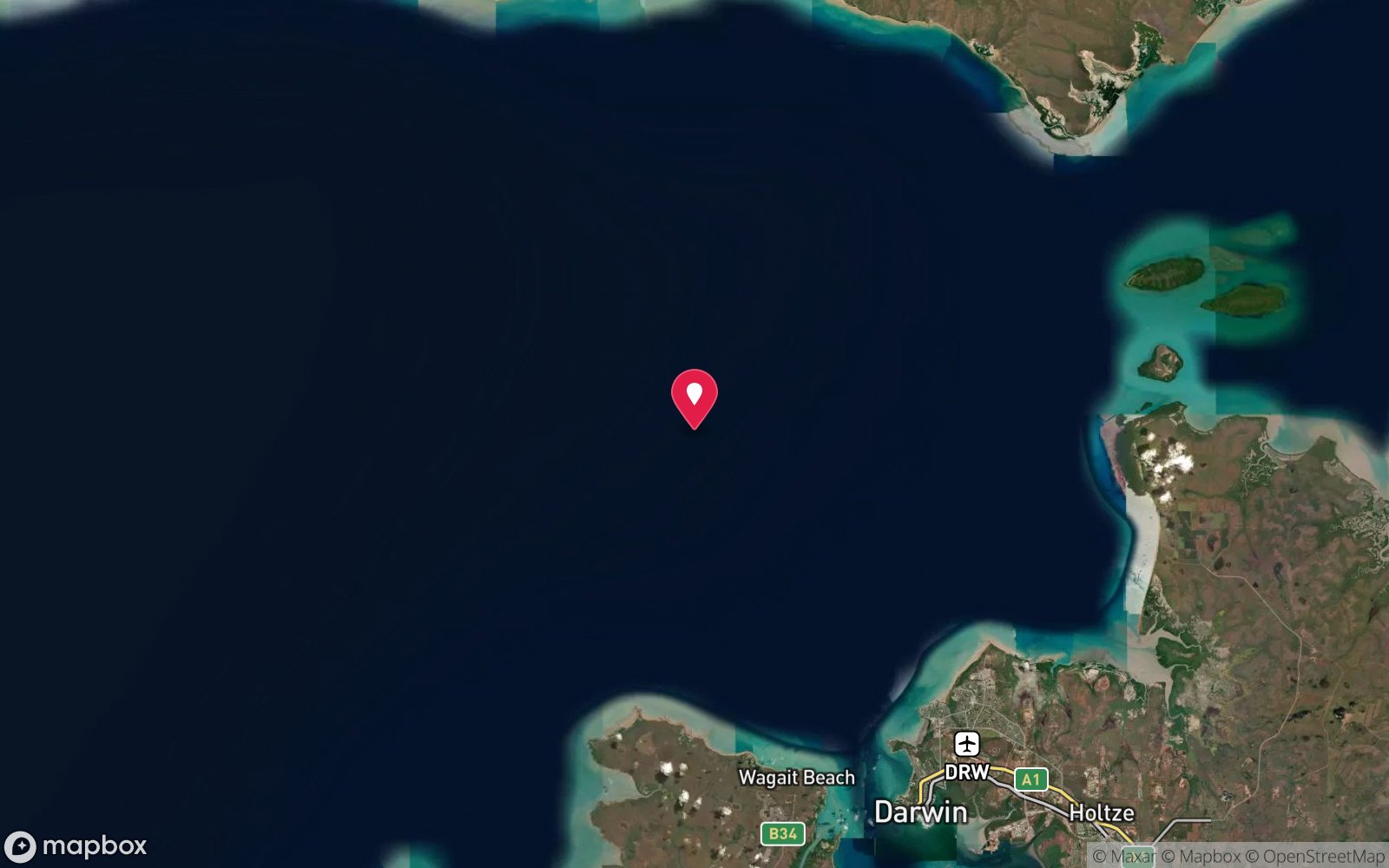
Cockatoo and Mudlark Artificial Reef
Max depth: 25 m · A pair of 20 m hulls lying side by side on the western edge of Fenton Patches, forming a fish-filled gutter between them.
25. Darwin Harbour · NT
DSAC Barge
Max depth: 25 m · The club's own upturned barge reef, surrounded by a yacht, work boat and concrete structures, with tame fish.
The guide
How to read this list
Maximum depth is the number a database can sort by, but it is not what makes these sites hard. Three things are: the environment (open ocean over 80 m, a sinkhole shaft, a tidal channel), the logistics (a boat that can find and hold a mark, a permit, a cave rating) and the distance to a chamber. Almost everything above 60 m on this list is dived by a small circle of technical divers and clubs, on rebreathers or open-circuit trimix, in specific weather windows.
The recreational reader should look at the shallow ends. Piccaninnie Ponds, Kilsby and Ewens Ponds put Open Water divers over water that is 60 to 100 m deep without taking them past 20 m. The Kanowna and Federal have no shallow options, but the Port Phillip Heads walls that lead down to Trimix Corner start at 12 m.
Where the deep water is
Victoria dominates. Bass Strait is shallow but the shipping lane past the Heads, Cape Schanck and Cape Otway has claimed liners, colliers and warships in 70 to 115 m, and Melbourne has the most active technical wreck community in the country to find them. South Australia's Limestone Coast supplies the sinkholes: the Shaft, the Chasm and a dozen deep cave systems, all managed by the CDAA. Western Australia has the Rottnest graveyard and the Nullarbor caves; New South Wales has the Fairwind and a run of 60 m-plus wrecks off Sydney and South West Rocks.
Queensland barely features, which surprises people. The reef is shallow, the deep walls of the Coral Sea drop from 20 m to 1,000 m without a floor to record, and the state's deep wrecks (the Yongala at 30 m, the Brisbane at 28 m) are recreational. Deep in Queensland means offshore, not down.
Training and access
Below 40 m is technical diving by every agency's definition: decompression procedures, redundant gas, helium below 50 to 60 m. The sinkholes add CDAA ratings (Deep Cavern, Cave, Advanced Cave), most of which take years. Many of the wrecks are protected historic shipwrecks or war graves with permit systems run by the state heritage office; the site pages say which. The technical diving section explains the courses, and the courses directory lists the centres that teach them.
Editorial last reviewed September 2026. The list itself is regenerated from the directory daily.
Frequently asked questions
What is the deepest dive site in Australia?
Rottnest's Ships' Graveyard holds wrecks down to 200 m, dived only by technical teams. The deepest sinkhole is the Shaft near Mount Gambier at 124 m; the deepest commonly dived wrecks are the Kanowna (82 m) off Wilsons Promontory and the Nord (42 m) in Tasmania.
How deep can a recreational diver go?
Recreational agencies cap depth at 40 m with the Deep Diver specialty, 30 m with Advanced Open Water and 18 m with Open Water. Beyond 40 m is technical diving.
More rankings
- Australia's Most Remote Dive Sites
- The Longest Boat Rides to a Day Dive
- The Warmest Dive Sites in Australia
- The Coldest Dive Sites in Australia
- Australia's Clearest-Water Dive Sites
- The Most Biodiverse Dive Sites in Australia
- The Oldest Shipwrecks You Can Dive in Australia
- WWII and Wartime Wrecks You Can Dive in Australia
- All rankings →