Depth is the number every diver asks first, and in Australia it runs from a 124 m sinkhole under a South Australian paddock to the 200 m dumping ground off Rottnest. Almost everything on this list is technical territory: decompression, mixed gas, cave or deep wreck training, and a local operator or club that knows the site.
The ranking is by the recorded maximum depth of the site. Many of these have shallower sections that recreational divers can enjoy; the site pages say where.
Updated daily from the directory. 25 sites listed.
1. Mount Gambier Sinkholes & Caves · SA
The Shaft
Max depth: 124 m · A 124 m deep sinkhole entered through a hole in a paddock. Advanced cave rating only.
Our takeThe reason Australia has cave-diving rules. Four divers died here in 1973, the CDAA was formed, and the site is now permit-only Advanced Cave. Entry is through a hole in a paddock barely wider than a diver in twinsets; the chamber below is 140 m long.
Sinkhole/CenoteMax 124 mExpert/TechnicalCave/Cavern certificationShore accessMore in Mount Gambier Sinkholes & Caves →
2. Mount Gambier Sinkholes & Caves · SA
Piccaninnie Ponds – The Chasm
Max depth: 110 m · Hanging over a 100 m+ spring-fed slot in 40 m-plus visibility – the signature Mount Gambier image.
Our takeThe Chasm is a slot in the limestone that keeps going: 100 m plus, in water so clear that hovering at the lip at 35 m feels like standing on a balcony. Only the top of it is open to recreational cave divers with a permit.
Sinkhole/CenoteMax 110 mAdvancedCave/Cavern certificationShore accessMore in Mount Gambier Sinkholes & Caves →
3. Mount Gambier Sinkholes & Caves · SA
Kilsby Sinkhole
Max depth: 65 m · The open-access showpiece of the Mount Gambier sinkholes: 65 m deep, clear as air, recreational depth on the upper platforms.
Sinkhole/CenoteMax 65 mIntermediateTechnical (decompression)Shore accessMore in Mount Gambier Sinkholes & Caves →
4. Yorke Peninsula · SA
Wedge Island
Max depth: 50 m · Remote island with 150 m cliffs, walls and drifts to 50 m and Shark Cove's undercut ledge and tunnel through North Point.
5. Mount Gambier Sinkholes & Caves · SA
Little Blue Lake
Max depth: 42 m · The easiest-access deep sinkhole in Mount Gambier – roadside parking, stairs and pontoon, and a flat floor at 36 m for depth and skills work.
Sinkhole/CenoteMax 42 mAdvancedCave/Cavern certificationShore accessMore in Mount Gambier Sinkholes & Caves →
6. Yorke Peninsula · SA
Althorpe Island
Max depth: 40 m · Remote island with 50+ sites, 20 m walls, seal colonies, big blue groper and historic wrecks at the mouth of Spencer Gulf.
7. Kangaroo Island · SA
Cape Torrens
Max depth: 40 m · Deep drop-offs covered in gorgonians and zoanthids beneath South Australia's highest coastal cliffs.
8. Kangaroo Island · SA
Snapper Point (KI)
Max depth: 40 m · Spectacular reef walls with ledges and small caves at 18 m on a current-swept headland full of fish.
9. Fleurieu Peninsula & Victor Harbor · SA
AV Ulonga Wreck
Max depth: 39 m · A 1910 Murray paddle steamer turned coastal schooner, lost in 1976, sitting upright in 38 m with a Chrysler Valiant beside her.
10. Mount Gambier Sinkholes & Caves · SA
Hancocks Cave
Max depth: 37 m · A 60 x 35 m bell-shaped cenote with collapse features, swim-throughs and a milky white-silt lower chamber – closed at present.
Sinkhole/CenoteMax 37 mAdvancedCave/Cavern certificationShore accessMore in Mount Gambier Sinkholes & Caves →11. Yorke Peninsula · SA
CD's Bommie
Max depth: 35 m · An offshore pinnacle rising from 35 m to 12 m near Althorpe Island, packed with fish and gorgonians.
12. Mount Gambier Sinkholes & Caves · SA
Piccaninnie Ponds – The Cathedral
Max depth: 35 m · A white limestone chamber lit by daylight in near-perfect visibility – one of Australia's finest freshwater photography dives.
Cave/CavernMax 35 mAdvancedCave/Cavern certificationShore accessMore in Mount Gambier Sinkholes & Caves →13. Mount Gambier Sinkholes & Caves · SA
Three Sisters Cave
Max depth: 35 m · An 18 m belayed ladder descent into a 30 m dome chamber, with the infamous 30-40 cm 'flattener' beyond – sidemount only.
Cave/CavernMax 35 mExpert/TechnicalCave/Cavern certificationShore accessMore in Mount Gambier Sinkholes & Caves →14. Mount Gambier Sinkholes & Caves · SA
Baker's Cave
Max depth: 33 m · A 15 m wire ladder down a 1 m solution tube into a large flooded chamber and tunnel to 33 m.
Cave/CavernMax 33 mExpert/TechnicalCave/Cavern certificationShore accessMore in Mount Gambier Sinkholes & Caves →
15. Fleurieu Peninsula & Victor Harbor · SA
Ex-HMAS Hobart
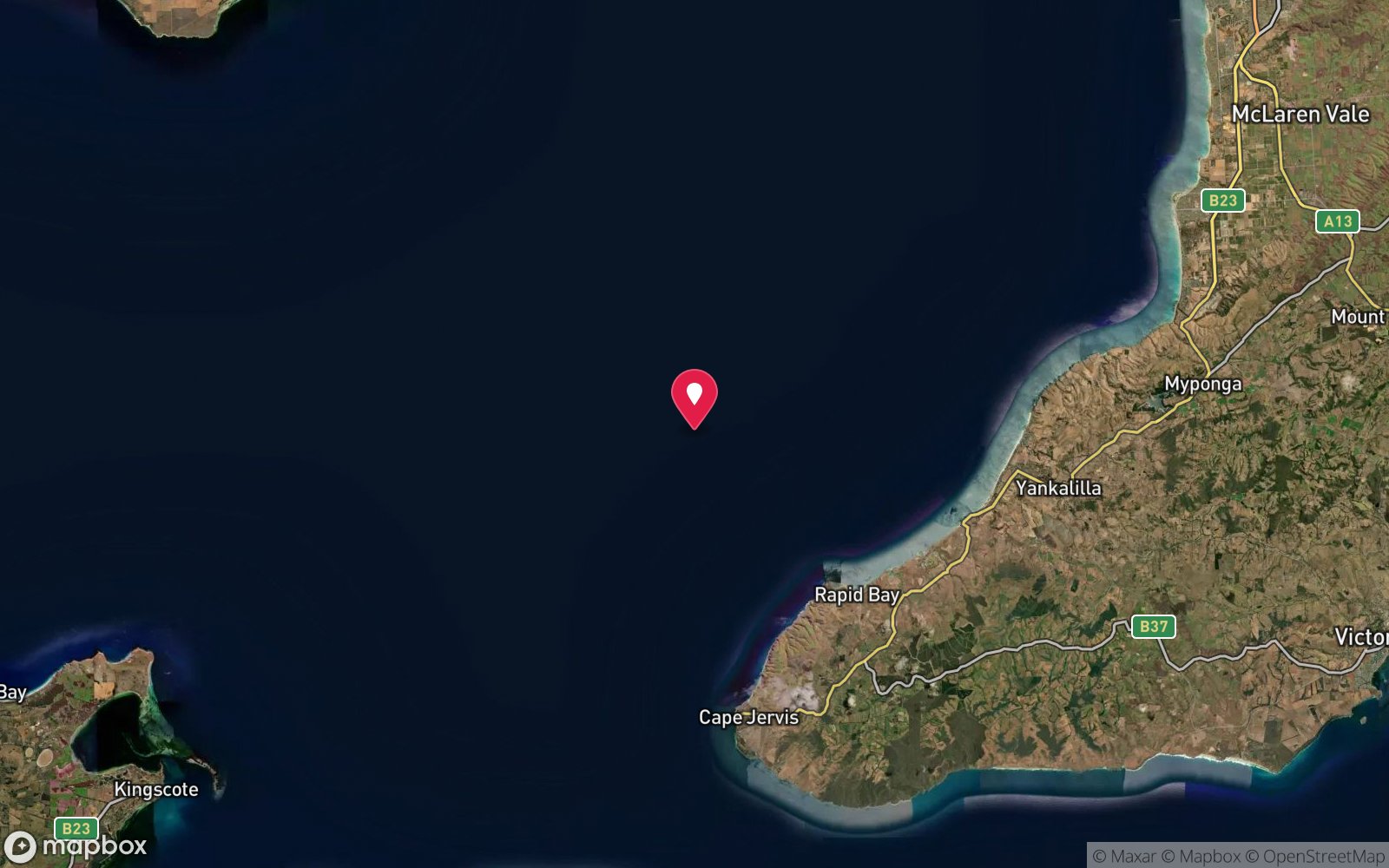
Max depth: 30 m · A 133 m Adams-class destroyer off Yankalilla with wide-open penetration routes and a resident school of bullseyes.
16. Eyre Peninsula · SA
Hopkins Island – Australian Sea Lions
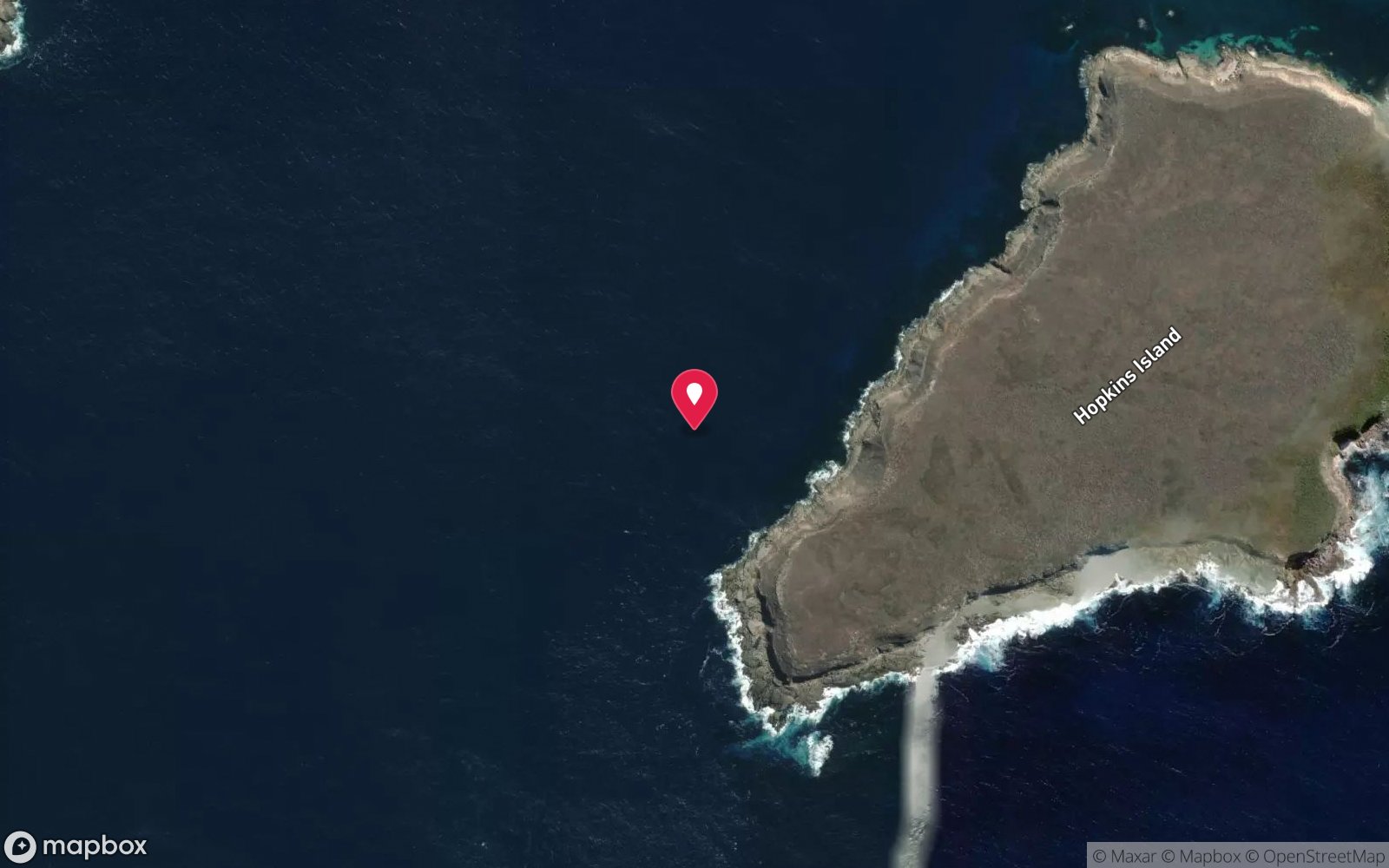
Max depth: 30 m · Playful, endangered Australian sea lions spinning around snorkellers in a clear, shallow cove, plus a 30 m-to-4 m pinnacle for divers.
17. Mount Gambier Sinkholes & Caves · SA
Tank Cave
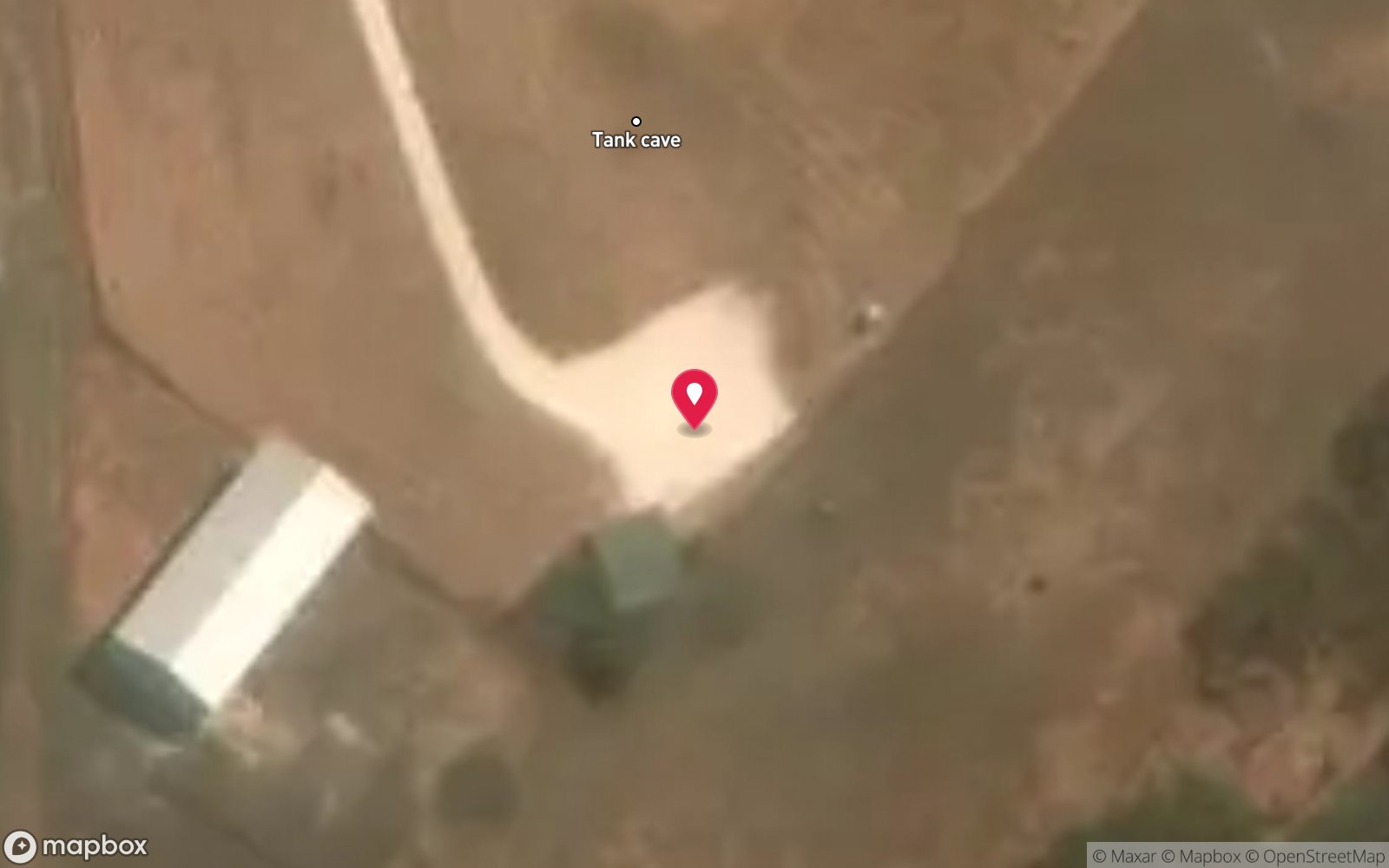
Max depth: 30 m · More than 7 km of shallow, lined maze passage – Australia's premier Advanced Cave training and exploration site.
Cave/CavernMax 30 mExpert/TechnicalCave/Cavern certificationShore accessMore in Mount Gambier Sinkholes & Caves →
18. Mount Gambier Sinkholes & Caves · SA
The Pines
Max depth: 30 m · A tight entrance opening into a large, clear chamber, with a signed deep Advanced Cave section below 25 m.
Cave/CavernMax 30 mAdvancedCave/Cavern certificationShore accessMore in Mount Gambier Sinkholes & Caves →
19. Eyre Peninsula · SA
Pearson Island
Max depth: 30 m · Granite blocks dropping beyond 30 m in exceptionally clear water at one of SA's most remote islands, with harlequin fish, wobbegongs and seals.
20. Adelaide Metro · SA
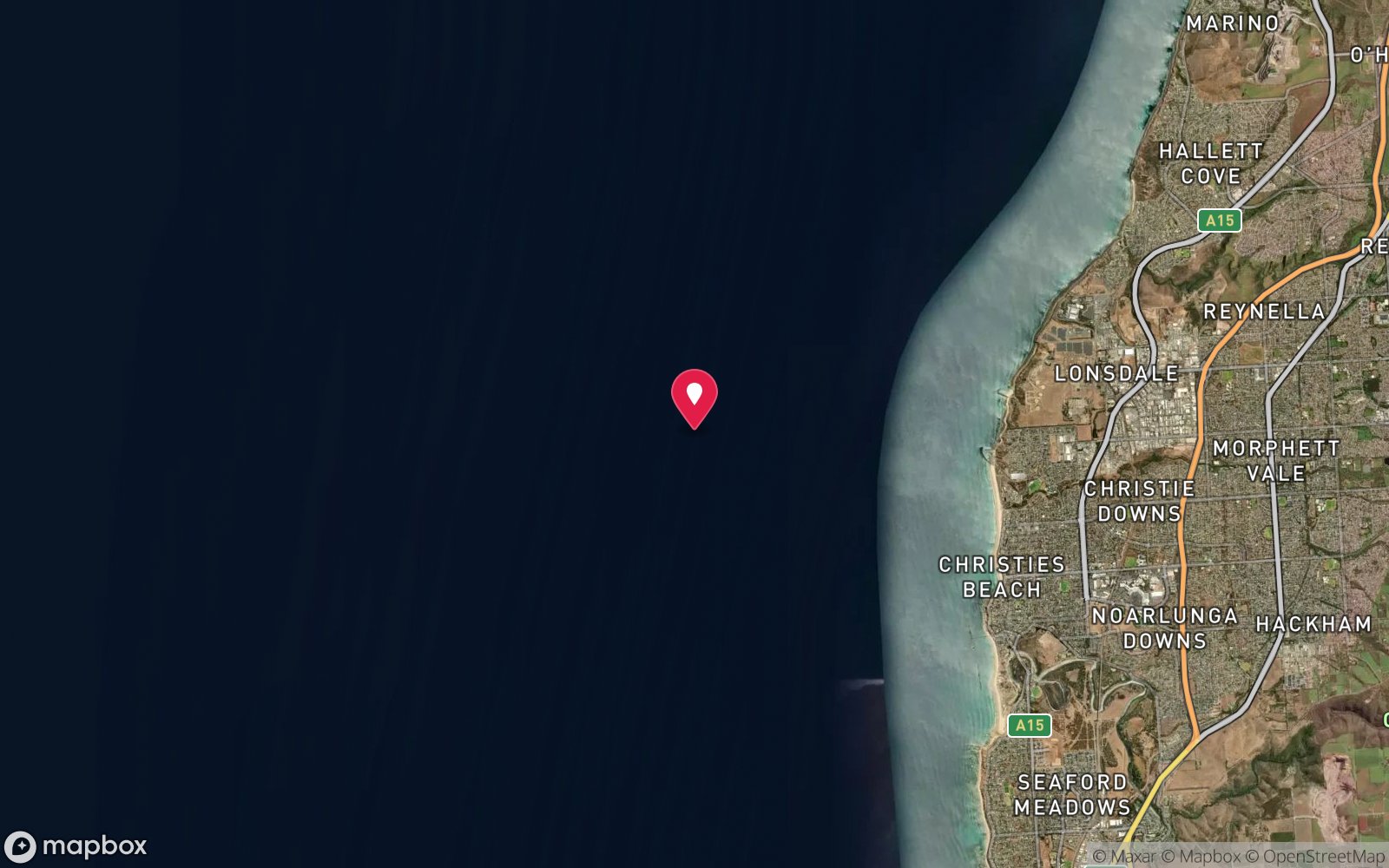
Stanvac Barges
Max depth: 30 m · Three heavily encrusted barges scuttled in 1954 in 28-30 m – among the oldest artificial reefs off Adelaide.
21. Adelaide Metro · SA
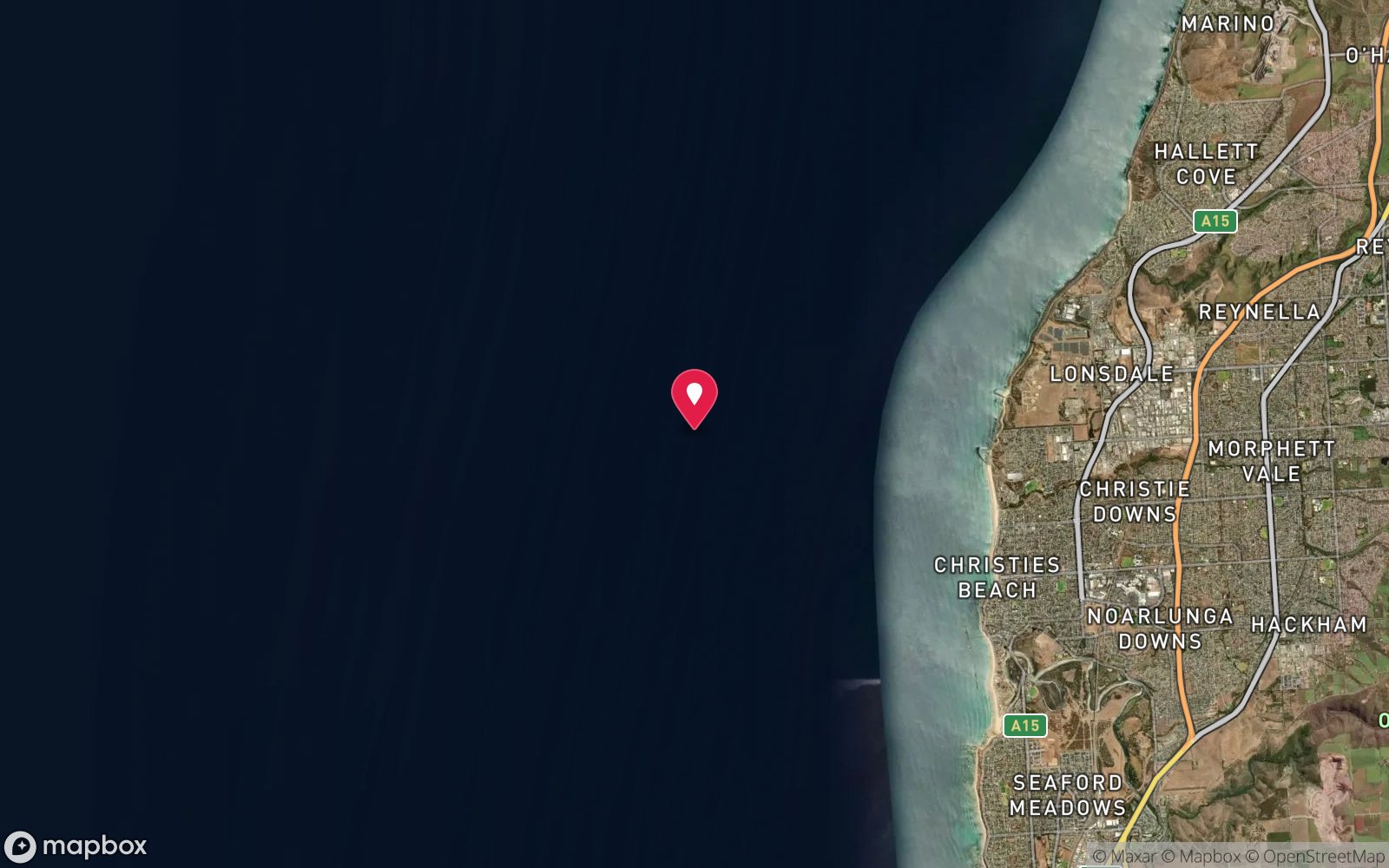
Stanvac Barges 1 & 2 (small barges)
Max depth: 30 m · Two encrusted 1954 barges 33 m apart in 28-30 m, a rarely dived companion to the Saurian.
22. Kangaroo Island · SA
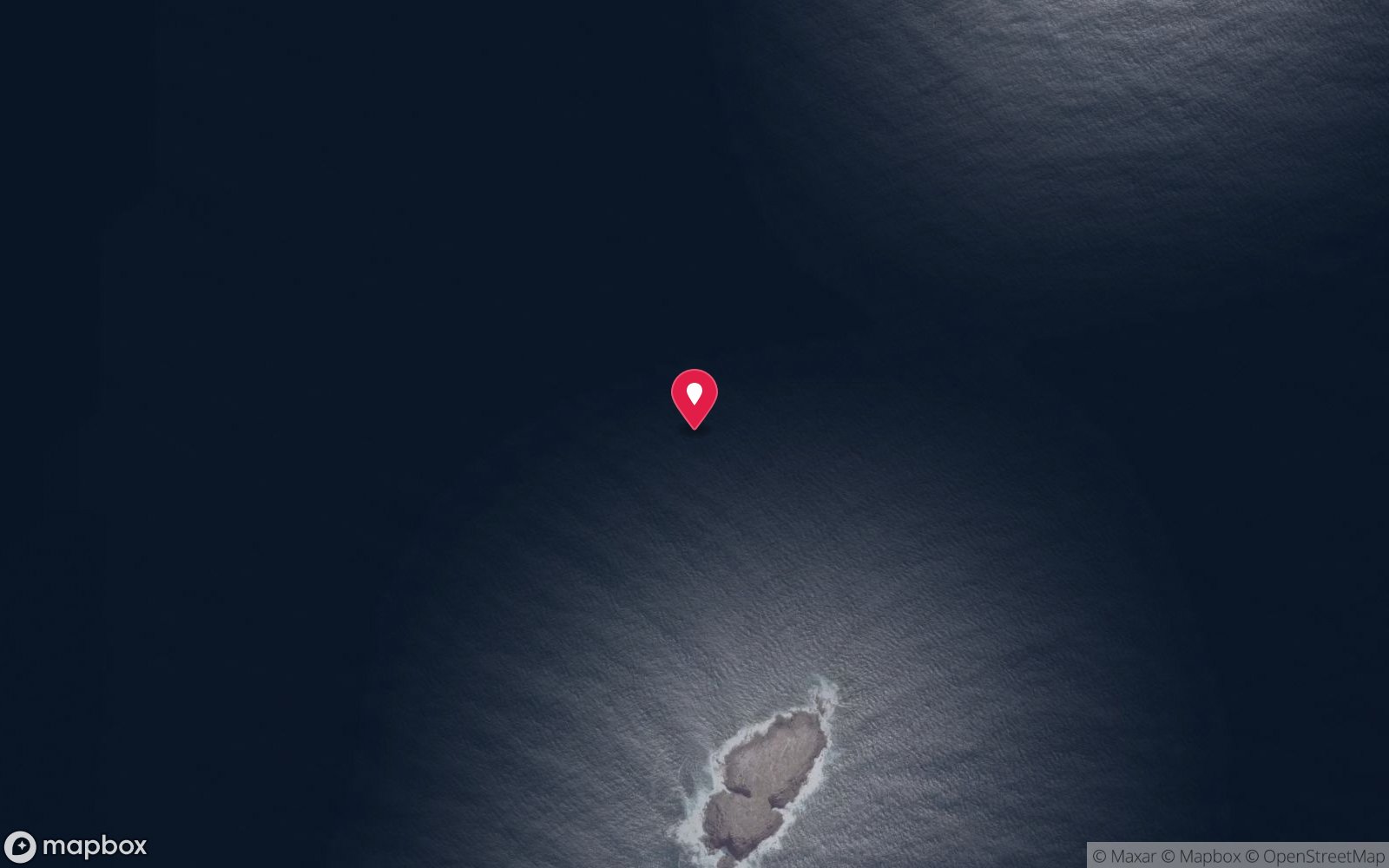
The Pages
Max depth: 30 m · Pristine walls and big fish schools around sea lion islets in the middle of Backstairs Passage.
23. Adelaide Metro · SA
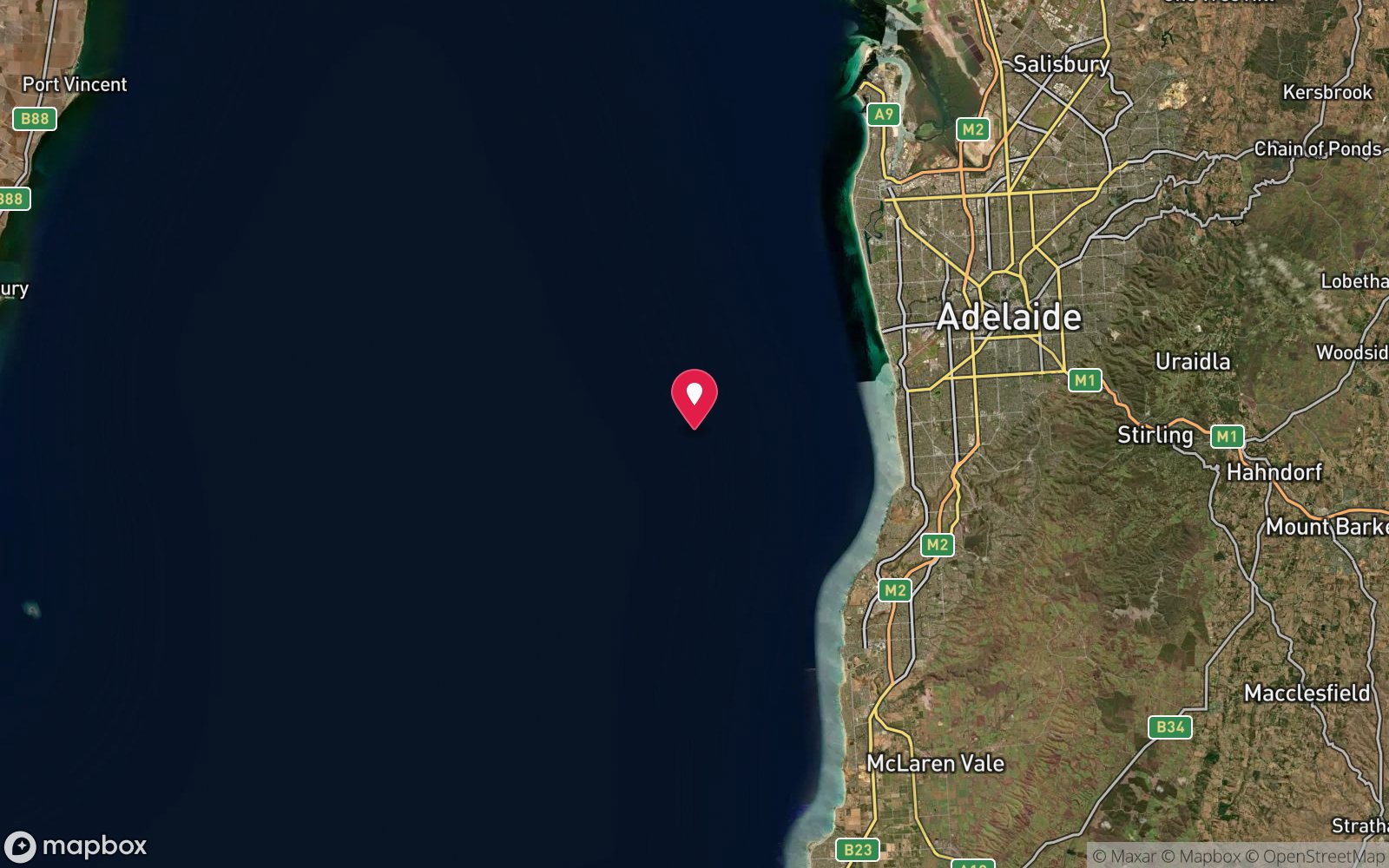
Claris Wreck
Max depth: 28 m · A deep, rarely visited artificial reef where a small cabin cruiser is draped in white Carijoa soft corals.
24. Mount Gambier Sinkholes & Caves · SA
Nettlebed Cave
Max depth: 28 m · A restrictive entrance into 'The Gallery' with archaeological markings, then boulder and clay chambers to 28 m.
Cave/CavernMax 28 mExpert/TechnicalCave/Cavern certificationShore accessMore in Mount Gambier Sinkholes & Caves →
25. Mount Gambier Sinkholes & Caves · SA
Goulden's Hole
Max depth: 26 m · The classic CDAA training sinkhole – compact, clear below a 15 m thermocline and easy to plan around.
Sinkhole/CenoteMax 26 mIntermediateCave/Cavern certificationShore accessMore in Mount Gambier Sinkholes & Caves →
The guide
How to read this list
Maximum depth is the number a database can sort by, but it is not what makes these sites hard. Three things are: the environment (open ocean over 80 m, a sinkhole shaft, a tidal channel), the logistics (a boat that can find and hold a mark, a permit, a cave rating) and the distance to a chamber. Almost everything above 60 m on this list is dived by a small circle of technical divers and clubs, on rebreathers or open-circuit trimix, in specific weather windows.
The recreational reader should look at the shallow ends. Piccaninnie Ponds, Kilsby and Ewens Ponds put Open Water divers over water that is 60 to 100 m deep without taking them past 20 m. The Kanowna and Federal have no shallow options, but the Port Phillip Heads walls that lead down to Trimix Corner start at 12 m.
Where the deep water is
Victoria dominates. Bass Strait is shallow but the shipping lane past the Heads, Cape Schanck and Cape Otway has claimed liners, colliers and warships in 70 to 115 m, and Melbourne has the most active technical wreck community in the country to find them. South Australia's Limestone Coast supplies the sinkholes: the Shaft, the Chasm and a dozen deep cave systems, all managed by the CDAA. Western Australia has the Rottnest graveyard and the Nullarbor caves; New South Wales has the Fairwind and a run of 60 m-plus wrecks off Sydney and South West Rocks.
Queensland barely features, which surprises people. The reef is shallow, the deep walls of the Coral Sea drop from 20 m to 1,000 m without a floor to record, and the state's deep wrecks (the Yongala at 30 m, the Brisbane at 28 m) are recreational. Deep in Queensland means offshore, not down.
Training and access
Below 40 m is technical diving by every agency's definition: decompression procedures, redundant gas, helium below 50 to 60 m. The sinkholes add CDAA ratings (Deep Cavern, Cave, Advanced Cave), most of which take years. Many of the wrecks are protected historic shipwrecks or war graves with permit systems run by the state heritage office; the site pages say which. The technical diving section explains the courses, and the courses directory lists the centres that teach them.
Editorial last reviewed September 2026. The list itself is regenerated from the directory daily.
Frequently asked questions
What is the deepest dive site in Australia?
Rottnest's Ships' Graveyard holds wrecks down to 200 m, dived only by technical teams. The deepest sinkhole is the Shaft near Mount Gambier at 124 m; the deepest commonly dived wrecks are the Kanowna (82 m) off Wilsons Promontory and the Nord (42 m) in Tasmania.
How deep can a recreational diver go?
Recreational agencies cap depth at 40 m with the Deep Diver specialty, 30 m with Advanced Open Water and 18 m with Open Water. Beyond 40 m is technical diving.
More rankings
- Australia's Most Remote Dive Sites
- The Longest Boat Rides to a Day Dive
- The Warmest Dive Sites in Australia
- The Coldest Dive Sites in Australia
- Australia's Clearest-Water Dive Sites
- The Most Biodiverse Dive Sites in Australia
- The Oldest Shipwrecks You Can Dive in Australia
- WWII and Wartime Wrecks You Can Dive in Australia
- All rankings →