Depth is the number every diver asks first, and in Australia it runs from a 124 m sinkhole under a South Australian paddock to the 200 m dumping ground off Rottnest. Almost everything on this list is technical territory: decompression, mixed gas, cave or deep wreck training, and a local operator or club that knows the site.
The ranking is by the recorded maximum depth of the site. Many of these have shallower sections that recreational divers can enjoy; the site pages say where.
Updated daily from the directory. 25 sites listed.
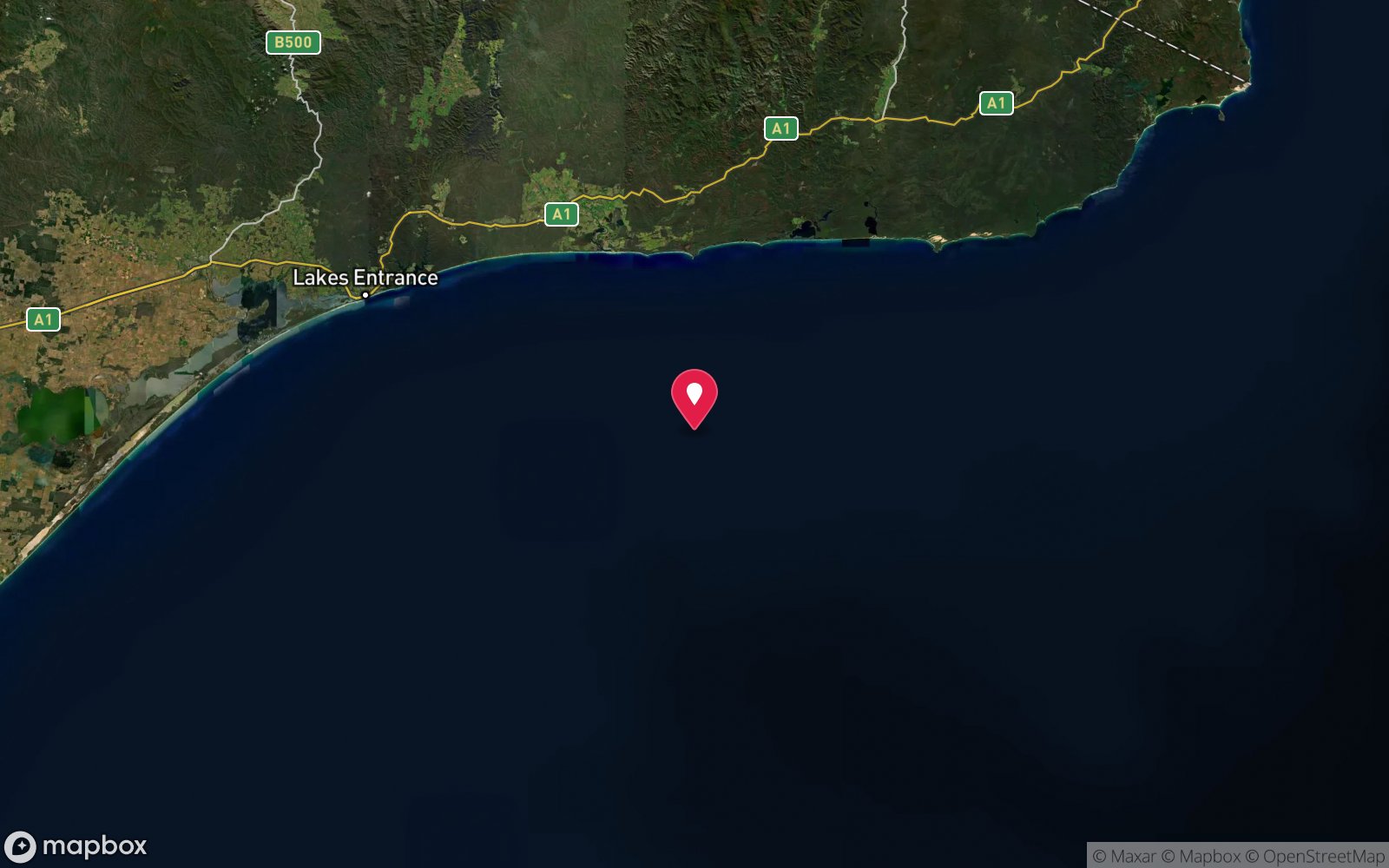
1. Wilsons Promontory · VIC
SS Federal
Max depth: 115 m · A collier lost with all hands in a 1901 gale and found by CSIRO sonar in 2019, lying broken in 115 m off Cape Conran – a protected zone and not a practical dive.
Our takeFound by CSIRO's RV Investigator in 2019 and dived by a handful of teams since. At 115 m off Cape Conran it is a two-hour decompression for a few minutes on the wreck, and it lies inside a protected zone that needs a permit.
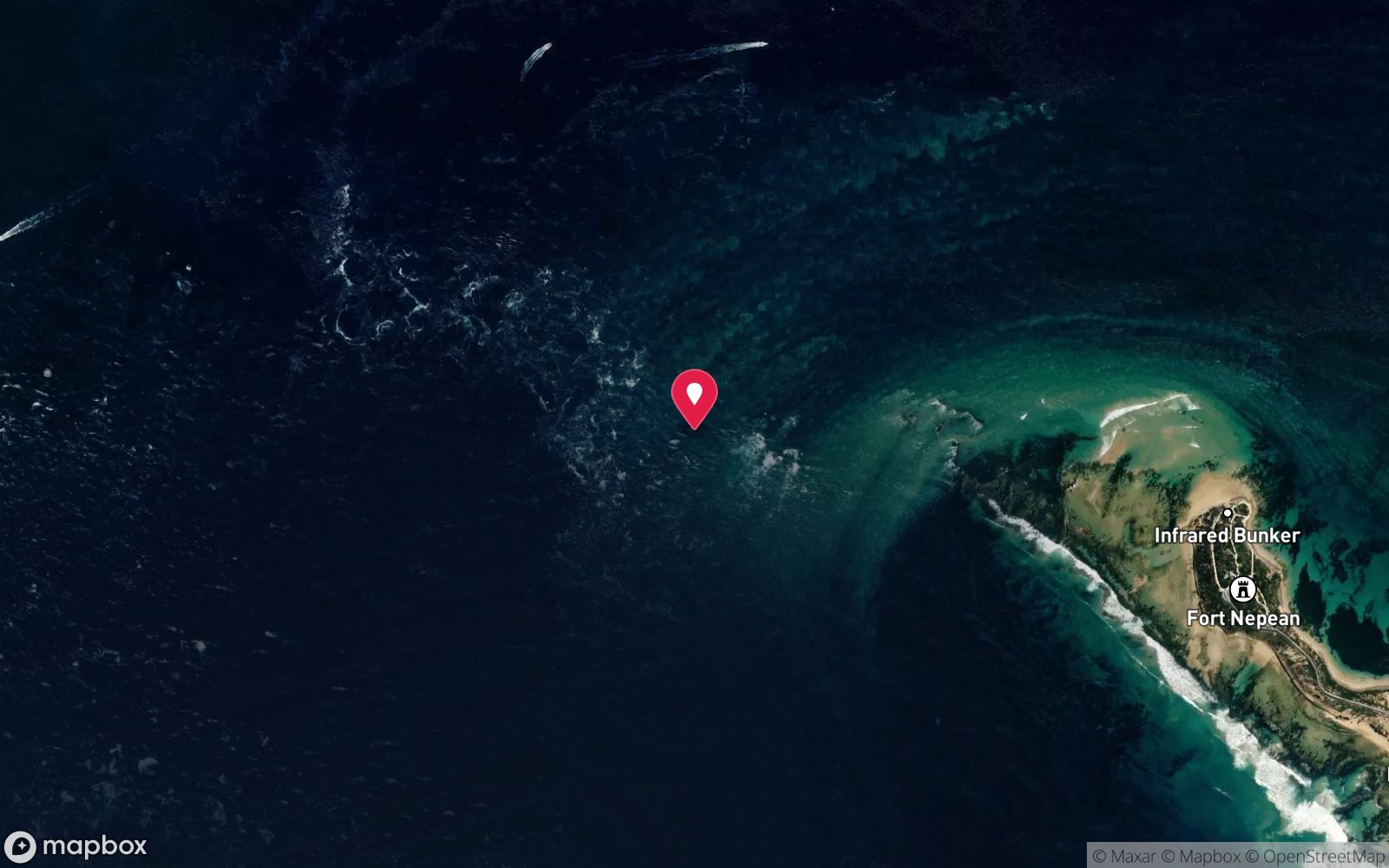
2. Port Phillip Heads · VIC
Trimix Corner / Entrance Deep
Max depth: 103 m · The descent point for Entrance Deep, Victoria's deepest known dive at 103 m in the drowned Yarra channel inside the Heads – black, barren, treacherous and for expert trimix teams only.
Our takeVictoria's deepest known dive is the drowned bed of the ancient Yarra where it cut through the Heads. Black, tidal and featureless below 60 m; it is dived for the number, on slack water, by very experienced Melbourne technical divers.
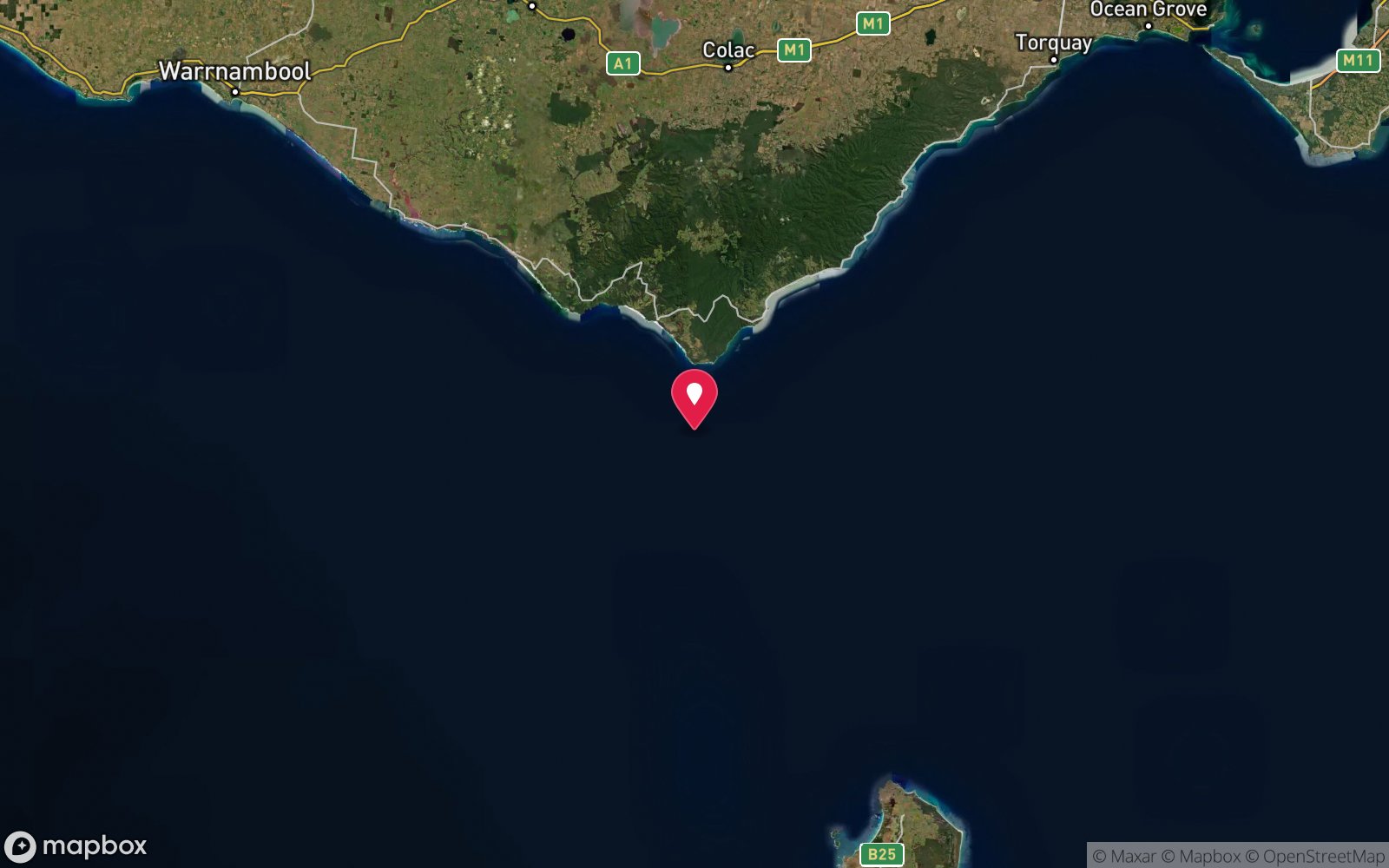
3. Surf Coast & Great Ocean Road · VIC
City of Rayville
Max depth: 82 m · The first American merchant ship lost in WWII, intact and upright in 82 m off Cape Otway – Victoria's premier deep technical wreck.
Our takeThe first American merchant ship lost in the Second World War, mined off Cape Otway in November 1940 and intact in 82 m. Victoria's premier deep wreck; the Apollo Bay technical boats run it in calm autumn weather.
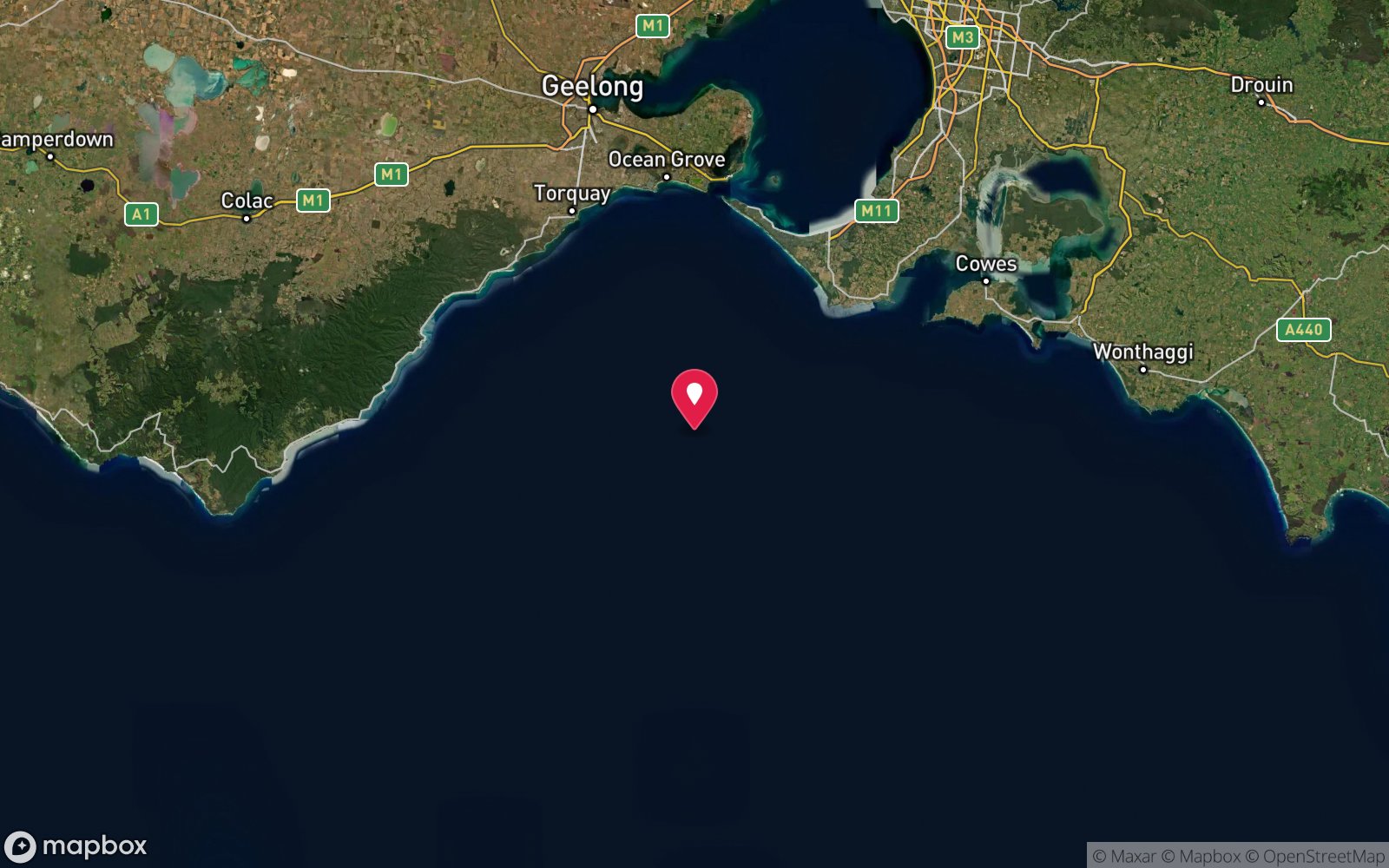
4. Port Phillip Heads · VIC
HMAS Bayonet
Max depth: 82 m · An Attack-class patrol boat scuttled in 1999 and found in 2001 – upright and clean in 82 m off Cape Schanck with waterline marks still readable; a rare rebreather expedition dive.
Our takeAn Attack-class patrol boat scuttled in 1999 and only found two years later, sitting upright and almost clean in 82 m off Cape Schanck. Small enough to see whole in one dive if the plan is tight.
5. Wilsons Promontory · VIC
TSS Kanowna
Max depth: 82 m · A 126 m WWI hospital ship and coastal liner lost in fog in 1929, found in 2005 and lying largely recognisable in 80–82 m of clear Bass Strait water – Victoria's deepest regularly attempted wreck.
Our takeA 126 m hospital ship and coastal liner lying in 80 m of some of the clearest water in Bass Strait. Discovered in 2005; the bow, bridge area and holds are still recognisable and the visibility can exceed 30 m.
6. Port Phillip Heads · VIC
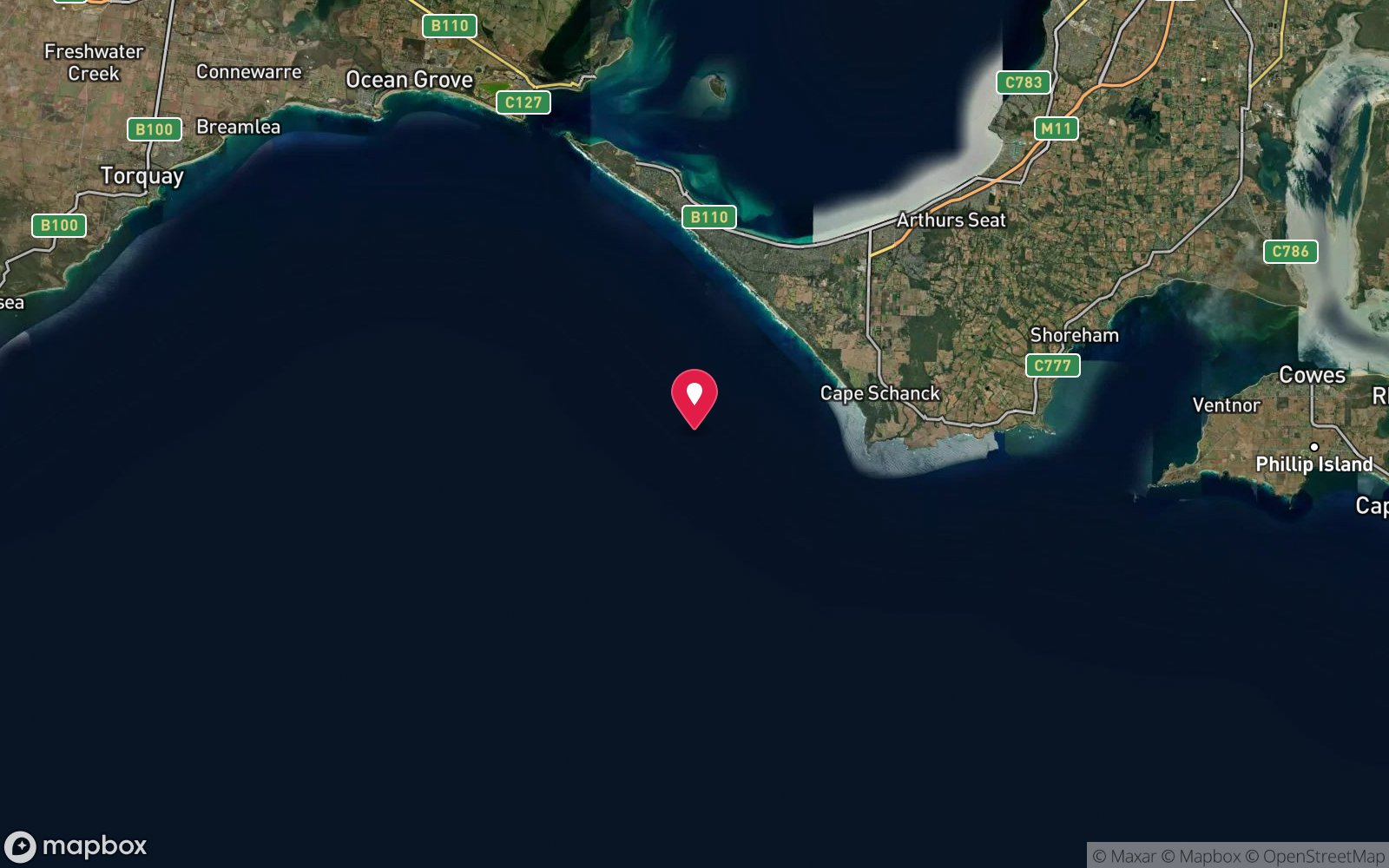
SS Alert
Max depth: 75 m · An upright, largely intact 1877 iron steamer in 75 m, lost with 15 lives in 1893 and found by Southern Ocean Exploration in 2007; permit-only protected zone.
Our takeAn 1877 iron steamer standing upright in 75 m off Cape Schanck, with 15 lives lost in the 1893 gale. Found in 2007 and now a permit-only historic shipwreck; the funnel, mast and deckhouses survive.
7. Port Phillip Heads · VIC
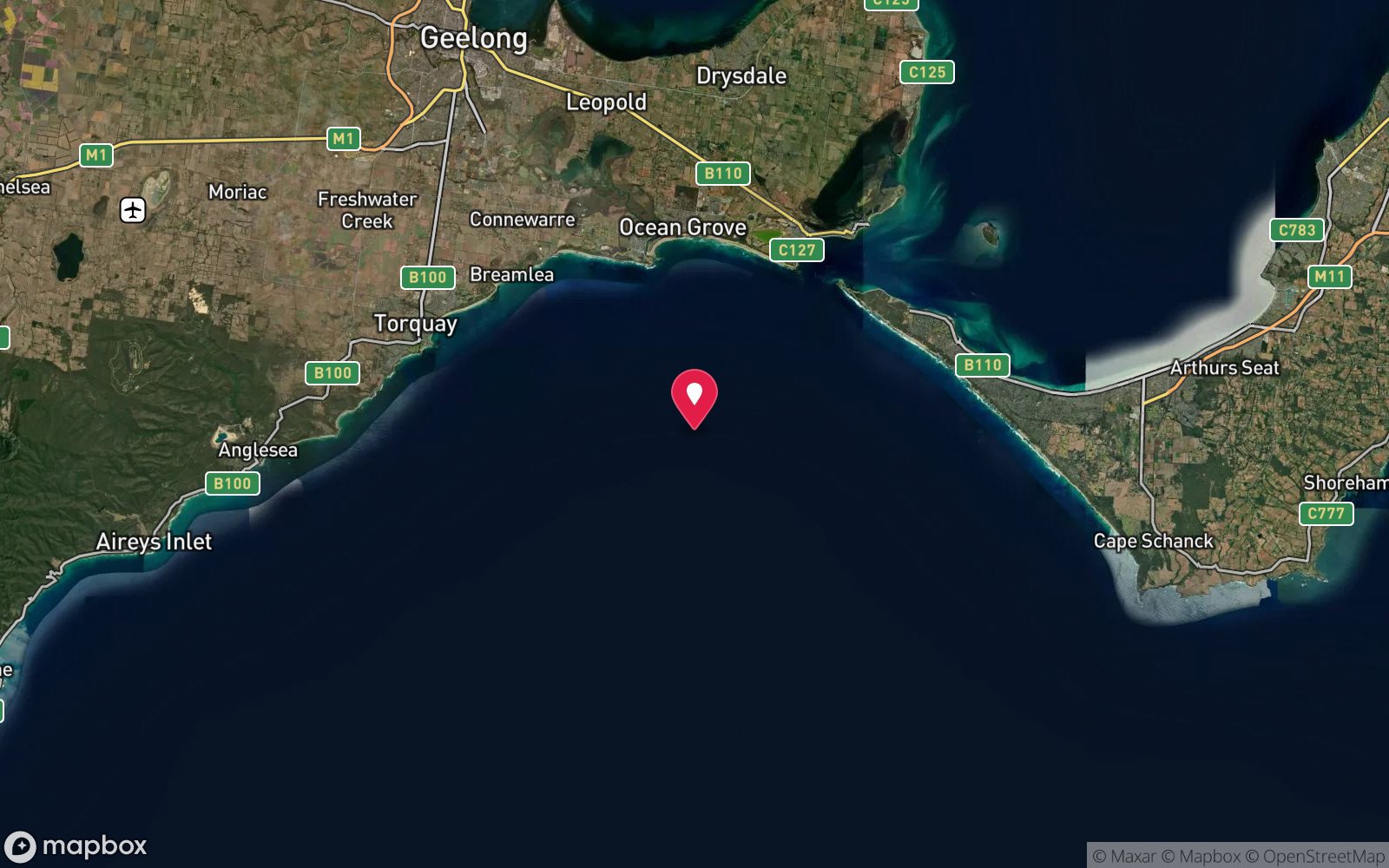
Don Diego
Max depth: 72 m · The oldest hull in the Graveyard – an 1855 Greenock-built iron barque and coal hulk scuttled in 1916 – bow and stern rising 4 m from the sand in 70–72 m near the shipping lanes.
8. Port Phillip Heads · VIC
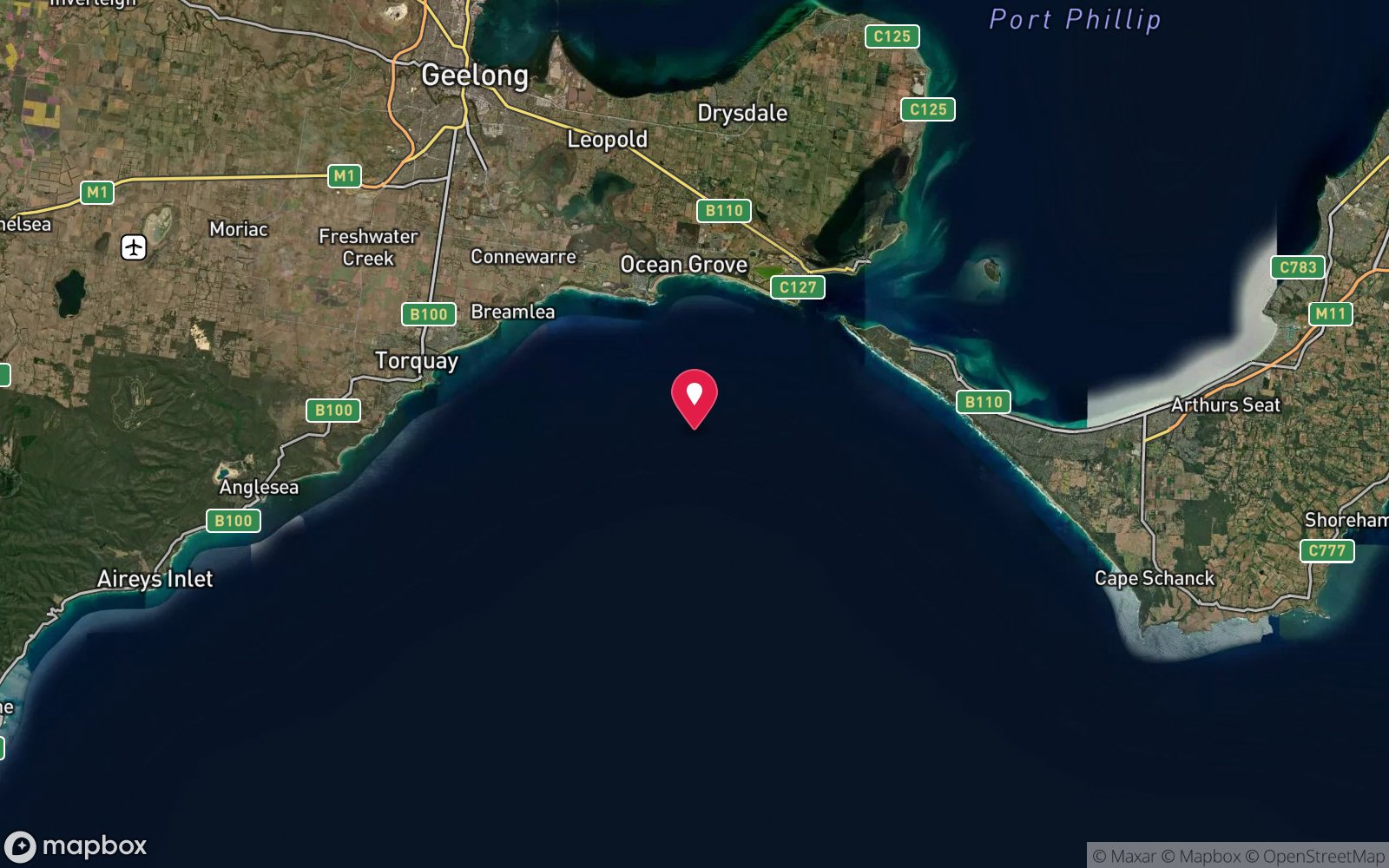
Brunette
Max depth: 70 m · An 1859 Thames-built iron barque and coal hulk – the first vessel scuttled in the Graveyard (1913) – found by Southern Ocean Exploration in 2006 lying in 70 m.
9. Wilsons Promontory · VIC
South East Point (Wilsons Promontory Lighthouse)
Max depth: 70 m · Granite walls plunging to 70 m with caves and swim-throughs directly beneath the Wilsons Promontory Lighthouse; the eastern Prom's deep wall.
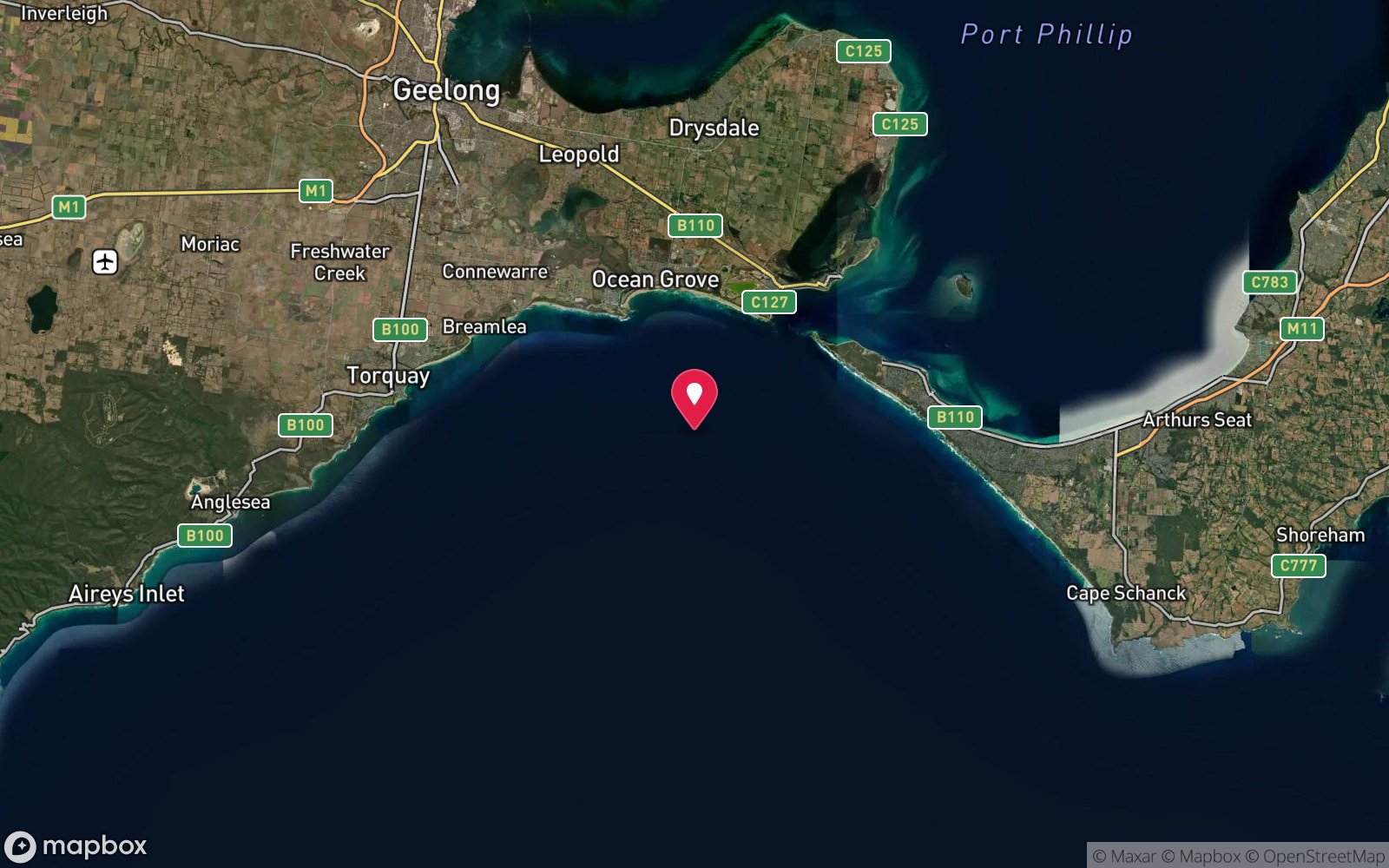
10. Port Phillip Heads · VIC
John Nimmo
Max depth: 68 m · An 1887 Footscray-built Harbour Trust bucket dredge standing 4–5 m proud in 68 m – possibly the best-preserved wreck in the Graveyard, with superstructure to explore.
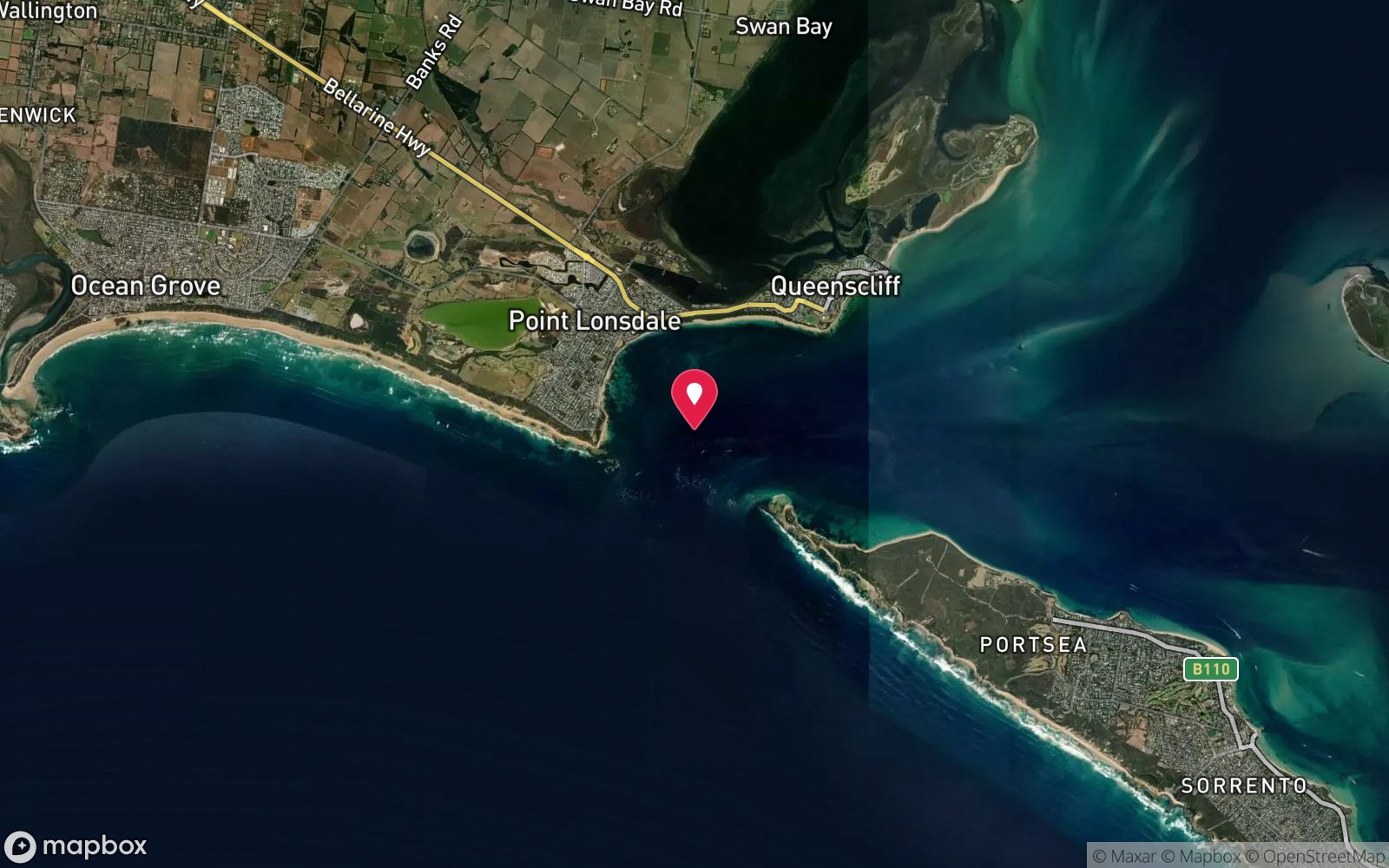
11. Port Phillip Heads · VIC
North Wall Corner
Max depth: 66 m · The 90-degree corner of Lonsdale Wall: towering split faces on two sides dropping from 19 m to 66 m, with blue devils and the occasional blue groper in the cracks.
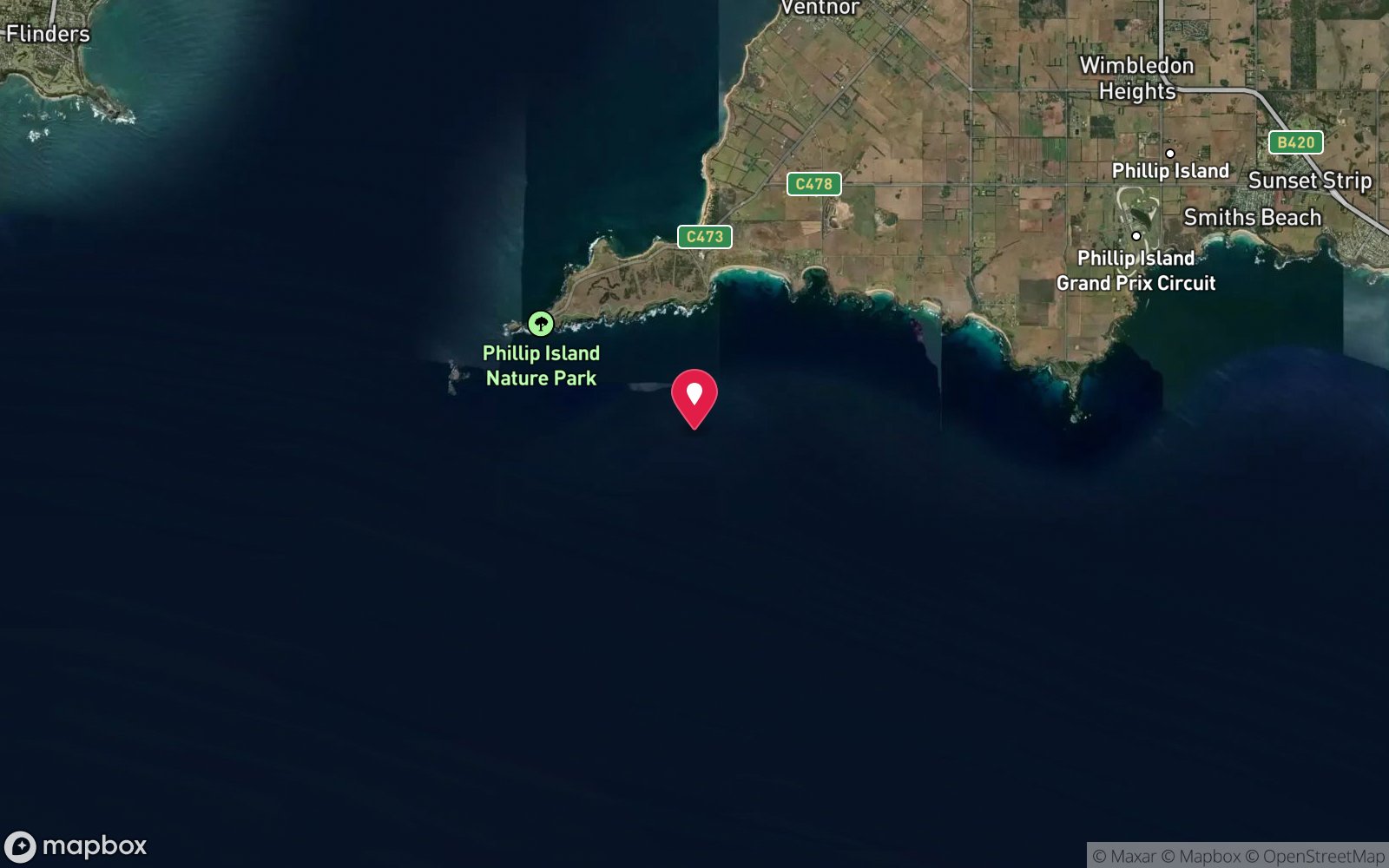
12. Phillip Island & Western Port · VIC
TSS Coramba
Max depth: 66 m · A Western District coastal steamer lost with all 17 hands in a 1934 storm, found by Southern Ocean Exploration in 2011 lying almost upside down in 66 m south of Seal Rocks.
13. Port Phillip Heads · VIC
Nepean Wall
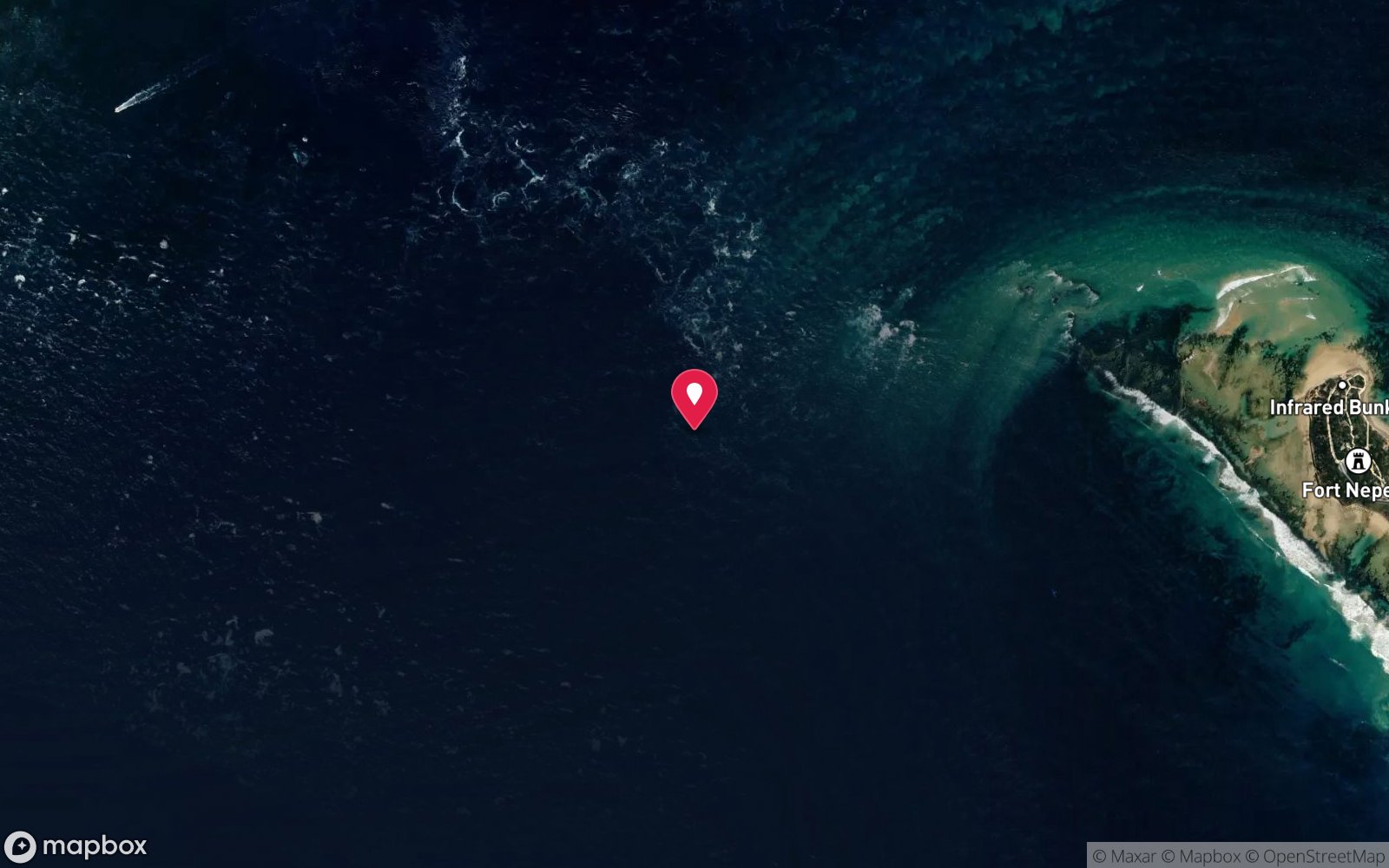
Max depth: 65 m · The vertical Nepean side of The Rip: a boomerang-shaped trench whose northern wall drops from 18 m to 65 m through large caves and undercuts, dived on the ebb-to-flood turn so the tide carries you home.
14. Port Phillip Heads · VIC
Outer Corsair Wall
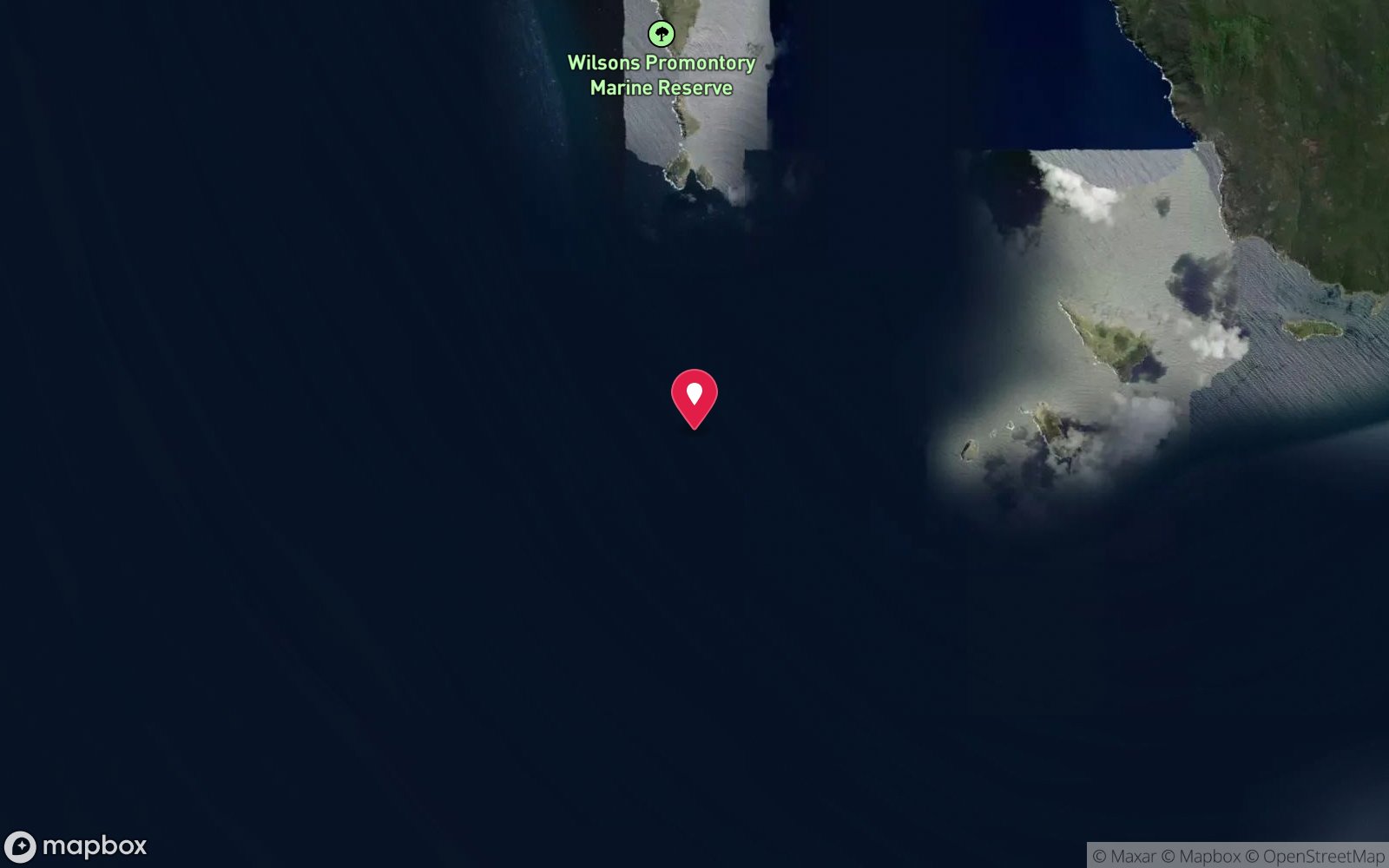
Max depth: 65 m · The outermost Nepean-side wall: ledges, caves and drop-offs from a 10 m kelp top to 65 m facing Bass Strait, with the clearest water at the Heads and a very short slack.
15. Wilsons Promontory · VIC
Skull Rock
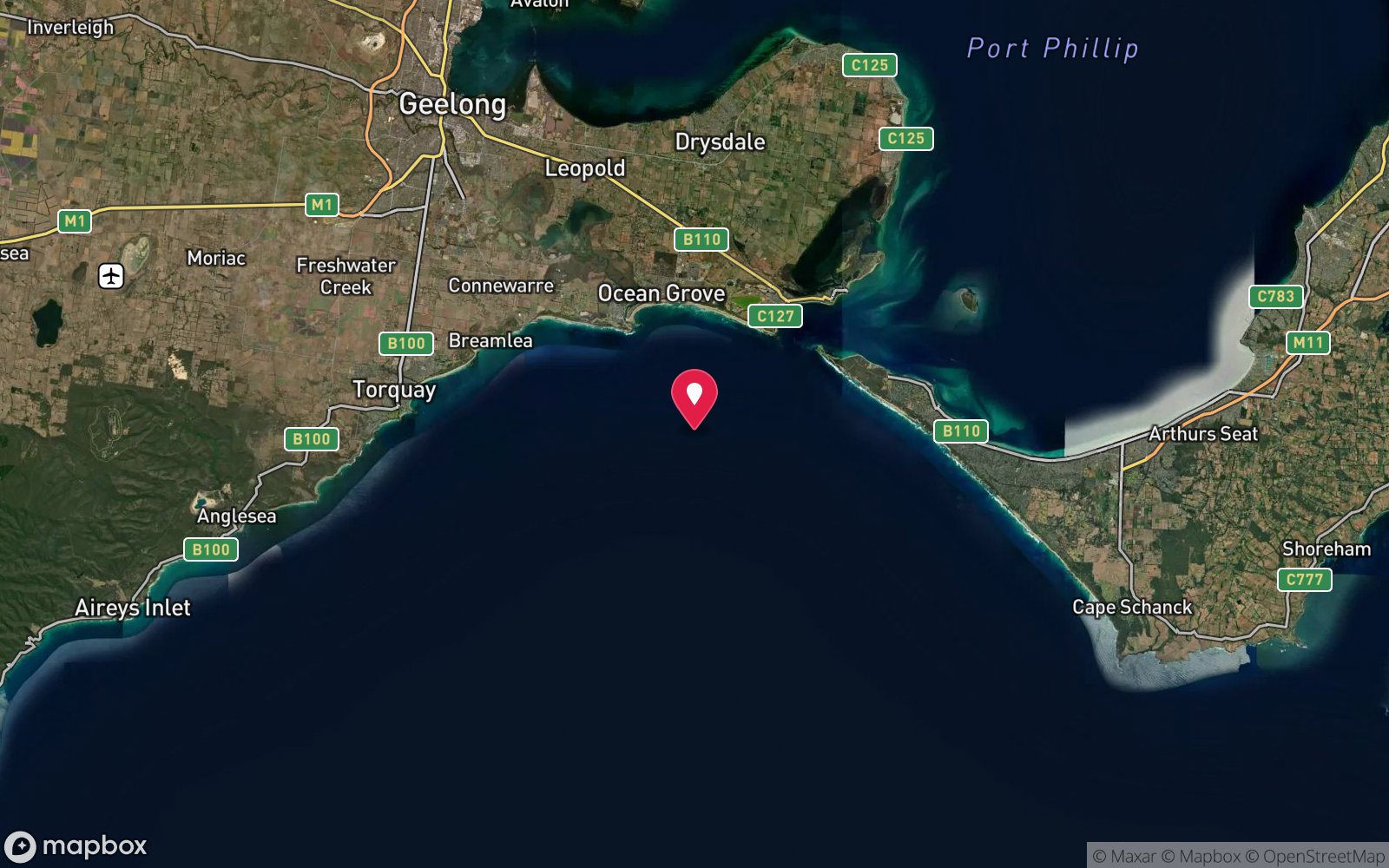
Max depth: 65 m · Sheer granite walls dropping past 65 m beneath the Prom's landmark sea-cave island, in the clearest water in Victoria, with fur seals for company; the state's premier remote wall dive.
16. Port Phillip Heads · VIC
SS Malaita
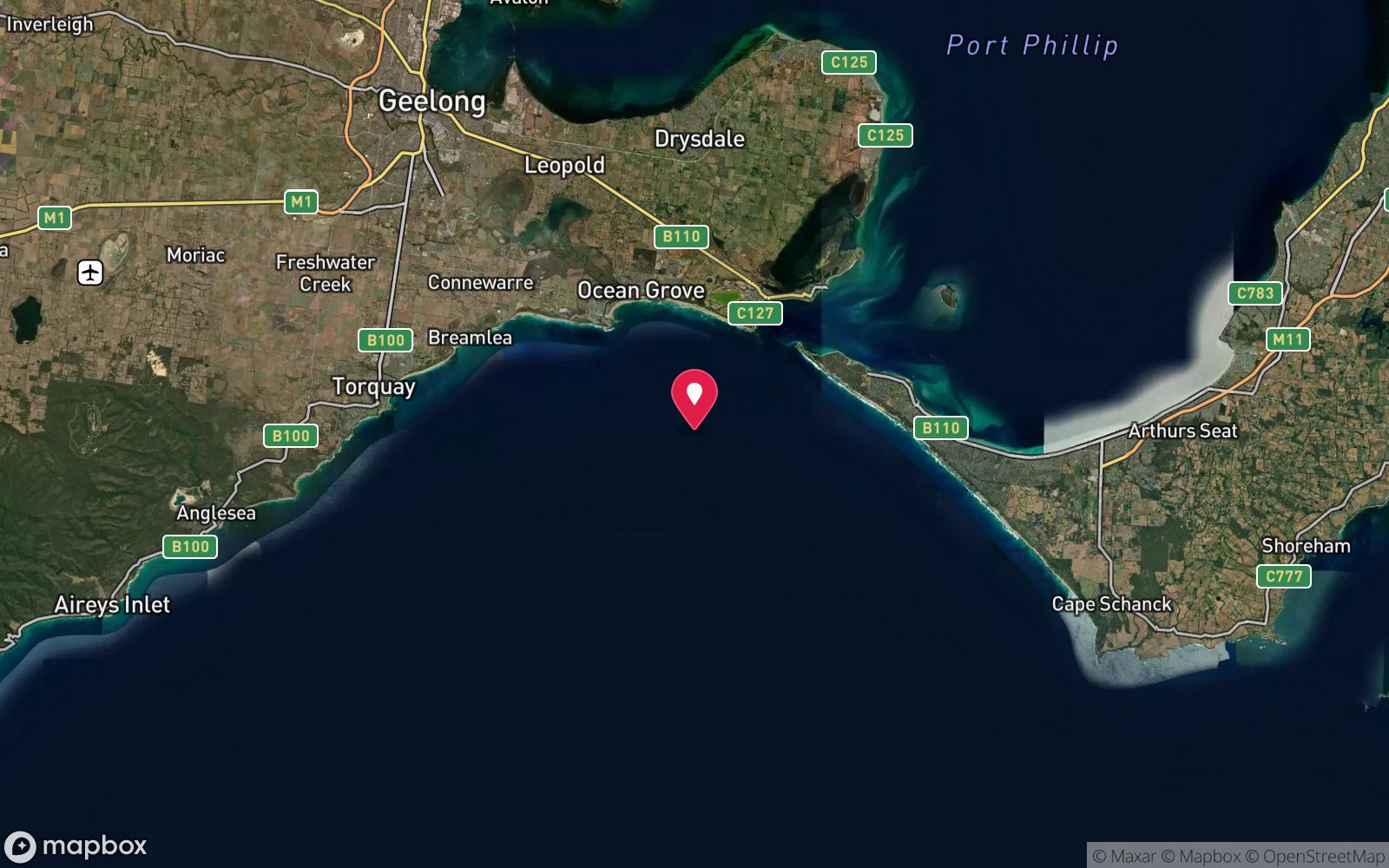
Max depth: 65 m · A 1893 island trader with a chequered life, lying at 65 m – one of the deep Graveyard set dived only by trimix and rebreather teams.
17. Port Phillip Heads · VIC
Werfa
Max depth: 65 m · An 1883 Welsh collier, sunk by a US destroyer in Victoria Dock in 1925 and scuttled in 1929 – swim-throughs and a fully intact rudder at 62–65 m.
18. Port Phillip Heads · VIC
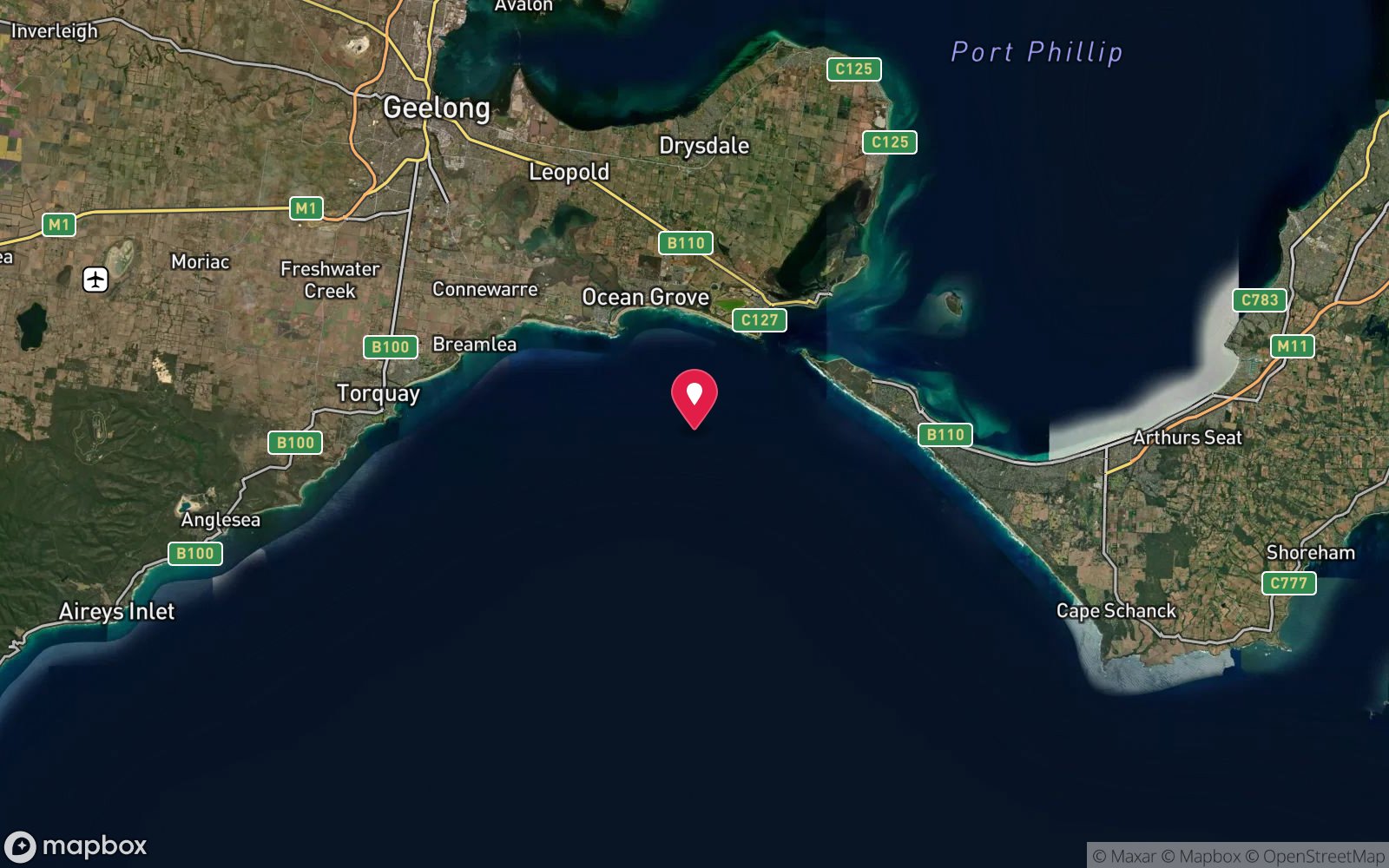
Leeuwin
Max depth: 62 m · An 1876 Western District coastal steamer turned coal hulk, scuttled in 1934 and lying in 62 m near the Hygeia – one of the least-dived deep eastern Graveyard wrecks.
19. Port Phillip Heads · VIC
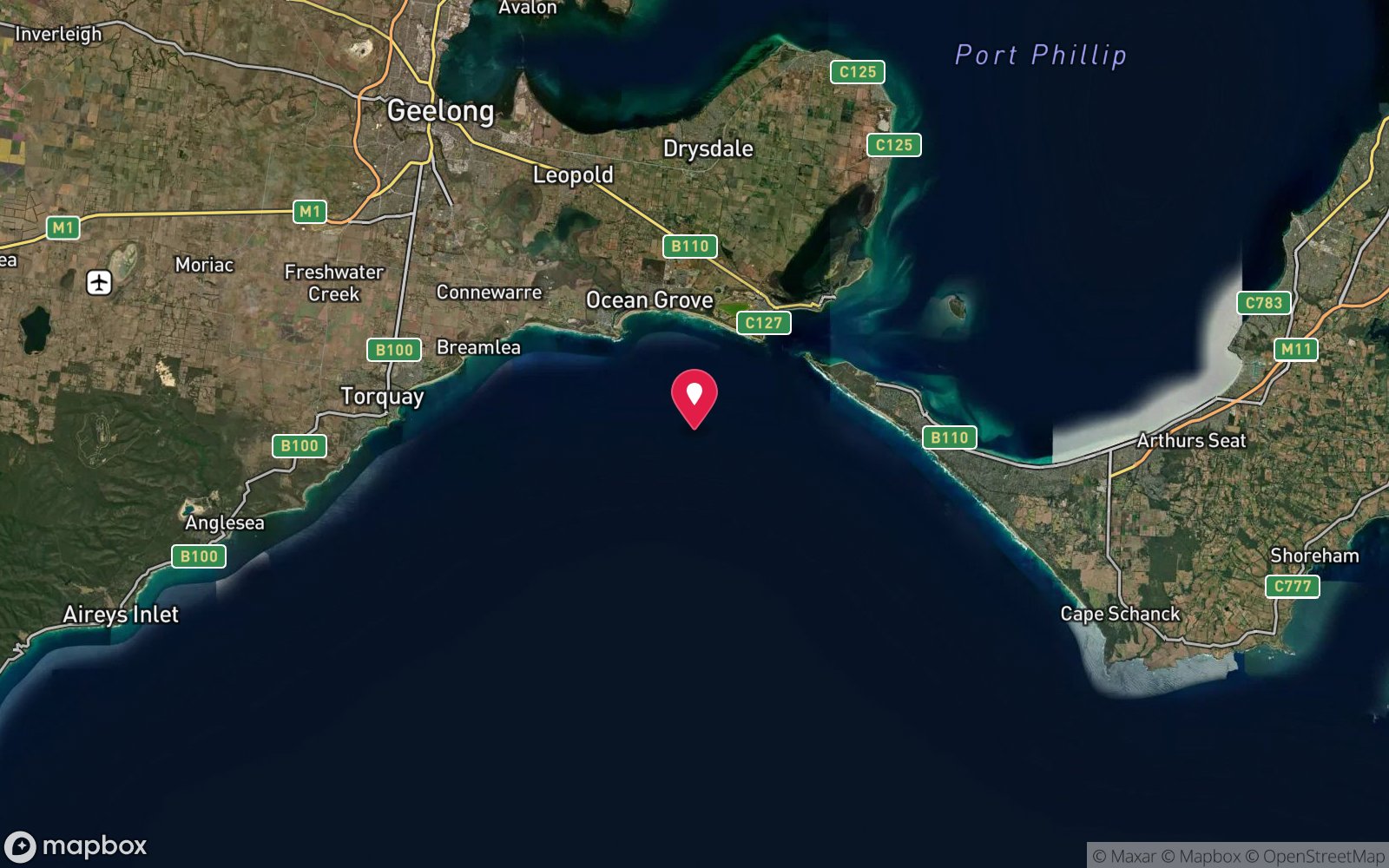
PS Hygeia
Max depth: 62 m · Intact paddle wheels of the fastest bay excursion steamer of the 1890s, standing in 60 m in the shipping channel – very rarely dived.
20. Port Phillip Heads · VIC
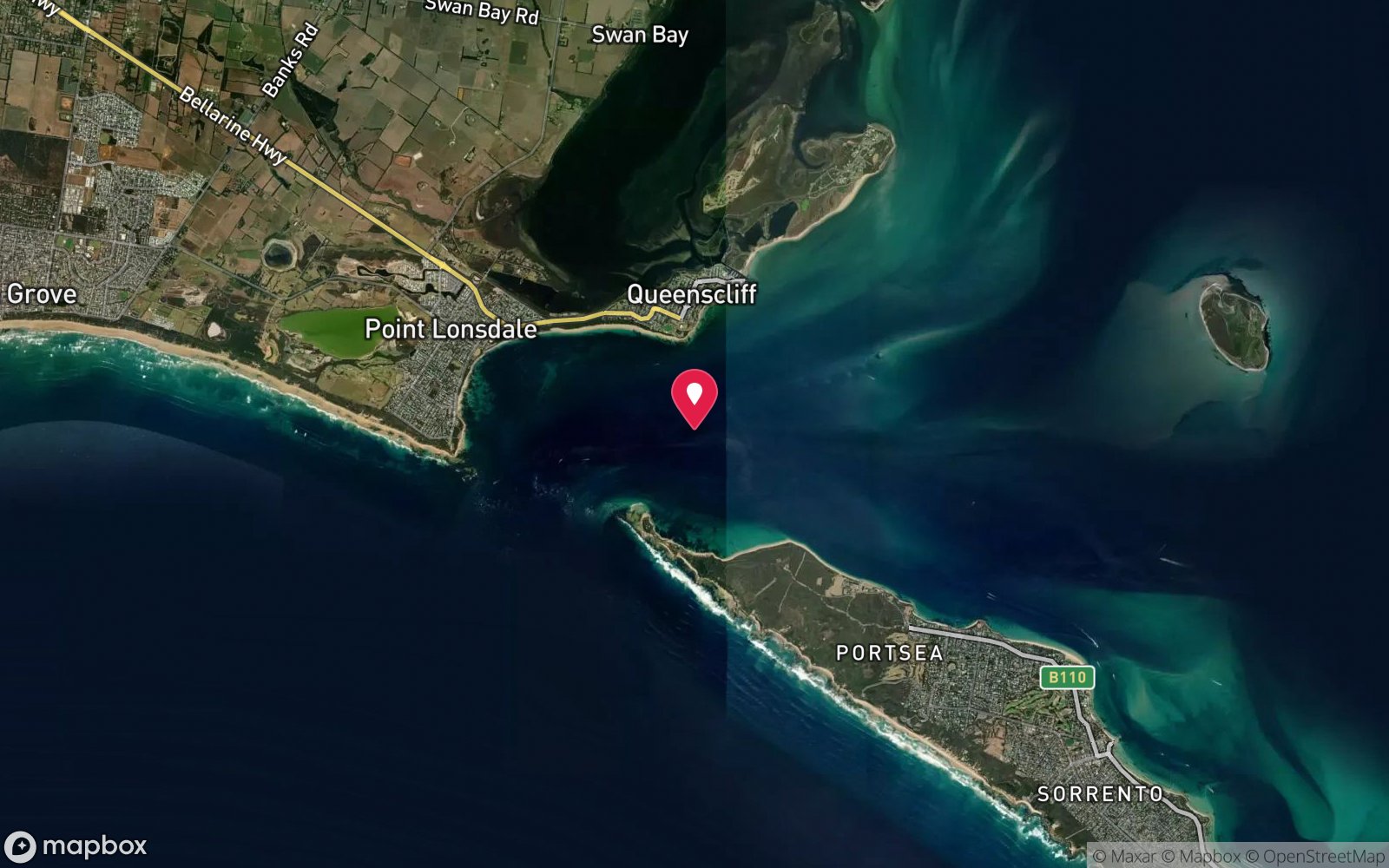
Captain Nitro Drop Off
Max depth: 60 m · Stepped walls dropping 5–10 m at a time to beyond 60 m, with house-sized fallen boulders at the foot of each step and both red and blue morwong – a rarity in Victoria.
21. Port Phillip Heads · VIC
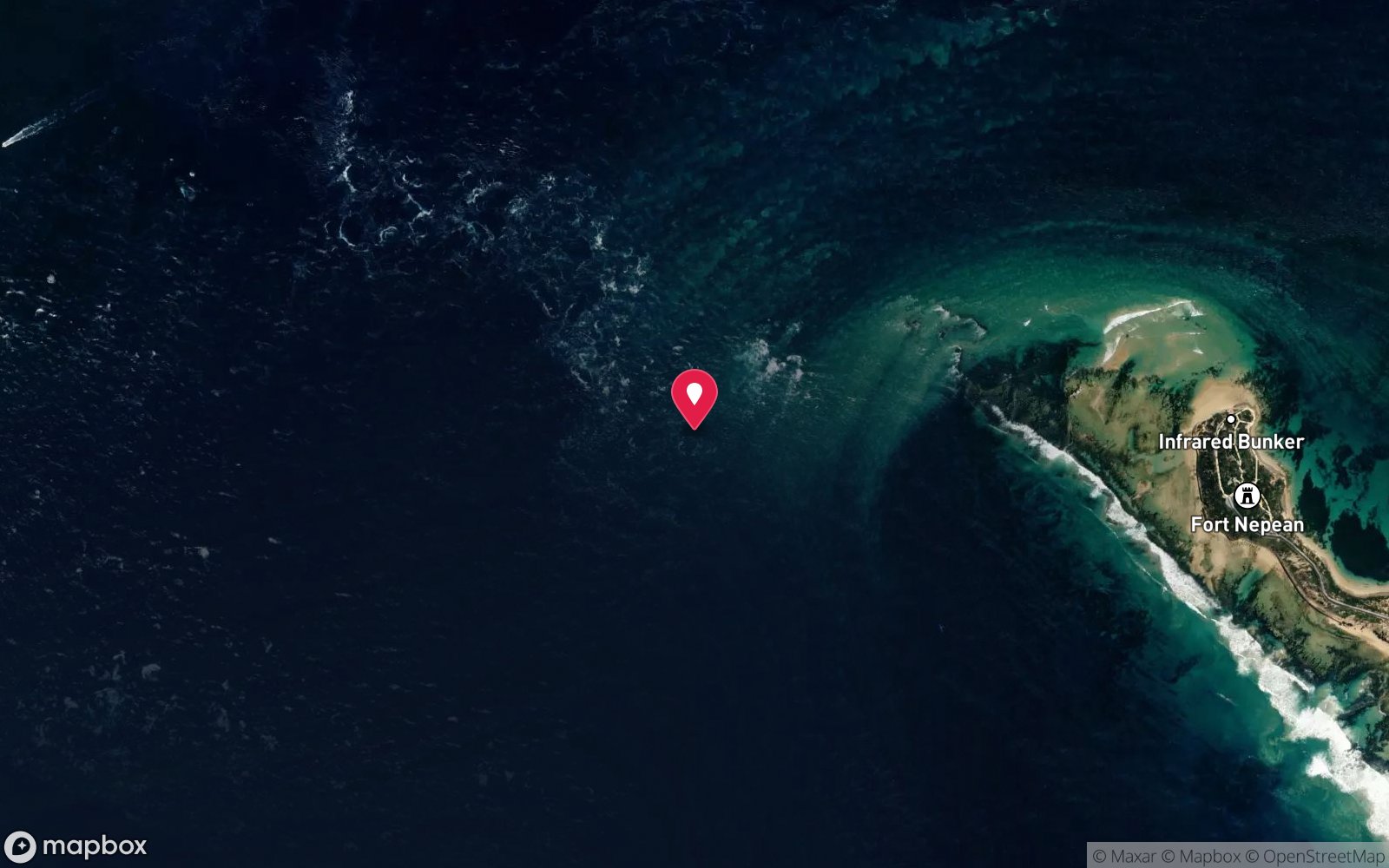
Inner Corsair Wall
Max depth: 60 m · Ledge-and-cave wall from a kelp-topped 10 m reef down to 60 m between Nepean Wall and Corsair Rock, with RMS Australia wreckage on the shallow reef nearby.
22. Port Phillip Heads · VIC
North Wall
Max depth: 60 m · Deep wall on Spectacular Reef off Shortland Bluff – overhangs, small caves and swim-throughs from 19 m to beyond 60 m, sheltered enough to dive in most weather but squarely in the shipping channel.
23. Port Phillip Heads · VIC
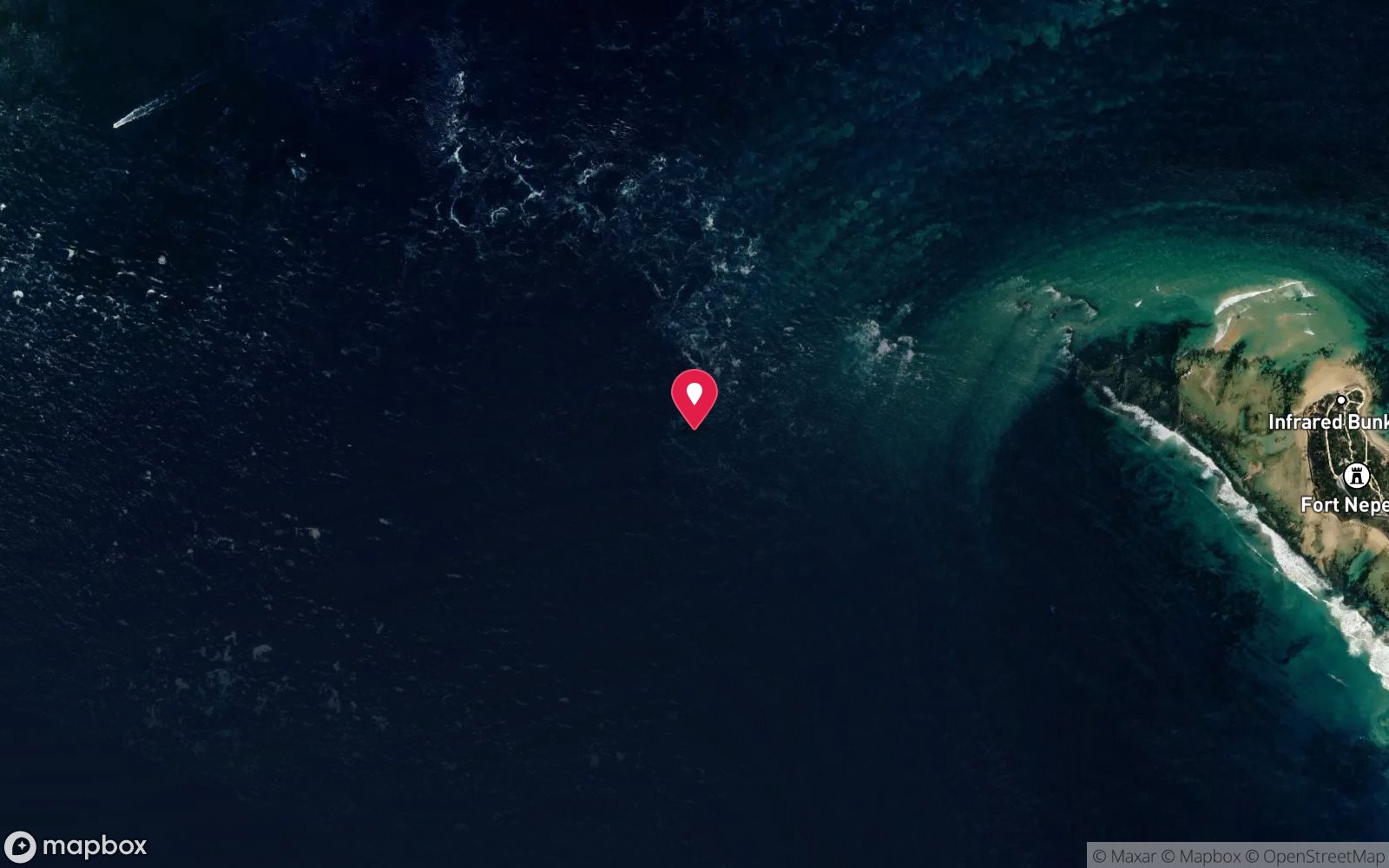
Rip Bank
Max depth: 60 m · A sheer cliff with roofed overhangs at the seaward mouth of The Rip, dived only on the end-of-flood slack in calm seas – crayfish along the top, sevengill sharks off the face, the clearest water at the Heads.
24. Port Phillip Heads · VIC
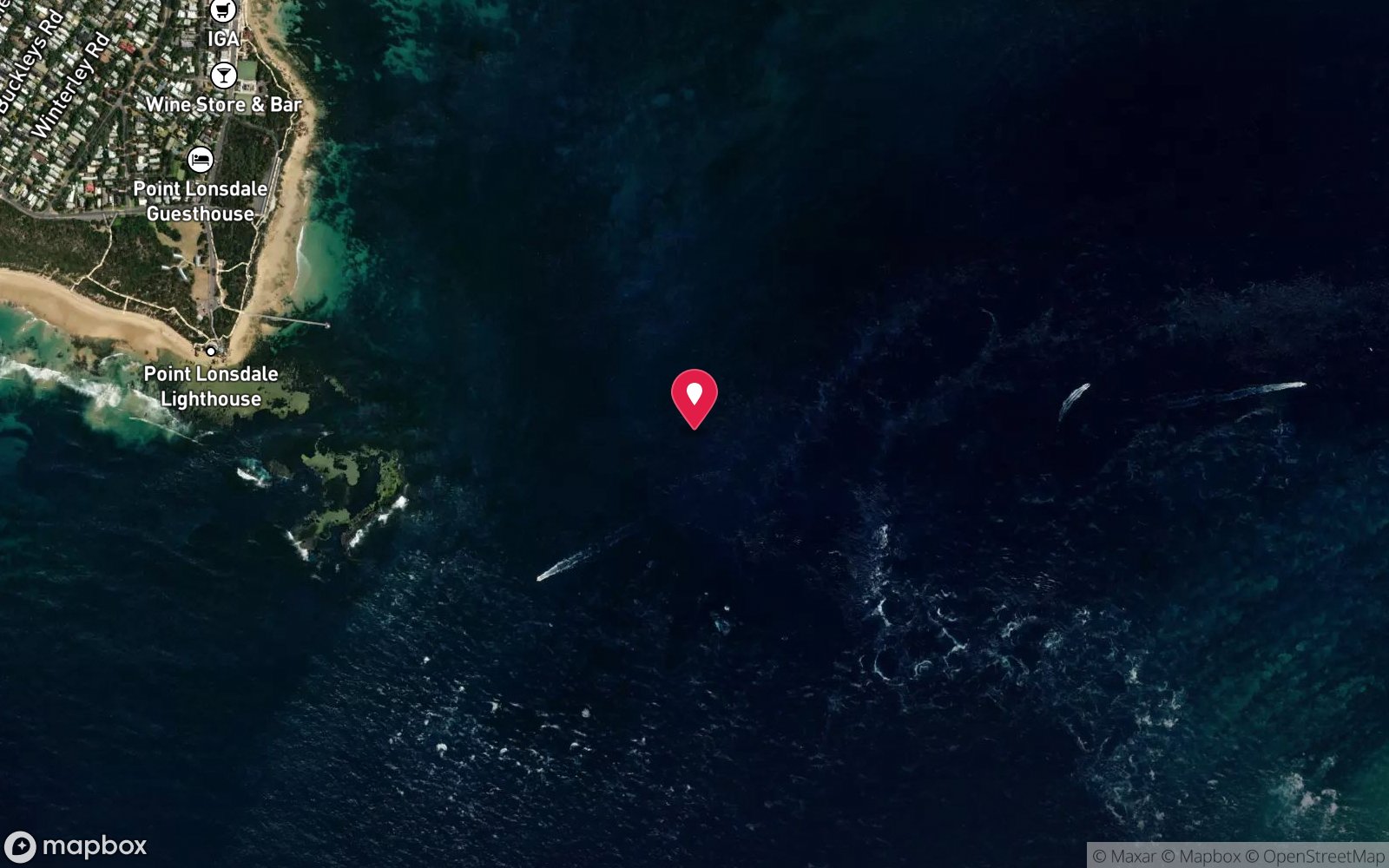
The Cave (Lonsdale Wall)
Max depth: 60 m · A truck-sized cavern in the face of Lonsdale Wall at 30 m, at the ocean end of the system – ebb-slack only, shipping permitting, for experienced deep divers.
25. Port Phillip Heads · VIC
The Far Side
Max depth: 60 m · A sheer north-facing wall in the middle of the entrance channel, 18 m to 40 m and beyond, whose shaded overhangs show their soft-coral colour only under a torch – the least-visited of the inner Heads walls.
The guide
How to read this list
Maximum depth is the number a database can sort by, but it is not what makes these sites hard. Three things are: the environment (open ocean over 80 m, a sinkhole shaft, a tidal channel), the logistics (a boat that can find and hold a mark, a permit, a cave rating) and the distance to a chamber. Almost everything above 60 m on this list is dived by a small circle of technical divers and clubs, on rebreathers or open-circuit trimix, in specific weather windows.
The recreational reader should look at the shallow ends. Piccaninnie Ponds, Kilsby and Ewens Ponds put Open Water divers over water that is 60 to 100 m deep without taking them past 20 m. The Kanowna and Federal have no shallow options, but the Port Phillip Heads walls that lead down to Trimix Corner start at 12 m.
Where the deep water is
Victoria dominates. Bass Strait is shallow but the shipping lane past the Heads, Cape Schanck and Cape Otway has claimed liners, colliers and warships in 70 to 115 m, and Melbourne has the most active technical wreck community in the country to find them. South Australia's Limestone Coast supplies the sinkholes: the Shaft, the Chasm and a dozen deep cave systems, all managed by the CDAA. Western Australia has the Rottnest graveyard and the Nullarbor caves; New South Wales has the Fairwind and a run of 60 m-plus wrecks off Sydney and South West Rocks.
Queensland barely features, which surprises people. The reef is shallow, the deep walls of the Coral Sea drop from 20 m to 1,000 m without a floor to record, and the state's deep wrecks (the Yongala at 30 m, the Brisbane at 28 m) are recreational. Deep in Queensland means offshore, not down.
Training and access
Below 40 m is technical diving by every agency's definition: decompression procedures, redundant gas, helium below 50 to 60 m. The sinkholes add CDAA ratings (Deep Cavern, Cave, Advanced Cave), most of which take years. Many of the wrecks are protected historic shipwrecks or war graves with permit systems run by the state heritage office; the site pages say which. The technical diving section explains the courses, and the courses directory lists the centres that teach them.
Editorial last reviewed September 2026. The list itself is regenerated from the directory daily.
Frequently asked questions
What is the deepest dive site in Australia?
Rottnest's Ships' Graveyard holds wrecks down to 200 m, dived only by technical teams. The deepest sinkhole is the Shaft near Mount Gambier at 124 m; the deepest commonly dived wrecks are the Kanowna (82 m) off Wilsons Promontory and the Nord (42 m) in Tasmania.
How deep can a recreational diver go?
Recreational agencies cap depth at 40 m with the Deep Diver specialty, 30 m with Advanced Open Water and 18 m with Open Water. Beyond 40 m is technical diving.
More rankings
- Australia's Most Remote Dive Sites
- The Longest Boat Rides to a Day Dive
- The Warmest Dive Sites in Australia
- The Coldest Dive Sites in Australia
- Australia's Clearest-Water Dive Sites
- The Most Biodiverse Dive Sites in Australia
- The Oldest Shipwrecks You Can Dive in Australia
- WWII and Wartime Wrecks You Can Dive in Australia
- All rankings →