Depth is the number every diver asks first, and in Australia it runs from a 124 m sinkhole under a South Australian paddock to the 200 m dumping ground off Rottnest. Almost everything on this list is technical territory: decompression, mixed gas, cave or deep wreck training, and a local operator or club that knows the site.
The ranking is by the recorded maximum depth of the site. Many of these have shallower sections that recreational divers can enjoy; the site pages say where.
Updated daily from the directory. 25 sites listed.
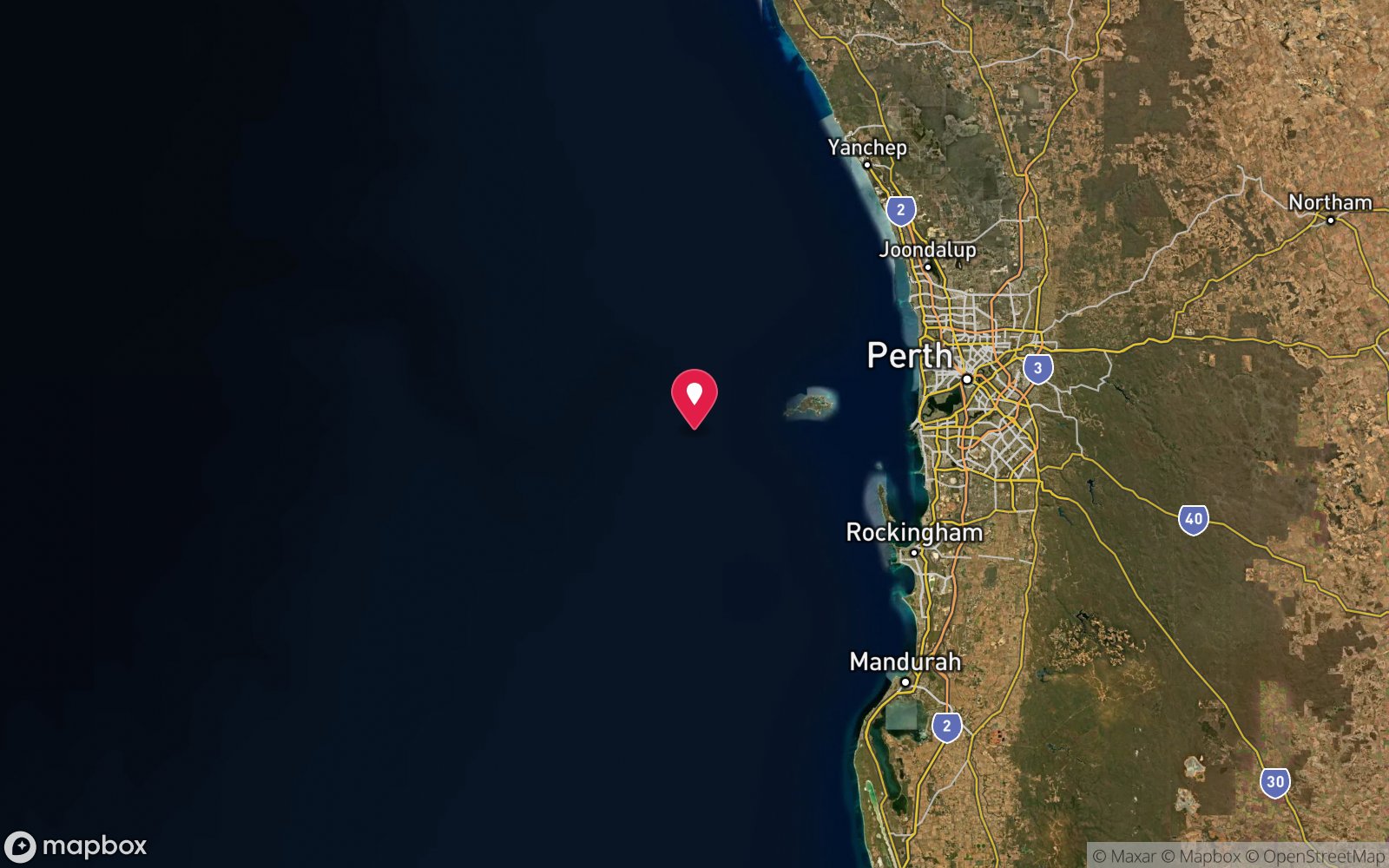
1. Rottnest Island · WA
Rottnest Ships' Graveyard
Max depth: 200 m · The deep-water dumping ground west of Rottnest, home to technical wrecks in 30–200 m.
Our takeNot one dive but a scuttling ground: some 40 known hulls between 46 and 200 m in a few square kilometres off Rottnest. The Perth technical community has identified and filmed only a fraction of them. Everything here is trimix and a boat that can hold station in the swell.
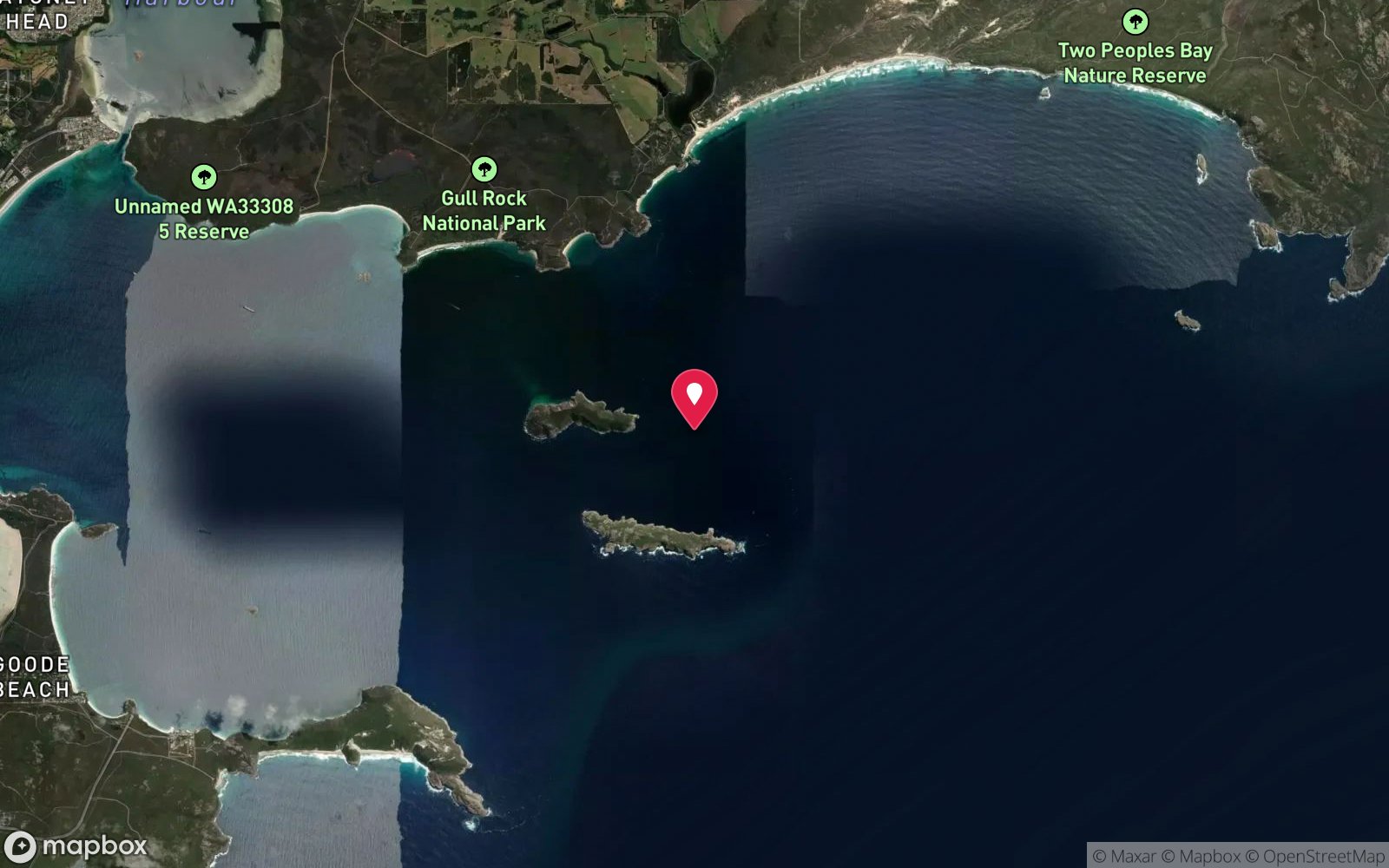
2. Albany & Great Southern · WA
Football Field (King George Sound)
Max depth: 66 m · Deep, rarely visited canyons and bommies to 66 m with pristine sponge gardens, huge gorgonians and black coral.
3. Rottnest Island · WA
The Clipper (Maranda, Graveyard Site 06)
Max depth: 65 m · A deep, intact iron sailing-ship hull in 65 m, the best known of the Rottnest graveyard wrecks among Perth tech divers.
4. Rowley Shoals · WA
Cupcakes (Clerke Reef)
Max depth: 50 m · Cupcake-shaped bommies with curious batfish.
5. Rowley Shoals · WA
Minis & Mighties (Clerke Reef)
Max depth: 50 m · Clear-water slope to a drop-off.
6. Geographe Bay & Busselton · WA
Naturaliste Reef
Max depth: 50 m · A remote offshore reef with big drop-offs to 50 m, 20 nm out and rarely dived.
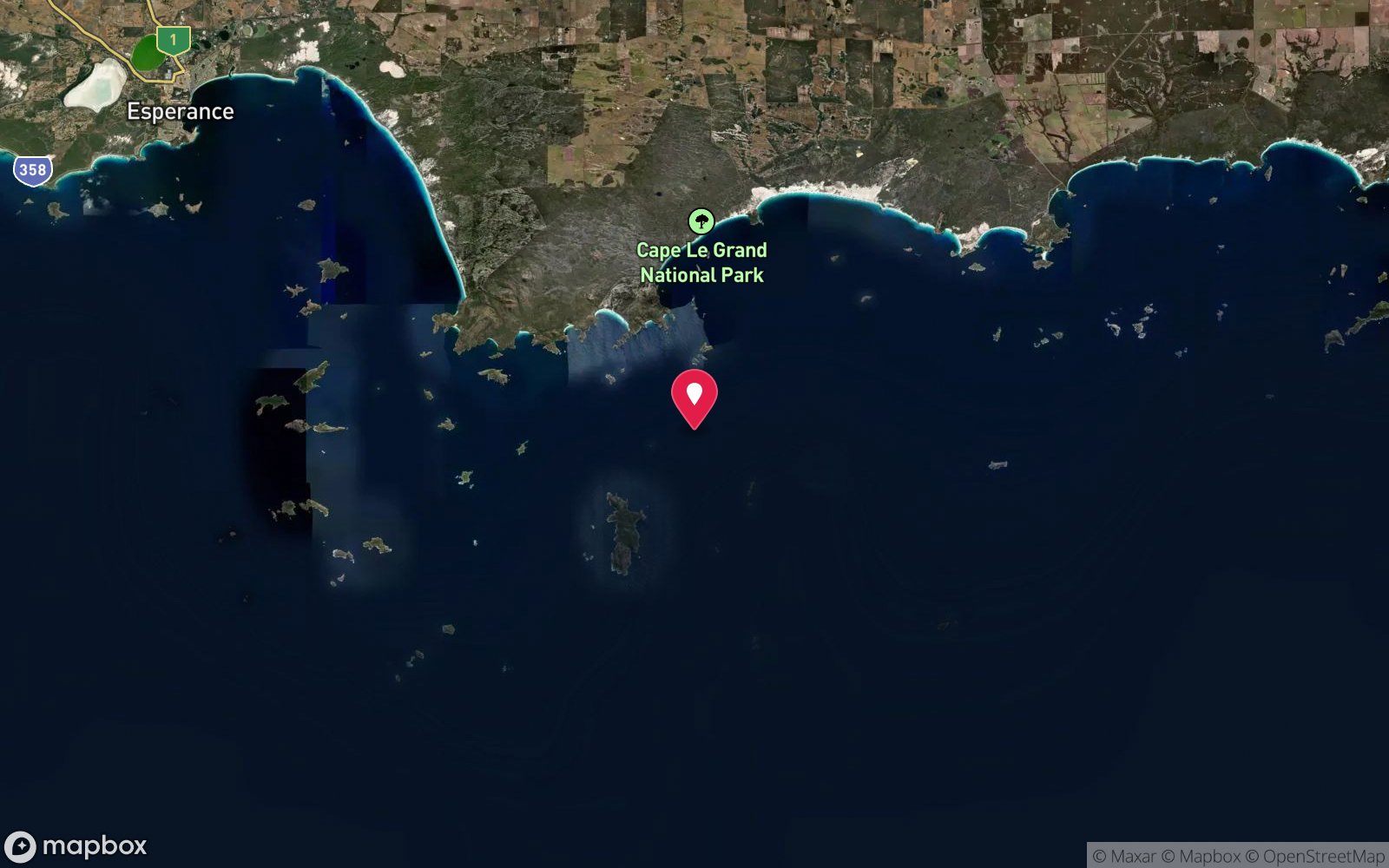
7. Esperance & Recherche Archipelago · WA
Remark Island & Frederick Island
Max depth: 50 m · Sheltered granite with seals on Remark's north side, a 50 m sponge and black coral wall on its south, and Frederick Island's granite dome.
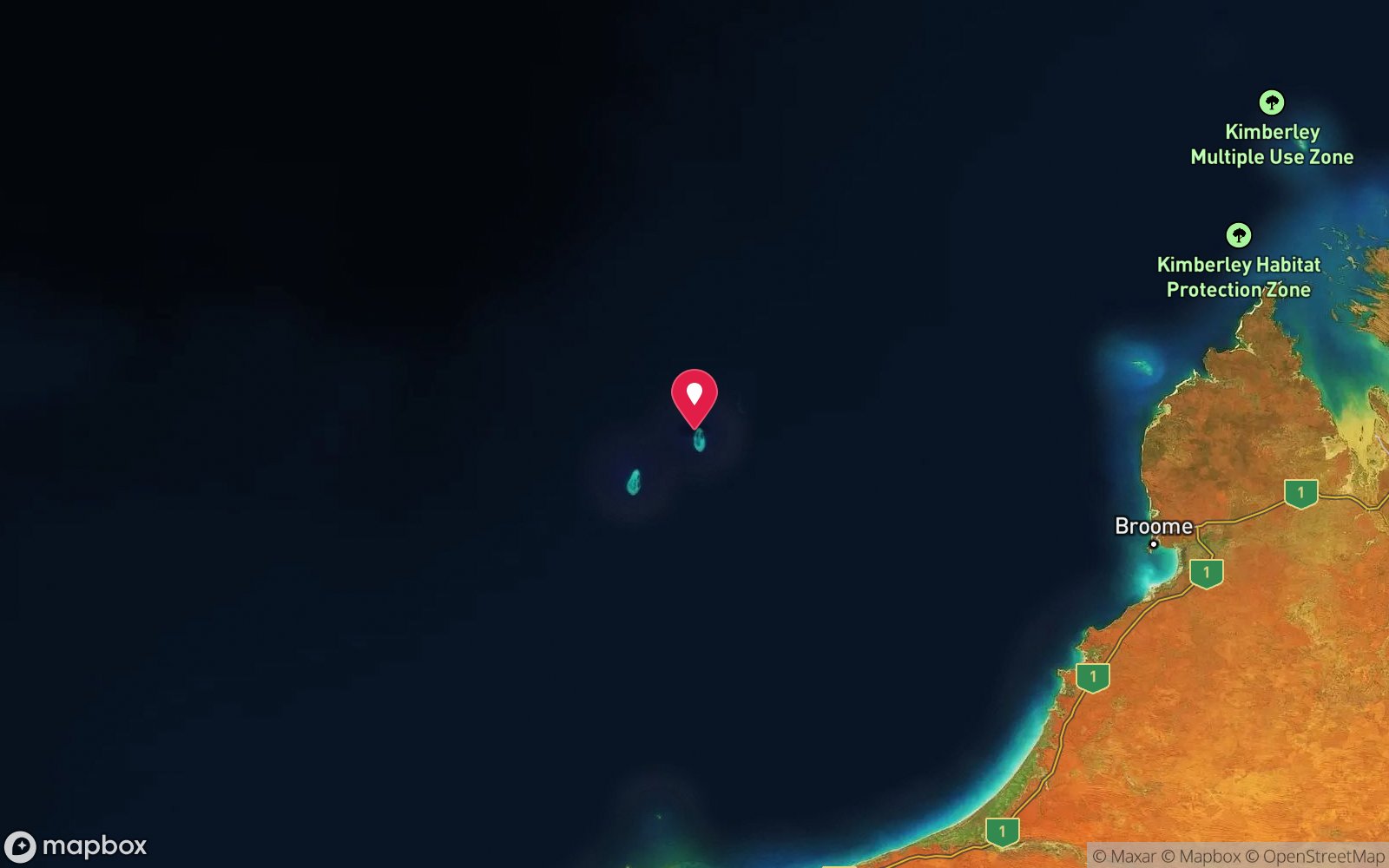
8. Rowley Shoals · WA
The Bat Cave (Clerke Reef)
Max depth: 50 m · A gorgonian-covered wall plunging to 50 m.
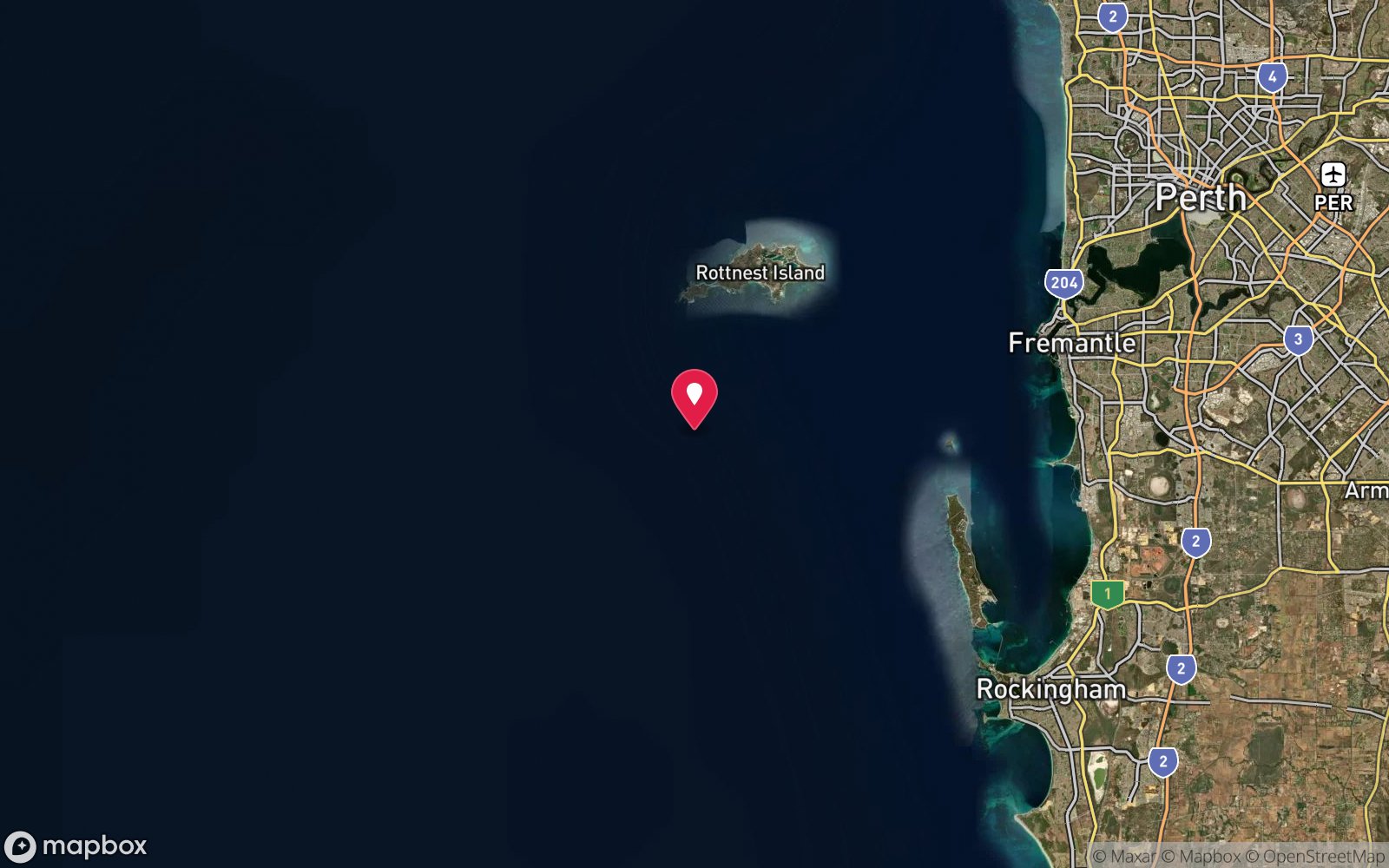
9. Rottnest Island · WA
Thornliebank Wreck (Graveyard Site 44)
Max depth: 46 m · Standing masts on an 1886 Glasgow-built barque hulk, discovered in 2024 - the shallowest known wreck in the Rottnest graveyard.
10. Albany & Great Southern · WA
Blue's Canyon (Breaksea Island)
Max depth: 45 m · A 300 m granite canyon only 5-6 m wide, lined with sponges and crayfish, with resident wobbegongs and huge blue groper.
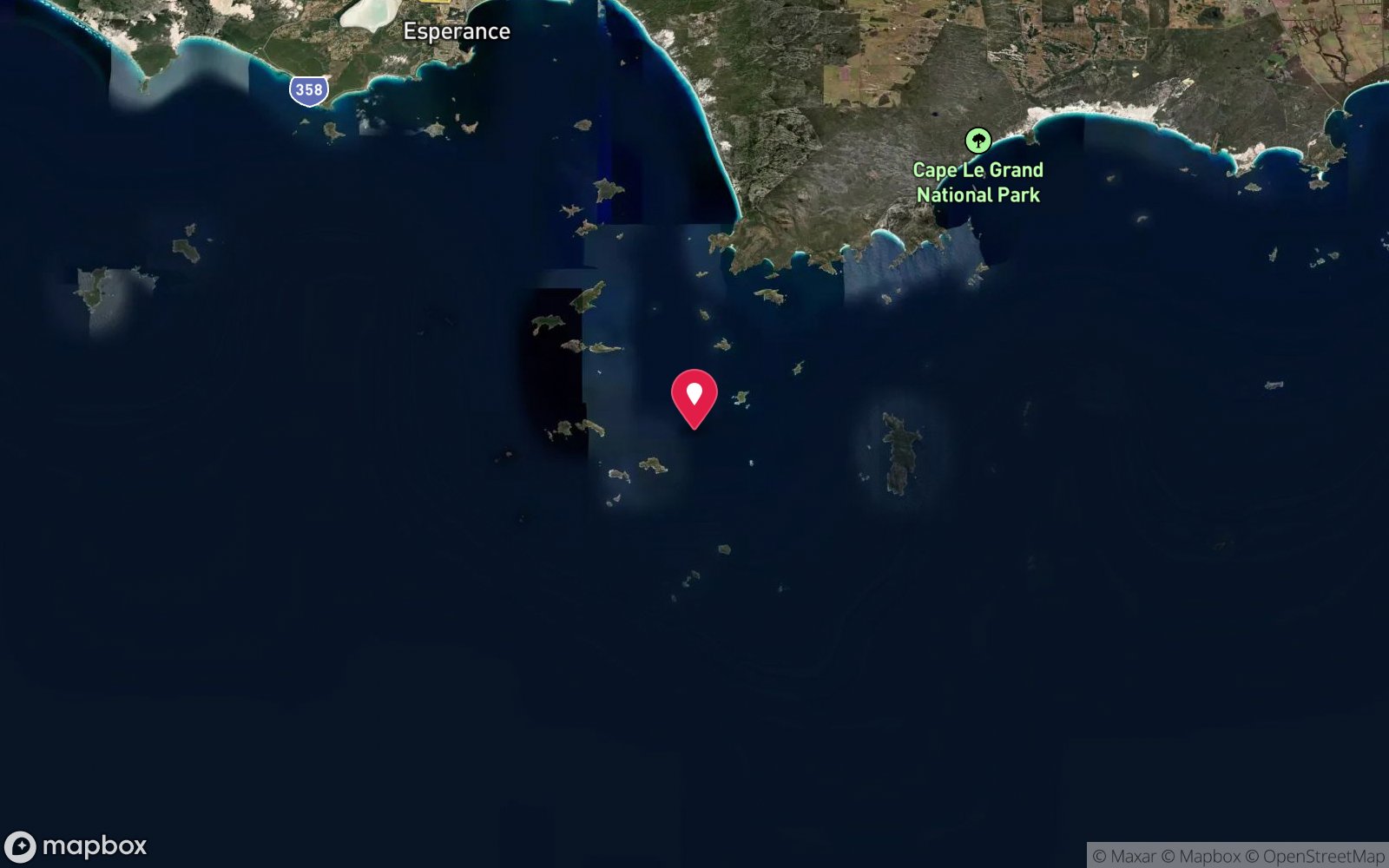
11. Esperance & Recherche Archipelago · WA
Sanko Harvest Wreck
Max depth: 44 m · Australia's largest wreck dive – a 174 m bulk carrier broken into giant sections in 13-44 m, protected by a 500 m no-take zone.
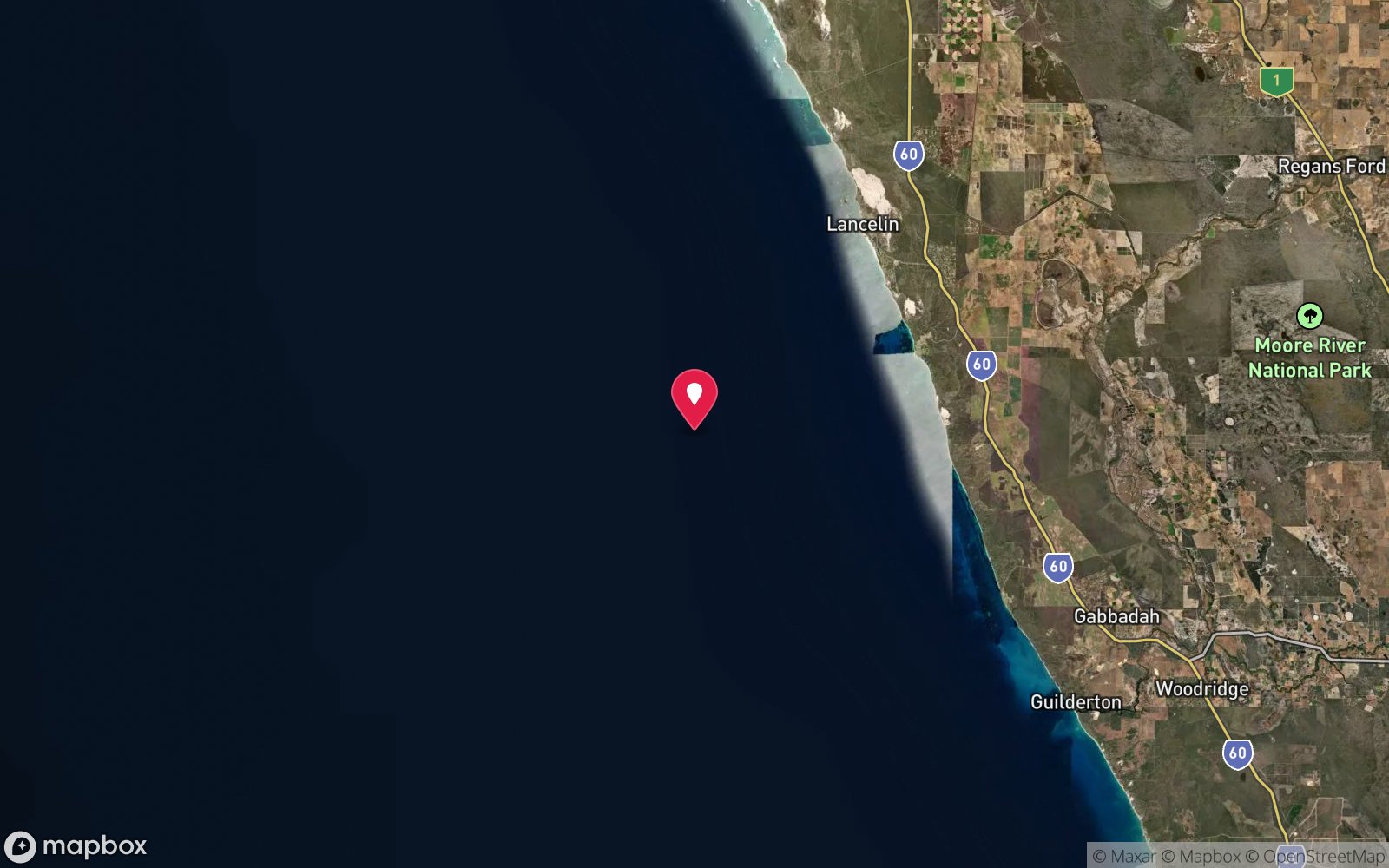
12. Perth · WA
Key Biscayne Oil Rig Wreck
Max depth: 42 m · An upturned oil rig in 26–42 m of often clear blue water, known for grey nurse sharks and large fish.
13. Albany & Great Southern · WA
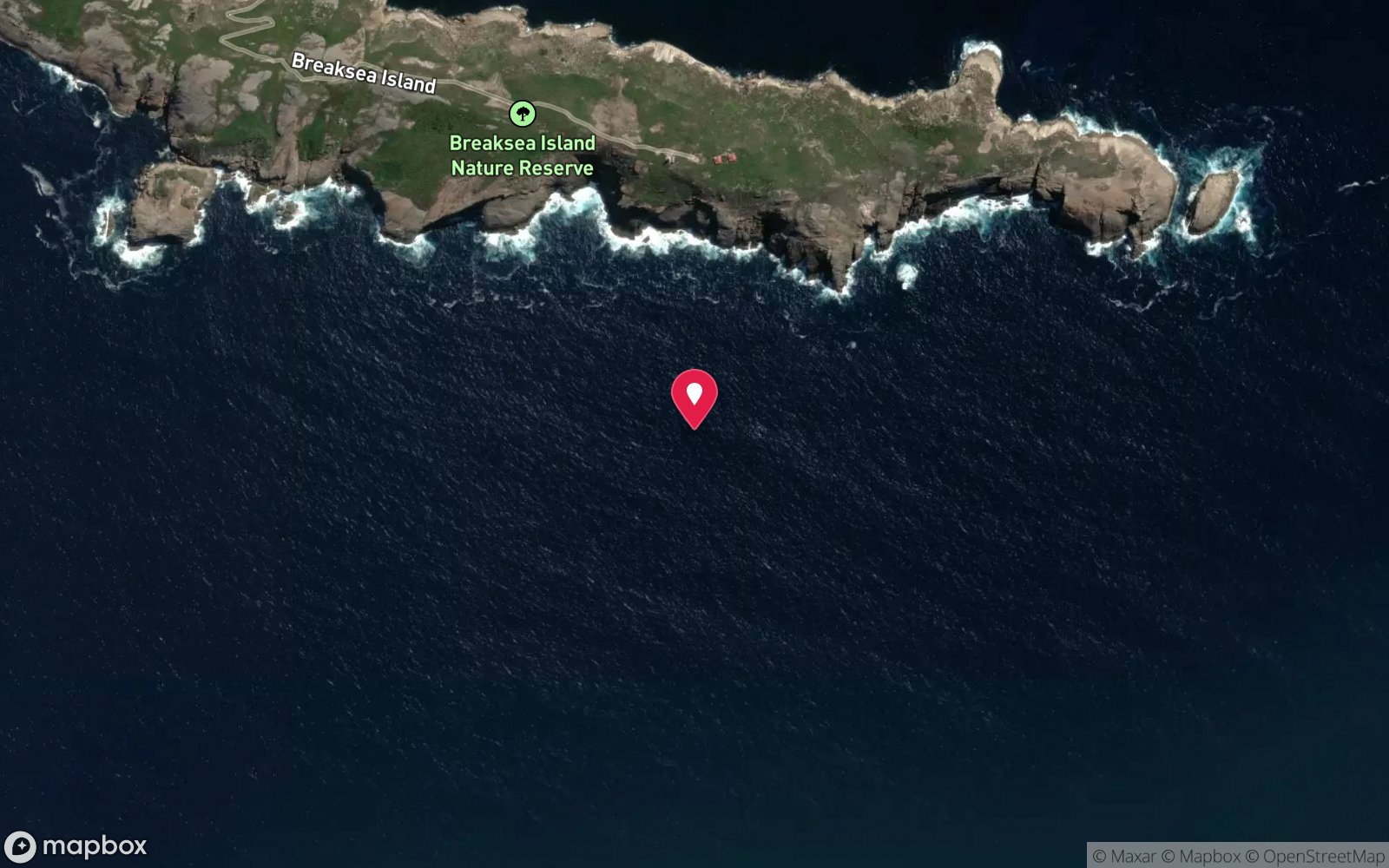
Breaksea Island Southern Dropoff
Max depth: 40 m · Ocean-facing granite wall to 40 m with caves, sponge gardens, black coral trees and schooling pelagics.
14. Rowley Shoals · WA
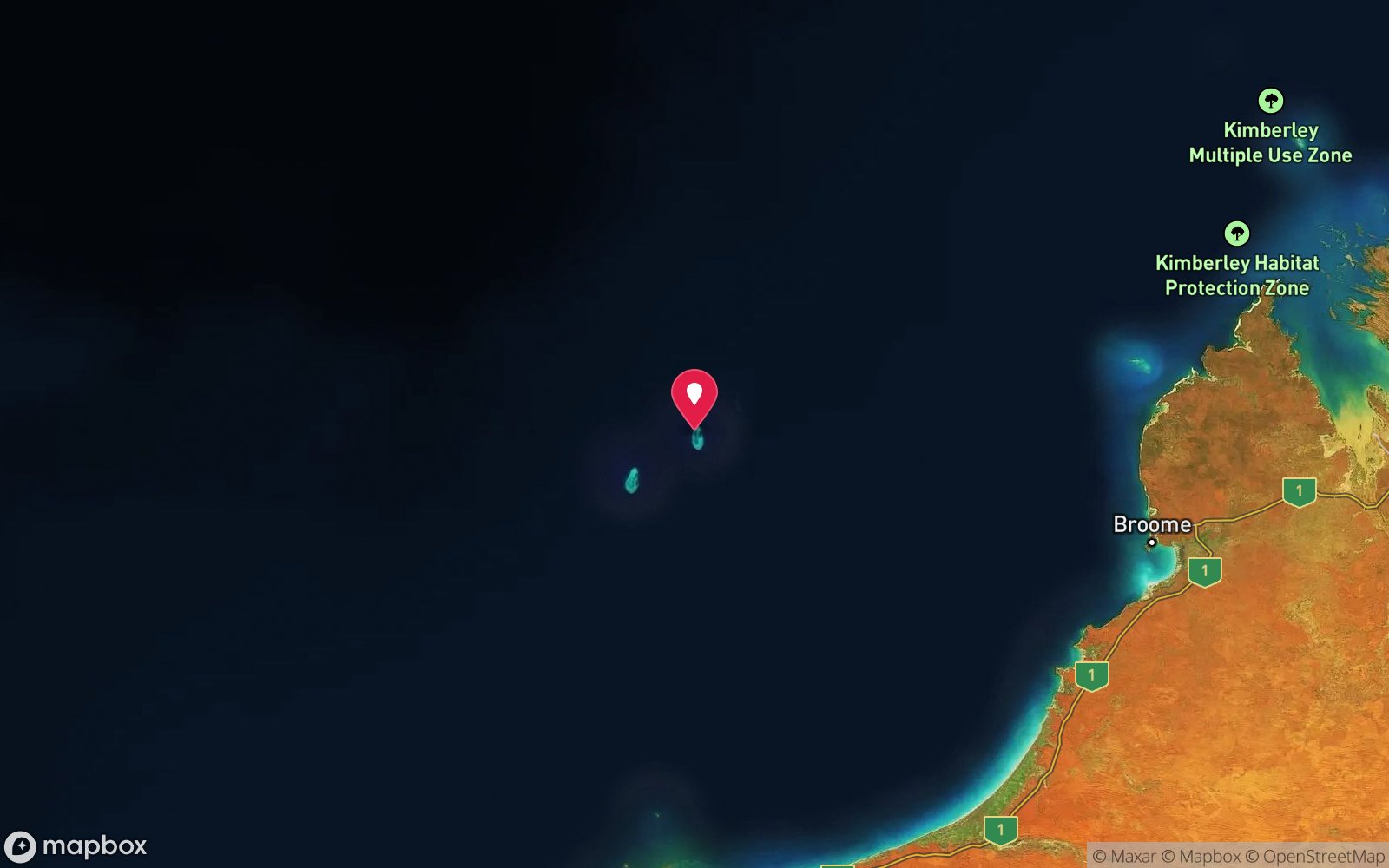
Clerke Wall
Max depth: 40 m · A vertical atoll wall with pelagics in 30 m+ visibility.
15. Rowley Shoals · WA
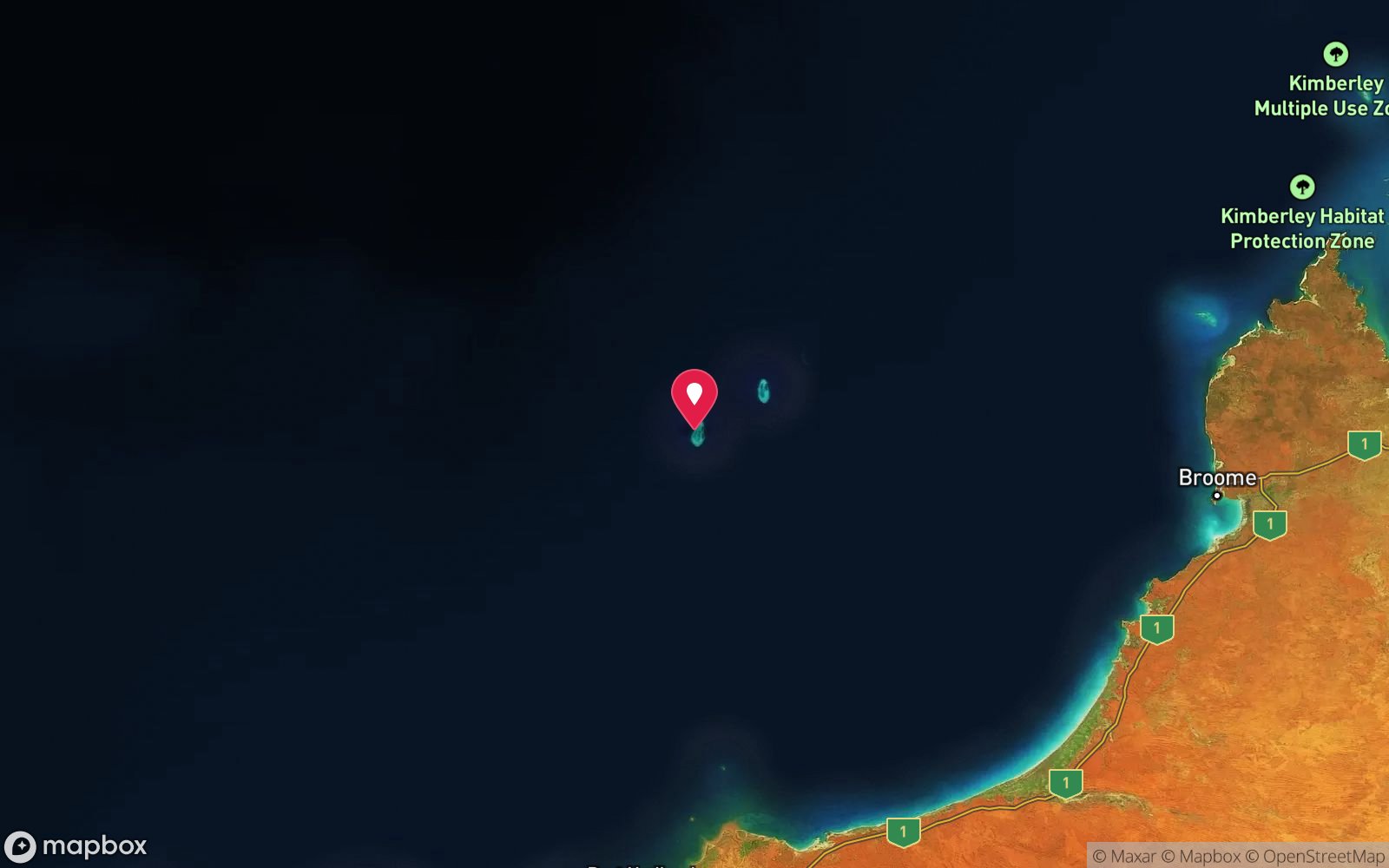
Imperieuse Reef
Max depth: 40 m · The least-publicised atoll, with the Cunningham Island lighthouse.
16. Rowley Shoals · WA
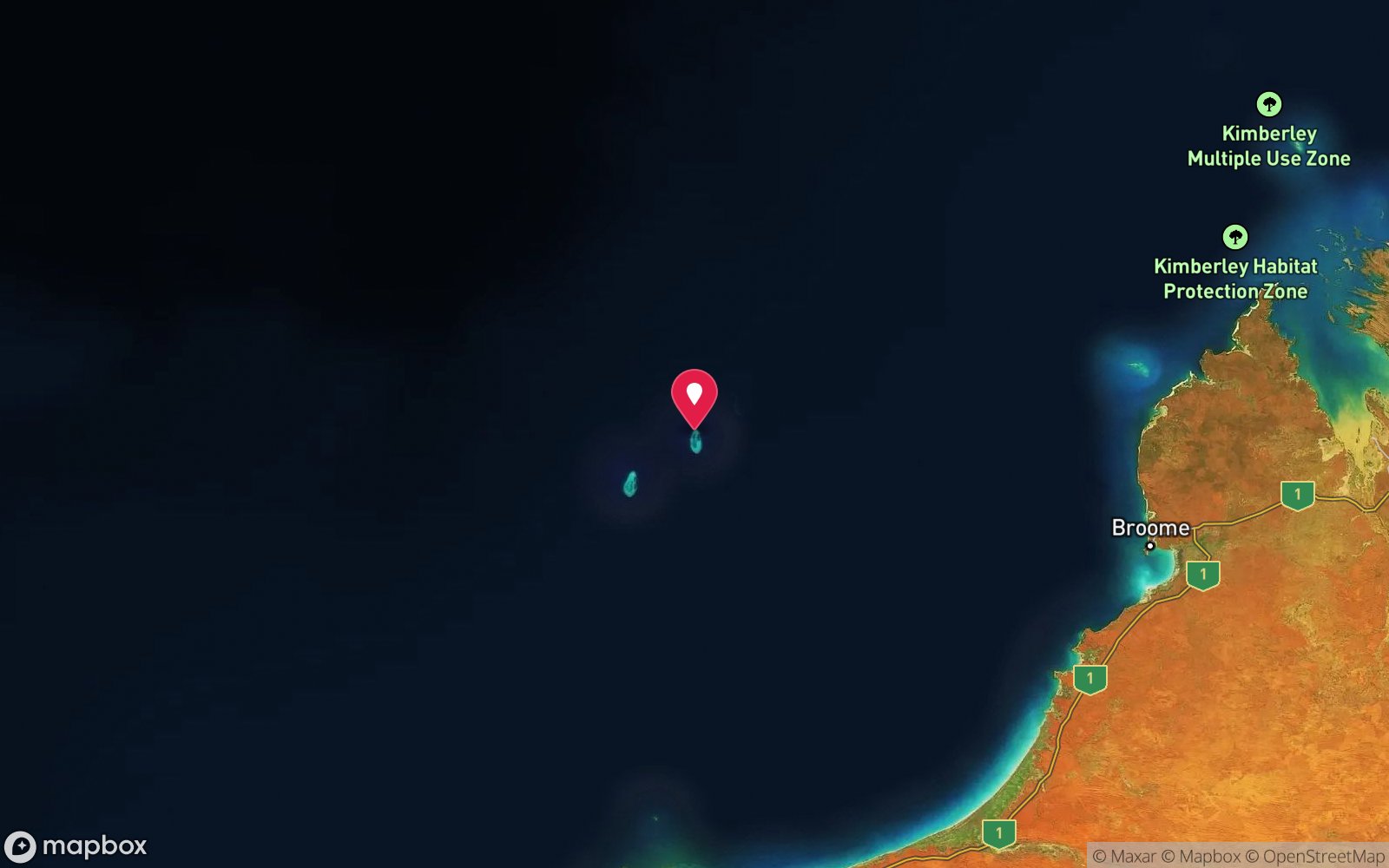
Jimmy Goes to China
Max depth: 40 m · Grey reefs and silvertips on a current-swept point.
17. Rowley Shoals · WA
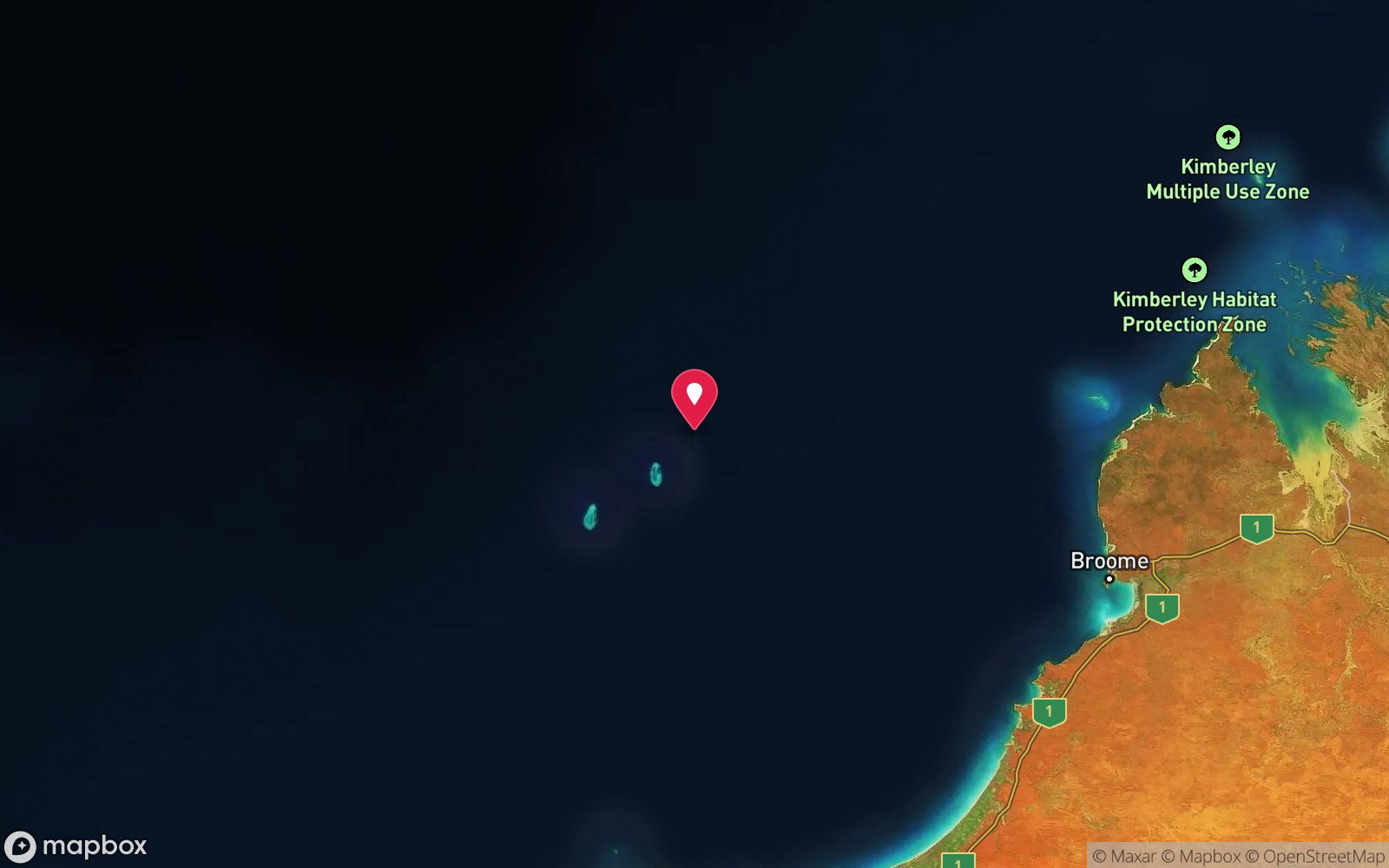
Mermaid Wall
Max depth: 40 m · The Shoals' deepest wall, draped in red gorgonians.
18. Nullarbor Caves · WA
Pannikin Plains Cave
Max depth: 40 m · The deep Nullarbor cave where a 1988 collapse trapped an expedition, inspiring the film 'Sanctum'.
20. Broome & Kimberley · WA
Scott Reef
Max depth: 40 m · Remote oceanic atolls with walls rising from 500 m, rarely dived.
21. Broome & Kimberley · WA
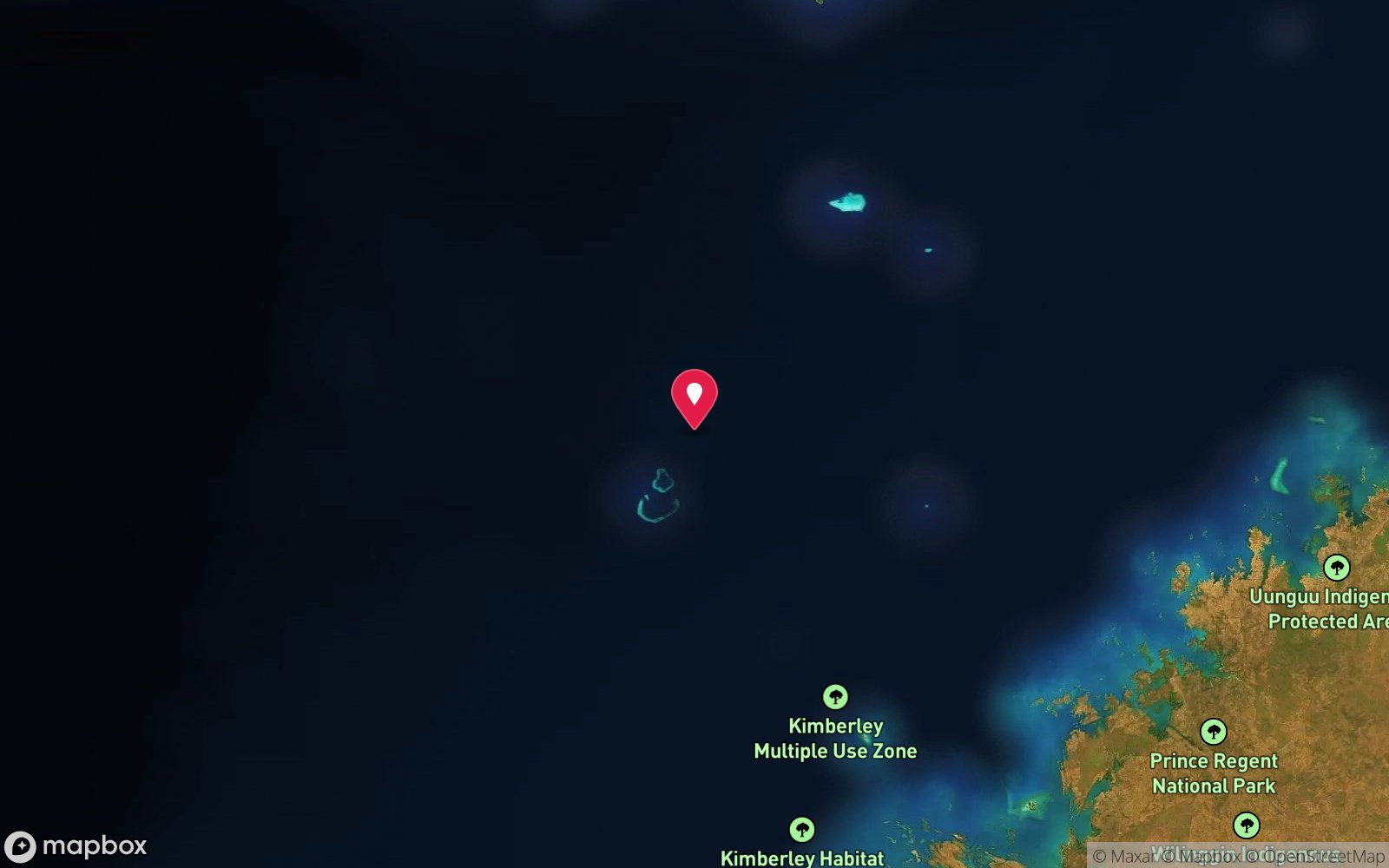
Seringapatam Reef
Max depth: 40 m · One of Australia's most remote atolls.
22. Nullarbor Caves · WA
Weebubbie Cave
Max depth: 40 m · A colossal flooded tunnel near Eucla with 150 m lakes, extreme clarity and deep Advanced Cave sections.
23. Rottnest Island · WA
HNLMS K XI Submarine Wreck
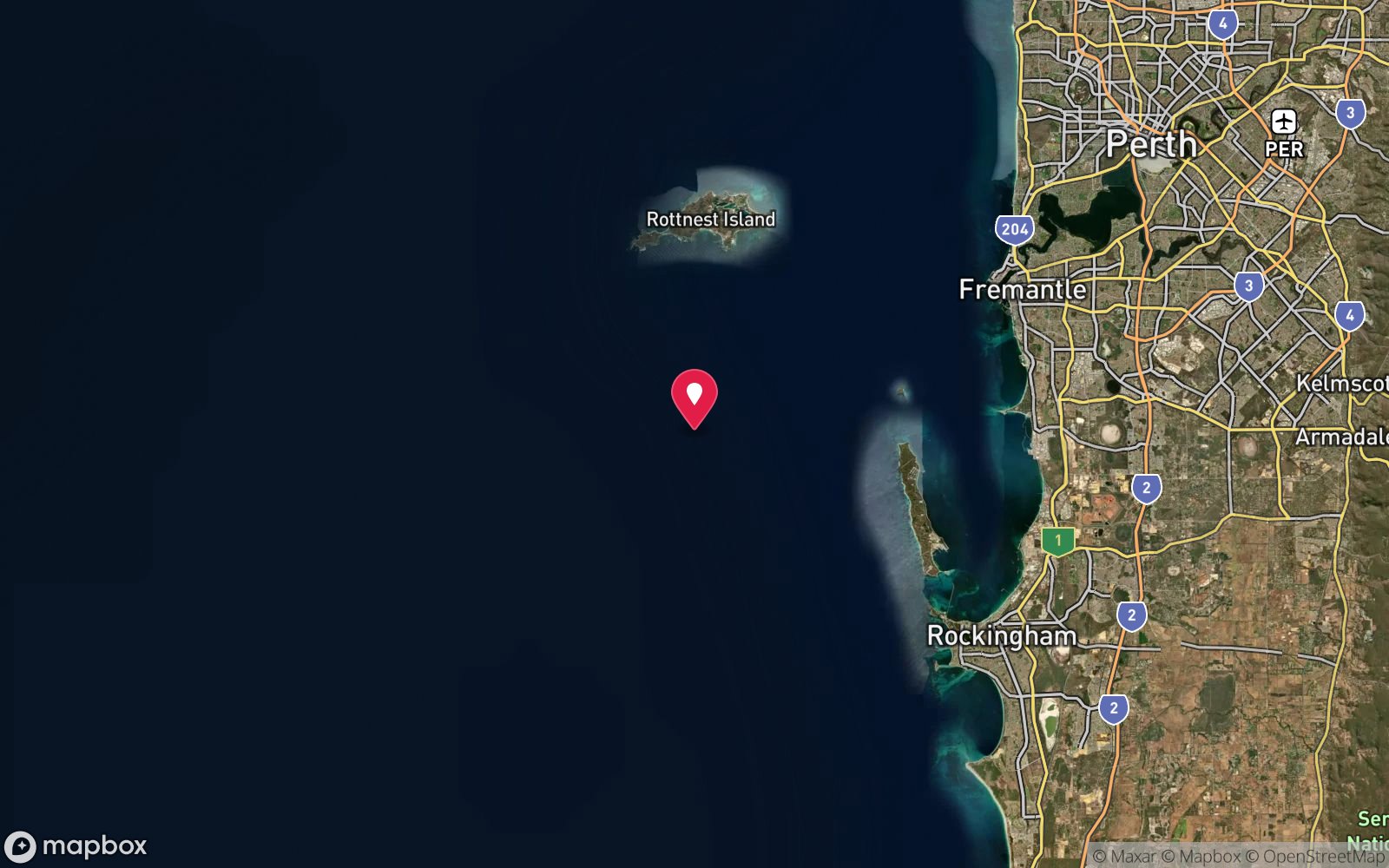
Max depth: 38 m · A 1924 Dutch colonial submarine, lost for almost 80 years and found in 2025, lying in 38 m with torpedo tubes still visible.
24. Geraldton & Abrolhos Islands · WA
Anemone Lump (Easter Group)
Max depth: 38 m · Anemone-covered coral bommie from 38 m to 3 m with baitfish clouds, big plate corals and curious emperors.
The guide
How to read this list
Maximum depth is the number a database can sort by, but it is not what makes these sites hard. Three things are: the environment (open ocean over 80 m, a sinkhole shaft, a tidal channel), the logistics (a boat that can find and hold a mark, a permit, a cave rating) and the distance to a chamber. Almost everything above 60 m on this list is dived by a small circle of technical divers and clubs, on rebreathers or open-circuit trimix, in specific weather windows.
The recreational reader should look at the shallow ends. Piccaninnie Ponds, Kilsby and Ewens Ponds put Open Water divers over water that is 60 to 100 m deep without taking them past 20 m. The Kanowna and Federal have no shallow options, but the Port Phillip Heads walls that lead down to Trimix Corner start at 12 m.
Where the deep water is
Victoria dominates. Bass Strait is shallow but the shipping lane past the Heads, Cape Schanck and Cape Otway has claimed liners, colliers and warships in 70 to 115 m, and Melbourne has the most active technical wreck community in the country to find them. South Australia's Limestone Coast supplies the sinkholes: the Shaft, the Chasm and a dozen deep cave systems, all managed by the CDAA. Western Australia has the Rottnest graveyard and the Nullarbor caves; New South Wales has the Fairwind and a run of 60 m-plus wrecks off Sydney and South West Rocks.
Queensland barely features, which surprises people. The reef is shallow, the deep walls of the Coral Sea drop from 20 m to 1,000 m without a floor to record, and the state's deep wrecks (the Yongala at 30 m, the Brisbane at 28 m) are recreational. Deep in Queensland means offshore, not down.
Training and access
Below 40 m is technical diving by every agency's definition: decompression procedures, redundant gas, helium below 50 to 60 m. The sinkholes add CDAA ratings (Deep Cavern, Cave, Advanced Cave), most of which take years. Many of the wrecks are protected historic shipwrecks or war graves with permit systems run by the state heritage office; the site pages say which. The technical diving section explains the courses, and the courses directory lists the centres that teach them.
Editorial last reviewed September 2026. The list itself is regenerated from the directory daily.
Frequently asked questions
What is the deepest dive site in Australia?
Rottnest's Ships' Graveyard holds wrecks down to 200 m, dived only by technical teams. The deepest sinkhole is the Shaft near Mount Gambier at 124 m; the deepest commonly dived wrecks are the Kanowna (82 m) off Wilsons Promontory and the Nord (42 m) in Tasmania.
How deep can a recreational diver go?
Recreational agencies cap depth at 40 m with the Deep Diver specialty, 30 m with Advanced Open Water and 18 m with Open Water. Beyond 40 m is technical diving.
More rankings
- Australia's Most Remote Dive Sites
- The Longest Boat Rides to a Day Dive
- The Warmest Dive Sites in Australia
- The Coldest Dive Sites in Australia
- Australia's Clearest-Water Dive Sites
- The Most Biodiverse Dive Sites in Australia
- The Oldest Shipwrecks You Can Dive in Australia
- WWII and Wartime Wrecks You Can Dive in Australia
- All rankings →