Depth is the number every diver asks first, and in Australia it runs from a 124 m sinkhole under a South Australian paddock to the 200 m dumping ground off Rottnest. Almost everything on this list is technical territory: decompression, mixed gas, cave or deep wreck training, and a local operator or club that knows the site.
The ranking is by the recorded maximum depth of the site. Many of these have shallower sections that recreational divers can enjoy; the site pages say where.
Updated daily from the directory. 25 sites listed.
1. Tasman Peninsula · TAS
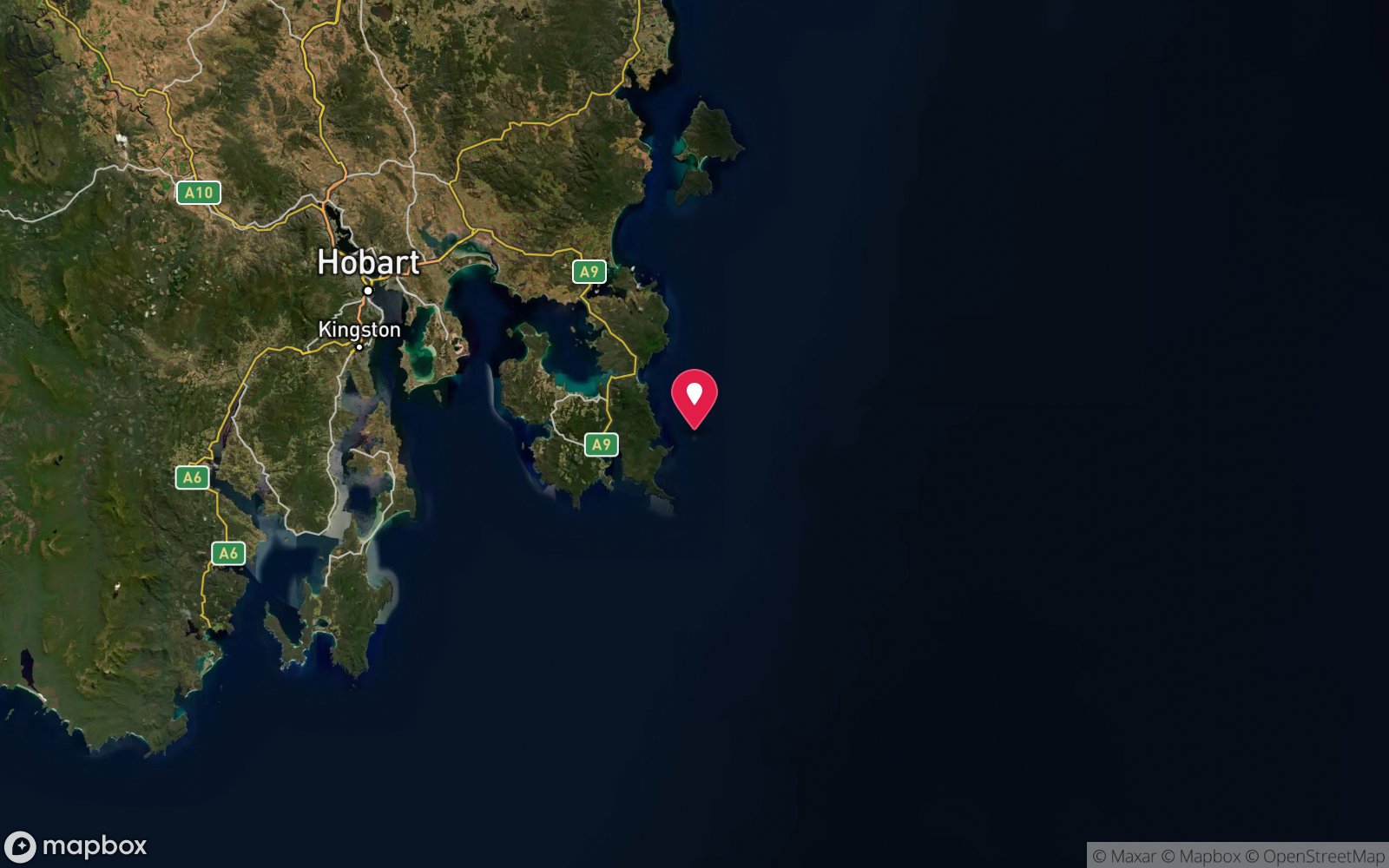
SS Tasman
Max depth: 72 m · Rarely seen 1883 steamer at 70 m beneath the Hippolyte Needle – a serious technical expedition target.
2. Tasman Peninsula · TAS
Hippolyte Rocks
Max depth: 65 m · Remote seal-colony islets with bull kelp shallows, sponge reefs from 30 m and huge fish schools.
3. Tasman Peninsula · TAS
The Needle (Hippolyte)
Max depth: 65 m · Current-swept sponge pinnacle that sank the SS Tasman; one of Tasmania's most dramatic deep dives.
4. Tasmania North & North-West · TAS
5 Mile Reef (North-West)
Max depth: 50 m · Up to 30 m visibility on a deep offshore bommie full of pelagics.
Pinnacle/BommieMax 50 mExpert/TechnicalTechnical (decompression)More in Tasmania North & North-West →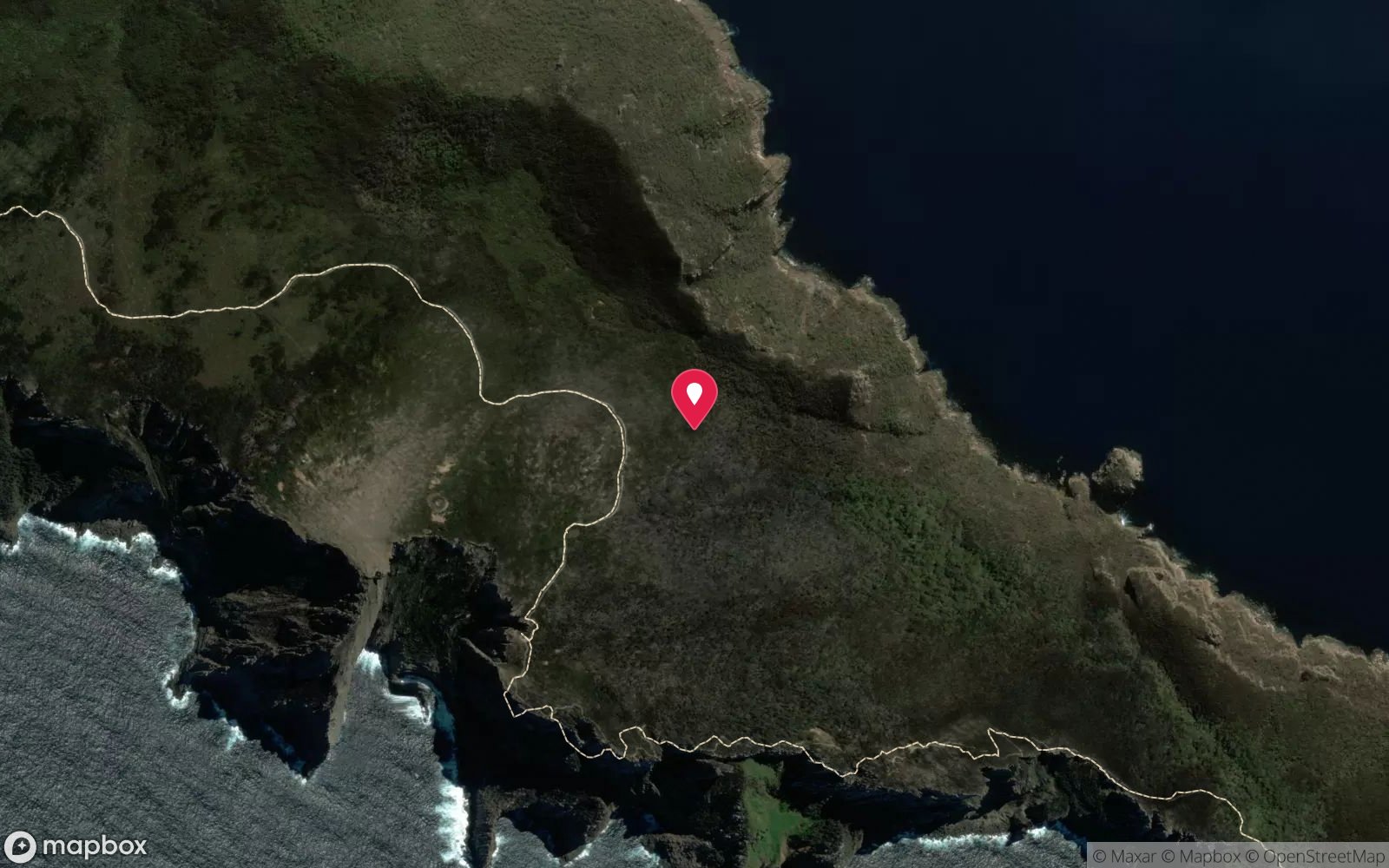
5. Tasman Peninsula · TAS
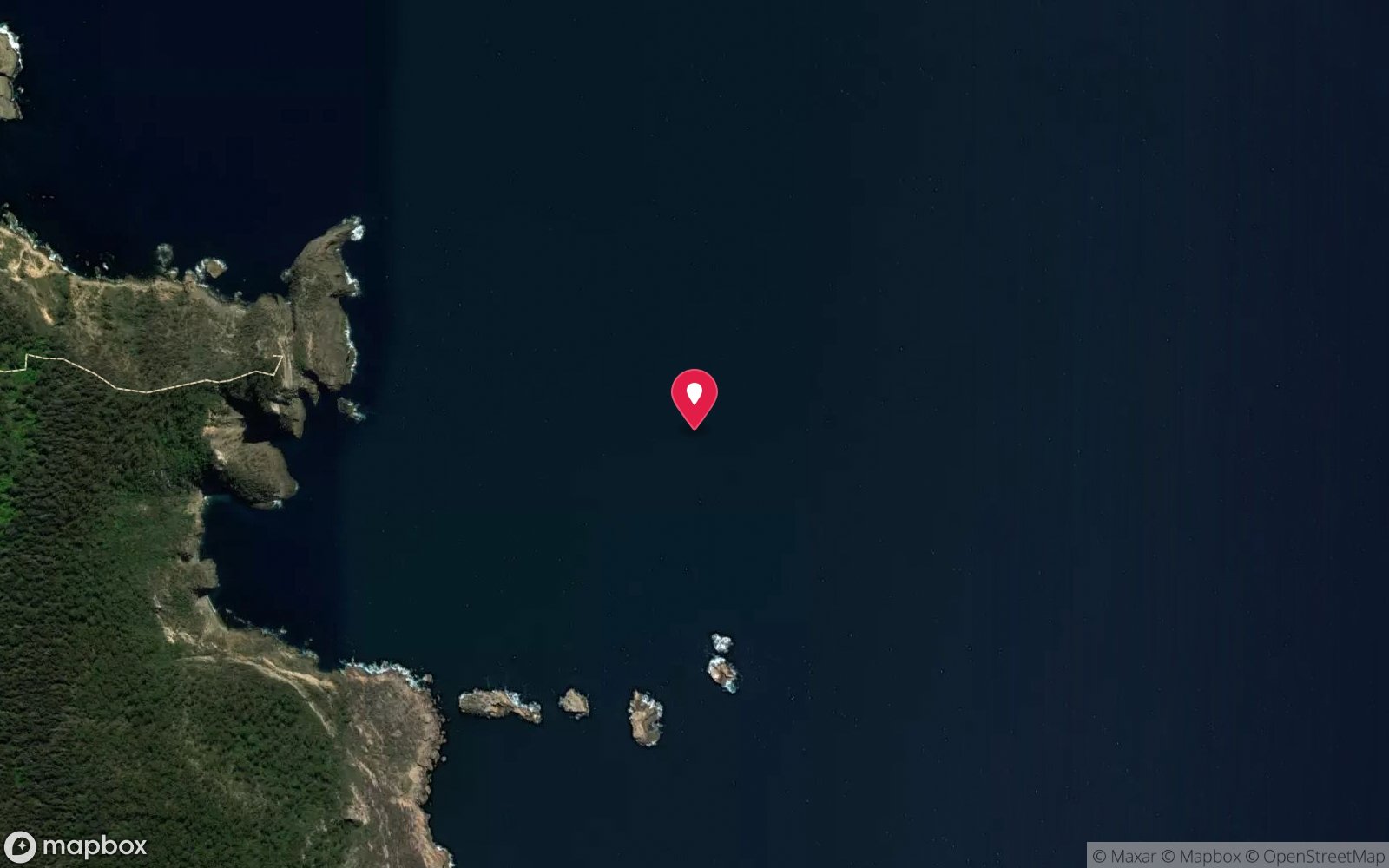
Cape Pillar
Max depth: 50 m · Sheer columnar walls under a 300 m cape at the edge of the Southern Ocean, with superb clarity.
6. Tasman Peninsula · TAS
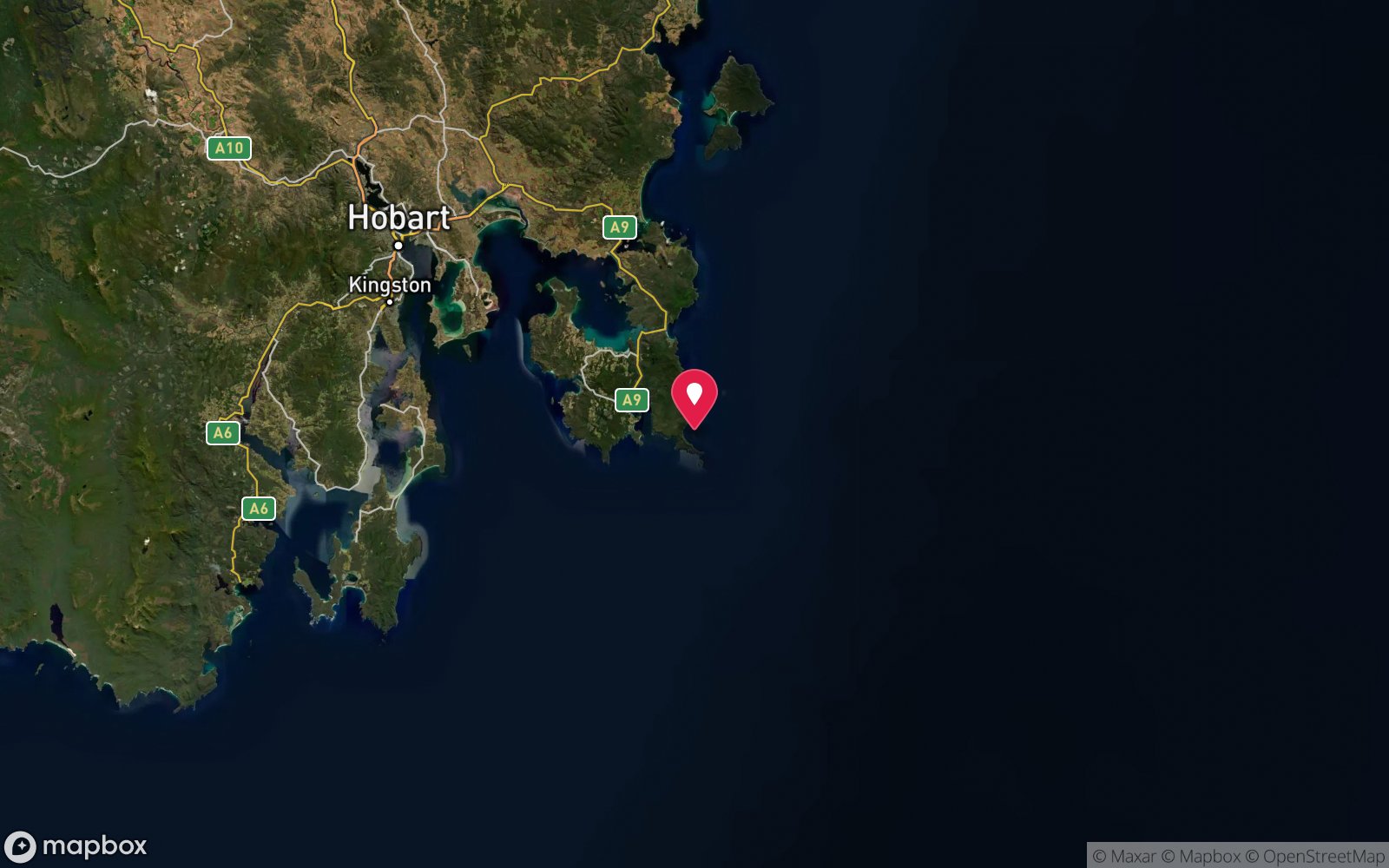
Sisters Rocks
Max depth: 45 m · Vertical walls that bloom with sponges, sea whips and anemones below 30 m; regarded as one of Australia's best temperate wall dives.
7. Tasman Peninsula · TAS
SS Nord
Max depth: 42 m · Intact 88 m steamer upright at 42 m, cloaked in colour and fish; rated among Australia's best wreck dives.
8. Tasman Peninsula · TAS
Deep Glen Bay North Wall
Max depth: 40 m · Colourful sponge and sea-whip wall that is the fallback when the Sisters are blown out, with seals and seadragons.
9. Tasman Peninsula · TAS
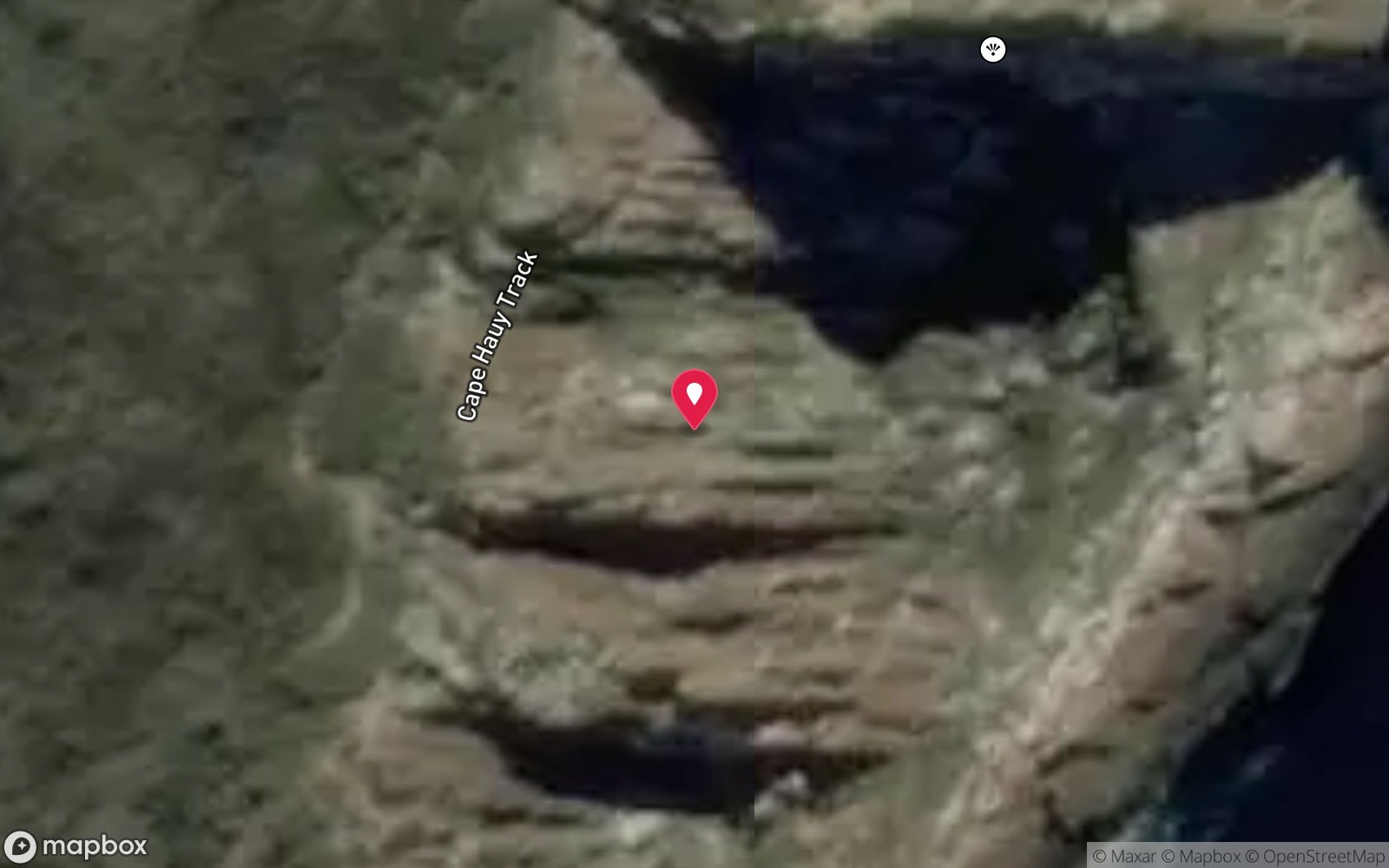
Cape Hauy / The Candlestick
Max depth: 40 m · Diving beneath the Candlestick and Totem Pole – columnar dolerite walls in clean oceanic water.
10. Tasmania East Coast · TAS
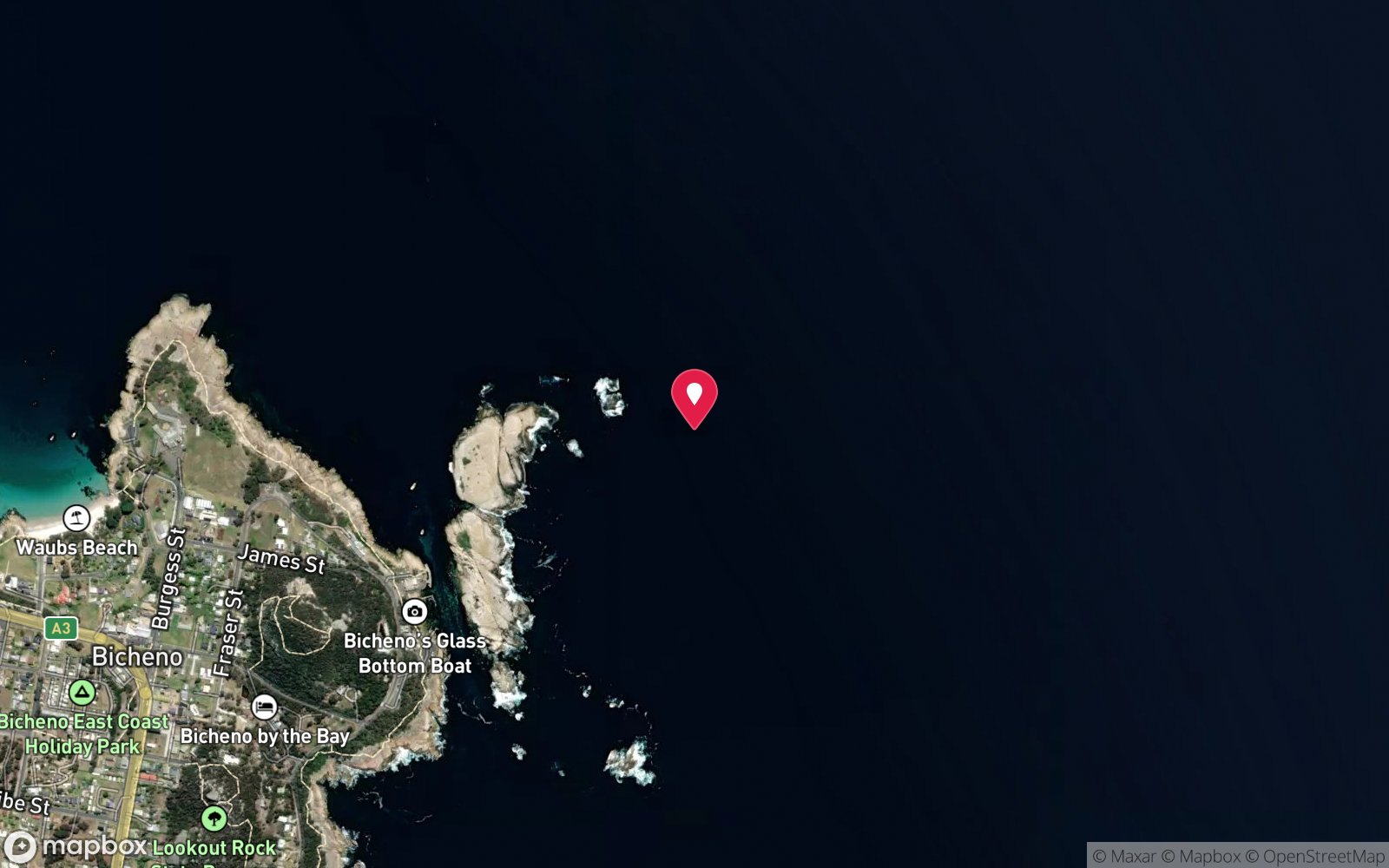
Mount Everest (Bicheno)
Max depth: 40 m · A deep pinnacle for experienced divers off Governor Island.
11. Tasman Peninsula · TAS
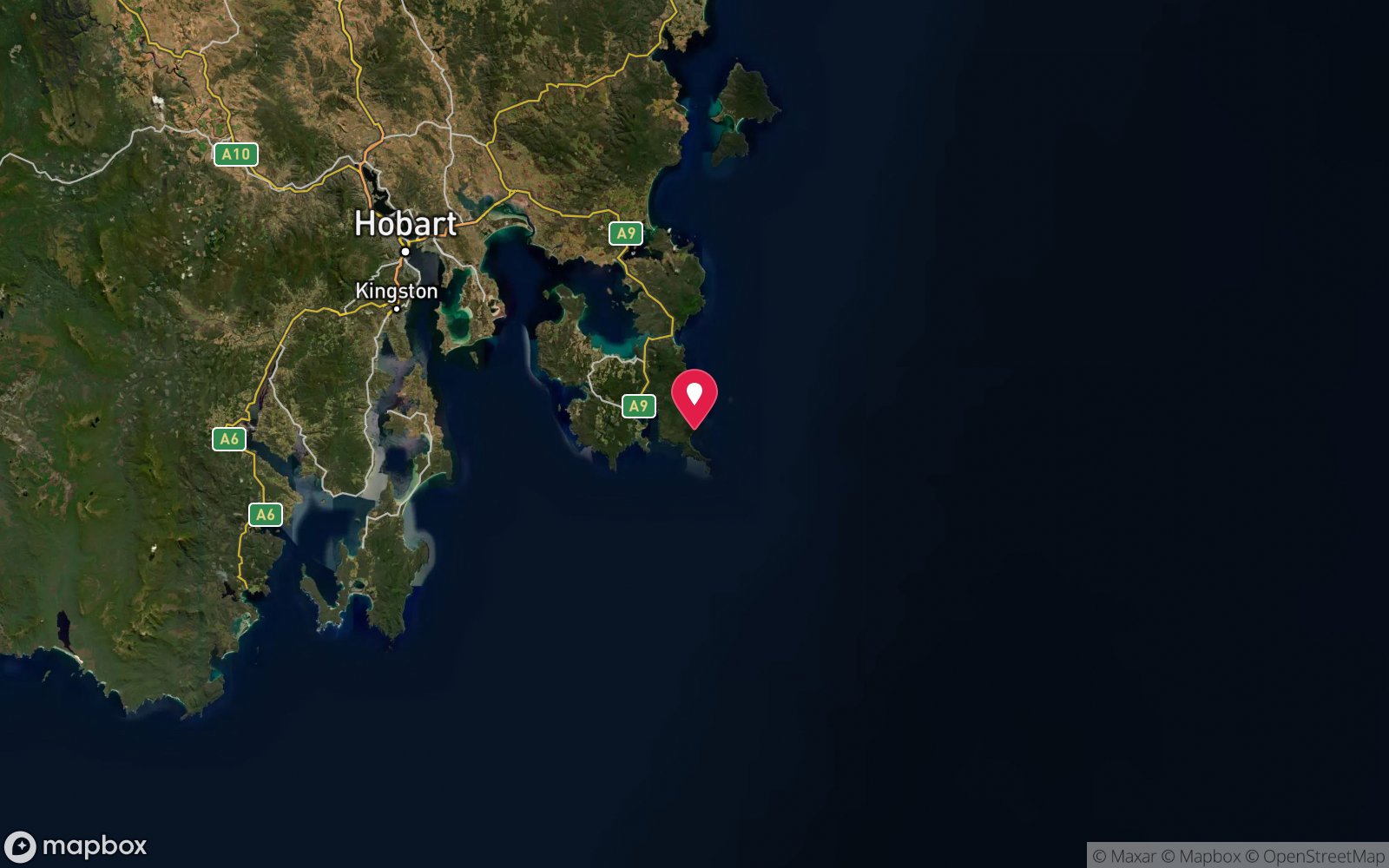
Munro Bight
Max depth: 40 m · Giant kelp and walls beneath Australia's tallest sea cliffs, with seals – often paired with the Nord.
12. Tasmania East Coast · TAS
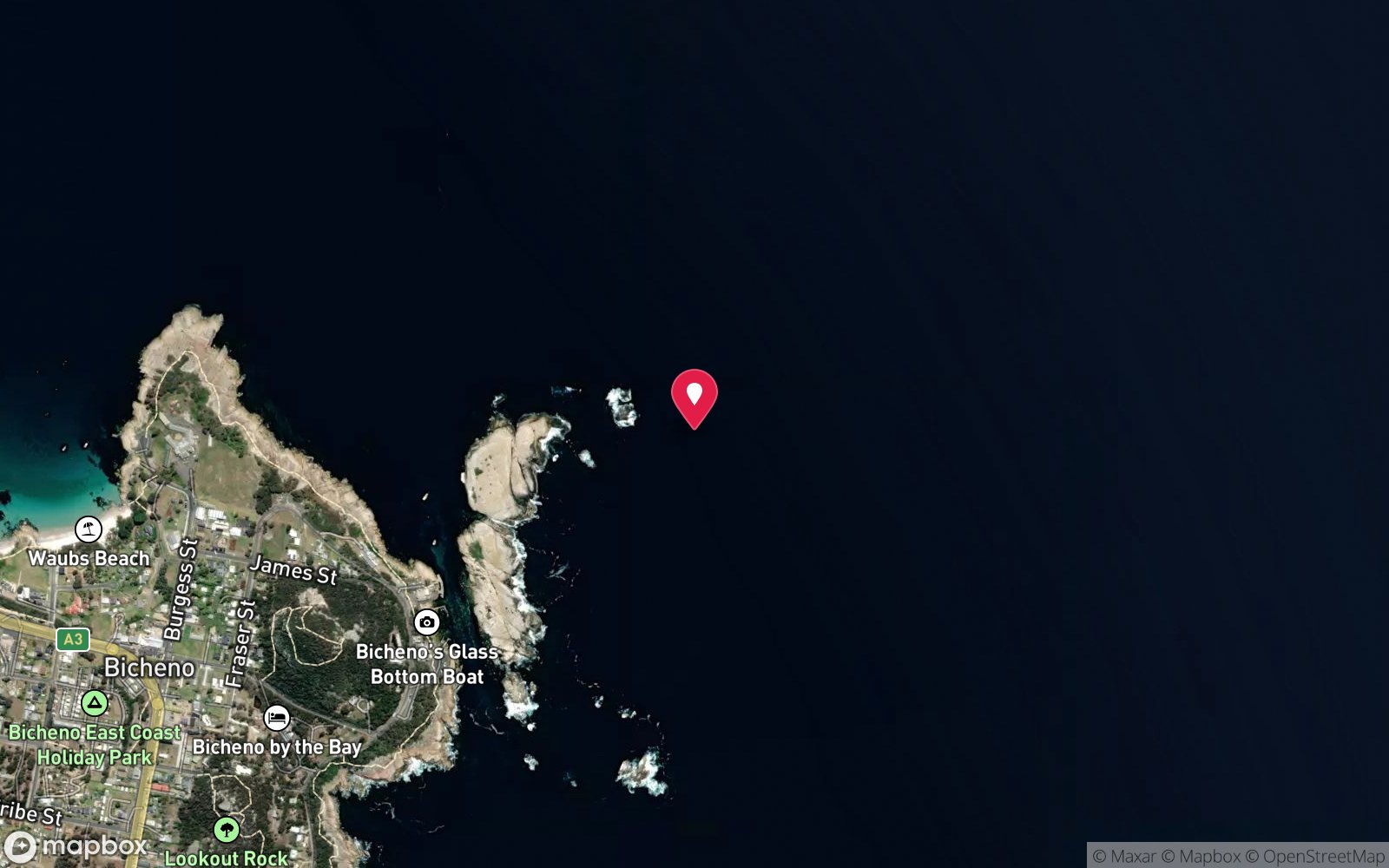
The Castle (Bicheno)
Max depth: 40 m · Governor Island's deep granite tower, 40 m to the sand, covered in jewel anemones and sea whips.
13. Tasmania East Coast · TAS
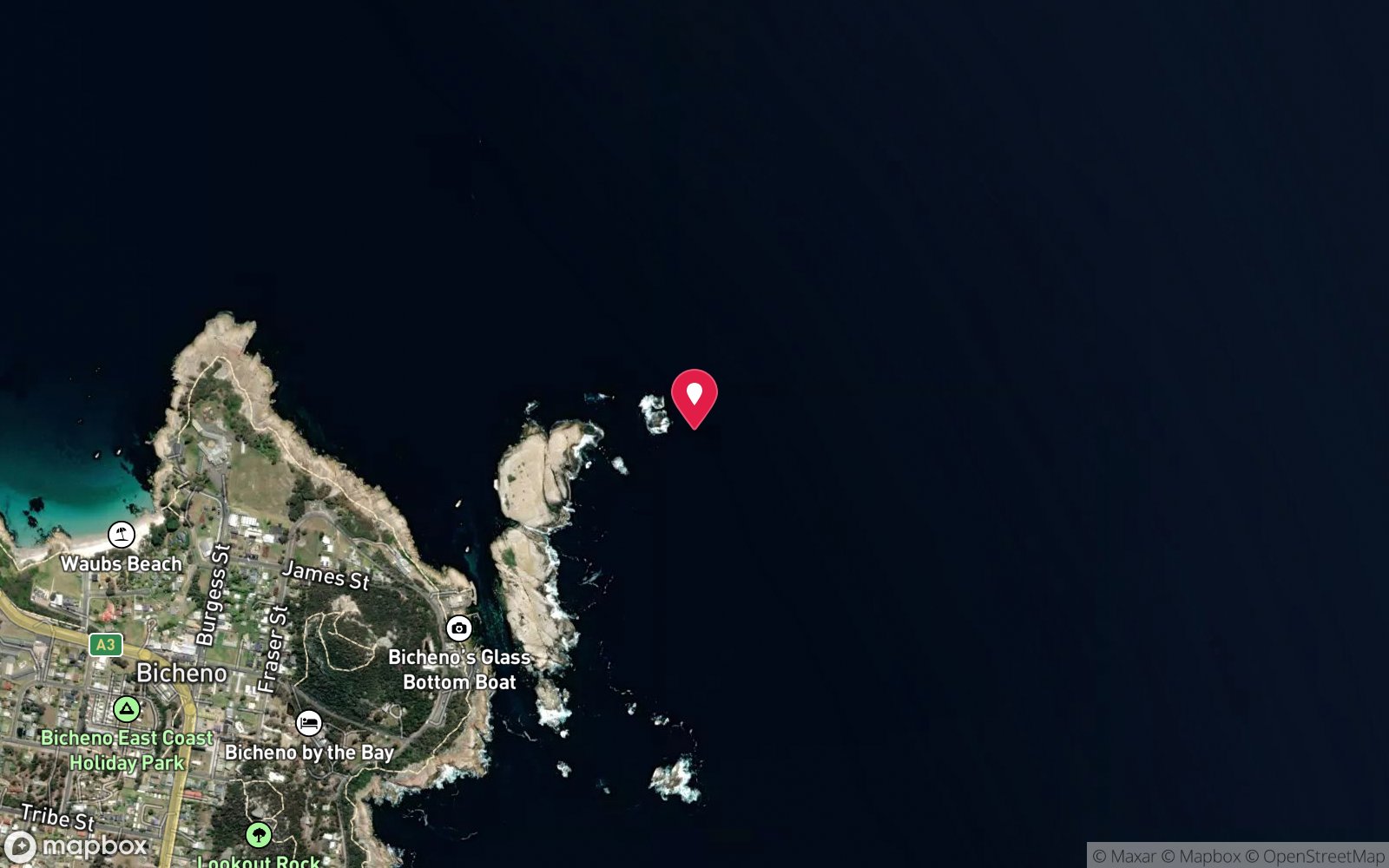
The Hairy Wall
Max depth: 40 m · A long granite drop-off bristling with sea whips, often with the clearest water in the reserve.
14. Tasman Peninsula · TAS
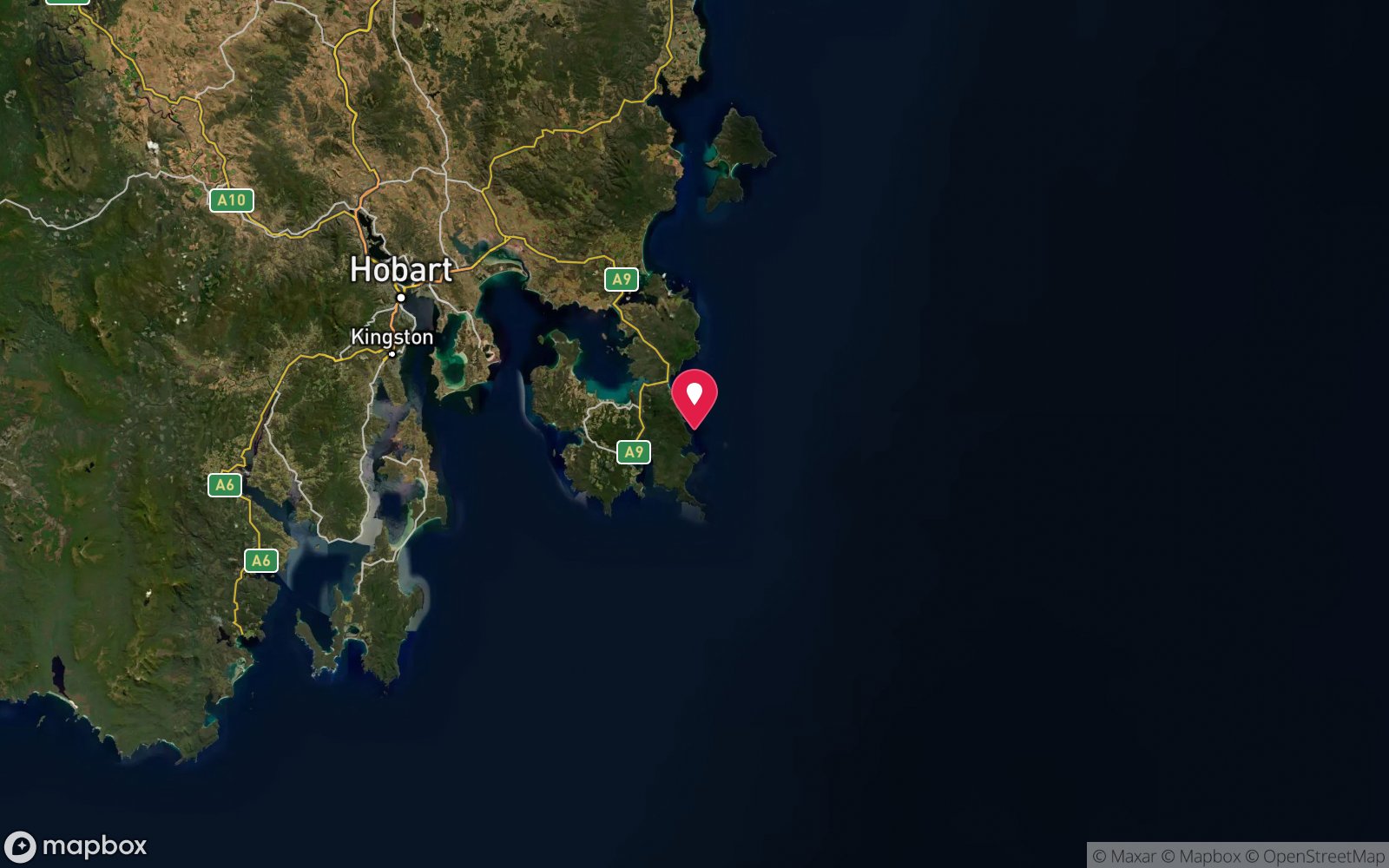
The Thumbs
Max depth: 40 m · Deep wall under striking rock formations with sea whips and sponge gardens from 25 m.
15. Tasman Peninsula · TAS
The Trident
Max depth: 40 m · Deep reef with massive sponges and overhangs from Go Dive Tasmania's site list.
16. Tasman Peninsula · TAS
Twin Peaks (Sundial Caves)
Max depth: 40 m · Twin spires with a 35 m swim-through, a cave maze and deep sponge and gorgonian gardens.
17. Tasmania East Coast · TAS
Cape Sonnerat (Schouten Island)
Max depth: 40 m · Rated 10/10 by the regional guide: granite caverns at 30-40 m lit by a flue-like opening, with clouds of butterfly perch and seals.
18. Tasmania East Coast · TAS
Lemon Rock (Wineglass Bay)
Max depth: 40 m · A remote granite islet at the mouth of Wineglass Bay with a sheer drop to 40 m and clouds of butterfly perch.
19. Tasmania East Coast · TAS
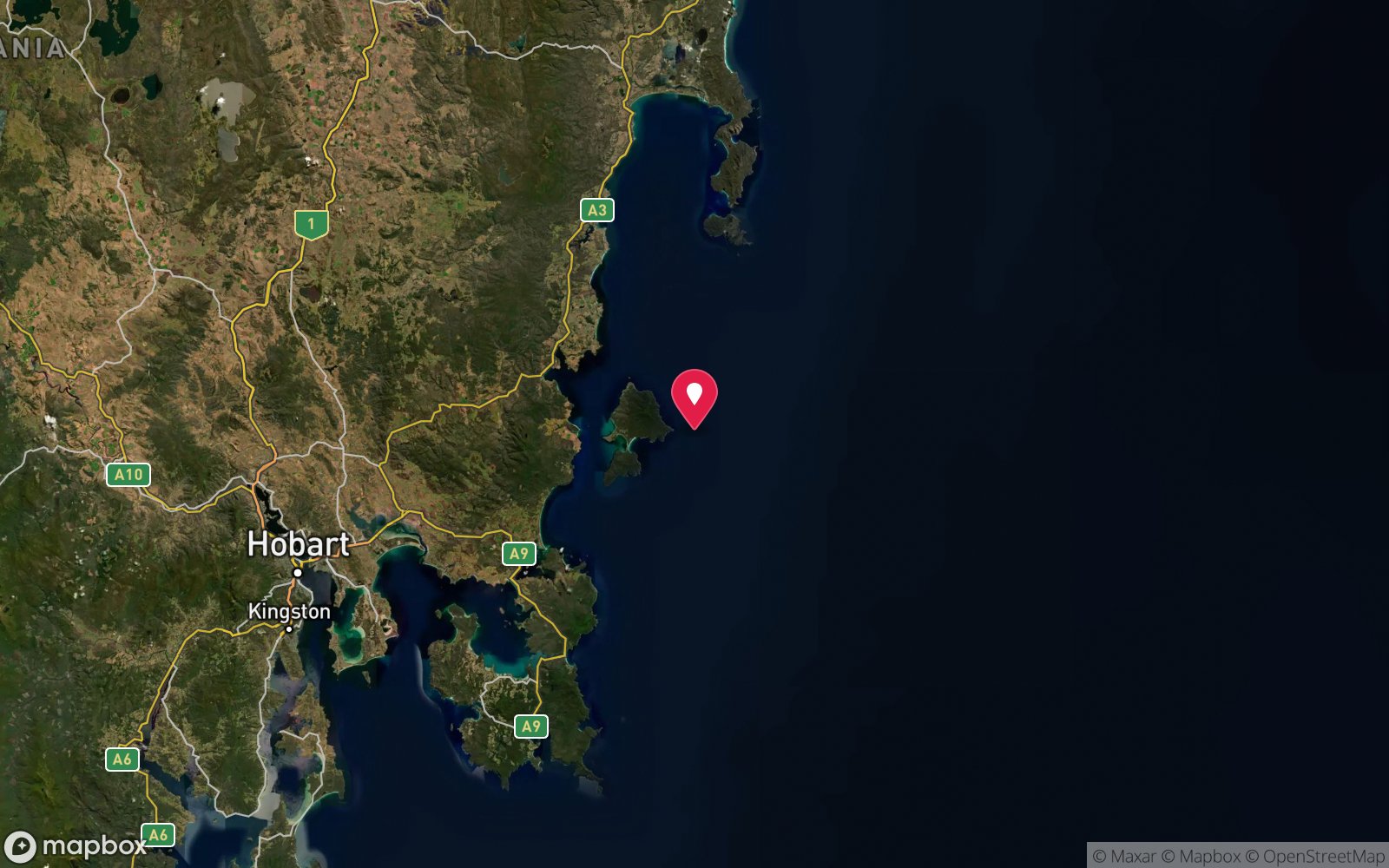
Mistaken Cape (Maria Island)
Max depth: 40 m · An expedition dive on Maria Island's eastern tip: 15 m walls of yellow zoanthids and spires in exceptionally clear water.
20. Tasman Peninsula · TAS
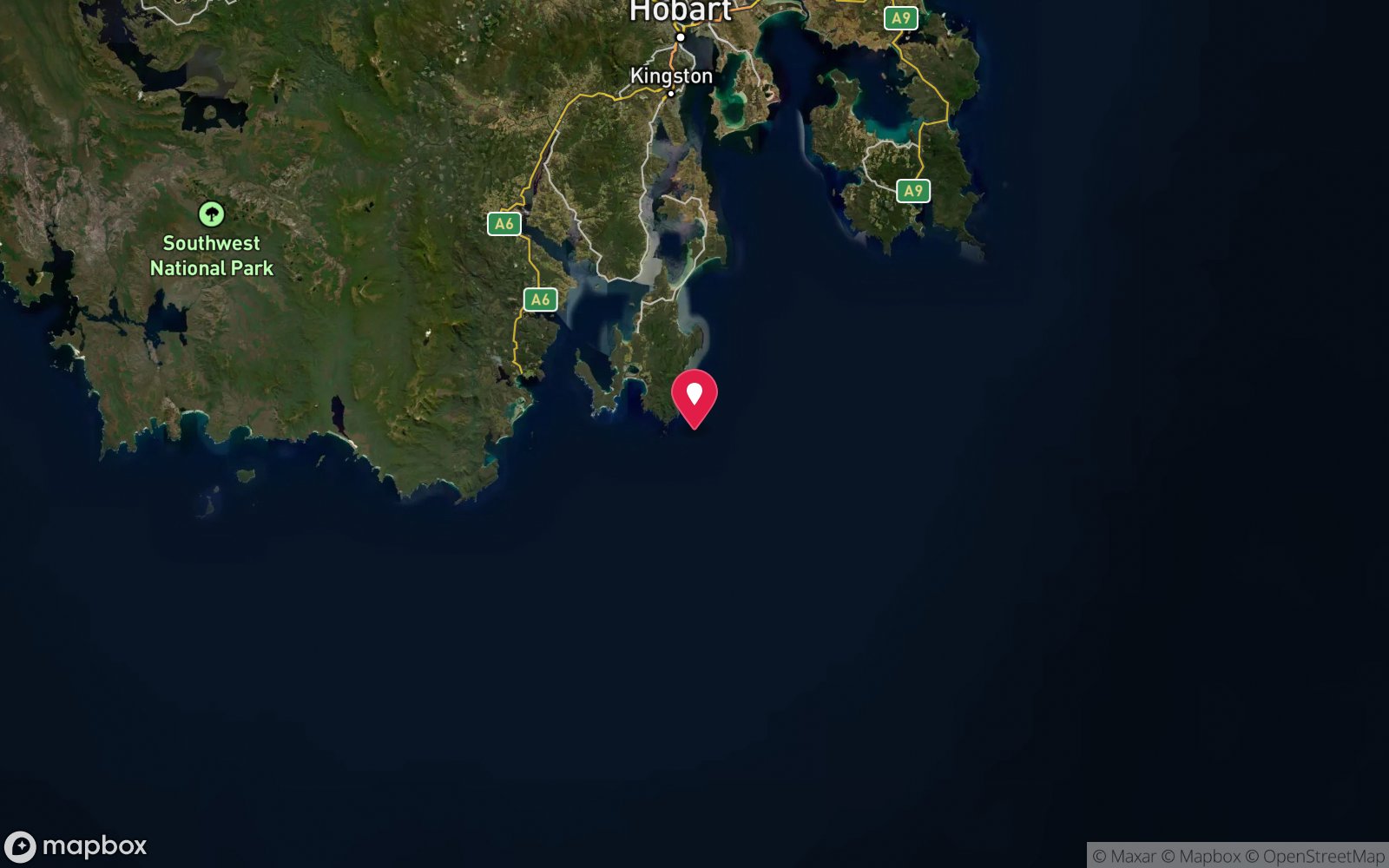
Tasman Island
Max depth: 40 m · Remote island wall under the Tasman Island lighthouse with deep-water sponges, seals and clean Southern Ocean water.
21. Bruny Island & D'Entrecasteaux Channel · TAS
The Friars (Bruny Island)
Max depth: 40 m · Remote volcanic islets with swim-throughs, seals and clean Southern Ocean water off Bruny's southern tip.
22. Tasmania East Coast · TAS
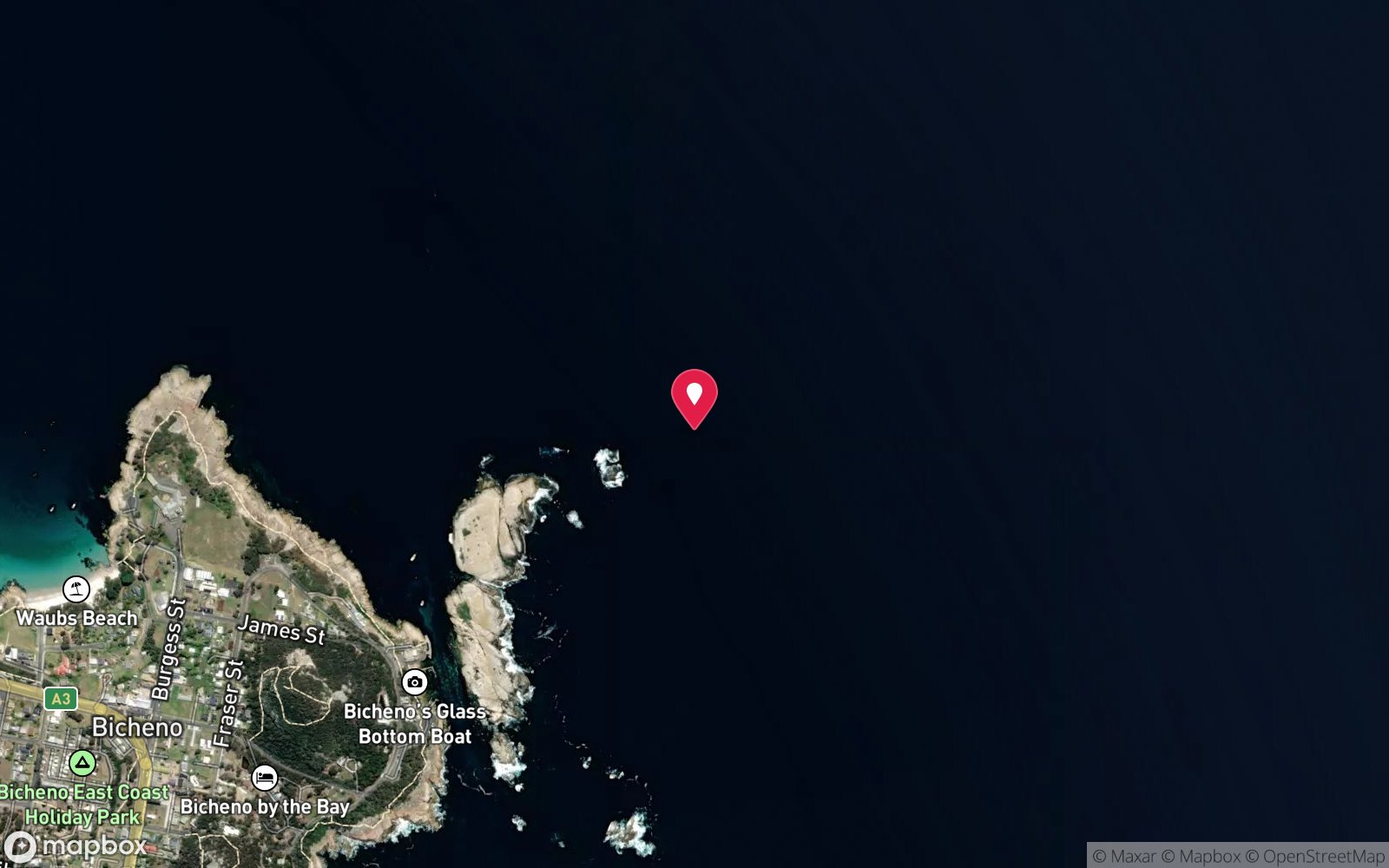
Golden Bommies
Max depth: 39 m · Twin 10 m bommies smothered in yellow zoanthids and sea whips rising from sand at 39 m; huge schools of butterfly perch and morwong in a no-take reserve.
23. Tasmania East Coast · TAS
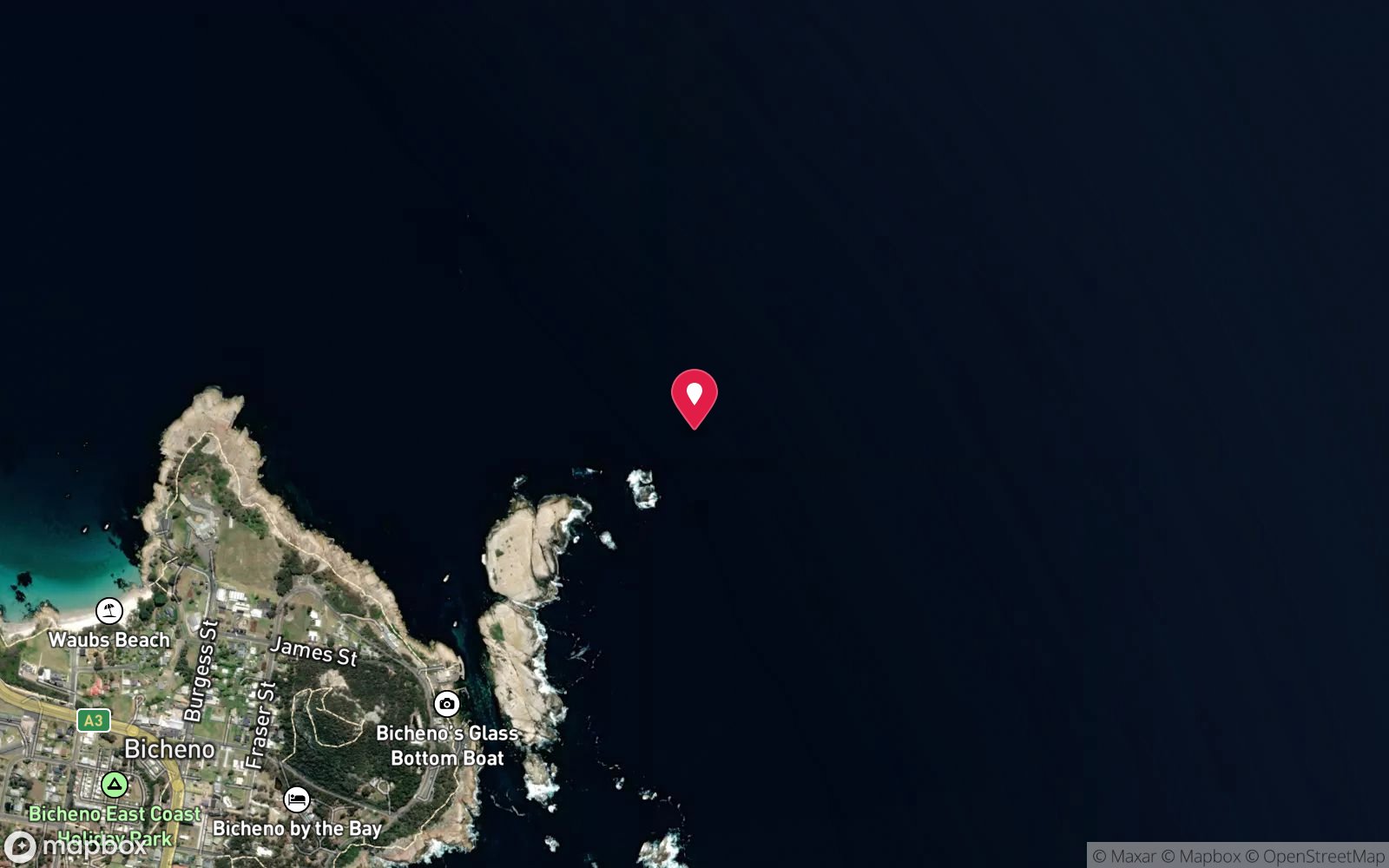
The Canyon (Bicheno)
Max depth: 37 m · A 37 m granite canyon with sea whips and schooling butterfly perch.
24. Tasmania East Coast · TAS
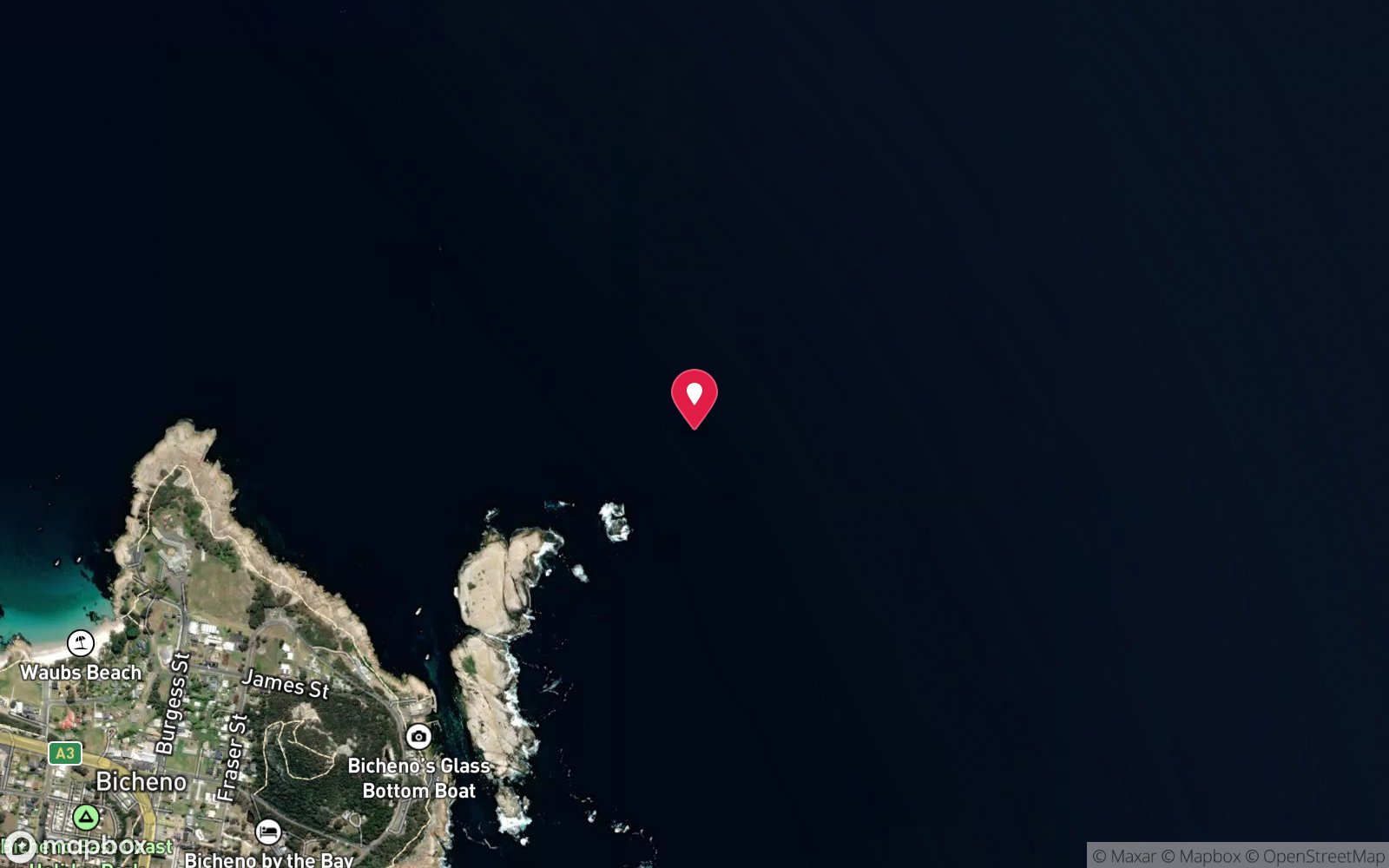
The Rose Garden (Bicheno)
Max depth: 36 m · A 100 m-plus strip of boulders covered in every colour of sponge - one of the most photogenic invertebrate gardens in Tasmania.
25. Tasmania East Coast · TAS
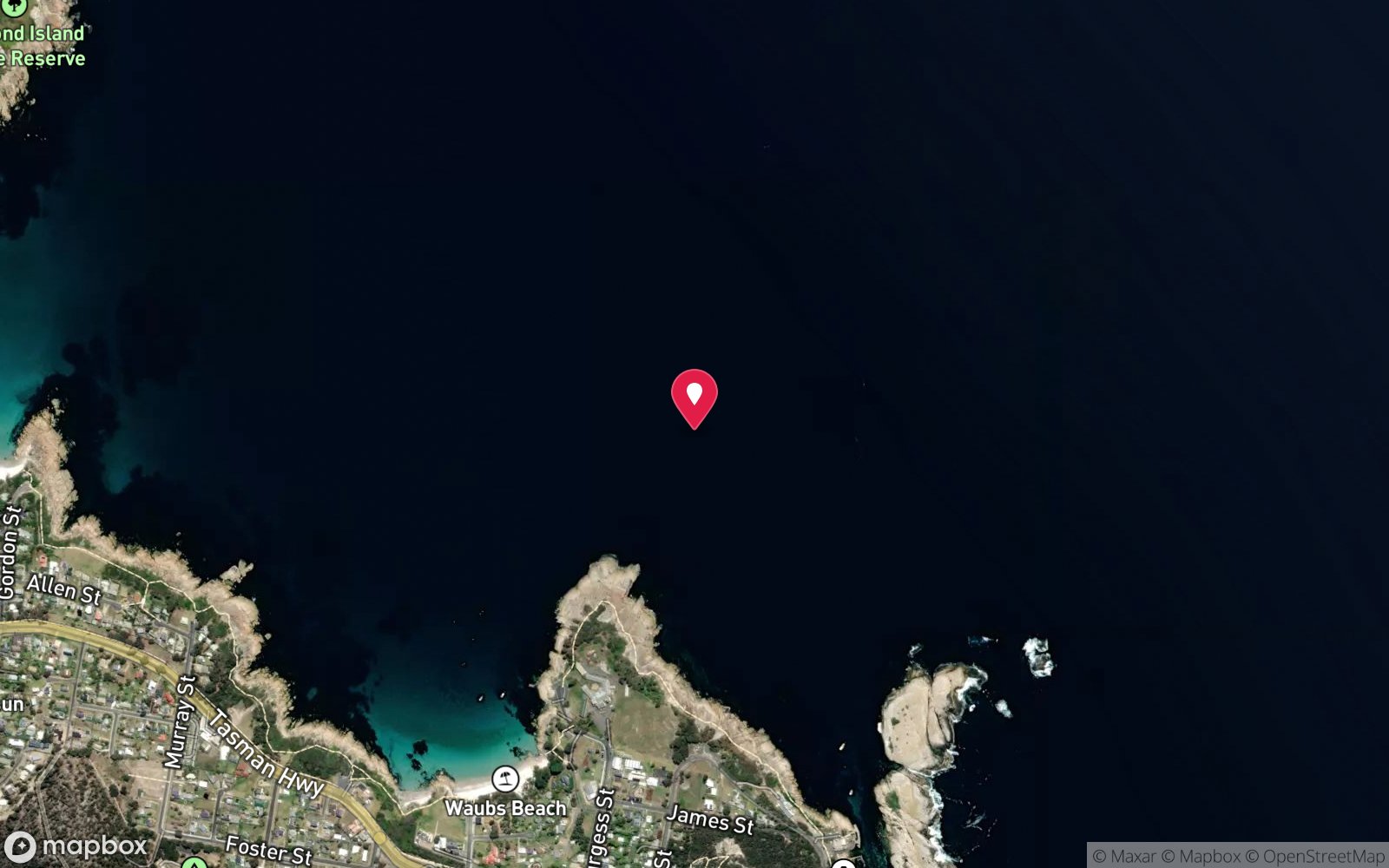
Trap Reef
Max depth: 35 m · Kelp-lined gutters on a pinnacle just outside the harbour, with good schooling fish.
The guide
How to read this list
Maximum depth is the number a database can sort by, but it is not what makes these sites hard. Three things are: the environment (open ocean over 80 m, a sinkhole shaft, a tidal channel), the logistics (a boat that can find and hold a mark, a permit, a cave rating) and the distance to a chamber. Almost everything above 60 m on this list is dived by a small circle of technical divers and clubs, on rebreathers or open-circuit trimix, in specific weather windows.
The recreational reader should look at the shallow ends. Piccaninnie Ponds, Kilsby and Ewens Ponds put Open Water divers over water that is 60 to 100 m deep without taking them past 20 m. The Kanowna and Federal have no shallow options, but the Port Phillip Heads walls that lead down to Trimix Corner start at 12 m.
Where the deep water is
Victoria dominates. Bass Strait is shallow but the shipping lane past the Heads, Cape Schanck and Cape Otway has claimed liners, colliers and warships in 70 to 115 m, and Melbourne has the most active technical wreck community in the country to find them. South Australia's Limestone Coast supplies the sinkholes: the Shaft, the Chasm and a dozen deep cave systems, all managed by the CDAA. Western Australia has the Rottnest graveyard and the Nullarbor caves; New South Wales has the Fairwind and a run of 60 m-plus wrecks off Sydney and South West Rocks.
Queensland barely features, which surprises people. The reef is shallow, the deep walls of the Coral Sea drop from 20 m to 1,000 m without a floor to record, and the state's deep wrecks (the Yongala at 30 m, the Brisbane at 28 m) are recreational. Deep in Queensland means offshore, not down.
Training and access
Below 40 m is technical diving by every agency's definition: decompression procedures, redundant gas, helium below 50 to 60 m. The sinkholes add CDAA ratings (Deep Cavern, Cave, Advanced Cave), most of which take years. Many of the wrecks are protected historic shipwrecks or war graves with permit systems run by the state heritage office; the site pages say which. The technical diving section explains the courses, and the courses directory lists the centres that teach them.
Editorial last reviewed September 2026. The list itself is regenerated from the directory daily.
Frequently asked questions
What is the deepest dive site in Australia?
Rottnest's Ships' Graveyard holds wrecks down to 200 m, dived only by technical teams. The deepest sinkhole is the Shaft near Mount Gambier at 124 m; the deepest commonly dived wrecks are the Kanowna (82 m) off Wilsons Promontory and the Nord (42 m) in Tasmania.
How deep can a recreational diver go?
Recreational agencies cap depth at 40 m with the Deep Diver specialty, 30 m with Advanced Open Water and 18 m with Open Water. Beyond 40 m is technical diving.
More rankings
- Australia's Most Remote Dive Sites
- The Longest Boat Rides to a Day Dive
- The Warmest Dive Sites in Australia
- The Coldest Dive Sites in Australia
- Australia's Clearest-Water Dive Sites
- The Most Biodiverse Dive Sites in Australia
- The Oldest Shipwrecks You Can Dive in Australia
- WWII and Wartime Wrecks You Can Dive in Australia
- All rankings →