Depth is the number every diver asks first, and in Australia it runs from a 124 m sinkhole under a South Australian paddock to the 200 m dumping ground off Rottnest. Almost everything on this list is technical territory: decompression, mixed gas, cave or deep wreck training, and a local operator or club that knows the site.
The ranking is by the recorded maximum depth of the site. Many of these have shallower sections that recreational divers can enjoy; the site pages say where.
Updated daily from the directory. 25 sites listed.
1. South West Rocks · NSW
MV Fairwind wreck
Max depth: 87 m · A 1950 Army lighter lost with all hands in a cyclone, undiscovered until 2009 and now one of Australia's premier deep technical wreck dives, sitting largely intact at 87 m.
Our takeAn Army lighter lost in 1950 and found in 2009, intact at 87 m off South West Rocks. The local technical operators run it in the winter calm; it is arguably the best-preserved deep wreck on the east coast.
2. Sydney South & Botany Bay · NSW
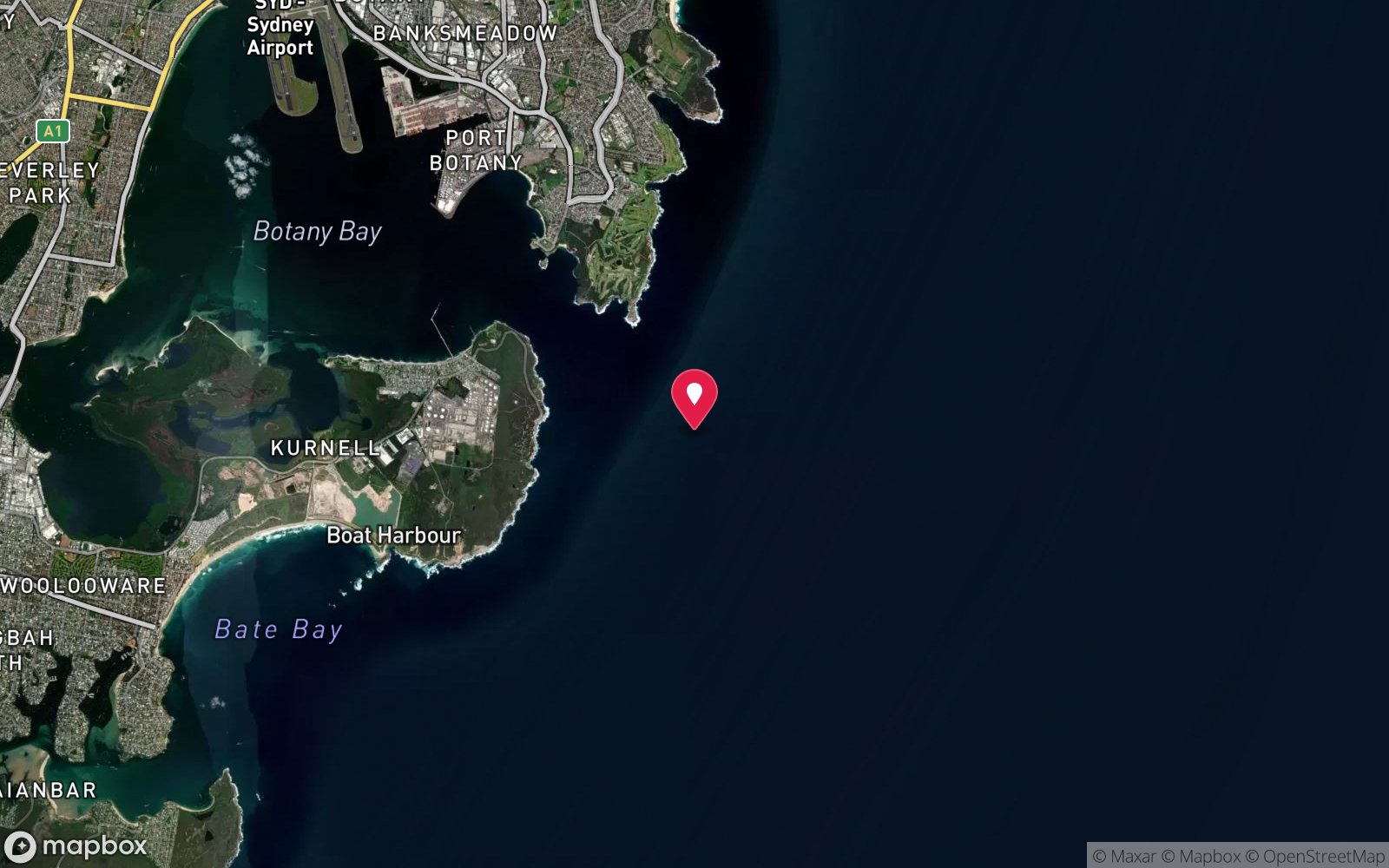
SS Woniora wreck
Max depth: 63 m · Rare 1863 iron collier with upright engine and boiler at 58–59 m in the Botany Bay approaches; lost with all but one of her crew in 1882.
3. Jervis Bay · NSW
Marina Star
Max depth: 60 m · A modern trawler wreck at 60 m off Point Perpendicular with instruments still visible inside.
4. Forster & Seal Rocks · NSW
SS Catterthun wreck
Max depth: 60 m · An 1895 gold-carrying steamer wrecked with 54 lives lost near Seal Rocks — now a deep technical wreck dive at 55-60 m, with an estimated 1,000 gold sovereigns still unaccounted for.
5. Newcastle & Lake Macquarie · NSW
55-metre Crane Barge (Newcastle)
Max depth: 55 m · An inverted twin-hulled crane barge in 55 m off Newcastle - the area's deepest named technical wreck dive.
6. Jervis Bay · NSW
Crocodile Head Gorge
Max depth: 55 m · A sheer-walled dead-end gorge dropping to 50–55 m, packed with colourful deep sessile life.
7. Jervis Bay · NSW
Stoney Creek
Max depth: 55 m · A deep sea-whip and gorgonian garden at 37–50 m in 25–35 m visibility – one of NSW's finest deep dives.
8. Sydney Northern Beaches · NSW
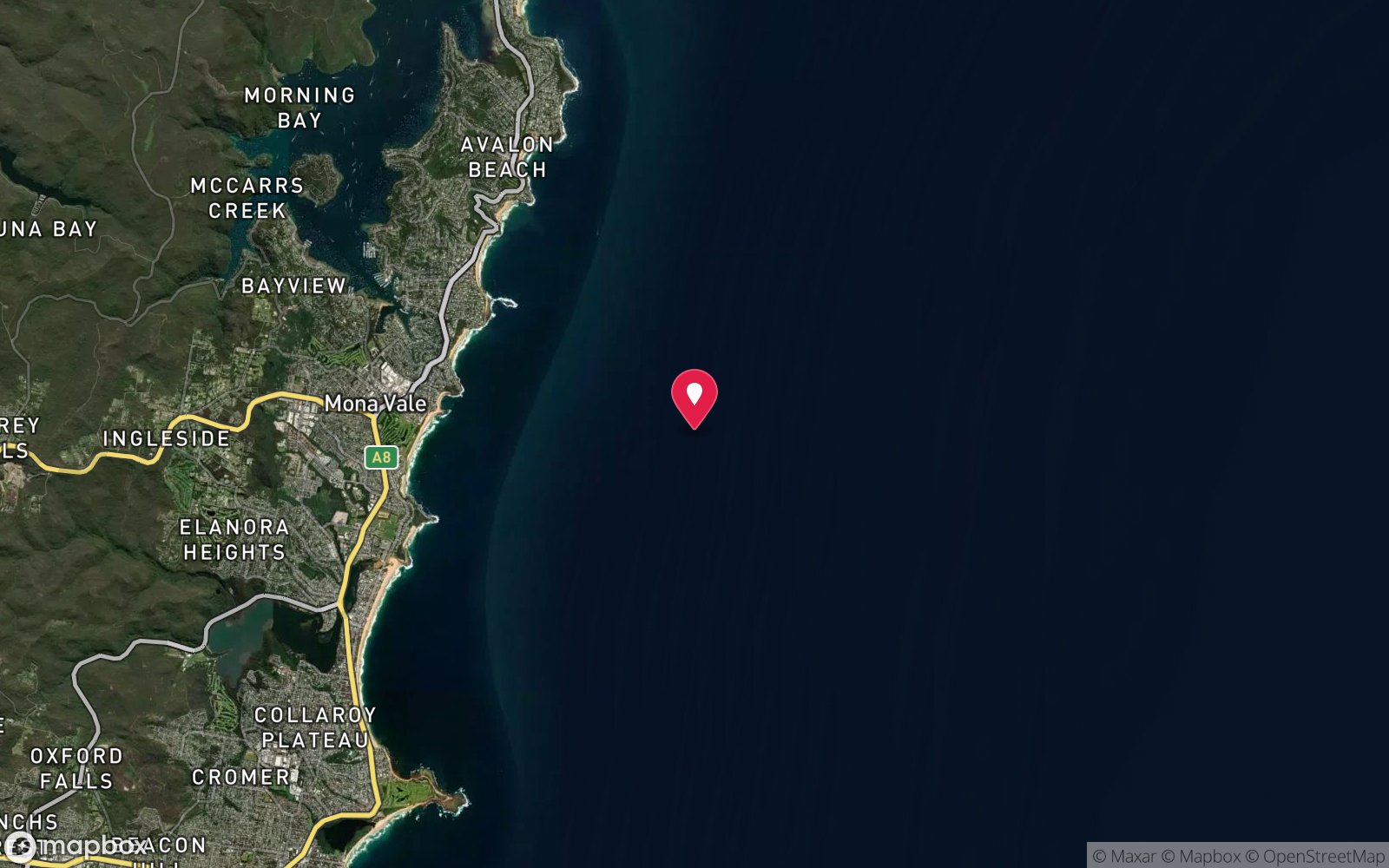
The Trio wreck
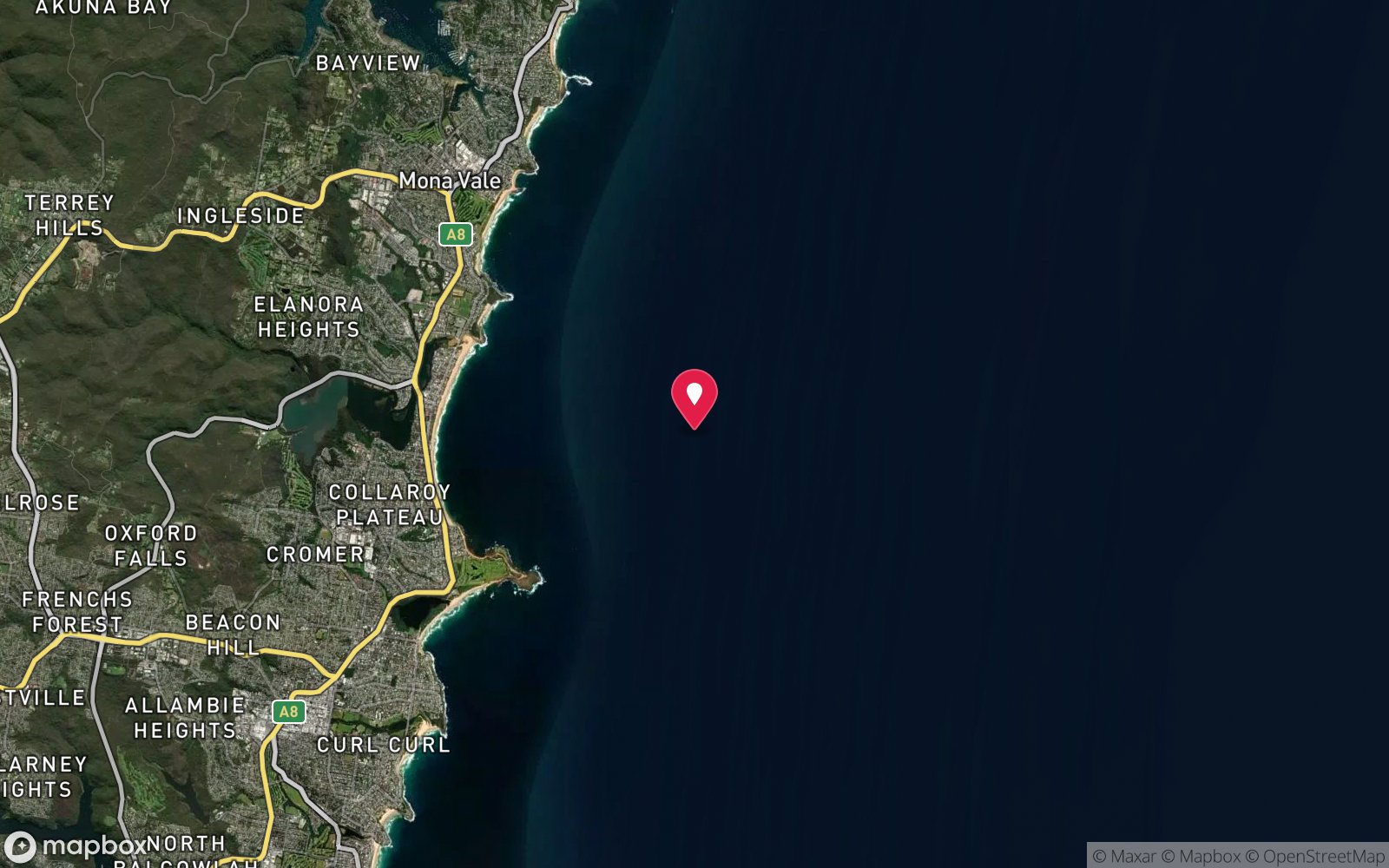
Max depth: 54 m · A 50 m ferro-cement barge upright in 51 m off Mona Vale, discovered in 1988 and still rarely visited.
9. Sydney Northern Beaches · NSW
Himma wreck
Max depth: 52 m · Compact WWII Empire tug at 50 m with an intact propeller and a boiler room you can look into through the hull; the deepest of the Long Reef group.
10. Sydney Northern Beaches · NSW
Canoe Barge (Long Reef)
Max depth: 51 m · A canoe-ended barge, fully intact with its winches, whose hold fills with schools of jewfish – the furthest out of the Long Reef barges.
11. Sydney Northern Beaches · NSW
Hopper Barge 656 (Long Reef)
Max depth: 51 m · An intact 50 m MSB hopper barge on the Long Reef reef ground with an accessible bow void, in the clear water 3 nautical miles out.
12. Sydney Northern Beaches · NSW
SS Birchgrove Park wreck
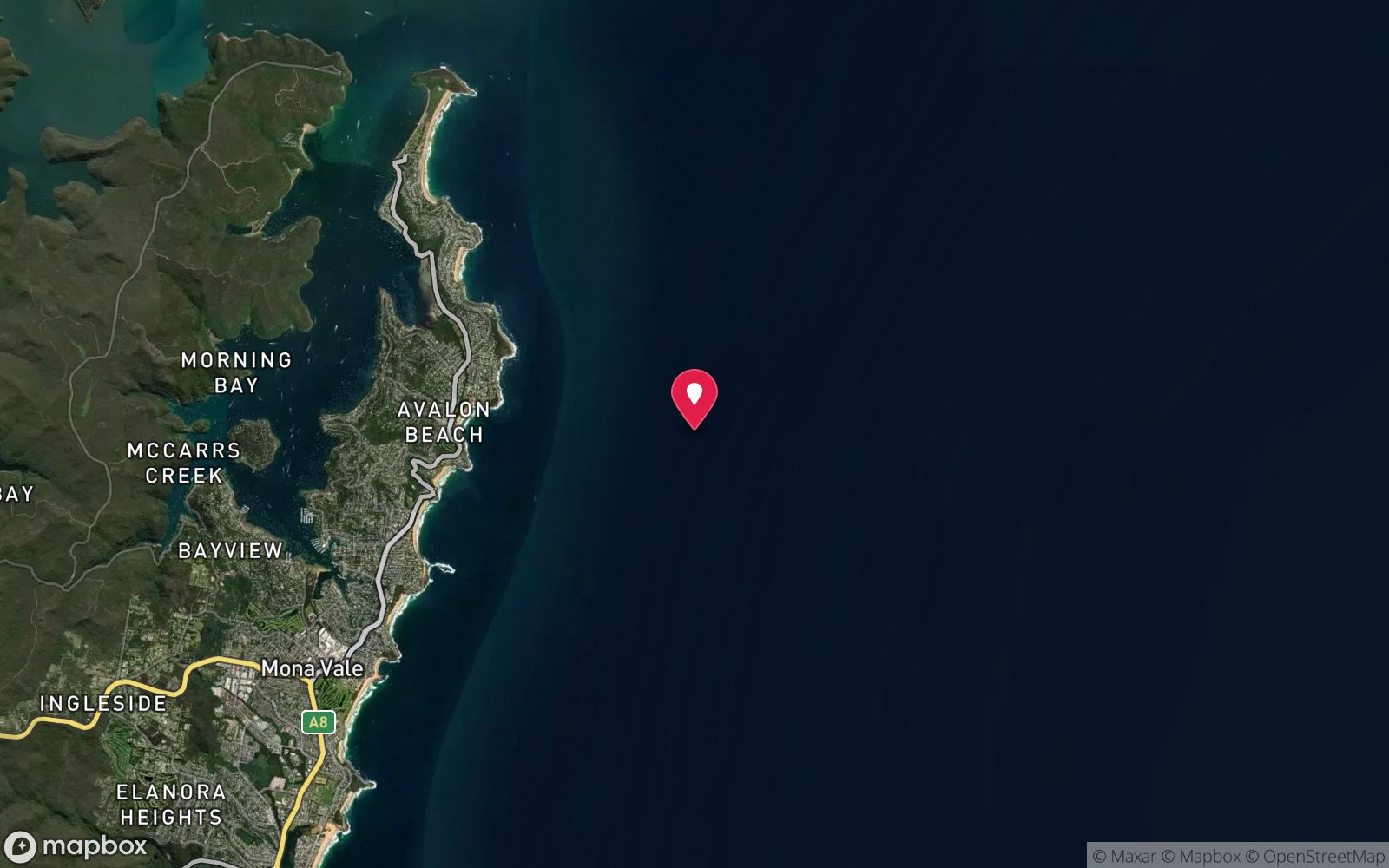
Max depth: 51 m · The most intact wreck off Sydney – a 1930 collier lost in a 1956 southerly buster, with enterable bridge and forecastle in 51 m.
13. Central Coast · NSW
SS Galava wreck
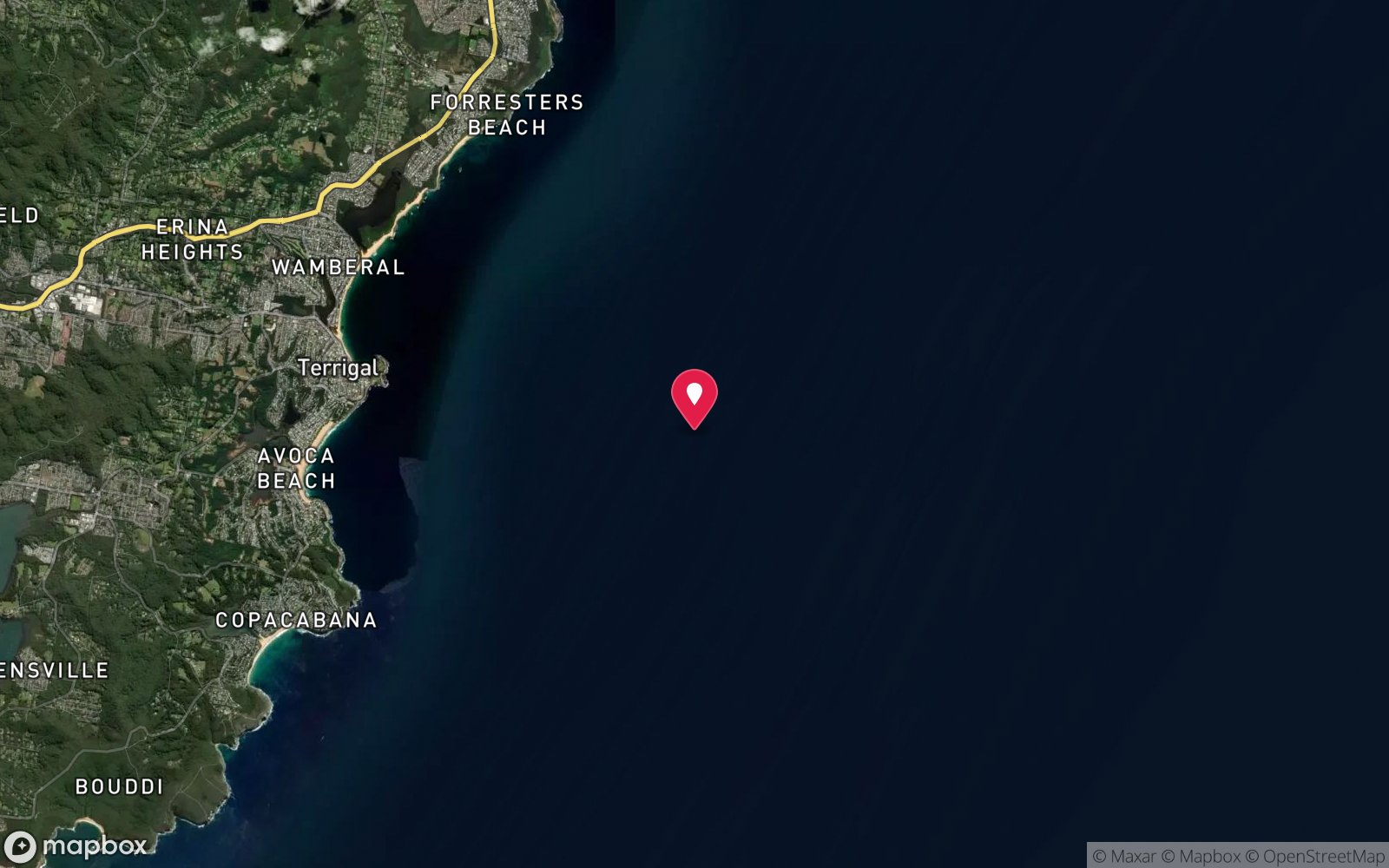
Max depth: 51 m · A deep sixty-miler collier with an intact bow and some of the best fish life of any Central Coast wreck.
14. Sydney South & Botany Bay · NSW
SS Kelloe wreck
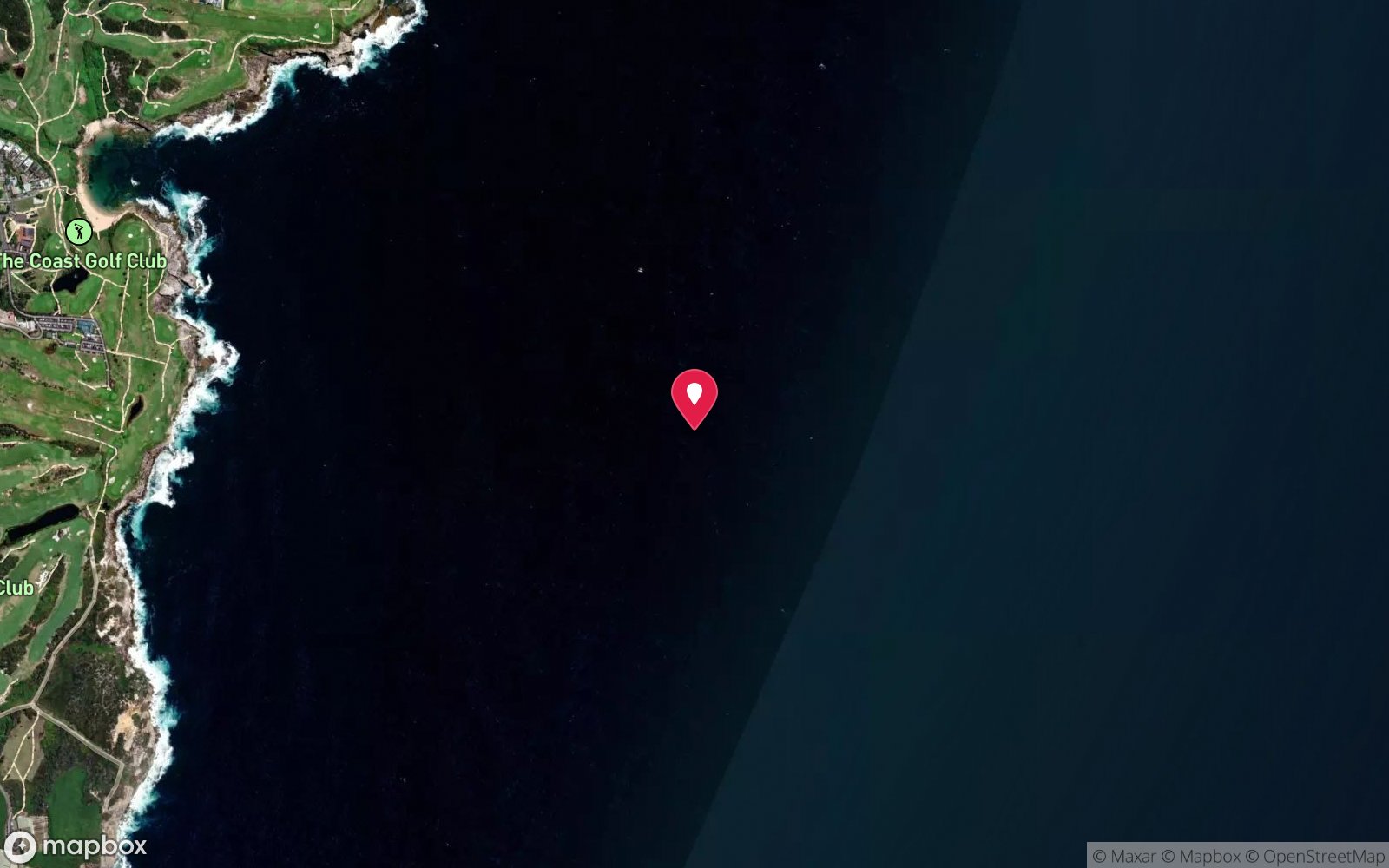
Max depth: 51 m · Upright 1866 collier at 50 m with a tall boiler, two huge anchors and a history of sunfish, whale and dolphin encounters.
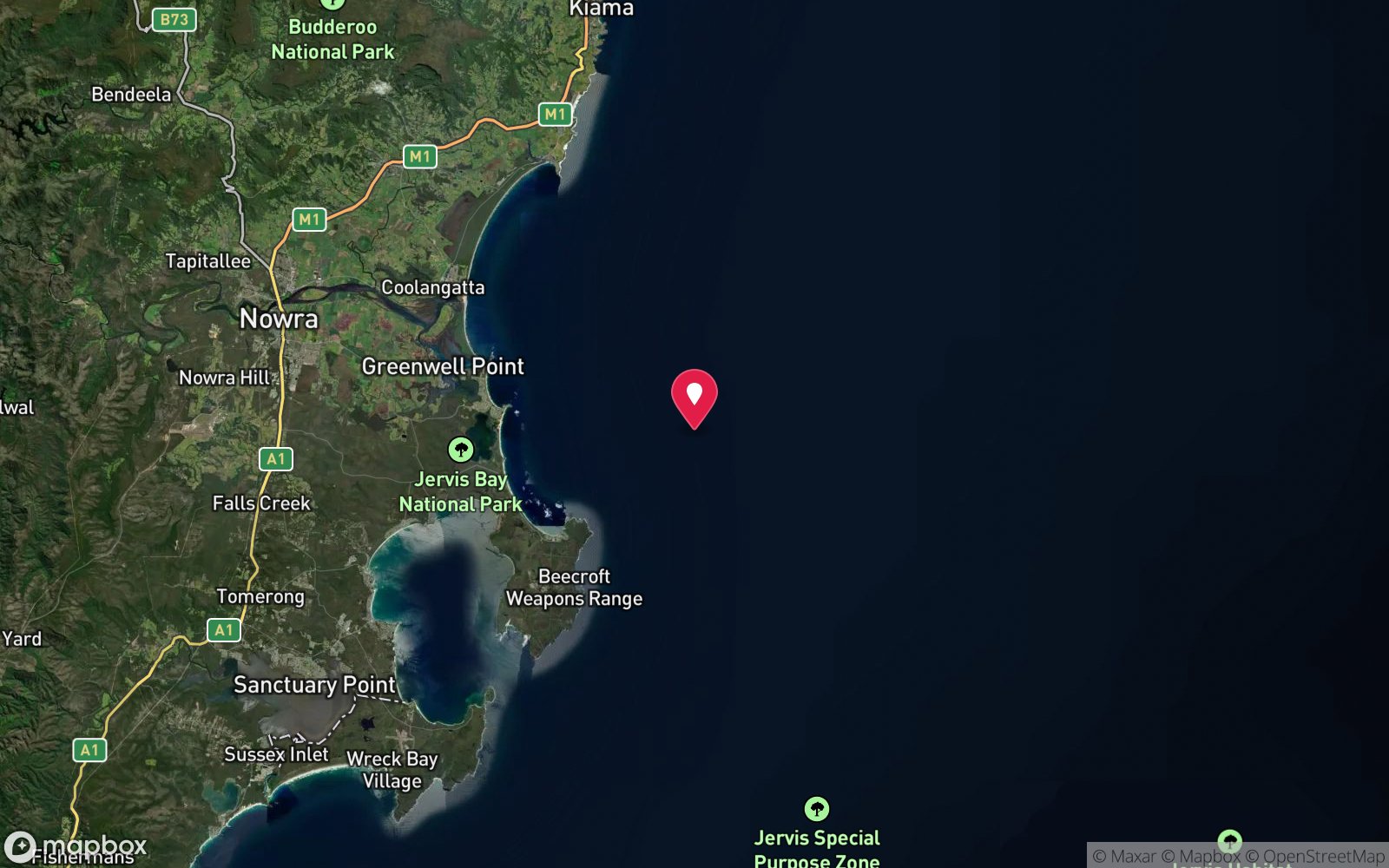
15. Shoalhaven Coast · NSW
Sir John Young Banks
Max depth: 50 m · Remote offshore banks with walls to 50 m, pristine colourful sessile life and pelagic sharks including hammerheads.
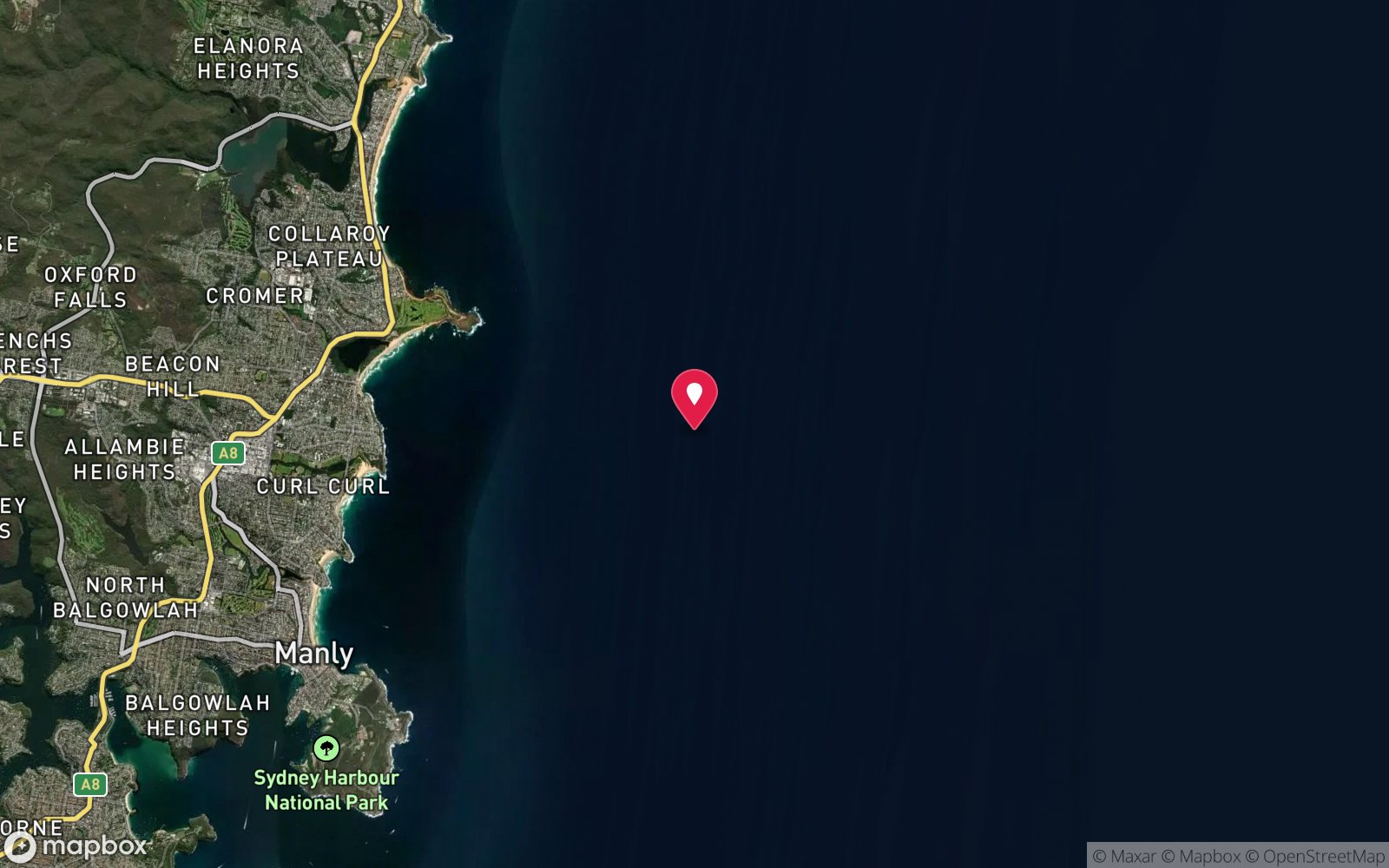
16. Sydney Northern Beaches · NSW
SS Myola wreck
Max depth: 50 m · A 1919 collier with two big boilers, an upright stern and a shattered propeller, in the clearest water of any Sydney wreck.
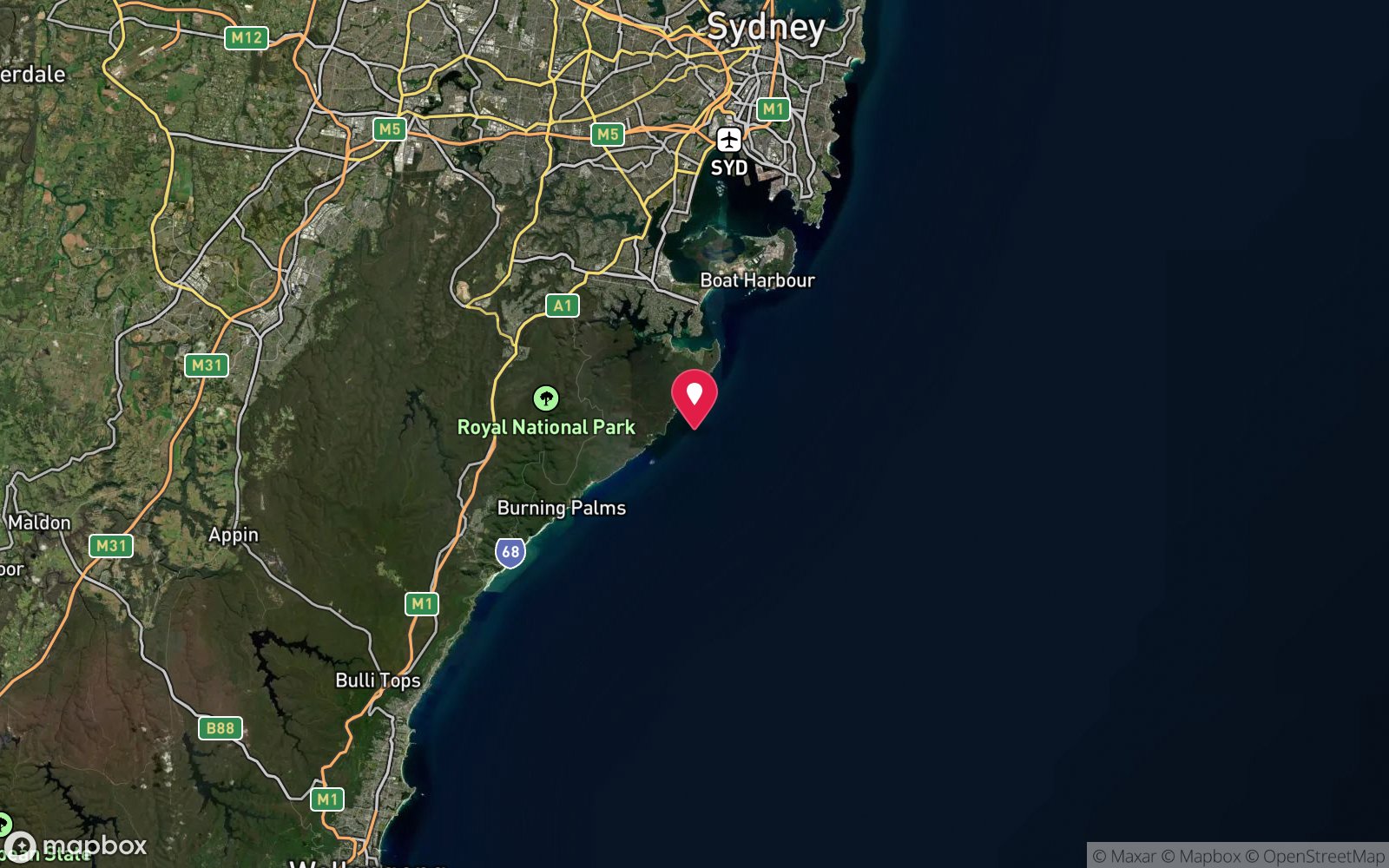
17. Sydney South & Botany Bay · NSW
SS Tuggerah wreck
Max depth: 49 m · The most intact engine room of any Sydney wreck, buried in schooling fish, at 45 m off Royal National Park.
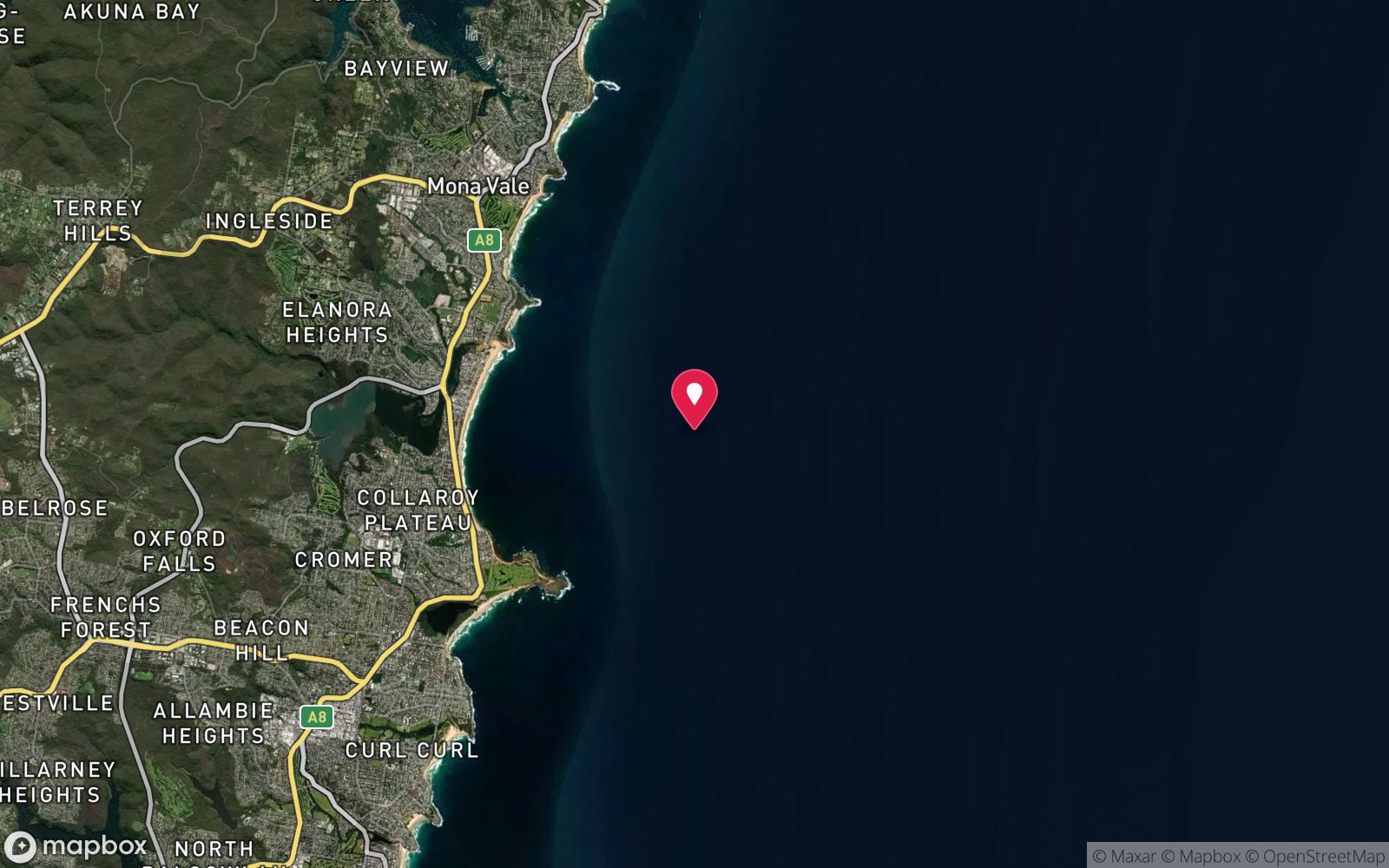
18. Sydney Northern Beaches · NSW
HMAS Doomba / Meggol wreck
Max depth: 49 m · A WWI Royal Navy minesweeper that became a Brisbane ferry, an RAN warship and a Sydney oil barge, lying beside the Dee Why ferry in 49 m.
19. Newcastle & Lake Macquarie · NSW
SS Advance wreck (Catherine Hill Bay)
Max depth: 49 m · An upright, relatively intact 1908 tug with boiler, galley stove and side plating in place, alone on sand off Catherine Hill Bay.
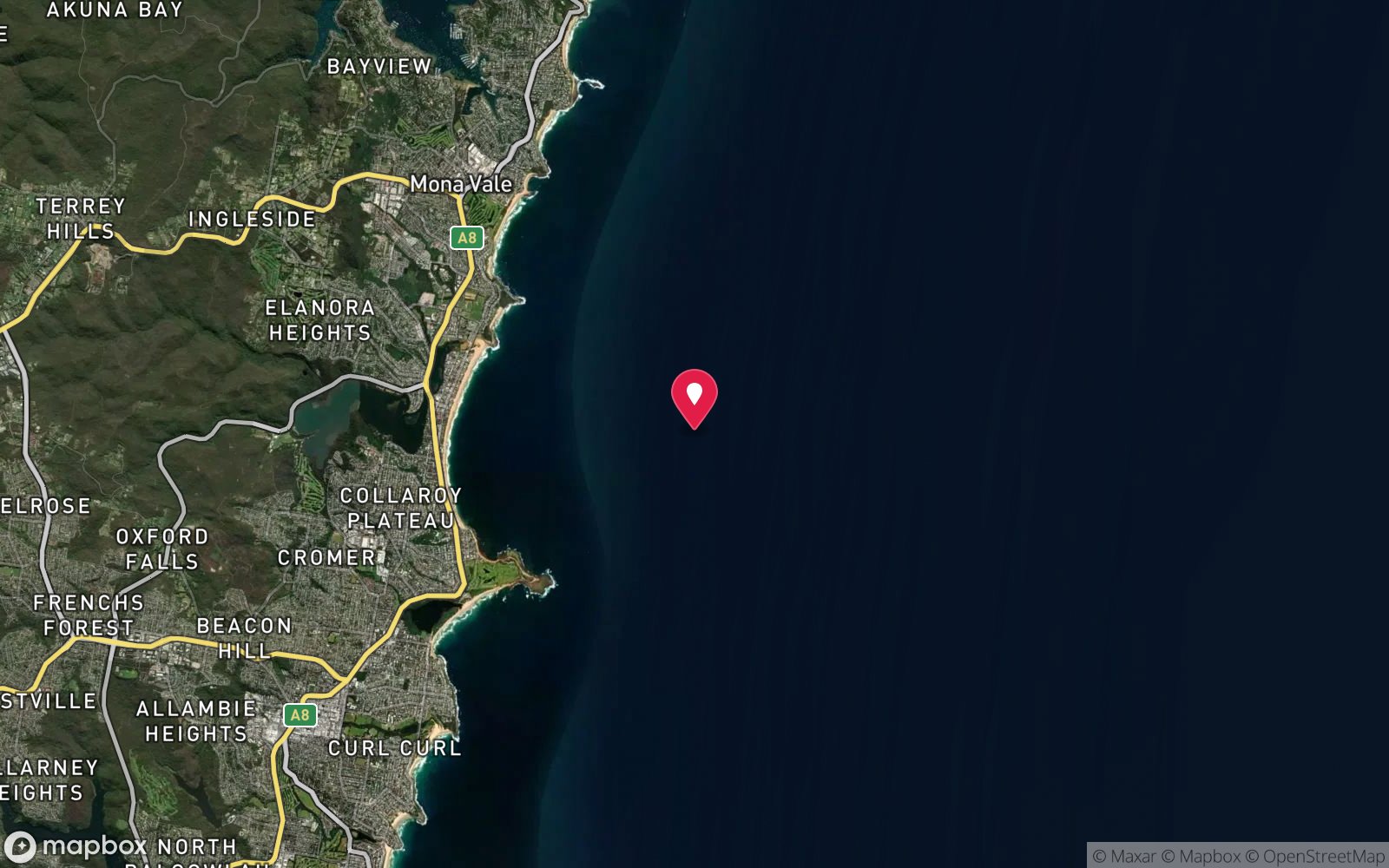
20. Sydney Northern Beaches · NSW
Coolooli wreck
Max depth: 48 m · A towering bucket dredge on its side in 48 m with the bucket ladder still running to the bow; jewel anemones on every rope.
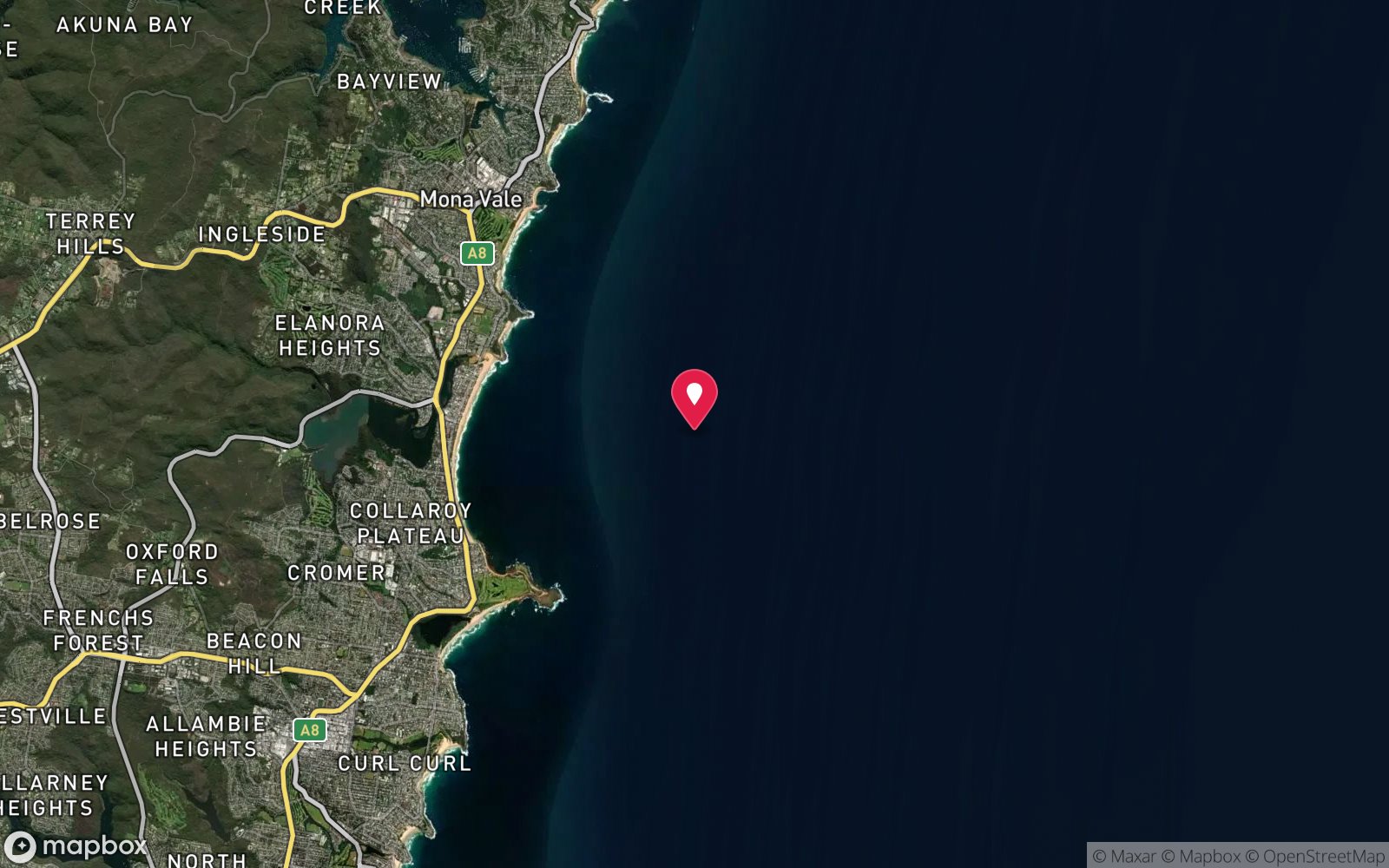
21. Sydney Northern Beaches · NSW
SS Dee Why (ferry) wreck
Max depth: 48 m · Sydney's largest scuttled ferry, upright in 48 m with four intact boilers and a swim-through boiler room; the flagship of the Long Reef wreck ground.
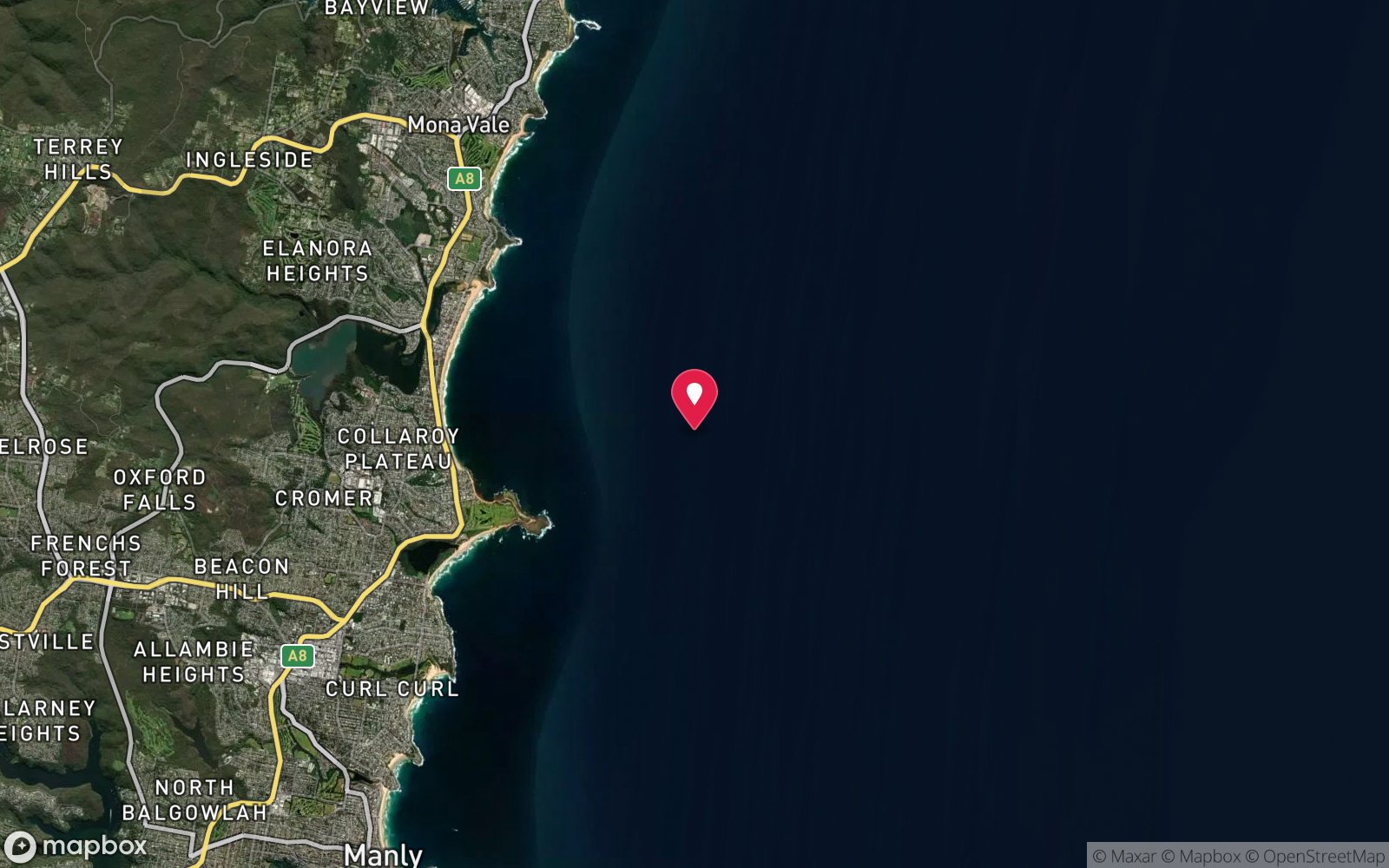
22. Sydney Northern Beaches · NSW
Apollo Barge wreck
Max depth: 47 m · A fully intact 60 m hopper barge at 47 m with an enterable engine room and holds full of jewfish and trumpeter.
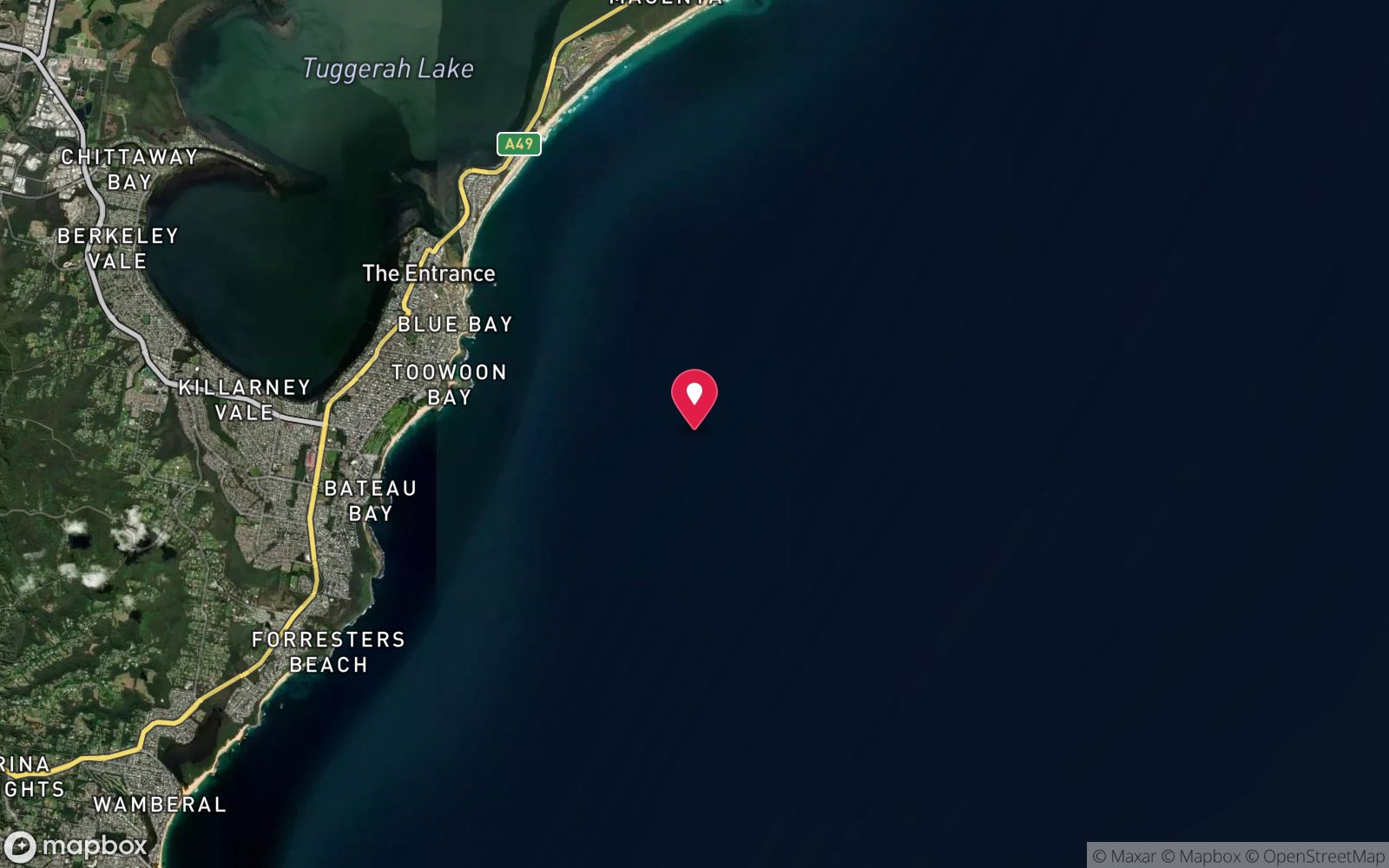
23. Central Coast · NSW
SS Kiama wreck
Max depth: 47 m · A 1951 sixty-miler collier with a prominent boiler and engine lying to port, in 45-47 m off The Entrance.
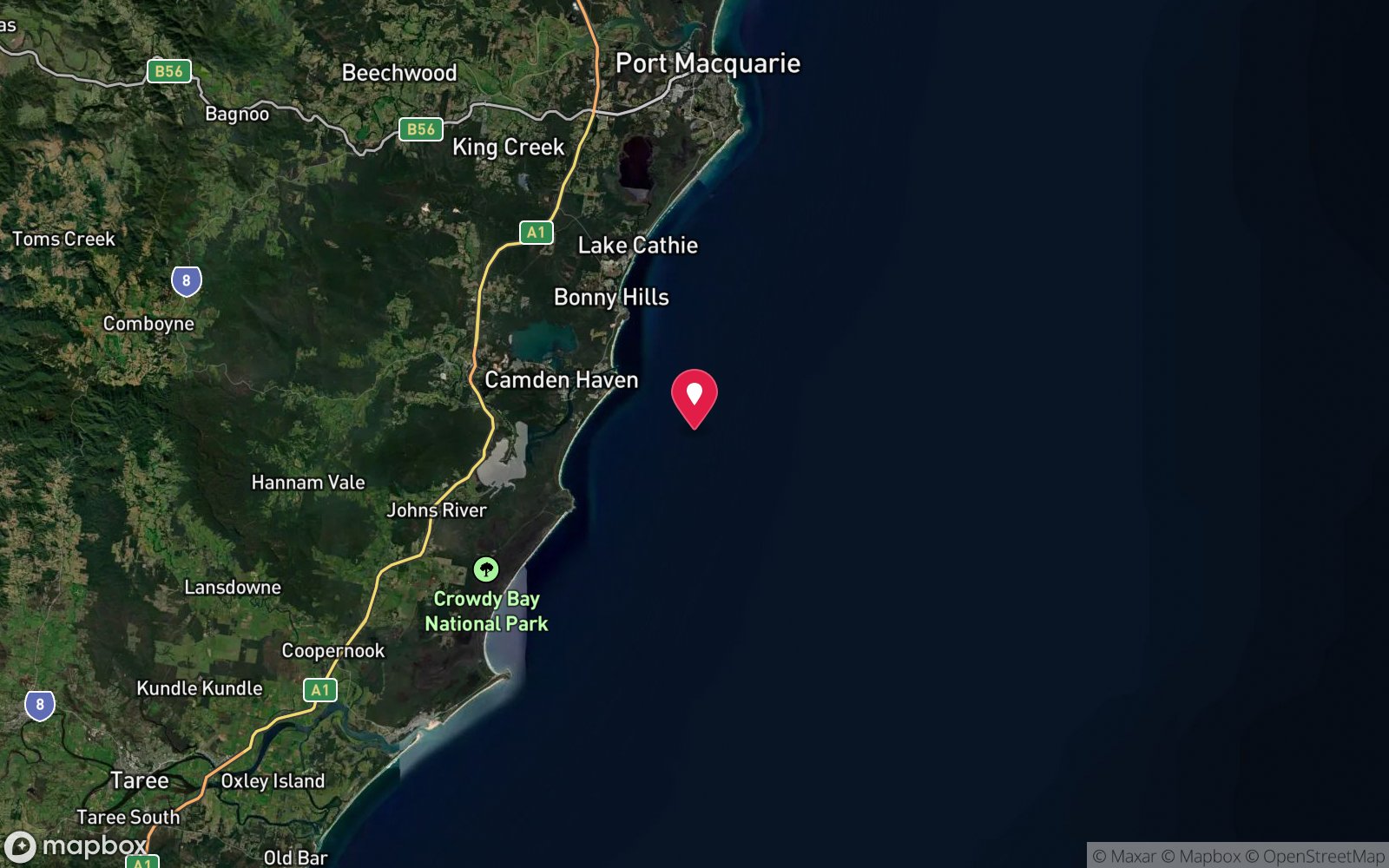
24. Port Macquarie & Camden Haven · NSW
Cod Grounds
Max depth: 46 m · A Commonwealth marine park protecting a cluster of pinnacles that is critical grey nurse shark habitat, with a strict no-anchoring rule to protect research equipment.
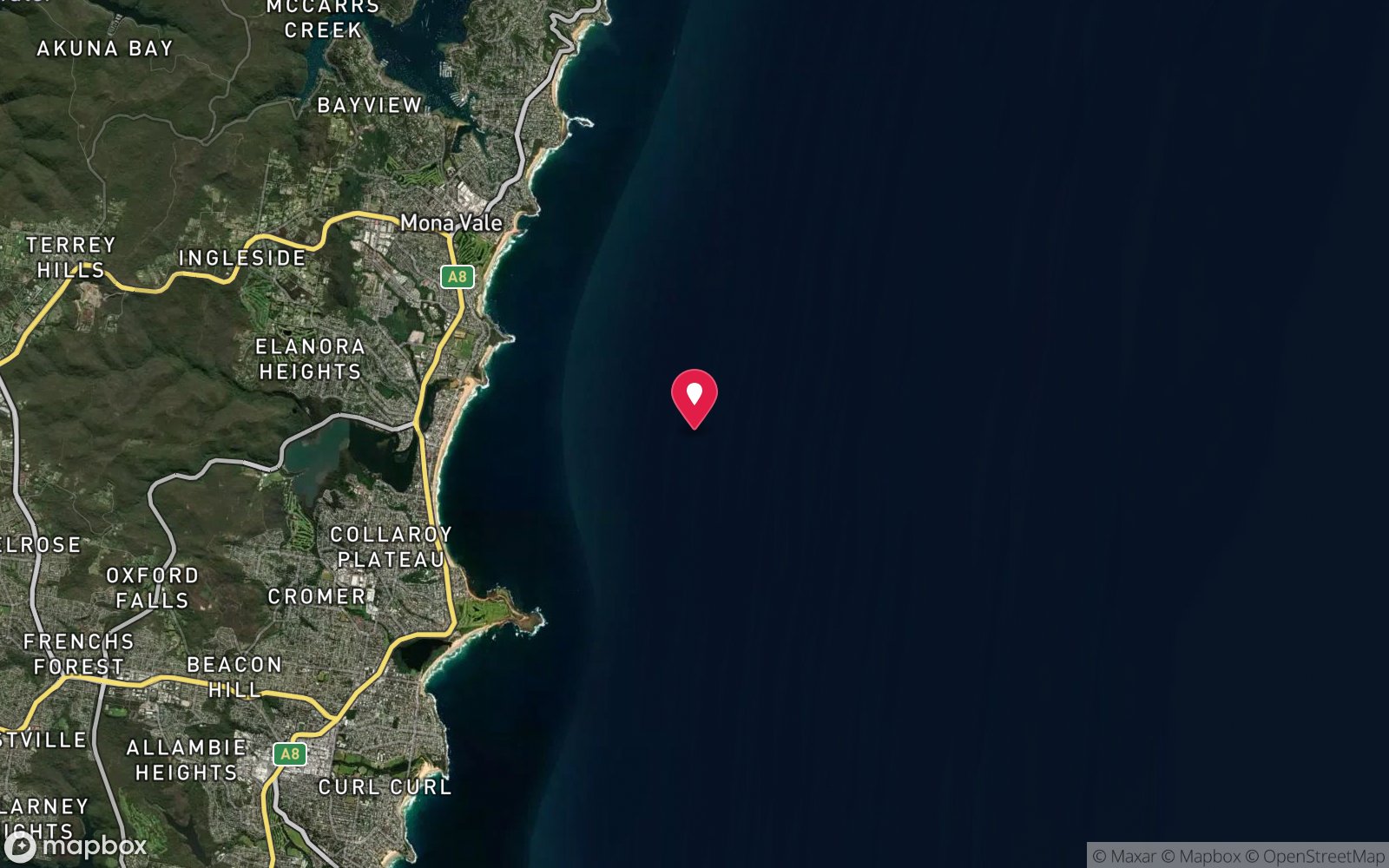
25. Sydney Northern Beaches · NSW
MV Bellubera wreck
Max depth: 46 m · A 1910 Manly ferry in two pieces with an intact bow and open, fish-filled interior at 45 m.
The guide
How to read this list
Maximum depth is the number a database can sort by, but it is not what makes these sites hard. Three things are: the environment (open ocean over 80 m, a sinkhole shaft, a tidal channel), the logistics (a boat that can find and hold a mark, a permit, a cave rating) and the distance to a chamber. Almost everything above 60 m on this list is dived by a small circle of technical divers and clubs, on rebreathers or open-circuit trimix, in specific weather windows.
The recreational reader should look at the shallow ends. Piccaninnie Ponds, Kilsby and Ewens Ponds put Open Water divers over water that is 60 to 100 m deep without taking them past 20 m. The Kanowna and Federal have no shallow options, but the Port Phillip Heads walls that lead down to Trimix Corner start at 12 m.
Where the deep water is
Victoria dominates. Bass Strait is shallow but the shipping lane past the Heads, Cape Schanck and Cape Otway has claimed liners, colliers and warships in 70 to 115 m, and Melbourne has the most active technical wreck community in the country to find them. South Australia's Limestone Coast supplies the sinkholes: the Shaft, the Chasm and a dozen deep cave systems, all managed by the CDAA. Western Australia has the Rottnest graveyard and the Nullarbor caves; New South Wales has the Fairwind and a run of 60 m-plus wrecks off Sydney and South West Rocks.
Queensland barely features, which surprises people. The reef is shallow, the deep walls of the Coral Sea drop from 20 m to 1,000 m without a floor to record, and the state's deep wrecks (the Yongala at 30 m, the Brisbane at 28 m) are recreational. Deep in Queensland means offshore, not down.
Training and access
Below 40 m is technical diving by every agency's definition: decompression procedures, redundant gas, helium below 50 to 60 m. The sinkholes add CDAA ratings (Deep Cavern, Cave, Advanced Cave), most of which take years. Many of the wrecks are protected historic shipwrecks or war graves with permit systems run by the state heritage office; the site pages say which. The technical diving section explains the courses, and the courses directory lists the centres that teach them.
Editorial last reviewed September 2026. The list itself is regenerated from the directory daily.
Frequently asked questions
What is the deepest dive site in Australia?
Rottnest's Ships' Graveyard holds wrecks down to 200 m, dived only by technical teams. The deepest sinkhole is the Shaft near Mount Gambier at 124 m; the deepest commonly dived wrecks are the Kanowna (82 m) off Wilsons Promontory and the Nord (42 m) in Tasmania.
How deep can a recreational diver go?
Recreational agencies cap depth at 40 m with the Deep Diver specialty, 30 m with Advanced Open Water and 18 m with Open Water. Beyond 40 m is technical diving.
More rankings
- Australia's Most Remote Dive Sites
- The Longest Boat Rides to a Day Dive
- The Warmest Dive Sites in Australia
- The Coldest Dive Sites in Australia
- Australia's Clearest-Water Dive Sites
- The Most Biodiverse Dive Sites in Australia
- The Oldest Shipwrecks You Can Dive in Australia
- WWII and Wartime Wrecks You Can Dive in Australia
- All rankings →